There’s nothing quite like checking on your sleeping baby, only to discover an angry red rash has taken over their delicate skin overnight. While daytime diaper changes give you multiple opportunities to intervene, those 8-12 hour stretches of sleep create the perfect storm for moisture, friction, and irritation to flourish. This is where the right overnight diaper rash cream becomes your silent nighttime guardian.
But not all zinc oxide formulas are created equal when it comes to extended protection. The cream that works beautifully for quick daytime changes might completely fail during marathon sleep sessions. Understanding what makes overnight protection different—and what separates mediocre creams from exceptional ones—can mean the difference between your baby waking up comfortable versus screaming in discomfort. Let’s dive deep into the science, ingredients, and application strategies that define truly effective overnight diaper rash protection.
Top 10 Overnight Diaper Rash Creams with Zinc Oxide
Detailed Product Reviews
1. Desitin Maximum Strength Baby Diaper Rash Cream, 40% Zinc Oxide, Hypoallergenic No Added Parabens & Dyes, Protects & Relieves Baby’s Skin for Up to 12 Hours, Prevents Diaper Rash, 4.8 oz Tube

Overview: Desitin’s Maximum Strength formula delivers clinical-grade protection with 40% zinc oxide concentration, making it a go-to solution for moderate to severe diaper rash. This dermatologist-tested paste creates an impermeable moisture barrier that actively treats existing irritation while preventing new flare-ups. The hypoallergenic, dye-free composition ensures compatibility with even the most sensitive newborn skin, earning its place as a nursery staple for generations.
What Makes It Stand Out: The 12-hour protection claim sets Desitin apart from standard creams, reducing nighttime applications for exhausted parents. Its 5-in-1 action treats, heals, protects, soothes, and prevents simultaneously, eliminating the need for multiple products. The thick, rich paste consistency adheres exceptionally well to wet skin, creating an immediate protective seal that doesn’t wipe away during diaper changes. Free from parabens and artificial fragrances, it prioritizes safety without sacrificing efficacy.
Value for Money: At $1.66 per ounce, this represents solid mid-range value for a maximum-strength formulation. While cheaper than premium competitors like Triple Paste Max, it costs nearly double budget options like A+D Zinc Oxide. The 4.8-ounce tube lasts 2-3 weeks with severe rash treatment, making the investment reasonable for its therapeutic concentration. Parents dealing with persistent rashes will find the performance justifies the moderate price premium.
Strengths and Weaknesses: Strengths include the highest zinc oxide concentration (40%), proven 12-hour durability, hypoallergenic formulation, and immediate barrier formation. The thick paste excels at treating severe, stubborn rashes. Weaknesses involve the paste’s stubborn texture, which can be difficult to spread and clean off hands. The white residue may stain clothing if not fully absorbed, and the tube design makes accessing the last product challenging.
Bottom Line: Desitin Maximum Strength is the reliable workhorse for serious diaper rash, offering hospital-grade protection at a fair price. Ideal for parents needing powerful, long-lasting relief for persistent irritation.
2. A+D Zinc Oxide Diaper Rash Treatment Cream, Dimethicone 1%, Zinc Oxide 10%, Easy Spreading Baby Rash Cream, 4 Ounce Tube (Packaging May Vary)
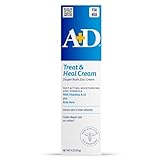
Overview: A+D’s Zinc Oxide Cream positions itself as the accessible, everyday solution for diaper rash prevention and mild treatment. With a lower 10% zinc oxide concentration combined with 1% dimethicone, this formula prioritizes spreadability and comfort over maximum potency. Pediatrician-recommended and designed for proactive use, it serves as an excellent first-line defense before rashes escalate to requiring stronger interventions.
What Makes It Stand Out: The standout feature is its remarkably smooth, spreadable texture that glides onto skin without tugging or requiring excessive rubbing. Unlike thick pastes, this cream absorbs quickly while still forming a protective layer. The dimethicone addition provides extra skin-conditioning benefits, making it ideal for babies prone to chafing. Its “apply at first sign” approach empowers parents to intervene early, potentially avoiding more severe rashes altogether.
Value for Money: At just $0.86 per ounce, this is the most economical choice among reputable diaper rash treatments. The 4-ounce tube offers excellent longevity for daily preventative use, lasting up to a month with regular application. While it lacks the maximum-strength punch of pricier competitors, its affordability makes liberal, frequent application financially feasible. For maintenance and mild cases, no better price-to-performance ratio exists.
Strengths and Weaknesses: Key strengths include effortless application, fast absorption, budget-friendly pricing, and suitability for daily preventative care. The lightweight feel keeps babies comfortable and simplifies cleanup. However, the 10% zinc oxide concentration proves insufficient for moderate to severe rashes, requiring parents to purchase stronger alternatives for flare-ups. The lower barrier durability means more frequent reapplication is necessary, and it may not seal out moisture as effectively as paste formulas.
Bottom Line: A+D Zinc Oxide Cream excels as a preventative, everyday barrier cream that wins on affordability and ease of use. Best for parents prioritizing gentle maintenance over intensive treatment.
3. A+D Overnight Healing Diaper Rash Ointment - Soothes, Protects & Relieves Diaper Rash Overnight with Lavender & Colloidal Oatmeal - Healing Ointment for Red, Itchy, Irritated Skin - 3.6oz
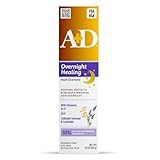
Overview: This specialized overnight ointment diverges from traditional zinc-heavy pastes, instead leveraging vitamins A and D with colloidal oatmeal and lavender for restorative healing. Designed specifically for 8+ hours of nighttime recovery, the formula addresses the unique challenges of extended diaper wear during sleep. The 3.6-ounce tube focuses on intensive skin repair rather than just moisture barrier creation, targeting redness and itching directly.
What Makes It Stand Out: The overnight-specific design with calming lavender scent transforms diaper rash care into a soothing bedtime ritual. Clinical data showing 93% of parents noticed improved skin by morning provides compelling real-world validation. Unlike competitors focused solely on zinc oxide percentages, this ointment treats skin like a healing mask, using vitamins and oatmeal to actively repair damaged tissue while creating a breathable protective layer.
Value for Money: At $1.53 per fluid ounce, this mid-priced specialty product commands a slight premium over standard creams but costs less than maximum-strength pastes. The concentrated formula requires less product per application, offsetting the smaller tube size. For parents struggling with nighttime rash discomfort disrupting sleep, the targeted efficacy justifies the modest upcharge. It essentially replaces both a rash cream and calming lotion, adding value through dual functionality.
Strengths and Weaknesses: Notable strengths include the overnight healing focus, pleasant natural ingredients, versatility for other irritated skin areas, and strong clinical parent satisfaction ratings. The lavender scent provides aromatherapy benefits while colloidal oatmeal soothes inflammation. Weaknesses include lower zinc oxide content (unspecified, likely under 15%), making it inadequate for severe rashes. The scent, while calming, may irritate ultra-sensitive skin or babies with fragrance allergies, and it’s not intended for daytime moisture protection.
Bottom Line: A+D Overnight Ointment is the specialist for nighttime healing, perfect for parents seeking a gentler, vitamin-enriched alternative to heavy pastes. Ideal for moderate irritation and establishing calming bedtime routines.
4. Triple Paste Diaper Rash Cream for Baby - 8 Oz Tub – Zinc Oxide Ointment Treats, Soothes & Prevents Diaper Rash, Pediatrician-Recommended Hypoallergenic Formula, Baby Essentials for Daily & Overnight

Overview: Triple Paste’s original formula occupies the premium segment with its clean-ingredient philosophy and moderate 12.8% non-nano zinc oxide concentration. The generous 8-ounce tub provides ample product for liberal application, positioning it as a daily-use workhorse for parents prioritizing ingredient transparency. Pediatrician-recommended and free from common irritants, it bridges the gap between gentle prevention and effective treatment for mild to moderate rashes.
What Makes It Stand Out: The commitment to purity distinguishes Triple Paste—free from fragrance, alcohol, talc, dyes, parabens, phthalates, and preservatives. The use of non-nano zinc oxide appeals to parents concerned about particle absorption, while oat extract and beeswax provide natural soothing and barrier enhancement. The substantial tub packaging encourages generous application without the waste of squeezed tubes, and the versatile formula performs equally well for daily maintenance and overnight protection.
Value for Money: At $2.12 per ounce, this is a significant investment compared to drugstore brands, though the bulk 8-ounce size reduces per-ounce cost versus smaller premium tubes. The clean ingredient profile commands a justified premium for health-conscious families. While expensive upfront, the tub’s longevity (6-8 weeks of regular use) amortizes the cost. However, parents dealing with severe rashes may still need a maximum-strength supplement, diminishing the overall value proposition.
Strengths and Weaknesses: Major strengths include the exhaustive exclusion of potential irritants, pediatrician endorsement, non-nano zinc formulation, and excellent spreadability. The large tub size offers convenience and reduces packaging waste. The oat and beeswax combination provides superior skin conditioning. Weaknesses center on the price point and moderate zinc concentration, which may prove insufficient for stubborn rashes. The tub format, while eco-friendly, can be less hygienic than tubes and isn’t travel-friendly. Some parents may find the natural scent less appealing than fragrance-free alternatives.
Bottom Line: Triple Paste Original is the premium daily driver for ingredient-conscious parents, excelling at prevention and mild treatment. Worth the investment for families prioritizing clean formulation over maximum potency.
5. Triple Paste 3X Max Diaper Rash Ointment for Baby, Maximum Strength with 40% Zinc Oxide Ointment for Serious Diaper Rash, 2 oz Tube

Overview: Triple Paste 3X Max represents the convergence of maximum therapeutic power and premium ingredient philosophy. Packing 40% zinc oxide—the same concentration as Desitin Maximum Strength—into a clean formula free from fragrances, dyes, and parabens, this 2-ounce tube targets severe rashes without compromising on safety standards. It essentially answers the question: “What if maximum strength could also be impeccably clean?”
What Makes It Stand Out: This is the only maximum-strength zinc oxide cream (40%) that maintains Triple Paste’s rigorous ingredient purity standards. While competitors load harsh additives into high-concentration formulas, 3X Max combines therapeutic zinc with nourishing oat extract and protective beeswax. The “3X” branding clearly communicates its potency advantage over the original formula, and the pediatrician recommendation carries weight for parents hesitant about strong treatments. It offers serious rash intervention without the chemical load.
Value for Money: At $4.24 per ounce, this is the most expensive option reviewed—nearly triple the cost of Desitin Maximum Strength per ounce. The 2-ounce tube provides only 1-2 weeks of intensive treatment, making it a costly choice for prolonged issues. However, for parents already committed to the Triple Paste ecosystem, it eliminates buying a separate brand for severe flare-ups. The value proposition hinges entirely on whether clean ingredients justify the extreme premium over equally effective drugstore alternatives.
Strengths and Weaknesses: Primary strengths include the rare combination of maximum zinc concentration and pristine ingredient list, rapid action on serious rashes, hypoallergenic formulation, and brand trust. The thick barrier performs excellently overnight and during extended wear. Critical weaknesses revolve around the prohibitive price point and tiny tube size, offering poor economy for families on budgets. The premium may be unnecessary for babies without ingredient sensitivities, and the small quantity requires frequent repurchasing during severe rash episodes.
Bottom Line: Triple Paste 3X Max serves a niche audience—parents needing maximum strength but refusing any synthetic additives. Excellent performance, but only justifies its premium if clean ingredients are non-negotiable.
6. Desitin Maximum Strength Baby Diaper Rash Cream, 40% Zinc Oxide for Treatment, Relief & Prevention, Hypoallergenic, Phthalate- & Paraben-Free Paste, Protects Skin For Up To 12 Hours, 16 oz

Overview: Desitin Maximum Strength delivers industrial-level protection with its 40% zinc oxide formulation, making it the go-to solution for severe diaper rash. This 16-ounce jar provides ample supply for parents dealing with persistent irritation, offering a thick, protective paste that creates an immediate barrier against moisture and friction.
What Makes It Stand Out: The maximum 40% zinc oxide concentration is the highest available over-the-counter, providing rapid relief and visible healing. Its 5-in-1 action treats, heals, protects, soothes, and prevents diaper rash in a single application. The hypoallergenic formula remains free from parabens, phthalates, and dyes, while delivering up to 12 hours of protection, making it ideal for overnight use when prolonged exposure to wetness occurs.
Value for Money: At $1.03 per ounce, this cream offers excellent value despite being a premium product. The high potency means you use less per diaper change compared to lower-concentration alternatives. A single jar typically lasts several months, even with frequent application, making it more economical than it first appears for families dealing with recurring rash issues.
Strengths and Weaknesses: Strengths include maximum zinc oxide concentration, long-lasting protection, dermatologist and pediatrician testing, and proven efficacy across severity levels. The thick consistency, while protective, can be difficult to spread and may feel heavy on the skin. The paste texture might not suit parents who prefer lighter creams, and the jar packaging requires clean hands for application, which can be inconvenient during diaper changes.
Bottom Line: For severe or persistent diaper rash, Desitin Maximum Strength is unmatched. Its potent formula delivers results when other creams fall short, making it an essential item for every nursery. Highly recommended for treating existing rashes rather than just prevention.
7. Triple Paste Diaper Rash Cream for Baby - 16 Oz Tub – Zinc Oxide Ointment Treats, Soothes & Prevents Diaper Rash, Pediatrician-Recommended Hypoallergenic Formula, Baby Essentials for Daily & Overnight

Overview: Triple Paste positions itself as the premium pediatrician-recommended choice for discerning parents. This 16-ounce tub combines 12.8% non-nano zinc oxide with natural ingredients like oat extract and beeswax, creating a gentle yet effective barrier against diaper rash that works for both treatment and daily prevention.
What Makes It Stand Out: The non-nano zinc oxide formulation appeals to parents concerned about nanoparticle absorption. Its triple-action formula treats existing rashes while preventing future occurrences, and the absence of fragrance, alcohol, talc, dyes, parabens, phthalates, and preservatives makes it exceptionally gentle. The inclusion of soothing botanicals sets it apart from purely mineral-based creams, offering a more natural approach to skin protection.
Value for Money: At $1.80 per ounce, Triple Paste commands premium pricing. However, the large 16-ounce tub provides substantial product that lasts significantly longer than smaller tubes. For parents prioritizing clean ingredients and gentle effectiveness, the cost is justified, though budget-conscious buyers may hesitate when comparing to maximum-strength alternatives available at lower prices.
Strengths and Weaknesses: Strengths include its hypoallergenic, multi-ingredient formula that soothes naturally, pediatrician recommendation, and absence of harsh chemicals. The lower zinc oxide percentage (12.8%) may require more frequent application for severe rashes compared to maximum-strength alternatives. The tub packaging, while economical, can be less hygienic than tubes and may expose the product to contamination over time.
Bottom Line: Triple Paste is worth the investment for parents seeking a gentler, more natural approach to diaper rash care. Its clean formula and proven effectiveness make it ideal for daily use and sensitive skin, though severe cases might need stronger alternatives.
8. Triple Paste Diaper Rash Cream for Baby - 3 oz Tube – Zinc Oxide Ointment Treats, Soothes & Prevents Diaper Rash, Pediatrician-Recommended Hypoallergenic Formula, Baby Essentials for Daily & Overnight

Overview: This 3-ounce tube contains the same premium Triple Paste formula as its larger counterpart, offering portability for busy parents. With 12.8% non-nano zinc oxide combined with oat extract and beeswax, it provides gentle relief in a convenient, travel-friendly package that fits easily in diaper bags.
What Makes It Stand Out: The tube format allows for hygienic, on-the-go application without the mess of jar packaging. It maintains the brand’s commitment to clean ingredients—free from fragrance, alcohol, dyes, parabens, and phthalates. The non-nano zinc oxide and botanical blend offers a more natural approach to rash treatment while providing the same pediatrician-recommended protection as the larger size.
Value for Money: At $3.73 per ounce, this small tube is significantly overpriced compared to the 16-ounce tub. You’re paying nearly three times more per ounce for the convenience of portable packaging. While useful for diaper bags or travel, it’s not economical for regular home use and represents poor long-term value for families on a budget.
Strengths and Weaknesses: Strengths include portability, hygienic application, gentle formula, and pediatrician recommendation. The major weakness is the poor value proposition—this size is cost-prohibitive for daily use. The smaller quantity means frequent repurchasing, and the tube contains less product than it appears due to packaging, making it run out surprisingly quickly even with conservative use.
Bottom Line: Purchase this tube only for travel or as a trial size. For regular use, the 16-ounce tub offers vastly superior value. This size serves a specific niche but shouldn’t be your primary purchase unless portability is your absolute priority.
9. The Honest Company Hypoallergenic Diaper Rash Cream, Moisturizing, Calming Zinc Oxide Ointment, NEA Recognized Cruelty-Free, 2.5 oz

Overview: The Honest Company’s diaper rash cream caters to environmentally conscious parents seeking clean, cruelty-free baby care. This 2.5-ounce tube features a zinc oxide formula enhanced with their proprietary Soothing Phyto-Blend, emphasizing ethical production and skin barrier support for the most sensitive babies.
What Makes It Stand Out: NEA recognition and cruelty-free certification appeal to eco-minded consumers. The formula excludes silicones, parabens, lanolin, petrolatum, mineral oil, and synthetic fragrances—ingredients many parents actively avoid. The Soothing Phyto-Blend provides botanical-based skin barrier support, aligning with the brand’s commitment to transparency and clean beauty standards.
Value for Money: At $3.95 per ounce, this is the most expensive option per unit. The tiny 2.5-ounce size requires frequent replacement, making it unsuitable as a primary cream for daily use. You’re paying premium prices for ethical branding and clean ingredients, with the cost per ounce nearly double that of mainstream alternatives offering larger quantities.
Strengths and Weaknesses: Strengths include ethical certifications, clean ingredient list, and gentle formulation for sensitive skin. Weaknesses are the high cost, small size, and lack of transparency about zinc oxide percentage. The premium pricing may not translate to superior performance, and frequent repurchasing creates more packaging waste, somewhat contradicting the eco-friendly positioning.
Bottom Line: Ideal for parents prioritizing ethical consumption over cost-effectiveness. For treating active rashes, more potent and economical options exist. Consider this as a supplementary cream for occasional use or for babies with extremely sensitive skin reacting to other formulations.
10. A+D Treat + Heal Zinc Oxide Diaper Rash Cream 16 oz Jar - Soothes & Treats Diaper Rash - Zinc Oxide 10% Dimethicone 1% - Easy Spreading Cream for Baby - Fast Acting
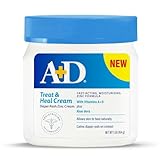
Overview: A+D leverages 80 years of trust with this Treat + Heal cream, offering a balanced approach to diaper rash care. The 16-ounce jar contains 10% zinc oxide plus 1% dimethicone and soothing aloe, creating an easy-to-spread formula that works on contact for fast relief and prevention.
What Makes It Stand Out: The addition of dimethicone provides extra skin-conditioning benefits not found in pure zinc oxide creams. Its smooth, non-greasy texture spreads evenly without tugging on delicate skin. The pediatrician-recommended formula is free from parabens, dyes, and phthalates while maintaining the brand’s legacy of gentle effectiveness for multiple generations.
Value for Money: At $0.90 per ounce, this is the most economical choice among premium diaper rash creams. The large jar provides months of supply, and the easy-spreading formula means you use less product per application. FSA/HSA eligibility adds financial flexibility, making it accessible for families utilizing healthcare accounts.
Strengths and Weaknesses: Strengths include excellent value, easy application, trusted brand heritage, and the dimethicone-enhanced formula that moisturizes while protecting. The 10% zinc oxide concentration is lower than maximum-strength options, potentially requiring longer treatment times for severe rashes. The jar packaging requires finger application, which some parents find less hygienic than tube alternatives, especially during messy changes.
Bottom Line: A+D offers unbeatable value for prevention and mild rash treatment. Its spreadable texture and trusted formula make it perfect for daily use. While not ideal for severe cases, it’s the smartest choice for budget-conscious families seeking reliable, gentle protection.
Why Overnight Protection Requires a Different Approach
The Extended Exposure Challenge
During the day, you’re changing diapers every 2-3 hours, giving your baby’s skin regular breaks from moisture and waste contact. Overnight, that same skin remains trapped against urine and feces for 3-4 times longer. This extended exposure creates a unique chemical environment where pH levels drop, enzymes become more active, and the skin’s natural barrier begins to break down. Standard diaper creams simply aren’t designed to withstand this assault.
How Overnight Creams Differ from Daytime Formulas
Overnight formulations prioritize three critical factors: adhesion, occlusion, and durability. They create a physical barrier that won’t rub off on diapers or bedding, maintain consistent protection despite movement and pressure, and resist breakdown from prolonged moisture exposure. The ingredient ratios shift dramatically—fewer water-based components, more occlusive agents, and higher concentrations of active protectants.
Understanding Zinc Oxide Concentrations
The 40% Threshold Myth
You’ve likely heard that 40% zinc oxide is the gold standard for severe rashes. While high concentrations do provide robust protection, the relationship isn’t linear. A 40% cream isn’t necessarily twice as effective as a 20% formula. The delivery system, supporting ingredients, and application technique matter just as much as the percentage. For overnight use, concentrations between 20-25% often provide optimal protection without the chalky, difficult-to-spread texture that higher percentages create.
Why More Isn’t Always Better
Ultra-high zinc oxide percentages can paradoxically compromise the barrier by creating a brittle, cracked layer that flexes poorly with your baby’s movements. These formulations also tend to be drier and may actually wick moisture away from the skin’s surface too aggressively, disrupting the natural healing environment. The sweet spot for overnight protection balances active ingredient potency with a flexible, breathable matrix.
The Science Behind Barrier Formation
How Zinc Oxide Creates Protection
Zinc oxide works through multiple mechanisms simultaneously. It provides a physical barrier that repels moisture, exhibits mild astringent properties that tighten and protect skin tissue, reflects irritants away from damaged areas, and creates an environment that supports natural skin pH recovery. For overnight protection, the particle size and dispersion method critically affect performance. Micronized zinc oxide forms a more uniform film, while non-nano particles create a thicker, more substantial barrier.
The Role of Occlusive Ingredients
The most effective overnight creams pair zinc oxide with occlusive agents like petrolatum, dimethicone, or natural waxes. These ingredients fill the microscopic gaps between zinc oxide particles, creating a continuous waterproof shield. The occlusive layer prevents transepidermal water loss while simultaneously blocking external irritants. This synergy is what separates basic creams from true overnight warriors.
Key Ingredients That Complement Zinc Oxide
Skin-Nourishing Botanicals
Look for creams that incorporate calendula, chamomile, or aloe vera at therapeutic levels. These botanicals provide anti-inflammatory benefits that work synergistically with zinc oxide’s protective properties. However, concentration matters—a cream listing calendula as the final ingredient likely contains insufficient amounts to provide meaningful benefit. The best formulations position these botanicals within the first five ingredients.
Moisture-Wicking Components
Counterintuitively, effective overnight creams often include ingredients that manage moisture rather than simply repelling it. Starches like arrowroot or tapioca absorb excess wetness within the barrier layer itself, preventing pooling against the skin. This creates a micro-environment where moisture is controlled rather than eliminated, supporting the skin’s natural healing processes.
pH Balancing Agents
Healthy baby skin maintains a pH between 4.5 and 6.0. Diaper rash often coincides with pH disruption that activates fecal enzymes. Advanced overnight creams include buffering agents that help maintain optimal skin pH throughout the night. Ingredients like sodium bicarbonate or specialized amino acid complexes gradually neutralize acidity without causing irritation.
Ingredients to Avoid for Sensitive Skin
Common Irritants in Diaper Creams
Even “gentle” creams can contain hidden irritants. Cocamidopropyl betaine, a common thickening agent, ranks among the top allergens in pediatric skin products. Similarly, lanolin—while natural—contains wool alcohols that trigger reactions in approximately 3% of infants. Propylene glycol can increase skin permeability, allowing other irritants to penetrate more deeply.
The Fragrance Dilemma
“Natural fragrance” isn’t necessarily safer than synthetic versions. Both can contain dozens of undisclosed compounds, many of which are potent allergens. For overnight use, where the product remains on skin for extended periods, fragrance-free isn’t just preferable—it’s essential. Even essential oils marketed as therapeutic can cause photosensitivity and allergic reactions when used in diaper areas.
Texture and Consistency: Cream vs Ointment
Benefits of Thicker Ointments for Night
Ointments contain minimal water, creating a more stable, longer-lasting barrier. Their occlusive nature makes them inherently better suited for overnight protection. However, they can feel greasy and may be harder to clean during morning diaper changes. The ideal overnight texture strikes a balance—thick enough to stay put, but pliable enough to spread evenly without tugging at delicate skin.
Spreadability Factors
The “spreadability coefficient” affects both protection and ease of use. Creams that are too stiff require excessive rubbing, which can further irritate inflamed skin. Conversely, overly soft formulations may not create a thick enough layer. Look for descriptions like “rich, spreadable texture” or “smooth application” in product details, and test samples when possible to assess how the product glides across skin.
Proper Application Techniques for Maximum Protection
The “Frosting” Method
Think of applying overnight cream like frosting a delicate cake rather than rubbing in lotion. Use clean, dry fingers to apply a thick, visible layer that completely covers the irritated area and extends at least half an inch beyond the rash margins. This technique creates a substantive barrier that won’t thin out during the night. Press gently rather than rubbing—patting motions prevent further friction on already angry skin.
Often-Missed Areas
The creases where thighs meet torso, the lower back area where diapers tend to gap, and the delicate folds around the genitals are frequently under-protected. Overnight leakage often concentrates in these zones, making comprehensive coverage critical. Apply a slightly thicker layer to these high-risk areas, and ensure the barrier connects continuously across all protected skin.
Timing: When to Apply for All-Night Coverage
Pre-Bedtime Routine Integration
Apply the overnight cream during the final diaper change before sleep, but wait 2-3 minutes after cleaning and thoroughly drying the area. This brief interval allows any residual moisture to evaporate completely while giving the skin a moment to breathe. For babies with severe rashes, consider a light daytime application 30 minutes before the final bedtime layer to precondition the skin.
Layering Considerations
If you’re using a daytime cream earlier in the evening, gently pat away any excess before applying the overnight formula. Layering incompatible products can create pH conflicts or cause the barrier to slough off prematurely. For maximum adhesion, the overnight cream should be the only product on the skin during sleep hours.
Cloth Diapers vs Disposable: What You Need to Know
Zinc Oxide and Absorbency Issues
Zinc oxide can coat cloth diaper fibers, reducing absorbency over time. This is especially problematic with overnight cloth setups that rely on maximum capacity. The mineral particles create a hydrophobic layer that repels liquid rather than allowing it to pass through to absorbent cores. This can lead to leaks and compression wicking.
Stain Prevention Strategies
If you use cloth diapers overnight, apply a thin disposable liner between the cream and diaper fabric. These liners catch the majority of zinc oxide while still allowing liquid to pass through to the diaper. Alternatively, switch to disposable diapers for nighttime during active rash treatment, giving your cloth diapers a break and ensuring the cream can work at full potency without compromise.
Sensitive Skin and Allergy Considerations
Identifying Reaction Patterns
True allergic reactions to zinc oxide are extremely rare, but reactions to accompanying ingredients are common. Watch for worsening redness, new blister formation, or rash spreading beyond the initial area within 24-48 hours of starting a new cream. Contact dermatitis often appears as a well-defined border where the product was applied, while irritant reactions may be more diffuse.
Hypoallergenic Certification Explained
The term “hypoallergenic” lacks FDA regulation, making it largely marketing speak. Instead, look for products certified by organizations like the National Eczema Association or those that have undergone repeat insult patch testing. These third-party validations provide genuine assurance rather than empty promises.
Preservatives and Fragrance: Making Sense of the Labels
Natural vs Synthetic Preservatives
Paraben-free formulations often substitute phenoxyethanol, which can cause its own sensitivity issues in rare cases. Natural preservatives like potassium sorbate or sodium benzoate are gentler but may result in shorter shelf lives. For overnight creams that you’ll use consistently, a moderate amount of effective preservative is preferable to a “clean” formula that spoils quickly.
Unscented vs Fragrance-Free
“Unscented” products may contain masking fragrances that neutralize odor without adding scent. “Fragrance-free” means no fragrances were added at any stage. For overnight use, fragrance-free is the non-negotiable standard. Even masking fragrances contain compounds that can sensitize skin over time.
Evaluating Value: Price Per Use vs Overall Effectiveness
Calculating True Cost
A $20 tube that requires only a pea-sized amount per application often provides better value than a $8 tube that needs generous slathering. Consider the spreadability and required thickness. Highly concentrated formulas with superior adhesion may cost more upfront but last significantly longer while providing better protection.
When Premium Formulas Make Sense
If your baby experiences frequent or severe rashes, investing in a premium overnight cream with advanced buffering systems and skin-supporting ingredients can prevent costly pediatric visits and prescription treatments. The price difference often reflects research-backed formulations rather than just marketing. For occasional mild redness, a mid-range option may suffice.
Storage, Shelf Life, and Potency
Temperature Sensitivity
Zinc oxide suspensions can separate when exposed to temperatures above 85°F or below freezing. Store overnight creams in a cool, dry place—never in a diaper bag left in a hot car or near a sunny windowsill. Once separated, the product cannot be effectively remixed and should be discarded, as the zinc oxide particles will no longer distribute evenly.
Signs Your Cream Has Degraded
Changes in color, texture, or smell indicate formula breakdown. A properly preserved cream should maintain consistent appearance and odor for 12-18 months after opening. If the product becomes gritty, watery, or develops an off smell, the emulsion has broken and the protective barrier will be compromised during application.
Travel-Friendly Options and Considerations
TSA Guidelines and Portability
While zinc oxide creams are TSA-compliant, their thick consistency can trigger additional screening. Pack tubes in clear, quart-sized bags and consider transferring to smaller containers for short trips. Single-use packets eliminate screening hassles but generate plastic waste and may not contain enough product for a full overnight application.
Single-Use Packets vs Tubes
For overnight protection, tubes are superior. They allow you to control application thickness and ensure you’re using a fresh, non-degraded product. Single-use packets may have been sitting in warehouses for months, potentially compromising ingredient stability. Reserve packets for emergency daytime use only.
When to Consult Your Pediatrician
Red Flag Symptoms
If the rash develops blisters, ulcers, or a honey-colored crust, these may indicate bacterial infection requiring medical treatment. Purple spots, rapid spreading beyond the diaper area, or accompanying fever warrant immediate evaluation. Overnight creams are for prevention and mild irritation, not active infections.
Persistent Rash Protocols
A rash that doesn’t improve after 3-5 nights of proper overnight cream application needs professional assessment. Your pediatrician may recommend a short course of low-potency hydrocortisone or antifungal treatment. Continuing to layer zinc oxide over an untreated infection can actually trap pathogens against the skin, worsening the condition.
Prevention Strategies Beyond Cream
Diaper-Free Time Importance
Even the best overnight cream can’t replace good old-fashioned air exposure. Implement 10-15 minutes of diaper-free time before the final bedtime change. Lay your baby on a waterproof pad and let their skin breathe completely dry before applying any protective products. This simple step dramatically improves overnight outcomes.
Dietary Factors
For older infants, certain foods can increase stool acidity and enzyme activity. If you notice patterns of nighttime rash flares after introducing new foods, keep a diary. High-acid fruits, tomatoes, and dairy can all contribute to diaper area irritation. Adjusting meal timing—offering these foods earlier in the day rather than at dinner—can reduce overnight exposure.
Frequently Asked Questions
How much zinc oxide is enough for overnight protection?
For most babies, 20-25% zinc oxide provides optimal overnight protection. This concentration creates a durable barrier without the brittle, hard-to-spread texture of 40% formulas. The key is proper application thickness and complementary occlusive ingredients, not just maximum zinc percentage.
Can I use regular daytime cream at night?
Daytime creams typically lack the staying power and occlusion needed for 8+ hour protection. While they’re better than nothing, they often rub off on diapers or break down from prolonged moisture exposure. Dedicated overnight formulas are engineered specifically for extended wear.
How thick should I apply the cream?
Apply a visible, opaque layer about 1/8 inch thick—think cake frosting rather than lotion. The barrier should completely cover the area and extend beyond rash margins. If you can see skin through the cream, it’s too thin for all-night protection.
Is zinc oxide safe for newborns?
Yes, zinc oxide is considered safe for newborns when used as directed. However, preemies and babies under one month have extremely permeable skin. Use thinner layers and consult your pediatrician before applying any barrier cream to broken skin in very young infants.
Can zinc oxide cause allergies?
True zinc oxide allergies are exceedingly rare. Most reactions stem from fragrances, preservatives, or botanical additives in the cream base. If you suspect an allergy, patch test a small amount on intact forearm skin for 24 hours before applying to the diaper area.
How do I remove zinc oxide cream from cloth diapers?
Scrape off excess cream with a spatula or disposable diaper liner before washing. Use hot water cycles with strong agitation and add a water softener if you have hard water. A dedicated cloth diaper detergent with enzymes can help break down mineral residues. Avoid using fabric softeners, which bind to zinc particles.
What if the rash gets worse overnight?
Worsening despite proper cream application suggests infection, allergic reaction, or an underlying condition like eczema or psoriasis. Discontinue the cream, gently clean the area with water only, and contact your pediatrician. Take photos to document progression.
Can I use zinc oxide with other treatments?
Avoid layering zinc oxide over prescription creams unless specifically instructed by your doctor. If using a medicated treatment, apply it first, wait 30 minutes, then apply a thin zinc oxide barrier. Never mix products together in your hand before applying.
How long does a typical tube last?
With proper “frosting” technique, a 4-ounce tube should last 3-4 weeks of nightly applications for a single baby. Higher-priced concentrated formulas often last longer than budget options requiring heavier application. Track your usage to calculate true cost-per-application.
Are natural zinc oxide creams effective?
Natural formulations can be highly effective if they include adequate occlusive ingredients like beeswax or plant oils. However, “natural” doesn’t guarantee better performance. Focus on the zinc oxide percentage and complete ingredient list rather than marketing claims. Some natural preservatives are less robust, potentially shortening effective shelf life.