Nothing breaks a parent’s heart quite like watching your little one struggle with itchy, inflamed skin. Infant eczema affects up to 20% of babies, turning what should be soft, smooth skin into a battleground of redness and discomfort. While genetics play a significant role, the products you choose can either soothe the storm or fan the flames. The right hypoallergenic moisturizer isn’t just a skincare product—it’s a therapeutic tool that can restore your baby’s skin barrier and provide the comfort they desperately need.
But here’s the challenge: walk down any baby care aisle and you’ll be bombarded with labels promising “natural,” “gentle,” and “dermatologist-approved” solutions. Yet many of these products contain hidden irritants that can trigger flare-ups in eczema-prone skin. Understanding what truly makes a baby lotion safe and effective for sensitive skin requires more than marketing claims—it demands a closer look at formulation science, ingredient integrity, and application methods that actually work.
Top 10 Hypoallergenic Baby Lotions for Eczema
Detailed Product Reviews
1. Aveeno Baby Eczema Therapy Moisturizing Cream, Natural Colloidal Oatmeal & Vitamin B5, Baby Eczema Cream for Dry, Itchy, Irritated Skin Due to Eczema, Paraben- & Steroid-Free, 7.3 oz

Overview:
The Aveeno Baby Eczema Therapy Moisturizing Cream is a dermatologist-developed treatment specifically formulated for infants suffering from eczema-related skin issues. This 7.3-ounce tube delivers targeted relief through its blend of natural colloidal oatmeal and vitamin B5, creating a pH-balanced solution that strengthens the skin’s moisture barrier while providing immediate soothing comfort for dry, itchy, and irritated skin.
What Makes It Stand Out:
This cream’s breakthrough formula combines a skin-protecting oatmeal base with nourishing vitamin B5, creating a clinically proven treatment that reduces itching and irritation. Its acceptance by the National Eczema Association and endorsement from pediatricians and dermatologists provides exceptional credibility. The steroid-free, paraben-free composition ensures safety for delicate infant skin without compromising efficacy.
Value for Money:
At $10.80 for 7.3 ounces ($1.48 per ounce), this product sits in the mid-range pricing tier. While not the cheapest option available, the clinical backing and specialized formulation justify the cost. Parents can trust they’re investing in a proven treatment rather than experimenting with unverified alternatives.
Strengths and Weaknesses:
Strengths include its clinically proven efficacy, hypoallergenic formulation, trusted brand reputation, and absence of harmful chemicals. The non-greasy texture absorbs well. Weaknesses include the tube packaging, which some may find less convenient than a pump bottle, and the moderate size, which may require frequent repurchasing for severe cases.
Bottom Line:
This Aveeno cream delivers reliable, scientifically-backed relief for baby eczema. Its gentle yet effective formula makes it an excellent choice for parents seeking a trustworthy daily treatment for their infant’s sensitive skin.
2. Eucerin Baby Body Lotion, Hypoallergenic and Fragrance Free Baby Lotion with Pro-Vitamin B5 and Shea Butter, 13.5 Fl Oz Bottle

Overview:
Eucerin’s Baby Body Lotion offers a gentle, daily moisturizing solution for infants with sensitive or eczema-prone skin. This 13.5-ounce pump bottle contains a fragrance-free formula enriched with pro-vitamin B5 and shea butter, designed to provide continuous hydration while maintaining the delicate skin barrier that protects against irritation and dryness.
What Makes It Stand Out:
The convenient pump dispenser sets this product apart, enabling one-handed application during challenging diaper changes or squirmy moments. As the #1 best-selling eczema relief brand, Eucerin brings decades of dermatological expertise to this hypoallergenic formulation. The inclusion of shea butter provides natural emollient properties that complement the synthetic moisturizers.
Value for Money:
At $9.78 for 13.5 ounces ($0.72 per ounce), this represents exceptional value—nearly half the per-ounce cost of competitor creams. The larger size and economical pricing make it practical for all-over daily application without financial guilt, especially for families managing chronic skin conditions requiring frequent moisturizing.
Strengths and Weaknesses:
Major strengths include the user-friendly pump bottle, outstanding price-to-volume ratio, fragrance-free and hypoallergenic formula, and trusted brand heritage. The lotion consistency spreads easily over large areas. However, as a lighter lotion rather than a thick cream, it may require more frequent reapplication for severe eczema patches and lacks the specialized nighttime formulation some parents prefer.
Bottom Line:
Eucerin’s Baby Body Lotion is a cost-effective, convenient workhorse for daily baby skincare. Its combination of gentle ingredients, practical packaging, and unbeatable value makes it ideal for preventative care and mild to moderate dryness.
3. Aveeno Baby Eczema Therapy Nighttime Body Balm, Moisturizing Eczema Treatment, Ceramides, Triple Oat Complex, Soothes Dry, Itchy Skin, Hypoallergenic, Fragrance & Steroid Free, 11oz

Overview:
Aveeno’s Baby Eczema Therapy Nighttime Body Balm is an intensive overnight treatment designed to provide extended relief while your baby sleeps. This 11-ounce balm combines a Triple Oat Complex with ceramides and glycerin to create a lightweight yet protective barrier that locks in moisture for eight hours, addressing the nighttime itching that can disrupt infant sleep.
What Makes It Stand Out:
The specialized nighttime formulation distinguishes this balm from standard moisturizers. Its Triple Oat Complex delivers prebiotic and antioxidant benefits while ceramides actively rebuild the skin’s compromised barrier. The lightweight texture forms a protective layer without feeling heavy or occlusive, allowing skin to breathe while preventing moisture loss throughout the night.
Value for Money:
Priced at $16.68 for 11 ounces ($1.52 per ounce), this premium product costs slightly more than Aveeno’s daytime cream but offers specialized overnight benefits. For parents whose babies suffer from nighttime itching and sleep disruption, the potential improvement in rest quality justifies the modest price increase over standard formulations.
Strengths and Weaknesses:
Key strengths include the targeted nighttime formula, ceramide inclusion for barrier repair, National Eczema Association approval, and HSA/FSA eligibility. The balm texture provides longer-lasting moisture than lotions. Weaknesses include the higher price point and the fact that some babies may find even lightweight balms too heavy for comfort in warm weather.
Bottom Line:
This nighttime balm is a game-changer for families battling sleep-disrupting eczema symptoms. Its specialized overnight formula and barrier-repairing ingredients make it worth the premium for babies needing intensive moisture therapy.
4. Aveeno Baby Eczema Therapy Nighttime Moisturizing Balm, Colloidal Oatmeal & Ceramide, Soothes & Relieves Dry, Itchy Skin from Eczema, Hypoallergenic, Fragrance-Free, Travel Size, 1 oz

Overview:
The travel-sized Aveeno Baby Eczema Therapy Nighttime Moisturizing Balm delivers the same effective eczema relief as its full-sized counterpart in a convenient 1-ounce jar. TSA-compliant and perfectly portable, this miniature balm ensures your baby’s skincare routine remains consistent during vacations, overnight visits, or anytime you’re away from home.
What Makes It Stand Out:
This is the first and only nighttime balm formulated with colloidal oatmeal in a travel-appropriate size. The jar packaging eliminates concerns about tube punctures or leaks in luggage, while the TSA-compliant 1-ounce size passes through airport security without issue. It maintains the same rigorous standards as larger versions, including National Eczema Association approval.
Value for Money:
At $3.88 for a single ounce, the per-ounce cost is significantly higher than bulk options. However, this reflects convenience pricing rather than poor value—travel-sized products inherently cost more proportionally. For families who travel occasionally, investing in this portable option prevents the hassle and expense of purchasing full-sized products at destination or risking non-compliance with airline regulations.
Strengths and Weaknesses:
Strengths include exceptional portability, mess-proof jar packaging, and maintaining treatment consistency while traveling. It serves as an excellent trial size for parents uncertain about committing to the full-sized balm. The primary weakness is the high per-ounce cost, making it impractical for daily home use. The small quantity runs out quickly with regular application.
Bottom Line:
This travel balm is an essential companion for eczema-prone babies on the move. While not economical for everyday use, its convenience and portability make it invaluable for maintaining skincare routines during travel.
5. Aveeno Baby Eczema Therapy Moisturizing Cream, Natural Colloidal Oatmeal & Vitamin B5, Baby Cream for Dry, Itchy, Irritated Skin Due to Eczema, Paraben- & Steroid-Free, 12 fl. oz

Overview:
This 12-fluid ounce version of Aveeno’s Baby Eczema Therapy Moisturizing Cream offers the same clinically proven formula as the smaller tube but in a more economical family-size package. Designed for parents who have found success with the original and want to reduce per-ounce costs, this larger format continues to deliver colloidal oatmeal and vitamin B5 relief for persistent eczema symptoms.
What Makes It Stand Out:
The substantial size increase provides approximately 60% more product than the 7.3-ounce tube while maintaining the identical breakthrough formulation. This bulk option reduces the frequency of repurchasing and ensures you won’t run out during flare-ups. The tube design remains consistent, allowing for controlled dispensing and preventing product waste.
Value for Money:
At $17.13 for 12 ounces ($1.43 per ounce), this represents a meaningful savings compared to the smaller tube’s $1.48 per ounce. While the difference seems modest, frequent users will appreciate the reduced cost over time. The larger size eliminates the need for multiple smaller purchases, saving both money and shopping trips.
Strengths and Weaknesses:
Strengths include the cost-effective bulk sizing, identical clinical formulation to the trusted smaller version, and National Eczema Association acceptance. The larger tube lasts significantly longer. Weaknesses mirror the smaller version: tube packaging lacks pump convenience, and the increased size may become unwieldy for one-handed application during diaper changes. The upfront cost is higher despite per-ounce savings.
Bottom Line:
For families committed to Aveeno’s eczema therapy, this 12-ounce cream offers smart economics without formula compromise. It’s the practical choice for regular, long-term management of baby eczema.
6. Aveeno Baby Daily Moisture Body Lotion for Sensitive Skin, Hypoallergenic Moisturizing Baby Lotion with Nourishing Oat to Deeply Moisturize Baby’s Skin, Fragrance-Free, 18 fl. oz, 2 Pack

Overview: The Aveeno Baby Daily Moisture Body Lotion twin pack delivers 36 ounces of gentle hydration designed specifically for infants’ sensitive skin. This fragrance-free formula leverages prebiotic oat to provide 24-hour moisture protection, making it an ideal daily moisturizer for babies prone to dryness. As a product from a pediatrician- and dermatologist-recommended brand, it carries significant credibility in the baby care market.
What Makes It Stand Out: The standout feature is the prebiotic oat formulation that actively nourishes the skin microbiome while delivering deep moisture. The twin-pack configuration offers exceptional convenience for busy parents, ensuring you always have a backup bottle ready. Its fast-absorbing, non-greasy texture makes application pleasant for both parent and child, while the pH-balanced, hypoallergenic formula excludes concerning ingredients like parabens, phthalates, and steroids.
Value for Money: At $0.68 per fluid ounce, this twin pack represents solid mid-range value. While not the cheapest option available, the combination of clinically-proven 24-hour moisturization, trusted brand reputation, and the convenience of a two-pack justifies the price point. Parents save approximately 15-20% compared to purchasing two individual bottles separately.
Strengths and Weaknesses: Strengths include the dermatologist-recommended oat formula, generous quantity, 24-hour moisture claim, and clean ingredient profile. The fragrance-free formulation suits ultra-sensitive skin perfectly. Weaknesses include the bulkier packaging that may be less travel-friendly, and some users might prefer a pump dispenser for easier one-handed application during diaper changes.
Bottom Line: This twin pack is an excellent choice for parents seeking a reliable, daily-use baby lotion from a trusted brand. The prebiotic oat formula provides genuine skincare benefits beyond basic moisturization, making it worth the moderate price premium for quality-conscious families.
7. Aveeno Baby Eczema Therapy Moisturizing Cream, Natural Colloidal Oatmeal & Vitamin B5, Baby Cream for Dry, Itchy, Irritated Skin Due to Eczema, Paraben- & Steroid-Free, 5 fl. oz

Overview: Aveeno Baby Eczema Therapy Moisturizing Cream is a specialized treatment designed to combat the discomfort of eczema in infants. This 5-ounce tube combines natural colloidal oatmeal with Vitamin B5 to soothe dry, itchy, irritated skin while strengthening the skin’s moisture barrier. Accepted by the National Eczema Association, it represents a clinically-validated approach to managing baby eczema.
What Makes It Stand Out: The breakthrough formula blends a skin-protectant colloidal oatmeal with nourishing Vitamin B5, specifically targeting eczema symptoms. Developed with leading dermatologists, this cream is clinically proven to reduce itching, dryness, and irritation. Its acceptance by the National Eczema Association provides parents with confidence in its efficacy and safety for severely compromised skin.
Value for Money: At $1.59 per ounce, this is a premium-priced product, but the specialization justifies the cost. For babies suffering from eczema, effective relief is priceless, and this targeted formula delivers results that general moisturizers cannot. The small tube size ensures freshness of active ingredients, and a little product goes a long way when applied to affected areas.
Strengths and Weaknesses: Major strengths include NEA acceptance, dermatologist-developed formula, steroid-free safety profile, and proven efficacy against eczema symptoms. The non-greasy texture absorbs quickly, providing rapid relief. Weaknesses include the higher price point and small 5-ounce size, which may require frequent repurchasing for babies with widespread eczema. Some parents may find they need both this and a daily lotion for non-eczema areas.
Bottom Line: For families dealing with baby eczema, this cream is an essential investment. While pricier than standard lotions, its specialized formulation and proven results make it indispensable for managing flare-ups and maintaining skin comfort.
8. Baby Dove Face and Body Lotion for Sensitive Skin Moisture Fragrance-Free Baby Lotion 20 oz
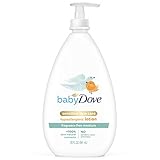
Overview: Baby Dove Face and Body Lotion for Sensitive Skin offers a generous 20-ounce bottle of fragrance-free moisture designed to soothe delicate baby skin from first use. This dermatologist- and pediatrician-tested formula provides 24-hour hydration using 100% skin-natural nutrients that mirror those found naturally in skin, making it particularly suitable for eczema-prone babies.
What Makes It Stand Out: The remarkable value proposition combined with Dove’s signature gentle formulation sets this apart. The “skin-natural nutrients” approach ensures compatibility with developing skin barriers. Its suitability for both face and body simplifies skincare routines, while the massive 20-ounce size means fewer shopping trips and consistent product availability.
Value for Money: At just $0.50 per fluid ounce, this is the best value among premium baby lotions. Parents get four times the product of typical 5-ounce tubes for only slightly higher total cost. The combination of Dove’s trusted brand name, clean ingredient list, and exceptional volume makes this a budget-conscious parent’s dream without compromising quality.
Strengths and Weaknesses: Strengths include outstanding affordability, large family-friendly size, gentle fragrance-free formula, and pediatrician testing. The lotion effectively soothes dry skin and is safe for eczema-prone babies. Weaknesses include the bulky bottle being less portable, and the formula may not be intensive enough for severe eczema cases requiring specialized treatments. The lack of a locking pump could pose issues for diaper bag transport.
Bottom Line: Baby Dove’s 20-ounce lotion delivers unbeatable value for families seeking a reliable, gentle daily moisturizer. While it won’t replace specialized eczema treatments, it’s an excellent foundational product for maintaining healthy baby skin at an accessible price point.
9. The Honest Company Hydrating Face and Body Lotion, Fast Absorbing, Naturally Derived, Hypoallergenic, Fragrance-Free, Sensitive, 8.5 fl oz

Overview: The Honest Company Hydrating Face and Body Lotion provides naturally-derived moisture in an 8.5-ounce bottle designed for the entire family. This fragrance-free version caters specifically to super-sensitive skin, utilizing safflower oil, jojoba esters, shea butter, and Vitamin E to deliver fast-absorbing, non-greasy hydration. Its versatile formulation works for both baby and adult skin.
What Makes It Stand Out: The commitment to naturally derived ingredients combined with ethical certifications distinguishes this lotion. Being cruelty-free, NEA-recognized, and dermatologist-tested while avoiding parabens, silicones, phthalates, and synthetic fragrances appeals to environmentally conscious parents. The fast-absorbing formula leaves skin soft without residue, making it practical for busy mornings.
Value for Money: At $0.61 per ounce, this lotion offers excellent value for a clean beauty product. While the bottle is smaller than bulk options, the quality ingredients and ethical manufacturing justify the moderate price. Parents prioritizing natural formulations will find this competitively priced against other clean baby lotions that often cost significantly more.
Strengths and Weaknesses: Strengths include clean ingredient profile, ethical certifications, fast absorption, NEA recognition, and versatility across age groups. The fragrance-free option is genuinely hypoallergenic. Weaknesses include the smaller 8.5-ounce size requiring more frequent purchases, and some babies with extremely dry skin may need richer formulations. The thinner consistency might not provide enough barrier protection in harsh winter conditions.
Bottom Line: This Honest Company lotion excels for parents seeking a natural, ethically-produced moisturizer that performs well for both baby and family use. While not the most economical bulk option, its clean credentials and effective hydration make it a smart choice for the ingredient-conscious household.
10. Baby Dove Soothing-Cream To Soothe Delicate Baby Skin Eczema Care No Artificial Perfume or Color, Paraben Free, Phthalate Free 5.1 oz
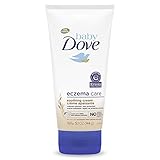
Overview: Baby Dove Soothing Cream is a targeted eczema care product designed to calm delicate baby skin and manage eczema symptoms. This 5.1-ounce tube is formulated with 100% skin-natural nutrients and holds acceptance from the National Eczema Association, positioning it as a serious contender in the therapeutic baby skincare space.
What Makes It Stand Out: The comprehensive “free-from” list—excluding parabens, phthalates, sulfates, dyes, fragrance, and steroids—demonstrates an exceptionally gentle approach. Like other Dove baby products, it uses skin-natural nutrients to support the developing skin barrier. Its specific formulation for eczema distinguishes it from standard baby lotions, while the NEA seal validates its therapeutic claims.
Value for Money: At $1.46 per ounce, this cream sits in the premium category alongside specialized eczema treatments. The price reflects its targeted formulation and NEA acceptance rather than bulk value. For babies requiring eczema-specific care, the cost is justified by the potential to reduce discomfort and minimize flare-ups, potentially decreasing the need for prescription interventions.
Strengths and Weaknesses: Strengths include impressive purity profile, NEA acceptance, gentle newborn-safe formula, and Dove’s trusted brand reputation. The cream effectively soothes irritation without harsh ingredients. Weaknesses include the small tube size and premium pricing, which may strain budgets for all-over application. It may not have the same brand recognition for eczema treatment as Aveeno’s established therapy line.
Bottom Line: Baby Dove Soothing Cream is a worthy alternative to more established eczema brands, offering impressive ingredient purity and NEA-validated efficacy. While the price is high, parents committed to Dove’s gentle formulations will find this an effective solution for managing baby eczema and irritation.
Understanding Eczema in Infants: More Than Just Dry Skin
Infant eczema, or atopic dermatitis, is a chronic inflammatory condition that goes far beyond simple dryness. It’s a complex dysfunction of the skin barrier where the protective outer layer fails to retain moisture and becomes hyper-reactive to environmental triggers. Babies with eczema have skin that’s literally missing key structural components, particularly ceramides—the natural lipids that act as mortar between skin cells.
This compromised barrier allows irritants, allergens, and microbes to penetrate more easily, triggering an immune response that manifests as redness, itching, and inflammation. The itch-scratch cycle that follows can further damage the skin, creating a vicious loop that’s hard to break. Understanding this underlying mechanism is crucial because it shifts your approach from simply “moisturizing” to actively rebuilding and protecting the skin barrier.
The Science Behind Hypoallergenic Formulations
The term “hypoallergenic” might seem straightforward, but it’s actually one of the most misunderstood labels in skincare. Unlike terms like “organic” or “non-toxic,” hypoallergenic has no legal definition or standardized testing requirements from the FDA. Manufacturers essentially self-regulate this claim, which means the term’s reliability varies dramatically between brands.
True hypoallergenic formulations are designed around a simple principle: minimize the risk of allergic reactions by eliminating common sensitizers and using ingredients with low allergenic potential. This involves rigorous screening of raw materials, avoiding known irritants, and often incorporating ingredients that actively calm the skin rather than just avoiding harm. The best formulations undergo patch testing on sensitive skin populations, though this isn’t mandatory.
Why Traditional Baby Lotions May Worsen Eczema
Many conventional baby lotions contain ingredients that are perfectly fine for typical skin but problematic for eczema-prone barriers. Fragrance is the most notorious culprit, with even “natural” essential oils like lavender and chamomile containing compounds that can trigger reactions. But fragrance-free isn’t enough—hidden fragrances can lurk in ingredients lists under names like “parfum” or “aroma.”
Preservatives present another challenge. While necessary to prevent microbial growth, some like formaldehyde-releasing agents (DMDM hydantoin, quaternium-15) and isothiazolinones (methylisothiazolinone) are known sensitizers. Alcohols, particularly denatured alcohol and SD alcohol, can strip lipids from the already-compromised barrier. Even some plant extracts, while natural, contain potent compounds that can irritate sensitive skin.
Essential Features to Look for in Eczema-Friendly Moisturizers
The texture and formulation type matter enormously for eczema management. Emollients (like ceramides and fatty acids) fill gaps between skin cells, smoothing and softening the surface. Occlusives (such as petrolatum and dimethicone) create a physical barrier that locks in moisture. Humectants (like glycerin and hyaluronic acid) draw water into the skin from the environment.
For eczema-prone skin, the ideal moisturizer combines all three categories in a balanced formulation. Ointments are the most occlusive and generally best for severe flares, though some parents find them too greasy. Creams offer a middle ground with substantial barrier protection. Lotions contain more water and are lighter but may not provide sufficient occlusion for severely compromised skin. The pH should be slightly acidic (around 5.5) to support the skin’s natural acid mantle.
Decoding Ingredient Labels: A Parent’s Handbook
The Good: Skin Barrier Heroes
Look for ceramides (ceramide NP, AP, EOP), cholesterol, and free fatty acids in a 3:1:1 ratio—the proportion research shows most effectively repairs barrier function. Colloidal oatmeal contains avenanthramides that reduce inflammation and itching. Glycerin is a gentle humectant that rarely causes issues. Niacinamide (vitamin B3) at low concentrations can strengthen the barrier and reduce inflammation.
The Bad: Steer Clear List
Beyond fragrance, watch for lanolin (wool alcohol), which triggers reactions in many eczema patients. Propylene glycol can be irritating at high concentrations. Essential oils, citrus extracts, and botanicals like calendula may seem gentle but contain sensitizing compounds. Sodium lauryl sulfate (SLS) is too harsh for compromised skin.
The Gray Area: It Depends
Some ingredients divide dermatologists. Coconut oil has antimicrobial benefits but can be comedogenic and occasionally irritating. Shea butter is generally safe but unrefined versions contain proteins that may trigger allergies. Preservatives like phenoxyethanol are considered safe in low concentrations but some parents prefer to avoid them entirely.
The Role of Ceramides in Baby Skin Care
Ceramides comprise over 50% of the skin’s natural barrier, acting as the essential mortar between skin cells. Babies with eczema have significantly reduced ceramide levels, particularly ceramide 1 ( ceramide EOS). When you apply a ceramide-rich moisturizer, you’re essentially delivering the missing building blocks directly to where they’re needed most.
The effectiveness depends on using the right types in the correct ratios. Look for products listing multiple ceramide types along with cholesterol and fatty acids. Simply adding ceramides without these complementary lipids is like providing bricks without mortar—the structure won’t be sound. The best formulations mimic the skin’s natural lipid composition, allowing for true integration into the barrier rather than just sitting on top.
Natural vs. Synthetic: Navigating the Ingredient Debate
The natural-versus-synthetic debate often misses the point for eczema care. “Natural” doesn’t automatically mean safe or effective—poison ivy is natural, after all. Conversely, well-designed synthetic ingredients can be purer, more stable, and less allergenic than their natural counterparts.
The key is understanding the specific ingredient’s safety profile rather than its origin. Petrolatum, a highly refined synthetic occlusive, is one of the most effective and least allergenic ingredients for eczema—dermatologists widely recommend it. Meanwhile, natural ingredients like essential oils contain dozens of compounds, any of which could be an allergen. Focus on the ingredient’s function, purity, and clinical evidence rather than marketing positioning.
Patch Testing: Your Pre-Purchase Safety Net
Before slathering any new product on your baby’s entire body, conduct a proper patch test. Apply a small amount to a discreet area like the inner forearm or behind the ear for 7-10 consecutive days. This extended timeline matters because allergic contact dermatitis can take days to develop, unlike immediate irritant reactions.
Watch for any signs: redness, bumps, increased itching, or dryness. If the test area remains calm, the product is likely safe for broader use. Remember that eczema skin is reactive, so even products marketed for sensitive skin should be tested. Keep a skincare diary noting what you use and any reactions—this becomes invaluable if you need to consult a dermatologist.
Application Techniques That Maximize Effectiveness
Timing transforms a good moisturizer into an effective treatment. Apply within three minutes after bathing—this “three-minute rule” locks in hydration before it evaporates from the skin surface. For maintenance between baths, apply whenever the skin looks dry or feels rough, at least twice daily.
Use generous amounts—most parents under-apply. For a baby, you need about 1-2 teaspoons for the entire body. Warm the product between your hands first; cold lotion can be shocking to sensitive skin. Apply in the direction of hair growth to prevent follicle irritation. For severely affected areas, consider layering a cream under an ointment for maximum occlusion.
The Soak and Seal Method: Gold Standard for Eczema Care
This dermatologist-recommended technique maximizes moisture retention. Start with a lukewarm bath (not hot) lasting 5-10 minutes. Add a gentle, fragrance-free cleanser only to dirty areas—avoid bubble baths and soaps that strip lipids. Immediately after the bath, gently pat skin dry leaving it slightly damp.
Within three minutes, apply any prescription treatments to affected areas first, then immediately cover the entire body with a thick layer of moisturizer. The damp skin allows better penetration, while the moisturizer traps that water in the stratum corneum. For severe cases, follow with damp pajamas or wraps for 30 minutes to enhance absorption. This method can reduce flare frequency by up to 50% when done consistently.
Seasonal Considerations for Eczema Management
Winter Woes: Combating Dry Indoor Air
Cold weather and indoor heating create a double threat for eczema-prone skin. Humidity drops dramatically, accelerating transepidermal water loss. Switch to heavier ointments during winter months and consider using a humidifier in your baby’s room, keeping humidity between 40-50%. Apply moisturizer immediately after coming in from the cold, as temperature fluctuations stress the barrier.
Summer Strategies: Heat and Sweat Management
Heat and sweat can trigger itching through a process called cholinergic urticaria. In summer, opt for lighter creams that won’t trap heat, and rinse off sweat promptly with cool water. Store moisturizers in the refrigerator for a cooling application that soothes inflamed skin. Be extra diligent about patch testing sunscreens, as many contain alcohols and fragrances that can flare eczema.
When to Consult a Pediatric Dermatologist
While the right moisturizer helps manage eczema, sometimes professional intervention becomes necessary. Seek specialist care if your baby’s eczema covers large body areas, causes significant sleep disruption, shows signs of infection (honey-colored crusts, weeping, fever), or doesn’t improve after 2-3 weeks of consistent over-the-counter care.
A pediatric dermatologist can identify secondary infections, prescribe anti-inflammatory treatments, and perform patch testing for specific contact allergies. They may recommend prescription barrier creams or short courses of topical steroids for flares. Don’t view this as failure—eczema is a medical condition, and professional guidance ensures you’re not undertreating a serious case.
Building a Holistic Eczema Care Routine
Moisturizers work best as part of a comprehensive approach. Use fragrance-free, dye-free laundry detergents and double-rinse clothes. Dress your baby in soft, breathable fabrics like cotton, avoiding wool and synthetic materials that can irritate. Keep nails trimmed short and consider cotton mittens at night to minimize skin damage from scratching.
Bath water should be lukewarm, never hot, and limited to 5-10 minutes. Use a gentle, non-soap cleanser only on soiled areas. Between baths, spot-clean with fragrance-free wipes or damp cloths. Evaluate environmental triggers like pet dander, dust mites, and pollen, which can exacerbate eczema through allergic pathways.
Common Mistakes Parents Make (And How to Avoid Them)
Over-bathing tops the list—daily baths are fine if followed by immediate moisturization, but many parents bathe then wait too long to apply products, allowing water to evaporate and worsen dryness. Inconsistent application is another pitfall; eczema management requires religious twice-daily moisturizing even when skin looks clear.
Product hopping prevents any single formulation from working effectively. Give each product at least 2-3 weeks of consistent use before judging its effectiveness. Using too little product is common—when in doubt, apply more. Finally, don’t stop moisturizing during clear periods; this is when you’re actually rebuilding the barrier to prevent future flares.
Frequently Asked Questions
How soon after birth can I start using moisturizer on my baby?
You can begin using a gentle, fragrance-free moisturizer within the first few weeks of life, especially if your baby shows signs of dry skin or has a family history of eczema. Some research suggests early moisturization may actually reduce eczema risk by up to 50% in high-risk infants. Always choose products specifically formulated for newborns and patch test first.
What’s the difference between baby lotion and baby cream for eczema?
Creams contain more oil than water, making them thicker and more occlusive—ideal for eczema-prone skin. Lotions are lighter, absorb quickly, but provide less barrier protection. For eczema, creams and ointments are generally superior to lotions. Ointments are the most protective but can feel greasy; creams offer the best balance for daily use.
Can I use the same moisturizer on my baby’s face and body?
Yes, a well-formulated hypoallergenic moisturizer is safe for both face and body. The facial skin is more sensitive, so if your baby tolerates a product on the face, it will work well elsewhere. Some parents prefer a lighter cream for the face and heavier ointment for the body, but this isn’t necessary with the right product.
How often should I reapply moisturizer throughout the day?
At minimum, apply twice daily—after morning cleansing and as part of the bedtime routine. For active flares or severely dry skin, increase to 3-4 times daily. Always reapply after hand washing, drool cleanup, or any activity that might remove the product. The goal is to never let the skin feel dry to the touch.
Are “organic” baby lotions better for eczema-prone skin?
Not necessarily. Organic refers to farming practices, not safety or efficacy. Some organic products contain essential oils and botanicals that can trigger eczema flares. Focus on the ingredient list rather than organic certification. A synthetic, fragrance-free formula with ceramides may be far more effective than an organic lotion with lavender oil.
Can diet affect my baby’s eczema, and should I change their formula?
Food allergies can trigger eczema in some infants, but they’re rarely the primary cause. Before changing formulas or eliminating foods, consult your pediatrician or an allergist. Unnecessary dietary restrictions can cause nutritional deficiencies. Most infant eczema is driven by skin barrier dysfunction, not food triggers.
How long should I try a new moisturizer before deciding if it works?
Give any new product at least 2-3 weeks of consistent twice-daily use. Skin barrier repair is a slow process—ceramide levels don’t normalize overnight. If you see improvement, continue for at least 4-6 weeks to achieve full benefits. If irritation develops, stop immediately and patch test another product.
Is it safe to use moisturizers with preservatives on broken eczema skin?
Yes, and it’s actually crucial. Preservatives prevent bacterial and fungal growth in products, which is especially important when applying to compromised skin. The risk of infection from unpreserved products far outweighs the small risk of preservative sensitivity. Look for gentle preservative systems like phenoxyethanol or sodium benzoate rather than parabens or formaldehyde-releasers.
Can I mix prescription steroid cream with moisturizer?
Never mix them in the same container, as this alters the steroid’s concentration and stability. Instead, apply prescription treatments first to affected areas, wait a few minutes, then apply moisturizer over the entire body. This “sandwich” approach ensures the medication penetrates properly while the moisturizer treats the surrounding skin.
What should I do if my baby’s eczema suddenly worsens despite using hypoallergenic products?
Sudden worsening may indicate a new trigger, secondary infection, or the need for stronger treatment. Stop any new products immediately and contact your pediatrician. Look for signs of infection: yellow crusting, oozing, pus, or fever. Sometimes eczema evolves and requires prescription-strength anti-inflammatory medication alongside your moisturizing routine.