Navigating a theme park with a little one in tow is a unique blend of magic and marathon. Between the 10-mile walking days, sweltering pavement heat, and navigating through shoulder-to-shoulder crowds, even the most seasoned parents can find themselves overwhelmed. Strollers, while useful, quickly become liabilities in queue lines, packed walkways, and on transportation. This is where a premium breathable mesh carrier transforms from a nice-to-have into an absolute game-changer for your theme park strategy.
The right breathable mesh carrier acts as a climate-controlled command center for your baby, keeping them comfortably nestled against you while allowing optimal airflow to combat the inevitable heat and humidity. Unlike traditional padded carriers that trap heat like a sauna, modern mesh designs utilize advanced textile engineering to create a microclimate between you and your child. But not all mesh carriers are created equal, and choosing the wrong one can turn your magical day into a sweaty, uncomfortable ordeal. This comprehensive guide breaks down everything you need to know to select the perfect breathable mesh carrier for theme park success—without the brand bias or sponsored recommendations.
Top 10 Breathable Mesh Carriers for Theme Parks
Detailed Product Reviews
1. Ergobaby Alta Hip Seat All-Position Breathable Mesh Hip Seat & Carrier, Natural Beige

Overview:
The Ergobaby Alta Hip Seat Carrier in Natural Beige represents the brand’s signature approach to ergonomic babywearing, combining a structured carrier with a detachable hip seat. Designed for babies from 4 to 48 months (12-45 lbs), this versatile system accommodates front inward, front outward, hip, and back carrying positions. The neutral beige colorway offers a timeless aesthetic that pairs well with any wardrobe while maintaining the functionality Ergobaby is known for.
What Makes It Stand Out:
The Alta’s 2-in-1 convertible design sets it apart, allowing parents to use it as a full carrier or standalone hip seat for quick ups and downs. The SoftFlex mesh covers the entire carrier, providing exceptional breathability crucial for warm climates or active parents. The wide, curved, cushioned seat with anti-slip grip ensures proper hip positioning for baby while distributing weight evenly for caregiver comfort. Ergobaby’s ErgoPromise Quality Guarantee backs the product, reflecting decades of babywearing expertise.
Value for Money:
At $129, the Alta sits in the premium mid-range category. The price is justified by its 2-in-1 versatility, multi-position functionality, and quality construction that grows with your child for over three years. Compared to buying separate carriers and hip seats, it offers significant savings while delivering Ergobaby’s trusted ergonomic design and durability.
Strengths and Weaknesses:
Strengths include exceptional breathability, versatile carrying options, ergonomic hip support, and the convenient hip seat mode. The lightweight mesh construction keeps both parent and baby cool. Weaknesses include a premium price point that may exceed some budgets, a learning curve for proper adjustments, and the mesh material feeling less cozy during colder months. The natural beige color, while attractive, may show dirt more readily than darker options.
Bottom Line:
The Ergobaby Alta in Natural Beige is an excellent investment for parents prioritizing breathability, versatility, and ergonomic design. Its 2-in-1 functionality and quality construction make it ideal for active families, though the price requires commitment. Highly recommended for warm climates and parents seeking a long-term carrying solution.
2. Ergobaby Alta 2-in1 Hip Seat and Carrier - All-Position Breathable Mesh Baby Carrier for 4 Months to 48 Months (12lbs - 45lbs) - SoftFlex™ Mesh - Onyx Black

Overview:
The Ergobaby Alta 2-in-1 Hip Seat and Carrier in Onyx Black delivers the same premium functionality as its lighter-colored counterparts but in a sleek, stain-resistant dark finish. Designed for children 4-48 months (12-45 lbs), this carrier offers four carrying positions and converts between full carrier and standalone hip seat modes. The all-black aesthetic provides a modern, practical look that hides wear and tear while maintaining Ergobaby’s ergonomic standards.
What Makes It Stand Out:
Beyond the standard Alta features—SoftFlex mesh breathability, wide curved seat, and anti-slip grip—the Onyx Black version offers superior practicality for everyday use. The darker color masks spills, stains, and everyday grime that inevitably comes with babywearing. The 2-in-1 design remains the core innovation, allowing seamless transitions between structured support and quick hip-seat convenience for toddlers who want independence.
Value for Money:
At $119.97, this black variant represents the best value in the Alta line, undercutting lighter colors by nearly $10 without sacrificing features. This pricing makes premium ergonomic babywearing more accessible while delivering the same multi-year, multi-position versatility. The color’s stain-hiding properties add invisible value, potentially extending the carrier’s aesthetic lifespan.
Strengths and Weaknesses:
Strengths include the practical black colorway, full Alta feature set, exceptional breathability, and ergonomic design. The price reduction is significant for budget-conscious buyers. Weaknesses mirror other Alta models: the premium cost may still challenge some budgets, adjustment complexity for new users, and mesh construction that prioritizes airflow over warmth. Some parents may find the all-black design less visually soft than neutral tones.
Bottom Line:
The Onyx Black Alta offers identical premium performance to other colors at a slightly lower price, with added practical benefits of stain concealment. It’s the smartest financial choice in the Alta range for parents wanting Ergobaby quality without paying a color premium. Highly recommended for value seekers and practical-minded caregivers.
3. Ergobaby Alta Hip Seat All-Position Breathable Mesh Hip Seat & Carrier, Graphite Grey
Overview:
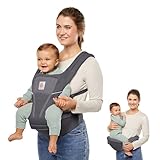
The Ergobaby Alta Hip Seat Carrier in Graphite Grey merges sophisticated aesthetics with the brand’s renowned ergonomic engineering. Serving babies from 4-48 months (12-45 lbs) across four carrying positions, this 2-in-1 system transitions effortlessly between full carrier and hip seat modes. The contemporary grey tone offers a modern alternative to traditional neutrals, appealing to style-conscious parents who refuse to compromise on function.
What Makes It Stand Out:
The Graphite Grey colorway distinguishes itself with a contemporary, urban aesthetic that complements modern wardrobes while masking light soiling better than beige. The Alta’s core innovations remain: complete SoftFlex mesh coverage for unmatched ventilation, a wide curved seat with cushioned anti-slip support, and Ergobaby’s trusted hip-healthy design. The detachable hip seat provides invaluable flexibility for toddlers transitioning between wanting to walk and needing to be carried.
Value for Money:
Priced at $129, the Graphite Grey model matches the Natural Beige option, positioning it as a premium investment in the baby gear category. The cost is amortized over years of use and multiple carrying configurations, eliminating the need for separate infant, toddler, and hip seat carriers. Ergobaby’s quality guarantee and resale value further justify the initial outlay for budget-aware parents.
Strengths and Weaknesses:
Strengths include the stylish grey color, comprehensive breathability, versatile positioning, and ergonomic hip support. The 2-in-1 design adapts beautifully to a child’s developing mobility. Weaknesses include the premium pricing tier, initial setup complexity, and mesh material that excels in heat but lacks insulation for winter. The grey shade, while practical, may not suit parents preferring classic black or warmer tones.
Bottom Line:
The Graphite Grey Alta is perfect for parents seeking a modern, versatile carrier that performs flawlessly in warm weather. Its sophisticated color and premium features justify the price for families wanting one carrier to span the baby and toddler years. A solid choice for urban parents and style-minded caregivers.
4. PawsomeTote Pet Carrier Bag, Cartoon-Themed Single-Shoulder Tote for Small Dogs & Cats, Portable Outdoor Travel Bag for Teddy/Bichon/British Shorthair/Corgi (Reusable Canvas)

Overview:
The PawsomeTote Pet Carrier Bag is an ultra-affordable, whimsical solution for transporting small pets up to 10 lbs. This cartoon-themed, single-shoulder tote features a playful burger-shaped nest crafted from breathable, non-toxic canvas. Designed for cats like British Shorthairs and small dogs such as Teddies and Bichons, it doubles as a portable travel bag and everyday tote, making it a versatile entry-level option for casual pet parents.
What Makes It Stand Out:
The burger-shaped design delivers undeniable Instagram-worthy charm while the multi-functional approach maximizes utility. The carrier transforms into a regular tote for groceries or errands when not holding pets, offering rare dual-purpose value. Safety features like the mesh window for ventilation, reinforced Velcro closure, and interior leash clip provide security typically absent in novelty carriers. The removable, washable plush liner maintains hygiene with minimal effort.
Value for Money:
At $8.99, this carrier is remarkably inexpensive, making it accessible for budget-conscious pet owners or as a secondary carrier. Its reusable nature as an everyday bag extends value beyond pet transport. While durability limitations are expected at this price, the functionality and cute factor deliver exceptional bang for the buck for short, light-use scenarios.
Strengths and Weaknesses:
Strengths include unbeatable price, adorable design, lightweight portability, breathability, and surprising versatility. The safety leash clip is a thoughtful addition. Weaknesses involve limited size capacity (10 lbs max), potential single-shoulder discomfort during extended carry, questionable long-term durability of canvas and Velcro, and insufficient support for lengthy travel. The cartoon aesthetic may not appeal to all owners.
Bottom Line:
The PawsomeTote is a fantastic budget buy for style-focused pet parents needing a carrier for brief vet visits or park strolls. It’s not built for heavy-duty use, but its charm, safety features, and dual functionality make it a worthwhile impulse purchase or gift for small pet owners.
5. PawsomeTote Pet Carrier Bag, Cartoon-Themed Single-Shoulder Tote for Small Dogs & Cats, Portable Outdoor Travel Bag for Teddy/Bichon/British Shorthair/Corgi (Reusable Canvas)

Overview:
The PawsomeTote Pet Carrier Bag offers an economical and cheerful transport solution for small pets weighing up to 10 pounds. Constructed from durable canvas with a distinctive burger-shaped nook, this single-shoulder tote caters to compact breeds like Munchkin cats and Corgi puppies. Its lightweight, foldable design prioritizes convenience for spontaneous outings, vet appointments, and casual walks, while the playful aesthetic appeals to pet owners seeking functional fun.
What Makes It Stand Out:
This carrier’s primary distinction lies in its gift-worthy design and remarkable adaptability. Beyond pet transport, it serves as a reusable shopping tote, reducing plastic waste while showcasing quirky style. The breathable mesh window and reinforced Velcro closure provide essential ventilation and security, while the integrated safety clip prevents escape attempts. The entire package weighs under 2 lbs, making it effortlessly portable for seniors or children helping with pet care.
Value for Money:
Priced at just $8.99, the PawsomeTote delivers extraordinary affordability. It functions as both a pet carrier and everyday tote, effectively costing less than two lattes while serving dual purposes. For pet parents needing an occasional-use carrier or a backup for emergencies, the value proposition is compelling despite expected trade-offs in premium materials.
Strengths and Weaknesses:
Strengths include extreme affordability, charming appearance, multi-purpose design, lightweight build, and adequate safety features for supervised use. The washable liner is practical. Weaknesses include single-shoulder strain potential, size restrictions, limited padding for pet comfort, and Velcro’s tendency to lose grip over time. It’s unsuitable for anxious pets or air travel.
Bottom Line:
The PawsomeTote is ideal as a secondary carrier, gift, or fashion-forward accessory for short trips with calm, small pets. While not replacing a heavy-duty carrier, its price, versatility, and adorable design make it a smart addition to any pet owner’s collection for light, everyday use.
6. PawsomeTote Pet Carrier Bag, Cartoon-Themed Single-Shoulder Tote for Small Dogs & Cats, Portable Outdoor Travel Bag for Teddy/Bichon/British Shorthair/Corgi (Reusable Canvas)

Overview: The PawsomeTote Pet Carrier Bag merges whimsical aesthetics with practical functionality for owners of small pets. This single-shoulder tote features a distinctive burger-shaped pet nook constructed from breathable canvas, designed for cats and dogs weighing up to 10 pounds. Tailored for breeds including British Shorthairs, Teddies, and Corgi puppies, it functions as both a portable carrier for veterinary appointments and park excursions and a reusable everyday tote for errands.
What Makes It Stand Out: The playful cartoon design immediately differentiates this carrier from conventional options. The burger-shaped nook serves a dual purpose: creating an Instagram-worthy retreat that pets find naturally inviting while providing structural coziness. The genuine multipurpose utility stands out—when not transporting your companion, it converts seamlessly into a grocery or shopping bag. A mesh ventilation panel ensures adequate airflow, while the reinforced velcro closure paired with an integrated safety leash clip delivers essential security. The removable, washable plush liner simplifies maintenance, and at under two pounds, the carrier maintains exceptional portability.
Value for Money: Priced at $8.99, this carrier occupies the budget tier of a market where comparable products typically range from $25-50. The dual-function design effectively offers two products for the price of one, maximizing cost efficiency. While premium alternatives provide superior durability and structure, this price point makes it accessible for economical pet parents or as a secondary carrier. For those who leverage both the pet transport and everyday tote functions, the cost-per-use becomes remarkably low, representing genuine value.
Strengths and Weaknesses: Strengths: Extremely affordable; unique, photo-friendly design; lightweight and portable; breathable mesh ventilation; versatile dual-purpose functionality; machine-washable liner; built-in safety leash attachment.
Weaknesses: Velcro closure offers less security than zipper systems; size limitation restricts use to pets under 10 pounds; single-shoulder design may cause discomfort during extended use; canvas durability concerns for persistent chewers; minimal structural support unsuitable for lengthy travel.
Bottom Line: The PawsomeTote delivers outstanding value for style-conscious pet owners seeking an affordable, occasional-use carrier. It excels for short trips, veterinary visits, and social media-worthy outings with smaller breeds. However, frequent travelers or owners of energetic, larger small pets should consider investing in a more robust, structured carrier with zippered enclosures. For its intended audience, it represents a delightful, functional bargain.
Why Breathable Mesh Carriers Are Essential for Theme Park Success
The Unique Challenges of Theme Park Navigation with Young Children
Theme parks present a perfect storm of environmental stressors that standard baby gear simply isn’t designed to handle. The average guest logs 12,000-15,000 steps per day across varied terrain including concrete, cobblestones, and inclined pathways. Temperatures in popular destinations like Florida and California regularly exceed 90°F (32°C) with humidity levels pushing 70-80%. Crowd densities during peak seasons can reach 4-5 people per square meter, making stroller maneuvering nearly impossible and creating anxiety about separation.
A breathable mesh carrier addresses these challenges head-on by distributing your child’s weight across your hips and shoulders while maintaining a cooling airflow that prevents the heat buildup common in traditional carriers. The upright positioning keeps your child at chest level, providing them with a secure vantage point to absorb the sensory excitement while remaining protected from accidental bumps in dense crowds.
How Breathable Mesh Technology Works
Modern breathable mesh isn’t simply “holey fabric”—it’s engineered using three-dimensional knitting techniques that create a spacer layer between two mesh surfaces. This structure allows air to circulate not just through the fabric, but within it, creating continuous ventilation. Premium carriers utilize what’s called “3D spacer mesh” with a thickness of 3-6mm, providing both cushioning and airflow channels. The mesh density is measured in grams per square meter (GSM), with theme park-ideal carriers falling between 200-300 GSM—dense enough to provide support and prevent sagging, yet open enough to facilitate evaporative cooling through enhanced moisture wicking.
Key Features That Define Premium Breathable Mesh Carriers
Understanding Mesh Weave Density and Airflow Dynamics
When evaluating mesh quality, look beyond the marketing terms and understand the technical specifications. Monofilament mesh, constructed from single-strand synthetic fibers, offers superior durability and maintains its structure under load better than multifilament alternatives. The weave pattern matters significantly: hexagonal weaves provide better multidirectional stretch and recovery compared to square weaves, which is crucial when your child shifts weight during a 10-hour park day.
The most advanced carriers incorporate graduated mesh zones—tighter weaves in high-tension areas like the seat panel, and more open weaves in the central body panel where maximum ventilation is needed. This zoned construction prevents the “sag and gap” phenomenon that can compromise both comfort and safety as the day progresses and fabrics become saturated with sweat and humidity.
Weight Distribution Systems for All-Day Comfort
A theme park-worthy carrier must feature a sophisticated weight distribution system that goes beyond basic padding. Look for carriers with a structured waistband that measures at least 4-5 inches in width and contains high-density foam or molded inserts that wrap around your iliac crest. This design transfers up to 70% of your child’s weight to your hips, preventing the shoulder and back fatigue that can cut your day short.
The shoulder straps should feature a combination of breathable mesh covering and strategic padding zones—too much padding actually reduces airflow and creates pressure points. Premium designs use what industry experts call “suspension padding,” where the padding is slightly elevated from the strap base, creating micro-channels for air circulation. Crossable straps are non-negotiable for theme park use, as they allow you to switch configurations throughout the day to prevent muscle fatigue.
Adjustability for Multiple Caregivers
Theme park visits often involve tag-team parenting, meaning your carrier must adjust seamlessly between different body types. The gold standard includes independent adjustment points for waistband (ranging from 24-60+ inches), shoulder straps (with 12+ inches of webbing adjustment), and chest clip vertical positioning. Quick-adjust sliders that don’t require re-threading are essential when you’re passing the carrier in a crowded queue line or during a rushed rider switch.
Look for carriers with color-coded adjustment points and tactile markers—small bumps or ridges that allow you to feel the correct adjustment position without visual confirmation. This feature proves invaluable when making adjustments in dimly lit shows or while juggling snacks and fast passes.
Safety Certifications and Standards You Must Know
JPMA Certification Explained
The Juvenile Products Manufacturers Association (JPMA) certification represents the most rigorous voluntary safety standard for baby carriers in North America. Carriers bearing this seal have undergone third-party testing for structural integrity, slip resistance of buckles, and absence of hazardous substances. For theme park use, pay particular attention to the “dynamic load testing” requirement, which simulates the repetitive motion and jostling you’ll experience throughout a day of rides and parades.
The certification also mandates specific requirements for leg positioning to prevent hip dysplasia—your child’s knees must sit at or above hip level in an “M” position. This is especially critical in mesh carriers, as cheaper models may stretch over time and compromise this positioning when you’re miles away from your hotel room.
ASTM Standards for Child Carriers
ASTM F2236 provides the federal safety benchmark for soft infant and toddler carriers, establishing maximum weight limits, minimum fabric strength requirements, and proper labeling. A crucial but often overlooked requirement is the “head support test,” ensuring that sleeping infants maintain proper airway alignment. For theme park applications, this means the carrier must provide adequate head support during those inevitable mid-parade naps without restricting airflow.
The standard also specifies that all adjustable components must remain secure under load, preventing the catastrophic failure of a buckle or slider while you’re navigating a steep incline or boarding transportation. Always verify that your carrier’s stated weight limits align with ASTM testing parameters, not just manufacturer claims.
Theme Park-Specific Safety Considerations
Beyond standard certifications, evaluate carriers for theme park-specific hazards. The fabric must be flame-resistant enough to pass theme park requirements for stage shows and indoor attractions. Buckle placement should avoid pressure points that could be exacerbated by ride restraints during rider switch situations. Most importantly, the carrier must allow for quick release—practice removing the carrier and child in under 30 seconds, as some attractions may require this for evacuation procedures.
Sizing and Weight Limits: Getting the Perfect Fit
Newborn Through Toddler: Growth-Compatible Designs
The most versatile theme park carriers accommodate a weight range from 8 to 45 pounds, covering newborn through toddler stages. However, weight alone doesn’t determine fit—panel dimensions are equally critical. The seat panel should measure 12-15 inches wide to support a toddler’s thighs while being adjustable enough to narrow to 8-10 inches for a newborn’s proper knee-to-knee support.
Look for carriers with “dual-adjustment seat cinching” that modifies both width and depth. This feature allows you to maintain the crucial “M” position across your child’s entire developmental spectrum. The body panel height should extend to your child’s neck base for infants, adjusting down to mid-back for older toddlers who need more arm freedom for interactive experiences like character greetings.
Understanding Weight Distribution for Developing Bodies
Theme park days often extend beyond normal carrying sessions, making proper weight distribution on your child’s body paramount. The carrier should position your child’s weight primarily on their bottom and thighs, not their spine. Premium designs incorporate a “hammock-style” seat that curves under the thighs, creating a supportive pocket while allowing the spine to maintain its natural C-curve.
For children under six months, ensure the carrier includes an integrated infant insert or adjustable seat settings that reduce panel height while maintaining proper width. Using a carrier that’s too large creates dangerous gaps and compromises head support—non-negotiable risks when you’re hours away from medical facilities and navigating crowded environments.
Carrying Positions: Front, Back, and Hip Options
Front-Inward Facing for Infants
The front-inward position remains the gold standard for babies under 9 months during theme park visits. This orientation provides optimal head and neck support, protects against overstimulation, and allows you to monitor breathing and temperature continuously. For theme park use, ensure the carrier allows your infant’s face to rest against your chest with a visible airway gap—mesh construction helps here by allowing you to see through the fabric.
The inward position also provides natural protection from the elements and crowds while keeping your center of gravity stable during sudden stops and direction changes common in queue lines. Practice the “two-finger test”—you should be able to slide two fingers between your baby’s chin and chest to ensure the airway remains open even when they fall asleep.
Front-Outward Facing for Curious Toddlers
Once your child demonstrates consistent head and neck control (typically 5-6 months) and shows interest in their surroundings, the outward-facing position offers engagement benefits. However, this position increases heat buildup and can overstimulate in the chaotic theme park environment. Limit outward-facing sessions to 20-30 minutes, using them strategically for parades or passive attractions.
The carrier must provide adequate head support that doesn’t collapse when your child inevitably falls asleep facing out—a common failure point in budget models. The seat should maintain the “M” position even in this orientation, with knee-to-knee support preventing dangling legs that can impair circulation during extended wear.
Back Carrying for Older Children
For toddlers 12 months and up, back carrying distributes weight more efficiently for the caregiver and gives the child a commanding view. This position excels during nighttime spectaculars and in dense crowd situations where forward visibility is crucial. The carrier should feature a high back panel that extends to your child’s shoulder blades, preventing the “lean back” instability that can occur when they reach for attractions or characters.
Master the “hip scoot” or “superman toss” loading technique before your park day—attempting to load a squirming toddler on your back for the first time in a crowded parking tram area is a recipe for disaster. The carrier’s waistband must lock securely, as back carrying places more rotational force on the closure during active movement.
Weather Considerations for Theme Park Visits
Managing Heat and Humidity
In temperatures exceeding 85°F with high humidity, your body and your carrier create a microclimate that can rapidly become dangerous. Premium mesh carriers combat this through evaporative cooling design—the mesh structure increases surface area exposure, allowing sweat to evaporate more efficiently than solid fabrics. Look for carriers with moisture-wicking treatments on both the interior and exterior mesh layers.
The color of your carrier significantly impacts heat absorption. Dark colors can be 10-15°F hotter in direct sunlight compared to light gray or tan options. Some advanced carriers incorporate UV-reflective thread in the weave, providing SPF protection without chemical treatments that wash out. During peak heat (11 AM - 4 PM), take advantage of indoor attractions every 60-90 minutes to allow both you and your child to cool down completely.
Unexpected Rain: Quick-Dry Mesh Properties
Afternoon thunderstorms are a reality in many theme park locations. Quality mesh carriers dry 3-4 times faster than padded cotton alternatives, typically within 30-45 minutes of light rain. The hydrophobic properties of polyester and nylon mesh fibers prevent water retention in the fabric structure itself. However, avoid carriers with thick foam padding in the waistband and shoulder straps, as these components can remain waterlogged for hours.
Pack a compact waterproof stuff sack (the size of a soda can) that can cover the carrier during downpours while still worn. This prevents the “wet diaper” effect of a saturated carrier pressing against your child’s back. After rain exposure, wring out the carrier by rolling it in a towel and perform a safety check on all buckles, as water can temporarily reduce friction in some plastic components.
Sun Protection Integration
While mesh provides airflow, it offers minimal UV protection on its own—most standard mesh rates only UPF 5-10. Premium carriers incorporate a secondary sun hood that extends from the head support area, typically rated UPF 50+. This hood should attach with low-profile fasteners that don’t create pressure points and store compactly when not in use.
Consider the carrier’s color and weave density as part of your overall sun strategy. A light-colored carrier with a dense weave in the head area can reduce direct sun exposure by 30-40%. Pair the carrier with a wide-brimmed hat for your child and apply sunscreen to exposed legs and arms every 80 minutes, as the elevated position increases UV exposure compared to stroller level.
Storage Solutions and Theme Park Practicality
Built-in Pockets for Essentials
The ideal theme park carrier includes at least two strategically placed pockets: a small, secure zippered pocket on the waistband for valuables (room key, credit card, ID), and a larger stretch-mesh pocket on the body panel for quick-access items like pacifiers, snack bags, or a diaper. Avoid carriers with excessive pocketry—each additional pocket adds weight and reduces breathability.
The waistband pocket should be positioned to avoid contact with your child’s legs, preventing chafing during long wear sessions. Premium designs use a “floating pocket” construction where the pocket sits on the waistband’s exterior, separated by a mesh layer. For security, ensure the zipper features a locking mechanism or is positioned against your body to deter pickpockets in dense crowd situations.
Hydration Pack Compatibility
Staying hydrated is non-negotiable during 8-10 hour park days, and your carrier should integrate seamlessly with your hydration strategy. Look for carriers with a low-profile back panel that doesn’t interfere with a hydration pack’s fit. The shoulder straps should feature keeper loops or daisy chains that can route the drink tube without creating a strangulation hazard.
Some advanced carriers incorporate a hydration sleeve between the mesh body panel and the waistband, allowing you to carry a 1-1.5 liter reservoir without additional packs. This setup distributes the water weight through the carrier’s structure rather than your shoulders. If using this feature, insulate the reservoir to prevent water from heating to uncomfortable temperatures against your back.
Ease of Use: Getting Baby In and Out Quickly
Buckle Systems vs. Wrap-Style Closures
For theme park environments, buckle systems unequivocally outperform wrap-style carriers in speed and security. However, not all buckles are equal. Side-release buckles with spring-loaded inserts provide the most reliable closure but require two-handed operation. Magnetic buckles offer one-handed convenience but may release under extreme force—avoid these for toddlers who might kick or grab the closures.
The buckle material matters significantly in heat and UV exposure. Acetal plastic buckles maintain structural integrity up to 180°F, while nylon buckles can weaken above 150°F—critical when your carrier sits in a hot car or direct sun. Test all buckles before purchase by engaging and releasing them 20-30 times; premium hardware maintains a crisp, consistent action without developing a “mushy” feel.
Solo Loading Techniques
Theme park visits often leave one parent managing children alone during bathroom breaks or rider switches. Master the “apron method” for front carries: pre-adjust the carrier, secure the waistband, hold your child against your chest, and flip the carrier body up and over them like an apron before securing shoulder straps. This technique allows loading in under 45 seconds without assistance.
For back carries, the “hip scoot” method works reliably: place the carrier on your hip with your child already seated, slide them around to your back while supporting their weight, then secure the shoulder strap on the opposite side. Practice these techniques at home until they become muscle memory—fumbling with straps while a parade starts or a queue line moves creates unnecessary stress and safety risks.
Cleaning and Maintenance for Frequent Use
Machine Washable Materials
Theme park carriers require weekly washing during active vacation seasons. Premium mesh carriers withstand 200+ wash cycles without degradation. Look for colorfastness certifications (ISO 105-C06) that prevent dyes from bleeding onto your child’s clothes or fading under UV exposure. All hardware should be either removable or washer-safe; buckles left on during washing can damage both the carrier and your washing machine.
Use a front-loading washer on delicate cycle with fragrance-free detergent—residue from scented products can irritate sensitive skin when reactivated by sweat. Never use fabric softeners, as they coat the mesh fibers and reduce breathability by up to 40%. Air dry flat or on a wide-shouldered hanger; dryer heat can warp plastic components and deteriorate elastic fibers in adjustment straps.
Quick Spot-Cleaning Between Rides
Between full washes, spot-cleaning keeps your carrier fresh during multi-day park visits. Pack a small spray bottle with diluted castile soap (1:10 ratio) and microfiber cloths. The open mesh structure allows you to clean both sides of the fabric simultaneously by spraying through the weave. For protein-based stains (spit-up, milk), enzymatic cleaners break down organic matter without harsh scrubbing that can damage mesh fibers.
Create a “carrier refresh kit” in a zip-lock bag: witch hazel wipes for waistband sanitizing, cornstarch powder for moisture management, and a travel-size fabric refresher. At day’s end, wipe down all straps and hang the carrier in your hotel bathroom with the exhaust fan running overnight. This prevents the mildew smell that can develop in 24 hours from sweat-soaked fabric.
Theme Park Policies and Carrier Etiquette
Ride Accessibility with Carriers
Major theme parks require carriers to be removed for all thrill attractions, including roller coasters and motion simulators. However, most dark rides, boat rides, and slow-moving attractions allow front-inward carrying. The carrier must not interfere with the restraint system—test this by sitting in a stationary ride vehicle with your child in the carrier before waiting in a full queue.
Familiarize yourself with each park’s “Rider Switch” or “Child Swap” program. These systems allow one adult to ride while the other waits with the child, then switch without re-queueing. A breathable mesh carrier keeps your child content during these 20-30 minute waits, making the program actually feasible. Some parks provide dedicated waiting areas with seating; others expect you to remain in the queue corridor.
Queue Line Considerations
In switchback queue lines, a carrier keeps your child at adult height, away from railings that may be hot, dirty, or covered in gum. However, be mindful of your increased turning radius—practice pivoting in tight spaces without bumping your child into queue barriers or other guests. During shows and parades, the carrier positions your child above adult shoulder height, providing an unobstructed view without blocking others.
Respect personal space in dense queues. A child in a carrier extends your profile by 6-8 inches; compensate by standing slightly offset from guests in front of you. During sudden crowd movements (like when a popular character appears), place a protective hand on your child’s back and angle your body to shield them from being jostled.
Common Mistakes to Avoid When Choosing a Carrier
Prioritizing Style Over Function
Instagram-worthy prints and sleek designs often correlate with compromised breathability. Carriers featuring all-over prints typically use a printed base fabric with mesh overlays, reducing airflow by 25-35% compared to unprinted mesh. Dark colors and complex patterns absorb more heat than light, solid colors. Remember: the best theme park carrier is the one you don’t notice after hour six, not the one that photographs well in front of Cinderella Castle.
Avoid carriers marketed as “all-season” with zip-in panels. These modular designs add weight and create additional fabric layers that reduce breathability even when panels are removed. The attachment points often create pressure points and compromise the carrier’s structural integrity. Instead, choose a dedicated warm-weather carrier for theme park use and invest separately in a cooler-weather option if needed.
Ignoring Return Policies
Even with thorough research, a carrier may not work for your body type or child’s preferences. Major retailers offer 30-90 day return policies, but specialty babywearing stores often provide 60-day trial periods with used-carrier buyback programs. Before your theme park trip, test the carrier for at least three extended sessions (2+ hours each) to identify pressure points or fit issues.
Keep all packaging and tags until you’re certain the carrier works for your needs. Document the purchase date and return deadline in your phone calendar with a reminder one week before expiration. Some manufacturers offer “satisfaction guarantees” that allow returns after light use—verify these policies before purchasing, as they provide invaluable peace of mind for a high-use item.
Making Your Final Decision: A Buyer’s Checklist
Questions to Ask Before Purchasing
- Does the carrier accommodate my child’s current weight and projected weight for the next 12 months?
- Can I adjust all straps while wearing the carrier, or do some require removal and re-threading?
- What is the carrier’s total weight? (Premium mesh carriers range 1.2-2.0 lbs; every ounce matters over 10 miles)
- Does the waistband fit my body measurement with room for layering or postpartum body changes?
- Are replacement parts (buckles, straps) available for purchase if something breaks mid-trip?
- Does the carrier include a storage bag that compresses to carry-on size for flight-based vacations?
Testing Your Carrier at Home
Before committing to a theme park marathon, conduct a “stress test” at home. Wear the carrier for a full day of normal activities: vacuuming, preparing meals, climbing stairs. This reveals pressure points that only emerge after 2-3 hours of continuous wear. Practice the full range of motion: can you reach overhead for luggage? Bend to tie shoes? Twist to grab items from a bag? The carrier should move with your body, not against it.
Load the carrier with your child’s weight plus 5 pounds (simulating sweat, diapers, and added gear). Walk at a brisk pace for 30 minutes while monitoring for hot spots or shifting. If possible, test in warm conditions—wear it outside on a hot day or in a warm room. The mesh should feel noticeably cooler against your skin than the surrounding air temperature, indicating effective evaporative cooling.
Frequently Asked Questions
Are mesh carriers really cooler than regular carriers?
Yes, quality breathable mesh carriers can be 10-15°F cooler against your body compared to padded cotton carriers. The 3D spacer mesh construction creates air channels that facilitate continuous ventilation, while moisture-wicking treatments pull sweat away from both you and your child. In direct comparisons using thermal imaging, premium mesh carriers show heat dissipation across the entire panel surface, whereas padded carriers concentrate heat in compressed areas.
What’s the maximum weight for theme park use?
While many carriers support up to 45 pounds, practical theme park comfort typically maxes out around 30-35 pounds. Beyond this weight, even the best weight distribution systems create fatigue during 8+ hour days. Consider your child’s weight plus the carrier’s weight (1.5-2 lbs) and any gear in pockets. If your child exceeds 35 pounds, consider a hiking-style carrier with a frame for better load distribution, though these sacrifice breathability.
Can I wear a carrier on water rides?
Most water rides require carrier removal for safety, as they can interfere with restraint systems and create entrapment hazards. However, you can typically wear a mesh carrier through queue lines and loading areas, removing it just before boarding. The quick-dry properties mean you can put it back on immediately after the ride. Some gentle boat rides may allow front-inward carrying—always ask the ride attendant and test fit in a stationary vehicle first.
Do all theme parks allow baby carriers?
All major North American theme parks (Disney, Universal, Six Flags, Cedar Fair) explicitly permit baby carriers in park guidelines. However, individual attraction restrictions apply. Carriers must be removed for any ride with an overhead restraint or significant motion. Some shows and theaters may require removal if the carrier blocks sightlines for other guests. Always check the specific park’s rider guide and ask cast members about individual attractions.
How do I clean my carrier after a long park day?
Shake out crumbs and debris, then spot-clean visible stains with a damp cloth and mild soap. For thorough cleaning, machine wash in cold water on delicate cycle using fragrance-free detergent. Air dry completely before storage—never put a mesh carrier in the dryer. For mid-trip refreshes, wipe straps and waistband with antibacterial wipes and hang in a well-ventilated area overnight. A fabric refresher spray designed for athletic gear can eliminate odors without washing.
Is a waistband necessary for comfort?
For theme park use exceeding one hour, a structured waistband is essential. It transfers 60-70% of your child’s weight to your hips, preventing shoulder and back strain. Unstructured carriers or wraps without waist support concentrate all weight on your shoulders, leading to fatigue within 2-3 hours. The waistband should be wide (4-5 inches), padded, and adjustable enough to sit on your iliac crest, not your waist.
Can I breastfeed in a mesh carrier at a theme park?
Yes, many mesh carriers support discreet breastfeeding through a “hands-free” latch. Loosen the shoulder straps slightly to lower your baby to breast level while maintaining waistband support. The mesh panel provides coverage while allowing you to monitor your baby’s latch. Practice this technique at home before attempting it on a park bench. Bring a lightweight muslin blanket for additional coverage if desired, though the carrier itself provides significant privacy.
What’s better for theme parks: buckle or wrap carrier?
Buckle carriers are superior for theme parks due to speed of use, security, and ease of adjustment. Wrap carriers require extensive fabric management in often-dirty queue lines and take 2-3 minutes to secure properly. In crowded conditions, the long tails of a wrap can drag on the ground or get stepped on. Buckle carriers allow sub-60-second loading and unloading, crucial for rider switch programs and bathroom breaks.
How do I protect my baby from sun in a mesh carrier?
Use the carrier’s integrated sun hood for UPF 50+ protection on the head and neck. Dress your child in light-colored, long-sleeve UV-protective clothing (UPF 50+). Apply mineral sunscreen to all exposed skin, including legs and the back of neck. Wear a wide-brimmed hat for yourself that extends over your child’s head. Position yourself with your back to the sun during parades and shows, using your body as additional shade.
Will a mesh carrier fit in a theme park locker?
Most mesh carriers compress to the size of a large water bottle (approximately 10x6x4 inches) and easily fit in standard theme park lockers. Use the included storage bag or a compression sack to keep it contained. Premium lockers near major attractions can accommodate even the largest carriers. As a backup, many carriers clip compactly around stroller handles or fit in backpack-style diaper bags when not in use.