Potty training is one of those monumental parenting milestones that can feel simultaneously exciting and overwhelming. While traditional floor potties have their place, more families are discovering the transformative power of toilet training seats with built-in ladders. These ingenious devices don’t just provide a place for your toddler to go—they literally elevate the entire experience, fostering independence and confidence in ways that floor potties simply can’t match.
The magic lies in their design: a secure child-sized seat that sits atop your regular toilet, paired with a sturdy ladder that allows little ones to climb up and down without assistance. This simple combination eliminates the need for separate step stools, reduces the fear factor of sitting on a giant adult toilet, and puts your child at the right height for proper posture and elimination. But not all ladder training seats are created equal, and choosing the right one involves far more than picking the cutest color. Let’s explore everything you need to know to make an informed decision that sets your child up for potty training success.
Top 10 Toilet Training Seats with Built-In Ladders
Detailed Product Reviews
1. Forbena Potty Training Toilet Seat with Step Stool Ladder, Toddler Kids Potty Seat for Boys Girls, Non Slip Foldable Toilet Training Seat with Soft Cushion, Comfortable Handles (White-Grey)

Overview: The Forbena Potty Training Toilet Seat offers a comprehensive solution for toddlers transitioning from diapers. This white-grey unit combines a padded seat with a step stool ladder, creating an all-in-one system that promotes independence. Designed for both boys and girls, it features non-slip elements and a foldable frame for convenient storage.
What Makes It Stand Out: This seat prioritizes child comfort and security through its thoughtful design. The soft cushioned insert eliminates cold plastic discomfort, while side handles and a second footrest step provide stability. The upgraded design addresses common flaws with wider steps, an optimized splash guard, and enhanced anti-slip features. Its premium plastic construction supports up to 120 pounds, accommodating children throughout their training journey.
Value for Money: At $25.97, this seat hits the sweet spot between affordability and functionality. It offers more comfort features than budget options while remaining significantly cheaper than premium models with electronic components. The durable materials and foldable design ensure longevity, making it a cost-effective investment for families.
Strengths and Weaknesses: Strengths include the comfortable padded cushion, secure handle grips, effective splash guard, and tool-free assembly. The foldable design saves bathroom space, and the 120-pound weight capacity provides extended usability. Weaknesses include limited height adjustability and basic aesthetics with only one color scheme. Some users may find the cushion requires frequent cleaning.
Bottom Line: The Forbena Potty Training Seat delivers excellent value for parents seeking a safe, comfortable, and practical training solution. Its focus on child security and ease of use makes it ideal for most households, though those wanting height customization should look elsewhere.
2. bebeleh Musical & Sound Toddler Potty Training Seat w/Step Stool Ladder - Collapsible & Adjustable Toilet, Pre Assembled Toddler Toilet Seat w/Music & Sounds - Splash Guard & Anti-Slip Steps - Gray

Overview: The bebeleh Musical Potty Training Seat transforms bathroom time into an engaging experience for toddlers. This gray, collapsible unit arrives pre-assembled and features built-in sound effects to celebrate your child’s potty achievements. Designed for tiny tushies, it includes a cushioned seat, splash guard, and anti-slip steps for safety.
What Makes It Stand Out: The integrated audio feedback system sets this seat apart, offering encouraging phrases, countdown sounds, and a flush noise that makes training interactive and fun. Unlike competitors requiring complex setup, this unit comes fully assembled and folds in seconds. Its three height adjustments accommodate toilets up to 17 inches tall, ensuring a proper fit for most standard bathrooms.
Value for Money: Priced at $29.99, the bebeleh seat commands a modest premium over basic models. The musical feature and pre-assembled convenience justify the additional cost, eliminating setup frustration and providing motivational tools that can accelerate training progress. When compared to non-interactive seats, the price uplift is reasonable for the added engagement.
Strengths and Weaknesses: Strengths include immediate out-of-box usability, height adjustability, entertaining sound effects, and quick-folding storage. The cushioned seat ensures comfort, while the splash guard maintains cleanliness. Weaknesses involve battery dependency for sounds and potential overstimulation for sensitive children. The electronic components may also limit cleaning options.
Bottom Line: This seat excels for parents wanting to make potty training playful and stress-free. The musical encouragement and tool-free operation make it perfect for busy families, though those preferring simplicity might find the sounds unnecessary.
3. HBTower Potty Training Seat with Step Stool Ladder for Toddlers, Adjustable Kids Toilet Seat with Splash Guard, Anti-Slip Pads & Safety Handles, Comfortable Potty Chair for Boys & Girls (Grey)

Overview: The HBTower Potty Training Seat delivers exceptional adaptability for growing toddlers. This grey, foldable system features five height-adjustable settings and a removable PVC cushion, accommodating children at various stages. Engineered to fit 99% of standard and elongated toilet shapes, it provides a universal solution for most households.
What Makes It Stand Out: The five-level height adjustment (1-5cm range) offers unmatched customization compared to competitors with fewer settings. The innovative magic tape cushion attachment enables effortless removal for cleaning—simply peel, wash, and reattach without wrestling with fasteners. The deepened recess design and wraparound backrest provide superior posture support and spill prevention.
Value for Money: At $23.99, this seat represents exceptional value. It combines premium features like extensive height adjustment, easy-clean cushion technology, and near-universal toilet compatibility at a budget-friendly price point. Competing products with similar adjustability typically cost $10-15 more.
Strengths and Weaknesses: Strengths include five height settings, tool-included assembly, removable waterproof cushion, comprehensive anti-slip protection, and broad toilet compatibility. The foldable design saves space. Weaknesses include incompatibility with square toilets and potentially more complex initial setup than pre-assembled models. The magic tape may lose adhesion over time with frequent washing.
Bottom Line: The HBTower seat is the value champion for families needing maximum adjustability and easy maintenance. Its thoughtful design grows with your child, making it a smart long-term investment, provided you don’t have a square toilet.
4. Nuby Step Ladder Toddler Potty Seat for Toilet - All-in-One Kids Potty Training Toilet Seat with Ladder for Toddlers 18+ Months - Grey

Overview: The Nuby Step Ladder Potty Seat provides a streamlined, no-frills approach to toilet training for children 18 months and older. This grey all-in-one unit combines a seat attachment with an integrated ladder, focusing on fundamental functionality and safety. Designed by a trusted baby brand, it emphasizes practicality over flashy features.
What Makes It Stand Out: Nuby’s reputation for reliable baby products lends confidence to this straightforward design. The seat focuses on core necessities: integrated handles for stability, a splash guard for mess prevention, and non-slip grips that secure the ladder firmly. Its quick-setup design proves invaluable for emergencies, folding compactly when not needed.
Value for Money: At $29.99, this seat carries a brand premium without matching the feature set of similarly priced competitors. While the quality construction and trusted name justify some markup, parents pay extra for brand recognition rather than innovative features like cushioning or height adjustment.
Strengths and Weaknesses: Strengths include the reputable Nuby brand, integrated safety handles, effective splash guard, reliable non-slip base, and space-saving foldability. The simple design ensures durability with fewer parts to break. Weaknesses include lack of padding, no height adjustment, and basic plastic construction that may feel cold. The 18-month age recommendation may not suit all developmental timelines.
Bottom Line: This seat suits parents prioritizing brand trustworthiness and simplicity over comfort features. It’s a solid, dependable choice for straightforward training, though value-conscious buyers may find better-equipped alternatives at this price point.
5. Potty Training Seat ,SKYROKU Potty Training Toilet with Step Stool Ladder, for Kids Boys Girls Toddlers - Comfortable Safe Potty Seat with Anti-Slip Pads Ladder (8838-Grey)
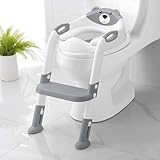
Overview: The SKYROKU Potty Training Seat positions itself as the premium heavy-duty option in toddler toilet training. This grey, foldable system boasts an impressive 165-pound weight capacity and adjustable step height, accommodating children of all sizes. Engineered for both standard and elongated toilets, it emphasizes safety and longevity.
What Makes It Stand Out: The extraordinary 165-pound weight capacity dramatically exceeds competitors, ensuring years of use and making it suitable for larger toddlers or multiple children. The replaceable cushion system extends product lifespan, while adjustable step height provides customized ergonomics. Premium construction materials and reinforced non-slip pads deliver superior stability.
Value for Money: At $35.99, this is the most expensive option reviewed. The price reflects its commercial-grade build quality, extended weight capacity, and replaceable components. For families seeking a one-time purchase that lasts through multiple children, the investment pays off. However, single-child households may find more economical alternatives sufficient.
Strengths and Weaknesses: Strengths include unmatched weight capacity, sturdy construction, replaceable cushion for hygiene, comprehensive anti-slip protection, and universal toilet compatibility. The foldable design aids storage. Weaknesses include the premium price point and potentially excessive durability for average users. The heavier construction may be less portable.
Bottom Line: This seat is ideal for families wanting maximum durability and extended usability. The robust build quality justifies the cost for multi-child households or those prioritizing longevity, though budget-conscious buyers can find adequate alternatives for less.
6. Potty Training Seat, SKYROKU Upgrade Toddler Toilet Seat for Kids Boys Girls, 2 in 1 Potty Training Toilet, Splash Guard Anti-Slip Pad Step Stool,New Sector-Shape Stabilized Base (8899+Grey)
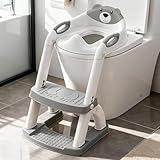
Overview: The SKYROKU Upgrade Toddler Potty Training Seat is a comprehensive solution designed to make toilet training less stressful for both parents and children. This 2-in-1 system combines an adjustable training seat with a detachable step stool, accommodating children as they grow while promoting independence through Montessori-inspired design principles.
What Makes It Stand Out: This seat distinguishes itself with six adjustable height settings, ensuring a perfect fit on both standard and elongated toilets while supporting over 200 pounds. The reinforced construction adds stability, while the redesigned splash guard prevents leaks effectively. Its dual functionality as both a training seat and step stool provides exceptional versatility, allowing children to reach sinks or shelves independently. The dishwasher-safe PVC cushion offers year-round comfort and easy sanitization.
Value for Money: Priced at $35.99, the SKYROKU seat delivers excellent value by replacing multiple products—a standalone potty chair, separate step stool, and various toilet adapters. The durable construction ensures years of use across multiple children, while the foldable design saves valuable bathroom space. Compared to buying separate components, this integrated system offers significant cost savings.
Strengths and Weaknesses: Strengths include remarkable adjustability, robust weight capacity, easy cleaning, and space-saving design. The quick three-minute installation with coin-operated screws is parent-friendly. Weaknesses include incompatibility with square-shaped toilets and the relatively high initial price point. Some users may find the multiple adjustment screws require occasional tightening.
Bottom Line: Ideal for parents seeking a long-term, versatile training solution, the SKYROKU seat justifies its price through durability and multifunctionality. It grows with your child while promoting independence, making it a worthwhile investment for families committed to Montessori-style potty training.
7. Little2Big Toilet Seat with Built-In Toddler Potty Training Seat, Slow Close, Easy to Install, Made in USA, ELONGATED, White

Overview: The Little2Big Toilet Seat offers an elegant, integrated approach to potty training with its built-in toddler seat that remains secured within the adult lid. Made in the USA, this elongated toilet seat eliminates the need for separate training apparatus, providing a seamless transition for families sharing a bathroom.
What Makes It Stand Out: This seat’s genius lies in its simplicity—the toddler ring magnetically attaches inside the adult seat, staying hidden when not in use. Children simply lift it down when needed, fostering independence without bathroom clutter. The slow-close mechanism prevents finger injuries and loud slamming, while Stay-Tite hinges ensure the seat never shifts during use. Its one-piece design means no separate parts to clean or store.
Value for Money: At $38.91, this seat is competitively priced for a permanent bathroom fixture. It eliminates the ongoing expense of replacing standalone potty chairs and the inconvenience of storing separate inserts. The durable construction and made-in-USA quality ensure longevity, making it a cost-effective solution for families planning to have multiple children.
Strengths and Weaknesses: Strengths include space-saving design, high-quality materials, secure installation, and quiet operation. The integrated approach means no cleaning of separate components. Weaknesses include fixed sizing that cannot adjust as children grow, and it only fits elongated toilets. The toddler seat might be too small for larger children, and some kids may need a step stool separately.
Bottom Line: Perfect for families wanting a permanent, clutter-free solution, the Little2Big seat excels in convenience and build quality. While it lacks adjustability, its seamless design and durability make it an excellent choice for parents prioritizing bathroom aesthetics and simplicity.
8. COOSEYA Toilet Seat, Potty Training Seat for Toddler, Upgraded 2-in-1 Potty Toilet Training for Boys and Girls,Waterproof Cushioned Mat with Non-slip Step Stool

Overview: The COOSEYA 2-in-1 Potty Training Seat combines a toddler toilet ladder with a soft cushioned seat to create a secure, comfortable training environment. With six height adjustments and a triangular support structure, this system adapts to various toilet shapes while prioritizing child safety during the critical potty-training phase.
What Makes It Stand Out: This seat features a widened 15.7" x 5.2" stepping surface that reduces fear of falling, while the triangular frame provides exceptional stability. The six-hole height adjustment system accommodates toilet heights up to 17 inches, fitting V, U, and O-shaped bowls. The waterproof PVC cushion ensures comfort across seasons, and its 2-in-1 design converts to a step stool for handwashing or reaching shelves.
Value for Money: Priced at $32.99, the COOSEYA seat offers strong value with its adjustable design and dual functionality. It eliminates the need for separate step stools and grows with your child through multiple height settings. The robust construction supports extended use across several children, making it more economical than replacing non-adjustable trainers.
Strengths and Weaknesses: Strengths include superior stability from the triangular base, generous step width, multiple height options, and easy assembly. The soft cushion adds comfort, and the foldable design saves space. Weaknesses include incompatibility with square toilets and a slightly longer assembly time (4-8 minutes). The plastic construction, while sturdy, may not match the longevity of integrated toilet seats.
Bottom Line: The COOSEYA seat is an excellent mid-range option for safety-conscious parents. Its stable triangular design and generous step width make it ideal for nervous toddlers. While it requires some assembly, the adjustability and comfort features make it a smart investment for families seeking a secure, adaptable training solution.
9. Toilet Seat, Elongated Toilet Seat with Toddler Seat Built in, Potty Training Toilet Seat Elongated Fits Both Adult and Child, with Slow Close and Magnets- Elongated

Overview: This budget-friendly elongated toilet seat features a built-in toddler ring with magnetic retention, offering a simple, space-saving solution for families navigating potty training. The integrated design eliminates separate components while providing adult and child functionality in one unit.
What Makes It Stand Out: The magnetic toddler seat allows easy access for children while staying secured when not in use. The slow-close mechanism prevents slamming and protects little fingers, while the quick-detach design simplifies cleaning. Made from thick, stain-resistant polypropylene, this seat withstands daily wear and tear. The straightforward installation process and included rubber pads for hinge protection demonstrate attention to detail.
Value for Money: At just $18.46, this is the most economical option in the category, delivering essential features at nearly half the price of competitors. It provides the core benefits of an integrated training seat—space savings and convenience—without premium features like adjustability or step stool functionality. For budget-conscious families or those with minimal storage space, it offers exceptional value.
Strengths and Weaknesses: Strengths include affordability, quiet operation, easy cleaning, and simple installation. The magnetic system is intuitive for children. Weaknesses include limited compatibility (elongated toilets only), lack of height adjustability, and no step stool feature. The toddler seat size may not suit all children, and the plastic construction feels less premium than pricier alternatives.
Bottom Line: An excellent entry-level choice for families seeking simplicity and value, this seat covers the basics effectively. While it lacks advanced features, its low price and integrated design make it perfect for parents wanting a no-fuss, space-saving potty training solution without a significant investment.
10. Zieyeen Potty Training Seat with Step Stool Ladder, Toddler Potty Training Toilet for Boys Kids

Overview: The Zieyeen Potty Training Seat with Step Stool Ladder offers a straightforward, budget-conscious approach to toilet training. Featuring five adjustable height settings and a splash-proof design, this lightweight trainer focuses on essential functionality without unnecessary complexity.
What Makes It Stand Out: This seat emphasizes comfort with its temperature-adapting cushioned seat that remains pleasant in cold weather. The widened, non-slip steps with rounded handles provide secure footing for toddlers. The raised splash guard is specifically designed for boys, while the pre-installed components reduce assembly time. The five-hole adjustment system offers modest height customization as children grow.
Value for Money: At $23.99, this is one of the most affordable adjustable training seats available. It combines a toilet trainer and step stool at a price point that undercuts many competitors. While it lacks premium features like dishwasher-safe components or extensive height options, it delivers core functionality for families on a tight budget or those needing a temporary solution.
Strengths and Weaknesses: Strengths include low price, comfortable cushioning, boy-specific splash guard, and simplified assembly with pre-installed parts. The lightweight design allows children to move it independently. Weaknesses include limited height adjustability (only five positions), basic construction quality, and lack of compatibility details for different toilet shapes. The narrow step width may feel less stable for some toddlers.
Bottom Line: The Zieyeen seat is a solid budget pick for parents prioritizing affordability and basic functionality. It works well as a short-term training tool, particularly for boys. While it won’t match the durability or features of premium models, its low cost and decent adjustability make it a practical choice for families seeking value over longevity.
Why Choose a Toilet Training Seat with a Built-In Ladder?
The decision to use a ladder-style training seat versus a traditional floor potty or basic seat reducer represents a strategic shift in your potty training approach. These hybrid systems address multiple developmental needs simultaneously. First, they promote physical independence—your child can initiate bathroom trips without calling for help to reach the toilet. This autonomy builds self-esteem and accelerates the learning process.
Second, they create a seamless transition to the “real” toilet, eliminating the dreaded second transition from floor potty to adult toilet that many families face. Your child learns proper toilet positioning from day one, which helps establish healthy bathroom habits. The ladder component also turns bathroom trips into an active, engaging experience rather than a passive one, which can be particularly motivating for energetic toddlers who resist sitting still.
Understanding Your Child’s Readiness Signs
Before investing in any toilet training equipment, it’s crucial to assess whether your child is truly ready. Physical readiness typically emerges between 18 months and 3 years, but chronological age matters less than developmental signals. Look for the ability to stay dry for at least two hours, regular bowel movements at predictable times, and sufficient motor skills to climb a short ladder safely.
Cognitive and emotional readiness are equally important. Your child should show interest in bathroom activities, express discomfort with dirty diapers, and demonstrate the ability to follow simple two-step instructions. If your toddler can’t yet climb stairs unassisted or shows fear of heights, a ladder seat might actually create anxiety rather than confidence. In these cases, consider waiting a few weeks and practicing ladder climbing in a non-pressured play context first.
Key Safety Features That Matter Most
Safety should be your non-negotiable priority when selecting a ladder toilet training seat. The most critical feature is a robust anti-slip system on both the ladder steps and the base that contacts your floor. Look for rubberized grips with textured patterns rather than simple plastic pads—these provide superior traction even on wet bathroom tiles.
The seat attachment mechanism deserves equal scrutiny. High-quality models feature dual-locking systems that secure the child seat to both the toilet rim and the adult seat. Some incorporate silicone grip rings that create friction without scratching your toilet’s porcelain. Avoid seats that rely solely on gravity or simple hooks, as these can shift when your child wiggles. The ladder should also include handrails at toddler height, allowing your little one to maintain three points of contact while climbing—a fundamental safety principle for young children.
Adjustable Height: Growing with Your Child
One size definitely doesn’t fit all when it comes to toddler toilet seats. Your child’s leg length, your toilet’s height, and your bathroom’s spatial constraints all factor into the equation. Premium ladder training seats offer multiple height adjustments for both the seat platform and the steps, typically ranging from two to five different positions.
This adjustability serves two purposes. Initially, it ensures your child’s feet rest flat on the ladder steps rather than dangling, which is essential for stability and proper elimination posture. As your child grows, you can raise the configuration to maintain ergonomic positioning. Some advanced models even feature telescoping ladder legs that accommodate toilet heights from 14 to 18 inches, covering everything from standard to comfort-height toilets. When evaluating options, measure your toilet from floor to rim and compare it against the product’s specifications—don’t assume universal fit.
Material Matters: Plastic vs. Eco-Friendly Options
The construction material affects everything from durability to environmental impact to your child’s comfort. Polypropylene plastic dominates the market due to its lightweight nature, water resistance, and affordability. Food-grade PP plastic is non-toxic, BPA-free, and can withstand the harsh bathroom environment without degrading. However, not all plastics are equal—thinner, cheaper versions may flex under weight, creating instability.
Eco-conscious parents now have viable alternatives. Some manufacturers offer seats made from bamboo fiber composites or recycled ocean plastics, which reduce environmental footprint while maintaining durability. These materials typically feel warmer to the touch than conventional plastic, a subtle comfort factor that can make a difference for sensitive toddlers. Wooden options exist but require careful sealing to prevent moisture damage and may be heavier for children to maneuver independently. Consider your family’s values, budget, and how long you plan to use the seat when weighing material choices.
Seat Design: Comfort and Ergonomics
A well-designed child seat can mean the difference between peaceful potty sessions and tearful battles. The seat opening should be appropriately sized—large enough for easy positioning and cleaning, but small enough that your child feels secure and won’t slip through. Contoured edges that rise slightly at the front and back prevent forward and backward sliding.
Padding is a controversial feature. While cushioned seats seem more comfortable, they can absorb moisture and harbor bacteria in hard-to-clean crevices. Instead, look for ergonomically shaped hard seats with smooth, seamless construction. Some premium models feature a slight forward tilt that positions your child in an optimal squatting posture, which can actually aid bowel movements. The seat should also include a small gap at the front for easy wiping access, teaching proper hygiene from the start.
Ladder Stability and Anti-Slip Technology
The ladder component transforms a simple seat reducer into a comprehensive training system, but its stability determines the entire product’s safety. A wide base footprint is fundamental—the ladder should extend at least 12 inches from the toilet base to prevent tipping. The angle matters too; ladders that lean too steeply create a climbing hazard, while overly shallow designs eat up precious bathroom space.
Step design deserves careful attention. Each step should be at least 4 inches deep to accommodate little feet and feature drainage holes to prevent water pooling. The best designs incorporate a gradient of step spacing, with lower steps closer together for short toddler legs and upper steps slightly farther apart. Some innovative models include fold-out stabilizer bars that extend perpendicular to the ladder, creating a four-point contact system with the floor that virtually eliminates wobbling.
Splash Guards and Hygiene Considerations
Let’s address the messy reality of potty training. Effective splash guards are essential, especially for boys, but poorly designed ones can cause discomfort or interfere with cleaning. The ideal splash guard is integrated into the seat design rather than being a detachable piece that can get lost or create gaps. It should be high enough to contain mishaps but tapered to avoid pressing against your child’s body.
Hygiene extends beyond splash protection. Look for seats with minimal crevices and smooth, non-porous surfaces that won’t harbor bacteria. Some advanced models feature antimicrobial coatings that inhibit bacterial growth, though these shouldn’t replace regular cleaning. The seat should be easily removable for thorough sanitizing—complex attachment systems with multiple small parts become breeding grounds for germs. Consider how the ladder steps clean too; textured anti-slip surfaces are great for safety but can trap dirt if the texture is too aggressive.
Portability and Storage Solutions
Bathroom real estate is precious, and a permanent ladder installation isn’t practical for most families. The best training seats balance sturdiness with portability, allowing you to move or store the unit quickly. Look for models that fold flat against the toilet when not in use, with some collapsing to under 6 inches in depth.
Quick-release mechanisms are invaluable—these allow you to detach the entire unit from the toilet without tools, handy for cleaning or when guests need the bathroom. Some designs incorporate carrying handles or storage bags for travel. If you have multiple bathrooms, lightweight portability means you can move the seat rather than buying duplicates. Consider your storage space: can the folded unit slide beside the toilet, fit in a linen closet, or hang on a bathroom hook? The most practical designs consider the full lifecycle of use, including those in-between moments when training is complete but you’re not quite ready to part with the equipment.
Ease of Cleaning: What Parents Should Know
The difference between a five-minute wipe-down and a twenty-minute scrub session adds up significantly over months of use. Prioritize seats with one-piece construction where possible, as assembled units with screws and joints inevitably collect grime. The seat should detach from the ladder component with a simple button or lever mechanism—avoid models requiring screwdriver disassembly.
Smooth, glossy surfaces clean far more easily than matte or textured finishes. Test the cleaning access: can you reach all surfaces without contorting your hand into awkward angles? Some thoughtful designs include removable step pads that can be washed separately. For the ladder itself, look for open-frame designs rather than hollow tubes, as sealed tubes can trap water and develop mold. Dishwasher-safe components are a bonus, though most manufacturers recommend hand-washing to preserve anti-slip coatings.
Weight Capacity and Durability Factors
Most ladder training seats advertise weight capacities between 50 and 75 pounds, but this number tells only part of the story. The real test is dynamic weight—how the seat performs when a wiggly, active toddler climbs up quickly or shifts suddenly while seated. Look for reinforced joints, particularly where the ladder meets the seat platform. Metal reinforcement bars, even in predominantly plastic models, significantly improve stability.
Durability extends beyond weight. UV resistance matters if your bathroom gets natural sunlight, as prolonged exposure can make plastics brittle. The attachment mechanism should withstand hundreds of installations and removals without loosening. Check user reviews specifically for mentions of longevity—do parents report the seat lasting through multiple children? A quality training seat should easily serve 2-3 years of daily use and potentially be passed down to younger siblings. Pay attention to warranty terms; manufacturers confident in their durability typically offer at least a one-year guarantee.
Transition Strategies: From Potty to Toilet Independence
A ladder training seat is a tool, not a magic solution. Success depends on your implementation strategy. Start by introducing the seat as a fun piece of equipment rather than a training device. Let your child climb it fully clothed, explore the bathroom from this new vantage point, and develop comfort with the structure. This desensitization phase typically takes 3-7 days.
Create a consistent routine: place the ladder seat on the same toilet every time, use the same cue words, and establish a predictable sequence of actions (climb up, lower pants, sit, wipe, climb down). Some parents find success with “potty passes”—small cards their child can trade for a bathroom trip, giving them control over initiation. As confidence builds, gradually reduce physical assistance while maintaining verbal guidance. The ultimate goal is for your child to independently retrieve, install, use, and store the seat, though this level of mastery may take several months.
Common Challenges and Proven Solutions
Even with the perfect seat, obstacles arise. Fear of falling is common, especially during the first few attempts. Solution: stay present, offering hand support while your child climbs. Place a non-slip bath mat beneath the ladder for additional security. Some children experience a “poop strike,” refusing to have bowel movements on the new seat. This often stems from feeling unstable during the pushing phase. Try foot support adjustments and encourage a slight forward lean.
Resistance to using the ladder independently frequently occurs when parents hover too closely. Children sense anxiety and mirror it. Practice stepping back—literally—while remaining within earshot. If your child starts treating the ladder as a play structure and climbing it excessively, establish clear boundaries: the ladder is for bathroom use only, and you’ll remove it temporarily if play-climbing continues. This teaches respect for bathroom safety without creating negative associations with the toilet itself.
Budget Considerations: What to Expect at Each Price Point
Toilet training ladder seats typically range from $25 to $80, with price correlating to features and durability. Budget options ($25-$35) offer basic functionality: simple plastic construction, minimal adjustability, and standard anti-slip pads. These work adequately for short-term use or occasional travel but may lack the stability features that build true confidence.
Mid-range models ($40-$55) represent the sweet spot for most families. You’ll find multiple height adjustments, better locking mechanisms, enhanced stability features like wider bases, and more ergonomic seat designs. These seats typically last through multiple children and offer the best value-to-feature ratio.
Premium seats ($60-$80) justify their cost through superior materials (bamboo composites, reinforced structures), innovative features like fold-flat storage, antimicrobial coatings, and extended warranties. Consider this tier if you have multiple children who will use the seat sequentially or if your child has specific needs like sensory sensitivities that benefit from enhanced comfort features.
Environmental and Sustainability Factors
The environmental impact of potty training products often goes overlooked. A child using disposable training pants generates approximately 2,000 additional diapers over the training period. A durable ladder seat that enables earlier underwear use can significantly reduce this waste. When evaluating eco-friendliness, consider the product’s entire lifecycle.
Recycled materials are increasingly available, with some manufacturers using ocean-bound plastics or post-consumer recycled polypropylene. These options perform identically to virgin plastic while reducing environmental burden. Bamboo composite seats offer biodegradability advantages but verify that binders are also eco-friendly. Avoid seats with excessive packaging or those shipped in non-recyclable materials. At end-of-life, check if the manufacturer offers a take-back program for responsible recycling. A seat that lasts through three children is inherently more sustainable than three separate seats, regardless of material.
Frequently Asked Questions
What age is appropriate for ladder toilet training seats?
Most children are ready between 24 and 36 months, but physical and emotional readiness matters more than age. Your child should be able to climb stairs independently, follow simple instructions, and show interest in bathroom activities. Some precocious toddlers may be ready as early as 18 months, while others need until age 3 or beyond.
How do I know if my child is ready for this type of seat specifically?
Look for signs of wanting to “do it myself,” attempts to climb onto furniture independently, and comfort with heights. If your child shows fear of climbing or still needs hand-holding on stairs, practice these skills first before introducing the ladder seat. The seat should feel like a natural next step, not a scary leap.
Are these seats safe for children to use without supervision?
While ladder seats are designed for independence, initial use requires adult supervision. Once your child demonstrates consistent safe climbing, stable sitting, and proper dismounting—typically after 2-3 weeks of supervised practice—they can use it with minimal oversight. Always remain within earshot and never allow unsupervised bathroom access if your home has other hazards.
How do I clean and sanitize the seat properly?
Daily cleaning requires only a wipe-down with mild soap and water. For deep sanitizing, remove the seat and wash with a non-abrasive bathroom cleaner. Pay special attention to hinge points and textured step surfaces. Avoid bleach on anti-slip coatings as it can degrade the material. Most manufacturers recommend cleaning at least twice weekly during active training.
Will a ladder seat fit my oddly-shaped or elongated toilet?
Most seats fit standard round and elongated toilets with a rim width of 5-7 inches. For square or uniquely shaped toilets, measure carefully and look for adjustable-width models. Some premium seats offer extendable arms that accommodate wider rims. When in doubt, contact manufacturers with your toilet’s exact dimensions before purchasing.
What if my child is afraid of the height or climbing the ladder?
Never force use. Start by placing the ladder seat on the floor for exploration. Practice climbing games on regular stairs to build confidence. Let your child watch you model climbing and sitting. Some families find success by initially using just the seat component with a separate step stool, then introducing the full ladder system once comfort increases.
How long does potty training typically take with a ladder seat?
Most children achieve daytime reliability within 3-6 weeks of consistent use, though complete independence (including climbing, wiping, and hand-washing) may take 2-4 months. Nighttime training often follows months later. The ladder seat can accelerate the process by reducing fear and promoting autonomy, but every child’s timeline varies.
Can ladder seats damage my toilet or bathroom fixtures?
Quality seats with silicone or rubberized grips will not damage porcelain. Avoid models with hard plastic hooks that could scratch. The weight distribution is actually gentler than an adult’s concentrated weight. However, repeatedly installing and removing the seat can eventually wear cheap locking mechanisms, causing them to loosen and potentially slip.
What weight limits should I be aware of?
Standard models support 50-75 pounds, while heavy-duty options accommodate up to 100 pounds. Consider not just your child’s weight but also the dynamic force of climbing. If your child is approaching the weight limit or unusually active, opt for a higher-capacity model. Most children outgrow the need for the seat before approaching weight limits.
Are ladder training seats worth the investment compared to basic options?
For most families, yes. The independence they foster often shortens the training period, reducing costs for diapers or training pants. They eliminate the need for separate step stools and the eventual transition from floor potty to toilet. When divided over multiple children or years of use, the cost-per-use is minimal. The confidence and autonomy they build in your child are invaluable intangible benefits.