The trail is calling, but your toddler’s legs are done after half a mile. Sound familiar? You’re not alone in dreaming of pain-free peaks while parenting tiny adventurers. Soft-structured carriers have revolutionized how families experience the outdoors, transforming whiny turn-arounds into summit successes. But not all toddler carriers are created equal when it comes to multi-mile treks with a 25-40 pound passenger.
The difference between a miserable, back-aching slog and a joyful family adventure lies in understanding the nuanced engineering behind these load-bearing marvels. Let’s dive deep into what separates a glorified grocery-store baby carrier from a legitimate piece of hiking gear that respects both your spine and your toddler’s developing hips.
Top 10 Toddler Soft-Structured Carriers for Pain-Free Hiking
Detailed Product Reviews
1. Beco Toddler Carrier (20-60 lbs) with Breathable 3D Mesh & Extra Wide Seat - Front-Carry & Backpack Style - Lightweight Sling Carrier for Children from 18months - Cool Dark Grey

Overview: The Beco Toddler Carrier in Cool Dark Grey is a streamlined solution for parents of 18-48 month-olds weighing 20-60 pounds. This minimalist carrier prioritizes breathability and comfort for both parent and child during everyday adventures. Its lightweight design and moisture-wicking materials make it particularly suited for warm climates and active families who need reliable toddler transport without bulk.
What Makes It Stand Out: The standout feature is undoubtedly the breathable 3D mesh panel that creates superior airflow, preventing the overheating common in structured carriers. The extra-wide seat promotes healthy hip development while providing a secure perch for growing toddlers. Unlike bulkier hiking carriers, this model offers two practical positions—front and back carry—plus thoughtful details like a detachable hood that doubles as a nursing cover and an integrated zippered pocket for essentials.
Value for Money: At $89.99, the Beco Toddler Carrier sits in the sweet spot between budget options and premium brands. It’s competitively priced against similar toddler-specific carriers while offering features typically found in higher-end models, like lumbar support and machine-washable fabric. The durability ensures it can handle multiple children, maximizing your investment.
Strengths and Weaknesses: Strengths include exceptional breathability, ergonomic wide seat, lightweight construction, machine-washable convenience, and included storage. Weaknesses are its toddler-only design (no newborn capability), limited to two carry positions, and lack of extensive storage for serious hiking. The 3D mesh may also feel less cozy in cold weather compared to padded alternatives.
Bottom Line: An excellent choice for parents seeking a breathable, no-fuss toddler carrier for daily use and light outdoor activities, especially in warmer climates.
2. besrey Baby Backpack Carrier, Toddler Hiking Backpack with Safety 3-Height Seat, Adjustable Straps&Waist Belt, Foldable Frame Lightweight Large Capacity Child Carrier for Hiking (Army Green)

Overview: The besrey Baby Backpack Carrier is engineered for adventurous families who hit the trails with toddlers in tow. Designed for children from 16-40 pounds, this hiking-specific carrier prioritizes safety and comfort during extended outdoor excursions. Its army green aesthetic and robust construction signal serious outdoor gear rather than a casual urban carrier.
What Makes It Stand Out: Safety takes center stage with 5-point seat belts and a 3-height adjustable seat that grows with your child. The detachable sunshade offers comprehensive weather protection against sun, wind, and rain—a feature often sold separately by competitors. Remarkably lightweight at just 5.5 pounds, it doesn’t compromise on storage, providing multiple pockets, under-seat storage, and even a bonus storage bag for gear-intensive adventures.
Value for Money: At $149.99, this carrier delivers exceptional value for hiking enthusiasts. Comparable hiking carriers from premium brands often exceed $200, making besrey’s offering a smart mid-range choice. The included weather protection and generous storage eliminate the need for costly accessories, further enhancing its value proposition.
Strengths and Weaknesses: Strengths include superior safety harness, all-weather protection, lightweight frame, excellent weight distribution via padded straps, and abundant storage. Weaknesses are the lower 40-pound weight capacity (versus 60 in some competitors), unsuitability for newborns, and potential overkill for everyday city use. The bulkier frame also makes storage more challenging than soft carriers.
Bottom Line: Perfect for active families seeking a feature-rich, safe hiking carrier without the premium price tag of outdoor specialty brands.
3. Beco Toddler Carrier (20-60 lbs) with Extra Wide Seat, 100% Cotton - Front-Carry & Backpack Style - Lightweight & Ergonomic Sling Carrier for Children from 18months - Metro Black
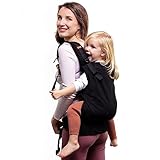
Overview: The Beco Toddler Carrier in Metro Black offers the same trusted design as its mesh sibling but swaps breathable panels for 100% cotton construction. Designed for toddlers 20-60 pounds and 18-48 months, this carrier appeals to parents who prioritize natural fabrics and softness over maximum ventilation. It maintains Beco’s commitment to ergonomic design and everyday functionality.
What Makes It Stand Out: The all-cotton construction sets it apart in a market dominated by synthetic blends, providing a softer, more natural feel against skin. Like its mesh counterpart, it features an extra-wide seat certified hip-healthy for proper child development. The thoughtful design includes practical touches: detachable hood, zippered storage, easy-access pockets, and machine-washable fabric—delivering premium convenience at an accessible price point.
Value for Money: Priced identically to the mesh version at $89.99, this carrier lets parents choose material preference without financial penalty. The cotton variant offers excellent durability and the same weight capacity as competitors costing significantly more. For families in moderate climates, the natural fabric provides year-round comfort without seasonal limitations.
Strengths and Weaknesses: Strengths include soft natural cotton, ergonomic wide seat, hip-healthy certification, lumbar support, generous storage, and easy maintenance. Weaknesses mirror the mesh version: toddler-only limitation, just two carry positions, and less breathability than mesh alternatives—potentially causing warmth in hot weather. Cotton may also show wear more visibly than synthetic fabrics.
Bottom Line: Ideal for parents wanting a natural-fabric toddler carrier that doesn’t compromise on ergonomics or convenience for daily use.
4. Osprey Poco Soft Convertible Baby Carrier for Newborns - Ergonomic Toddler Sling, Koseret Green

Overview: The Osprey Poco Soft Convertible represents the premium tier of baby carriers, designed to accommodate newborns through toddlers up to 36 months. This versatile system eliminates the need for multiple carriers, transitioning seamlessly from infancy through early childhood. The Koseret Green colorway and recycled materials reflect Osprey’s outdoor heritage and environmental consciousness.
What Makes It Stand Out: Unmatched versatility with three ergonomic carry positions—including forward-facing for curious infants—sets this apart from toddler-only carriers. The award-winning design features ventilated 3D foam shoulder straps and an extra-wide padded hipbelt for superior parent comfort. A deployable UPF 50 sunshade and breathable mesh child seat provide premium protection and comfort rarely seen in soft-structured carriers.
Value for Money: At $159.91, this is a significant investment, but justified for families wanting one carrier from birth. Compared to buying separate newborn and toddler carriers ($180+ combined), it offers savings. The premium materials, award-winning design, and Osprey’s legendary durability ensure years of use across multiple children, delivering strong long-term value despite the higher upfront cost.
Strengths and Weaknesses: Strengths include newborn-to-toddler versatility, premium recycled materials, exceptional parent comfort, UPF 50 sunshade, multiple carry positions, and award recognition. Weaknesses are the premium price, potentially complex adjustments for new users, and heavier weight than minimalist carriers. The forward-facing position has age limitations that require careful attention to manual guidelines.
Bottom Line: The ultimate investment for families seeking a single, premium-quality carrier that truly grows with their child from day one through toddlerhood.
5. Baby Carrier Newborn to Toddler, Lightweight Structured Ergonomic Design for Infant Carrier with Plus Size Support 3-in-1 Carrier with Mesh & Hip Seat Front & Back Facing All Seasons for Travel
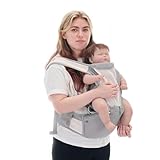
Overview: This budget-friendly carrier promises remarkable versatility at an unbelievably low price point. Marketed as a 3-in-1 solution for newborns through toddlers, it targets cost-conscious families unwilling to compromise on carrying options. The lightweight design and breathable mesh construction aim to deliver comfort across all seasons and activities.
What Makes It Stand Out: The sub-$21 price tag is the most striking feature—dramatically undercutting even basic carriers. It offers four carrying positions, including a unique quick-snap “tush baby” attachment, and explicitly markets to plus-size parents with adjustable straps. The hip-healthy certification and breathable mesh panels suggest features typically found in carriers costing four times as much.
Value for Money: At $20.99, this carrier is astonishingly inexpensive, making it accessible to virtually any budget. However, extreme price-cutting raises questions about material quality, stitching durability, and safety testing rigor. While it offers features comparable to $100+ carriers, longevity and consistent performance remain uncertain. It’s a gamble that might pay off for occasional use but could disappoint as a daily workhorse.
Strengths and Weaknesses: Strengths include unbeatable price, versatile positions, plus-size accommodation, breathable mesh, and hip-healthy design. Weaknesses are unknown brand reputation, questionable long-term durability, potentially confusing adjustments, unclear weight limits, and safety certifications that may not meet stringent standards. The ultra-low cost likely reflects thinner materials and less rigorous quality control.
Bottom Line: A tempting budget option for occasional use, but safety-conscious parents should verify certifications carefully before trusting it with daily carrying duties.
6. Ava & Oliver Essential Baby Carrier – Ergonomic, Hip-Healthy Soft Structured Carrier for Infants & Toddlers (7–35lbs) - Front and Back Carry, Breathable Fabric, Stylish & Lightweight (Black)

Overview: The Ava & Oliver Essential Baby Carrier positions itself as a premium ergonomic solution for parents seeking hip-healthy positioning for their children. Designed to support infants and toddlers from 7 to 35 pounds, this soft-structured carrier offers front inward-facing and back carry options, making it suitable for children from three months onward. Its sleek black design and breathable fabric appeal to style-conscious parents who refuse to compromise on comfort.
What Makes It Stand Out: This carrier’s primary distinction is its hip-healthy certification and built-in EVA waist and lumbar support system, which actively reduces parental back strain during extended wear. The deep seat design ensures optimal “M-position” for healthy hip development, keeping baby’s knees above their bottom. Unlike budget alternatives, it prioritizes orthopedic correctness over multiple carrying configurations, making it a thoughtful choice for parents concerned about developmental health.
Value for Money: At $83.99, this carrier sits in the mid-range category. The price is justified by its ergonomic engineering, quality materials, and focus on hip health—features typically found in premium brands costing $120+. While it lacks the versatility of 6-in-1 carriers, parents specifically seeking hip-healthy design will find excellent value compared to specialized orthopedic carriers.
Strengths and Weaknesses: Strengths include superior lumbar support, hip-healthy certification, breathable fabric, machine washability, and thick padded straps. The deep seat design promotes proper hip alignment, and its lightweight construction enhances portability. Weaknesses are limited carrying positions (only front inward and back), restricted weight capacity (35 lbs max), and absence of a detachable hip seat. The 3+ month starting age may disappoint those wanting newborn readiness.
Bottom Line: The Ava & Oliver carrier is ideal for parents who prioritize ergonomic correctness and hip health over maximum versatility. If you value orthopedic design and all-day comfort for both parent and child, this carrier delivers exceptional performance at a reasonable price point.
7. YSSKTC Baby Carrier Ergonomic Infant Carrier with Hip Seat Kangaroo Bag Soft Baby Carrier Newborn to Toddler 7-45lbs Front and Back Baby Holder Carrier for Men/Women Dad Mom

Overview: The YSSKTC Baby Carrier offers remarkable versatility at a budget-friendly price point, accommodating newborns to toddlers from 7 to 45 pounds. This 6-in-1 system features a detachable hip seat that can be used independently or combined with shoulder straps, providing adaptable carrying solutions as your child grows. Designed for both mothers and fathers, it balances functionality with affordability.
What Makes It Stand Out: The modular design sets this carrier apart—parents can use just the hip seat for quick trips or the full system for extended wear. Six carrying positions include front inward, front outward, back, hip, and separate hip seat configurations. The inward-sloping hip seat angle keeps baby close while reducing bounce during movement. Side pockets for bottles and phones add practical convenience rarely found in this price range.
Value for Money: At $34.19, this carrier represents exceptional value. Competitors with similar versatility typically cost $60-90. The extended 45-pound weight limit and newborn readiness (with proper positioning) eliminate the need to purchase multiple carriers. While materials may not match premium brands, the functionality-to-price ratio is outstanding for budget-conscious families.
Strengths and Weaknesses: Strengths include versatile 6-in-1 design, detachable hip seat, breathable cotton/mesh construction, generous weight range, convenient pockets, and machine-washable components. The Velcro waistband enables quick adjustments. Weaknesses include potentially less robust construction than premium carriers, limited lumbar support compared to EVA-equipped models, and Velcro may wear over time. The aesthetic is functional rather than fashionable.
Bottom Line: For parents seeking maximum versatility on a minimal budget, the YSSKTC carrier is a standout choice. It grows with your child from newborn to toddler and adapts to various situations, making it an excellent primary or backup carrier for practical-minded families.
8. SONMEI Ergonomic Baby Carrier with Hip Seat, 360° Positions, Soft and Breathable, All Seasons, for Newborns and Toddlers, Hiking Shopping Travelling

Overview: The SONMEI Ergonomic Baby Carrier delivers impressive versatility at an entry-level price, supporting children from 12 to 33 pounds with multiple carrying positions. Marketed as an all-season solution, it features a unique temperature-regulation panel that adapts to weather conditions. This carrier targets active parents who need flexibility for everyday errands and light outdoor activities without breaking the bank.
What Makes It Stand Out: The standout feature is the 360-degree positioning system offering six carry styles including front outward, front inward, back, hip, and single-strap options. The temperature-regulation panel zips down to reveal breathable 3D mesh for summer or closes for warmth in winter—a rare feature at this price point. The large padded waistband and included sleeping hood enhance both parent comfort and baby protection.
Value for Money: Priced at just $30.99, this is among the most affordable ergonomic carriers available. While the weight range starts at 12 pounds (excluding newborns) and caps at 33 pounds, the 6-in-1 functionality and seasonal adaptability typically cost $50-80 elsewhere. Parents seeking versatility for older infants and toddlers will find this an economical choice, though longevity is limited compared to 45-pound capacity carriers.
Strengths and Weaknesses: Strengths include exceptional price, versatile carrying positions, all-season temperature panel, breathable materials, safety certification, and included sleeping hood. The design suits hiking and shopping alike. Weaknesses are the limited 12-33 pound range (not true newborn-ready), lower weight capacity than competitors, and potentially less durable construction. Lumbar support is adequate but not exceptional.
Bottom Line: The SONMEI carrier is perfect for parents of older infants seeking versatility and seasonal adaptability on a tight budget. While not suitable from birth, it excels for 3-36 month-olds and offers features that defy its price point, making it a smart value purchase.
9. besrey Baby Backpack Carrier, Toddler Hiking Backpack with Safety 3-Height Seat, Adjustable Straps&Waist Belt, Foldable Frame Lightweight Large Capacity Child Carrier for Hiking (Black)

Overview: The besrey Baby Backpack Carrier is a specialized hiking carrier designed for active families who explore outdoors with toddlers. Built to safely carry children from 16 to 40 pounds, this framed backpack prioritizes safety, comfort, and storage for trail adventures. Weighing only 5.5 pounds itself, it balances portability with robust construction for serious hiking use.
What Makes It Stand Out: This carrier’s hiking-specific design distinguishes it from soft-structured carriers. The 5-point safety harness with soft material, flexible stirrups, and three-height adjustable seat ensures proper child positioning as they grow. The detachable sunshade provides comprehensive weather protection—critical for outdoor use. Ample storage including under-seat compartment and waist belt pockets eliminates need for additional daypacks.
Value for Money: At $149.99, this carrier competes with premium hiking brands like Deuter and Osprey that cost $200-300. The lightweight frame, safety features, and generous storage offer excellent value for hiking-focused families. While overkill for casual mall trips, it replaces multiple pieces of gear for trail use, justifying the investment for outdoor enthusiasts.
Strengths and Weaknesses: Strengths include lightweight yet sturdy frame, excellent storage capacity, weather protection, adjustable seat heights, comfortable weight distribution, and safety-focused design. The 5-point harness and stirrups keep children secure. Weaknesses are the 16-pound minimum (not for infants), bulky storage when not in use despite foldable frame, and limited use cases beyond hiking. It’s also pricier than everyday carriers.
Bottom Line: For hiking families, the besrey carrier is an outstanding value that rivals premium brands. If your priority is safe, comfortable trail adventures with your toddler, this specialized carrier delivers professional-grade features at a mid-range price, making it a worthy investment for active lifestyles.
10. Hiking Baby Carrier Backpack - Comfortable Toddler/Baby Backpack Carrier System with Diaper Change Pad, Insulated Pocket + Rain and Sun Hood to Protect Your Child

Overview: This premium Hiking Baby Carrier Backpack positions itself as a top-tier solution for serious outdoor parents, featuring comprehensive amenities for extended trail adventures. Designed with a padded cocoon, safety straps, and stirrups, it prioritizes child safety and comfort while addressing parental needs through thoughtful additions like a diaper changing pad and insulated bottle pocket.
What Makes It Stand Out: The included diaper changing pad is a game-changer for outdoor parents, providing a clean surface anywhere. The insulated pocket keeps bottles at temperature for hours, while the removable sun visor offers superior weather protection. Height adjustability ensures proper fit across parent body types. The waterproof Ripstop Polyester construction promises durability that justifies its premium positioning.
Value for Money: At $194.90, this is the most expensive option reviewed, competing with elite brands. The value lies in its comprehensive feature set—changing pad, insulated pocket, premium materials, and adjustable design eliminate need for separate gear. For frequent hikers, the durability and convenience offset the cost. Casual users may find better value in simpler models, but enthusiasts will appreciate the professional-grade construction.
Strengths and Weaknesses: Strengths include premium waterproof materials, included changing pad, insulated pocket, height adjustability, heavy padding, excellent weather protection, and robust safety features. The design considers every hiking scenario. Weaknesses are the highest price point, likely heavier weight than stated (though not specified), and over-featured for non-hiking use. The target audience is narrow—dedicated outdoor families only.
Bottom Line: This carrier is the premium choice for hiking devotees who demand every convenience on the trail. If you frequently adventure outdoors and want a carrier that replaces multiple pieces of gear while ensuring maximum comfort and safety, the investment delivers professional performance that cheaper alternatives cannot match.
What Makes a Toddler Carrier Different from Infant Carriers?
Toddler-specific soft-structured carriers are built for an entirely different physics equation. While infant carriers prioritize newborn spine support and face-inward positioning, toddler carriers must accommodate longer torsos, wider hip spreads, and significantly more dynamic movement. The seat width typically ranges from 14-17 inches to support knee-to-knee positioning for children 18 months and up. Panel height extends to support a sleeping toddler’s head while still allowing forward-facing views when desired. The carrier’s overall structure uses denser foam, reinforced stitching, and load-bearing fabrics designed for 30-45 pound payloads rather than the 8-25 pound range of infant carriers.
Why Soft-Structured Carriers Dominate the Hiking Scene
Unlike framed backpacks that position your child like a separate piece of luggage, SSCs integrate your toddler into your body’s center of gravity. This integration creates better balance on uneven terrain, allowing you to navigate narrow trails and scramble over rocks without the swaying pendulum effect of external frames. The streamlined profile slips through overgrown paths where framed carriers catch on branches. Your arms remain free for trekking poles, trail maps, or catching a stumble. The emotional closeness also matters—your heartbeat and breathing patterns regulate your toddler’s stress responses, turning meltdowns into naps even in the wilderness.
The Anatomy of Pain-Free Hiking: Core Features Explained
Pain-free hiking with a toddler requires a carrier that functions as a biomechanical extension of your body. The waistband should measure 4-6 inches wide, constructed with dual-density foam that compresses against your hips without cutting circulation. Shoulder straps need 3-inch width with S-curve shaping that wraps rather than digs. A chest strap, or sternum strap, must offer vertical adjustability up to 6 inches to accommodate different torso lengths. Load lifters—those small straps connecting the shoulder straps to the main body—are non-negotiable for pulling weight closer to your center of gravity. The best carriers include a lumbar pad that fills the natural curve of your lower back, preventing the carrier from pulling away and creating painful leverage.
Ergonomics for Two: Protecting Your Body and Your Toddler’s Hips
Your toddler’s hip health depends on the “M” position—knees higher than bum, forming a seated squat that supports proper hip socket development. The seat must adjust from narrow to wide settings as your child grows, never forcing legs to dangle straight down. For you, ergonomic design means weight distribution that follows the T-51 rule: 51% of the load should rest on your hips, 49% on your shoulders. This ratio prevents the forward-leaning compensation that causes lower back strain. Look for waistbands that sit on your iliac crest (hip bones) rather than your waist, and shoulder straps that cross your trapezius muscles rather than pressing on your collarbone.
Weight Distribution Science: How to Carry 30+ Pounds Comfortably
The human spine compresses approximately 0.5mm per 10 pounds of vertical load. A 35-pound toddler plus carrier can compress your lumbar discs by nearly 2mm over a long hike—unless the weight transfers horizontally to your hips. The key is a rigid waistbelt that doesn’t roll or fold under load. Internal aluminum stays or HDPE framesheets transfer force from the shoulder straps down to the waistbelt, creating a suspension system. When properly fitted, you should be able to slip two fingers between your shoulder and the strap—that’s how little weight should be there. The waistbelt should feel like a firm hug, not a tourniquet, distributing pressure across at least 12 square inches of surface area.
Framed vs. Frameless: Choosing Your Hiking Architecture
Frameless SSCs offer simplicity, lighter base weight (typically 1.5-2.5 pounds), and better packability for travel. They excel on shorter hikes (under 5 miles) and for parents who prioritize agility over load management. Framed carriers add 1-2 pounds but incorporate lightweight aluminum or carbon fiber stays that dramatically improve weight transfer for longer distances. These frames typically support toddlers up to 60 pounds and include features like built-in sunshades and more robust storage. Consider your primary use: day hikes under 3 hours favor frameless simplicity; all-day adventures or multi-hour commitments justify the framed system’s load-bearing advantages.
Material Engineering: Fabrics That Work as Hard as You Do
Cordura nylon in 500-1000 denier weight provides abrasion resistance against granite and tree bark without excessive weight. Canvas, while durable, absorbs moisture and becomes heavy in rain. Modern carriers use ripstop weaves that prevent tears from spreading and DWR (durable water repellent) coatings that bead light rain. The interior seating area demands brushed cotton or bamboo blends for breathability against your toddler’s skin. Look for fabrics certified to OEKO-TEX Standard 100, ensuring no harmful chemicals against sensitive skin. UV resistance matters too—unprotected fabrics can degrade 30% faster when exposed to high-altitude sunlight.
The Adjustability Factor: Customizing Fit for Every Body Type
One-size-fits-most carriers adjust from XS to XXL through sliding webbing straps, but this often creates bulky strap tails and imprecise fits. Premium carriers offer interchangeable waistbelts and shoulder straps in different sizes. The torso length adjustment—critical for aligning the waistbelt with your hip bones—should offer at least 6 inches of vertical range. Dual-adjust buckles let you tighten from either side, crucial when you’re wearing gloves or your toddler is wiggling. Quick-release mechanisms on the waistbelt provide emergency exit capability without readjusting everything. Remember: a carrier that fits perfectly on a 5'2" frame will feel completely different on a 6'0" body, even at the same weight.
Toddler Seat Design: Hip-Healthy Positioning on the Trail
The seat should form a deep pouch rather than a flat shelf. This pouch shape naturally scoops your toddler into the M-position without requiring constant repositioning. Adjustable seat darts—fabric folds that create depth—let you customize the seat curve as your child grows. The distance from seat to panel top must accommodate your toddler’s torso length; too short and they’ll slump, too tall and they’ll fight the fabric. Look for removable sleeping hoods that support a nodding head without forcing chin-to-chest positioning, which restricts breathing. Some carriers offer stirrups or foot straps that reduce leg fatigue on long hikes, though these are controversial among hip-health purists.
Strategic Storage: Carrying Essentials Without the Bulk
A good hiking SSC includes at least 3 liters of integrated storage. The waistbelt should feature zippered pockets large enough for a smartphone, snacks, and a small first-aid kit. The main body pocket works well for a hydration bladder (look for a hanging loop and port) or a packable jacket. Attachment points—daisy chains or webbing loops—let you clip water bottles, toy tethers, or a small daypack for your toddler’s gear. Avoid carriers with dangling straps that catch on branches; everything should tuck away or secure flush. Some designs include removable pouches that convert to fanny packs for basecamp exploration, keeping your hands free while your toddler plays.
Weather Warriors: Sun, Rain, and Wind Protection Features
Integrated SPF 50+ sunshades that deploy from a zippered pocket offer instant protection without carrying a separate umbrella. These should extend far enough to cover your toddler’s legs and attach to the carrier body with adjustable straps to prevent flapping in wind. Water-resistant zippers and storm flaps keep contents dry during unexpected downpours. Some carriers include a built-in rain cover that stuffs into its own pocket—look for bright colors for visibility. Wind protection comes from high-backed panels that shield your toddler’s neck and ears. For cold weather, carriers with panel extenders or sleep hoods that zip closed create a microclimate, though you’ll need to monitor your child’s temperature closely.
Ventilation Systems: Staying Cool When the Trail Heats Up
Mesh paneling isn’t just for show—3D spacer mesh creates air channels that reduce back temperatures by up to 5°F compared to solid fabrics. This mesh should line both the parent’s back panel and the child’s seating area. Some carriers incorporate vertical ventilation channels in the waistbelt, preventing the sweaty stripe common with solid belts. The best designs use moisture-wicking fabrics that move sweat away from contact points. For desert hiking, consider carriers with light-colored exteriors that reflect rather than absorb heat. Your toddler’s comfort depends on your ventilation too—a sweaty parent creates a humid microenvironment for the child.
The Break-In Reality: How Long Until Peak Comfort?
New carriers feel stiff because the foam hasn’t compressed to your body shape and the fabrics haven’t softened. Expect a genuine break-in period of 10-15 hours of wear time. The waistbelt foam will mold to your hip contours, and shoulder straps will develop a natural curve. During this period, start with shorter hikes and adjust frequently. Some hikers accelerate break-in by wearing the carrier around the house with a weighted bag (never your toddler) for short periods. Leather components, if present, require conditioning to prevent cracking. Metal hardware may squeak initially—a drop of silicone lubricant on buckles solves this. Don’t judge a carrier’s comfort on the first try; the magic happens after the materials learn your body.
Trail Safety Protocols Beyond the Basics
Always perform a “lift test” before hiking: with your toddler secured, lift the carrier slightly by the shoulder straps. If the waistbelt slides up, it’s too loose and will ride up during the hike, transferring weight to your shoulders. Practice the “quick release” method—can you get your toddler out in under 30 seconds if you trip? Never lean forward at the waist; instead, bend your knees to maintain your center of gravity. On steep descents, tighten the chest strap to prevent your toddler from leaning away from your body. Carry a small signal mirror attached to the carrier—if you become incapacitated, your toddler can be taught to use it. Check carrier stitching before each hike, paying special attention to stress points where straps attach to the main body.
Price vs. Value: Making a Smart Investment Decision
Budget carriers ($80-150) use lighter materials and simpler adjustments, suitable for occasional use under 3 miles. Mid-range options ($150-250) offer better weight distribution and durability for weekly hikers. Premium carriers ($250-400) justify their cost through advanced materials, modular components, and warranties that cover 3+ years of hard use. Consider cost-per-mile: a $300 carrier used for 100 miles of hiking costs $3 per mile—a cheap carrier that causes pain and sits in the closet costs infinitely more. Look for lifetime warranties on hardware and 2-3 year coverage on fabric. Some manufacturers offer repair programs that extend carrier life beyond a decade, making the initial investment more sustainable.
Pre-Loved Carriers: A Sustainable Buyer’s Checklist
The second-hand market offers premium carriers at 40-60% off retail, but requires careful inspection. Check the waistbelt foam for permanent compression—press firmly; if it doesn’t spring back, the load distribution is compromised. Examine all bar tacks (the reinforced stitching at strap junctions) for fraying or broken threads. Test buckles for cracks, especially in cold-weather climates where plastic becomes brittle. Smell the carrier—musty odors indicate improper storage and possible mold in the padding. Ask about the original owner’s body type and hiking frequency; a carrier molded to a vastly different frame may never adjust properly to yours. Most manufacturers honor warranties only for the original purchaser, so factor that into the price.
The Fit Test: Why In-Person Trials Are Non-Negotiable
Online reviews can’t tell you how a carrier interacts with your specific pelvic angle or shoulder slope. Visit a retailer that stocks multiple models and bring your toddler to the fitting. Wear the carrier for at least 15 minutes, walking around the store and climbing stairs if available. The waistbelt should settle into your natural hip indentation, not rest on your hip bones or slide down to your waist. Shoulder straps should feel like a firm handshake, not a pinch. Have a fitter check the “mirror test”—from the side, your toddler’s back should form a gentle J-curve, not be ramrod straight or overly rounded. Many outdoor retailers offer rental programs—spending $20 to test a carrier on an actual hike provides invaluable data before committing $300.
Seasonal Hiking Strategies: Adapting Your Carrier Setup
Summer demands maximum ventilation and sun protection. Remove sleeping hoods to improve airflow and use light-colored muslin wraps between your toddler and the carrier to absorb sweat. Winter requires panel extenders and possibly a carrier cover made from technical outerwear material. Dress your toddler in one less layer than you’d wear—the carrier adds insulation, and overheating is more dangerous than being slightly cool. Spring and fall bring mud; use a waterproof ground cloth under the carrier when taking breaks, and consider carriers with removable, washable panels. Monsoon seasons require DWR-treated fabrics and seam-sealed zippers—regular carriers will soak through in sustained rain, adding dangerous weight and chilling your child.
From Day Hikes to Backpacking: Scaling Your Adventures
A carrier suitable for 2-hour hikes may fail at 6-hour challenges. For backpacking, prioritize carriers with external frame sheets that support 40+ pounds and include gear loops for attaching sleeping pads or extra water. The base weight of the carrier becomes critical when you’re also carrying a backpacking pack—every pound saved on the carrier is a pound of food or shelter you can bring. Some hybrid systems allow you to attach a small daypack to the carrier’s back, creating a single unit that moves together. Practice packing your carrier at home; trail-accessible organization prevents the frustrating stop-and-dig routine that kills hiking momentum. For multi-day trips, bring a spare waistbelt pad—the foam compresses over time, and a fresh pad mid-trip restores comfort.
Pain Point Solutions: Fixing Common Discomfort Issues
Lower back pain usually means the waistbelt is too loose or positioned too high—lower it to sit directly on your hip bones. Shoulder pain indicates the chest strap is too low; raise it to armpit level to pull weight off your shoulders. Numbness in your arms suggests the shoulder straps are too tight or the carrier torso is too long, compressing nerves. If your toddler complains of leg discomfort, check the seat width—too narrow creates pressure points, too wide forces awkward splaying. Red marks on your toddler’s legs after hiking mean the seat edge is digging in; add a rolled muslin cloth as a buffer. For waistbelt chafing, apply anti-friction balm before hiking and ensure the belt sits flat without twisting. Hip pain often stems from a waistbelt that’s too narrow—upgrade to a carrier with a 6-inch belt for better force distribution.
Frequently Asked Questions
What age and weight officially qualifies as “toddler” for these carriers? Most manufacturers designate toddler carriers for children 18 months and up, starting around 25 pounds and extending to 45-60 pounds depending on the model. The key milestone isn’t just weight—it’s your child’s ability to sit upright unassisted and their torso length exceeding the panel height of infant carriers.
Can I use the same soft-structured carrier from infancy through toddlerhood? Some hybrid carriers offer infant inserts and adjustable panels that truly span 8-45 pounds. However, these often compromise on the robust support needed for serious toddler hiking. For frequent trail use, a dedicated toddler carrier provides better weight distribution and durability for the long haul.
How can I tell if my toddler is sitting in an ergonomically correct position? From behind, you should see their knees higher than their bottom, forming an “M” shape with legs angled outward at 90-120 degrees. Their spine should curve naturally against your body, not arch away or slump. Most importantly, they should be comfortable for at least an hour without readjusting—fidgeting often signals poor positioning.
What’s the maximum weight I can realistically carry in a toddler SSC? Most hikers find 35-40 pounds sustainable for 2-3 hours, while experienced carriers manage 45 pounds for full-day hikes. Your own body weight and core strength matter—a 150-pound parent will feel 40 pounds differently than a 200-pound parent. The carrier’s design matters more than raw weight capacity; proper distribution makes 40 pounds feel like 25.
How do I clean my carrier after muddy, sweaty hikes? Spot clean with a damp cloth and mild soap after each use. For deep cleans, hand wash in a bathtub using technical gear wash (not regular detergent, which degrades DWR coatings). Air dry completely—never use a dryer, which melts foam and warps frames. Remove detachable parts like sleeping hoods and wash separately. Clean buckles with a toothbrush to remove grit that causes failure.
Are framed carriers truly better for long-distance hiking? For hikes exceeding 5 miles or 3 hours, framed carriers generally provide superior weight transfer and parent comfort. However, “better” depends on your hiking style—technical trails with scrambling favor the agility of frameless carriers. Consider your typical terrain and duration rather than assuming frames are always superior.
Can I breastfeed while wearing a toddler in a hiking carrier? Yes, but it requires practice and a carrier with loose side panels. Loosen the shoulder straps slightly to lower your toddler to breast height, then retighten after feeding. Many parents find it easier to take a short break for feeding, as on-the-go nursing while hiking can compromise both safety and latch quality.
What should I do if my toddler falls asleep in the carrier? A proper sleeping hood or head support is essential to prevent chin-to-chest positioning. Tighten the chest strap slightly to bring their weight closer to your center of gravity, compensating for their relaxed posture. Check their breathing periodically, especially in cold weather where hoods and layers can obstruct airways.
How do I prevent the dreaded back sweat and overheating? Choose carriers with 3D mesh panels and wear moisture-wicking base layers. Apply anti-chafe balm to your back before hiking. Take “air breaks” every 30 minutes—remove the carrier for 2-3 minutes to let both you and the fabric dry. Some parents use a small towel between their back and the carrier to absorb sweat, removing and wringing it out periodically.
Is it really worth spending $300 on a premium toddler carrier? If you hike weekly or aspire to, yes. The cost amortizes to less than $6 per hike over a year, and the pain-free experience determines whether hiking becomes a cherished family tradition or a miserable memory. Premium carriers retain 60-70% of their value on the second-hand market, making them more of a temporary investment than a sunk cost. Consider it outdoor gear, not baby gear—it serves the same purpose as your hiking boots or backpack.