Making the leap from bottle or breast to independent drinking is one of those understated milestones that can transform daily life with your nine-month-old. At this age, your baby’s developing oral motor skills, sitting independence, and natural curiosity create a perfect storm of readiness for straw cup introduction. Unlike traditional sippy cups that can prolong immature sucking patterns, straw training cups promote mature tongue placement and strengthen the muscles essential for speech and safe eating.
But here’s what most parents quickly discover: not all straw cups are created equal, and the wrong choice can turn this exciting developmental step into a frustrating mess of leaks, chewed-up straws, and outright refusal. The market overflows with options boasting “leak-proof” designs, weighted straws, and ergonomic handles—yet many fail to address the specific needs of a nine-month-old who is just beginning to coordinate the complex sequence of lip closure, tongue retraction, and suction required for straw drinking.
Top 10 Straw Training Cups for 9-Month-Olds
Detailed Product Reviews
1. Dr. Brown’s Milestones Baby’s First Straw Cup, Training Cup with Weighted Straw, 9oz/270mL, Dark Blue, BPA Free, 6m+

Overview:
Dr. Brown’s Baby’s First Straw Cup is a thoughtfully designed 9oz training cup for babies 6 months and older. The dark blue cup features a weighted straw that moves with liquid, enabling drinking from any angle. Removable side handles help little hands grip securely, while a spill-proof sliding lid provides hygienic storage. Clear measuring marks help parents track fluid intake accurately.
What Makes It Stand Out:
The weighted straw technology is the star feature, enabling successful sipping regardless of tilt angle. This reduces frustration during the critical bottle-to-cup transition. Removable handles transform the cup as skills develop, while the integrated sliding lid prevents loss and keeps the straw clean during travel—superior to separate caps that get lost in diaper bags.
Value for Money:
At $4.69, this offers exceptional value. Comparable weighted straw cups cost $7-10. The BPA-free construction withstands repeated drops and washes, lasting through multiple children. Removable handles effectively create two cups in one, extending its lifespan beyond competitors and maximizing return on investment.
Strengths and Weaknesses:
Strengths include the revolutionary weighted straw, affordable price, removable handles, spill-proof design, and measuring marks. The sliding lid is robust and travel-friendly. Weaknesses include limited 9oz capacity for older toddlers, potential difficulty cleaning the weighted straw thoroughly, and the single color option may not suit all preferences. Enthusiastic drinkers may need frequent refills.
Bottom Line:
An outstanding entry-level straw training cup delivering premium features at a budget price. The weighted straw and grow-with-me design make it an intelligent investment for parents beginning the transition. Highly recommended for first-time straw users.
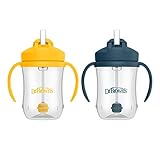
2. Dr. Brown’s Milestones Baby’s First Straw Cup, Training Cup with Weighted Straw, 9oz/270mL, Dark Blue/Vintage Yellow, BPA Free, 6m+, 2 Pack
Overview:
Dr. Brown’s Baby’s First Straw Cup two-pack provides identical functionality in a convenient dual-cup set. Featuring one dark blue and one vintage yellow 9oz cup, it includes weighted straw technology for any-angle drinking. Both cups have removable side handles, spill-proof sliding lids, and measuring marks for babies 6 months and up.
What Makes It Stand Out:
The two-cup set solves the constant need for clean cups during training. While one washes, the second is ready—essential during messy learning. Color variety helps differentiate drinks or children. Dr. Brown’s emphasizes durability, noting materials that withstand drops, throws, and bumps, making this ideal for active babies who test limits daily.
Value for Money:
At $12.99 for two cups ($6.50 each), this offers moderate savings over singles while delivering maximum convenience. The per-unit cost remains competitive with budget brands while maintaining Dr. Brown’s quality. For parents of twins or multiples, the investment eliminates emergency washing and ensures consistency during the critical training window.
Strengths and Weaknesses:
Strengths include excellent value for a two-cup set, color variety, premium features (weighted straw, removable handles), enhanced durability, and built-in redundancy. The travel-friendly design works for daycare. Weaknesses include higher initial cost than a single cup, non-customizable colors, and shared limitations: 9oz capacity and potential cleaning challenges in the weighted straw. Some families may not need two cups immediately.
Bottom Line:
Perfect for parents committed to straw training who value convenience and durability. The two-pack eliminates downtime between washes and provides excellent backup for daycare or travel. A smart, practical investment for the transition period.
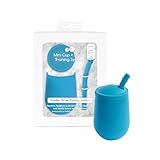
3. ezpz Mini Cup + Straw Training System (Blue) - 9 Months+ - 100% Silicone Training Cup for Infants + Toddlers - Designed by a Pediatric Feeding Specialist
Overview:
The ezpz Mini Cup + Straw Training System is a premium developmental tool designed by a pediatric feeding specialist for babies 9 months and older. This 100% silicone system teaches open cup and straw drinking simultaneously. The weighted base provides stability, sensory bumps guide proper lip placement, and the straw works at beginner and advanced levels. It’s free from BPA, BPS, PVC, latex, and phthalates.
What Makes It Stand Out:
Unlike traditional sippy cups, this system explicitly promotes speech development, lip rounding, and mature swallow patterns—critical milestones overlooked by conventional cups. The pediatric specialist involvement ensures every detail serves a therapeutic purpose. Sensory bumps naturally train proper oral positioning, while the soft silicone protects developing teeth and gums.
Value for Money:
At $17.49, this premium-priced cup justifies cost through developmental benefits and material quality. The dual-function design provides two products in one. While significantly more expensive than basic trainers, investing in proper oral motor development may prevent future speech therapy costs. Silicone durability ensures longevity.
Strengths and Weaknesses:
Strengths include expert developmental design, safe silicone construction, dual training functionality, weighted base stability, and promotion of oral motor skills. It’s dishwasher safe and temperature-versatile. Weaknesses include high price, later start age (9m+), smaller capacity (approximately 4oz), lack of handles for early grip assistance, and requires parental education to maximize benefits.
Bottom Line:
An exceptional choice for parents prioritizing developmental milestones over convenience. The expert design and premium materials make it worth the investment for those seeking to optimize their child’s oral motor and speech development.
4. ezpz Mini Cup + Straw Training System (Pewter) - 9 Months+ - 100% Silicone Training Cup for Infants + Toddlers - Designed by a Pediatric Feeding Specialist

Overview:
The ezpz Mini Cup + Straw Training System in Pewter offers identical developmental benefits to its blue counterpart, designed by a pediatric feeding specialist for babies 9 months and older. This neutral-toned 100% silicone system teaches open cup and straw drinking. The weighted base provides stability while sensory bumps guide proper lip placement. The set includes beginner and advanced straw configurations.
What Makes It Stand Out:
The sophisticated pewter color provides a gender-neutral, modern aesthetic appealing to minimalist parents while maintaining therapeutic design elements. The pediatric specialist involvement ensures this actively promotes mature swallow patterns, lip rounding, and speech development. The dual straw system adapts from beginner to advanced levels, extending usability. The weighted base’s topple resistance surpasses lightweight plastic alternatives.
Value for Money:
At $17.49, the pewter version delivers identical value to the blue model—premium pricing justified by expert design and medical-grade silicone. The neutral color may offer better resale value or suit families planning multiple children. While costly compared to basic cups, the dual-function design and developmental benefits provide strong justification. Silicone durability ensures it survives countless drops.
Strengths and Weaknesses:
Strengths mirror the blue version: expert design, safe materials, versatile training, weighted stability, and speech/oral motor benefits. The pewter color is gender-neutral and stylish. Weaknesses include the same high price, delayed start age (9m+), limited capacity, absence of handles, and requires parental education. The minimalist design may not engage babies accustomed to bright colors.
Bottom Line:
Identical to the blue version in function, the pewter color suits families preferring neutral tones. Same excellent developmental benefits and premium quality make it a worthwhile investment for milestone-focused parents who appreciate understated design.
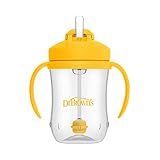
5. Dr. Brown’s Milestones Baby’s First Straw Cup, Training Cup with Weighted Straw, 9oz/270mL, Vintage Yellow, BPA Free, 6m+
Overview:
Dr. Brown’s Baby’s First Straw Cup in Vintage Yellow provides the same trusted transition tool as other single-cup offerings, designed for babies 6 months and up. This cheerful 9oz cup features weighted straw technology that follows liquid regardless of tilt angle. Removable side handles accommodate growing motor skills, while the spill-proof sliding lid ensures hygienic storage. Made from durable, BPA-free materials, it includes measuring marks for intake tracking.
What Makes It Stand Out:
The vintage yellow color offers a warm, gender-neutral alternative to traditional options. The weighted straw remains the standout feature, enabling successful drinking from any angle and reducing transition frustration. Dr. Brown’s emphasizes durability, highlighting resistance to throws, bangs, and bumps—critical for babies learning self-feeding. Removable handles provide exceptional longevity, converting from trainer to regular cup as skills mature.
Value for Money:
At $4.69, this single cup delivers the same outstanding value as its dark blue counterpart. The affordable price makes it accessible for all families while maintaining quality features typically found in premium brands. Durable construction survives the rigorous testing phase of early cup use, providing excellent return on investment. For parents wanting to test straw training before committing to multiple cups, this represents low-risk, high-reward.
Strengths and Weaknesses:
Strengths include the proven weighted straw system, budget-friendly pricing, durable BPA-free materials, removable handles, spill-proof sliding lid, and measuring marks. The vintage yellow hides stains well. Weaknesses are shared with the single dark blue version: limited 9oz capacity, potential cleaning difficulty in the weighted straw, and lack of color variety within single purchases. Some children may chew the soft silicone straw tip.
Bottom Line:
A fantastic, affordable option for introducing straw drinking. The vintage yellow color provides a fresh alternative while maintaining all functional benefits that make Dr. Brown’s a trusted name. Ideal for parents starting the transition journey.
6. The First Years Squeeze & Sip Toddler Straw Cups - Squeezable Transition Sippy Cup with Silicone Straw - Toddler Feeding Supplies - 7 Oz - 3 Count - Ages 6 Months and Up

Overview: The First Years Squeeze & Sip cups offer a unique approach to transitioning babies from bottles to straw cups. This three-pack of 7-ounce cups features a squeezable design that lets parents control liquid flow while teaching infants how to use a straw.
What Makes It Stand Out: The innovative squeeze mechanism sets these apart from traditional training cups. Parents gently compress the cup to push liquid up the silicone straw, rewarding babies’ attempts to sip. The spill-proof valve prevents messes while the soft straw protects developing gums and teeth.
Value for Money: At $11.99 for three cups ($4 each), this set provides excellent value. Comparable single training cups often cost $5-7 each, making this pack budget-friendly for families needing multiple cups for home, daycare, or backup.
Strengths and Weaknesses: Strengths include the clever squeeze-to-sip training method, true spill-proof performance, dishwasher-safe convenience, and BPA-free construction. The 7-ounce capacity suits younger toddlers. Weaknesses include varying colors (no choice), the learning curve for proper squeezing technique, and the smaller size may not grow with your child as long as larger options.
Bottom Line: These cups excel for early straw training. The squeeze feature effectively teaches sipping mechanics while minimizing spills. For parents of 6-12 month olds beginning their straw cup journey, this three-pack offers an affordable, practical solution that bridges bottle and independent drinking.
7. Cuddle Campus Pack of 2 Silicone Baby Training Cup, Shatterproof Toddler Sippy Cups with Straw, Open Cup for Baby, 6+ Months 4 Oz, Boothbay

Overview: Cuddle Campus delivers a versatile two-pack of 4-ounce silicone training cups designed to grow with your baby. These cups transform between open cup, sippy cup, and straw cup configurations, supporting multiple developmental stages.
What Makes It Stand Out: The 3-in-1 versatility is exceptional. Food-grade silicone construction ensures safety while the weighted base with tactile bumps provides stability and sensory feedback. The cups withstand extreme temperatures, going from freezer to microwave to dishwasher safely.
Value for Money: At $8.99 for two cups ($4.50 each), this pack offers solid mid-range value. While pricier than basic plastic cups, the silicone durability, shatterproof design, and multi-functionality justify the cost over time.
Strengths and Weaknesses: Strengths include outstanding versatility, safety (BPA/phthalate/lead-free), weighted base reducing spills, and heat resistance. The soft silicone protects teeth and gums. Weaknesses include the small 4-ounce capacity requiring frequent refills, limited color options, and the flexible silicone may feel unfamiliar to some babies accustomed to rigid cups.
Bottom Line: These cups are ideal for parents prioritizing safety and versatility. The ability to switch between drinking modes as skills develop extends the product’s lifespan. Though small, they excel for infants 6-12 months. The two-pack ensures you always have a clean cup ready.
8. Dr. Brown’s Milestones Straw to 360° Convertible Toddler Training Cup Set with Interchangeable Silicone Straw and 360 Degree Cup Lids, Pink Coral, 10 oz/300 mL, BPA-Free, 9m+, 2 Pack

Overview: Dr. Brown’s convertible training set bridges two popular cup styles in one convenient package. This two-pack includes 10-ounce cups with interchangeable straw and 360° spoutless lids, designed for babies 9 months and older.
What Makes It Stand Out: The dual-lid system allows parents to switch between straw training and 360° drinking without buying separate cups. The clear silicone valve in the 360° lid lets children see the liquid while preventing spills, building confidence through visual feedback.
Value for Money: At $10.99 for two multi-function cups, this set delivers strong value. Purchasing separate straw and 360° cups could cost $15-20, making this an economical choice for comprehensive training.
Strengths and Weaknesses: Strengths include generous 10-ounce capacity, developmental flexibility, leak-free performance, and BPA-free materials. The interchangeable system simplifies transitions. Weaknesses include the 9+ month age recommendation (later than some competitors), potential for lost lids, and the 360° valve may require more cleaning attention than simple straw lids.
Bottom Line: This set excels for parents wanting a complete training system. The convertible design grows with your child, eliminating the need to purchase multiple cup types. While cleaning requires care, the developmental benefits and cost savings make it a smart investment for toddlers mastering independent drinking.
9. Tommee Tippee Starter Weighted Straw Baby & Toddler 10oz Sippy Cup for 6 Months+, with Silicone Weighted Straw and Easy-Hold Handles, BPA Free, Pink & Purple, Pack of 2

Overview: Tommee Tippee’s weighted straw cups feature innovative technology designed for babies as young as six months. This two-pack offers 10-ounce capacity with easy-grip handles and a straw that moves with the liquid, allowing drinking from any angle.
What Makes It Stand Out: The weighted straw follows liquid regardless of cup orientation, crucial for early learners. The antibacterial straw technology claims 99.9% bacteria reduction, addressing hygiene concerns. The anti-valve system prevents leaks even when shaken or inverted.
Value for Money: At $11.99 for two cups ($6 each), pricing sits in the mid-premium range. The weighted straw and antibacterial features justify the cost compared to basic $4-5 cups, though the antibacterial benefit is difficult to verify long-term.
Strengths and Weaknesses: Strengths include excellent straw mobility for any-angle drinking, true spill-proof performance, comfortable handles, and dishwasher-safe convenience. The 10-ounce capacity suits growing toddlers. Weaknesses include higher per-cup cost, the antibacterial claim may be more marketing than measurable benefit, and the straw mechanism requires thorough cleaning to prevent mold.
Bottom Line: These cups shine for active babies who struggle with fixed straws. The weighted design eliminates frustration and encourages independence. While cleaning demands attention, the reliable leak-proof performance and thoughtful design make them worth the investment for parents prioritizing ease of use and hygiene.
10. Cuddle Campus 100% Silicone Baby Training Cup, Shatterproof Toddler Sippy Cups with Straw, Open Cup for Baby, 6+ Months 4 Oz

Overview: This single 4-ounce silicone training cup from Cuddle Campus offers the same versatile design as their two-pack but as an affordable standalone option. It converts between open cup, sippy cup, and straw cup configurations for babies six months and up.
What Makes It Stand Out: The solo purchase option lets parents test the product before committing to multiples. The food-grade silicone construction remains premium, featuring a weighted base for stability and temperature resistance from freezer to microwave.
Value for Money: At $5.99 for one cup, this represents an accessible entry point. While the per-cup cost is higher than the two-pack, it allows trial without the $9 two-pack investment, making it perfect for cautious buyers or as a supplement to existing cups.
Strengths and Weaknesses: Strengths include the same versatility and safety as the two-pack, shatterproof durability, and teeth-friendly softness. The weighted base reduces tipping. Weaknesses include minimal cost savings versus the two-pack, the small 4-ounce capacity, and having only one cup means no backup during cleaning cycles.
Bottom Line: This single cup is ideal for parents wanting to sample Cuddle Campus’s design or needing just one more cup. It delivers full functionality at a lower upfront cost. While the two-pack offers better value long-term, this option smartly serves families testing silicone cups or supplementing their collection without overcommitting.
Why Nine Months Marks the Perfect Window for Straw Cup Introduction
The nine-month mark represents a developmental sweet spot that pediatric feeding specialists enthusiastically recommend for straw cup introduction. Your baby’s oral anatomy has matured significantly since birth, with the tongue developing the necessary strength and mobility to execute the wave-like motion required for straw drinking. This is also when most infants have mastered independent sitting, a crucial prerequisite for safe drinking without aspiration risk.
Neurologically, nine-month-olds are primed for new sensory experiences. Their hand-to-mouth coordination has refined dramatically, and they’re actively seeking ways to assert independence during mealtimes. Introducing a straw cup now capitalizes on this natural drive while steering clear of the “sippy cup habit” that many experts caution against. The longer you wait past this window, the more attached your baby may become to bottles or traditional spout cups, making the transition increasingly difficult.
The Developmental Advantages of Straw Cups Over Traditional Sippy Cups
When comparing straw cups to conventional sippy cups, the developmental benefits become strikingly clear. Straw drinking requires a mature swallow pattern where the tongue retracts and elevates, mimicking the movement used in speech production. Sippy cups, with their hard spouts, often encourage forward tongue thrusting—a pattern that can interfere with articulation development and potentially contribute to orthodontic issues down the road.
Furthermore, straw cups support the development of a stronger, more coordinated suck. This skill translates directly to more efficient eating of textured foods and better control during spoon-feeding. Speech-language pathologists consistently observe that children who transition to straw cups early demonstrate stronger oral motor foundations for consonant sounds like “t,” “d,” “k,” and “g.” The rounded, firm edge of a straw also provides proprioceptive input to the lips, helping your baby learn the precise lip rounding needed for later speech sounds.
Reading Your Baby’s Readiness: Signs They’re Prepared for Straw Drinking
Before investing in a collection of straw cups, confirm your baby exhibits the key readiness indicators. First and foremost, they should maintain stable, unsupported sitting for at least five minutes—this ensures they can manage the coordination of drinking without compromising airway safety. You’ll also notice your baby showing interest in your drinking habits, reaching for your cup or watching intently as you sip.
Oral readiness signs include the ability to move food from the front to the back of the mouth during eating, minimal tongue thrust when presented with a spoon, and emerging ability to close lips around a spoon to remove food. If your baby is successfully eating mashed textures and small soft pieces, their oral motor skills are likely prepared for straw challenges. Finally, cognitive readiness appears as purposeful hand-to-mouth movements and the ability to hold and manipulate objects with both hands.
Essential Features That Define a Superior Straw Training Cup
When evaluating straw training cups for your nine-month-old, prioritize features that support learning rather than convenience. The straw should be soft and flexible enough to prevent oral injury during initial attempts, yet firm enough to maintain its shape under gentle biting pressure. Look for cups with a relatively short straw length—approximately 1.5 to 2 inches extending from the lid—to reduce the amount of suction required initially.
A true training cup offers some liquid with minimal suction, helping your baby experience immediate success. This is often achieved through a carefully engineered valve system or slight venting that prevents a complete vacuum. The cup body should be translucent enough for your baby to see the liquid moving toward the straw, providing visual feedback that reinforces cause-and-effect understanding. Avoid cups requiring excessive suction, as this leads to frustration and abandonment of the skill.
Material Matters: Navigating Plastic, Silicone, and Stainless Steel Options
The material composition of your training cup impacts safety, durability, and your baby’s willingness to use it. Food-grade silicone cups offer the lightest weight and softest mouthfeel, making them ideal for nine-month-olds who are still developing grip strength. Silicone’s natural grip-friendly texture prevents slipping from clumsy hands, and its flexibility means fewer injuries when your baby inevitably bonks themselves during practice.
Hard plastic cups provide more structural stability and often clearer visibility of liquid levels, but ensure any plastic is explicitly labeled BPA-free, phthalate-free, and free from other endocrine disruptors like BPS. Some parents prefer stainless steel for its durability and temperature-retention properties, though these cups tend to be heavier and may feel cold against sensitive gums. For initial training, many experts recommend starting with silicone or plastic for the sensory familiarity, then transitioning to stainless steel once the skill is mastered.
Understanding Straw Types: Soft Silicone vs. Hard Plastic vs. Weighted Designs
The straw itself deserves careful consideration, as it directly interfaces with your baby’s developing mouth. Soft silicone straws feel most similar to a bottle nipple or pacifier, providing comfort during the learning curve. These flexible straws bend with your baby’s mouth movements, reducing the risk of oral trauma and encouraging natural positioning. However, they’re more vulnerable to teething damage and may collapse if your baby bites too aggressively.
Hard plastic straws resist chewing damage and maintain consistent airflow, but their rigidity can feel foreign to babies accustomed to soft nipples. Weighted straws, which feature a silicone-wrapped metal weight at the base, represent an innovative solution for nine-month-olds who haven’t mastered cup tilting. These straws follow the liquid regardless of cup angle, allowing your baby to drink successfully while holding the cup upright. For initial training, weighted soft silicone straws often provide the best combination of accessibility and comfort.
The Valve Debate: Leak-Proofing vs. Natural Flow for Effective Learning
Parents universally despise leaks, but the mechanisms preventing them can sometimes hinder learning. Valve-free straw cups allow liquid to flow with minimal suction, offering immediate gratification that motivates continued attempts. The downside? They leak when tipped, which may be a dealbreaker for diaper bag transport. Valved cups prevent leaks but often require stronger suction than nine-month-olds can consistently generate.
The sweet spot lies in cups with “training valves” or “learning valves” that provide some leak resistance while remaining accessible to developing suction strength. Some cups feature removable valves, allowing you to start valve-free for skill acquisition, then add the valve later for mess-free portability. Consider your primary use case: will this cup be for table practice only, or do you need it to survive being tossed from a stroller? Your answer determines the appropriate valve compromise.
Capacity Considerations: Why Size Impacts Success at Nine Months
A cup’s capacity directly influences your baby’s ability to manage it independently. For nine-month-olds, smaller is unequivocally better. Cups holding 4 to 6 ounces strike the optimal balance between providing adequate hydration and remaining lightweight enough for small hands to lift and control. Larger cups become heavy when filled, causing your baby to struggle with both weight and coordination simultaneously.
Smaller capacities also mean more frequent practice opportunities during meals, as you’ll naturally refill the cup multiple times. This repetition accelerates skill development. Additionally, a smaller volume limits the mess when your baby inevitably drops or tips the cup during early learning phases. Some cups include measurement markings on the side, which prove invaluable when tracking fluid intake or mixing small amounts of formula with water during the transition period.
Handle Designs That Empower Independent Drinking Skills
Handle configuration dramatically affects your nine-month-old’s ability to self-feed with a straw cup. Look for cups with two distinct handles positioned at approximately 90 degrees from the spout, allowing a natural hand-to-mouth path. The handles should be spaced about 3 to 4 inches apart to accommodate your baby’s shoulder width and developing bilateral coordination.
Handle texture matters too—slightly grippy silicone overlays prevent the cup from rotating in wet hands. Some innovative designs feature removable handles, enabling you to start with handle-free practice if your baby shows readiness, then add handles for independent use later. Avoid cups with single central handles or loop handles, as these force awkward wrist rotations that nine-month-olds haven’t yet mastered. The best handles allow your baby to bring the cup to their mouth using simple elbow flexion, mimicking the movement they already use for spoon feeding.
The Cleaning Factor: Disassembly and Sterilization Requirements
A straw cup that can’t be thoroughly cleaned becomes a bacterial breeding ground, particularly in the valve mechanisms and straw interiors where moisture accumulates. Prioritize cups that completely disassemble into separate components: lid, straw, valve (if present), and cup body. Each piece should be accessible for scrubbing, with no hidden crevices where mold can develop.
Dishwasher-safe components simplify daily maintenance, but verify that the straw and valve can withstand high-temperature sanitizing cycles. Some silicone straws degrade with repeated dishwasher exposure, developing microscopic tears that harbor bacteria. For nine-month-olds still developing immune systems, the ability to boil or steam-sterilize all components provides peace of mind. Consider purchasing replacement straws in multipacks, as regular replacement is more hygienic than attempting to deep-clean aging straws.
Safety First: BPA-Free, Phthalate-Free, and Other Non-Negotiables
Safety standards for baby feeding products have evolved, but vigilance remains essential. Beyond the basic BPA-free labeling, investigate whether the cup is free from phthalates, lead, PVC, and BPS—all known endocrine disruptors that can leach into liquids, especially when heated. Reputable manufacturers provide comprehensive chemical testing certifications, often displayed on their websites or product packaging.
For straw cups specifically, examine the straw’s construction. Some weighted straws contain metal components that could potentially detach if the silicone casing degrades. Ensure any internal weights are fully encapsulated and cannot be accessed even with aggressive chewing. The cup’s overall design should have no small detachable parts that could pose choking hazards, and all edges should be smoothly rounded to prevent gum or tooth injury during falls.
Troubleshooting Common Straw Cup Challenges
Even with the perfect cup, expect some hurdles. If your baby chews the straw instead of sucking, they’re likely seeking oral sensory input or teething relief. Try offering a chilled teether before cup practice, and consider a cup with a bite-resistant straw. Some parents find success by dipping the straw in a small amount of breast milk or formula, then touching it to their baby’s lips to demonstrate the reward.
When your baby struggles to generate suction, test the cup yourself. If you can’t draw liquid easily, the valve is likely too restrictive for a beginner. Remove the valve temporarily or switch to a valve-free design for initial training. If your baby shows interest but can’t coordinate tilting, weighted straws eliminate this variable, allowing them to focus solely on the oral motor component. Persistent refusal after multiple attempts may indicate true developmental unreadiness—set the cup aside for two weeks, then reintroduce it without pressure.
Strategic Transition Techniques: From Bottle to Straw Cup
The most successful transitions occur gradually and without pressure. Start by offering the straw cup at one consistent mealtime daily, ideally when your baby is most receptive—often breakfast or mid-morning snack. Keep the bottle available during other feeds to avoid creating anxiety around hydration. Fill the straw cup with a familiar liquid; introducing both a new container and new contents simultaneously often leads to rejection.
Modeling proves incredibly powerful at this age. Drink from an open cup with a straw yourself, exaggerating the sucking motion and making satisfied sounds. Some parents find success with the “syringe method”: using a clean oral syringe to place a small amount of liquid in their baby’s mouth through the straw, creating the cause-and-effect connection. Never force the cup into your baby’s mouth or hold it there against their will—this creates negative associations that prolong the transition.
Setting Realistic Expectations: Timeline and Milestones
Skill acquisition with straw cups follows a predictable progression, though individual timelines vary widely. Most nine-month-olds require two to four weeks of consistent daily practice before demonstrating reliable independent drinking. Initial success may look like a single sip with assistance, progressing to brief independent drinking sessions by week two. Full mastery—consistently picking up the cup, drinking unassisted, and returning it to the table—typically emerges between 10 and 11 months.
Track micro-milestones rather than focusing on full independence. Celebrate when your baby first closes their lips around the straw, even if no liquid transfers. Acknowledge progress when they maintain lip closure for three seconds or demonstrate the first purposeful suck. These small wins build both your patience and your baby’s confidence. Remember that illness, teething, or major routine changes can temporarily regress progress; simply return to the last successful step and rebuild from there.
Recognizing Success: When Your Baby Masters Straw Drinking
True mastery reveals itself through specific behavioral markers. Your baby will spontaneously reach for the cup during meals, bring it to their mouth without prompting, and drink for 5-10 seconds continuously. You’ll observe them release the cup and return to eating, demonstrating understanding that the cup is a tool rather than a toy. The swallow pattern becomes smooth and rhythmic, without coughing or choking.
Another key indicator is cup versatility—your baby successfully drinks from the training cup and shows readiness to try your straw when offered. This transfer of skill shows they’ve generalized the concept beyond their specific training tool. At this stage, you can begin introducing the cup during more challenging contexts, such as in the stroller or car seat, where movement adds complexity. Continue offering the bottle at bedtime if it remains part of your routine, but daytime hydration should shift entirely to the straw cup.
Beyond the Training Cup: Preparing for Open Cup Independence
While straw cups represent a crucial developmental step, they’re ultimately a bridge to open cup drinking. Around 12 to 14 months, begin offering small amounts of water in a tiny open cup during supervised practice. The oral motor skills developed through straw drinking—lip closure, tongue elevation, controlled swallowing—transfer directly to open cup success. Choose cups with weighted bases and small openings to minimize spills during this next transition.
Some parents opt for straw cups with removable lids, converting them to open cups for practice. This familiarity with the container reduces variables as your baby tackles the new skill. Continue offering the straw cup for independent hydration while using the open cup for brief, guided practice sessions. By 15 to 18 months, most toddlers can manage both straw cups for travel and open cups at home, giving you flexibility while supporting continued oral motor maturation.
Frequently Asked Questions
Why should I choose a straw cup over a traditional sippy cup for my nine-month-old?
Straw cups promote mature tongue retraction and elevation, which supports speech development and proper swallowing patterns. Sippy cups often encourage forward tongue thrusting, an immature pattern that can interfere with articulation and dental alignment. The straw also strengthens oral muscles more effectively, providing better preparation for textured foods and eventual open cup drinking.
Are weighted straws necessary for nine-month-olds, or can I start with a regular straw?
Weighted straws aren’t strictly necessary but significantly increase early success rates. Since nine-month-olds are still mastering cup tilting, weighted straws ensure liquid is accessible regardless of cup angle. This allows your baby to focus exclusively on the oral motor skill of sucking without coordinating two complex movements simultaneously. Once your baby masters the sucking motion, you can transition to non-weighted straws.
How long should it take my nine-month-old to learn straw drinking?
Most nine-month-olds need two to four weeks of consistent daily practice to achieve basic competence. Full mastery, including independent cup retrieval and drinking, typically develops between 10 and 11 months. However, individual variation is substantial—some babies succeed in days, while others need six weeks. Consistency matters more than speed; brief daily practice sessions yield better results than occasional intensive efforts.
How many straw cups do I need to buy for effective training?
Start with two identical cups. This ensures you always have a clean one available while the other is being washed. Having matching cups also prevents confusion for your baby, as they’ll recognize the consistent tool. Once your baby demonstrates reliable success, consider adding a third cup for diaper bag convenience. Avoid buying multiple different styles initially, as this can overwhelm your baby with too many variables.
What if my baby just chews the straw instead of sucking?
Chewing is a normal exploratory behavior at nine months, especially if your baby is teething. Try offering a chilled teether before cup practice to satisfy oral sensory needs. Choose a cup with a bite-resistant straw, and demonstrate sucking yourself while making exaggerated sounds. Dip the straw in a preferred liquid and touch it to your baby’s lips to create the reward association. If chewing persists, remove the cup and try again later—forcing it creates negative associations.
How often should I clean and sterilize straw cups?
Disassemble and wash all components after each use with hot, soapy water. Use a dedicated straw brush to scrub the interior, as residues can quickly develop mold. For nine-month-olds, sterilize all components at least once daily, either through boiling, steam sterilization, or dishwasher sanitizing cycles. Replace straws every four to six weeks, or immediately if you notice any discoloration, tears, or persistent odors.
Can I put formula or breast milk in a straw cup, or should I stick to water?
You can absolutely use formula or breast milk in straw cups, and many parents find this increases acceptance since the flavor is familiar. However, these liquids can leave more residue than water, requiring more thorough cleaning. If using milk-based liquids, rinse the cup immediately after use and perform a deep clean daily. Some parents reserve formula/breast milk for bottles initially, using water or diluted juice in straw cups, then transition the milk once the skill is established.
Will using a straw cup affect my baby’s speech development?
When used appropriately, straw cups support healthy speech development by strengthening the tongue and lip muscles needed for articulation. The key is ensuring your baby uses a mature swallow pattern—watch for tongue retraction rather than thrusting forward. If you notice persistent tongue thrusting or your baby struggles with specific sounds by 18 months, consult a speech-language pathologist, but the straw cup itself is not the cause of delays.
My nine-month-old refuses the straw cup completely. Should I be concerned?
Refusal is common and not inherently concerning. First, verify your baby shows readiness signs like independent sitting and interest in your drinking. If they do, continue offering the cup without pressure—simply place it within reach during meals. Try different liquids, temperatures, or cup styles. If refusal persists beyond three weeks of gentle attempts, or your baby shows no interest in any self-feeding tools, discuss it with your pediatrician to rule out oral motor or sensory concerns.
When can I stop using training cups and move to regular cups?
Most children can begin practicing with open cups around 12 to 14 months, once straw drinking is mastered. However, continue offering straw cups for travel and unsupervised drinking until at least 18 to 24 months. The mess factor with open cups remains significant for toddlers, so many families use a combination: open cups at the table for meals, straw cups for on-the-go hydration. This hybrid approach supports continued oral motor development while accommodating real-life practicality.