If you’ve ever been jolted awake at 5:00 AM by a wide-eyed toddler announcing it’s morning, you’re not alone. The transition from crib to bed brings a unique challenge: teaching little ones when it’s acceptable to start their day. Sleep training clocks have emerged as a game-changing tool for exhausted parents, transforming abstract time concepts into visual cues even two-year-olds can understand. These clever devices don’t just tell time—they communicate boundaries, empower independence, and restore sanity to households plagued by pre-dawn wake-ups.
But not all sleep clocks are created equal, and the market is flooded with options promising miraculous results. Understanding the features that actually matter, the developmental science behind visual cues, and the strategies for successful implementation can mean the difference between a tool that gathers dust and one that becomes your parenting secret weapon. This comprehensive guide dives deep into everything you need to know about selecting and using a sleep training clock effectively—without the product bias.
Top 10 Sleep Training Clocks for Toddlers
Detailed Product Reviews
1. ANNNGUL Kids Alarm Clock, Ok to Wake Clock with Green Light Red Light, Toddler Sleep Training Clock for Children

Overview: The ANNNGUL Kids Alarm Clock offers a straightforward, budget-friendly approach to sleep training for toddlers. This simple device uses the proven “OK to Wake” color system—green means get up, red means stay in bed—to help children understand sleep schedules without complex programming. Designed for parents who want core functionality without unnecessary complications, this clock focuses on doing the basics well.
What Makes It Stand Out: Unlike many competitors that hide buttons on the bottom, ANNNGUL places controls intuitively on the clock face, making setup remarkably simple for sleep-deprived parents. The device offers ten vibrant night light color options with five brightness levels, allowing customization for any child’s preference while ensuring it’s never too bright at bedtime. This thoughtful design eliminates the frustration of complicated button combinations common in other budget models.
Value for Money: At $19.99, this is one of the most affordable sleep trainers available. While premium models offer more bells and whistles, ANNNGUL delivers the core functionality—color-based sleep training and a dimmable night light—at less than half the price of competitors like LittleHippo Mella. The included adapter and cord add value to an already competitive package, making it an accessible entry point for families testing sleep training methods.
Strengths and Weaknesses: Strengths include its intuitive button layout, excellent price point, versatile color options, and simple operation. The primary weakness is its complete dependence on AC power with no battery backup, meaning settings are lost during outages. It also lacks advanced features like sound machines or nap timers found in pricier alternatives, limiting its long-term versatility.
Bottom Line: The ANNNGUL is an ideal entry-level sleep trainer for parents seeking basic functionality without breaking the bank. It excels at simplicity and value, making it perfect for families wanting to test the sleep training concept before investing in a more expensive model with additional features.
2. LittleHippo Mella: Kids Alarm Clock, Ready to Rise Children’s Sleep Trainer, Night Light, Sound Machine and OK to Wake for Toddlers and Kids - Arctic Blue (Updated 2025)
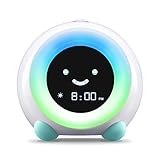
Overview: The LittleHippo Mella represents the premium tier of children’s sleep trainers, combining sophisticated design with multifaceted functionality. This Arctic Blue device goes beyond basic color signaling to create a comprehensive sleep ecosystem for toddlers and growing children. It’s engineered for parents who view sleep training as a long-term investment in their child’s development.
What Makes It Stand Out: MELLA’s patented design features facial expressions that emotionally connect with children, making the learning process more engaging. Its unique yellow “almost time” warning light activates 30 minutes before wake-up, providing a gentle transition period. The device has garnered media attention from Mashable and Yanko Design for its modern aesthetic that complements contemporary nursery décor while maintaining child-friendly appeal.
Value for Money: At $49.99, MELLA commands a premium price but justifies it through versatility. It functions as a sleep trainer, night light with five color options, sound machine with three soothing sounds, and alarm clock with multiple tones. This all-in-one approach eliminates the need for separate devices, potentially saving money long-term. The robust safety certifications (FCC, CE, RoHS, CA65, REACH, CPSIA) and satisfaction guarantee provide additional peace of mind that cheaper alternatives can’t match.
Strengths and Weaknesses: Strengths include its beautiful design, comprehensive feature set, safety approvals, and ability to grow with your child from toddler to school age. The main drawback is the price—nearly triple budget options. Some parents may find the abundance of features unnecessary for basic sleep training needs, and the silicone construction, while safe, attracts dust more readily than plastic.
Bottom Line: For design-conscious parents seeking a long-term sleep solution that integrates multiple functions into one attractive package, the LittleHippo Mella is worth the investment. It’s particularly valuable for families wanting a device that evolves with their child’s changing sleep requirements over several years.
3. Stay-in-Bed Clock for Kids - Toddler Sleep Trainer, Night Light & Alarm
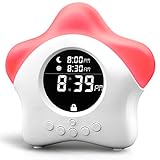
Overview: The Stay-in-Bed Clock, marketed as “My Good Morning Buddy,” takes a holistic approach to sleep training by combining a functional device with educational materials. This mid-range option focuses on creating a complete sleep training system rather than just providing a tool. It’s designed for parents who want guidance alongside technology.
What Makes It Stand Out: This clock’s four-color system adds a “soon” stage to the typical red-yellow-green progression, offering more granular guidance for children. More impressively, it includes a beautifully illustrated storybook, quick-start guide, tip sheet with parent-tested methods, and an eight-week reward chart—essentially providing a ready-made sleep training program out of the box. This comprehensive approach addresses the educational aspect that many competitors ignore.
Value for Money: Priced at $29.99, this clock sits comfortably in the middle market. The inclusion of comprehensive educational materials and battery backup (batteries not included) adds significant value beyond the hardware itself. While it lacks the extensive sound libraries of some competitors, the structured approach may be more valuable for parents who feel overwhelmed by the sleep training process. The 2022 model’s improved DC port durability also suggests better longevity than earlier versions.
Strengths and Weaknesses: Strengths include the complete training package, battery backup for power outages, sturdy DC port design, and four-color guidance system. Weaknesses include a less modern aesthetic compared to premium brands, fewer sound options (none listed), and a brand name that may be less recognizable to some consumers. The clock’s design is more functional than fashionable.
Bottom Line: The Stay-in-Bed Clock is perfect for parents who want more than just a device—they want a roadmap. If you’re looking for a structured, supportive approach to sleep training with all the resources included, this comprehensive package offers excellent value and guidance that can make the difference between success and frustration.
4. H-chin Kids Alarm Clock, Toddler Sleep Training Clock with Night Lights, Sound Machine, Time to Wake Dinosaur Alarm Clock for Children, Gift Ideas for Kids Toddler Boy Girl (Green)
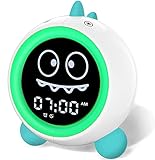
Overview: The H-chin Dinosaur Clock delivers exceptional functionality wrapped in a playful dinosaur design that grows with your child. This feature-packed device combines sleep training with an extensive sound library, making it a versatile bedroom companion for toddlers and young children. The green colorway adds a vibrant, gender-neutral appeal.
What Makes It Stand Out: With 17 soothing sounds—including white noise, lullabies, and nature sounds—this clock offers one of the most comprehensive audio libraries in its price range. The dinosaur character uses facial expressions alongside color changes to communicate sleep status, creating an emotional connection. A programmable nap timer from 0-120 minutes provides flexibility for daytime sleep schedules, while child lock prevents curious hands from disrupting settings.
Value for Money: At $29.99, the H-chin clock presents remarkable value. Competing devices with similar sound variety and features often cost $40-50. The inclusion of a one-year warranty, safety certifications (FCC, CE, RoHS), and quality materials like soft silicone further sweetens the deal, making it a budget-friendly alternative to premium brands. It essentially delivers premium features at mid-tier pricing.
Strengths and Weaknesses: Strengths include the extensive sound selection, dinosaur design appeal, nap timer functionality, child lock, warranty coverage, and competitive pricing. The main weakness is AC power dependency—like many competitors, it must remain plugged in to operate. The dinosaur theme, while charming for many children, may not suit every child’s taste or room aesthetic, potentially limiting its universal appeal.
Bottom Line: For parents seeking maximum features at a mid-range price, the H-chin Dinosaur Clock is hard to beat. Its combination of comprehensive sound options, thoughtful design elements, and solid warranty makes it an excellent choice for families wanting premium functionality without the premium cost, especially for dinosaur-loving toddlers.
5. MASHI Dinosaur Alarm Clock with Night Light, Toddler Sleep Training Clock with Sun & Moon, Sleep Sound Machine, ok to Wake Clock for Kids, Digital Alarm Clocks for Bedrooms,Gift Ideas for Kids Child

Overview: The MASHI Dinosaur Alarm Clock introduces a sun-and-moon visual system to help young children grasp sleep schedules intuitively. This affordable device combines sleep training with soothing sounds and color customization in a friendly package designed to reduce bedtime anxiety. The approach prioritizes visual clarity over complex features.
What Makes It Stand Out: Rather than abstract colors alone, MASHI uses universally understood sun and moon icons to teach time concepts—sun means wake, moon means sleep. This visual approach can be easier for very young children to comprehend than color-only systems. The clock offers six calming ambient sounds with a 30-minute auto-off timer and dual alarm settings with six wake-up tones, including a loud option for deep sleepers.
Value for Money: At $24.99, this clock positions itself as a budget-conscious alternative that doesn’t skimp on essentials. While it lacks the extensive sound libraries of pricier models, it covers the fundamentals—sleep training, night light, and sound machine—at a competitive price point. The dual alarm feature adds versatility for families with different schedules or weekend/weekday routines.
Strengths and Weaknesses: Strengths include the intuitive sun/moon system, affordable price, dual alarms, color customization, and appropriate sound selection for children. Weaknesses include the one-hour auto-shutoff for training lights (which may be too short for some children), fewer sound options than competitors like H-chin, and less comprehensive safety certification information in the product description.
Bottom Line: The MASHI Dinosaur Clock is an excellent choice for parents seeking an intuitive, budget-friendly sleep trainer. Its sun-and-moon concept is particularly effective for very young children still learning abstract symbols, making it a smart investment for families prioritizing simplicity and visual clarity over advanced features.
6. LittleHippo Mella: Kids Alarm Clock, Ready to Rise Children’s Sleep Trainer, Night Light, Sound Machine and OK to Wake for Toddlers and Kids - Tropical Teal (Updated 2025)
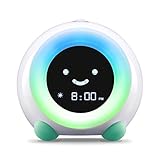
Overview: The LittleHippo Mella is a premium all-in-one sleep training solution designed to transform bedtime battles into peaceful routines. This tropical teal device combines an OK-to-wake clock, night light, and sound machine in a modern package that appeals to both children and design-conscious parents.
What Makes It Stand Out: Mella’s standout feature is its sophisticated design aesthetic, earning features in British Vogue and other publications. It goes beyond basic red/green lights, using gentle facial expressions and colors to communicate sleep and wake times. The device adapts as children grow, functioning as a visual timer for older kids. Safety is paramount with compliance across FCC, CE, RoHS, CA65, REACH, and CPSIA standards—far exceeding typical requirements.
Value for Money: At $49.99, Mella sits at the premium end of the market. However, this price reflects its durable child-safe ABS and silicone construction, extensive safety certifications, and design pedigree. Comparable devices lack either the aesthetic appeal or safety credentials, making it worth the investment for parents prioritizing quality and longevity.
Strengths and Weaknesses: Strengths include exceptional build quality, modern design, comprehensive safety compliance, and versatility across age groups. The six sound and light options provide ample customization. Weaknesses are the higher price point and potentially more complex setup than simpler alternatives. Some families may find the feature set more than necessary for basic sleep training.
Bottom Line: The LittleHippo Mella is ideal for parents seeking a durable, stylish, and safety-certified sleep trainer that grows with their child. While pricier than alternatives, its quality and design justify the cost for families wanting the best.
7. iHoo Toddlers Sleep Training Clock, Kids Alarm Clock with Night Light & Nap Timer, Ok to Wake Clock Gift for 2-9 Years Girls Boys

Overview: The iHoo Toddlers Sleep Training Clock offers a straightforward approach to establishing healthy sleep habits for children aged 2-9. Using intuitive sun and moon icons with green and red lights, this $28.99 device helps young minds grasp the concept of time without reading a clock.
What Makes It Stand Out: The sun and moon visual teaching system is particularly effective for younger toddlers who don’t yet understand numbers. The display auto-dims at night, preventing sleep disruption—a thoughtful detail many competitors miss. With nine color options plus three warm light levels, it provides more lighting variety than most in its price range.
Value for Money: At $28.99, this clock delivers solid value. It includes six soothing sounds, customizable timers (30-120 minutes), and a touch-controlled night light. While not the cheapest option, it balances features and usability better than budget models that sacrifice quality or premium options that add unnecessary complexity.
Strengths and Weaknesses: Strengths include the intuitive sun/moon concept, auto-dimming display, versatile lighting options, and child-lock feature. The sound machine with multiple timer settings is genuinely useful. Weaknesses include limited nap timer options compared to some rivals (15-minute increments only) and a less modern aesthetic. The build quality, while adequate, doesn’t match premium alternatives.
Bottom Line: The iHoo Sleep Training Clock is a reliable mid-range choice that excels at teaching sleep concepts to young children. Its thoughtful features and fair price make it a smart purchase for most families.
8. FiveHome Toddlers Sleep Training Clock, Ok to Wake Clock with Red Green Light,Emoji,Nap Timer, Gift Idea for Toddler Girls Boys

Overview: The FiveHome Toddlers Sleep Training Clock is a budget-friendly option that delivers core sleep training functionality at $28.99. Using simple red and green lights with emoji expressions, it teaches children when to stay in bed and when it’s okay to wake, making it an accessible entry point for sleep training.
What Makes It Stand Out: Its most valuable feature is the memory function that preserves time and alarm settings after power outages—a lifesaver for parents tired of reprogramming devices. The emoji display adds a friendly, modern touch that helps non-readers understand the system. Ten color options for the night light exceed what many competitors offer.
Value for Money: The price is competitive, but limitations affect its overall value. While it includes desirable features like adjustable brightness and a snooze function, the restriction of only two alarms without weekday/weekend differentiation reduces flexibility for families with varying schedules. The requirement to stay plugged in may concern some users.
Strengths and Weaknesses: Strengths include the memory function, emoji visuals, extensive color choices, and straightforward operation. The 13-hour red light duration ensures consistent sleep signaling. Weaknesses are significant: only two alarms, no weekday/weekend settings, must remain plugged in, and limited timer options (15/30/60 minutes). The build quality feels adequate but not premium.
Bottom Line: The FiveHome clock suits families needing basic sleep training on a budget who have consistent daily schedules. Its memory function is genuinely useful, but scheduling limitations may frustrate parents needing more flexibility.
9. Windflyer OK to Wake Clock for Kids, Sleep Training Clock with Night Light and Sound Machine, Kids Alarm Clock for Bedrooms (Blue)

Overview: The Windflyer OK to Wake Clock, featuring the “Little Teddi” character, is a versatile sleep training tool priced at $32.98. It uses animated facial expressions and color changes to guide children through sleep, optional play, and wake cycles, making time concepts visually accessible for toddlers.
What Makes It Stand Out: The three-stage “sleep-play(optional)-wake” cycle offers more nuance than standard two-stage clocks, giving parents flexibility for quiet time. The built-in battery preserves all settings during power outages, eliminating reprogramming hassles. The child-lock requires a long-press to deactivate, effectively preventing toddler tampering—a common issue with simpler devices.
Value for Money: At $32.98, this clock positions itself in the mid-range sweet spot. It combines core sleep training with nap timer functionality and sound alarm features, reducing the need for separate devices. While it lacks the extensive light/sound libraries of premium models, its practical features deliver good value for the price.
Strengths and Weaknesses: Strengths include the flexible three-stage system, effective child-lock, settings preservation, and space-saving multifunctionality. The facial expressions are engaging for young children. Weaknesses include fewer customization options (unspecified number of sounds/colors) and a less established brand reputation. The design is functional but not as aesthetically refined as premium alternatives.
Bottom Line: The Windflyer Little Teddi is an excellent choice for parents wanting flexibility beyond basic red/green signaling. Its reliable settings preservation and thoughtful child-lock make it a practical, mid-range investment for growing families.
10. iHoo Ok to Wake Kids Alarm Clock, Toddler Sleep Training Clock with Touch Night Light, Nap Timer Gift for 2-9 Years Girls Boys

Overview: The iHoo Ok to Wake Kids Alarm Clock is the most affordable option in this roundup at just $24.99, yet it doesn’t skimp on essential features. Designed for children 2-9 years old, it uses color-coded lights and emojis to teach time recognition and healthy sleep habits through visual cues.
What Makes It Stand Out: This clock packs surprising functionality into a budget price point. Dual alarm capability allows separate wake-up and bedtime alarms—a feature often reserved for pricier models. The countdown timer offers five increments from 15-120 minutes, making it useful for naps, homework, and activities beyond just sleep training.
Value for Money: At $24.99, the value is exceptional. It includes seven color lights, three warm light levels, four soothing sounds, nine volume adjustments, and safety certifications (FCC, CE, ROHS, CPC). While build quality naturally can’t match $50 alternatives, it meets all necessary safety standards and provides features that genuinely compete with mid-range options.
Strengths and Weaknesses: Strengths include unbeatable price, dual alarms, comprehensive timer options, and full safety approvals. The emoji system is intuitive for young children. Weaknesses include a less durable feel, fewer sound/light options than premium models, and a basic design aesthetic. The instruction manual could be clearer for initial setup.
Bottom Line: For budget-conscious families, the iHoo clock is a standout choice that delivers core sleep training functionality without compromise. It’s the best value option for parents wanting proven features at an accessible price.
What Is a Sleep Training Clock and How Does It Work?
A sleep training clock is a specialized time-telling device designed specifically for children who can’t yet read traditional clocks. Unlike conventional alarm clocks, these tools use simple visual signals—typically color changes, symbols, or pictures—to communicate sleep and wake times. The core principle is deceptively simple: a red or dark display means “stay in bed,” while a green or bright display signals “time to get up.” This binary system eliminates the confusion of numbers and gives toddlers concrete permission to start their day. Most models operate on a programmable schedule, allowing parents to set customized sleep and wake windows that align with their family’s routine and their child’s natural sleep rhythms.
Why Toddlers Struggle with Sleep Boundaries
Between ages 18 months and 3 years, children experience significant cognitive leaps that ironically make sleep more challenging. Their developing sense of autonomy means they’re testing boundaries constantly, while their budding imagination can turn darkness into something frightening. Time remains an abstract concept—telling a two-year-old to “wait until 7:00” is meaningless when they can’t conceptualize what “an hour” feels like. Additionally, many toddlers wake naturally during the night or early morning but lack the self-regulation to understand whether sleep time is truly over. This developmental gap creates the perfect storm for 5:00 AM bedroom visits, and it’s precisely why visual cues work so effectively where verbal instructions fail.
The Science Behind Visual Sleep Cues for Young Children
Young children’s brains process visual information significantly faster than auditory or abstract concepts. Research in developmental psychology shows that toddlers as young as 18 months can reliably associate colors with actions when taught consistently. The prefrontal cortex, responsible for impulse control, won’t fully mature until their mid-20s, but the visual cortex develops much earlier. By leveraging this neurological advantage, sleep training clocks tap into a child’s natural learning style. The consistent, predictable nature of a color-changing clock also reduces cognitive load—your toddler doesn’t have to decide or question; they simply observe and respond. This creates a Pavlovian response over time, where the color itself triggers the appropriate behavior without parental intervention.
Key Features to Look for in a Quality Sleep Training Clock
Color-Coded Simplicity: The Core Function
The most effective clocks use a straightforward two or three-color system. Red universally signals sleep or stay-in-bed time, green indicates wake time, and yellow often represents “play quietly in your room” time. Avoid clocks with rainbow displays or complex multi-color sequences that confuse rather than clarify. The colors should be vibrant enough to be seen from across a dark room but not so bright they disrupt sleep. Look for models where the entire display changes color rather than just a small indicator light—this makes the signal unmistakable even for half-awake toddlers.
Adjustable Brightness and Display Options
Your child’s sleep environment should remain as dark as possible for optimal melatonin production, making adjustable brightness non-negotiable. The best clocks offer granular control, allowing you to dim the display to near-blackout levels during sleep hours while maintaining visibility for the color change. Some advanced models feature automatic brightness sensors that adjust to ambient light, while others let you completely turn off the digital time display during sleep periods. Consider whether you want a clock that shows numbers at all—some parents prefer completely number-free designs for younger toddlers to avoid early number-recognition confusion.
Sound Features: Alarms, White Noise, and More
While the primary function is visual, sound features can enhance effectiveness. A gentle wake-up chime can reinforce the color change, while integrated white noise or lullabies help with initial sleep onset. However, be cautious with clocks that play continuous sounds, as they can become sleep crutches. Look for customizable volume controls and the ability to disable sounds entirely if you prefer a silent approach. Some models offer separate sound settings for bedtime, nap time, and morning wake-up, giving you flexibility as your child’s needs evolve.
Power Source and Battery Backup Considerations
Nothing undermines a sleep training tool like a clock that resets during a midnight power outage. Dual power sources—AC adapter with battery backup—are essential for reliability. The battery should maintain settings for at least 24 hours without power. Consider the battery type: built-in rechargeable batteries offer convenience but may fail after a few years, while replaceable AA or AAA batteries provide longer-term reliability. USB-powered clocks offer flexibility for travel but ensure they have a battery option for portable use.
Age-Appropriate Timing: When to Introduce a Sleep Clock
Most child sleep experts agree that 24 months is the sweet spot for introducing a sleep training clock, though some children may be ready as early as 18 months. The key readiness indicators include: your child can identify basic colors, follows simple two-step instructions, and shows interest in “big kid” responsibilities. Introducing a clock too early can lead to frustration and ineffective training. Conversely, waiting until age 3 or 4 means you’ve likely endured unnecessary early wakings. For children under two, focus on establishing solid bedtime routines first; the clock should complement, not replace, foundational sleep habits.
Different Types of Sleep Training Clocks
Basic Color-Changing Models
These entry-level clocks focus solely on the core function: color changes at programmed times. They typically feature red and green displays with simple button controls. While lacking advanced features, their simplicity is often their strength—there’s nothing to break or confuse. They’re ideal for parents who want a straightforward tool without app dependencies or complex programming. The durability and lower price point make them excellent for families on a budget or those wanting to test the concept before investing more.
Advanced Smart Clocks with App Integration
Smart clocks connect to your phone via Wi-Fi or Bluetooth, allowing remote programming, real-time adjustments, and detailed sleep tracking. These are invaluable for parents who travel frequently or want to adjust settings without entering a sleeping child’s room. Many offer multiple programmable periods for weekends, nap transitions, or daylight saving changes. However, they come with a steeper learning curve and higher price tag. Consider your tech comfort level and whether you’ll actually use the advanced features or if they’d become overwhelming.
Projection and Nightlight Combination Clocks
These hybrid devices project the time or a sleep symbol onto the ceiling while maintaining a small base unit. This design keeps the actual light source away from your child’s direct line of sight, reducing sleep disruption. The projection feature can be particularly engaging for toddlers who enjoy seeing images on their ceiling. Some models allow you to project custom messages or characters. The downside is that projections can become distracting playthings, and ceiling visibility depends on room layout and ceiling color.
How to Effectively Introduce a Sleep Clock to Your Toddler
Success hinges on the introduction phase, which should span 1-2 weeks before expecting compliance. Start by making the clock an exciting “big kid” gift, explaining its purpose in simple terms: “Red means bedtime, green means we can play.” During the day, practice the color change manually, letting your child see it turn green and immediately doing a fun activity. Create a simple story or social story about the clock’s rules. Consistency is paramount—every adult caregiver must enforce the same rules. Expect testing behavior for the first week; your toddler will likely come out when it’s red to see what happens. Gently return them to bed with minimal interaction, pointing to the clock and saying, “See? It’s still red.”
Integrating Your Sleep Clock with Popular Sleep Training Methods
The clock works beautifully with the “Chair Method,” where you gradually move a chair further from your child’s bed over successive nights. The visual cue gives your child clear expectations while you’re present. For “Ferber-style” interval checking, the clock provides an objective measure for your toddler—they know you’re not just being arbitrary. With the “Wake-to-Sleep” method for early risers, you can set the clock to turn green 10-15 minutes after their habitual wake time, gradually shifting later. The clock also supports “Gentle Parenting” approaches by empowering the child with information rather than imposing control.
Common Pitfalls and How to Avoid Them
The biggest mistake is inconsistent enforcement—if you let your child start the day when the clock is red “just this once,” you’ve reset all progress. Another pitfall is setting unrealistic expectations; moving a 5:00 AM wake-up to 7:00 AM overnight will fail. Instead, adjust the clock in 10-15 minute increments every few days. Placing the clock too high or too low can make it invisible to your child; it should be at their eye level when standing. Avoid using the clock as a threat: “Stay in bed or else.” Frame it positively as a tool that helps everyone get the rest they need. Finally, don’t rely solely on the clock—if underlying sleep issues like overtiredness or medical concerns exist, address those first.
Safety and Placement Guidelines
Position the clock at least three feet from your child’s bed to prevent cord strangulation hazards and curious hands from reprogramming it. Ensure it’s stable and can’t be pulled down—wall mounting is ideal for active climbers. The cord should be secured with cord organizers and never run under rugs or through crib slats. Check that materials are BPA-free and meet safety standards for children’s products. For children under three, avoid clocks with small detachable parts that could become choking hazards. The display should face directly toward your child’s bed without casting shadows that could create frightening shapes.
Budget Considerations and Long-Term Value
Sleep training clocks range from $20 basic models to $100+ smart versions. While it’s tempting to go budget, consider longevity. A $40 clock that lasts from ages 2-6 costs less than $10 per year. Evaluate whether features justify cost: app integration adds $30-50 but may be worth it if you travel monthly. Look for clocks that grow with your child—those that transition from color-only to showing actual time for older kids. Check warranty terms; reputable brands offer at least one year. Remember, the cheapest clock that fails after three months costs more than a reliable mid-range option that lasts years.
Troubleshooting: When Your Toddler Ignores the Clock
If after three weeks your child still disregards the clock, reassess your approach. First, verify they actually understand the color system—some children are colorblind or simply not developmentally ready. Try making the consequence more immediate: create a reward chart where they earn a sticker for waiting for green. Ensure the clock isn’t competing with other stimuli; blackout curtains might be letting in too much morning light that overpowers the clock’s signal. Consider that your child might be undertired—adjust bedtime later by 15 minutes. Some children respond better to clocks that show a picture (like a sleeping bunny) rather than just colors. As a last resort, temporarily remove the clock for a month and reintroduce it with fresh enthusiasm.
Complementary Tools and Strategies
A sleep clock works best as part of a comprehensive sleep system. Pair it with a visual schedule chart showing the entire day’s routine, reinforcing that sleep time is just one part of the rhythm. Use a toddler-safe alarm clock that they can press to hear the time, satisfying their need for control. For early risers, combine the clock with an “okay to wake” door knob cover that prevents them from leaving their room independently. Some families use a separate white noise machine to mask household sounds that might cause early waking. The key is creating multiple layers of sleep support so the clock isn’t carrying the entire burden.
Frequently Asked Questions
1. Can a sleep training clock work for nap time as well as overnight sleep?
Absolutely. Most quality clocks allow for separate nap and nighttime programs. Set a shorter interval for naps—typically 1-2 hours—and use a different color scheme if available. The key is maintaining the same consistency: red means stay in bed, even if they aren’t sleeping. Some children need a brief adjustment period to understand that nap rules differ from nighttime, but the visual system remains effective.
2. My toddler keeps unplugging the clock. How do I stop this?
This is a common challenge with curious toddlers. First, secure the cord with adhesive cord clips along the baseboard, keeping it out of sight and reach. Position furniture to block access to the outlet. Consider a battery-powered model or one with a built-in rechargeable battery that can operate cordlessly. Some parents successfully use a small lockbox around the outlet. If all else fails, explain that the clock “gets sick” when unplugged, tapping into their empathy.
3. Will the clock’s light disrupt my child’s natural melatonin production?
Quality clocks are designed with sleep science in mind. During sleep hours, the display should emit red light, which has the least impact on melatonin compared to blue or white light. Ensure you can dim the display to nearly black during sleep mode—many parents set it to 1-2% brightness. The light should only be visible when your child actively looks at it, not casting a glow throughout the room. If you’re concerned, cover the display entirely during sleep hours and rely solely on the color change at wake time.
4. How long does it typically take for a toddler to adapt to using a sleep clock?
Most children show basic understanding within 3-5 days, but consistent compliance typically takes 2-3 weeks. The first week involves novelty and testing boundaries. During week two, you’ll see improvement with occasional lapses. By week three, the behavior should be largely automatic. However, this timeline assumes the child was developmentally ready and you’re enforcing consistently. Setbacks during illness, travel, or schedule changes are normal and usually resolve within a few days of returning to routine.
5. Can I use a sleep clock if my toddler shares a room with a sibling?
Yes, but it requires coordination. Choose a clock with adjustable brightness so it won’t disturb the sleeping sibling. Program a shared wake time that works for both children, or use a clock that can show different colors for each child (some advanced models offer this). For siblings with significantly different sleep needs, consider separate clocks positioned so each child only sees their own. The older sibling can become a helpful role model in teaching the younger one the system.
6. What if my toddler wakes up before the clock turns green and cries?
This indicates they’re not yet connecting the visual cue with the behavior expectation. First, ensure they can actually see the clock from their bed. Then, implement a “check-in” system: they can call for you once to confirm it’s still red, but must stay in bed. Keep interactions brief and boring. Consider moving the clock’s wake time earlier temporarily, then gradually later as they build success. A comfort object and reassurance that you’ll come when it’s green often helps. Persistent crying may signal an underlying issue like separation anxiety that needs addressing separately.
7. Do sleep training clocks help with bedtime stalling tactics?
They can, but primarily for morning boundaries. For bedtime, use the clock as part of a “wind-down” routine where yellow means “quiet play,” red means “bedtime.” This gives your child visual warnings about transitions. However, clocks alone won’t solve bedtime stalling if the underlying cause is overtiredness, fear, or boundary-testing. Combine the clock with a firm, consistent bedtime routine and clear expectations about what happens after the clock turns red (e.g., one story, then lights out).
8. How do I handle daylight saving time changes with a sleep training clock?
Most digital clocks adjust automatically, but you’ll want to gradually shift your child’s schedule. Start 5-7 days before the time change, moving the clock’s wake time by 10-15 minutes daily. For spring forward, this means making the clock “green” earlier; for fall back, later. Some smart clocks allow you to program a gradual shift automatically. After the time change, be extra consistent for a week as your child’s internal clock adjusts. Blackout curtains become crucial during spring when mornings get lighter earlier.
9. My child is colorblind. Will a sleep training clock still work?
Traditional red/green clocks will be ineffective for children with red-green colorblindness, which affects about 1 in 12 boys. Look for clocks that use symbols alongside colors—a sleeping star and awake sun, for example. Some models allow you to customize colors to ones your child can distinguish, like blue and yellow. Test your child’s color recognition before purchasing: use solid color cards in dim light to see if they can reliably differentiate the signals. Projection clocks that show distinct images rather than relying solely on color changes are excellent alternatives.
10. Can sleep training clocks create dependency issues later on?
When used correctly, these clocks foster independence rather than dependency. The goal is for your child to internalize the sleep schedule and develop self-regulation skills. Most children naturally outgrow needing the clock by age 5-6, often transitioning to a regular alarm clock. To prevent dependency, gradually reduce reliance on the color system as your child matures—introduce a digital clock alongside it, explaining how numbers tell time. Some parents find their child voluntarily stops checking the color clock once they can tell time themselves, viewing it as a “baby” tool they no longer need.