Themirror doesn’t tell the whole story. After your C-section, that horizontal line beneath your belly button becomes more than a scar—it’s a reminder of strength, resilience, and the monumental moment you met your baby. But as your body navigates the complex journey of postpartum healing, you might find yourself wondering how to help that incision fade from a raised, red reminder to a silvery whisper. Enter silicone scar sheets: the dermatologist-recommended, evidence-based solution that’s transforming C-section recovery for millions of mothers worldwide.
Unlike creams that rub off or massage techniques that can irritate fresh tissue, silicone sheets create a healing microenvironment that works continuously. But not all sheets are created equal, and navigating the world of postpartum scar care can feel overwhelming when you’re already juggling feedings, sleep deprivation, and recovery. This comprehensive guide cuts through the noise, offering medically-informed insights to help you make confident decisions about your scar care—without the pressure of product pitches or unrealistic promises.
Top 10 Postpartum Scar Silicone Sheets for C-Sections
Detailed Product Reviews
1. ScarAway Advanced Silicone Scar Sheets for C-Section, Reusable Strips (1.5” x 7”) for Hypertrophic and Keloid Scars from C-Section & Other Surgeries, 4 Sheets

Overview: ScarAway delivers a targeted solution for post-surgical scar management with these medical-grade silicone strips designed specifically for C-section recovery. The four-pack of 1.5” x 7” sheets uses advanced silicone technology—the top recommendation among doctors and plastic surgeons—to treat hypertrophic and keloid scars. Each reusable strip provides 7-10 days of continuous treatment, making them suitable for both fresh incisions and older, established scars. The breathable, ultra-thin fabric contours naturally to the body, ensuring comfortable wear during daily activities while creating an optimal healing environment.
What Makes It Stand Out: The clinical credibility sets ScarAway apart, with proven results visible within 4-8 weeks of consistent use. The strips excel at reducing redness, itching, and discomfort through sustained hydration of scar tissue. Their pre-cut C-section dimensions eliminate guesswork, while the flexible design maintains adhesion without irritating delicate abdominal skin. The breathable material prevents moisture buildup, a critical factor for comfort during extended wear. This is a purpose-built solution rather than a generic scar sheet, reflecting genuine understanding of postpartum recovery needs.
Value for Money: At $23.99 for four sheets ($6.00 per count), ScarAway positions itself as a premium option. Considering each sheet lasts up to 10 days with proper care, the pack provides 28-40 days of treatment. While more expensive than generic alternatives, the medical-grade formulation and doctor endorsement justify the investment for those prioritizing proven efficacy over budget considerations. The specialized design for C-section scars means no wasted material from cutting.
Strengths and Weaknesses: Strengths: Clinically supported medical-grade silicone; doctor-recommended formulation; extended 7-10 day reusability; breathable, flexible fabric; specifically sized for C-section scars; proven itch and redness reduction.
Weaknesses: Higher per-sheet cost; limited to four sheets per pack; fixed dimensions may not suit other scar types; replacement frequency adds up for longer treatment courses.
Bottom Line: ScarAway is an excellent choice for C-section patients seeking a premium, clinically-validated scar treatment. The doctor-recommended formula and targeted design make it worth the premium price, particularly for those dealing with raised or uncomfortable scars.
2. NUVADERMIS Silicone Scar Sheets - Extra Long Scar Sheets for C-Section, Tummy Tuck, Keloid, and Surgical Scars - Reusable Medical Grade Silicone Scar Sheets - Pack of 4 - Light Tone

Overview: NUVADERMIS offers versatile scar management with four extra-long medical-grade silicone sheets designed to accommodate substantial surgical scars from C-sections, tummy tucks, and keloid formations. These light-tone strips improve scar appearance by normalizing color and texture through sustained compression and hydration. Recommended for six weeks of continuous use on new scars and up to four months on older tissue, the sheets provide a non-invasive treatment protocol. The soft, lightweight material ensures 24-hour comfort without leaving adhesive residue, and can be trimmed for smaller applications.
What Makes It Stand Out: The extended length provides exceptional coverage for larger incision sites, eliminating the need to align multiple strips. Third-party testing for safety and effectiveness offers quality assurance rarely advertised by competitors. The ability to cut sheets to precise dimensions maximizes utility across various scar shapes and sizes. Developed with expert input, these sheets maintain consistent pressure while allowing skin to breathe, preventing the maceration common with inferior products. The light tone blends discreetly with fair skin for confident daytime wear.
Value for Money: Priced at $22.99 ($5.75 per sheet), NUVADERMIS sits in the mid-range premium category. The extra length (though exact dimensions aren’t specified) provides more usable material than standard sheets, effectively lowering the cost per square inch. For patients requiring extended treatment periods—especially those with mature keloids requiring four months of therapy—the four-pack offers a solid month-long supply before repurchasing. The versatility across scar types adds value for users with multiple surgical sites.
Strengths and Weaknesses: Strengths: Extra-long design for substantial scars; third-party tested for safety; cut-to-fit versatility; breathable 24-hour wear; expert-developed formulation; effective for both new and old scars.
Weaknesses: Vague sizing specifications; extended treatment timeline requires commitment; light tone may not match all skin types; per-sheet cost still premium compared to roll options.
Bottom Line: NUVADERMIS excels for patients needing extended coverage and verified safety standards. The extra length and third-party testing make it ideal for larger scars, though the treatment duration demands patience and consistent application.
3. haakaa C Section Scar Silicone Strips, Silicone Scar Sheets for C-Section and Keloid Scars, Reusable Medical-Grade Silicone Scar Patches, Includes Storage Board, Two Thickness (0.5mm3 + 1mm3)
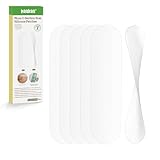
Overview: haakaa’s six-pack silicone strip system addresses C-section recovery with unprecedented customization, offering both 1mm and 0.5mm thickness options to adapt to different healing stages. The set includes three thicker strips for early compression and three thinner ones for discreet daytime wear, each measuring 8 inches (20cm) to accommodate typical C-section incisions. A practical storage board maintains sheet hygiene between uses. These medical-grade silicone patches lock in moisture to flatten keloid bumps and reduce redness while being water-resistant enough for showering and swimming.
What Makes It Stand Out: The dual-thickness innovation is unique in this category, allowing users to transition from intensive early-stage therapy to subtle long-term maintenance without purchasing separate products. The waterproof design supports uninterrupted healing during daily activities, a significant advantage for busy mothers. The included storage board demonstrates thoughtful design, preventing dust accumulation and extending sheet lifespan. Clear, flexible material renders the strips virtually invisible under clothing, boosting confidence during recovery. The 8-inch length provides ample coverage without excess bulk.
Value for Money: At $24.99 for six sheets ($4.16 per count), haakaa offers the lowest per-unit cost among pre-cut options. The thickness variety essentially provides two products in one package, delivering exceptional value. Each sheet remains effective for up to seven days, yielding 42 total days of treatment. For mothers specifically focused on C-section recovery, the tailored design eliminates waste and maximizes therapeutic benefit. The storage board adds tangible value by preserving sheet integrity.
Strengths and Weaknesses: Strengths: Innovative dual-thickness system; waterproof for shower/swim; lowest per-sheet cost; includes storage board; 8-inch optimal length; discreet clear design; tailored for C-section recovery.
Weaknesses: Seven-day reuse shorter than some competitors; C-section focus limits versatility; six sheets may insufficient for full 4-month keloid treatment; thicker strips may feel bulky initially.
Bottom Line: haakaa is the top choice for new mothers wanting a specialized, adaptable recovery system. The dual-thickness approach and waterproof design provide unmatched convenience and value for C-section-specific scar care.
4. Silicone Scar Sheets,Silicone Scar Tape,Silicone Scar Removal Strips for Surgical,C-Section,Tummy Tuck,Keloid Scars (1.6"X 59" Roll-1.5M) Keloid Bump Removal

Overview: This roll-format silicone scar tape delivers maximum flexibility for treating scars of any size or shape, offering 1.6 inches by 59 inches (1.5 meters) of medical-grade silicone that can be cut precisely to need. Designed for surgical scars, C-sections, tummy tucks, keloids, and even acne scars, the roll provides a comprehensive solution for users managing multiple scar sites. The hospital-grade silicone mimics the skin’s natural barrier, creating an occlusive healing environment that softens and flattens raised tissue while reducing redness and discomfort. The soft, lightweight material allows comfortable 24-hour wear.
What Makes It Stand Out: The roll format eliminates size constraints entirely, making it infinitely adaptable for everything from small facial scars to lengthy surgical incisions. This versatility is particularly valuable for patients with multiple scars or those unsure of their long-term needs. The product boasts clinical backing from plastic surgeons and dermatologists, a credential typically reserved for premium brands. Being able to cut custom lengths reduces waste significantly compared to pre-cut sheets that may be too large or small. The material maintains adhesion without irritating sensitive skin, even when repositioned.
Value for Money: At $9.38 for nearly five feet of medical-grade silicone, this represents exceptional entry-level value. The per-inch cost dramatically undercuts pre-cut sheet alternatives, making it ideal for budget-conscious users or those requiring extensive coverage. One roll can treat a C-section scar for over two months when cut appropriately, or multiple smaller scars simultaneously. The reusable nature—washable and effective through multiple applications—further enhances long-term savings. For first-time silicone therapy users, the low financial commitment is compelling.
Strengths and Weaknesses: Strengths: Unbeatable price; customizable roll format; clinically endorsed; versatile for all scar types; reduces product waste; comfortable 24-hour wear; safe for sensitive skin.
Weaknesses: Requires manual cutting; no storage solution included; roll format less convenient than pre-cut sheets; adhesive longevity may vary by cut size; limited brand recognition.
Bottom Line: This roll is the definitive budget champion for flexible scar management. The customizability and clinical endorsement make it perfect for those wanting premium results without premium pricing, provided they don’t mind cutting their own strips.
5. Silicone Scar Sheets (1.6” x 120” Roll-3M), Silicone Scar Tape Roll, Scar Silicone Strips, Reusable, Professional Scar Removal Sheets for C-Section, Surgery, Burn, Keloid, Acne et
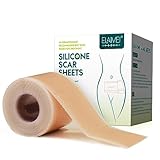
Overview: This professional-grade silicone scar tape roll provides an impressive 3 meters (120 inches) of 1.6-inch wide medical-grade silicone for extensive scar treatment needs. Engineered for pain-free application and removal, it’s suitable for sensitive and fragile skin, including pediatric use. The tape creates an occlusive moist healing environment that softens and flattens scars while reducing itching and redness. Beyond scar treatment, the manufacturer designed it for medical device fixation—securely holding drains, tubes, and electrodes without skin trauma. The latex-free and teflon-free composition ensures broad biocompatibility.
What Makes It Stand Out: The 3-meter length offers twice the material of standard rolls, making it exceptionally economical for long-term therapy or multiple family members. The pain-free repositioning feature addresses a common complaint with aggressive adhesives, particularly important for fresh surgical sites or tender scar tissue. Its dual-purpose design for medical device fixation adds unique utility for post-operative patients managing drains or monitoring equipment. The product maintains integrity even with repeated adjustments, preventing waste from failed applications. Being safe for all ages expands its household applicability.
Value for Money: At $17.98 for 3 meters, the per-inch cost rivals budget options while delivering professional features. A single roll can provide 4-6 months of continuous treatment for a typical scar, eliminating frequent repurchases. For families treating multiple injuries or surgical scars, the value multiplies. The medical device fixation capability effectively provides two products in one, justifying the moderate upfront investment. Compared to purchasing separate fixation tape and scar sheets, the combined functionality represents significant savings.
Strengths and Weaknesses: Strengths: Generous 3-meter length; pain-free removal and repositioning; safe for children and sensitive skin; medical device fixation capability; latex-free; maintains adhesion through adjustments; professional-grade material.
Weaknesses: Higher initial cost than 1.5M roll; manual cutting required; may be excessive for single small scar; storage responsibility on user; no pre-sized convenience.
Bottom Line: This roll is ideal for households needing versatile, gentle scar care or patients with medical devices. The pain-free adhesion and exceptional length make it a smart long-term investment for comprehensive skin healing needs.
6. AWD Silicone Scar Tape Roll 60in – Medical Grade Scar Tape for Surgical Scars, C Section, Tummy Tuck – Reusable Silicone Scar Sheets for Keloid Bump Removal & Postpartum Essentials (60in)
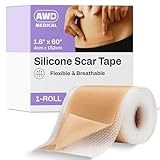
Overview: This 60-inch roll of medical-grade silicone scar tape from AWD delivers a versatile solution for treating post-surgical scars. Designed for C-sections, tummy tucks, and other surgical procedures, the tape can be cut to any size or shape needed. The 100% medical-grade silicone formulation is latex and Teflon-free, making it suitable for sensitive skin types. Each application can be reused for up to two weeks with proper washing, providing extended treatment duration from a single roll.
What Makes It Stand Out: The HSA/FSA approval status sets this product apart, allowing qualified buyers to use pre-tax healthcare funds—a significant financial advantage. The pain-free removal without sticky residue addresses a common complaint with adhesive medical products. Its gentle formulation maintains effectiveness while minimizing skin irritation, crucial for postpartum users dealing with healing abdominal scars and heightened skin sensitivity.
Value for Money: At $19.99 for a 60-inch roll, this represents solid mid-range value. Assuming you cut standard 4-inch strips, you’ll get approximately 15 applications, each lasting up to two weeks. This translates to roughly $1.33 per two-week treatment cycle, making it considerably more economical than single-use silicone sheets. The reusability factor combined with tax-advantaged purchasing options enhances overall cost-effectiveness.
Strengths and Weaknesses: Strengths: Medical-grade purity with no latex/Teflon; HSA/FSA eligible; painless removal; excellent reusability; customizable sizing; suitable for sensitive skin. Weaknesses: Roll format requires manual cutting; no included storage solution; adhesive may weaken after multiple washes compared to fresh sheets; 60-inch length may be insufficient for very large scars.
Bottom Line: The AWD Silicone Scar Tape is an excellent choice for budget-conscious buyers who prioritize skin safety and tax-advantaged purchasing. Its gentle formulation makes it particularly suitable for postpartum recovery, though the lack of pre-cut sheets requires extra preparation time.
7. Clinically Proven Silicone Scar Sheets – Medical Grade Tape for Surgery, C-Section, Keloids & Tummy Tuck Scars

Overview: Positioned as a premium medical solution, these silicone scar sheets emphasize clinical validation and professional-grade efficacy. The product targets new and old scars including keloids, hypertrophic scars, and post-surgical marks from procedures like breast surgery, tummy tucks, and C-sections. Each sheet is washable and reusable for up to two weeks, with a cut-to-size design accommodating various scar dimensions and anatomical locations.
What Makes It Stand Out: The “clinically proven” and “gold standard” positioning carries weight, suggesting rigorous testing and healthcare professional endorsement. The product specifically claims to prevent keloid and hypertrophic scar formation through moisture regulation and collagen production control—proactive benefits beyond mere appearance improvement. This preventative approach makes it valuable for high-risk individuals and those with genetic predisposition to abnormal scarring.
Value for Money: At $29.99 ($5.00 per foot), this commands a premium price point. While more expensive than budget alternatives, the clinical backing and preventative scar formation claims justify the cost for users prioritizing maximum efficacy. Each reusable sheet provides up to two weeks of continuous treatment, and the ability to cut precisely to size minimizes waste. For those treating multiple scars or large areas, the cost per application remains reasonable given the medical-grade credentials.
Strengths and Weaknesses: Strengths: Clinically validated formulation; prevents keloid/hypertrophic formation; trusted by healthcare professionals; customizable sizing; long-lasting reusability; effective for both new and old scars. Weaknesses: Highest price among comparable products; marketing language may oversimplify complex healing processes; requires diligent cleaning to maintain adhesive quality; no specialized shapes for common procedures.
Bottom Line: This is the premium choice for patients wanting clinically validated, preventative scar treatment. The higher investment pays dividends for those prone to keloids or seeking surgeon-recommended care, though budget-conscious buyers may find equally effective alternatives at lower price points.
8. Silicone Scar Sheets, Silicone Scar Tape for Scar Removal Treatment (1.6”x 60” Roll-1.5M), Reusable Silicone Scar Strips for Surgical, C-Section, Tummy Tuck, Keloid Scars, Burn, Acne

Overview: This budget-friendly silicone scar tape offers medical-grade treatment in an economical 60-inch roll format. At 1.6 inches wide, the tape provides adequate coverage for most surgical scars while remaining narrow enough for facial applications. The product addresses a comprehensive range of scar types including surgical, C-section, tummy tuck, keloid, burn, and acne scars. Its breathable, lightweight construction supports 24-hour wear without discomfort.
What Makes It Stand Out: The aggressive $7.99 price point makes this the most accessible entry into silicone scar therapy. Despite the low cost, it maintains medical-grade certification and claims clinical support from plastic surgeons and dermatologists. The moisturizing ingredient formulation adds a hydration component not always present in basic silicone tapes. Strong adhesion ensures the tape remains secure during daily activities, addressing a common failure point in budget silicone products.
Value for Money: Exceptional value defines this product. At under $8 for 60 inches, it costs roughly one-third of premium competitors. Each strip remains usable through multiple washes, potentially providing months of treatment from a single roll. The narrow 1.6-inch width reduces waste when treating smaller scars, making it ideal for facial acne scars or minor surgical marks. For first-time users unsure about committing to silicone therapy, this offers minimal financial risk while delivering full therapeutic benefits.
Strengths and Weaknesses: Strengths: Unbeatable price; medical-grade quality; strong adhesion; moisturizing properties; versatile width; clinically supported; minimal financial risk. Weaknesses: Narrow width may require multiple strips for large scars; strong adhesive could irritate very sensitive skin; basic packaging; shorter reusability lifespan than premium options; limited brand recognition.
Bottom Line: This is the definitive budget champion for silicone scar treatment. While lacking premium packaging and specialized shapes, it delivers core therapeutic benefits at an unbeatable price, making it perfect for first-time users or those treating multiple small scars.
9. Fade Away Scars Silicone Scar Sheets for C-Section & Tummy Tuck – Reusable Medical Grade Silicone Scar Tape for Surgical Scars – Soft Scar Strips with Storage Pouch – Fade Away Silicone Scar Sheets

Overview: Specifically engineered for postpartum abdominal recovery, these silicone scar sheets target C-section and tummy tuck scars with specialized design elements. The product includes a hygienic storage pouch—a practical addition for active users who shower or exercise regularly. Each ultra-thin strip is designed to conform to abdominal contours while remaining invisible under clothing, including tight-fitting garments like leggings and shapewear. The 100% medical-grade silicone formulation is latex-free and chemical-free.
What Makes It Stand Out: The anatomically-conscious design for lower abdominal scars demonstrates genuine user insight, addressing the specific challenges of postpartum recovery. The included storage pouch solves a real problem: keeping silicone sheets clean and adhesive when removed for showering. The ultra-thin, flexible construction prevents rolling and peeling during workouts or sleep—critical for new mothers already managing multiple recovery challenges. This attention to lifestyle integration sets it apart from generic silicone tapes.
Value for Money: At $34.99, this is the most expensive option per package, though the price reflects specialized design and premium features. The cost per two-week treatment cycle is higher than roll alternatives, but the convenience of pre-contoured strips and the storage pouch adds tangible value for busy mothers. For those specifically recovering from C-sections or tummy tucks, the targeted design reduces waste and frustration, potentially justifying the premium. However, users with scars in other locations will find better value elsewhere.
Strengths and Weaknesses: Strengths: Specialized abdominal contouring; included storage pouch; ultra-thin and discreet; stays secure during activity; gentle for sensitive postpartum skin; pre-thoughtful lifestyle design. Weaknesses: Highest price point; limited versatility for non-abdominal scars; fewer total inches than roll products; premium features may be unnecessary for less active users.
Bottom Line: This premium product is ideal for postpartum women seeking maximum convenience and discretion during active recovery. The specialized design and storage pouch justify the higher cost for C-section and tummy tuck patients, though those with other scar types should consider more versatile, economical options.
10. Medical Grade Silicone Scar Tape - 1.6”x150” - Visible Difference on Keloid & С-Section - Reusable Silicone Scar Sheets - Easy to Use

Overview: This extra-long silicone scar tape delivers 150 inches of medical-grade treatment—more than double the length of standard rolls. The 1.6-inch width accommodates various scar types while the extended length provides exceptional value for large scars or long-term treatment protocols. Designed for keloids, C-section scars, and hypertrophic scars, the tape promises visible improvement through flattening, smoothing, and lightening. The hypoallergenic adhesive is waterproof and withstands intense movement and daily showers.
What Makes It Stand Out: The 150-inch length is the standout feature, offering unmatched treatment duration from a single purchase. The strong yet hypoallergenic adhesive formulation balances security with skin safety, addressing the common trade-off between adhesion strength and irritation. The “visible difference” claim is backed by a commitment to long-term results rather than overnight miracles. This extended format is particularly valuable for treating multiple scars or large areas like burn scars or extensive surgical sites.
Value for Money: At $9.99 for 150 inches, this represents exceptional cost-per-inch value—approximately $0.07 per inch compared to $0.33-$0.58 for competitors. Even with moderate reusability, a single roll could provide six months to a year of treatment depending on scar size. The narrow width minimizes waste on smaller scars while the massive length ensures you won’t run out mid-treatment. For users committed to long-term silicone therapy, this eliminates frequent reordering costs and delivers professional-grade results at a budget-conscious price point.
Strengths and Weaknesses: Strengths: Unmatched 150-inch length; excellent price-per-inch value; strong waterproof adhesion; hypoallergenic formulation; suitable for large or multiple scars; long-term cost savings. Weaknesses: Roll format requires cutting; narrow width may need doubling for wide scars; adhesive strength may diminish over repeated washes; basic packaging lacks premium features.
Bottom Line: This is the ultimate value choice for long-term silicone scar therapy. The generous length and strong performance make it ideal for treating large scars or multiple sites, though users seeking convenience features should look elsewhere. For sustained, cost-effective treatment, it’s unmatched.
Understanding C-Section Scars and the Healing Process
Your body performs a remarkable feat after a cesarean delivery, orchestrating a multi-phase healing process that transforms a surgical wound into mature scar tissue. Understanding this biology is crucial for timing your scar treatment effectively.
The Science Behind Scar Formation After a C-Section
C-section scars typically follow a predictable healing trajectory. During the inflammatory phase (first 1-2 weeks), your body sends collagen and immune cells to the incision site, creating the foundation for repair. The proliferative phase (weeks 2-6) sees rapid collagen production, often resulting in a raised, reddish scar. Finally, the remodeling phase (months 3-18) is where the real magic happens—collagen fibers reorganize, and the scar gradually flattens and fades.
Silicone sheets interact most effectively during the remodeling phase, though they can influence the entire process when started at the appropriate time. They work by creating an occlusive barrier that hydrates the scar tissue and regulates collagen synthesis, preventing the excessive buildup that leads to hypertrophic scars and keloids.
Why C-Section Scars Need Special Attention
Unlike scars on less mobile body parts, your C-section scar sits in a high-tension area. Every time you stand, lift your baby, or even laugh, the abdominal muscles engage, pulling at the healing tissue. This constant movement makes C-section scars particularly prone to widening and thickening. The location also creates a warm, moist environment—perfect for healing but also for bacterial growth if not properly managed. Silicone sheets address these unique challenges by providing flexible protection that moves with your body while maintaining optimal hydration levels.
What Are Silicone Scar Sheets and How Do They Work?
Silicone scar sheets are soft, flexible medical devices made from medical-grade silicone polymers. They’re not bandages, though they may look similar. Instead, they’re therapeutic tools that create a semi-occlusive microenvironment over your scar, mimicking the natural barrier function of healthy skin.
The Medical Science Behind Silicone Therapy
The mechanism is elegantly simple yet scientifically robust. When applied to a healing scar, silicone sheets increase hydration in the stratum corneum (the outermost skin layer), which signals fibroblasts to reduce collagen production. This hydration also softens the scar tissue, making it more pliable and less prone to pulling sensations. Additionally, the gentle pressure exerted by the sheet helps flatten raised tissue, while the occlusive barrier protects against friction from clothing—a common irritant for postpartum mothers.
Research published in dermatological journals consistently shows that silicone therapy can reduce scar height, erythema (redness), and itching when used consistently. For C-section scars specifically, this translates to improved comfort during daily activities and better aesthetic outcomes over time.
Key Benefits of Using Silicone Sheets for C-Section Recovery
Beyond aesthetics, silicone sheets offer tangible benefits that matter during the demanding postpartum period. They significantly reduce scar itching and discomfort, which peaks around weeks 6-12 when nerve endings regenerate. This means fewer moments of distracted discomfort while holding or feeding your baby.
The sheets also provide a protective barrier against waistbands, compression garments, and nursing positions that can irritate a fresh scar. Many mothers report improved confidence when resuming intimacy, as the softened, less prominent scar feels less like a focal point. Perhaps most importantly, consistent use has been shown to reduce the risk of developing hypertrophic scars or keloids—especially valuable for women with a family history of problematic scarring.
When to Start Using Silicone Sheets After Your C-Section
Timing your scar treatment is not about being aggressive; it’s about working in harmony with your body’s healing timeline. Starting too early can trap bacteria and disrupt wound closure, while starting too late may reduce effectiveness.
The Golden Window for Initiation
Most surgeons and dermatologists recommend waiting until your incision is fully closed with no open areas, scabs, or drainage—typically 2-4 weeks postpartum, though some women may need to wait 6 weeks depending on healing speed. The key indicator is a completely epithelialized scar (meaning the surface skin has regenerated). If you can run your finger gently along the incision without feeling any breaks in the skin, you’re likely ready to begin.
Always confirm with your OB-GYN at your postpartum check-up before starting treatment. They can assess your individual healing and give personalized clearance, which is especially crucial if you experienced any complications like wound separation or infection.
Essential Features to Look for in Postpartum Silicone Sheets
Navigating product specifications can feel like decoding a foreign language. Focus on these non-negotiable features that directly impact your experience and results.
Size and Coverage Considerations for C-Section Incisions
Standard C-section incisions range from 4-6 inches horizontally, though some may be longer. Look for sheets that offer at least 1-2 inches of clearance on all sides of your scar. This ensures complete coverage and prevents the edges from lifting. Some manufacturers offer sheets specifically sized for C-sections, while others provide larger rectangles you can trim to fit. Trimmable options offer flexibility but require precise cutting to avoid waste.
Material Quality and Medical-Grade Standards
The term “medical-grade silicone” should appear prominently in product descriptions. This indicates the silicone has been tested for biocompatibility and meets FDA or CE standards for medical devices. Lower-grade silicone may contain impurities that increase irritation risk. The material should feel soft and pliable, not stiff or plastic-like. Thickness matters too—sheets around 1mm provide optimal occlusion without feeling bulky under clothing.
Adhesive Strength vs. Skin Sensitivity
Postpartum skin is notoriously sensitive, thanks to hormonal fluctuations. The ideal adhesive is strong enough to stay put during daily activities but gentle enough to remove without causing trauma or redness. Silicone-based adhesives are generally superior to acrylic ones for sensitive skin. Some sheets offer “gentle” or “sensitive skin” formulations specifically designed for postpartum use. Consider your skin history—if adhesives typically irritate you, prioritize gentler options even if they require more frequent replacement.
Reusability and Durability Factors
Most quality silicone sheets are reusable for 2-4 weeks with proper care. Evaluate the cleaning requirements—some need daily washing with mild soap, while others can be rinsed and air-dried. The adhesive should regenerate after washing; if it doesn’t, the sheet won’t last its intended lifespan. Factor in the total cost per day of use rather than just the upfront price. A more expensive sheet that lasts a month may offer better value than cheaper single-use options.
Different Formats: Sheets, Strips, and Alternative Options
While traditional sheets dominate the market, understanding the full landscape helps you choose what fits your lifestyle.
Silicone sheets are the most common format—large rectangles or ovals that cover substantial areas. Silicone strips are narrower, bandage-like versions ideal for smaller incisions or touch-ups along specific scar sections. For C-sections, full sheets generally provide better coverage and stay in place more reliably.
Silicone gel is an alternative that comes in a tube and dries to a flexible sheet. While more discreet, gels require precise application and longer drying times—challenging when you’re caring for a newborn. Some mothers use gel for daytime discretion and sheets overnight for intensive treatment.
Proper Application Techniques for Optimal Results
Application technique directly impacts effectiveness. A poorly applied sheet that wrinkles or lifts won’t deliver consistent results.
Step-by-Step Application Guide
First, wash your hands and gently cleanse the scar area with mild, fragrance-free soap. Pat completely dry—any moisture will interfere with adhesion. If your sheet is trimmable, cut it to size using clean scissors, ensuring it extends at least one inch beyond the scar on all sides.
Remove the protective backing and apply the adhesive side directly to your scar without stretching the sheet. Start at one end and smooth gradually to avoid air bubbles. The sheet should lie flat and feel comfortable, not tight. For the first application, start with 2-4 hours to test skin tolerance, then gradually increase to the recommended daily wear time.
Cleaning and Maintenance Protocol
Daily cleaning is essential for reusability and hygiene. Gently wash the sheet with mild, fragrance-free soap and lukewarm water. Avoid harsh scrubbing or alcohol-based cleansers that can degrade the silicone. Rinse thoroughly and let it air dry adhesive-side up on a clean surface. Once dry, the adhesive should feel tacky again. Store it on the original backing paper or a clean plastic sheet between uses.
Never use towels or tissues to dry the sheet—they leave lint that interferes with adhesion. If the adhesive fails to regenerate after several weeks, it’s time to replace the sheet.
Treatment Duration: How Long Should You Use Them?
Patience is the cornerstone of scar remodeling. Most clinical studies showing significant improvement used silicone therapy for 8-12 weeks minimum, with optimal results seen after 3-6 months of consistent use. For C-section scars, plan on daily use for at least 3 months, and up to 6 months if your scar is thick, raised, or particularly red.
The standard protocol is 12-24 hours of daily wear. Many mothers find overnight wear most practical—it’s uninterrupted time when the sheet won’t interfere with activities. If you experience irritation, start with 12 hours daily and gradually increase as tolerated. Consistency matters more than marathon sessions; wearing a sheet for 8 hours daily for 3 months yields better results than 24-hour wear for 2 weeks followed by sporadic use.
Safety Profile and Potential Concerns
Silicone sheets boast an excellent safety record, but postpartum bodies have unique vulnerabilities that warrant attention.
Managing Skin Reactions and Sensitivities
Mild itching or redness during the first few days is normal as your skin adjusts. However, persistent redness, rash, or burning indicates a reaction. If this occurs, remove the sheet immediately and give your skin a 24-48 hour break. Try a different brand with gentler adhesive, or consider silicone gel as an alternative.
Hormonal changes can make your skin more reactive than usual. If you have a history of contact dermatitis, do a patch test by applying a small piece of sheet to your inner arm for 24 hours before using it on your scar.
Red Flags: When to Stop and Seek Medical Advice
Stop using silicone sheets and contact your healthcare provider if you notice:
- Increased pain, warmth, or swelling around the scar
- Pus, foul odor, or new drainage
- Rapid scar darkening or thickening
- Signs of infection (fever, spreading redness)
These symptoms may indicate an underlying issue that silicone therapy could exacerbate. Your provider might need to evaluate for infection, suture reactions, or other complications before you resume scar treatment.
Investment Analysis: Cost vs. Value
Quality silicone sheets typically range from $20 to $60 per package, with most packages containing 1-2 sheets. Given the 2-4 week lifespan per sheet, a full 3-month treatment course might cost $60-$180. While this seems significant, compare it to the cost of laser treatments ($300-$1000+ per session) or prescription scar creams with similar active ingredients.
Consider the value of comfort during recovery, reduced itching, and improved long-term appearance. For many mothers, the ability to wear fitted clothing without irritation or feel confident in swimwear justifies the investment. Some find that starting treatment early reduces the need for more expensive interventions later.
Navigating Insurance and HSA/FSA
Most insurance plans classify silicone sheets as “cosmetic” and don’t cover them, but there are exceptions. If your provider writes a prescription stating medical necessity (for example, to prevent hypertrophic scarring), some plans will reimburse partially. Always submit claims with proper documentation.
The good news: silicone scar sheets are typically HSA and FSA eligible expenses. Save your receipts and check your plan’s requirements. Some retailers specifically mark these products as HSA/FSA approved, simplifying the process. Using pre-tax dollars effectively reduces your cost by 20-30% depending on your tax bracket.
Pitfalls to Avoid: Common User Errors
Even the best silicone sheet won’t work if used incorrectly. The most frequent mistake is inconsistent use—skipping days or wearing the sheet sporadically. Scar remodeling requires continuous signaling to fibroblasts; intermittent treatment doesn’t maintain the necessary environment.
Another error is premature application on unhealed incisions. This can trap bacteria and lead to infection, setting back your recovery significantly. Always wait for complete wound closure.
Over-washing or using harsh cleansers degrades the silicone prematurely, forcing early replacement. Conversely, inadequate cleaning can lead to bacterial buildup and skin irritation. Strike a balance with daily gentle washing.
Some mothers apply too much tension when placing the sheet, stretching it across the scar. This creates shear forces that can irritate the tissue. The sheet should be applied flat and relaxed.
Combining Silicone Sheets with Other Scar Treatments
Silicone sheets work beautifully as part of a comprehensive scar care routine, but integration requires strategy. Gentle scar massage can begin around 6-8 weeks postpartum, once the scar is fully closed and no longer tender. Massage the scar for 5 minutes daily before applying your silicone sheet to enhance pliability.
Sun protection is non-negotiable. UV exposure can permanently darken scars, making them more noticeable. If your scar will be exposed, apply a broad-spectrum SPF 30+ sunscreen and wait 10 minutes before placing your silicone sheet over it. Some mothers prefer to use sheets primarily at night and rely on clothing coverage during the day.
Avoid using other topical products (vitamin E, scar gels) directly under silicone sheets unless specifically directed by your provider. These can interfere with adhesion and create a moist environment that’s too occlusive, potentially causing maceration.
Setting Realistic Expectations: What Results Can You Expect?
Silicone therapy is effective, but it’s not magic. Clinical studies show that consistent use can flatten raised scars by 30-50% and reduce redness significantly. However, your scar won’t disappear completely—nor should it. That line tells a powerful story.
Most mothers notice reduced itching and tenderness within 2-3 weeks. Visible changes in scar height and color typically emerge after 6-8 weeks of consistent use. The final appearance continues to evolve for 12-18 months post-surgery, with or without treatment. Silicone sheets optimize this natural process but can’t override your genetic predisposition to scarring.
Factors influencing your outcome include your age, skin type, scar location tension, and whether you experienced any healing complications. Women with darker skin tones may see slower fading of hyperpigmentation but equal benefits in scar softness and flattening.
Special Considerations for Different Skin Types and Tones
Melanin-rich skin has a higher risk of hyperpigmentation and keloid formation, making silicone therapy particularly valuable. However, the adhesive can sometimes cause post-inflammatory hyperpigmentation if removed too aggressively. Use extra caution during removal—consider applying a warm compress for 30 seconds before gently lifting the sheet.
For sensitive skin prone to eczema or dermatitis, look for sheets specifically labeled “hypoallergenic” or “for sensitive skin.” These typically use medical-grade silicone for both the sheet and adhesive, eliminating potential irritants.
If you have oily skin, you may find sheets lose adhesion faster. Cleanse your scar area thoroughly before application, and consider using a gentle toner to remove excess oil—just ensure the skin is completely dry before applying the sheet.
Frequently Asked Questions
1. When can I safely start using silicone sheets after my C-section?
Wait until your incision is completely closed with no scabs, drainage, or open areas—typically 2-4 weeks postpartum, but always confirm with your OB-GYN at your follow-up appointment. Starting too early can trap bacteria and delay healing, while starting within the first 6-12 weeks offers the best preventive benefits.
2. How many hours per day should I wear the silicone sheet?
Aim for 12-24 hours daily. Many mothers find overnight wear most practical. Start with 4-6 hours for the first few days to ensure skin tolerance, then gradually increase. Consistency matters more than duration—wearing a sheet for 12 hours every day yields better results than 24-hour wear with frequent multi-day breaks.
3. Is it safe to use silicone sheets while breastfeeding?
Yes, absolutely. Silicone sheets are topical and localized to your abdominal area. The medical-grade silicone doesn’t absorb into your bloodstream or affect milk production. However, position the sheet so it doesn’t interfere with comfortable nursing holds, especially if you use the football hold that presses against your abdomen.
4. What should I do if the silicone sheet irritates my sensitive postpartum skin?
Remove the sheet immediately and give your skin a 24-48 hour break. Try a different brand formulated for sensitive skin, or switch to silicone gel. You can also reduce wear time to 8-12 hours daily. Always ensure your skin is completely dry before application, as trapped moisture increases irritation risk.
5. Can I apply silicone sheets if my C-section scar shows signs of infection?
Never apply silicone sheets to an infected or actively inflamed scar. Signs of infection include increased pain, warmth, swelling, pus, or foul odor. Silicone creates an occlusive environment that could worsen infection. Seek medical treatment first, and only resume silicone therapy once your provider confirms the infection has completely resolved and the wound is re-epithelialized.
6. Will silicone sheets work on my old C-section scar from years ago?
Silicone sheets are most effective on scars less than 2 years old, but they can still improve older scars. The remodeling phase continues for up to 2 years, and even mature scars can benefit from increased hydration and softening. While you may see less dramatic improvement than with a newer scar, many women report reduced tightness and improved texture even on decades-old scars.
7. Are expensive silicone sheets really worth the cost compared to budget options?
Price often correlates with silicone purity, adhesive quality, and reusability. Mid-range to premium sheets ($30-$60) typically use higher-grade silicone that lasts longer and adheres better, reducing cost per day of use. Budget options may work but often require more frequent replacement. Calculate cost per month of treatment rather than upfront price. Many find that investing in quality sheets reduces frustration and improves compliance.
8. Can I shower, swim, or exercise while wearing silicone sheets?
Most silicone sheets are water-resistant and stay adhered during showering and light exercise. However, prolonged water exposure (swimming, baths) can compromise adhesion. For best results, remove the sheet before swimming or long baths, then reapply after thoroughly drying your skin. Heavy sweating during intense exercise may also reduce adhesion—consider removing the sheet for workouts and replacing it afterward.
9. What happens if I stop using silicone sheets before the recommended 3-6 months?
Stopping early won’t harm your scar, but you may not achieve optimal results. The benefits of silicone therapy are cumulative and reversible—if you stop prematurely, your scar may gradually return to its previous state as collagen production normalizes. If you must stop, try to maintain at least 8 weeks of consistent use. You can always resume later if needed, though results may be slower the second time around.
10. How do I know if my silicone sheet needs to be replaced?
Replace your sheet when the adhesive no longer regenerates after cleaning, when the material becomes cloudy, stiff, or develops tears, or at the manufacturer’s recommended interval (typically 2-4 weeks). If the sheet won’t stay flat against your scar or peels at the edges within hours of application, it’s lost its effectiveness and needs replacing. Continuing to use a degraded sheet wastes your time and may irritate your skin.