The first few days after bringing your baby into the world should be about bonding, rest, and recovery—but for many new mothers, they’re also marked by surprising and intense afterpains. These postpartum contractions, medically known as involution, are your uterus’s way of shrinking back to its pre-pregnancy size while preventing excessive bleeding. While completely normal, they can be surprisingly painful, especially during breastfeeding when oxytocin triggers stronger contractions. The good news? Heat therapy has been clinically shown to relax uterine muscles and provide significant relief, making a quality heating pad one of the most valuable tools in your postpartum recovery arsenal.
Choosing the right heating pad, however, isn’t as simple as grabbing whatever’s in your medicine cabinet. Postpartum bodies have unique needs—sensitive skin, potential tearing or incisions, and the constant demands of caring for a newborn. The ideal solution must balance safety, comfort, effectiveness, and practicality for your specific recovery journey. This comprehensive guide walks you through everything you need to know about selecting the perfect heating pad for afterpains, from understanding the science behind heat therapy to navigating the features that matter most for new mothers.
Top 10 Postpartum Heating Pads for Afterpains
Detailed Product Reviews
1. Lansinoh Hot and Cold Postpartum Pads – Reusable Perineal Ice Packs for Postpartum Recovery, Labor & Delivery Essentials, 2 Count

Overview: Lansinoh’s reusable perineal pads offer versatile hot and cold therapy for postpartum recovery. These flexible packs address pain from childbirth, hemorrhoids, and C-sections while providing relief from uterine cramping. The slim design conforms to your body, fitting discreetly in underwear for targeted comfort during the critical healing period.
What Makes It Stand Out: Unlike single-use options, these pads deliver repeated hot and cold relief, making them an eco-friendly choice. Their dual-functionality eliminates the need for separate products, while the thin, flexible construction ensures they don’t feel bulky or awkward during wear. The ability to switch between temperature therapies addresses multiple postpartum discomforts with one solution.
Value for Money: At $8 per pad, the initial investment pays for itself after just a few uses compared to disposable alternatives. Most women require therapy for 1-2 weeks postpartum, making these dramatically more economical over time. The durability ensures they remain useful for subsequent pregnancies or can be repurposed for general muscle aches.
Strengths and Weaknesses: Strengths include reusability, slim profile, dual hot/cold capability, and cost-effectiveness long-term. Weaknesses are the limited two-count package, requiring prep time in freezer or microwave, and the higher upfront cost that may deter budget-conscious shoppers. The 20-minute therapy window aligns with medical recommendations.
Bottom Line: These reusable pads are a smart investment for environmentally conscious moms planning multiple children. They deliver reliable relief with excellent long-term value, though you’ll want to buy two packs for continuous rotation.
2. Frida Mom Uterine Recovery Patches, Heating Pad for After Birth Comfort, 8-Hours of Non-Medicated Heat Relief for Menstrual Cramping, Postpartum Essentials for New Moms, 6ct
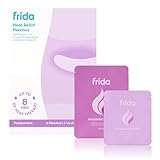
Overview: Frida Mom’s adhesive heating patches provide targeted, long-lasting warmth specifically designed for postpartum uterine cramping. Each patch delivers eight hours of consistent, non-medicated heat relief without cords, batteries, or microwave preparation. The hands-free design allows new mothers to manage afterpains while caring for their newborn.
What Makes It Stand Out: The extended eight-hour duration far exceeds typical heating patches, providing all-day comfort from a single application. The flexible two-size system adapts to your recovering body’s changing shape, while the secure adhesion to Frida Mom underwear ensures discreet, reliable placement. The completely non-medicated approach is ideal for breastfeeding mothers concerned about chemical exposure.
Value for Money: At $2.63 per patch, the cost is competitive with premium menstrual heat products while offering postpartum-specific design features. The convenience factor is significant—no reheating means uninterrupted relief during sleep or busy moments. For the first week of intense cramping, a box provides nearly a full week’s supply.
Strengths and Weaknesses: Strengths include exceptional duration, zero preparation, discreet wearability, and breastfeeding-safe design. Weaknesses are single-use construction creating environmental waste, heat-only limitation (no cold therapy), and potential skin sensitivity from adhesives. The product is specifically for uterine cramping, not perineal pain.
Bottom Line: These patches excel for uterine afterpains when convenience trumps all. They’re hospital bag essentials for immediate, hassle-free relief, though you’ll need separate solutions for perineal care.
3. Lansinoh Breast Therapy Packs, Hot and Cold Breast-Pads with 2 Soft Covers, Postpartum Essentials for Nipple Pain Relief, Mastitis, Engorgement, Support for Breastfeeding and Pump Aid, 2 Pack

Overview: Lansinoh’s breast therapy packs address the most common breastfeeding challenges through versatile temperature therapy. These soft, flexible pads conform to breast contours for 360-degree relief from engorgement, mastitis, clogged ducts, and nipple pain. The included washable covers enhance comfort during sensitive postpartum weeks.
What Makes It Stand Out: The pump-aid functionality is a game-changer—applying heat before sessions encourages let-down and reduces pumping time. The 360-degree conforming design ensures even distribution of therapy, while the dual hot/cold capability handles both inflammatory swelling and milk flow issues. The reusable nature makes them practical for months of breastfeeding challenges.
Value for Money: At $5.98 per pack, these are significantly cheaper than ongoing medication or professional lactation consultations for preventable issues. The two-pack allows alternating use while one recharges in freezer or microwave. For mothers committed to breastfeeding, they pay for themselves within the first month by preventing complications that could derail nursing goals.
Strengths and Weaknesses: Strengths include pump-aid benefit, comprehensive breastfeeding relief, washable covers, and excellent price point. Weaknesses are breastfeeding-specific utility (limited post-weaning use), only two included packs requiring frequent rotation, and the need for temperature preparation. Some users may find them too small for larger breasts.
Bottom Line: An indispensable tool for breastfeeding mothers that combines prevention and treatment. The pump-aid feature alone justifies the purchase, making them essential for any nursing parent’s survival kit.
4. Frida Mom 2-in-1 Postpartum Pads, Absorbent Perineal Ice Maxi Pads, Instant Cold Therapy Packs and Maternity Pad in One
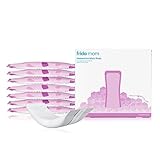
Overview: Frida Mom’s innovative 2-in-1 design combines instant cold therapy with an absorbent maternity pad, eliminating the need for separate products during early postpartum recovery. These disposable pads activate upon opening, delivering the recommended 20-minute cold treatment while absorbing up to 260g of liquid, providing comprehensive perineal care in one convenient package.
What Makes It Stand Out: The instant activation technology removes all preparation barriers—no freezer, no microwave, no waiting. The super-soft top layer cushions sensitive areas while the cold therapy reduces swelling and pain. The full-coverage design extends from front to back, ensuring comprehensive protection. This all-in-one approach simplifies the complex early days of recovery when mobility is limited.
Value for Money: At approximately $1.70 per pad (based on typical 8-count packaging), these cost more than standard maternity pads but eliminate the need for separate ice packs or preparation time. For the first 3-5 days when bleeding is heaviest and pain most acute, the convenience justifies the premium. The time and effort saved during recovery’s most challenging period represents significant value.
Strengths and Weaknesses: Strengths include ultimate convenience, instant relief, dual-function design, and excellent absorbency. Weaknesses are higher per-use cost, environmental impact of disposables, and cold-only therapy limitation. The single-use nature means ongoing expense if needed beyond initial recovery phase.
Bottom Line: These are non-negotiable for your hospital bag and first week home. The convenience during recovery’s most intense period outweighs cost concerns, though transition to reusable options after day five.
5. Gentlepak Reusable Perineal Ice & Heat Paks with Washable Sleeves for Postpartum, Pregnancy & Hemorrhoid Pain Relief, Multi Use Kids, Muscle, Vaginal Discomfort (2-Pack Tube)

Overview: Gentlepak’s doctor-recommended perineal packs provide versatile hot and cold therapy in a discreet, reusable design. Created by women for women, these packs address postpartum pain, hemorrhoids, pregnancy discomfort, and even muscle aches for the whole family. The included washable terry sleeves in black ensure hygienic, comfortable application.
What Makes It Stand Out: The discreet black color and multi-purpose functionality extend utility far beyond postpartum recovery. These packs serve the entire family for injuries, kids’ bumps, and general pain relief. The hospital-quality construction ensures durability, while the included sleeves eliminate the need for separate covers. The travel-friendly size makes them practical for hospital bags and beyond.
Value for Money: At $7 per pack with included washable sleeves, Gentlepak offers excellent long-term value for families. While initial cost exceeds basic ice packs, the versatility justifies the investment. Use during postpartum, then transition to children’s injuries, sports recovery, or chronic conditions like hemorrhoids. The doctor-recommended status adds credibility to the premium pricing.
Strengths and Weaknesses: Strengths include exceptional versatility, family-wide utility, washable sleeves, discreet appearance, and professional recommendation. Weaknesses are higher upfront cost than alternatives, black color may not suit all preferences, and the tube packaging may be less intuitive than flat pads for perineal use.
Bottom Line: A premium, versatile option for families wanting maximum utility beyond postpartum. The multi-purpose design and quality construction make them worth the investment, especially for those planning multiple children.
6. Breast Therapy Pads - Hot & Cold Gel Pads for Breastfeeding & Postpartum Recovery, Pain Relief for Mastitis & Engorgement
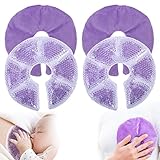
Overview: These dual-purpose therapy pads address common breastfeeding challenges like engorgement and mastitis through temperature therapy. The reusable design offers both hot and cold applications, making them versatile for various postpartum recovery needs.
What Makes It Stand Out: The breast pump integration is clever—heated pads snap directly onto pump flanges to encourage let-down and reduce pumping time. The velvet insulation cover provides comfort against sensitive skin, while the non-toxic gel ensures safety during intimate use. The multi-functionality extends beyond breastfeeding to hemorrhoid relief and general swelling.
Value for Money: At under $10, these pads deliver exceptional versatility compared to single-use alternatives. Disposable breast therapy products can cost $1-2 per use, while these reusable pads pay for themselves within a week of regular use. The ability to treat multiple postpartum issues with one product eliminates the need for separate purchases.
Strengths and Weaknesses: Strengths include rapid temperature adjustment (20-30 min refrigeration or 2-3 minute microwave), pump compatibility, and skin-safe materials. The velvet cover prevents direct gel contact and insulates effectively. Weaknesses involve the three-month usage recommendation, which seems conservative for occasional users. The heating instructions require careful attention—velvet covers must be removed before microwaving, adding a step. Some users may find the size insufficient for larger breasts.
Bottom Line: These therapy pads are an essential, cost-effective tool for breastfeeding mothers. Their dual-temperature functionality and pump compatibility make them superior to basic ice packs, though users should follow heating instructions precisely.
7. Frida Mom Postpartum Pads, Leak Proof Feminine Care Maxi Pads, 6 Layers of Protection for Maximum Absorbency (18ct)

Overview: Frida Mom’s postpartum pads provide industrial-strength protection during the heavy bleeding phase after childbirth. With six absorbent layers and a waterproof barrier, these maxi pads are engineered specifically for the unique demands of postpartum recovery.
What Makes It Stand Out: The six-layer construction is notably more robust than standard overnight pads, featuring innovative side walls that prevent lateral leaks. The full front-to-back coverage ensures protection regardless of position, while the pillowy soft top layer maintains comfort against tender areas. The commitment to no fragrance, chlorine, or dyes reduces irritation risk for healing tissue.
Value for Money: At $0.47 per pad, these are priced competitively with premium overnight pads while offering superior postpartum-specific engineering. The 18-count pack covers the first critical week when bleeding is heaviest. Compared to hospital-provided pads, these offer better comfort and leak protection, justifying the investment.
Strengths and Weaknesses: Strengths include exceptional absorbency for clots and heavy flow, secure leak-proof design, and chemical-free composition. The contoured shape and soft surface enhance comfort during a painful recovery period. Weaknesses are the bulkiness inherent to maxi pads, which may feel diaper-like, and the lack of adhesive wings for extra security. Some users report the pad shifting during sleep. The packaging could be more discreet for hospital bag preparation.
Bottom Line: These pads are a non-negotiable postpartum essential that outperform regular menstrual products. Their superior absorbency and leak protection provide confidence during recovery, making them worth every penny despite minor comfort trade-offs.
8. Perineal Medicated Witch Hazel Full-Length Cooling Pad Liners for Postpartum Care by Frida Mom | Speeds Healing and Reduces Swelling for Perineal Area | 24-Count

Overview: These medicated witch hazel liners deliver targeted cooling relief to the perineal area during postpartum recovery. Designed to cover entire maternity pads, they provide soothing treatment for swelling and discomfort after vaginal birth or c-section.
What Makes It Stand Out: The full-length design ensures complete perineal coverage, unlike smaller tucks pads. Infused with pure witch hazel without dyes or fragrances, they offer natural anti-inflammatory benefits. The convenience of refrigerator storage for enhanced cooling makes them a practical hospital bag essential for immediate use after the first bathroom trip.
Value for Money: At $0.37 per liner, these are significantly cheaper than prescription treatments or multiple specialized products. The 24-count pack provides adequate supply for the first two weeks of recovery. Their ability to speed healing reduces potential complications, offering medical-grade relief at drugstore prices.
Strengths and Weaknesses: Strengths include generous coverage area, natural witch hazel formulation, and compatibility with any maternity pad. The cooling effect provides immediate comfort, while the medicated properties actively reduce swelling. Weaknesses involve potential over-saturation if left on too long, and the liner may shift if not positioned correctly. Some users find the witch hazel scent strong despite being natural. The cooling effect diminishes after 1-2 hours, requiring frequent changes. They’re single-use, creating ongoing costs.
Bottom Line: These witch hazel liners are a must-have for perineal recovery, offering superior coverage and natural healing properties. While single-use, their effectiveness justifies the cost for the critical early postpartum period.
9. Hemorrhoid and Perineal Gel Bead Ice Compress by FOMI Care | 2 Pack, 3 Sleeves | Hot and Cold Pack for Hemorrhoid Treatment & Postpartum Pain Relief | Heating and Cooling Maternity Pads
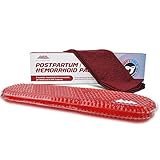
Overview: This versatile set includes two large gel bead packs and three washable sleeves designed for perineal and hemorrhoid relief. The flexible bead technology conforms to body contours while frozen, providing targeted cold therapy for postpartum recovery and beyond.
What Makes It Stand Out: The inclusion of three sleeves ensures continuous rotation while others are washed. The 12" x 3" size offers substantial coverage for perineal area, hemorrhoids, or other body parts. The dual hot/cold functionality extends utility beyond postpartum to sports injuries, waxing trauma, and general muscle pain, making it a long-term investment.
Value for Money: At $6.48 per pack with reusable sleeves, this set outperforms disposable ice packs economically. The multi-body-part functionality eliminates need for separate therapy products. While pricier than basic packs, the durability and washable components justify the cost within weeks of regular use.
Strengths and Weaknesses: Strengths include excellent contouring flexibility, generous sleeve supply, and multi-purpose design. The non-toxic gel and medical-grade PVC ensure safety during pregnancy and nursing. The slim profile allows discreet wear under clothing. Weaknesses involve the microwave heating increments (25 seconds) requiring careful monitoring to prevent burns. Some users report gel beads clumping after repeated use. The sleeves, while washable, may stretch over time. The price point may deter those seeking single-purpose postpartum relief.
Bottom Line: This comprehensive set is ideal for mothers wanting reusable, versatile therapy. The three-sleeve system and flexible design make it superior to basic packs, though users should monitor heating carefully and expect eventual wear.
10. Postpartum Cold Pack, Perineal Cooling Pad Pregnancy & Hemorrhoid Pain Relief, Postpartum Ice Pack Pads with 2 Washable Sleeves (Blue)

Overview: This budget-friendly set provides two reusable gel bead packs with two washable sleeves specifically for postpartum perineal and hemorrhoid relief. The flexible design promises immediate cold therapy right from the freezer without rigidness.
What Makes It Stand Out: The gel formula remains pliable when frozen, ensuring comfortable contouring to delicate areas. The resealable storage bag prevents freezer odor absorption and maintains hygiene. The brand’s commitment to one-day customer service response demonstrates strong support for new mothers who may have urgent questions.
Value for Money: At $2.66 per pack, this is one of the most economical reusable options available. The two-pack system allows alternating use while one refreezes. While lacking the extra sleeve of pricier competitors, the lower cost makes it accessible for budget-conscious families. Performance rivals more expensive brands.
Strengths and Weaknesses: Strengths include exceptional flexibility when frozen, effective swelling reduction, and immediate itch relief. The sleeve fabric is soft against tender skin, and the slim design enables discreet application. The resealable bag is a practical storage solution. Weaknesses are the limited sleeve quantity (only two), requiring more frequent washing. The heating instructions are less detailed than competitors, potentially causing safety concerns. Some users report packs losing coldness faster than bead-based alternatives. The blue color may stain light fabrics if leaked.
Bottom Line: This affordable cold pack set delivers reliable perineal relief with excellent flexibility and customer support. While sleeve quantity is limited, the performance and price make it a smart choice for targeted postpartum recovery.
Understanding Afterpains: What Every New Mom Should Know
Afterpains are nature’s way of helping your body heal, but that doesn’t make them any less uncomfortable. These uterine contractions typically begin immediately after delivery and can last anywhere from two to seven days, with intensity peaking around days two through four. Many first-time mothers are surprised by them, but they’re often more intense in subsequent pregnancies because the uterus has lost some of its muscle tone.
The pain manifests as cramping or menstrual-like discomfort in your lower abdomen, often radiating to your lower back. While breastfeeding, these sensations intensify dramatically due to oxytocin release—your body’s clever mechanism for both milk letdown and uterine contraction. Understanding that these pains serve a crucial purpose (preventing hemorrhage and promoting healing) can help you mentally reframe them, but effective pain management remains essential for your comfort and ability to care for your newborn.
Why Heat Therapy Works for Postpartum Cramping
Heat therapy operates on simple yet powerful physiological principles. When applied to your lower abdomen, warmth increases blood flow to the area, delivering oxygen and nutrients while flushing away waste products that contribute to pain sensations. More importantly for afterpains, heat relaxes smooth muscle tissue—including the uterine muscles responsible for those intense contractions.
Research published in obstetric journals consistently demonstrates that continuous low-level heat therapy can reduce postpartum pain scores by 30-50% without medication. Unlike painkillers that mask discomfort chemically, heat addresses the muscular source directly. The gentle warmth also stimulates sensory receptors in your skin, effectively blocking pain signals traveling to your brain through what’s known as the gate control theory. For nursing mothers seeking to minimize medication while managing pain effectively, this non-pharmacological approach offers a safe, evidence-based solution.
Types of Postpartum Heating Pads: Pros and Cons
Not all heating pads are created equal, and each category brings distinct advantages and limitations for postpartum recovery. Understanding these differences helps you make an informed decision based on your lifestyle, pain severity, and personal preferences.
Electric Heating Pads
Electric options provide consistent, controllable heat for extended periods. They plug into wall outlets and typically offer multiple temperature settings, making them ideal for home use during those first stationary recovery days. The main drawback? You’re tethered to an outlet, limiting mobility when you need to move around with your baby.
Microwaveable Heat Packs
Filled with materials like rice, flaxseed, or clay beads, these pads offer cordless convenience and can be used anywhere. They’re perfect for mothers who want to move between rooms or hold their baby while applying heat. However, they cool down gradually and require reheating every 20-30 minutes, which can be inconvenient during cluster feeding sessions.
Disposable Heat Wraps
These air-activated patches provide on-the-go relief without any cords or reheating. They’re discreet enough to wear under clothing during hospital discharge or first outings. The trade-off includes ongoing cost, environmental impact, and less intense heat output compared to reusable options.
Chemical Gel Packs
Reusable gel packs that can be heated in hot water or microwaved offer versatility, often doubling as cold therapy for perineal healing. Their flexible design conforms well to body contours, but maintaining consistent temperature requires more active management.
Electric Heating Pads: Features to Consider
When evaluating electric heating pads for postpartum use, several features separate basic models from those truly suitable for new mothers. Auto-shutoff functionality isn’t just a convenience—it’s a safety essential, especially when you’re sleep-deprived and might doze off during a feeding session. Look for models with at least a two-hour automatic shutoff to prevent overheating and skin irritation.
The heating element design matters significantly. Pads with evenly distributed heating wires prevent hot spots that could burn sensitive postpartum skin. Moist heat options, which allow you to dampen the pad slightly, penetrate deeper into tissues and often provide more effective relief for uterine cramps. Consider the cord length too; a six-foot minimum gives you flexibility to position yourself comfortably in bed or a nursing chair without straining the connection.
Digital controls with clear, backlit displays are invaluable during those 3 AM feeding sessions when you’re operating on minimal sleep. Some advanced models offer countdown timers and precise temperature readings rather than ambiguous low-medium-high settings—helpful for finding your therapeutic sweet spot without guesswork.
Microwaveable Heating Pads: What to Look For
The filling material dramatically impacts performance and safety. Organic fillings like rice and flaxseed retain heat well and provide a gentle, moist warmth, but they can develop a cooked smell over time and may harbor bacteria if not properly cared for. Clay beads offer excellent heat retention and are naturally odor-resistant, though they tend to be heavier. Synthetic gel beads provide consistent performance but may contain chemicals you’d prefer to avoid against healing skin.
Fabric choice is equally crucial. Natural, breathable cotton covers prevent excessive sweating and allow for easy washing—non-negotiable when dealing with postpartum bleeding and potential leaks. Avoid synthetic fabrics that trap heat against your skin, increasing burn risk. The seam construction should be robust enough to withstand repeated microwaving without bursting, and the pad should be sectioned into compartments to prevent the filling from shifting and creating uneven heat distribution.
Size and weight require careful consideration. A pad that’s too heavy can put pressure on a tender abdomen, while one that’s too small won’t provide adequate coverage. The sweet spot for postpartum use is typically a rectangular pad measuring 12x8 inches and weighing between 1.5 to 2.5 pounds—substantial enough to stay in place but not so heavy it causes discomfort.
Disposable Heat Wraps: When Convenience Matters
Disposable heat wraps operate through iron oxidation—essentially rusting slowly when exposed to air—which produces consistent low-level heat for 8-12 hours. For postpartum mothers, this technology offers unique advantages during the transition from hospital to home or when you need discreet relief while running essential errands. The ultra-thin design means you can wear them under maternity clothes without visible bulk.
However, the adhesive quality becomes critically important. Medical-grade adhesives designed for sensitive skin prevent irritation while ensuring the wrap stays positioned over your uterus during movement. Avoid wraps with strong fragrances or menthol additives, which can be overwhelming and potentially irritating to both you and your newborn during close contact.
The heat output of disposables is milder than electric or microwaveable options, making them suitable for background relief but potentially inadequate for managing peak pain episodes. They’re best viewed as a complementary option rather than your primary pain management tool. Consider the cost factor too—using them daily for a week can add up quickly compared to reusable alternatives.
Key Safety Features for Postpartum Use
Your postpartum body is more vulnerable than usual, making safety features non-negotiable. Overheating protection goes beyond auto-shutoff; look for pads with multiple redundant temperature sensors that cut power if the unit malfunctions. This is particularly important if you’re using pain medications that might dull your sensitivity to excessive heat.
Moisture resistance is another overlooked safety aspect. Postpartum sweating is common as your hormones fluctuate, and bleeding is expected. A heating pad with a water-resistant inner liner prevents internal electrical components from coming into contact with moisture, eliminating shock risk. The outer cover should be completely removable and machine washable for hygiene.
For mothers who delivered via C-section, ensuring the heating pad can be positioned without touching your incision is crucial. Some pads are designed with cutouts or flexible edges that accommodate surgical sites. Even for vaginal deliveries, you’ll want a pad that can target uterine cramps without putting pressure on perineal stitches or tears.
Material Matters: Fabric Choices and Skin Sensitivity
Postpartum skin often becomes more sensitive due to hormonal changes and stretching. Natural, hypoallergenic fabrics like organic cotton, bamboo, or hemp provide breathability and minimize irritation risk. These materials wick moisture away from your skin, preventing the maceration and heat rash that can occur with prolonged use.
The inner fill material also matters for skin contact. Some microwaveable pads use herbs like lavender or chamomile for aromatherapy benefits, but these can trigger allergies or sensitivities in both mother and baby. Unscented options are generally safer, especially during the early postpartum period when you’re still learning your baby’s sensitivities.
For electric pads, the heating element cover should be made from medical-grade materials that won’t off-gas when heated. Cheaper plastics can release volatile organic compounds (VOCs) when warmed, which you don’t want to breathe in during those long recovery sessions. Look for FDA-cleared or CE-marked devices that have undergone safety testing for direct skin contact.
Size and Coverage: Finding Your Perfect Fit
The ideal coverage area for postpartum afterpains extends from just below your navel to your pubic bone, approximately 6-8 inches vertically. Horizontally, you’ll want coverage that wraps slightly around your sides to address the full uterine area. A pad measuring 12x8 inches typically provides optimal coverage without being cumbersome.
Consider your body size and shape when selecting. Petite mothers may find standard pads overwhelming, while plus-size mothers might need longer pads to ensure adequate coverage. Some pads come in multiple sizes or offer adjustable straps that help customize the fit.
Shape design also influences effectiveness. Contoured pads that curve slightly around your lower abdomen distribute pressure more evenly and stay in place better when you’re shifting positions during nursing. Flat rectangular pads may bunch or gap, creating uneven heat distribution and requiring constant readjustment.
Temperature Control: Precision vs. Simplicity
The therapeutic temperature range for uterine cramp relief falls between 104°F and 113°F (40°C to 45°C). Below this range, you won’t get meaningful muscle relaxation; above it, you risk skin damage, especially with prolonged use. Advanced electric pads with digital displays allow you to set exact temperatures within this therapeutic window, giving you consistent relief without the guesswork.
Graduated heat settings (low, medium, high) are simpler but require more trial and error. Start on the lowest setting for 10-15 minutes to assess your skin’s response, then adjust upward as needed. Your pain level will fluctuate throughout the day—higher during breastfeeding sessions—so having easy adjustment controls is invaluable.
Some premium models offer programmable heat cycles, gradually increasing temperature to match your body’s natural pain patterns. This feature prevents the sudden jolt of intense heat while ensuring you receive adequate relief during peak cramping episodes.
Portability and Lifestyle Considerations
Your postpartum recovery doesn’t happen in one place. You’ll move between your bed, nursing chair, sofa, and eventually venture out for pediatrician appointments. A portable solution becomes essential for consistent pain management. Battery-operated electric pads offer the best of both worlds—consistent heat without outlet dependency—but typically run for only 1-2 hours before needing a recharge.
For true portability, consider having both a primary electric pad for home use and a microwaveable option for travel. The microwaveable pad can be heated at your destination (most offices and hospitals have microwaves) and provides relief during outings that might otherwise leave you uncomfortable.
Weight and packability matter when you’re already carrying a diaper bag filled with baby essentials. Some microwaveable pads compress flat when cool, taking up minimal space. Others come with travel pouches that keep them clean and contained between uses.
Cleaning and Maintenance: Keeping It Hygienic
Postpartum bleeding, sweat, and potential milk leaks create a hygiene challenge. Your heating pad must withstand frequent cleaning without degrading. Removable, machine-washable covers are the absolute minimum requirement. Look for covers that zip off completely and can be washed in hot water to kill bacteria.
The inner pad itself needs occasional cleaning too. For electric pads, wipe-down surfaces with medical-grade disinfectant wipes, ensuring no moisture penetrates the electrical components. Microwaveable pads with natural fillings can often be spot-cleaned and air-dried, but should never be submerged in water unless specifically designed for it.
Consider having multiple covers so you can use one while washing another. Some manufacturers sell replacement covers separately, which extends the life of your heating pad and ensures you always have a clean option ready during those busy early weeks.
Budget Considerations: Balancing Cost and Quality
While it’s tempting to opt for the cheapest option during expensive baby preparations, a quality heating pad is a worthwhile investment in your recovery. Basic electric pads start around $20, but models with essential safety features and durable construction typically range from $35-$60. Premium options with advanced controls and medical-grade materials can reach $80-$120.
Microwaveable pads offer excellent value, usually priced between $15-$30, with no ongoing operational costs. However, they may need replacement every 6-12 months with heavy use as the filling loses its heat-retention properties.
Disposable wraps seem inexpensive at $1-$2 per unit, but daily use for two weeks adds up to $14-$28—comparable to a reusable option that lasts for multiple pregnancies. Consider your family planning; if you anticipate more children, investing in a durable reusable pad makes financial sense.
When to Start Using a Heating Pad After Delivery
Most healthcare providers approve heat therapy beginning immediately after delivery, but timing depends on your specific circumstances. After vaginal delivery without complications, you can typically use a heating pad as soon as you feel comfortable, often within the first few hours. The warmth can actually enhance uterine involution by promoting blood flow.
For C-section mothers, wait until your medical team confirms it’s safe—usually after the first 24 hours and once your incision dressing is changed. Never place a heating pad directly on your surgical site; instead, position it above or below the incision to target uterine cramps without interfering with wound healing.
If you received epidural anesthesia, your skin may have reduced sensitivity for several hours. Test temperature carefully on a less sensitive area like your forearm before applying to your abdomen to prevent accidental burns.
Combining Heat Therapy with Other Recovery Methods
Heat therapy works synergistically with other postpartum recovery strategies. Pairing your heating pad with gentle abdominal binding or a postpartum support belt can provide additional comfort, as the compression helps support your contracting uterus while heat relaxes the muscles. Just ensure the binder isn’t so tight it restricts circulation.
Breathing exercises and positioning also enhance heat’s effectiveness. Practice deep diaphragmatic breathing while the heating pad is in place to maximize oxygen flow to healing tissues. Side-lying positions with a pillow supporting your abdomen can help the heating pad maintain contact while reducing pressure on tender areas.
Some mothers find alternating heat with brief cold therapy sessions helpful, particularly if experiencing swelling or inflammation. Never apply ice directly to your abdomen; instead, use a cold pack wrapped in a thin towel for 10-15 minutes, followed by your heating pad for 20-30 minutes. This contrast therapy can reduce inflammation while maintaining muscle relaxation.
Frequently Asked Questions
How long should I use a heating pad for afterpains each session?
Limit continuous use to 20-30 minutes per session, with at least a 30-minute break between applications. This prevents skin irritation and allows your tissues to respond to the therapy. During particularly intense cramping, you can use the heating pad more frequently, but always monitor your skin for redness or sensitivity.
Can I sleep with a heating pad on overnight?
No, you should never sleep with an electric heating pad due to burn and fire risks. If you need overnight relief, use a microwaveable pad that will naturally cool down within 30-45 minutes, or set an electric pad with a 30-minute auto-shutoff timer. Always remove the pad before falling asleep.
Will a heating pad affect my milk supply or harm my baby during breastfeeding?
Heat therapy applied to your abdomen has no impact on milk production or composition. The warmth doesn’t transfer through your body to affect breast tissue. Your baby is completely safe during nursing sessions while you use a heating pad—many mothers find the relief actually helps them relax and improves letdown.
How hot is too hot for postpartum skin?
Postpartum skin is more sensitive, so stay within the 104-113°F (40-45°C) therapeutic range. If your skin becomes red, blotchy, or you feel a burning sensation beyond comfortable warmth, it’s too hot. Always start on the lowest setting and test on your forearm first, especially if you have epidural-related numbness.
Can I use a heating pad if I had a C-section?
Yes, but with important modifications. Wait until your doctor approves, typically after 24 hours. Never place the pad directly on your incision; position it above your belly button or low on your abdomen, well below the surgical site. Use the lowest effective temperature and limit sessions to 15-20 minutes initially.
What’s the difference between dry heat and moist heat for afterpains?
Moist heat penetrates deeper into muscle tissue and provides more effective relief for uterine cramps. It also feels more comfortable on sensitive postpartum skin. Many electric pads offer moist heat options by spraying a light mist on the cover before use. Dry heat is still effective but may require higher temperatures to achieve the same muscle relaxation.
How do I clean my heating pad with postpartum bleeding occurring?
Use a removable, washable cover that you can launder daily in hot water. For the pad itself, wipe with disinfectant wipes after each use, paying attention to any spots that may have come through the cover. Never submerge an electric pad in water. Having multiple covers ensures you always have a clean one ready.
Are there any medical conditions that make heating pads unsafe postpartum?
If you have diabetes with neuropathy, certain vascular conditions, or are taking medications that affect skin sensation, consult your healthcare provider first. These conditions can reduce your ability to feel excessive heat, increasing burn risk. Women with severe anemia may also need to use lower temperatures due to reduced circulation.
Can heating pads help with postpartum back pain too?
Absolutely. The same heating pad you use for afterpains can be applied to your lower back for muscular back pain common after delivery and hours of breastfeeding. The versatility makes it a dual-purpose recovery tool. Just ensure you clean the pad between uses if switching from abdomen to back.
How many heating pads do I actually need for postpartum recovery?
Most mothers find one primary heating pad sufficient, but having a backup proves invaluable when you need to wash a cover or want heat in two locations (abdomen and back simultaneously). Consider one electric pad for home use and a smaller microwaveable option for portability. This two-pad system covers all scenarios without unnecessary expense.