Preparing for your first childbirth experience can feel like navigating uncharted waters, with countless decisions to make and preparations to consider. Among the most valuable yet often overlooked practices is perineal massage—a gentle, evidence-supported technique that can significantly reduce the risk of tearing and the need for episiotomy during vaginal delivery. But here’s what experienced doulas and midwives want every first-time mom to know: the oil you choose isn’t just a lubricant. It’s a therapeutic tool that can either enhance tissue elasticity and nourishment or, if chosen poorly, introduce irritants to one of your body’s most sensitive areas.
The right perineal massage oil becomes your partner in this intimate preparation journey, working synergistically with your body’s natural processes to increase blood flow, improve skin suppleness, and help you develop familiarity with the stretching sensations you’ll experience during birth. Yet walk down any pregnancy wellness aisle or scroll through online marketplaces, and you’ll encounter overwhelming options—organic this, cold-pressed that, with essential oils or without. This comprehensive guide cuts through the marketing noise to equip you with evidence-based knowledge about what truly matters in a perineal massage oil, empowering you to make a confident, informed choice that aligns with your body’s unique needs and your birth plan preferences.
Top 10 Perineal Massage Oils for First-Time Moms
Detailed Product Reviews
1. Motherlove Birth & Baby Oil (2 oz) Gentle Lavender-Infused Oil for Perineal, Labor & Baby Massage—Non-GMO, Organic Herbs
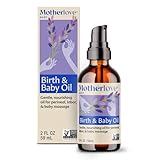
Overview: Motherlove Birth & Baby Oil is a versatile 2-ounce oil designed for both perineal massage during labor and gentle infant massage. Formulated with just two ingredients—non-GMO apricot oil and organic lavender flowers—it prioritizes simplicity and purity. The product carries impressive certifications including vegan, Non-GMO Project Verified, and Leaping Bunny cruelty-free status.
What Makes It Stand Out: This oil’s dual-purpose design eliminates the need for separate birth and baby products. Its minimalist two-ingredient formula offers transparency that appeals to ingredient-conscious parents. As a certified Women-Owned B-Corp, Motherlove demonstrates commitment to environmental and social responsibility. The organic lavender provides natural calming properties without synthetic fragrances.
Value for Money: At $6.50 per ounce, this oil sits in the mid-range price point. While cheaper alternatives exist, the multiple certifications and clean ingredient profile justify the cost. The 2-ounce size is adequate for perineal massage sessions and initial baby massage, though frequent users may need to repurchase.
Strengths and Weaknesses: Strengths include exceptional ingredient purity, versatile dual usage, strong ethical certifications, and gentle formulation for sensitive skin. Weaknesses are the small size, lavender scent that may not suit all preferences, and lack of clinical studies specific to tear prevention.
Bottom Line: Motherlove Birth & Baby Oil is an excellent choice for eco-conscious families seeking a clean, multi-purpose oil. Its ethical credentials and simple formulation make it worth the investment, particularly for those prioritizing natural ingredients over clinical validation.
2. Luna Daily Birth Prep Massage Oil for Pregnancy | Perineal Skin Prep with Jojoba, Vitamin E & Rosehip | Hydrating, Firming & Moisturizing | Gentle Massage for Birth Recovery & Stretch Support, 30ml

Overview: Luna Daily Birth Prep Massage Oil is a specialized 30ml formula designed specifically for perineal massage during late pregnancy. Developed with clinical backing, it aims to reduce childbirth complications through regular use from 34 weeks onward. The fragrance-free oil combines jojoba, vitamin E, and rosehip oils for skin preparation.
What Makes It Stand Out: The oil’s primary distinction is clinical research supporting claims of reducing perineal tears by 9% and episiotomies by 16%. A unique QR code provides access to massage techniques developed by dermatologists and gynecologists, offering professional guidance. The fragrance-free formulation caters to sensitive skin, while premium oils like rosehip boost elasticity.
Value for Money: At $32 for 30ml (approximately $32 per ounce), this is a premium-priced product. The cost reflects its clinically-tested formulation and specialized purpose. For parents prioritizing evidence-based interventions, the price may be justified, though budget-conscious buyers might find better value in less expensive oils.
Strengths and Weaknesses: Strengths include clinical validation, premium natural ingredients, fragrance-free formula, and expert-developed application guidance. Major weaknesses are the extremely high price point and small volume, making it one of the most expensive per-ounce options available. Its single-purpose design also limits versatility.
Bottom Line: Luna Daily is ideal for expectant mothers who value clinical evidence and are willing to invest in a specialized product. While expensive, its research-backed claims and professional guidance offer peace of mind that cheaper alternatives cannot match.
3. Irene Organics Belly Bundle – 5 Piece Pregnancy Skincare Gift Set with Organic Belly Butter & Natural Body Oil for Stretch Marks (5 piece set)
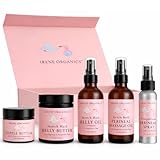
Overview: The Irene Organics Belly Bundle is a comprehensive 5-piece skincare system addressing the entire pregnancy and postpartum journey. This gift set includes Belly Butter, Belly Oil, Perineal Massage Oil, Cooling Perineal Spray, and a breastfeeding-safe Nipple Balm. Designed by a mom-owned brand, it offers clean, toxin-free solutions for stretch marks, birth prep, and recovery.
What Makes It Stand Out: The bundle’s all-in-one approach eliminates the need to research and purchase separate products. It uniquely covers both prenatal preparation and postpartum recovery in a single package. The inclusion of a cooling perineal spray and nipple balm demonstrates thoughtful consideration of the full maternity experience. As an award-winning, mom-founded brand, Irene Organics brings authentic understanding to product development.
Value for Money: At $99 for five products, each item costs approximately $19.80. While the upfront investment is significant, purchasing these items individually would likely exceed this price. The set offers excellent value for those needing all components, though it may be excessive for those seeking only perineal massage oil.
Strengths and Weaknesses: Strengths include comprehensive coverage, clean ingredient standards, thoughtful curation, and gift-worthy packaging. Weaknesses are the high initial cost and potential for unused products if specific items aren’t needed. The set cannot be customized.
Bottom Line: Perfect for first-time mothers or as a baby shower gift, this bundle provides peace of mind through its complete system approach. While pricey, it delivers value for those wanting a curated, pregnancy-safe skincare regimen without the research burden.
4. PURA 1st Wellness Professional Herbal Massage Oil, 8oz, Hypoallergenic Formula for Muscle Relief, Professional Deep Tissue Therapy, Massage Oil, Unscented, for Physical Therapy and Muscle Recovery
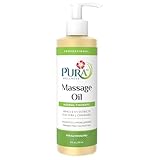
Overview: PURA 1st Wellness Professional Herbal Massage Oil is an 8-ounce, professional-grade formula designed for general therapeutic massage. Enriched with arnica extract and aloe vera, it targets muscle relief and skin hydration. The hypoallergenic, unscented formula suits various massage modalities including physical therapy, Swedish, and sports massage.
What Makes It Stand Out: This oil is trusted by wellness professionals for its quality and performance. Its water-dispersible formula ensures easy cleanup, while the pump bottle design allows convenient application. The hypoallergenic formulation, free from parabens, nut-oils, and gluten, makes it accessible to clients with multiple sensitivities. Compatibility with essential oils offers customization options.
Value for Money: At $1.62 per ounce, this represents exceptional value for a professional-grade product. The 8-ounce size provides ample supply for regular use, making it cost-effective for frequent massage therapy sessions. Comparable professional oils often cost significantly more.
Strengths and Weaknesses: Strengths include large size, professional quality, hypoallergenic formulation, excellent glide, and easy cleanup. Weaknesses are its general-purpose design—not specifically formulated for pregnancy or perineal massage—and the unscented nature may lack the aromatherapy benefits some desire.
Bottom Line: An outstanding choice for massage therapists and individuals seeking a versatile, professional-quality oil for muscle recovery and general bodywork. However, those specifically needing pregnancy-focused perineal massage should look elsewhere.
5. PURA 1st Wellness Professional 8oz Arnica Oil, 8oz, Massage Oil, Unscented Deep Tissue, Arnica, Hypoallergenic Arnica Oil for Physical Therapy and Muscle Recovery

Overview: PURA 1st Wellness Professional Arnica Oil is an 8-ounce therapeutic massage oil formulated with arnica extract and olive oil for deep tissue relief. Designed for professional use in physical therapy and sports massage, it offers targeted muscle recovery support. The hypoallergenic, unscented formula caters to sensitive clients and various treatment settings.
What Makes It Stand Out: The oil’s high concentration of arnica extract provides potent anti-inflammatory benefits ideal for postpartum recovery and injury rehabilitation. Trusted by wellness professionals, it delivers consistent performance across multiple massage modalities. The olive oil base offers additional skin nourishment, while the water-dispersible property simplifies cleanup. Its professional-grade formulation ensures reliable results.
Value for Money: Priced at $1.75 per ounce, this oil offers excellent value for professional-quality arnica massage oil. The 8-ounce bottle provides substantial product for regular therapeutic use, making it economical for both practitioners and home users seeking muscle relief.
Strengths and Weaknesses: Strengths include effective arnica formulation, large professional size, hypoallergenic properties, and smooth application. Weaknesses include lack of pregnancy-specific formulation, potentially heavy olive oil texture for some users, and no specialized guidance for perineal massage. The unscented formula may disappoint those expecting aromatherapy benefits.
Bottom Line: Ideal for postpartum muscle recovery and general therapeutic massage, this professional-grade arnica oil delivers excellent value. However, it’s not designed as a dedicated birth preparation product, so expectant mothers should consider pregnancy-specific alternatives for perineal massage.
6. Frida Mom Upside Down Peri Bottle + Perineal Medicated Witch Hazel Healing Foam for Postpartum Care, Perineal Recovery and Cleansing After Birth

Overview: The Frida Mom Upside Down Peri Bottle + Witch Hazel Healing Foam is a specialized postpartum care system designed to provide relief and promote healing after childbirth. This set addresses perineal trauma, hemorrhoids, and stitches with a two-pronged approach: a uniquely designed cleansing bottle and a medicated foam treatment. It’s specifically engineered for new mothers navigating the challenging recovery period with dignity and comfort.
What Makes It Stand Out: The bottle’s upside-down ergonomic design is a game-changer—no more awkward contortions to reach the right spot. The narrow angled neck delivers a continuous, targeted stream exactly where needed. The 10oz capacity and included waterproof storage bag transform it into a portable bidet for on-the-go relief. The medicated witch hazel foam provides comprehensive coverage from front to back, with the option to refrigerate for extra cooling comfort. A clever pro-tip suggests adding 1-2 drops of witch hazel to the bottle water for enhanced relief. The formula is free from harsh dyes and fragrances, using natural witch hazel to reduce swelling and accelerate healing.
Value for Money: At $21.45, this kit offers solid value compared to purchasing a standard peri bottle and witch hazel products separately. Hospital-issued bottles are often poorly designed and uncomfortable. The convenience of a purpose-built system that combines cleansing and treatment justifies the price point, especially when considering the physical and emotional comfort it provides during a vulnerable time.
Strengths and Weaknesses: Strengths include the innovative upside-down design, effective natural ingredients, portability, and comprehensive perineal coverage. The foam’s cooling relief is particularly beneficial. Weaknesses: the price may be steep for budget-conscious families, the foam can deplete quickly with frequent use, and some users may experience a learning curve with the angled applicator.
Bottom Line: This Frida Mom kit is an essential investment for expectant mothers. While slightly pricier than basic alternatives, its thoughtful design and effective relief make it invaluable for postpartum recovery. Highly recommended for hospital bag preparation and the weeks following delivery.
Understanding Perineal Massage: A First-Time Mom’s Essential Preparation
Perineal massage involves the gentle, manual stretching of the tissues between your vaginal opening and anus—the perineum—during the final weeks of pregnancy. Research published in the Journal of the American Medical Association suggests that regular perineal massage can reduce the likelihood of perineal trauma by up to 10% for first-time mothers. The practice helps increase tissue elasticity, improves circulation to the area, and mentally prepares you for the stretching sensations of crowning.
For first-time moms specifically, whose perineal tissues have never stretched for childbirth, this preparation is particularly crucial. Your body is creating new neural pathways and physical responses, making the choice of massage oil a foundational element of your success. The oil serves multiple purposes: reducing friction during massage, delivering nourishing compounds directly to skin cells, and creating a sensory association that can trigger relaxation during labor itself.
Why Your Choice of Massage Oil Matters More Than You Think
The Anatomy of Perineal Tissue and Oil Interaction
The perineal region comprises thin, delicate skin layered over dense connective tissue and muscle fibers. Unlike the skin on your arms or legs, this area has a higher concentration of nerve endings and is naturally more permeable—meaning substances applied here absorb more readily into your bloodstream. This heightened absorption is why your oil selection warrants careful consideration.
Quality massage oils do more than lubricate; they deliver fatty acids, vitamins, and antioxidants directly to the epidermal layer, supporting the skin’s natural collagen and elastin structure. The molecular size of oil compounds determines how deeply they penetrate, with smaller molecules like those in jojoba oil mimicking human sebum and absorbing efficiently, while larger molecules provide a protective surface barrier that locks in moisture during the massage process.
Key Factors to Consider When Selecting Perineal Massage Oils
Purity and Ingredient Sourcing
The gold standard for perineal massage oils begins with ingredient transparency. Look for oils with single-ingredient formulations or minimal, clearly labeled components. Cold-pressed, unrefined oils retain more of their natural therapeutic compounds compared to heat-processed alternatives. First-time moms should prioritize oils sourced from reputable suppliers who provide information about their extraction methods and origin.
Organic Certification: Is It Worth It?
While organic certification isn’t mandatory, it becomes significant for perineal application. Conventionally grown oil crops may carry pesticide residues that concentrate during extraction. Since perineal tissue absorbs substances efficiently, choosing USDA Organic or equivalent certification provides an extra layer of assurance. However, some small-batch, artisanal producers may use organic practices without formal certification—don’t hesitate to contact companies directly about their growing and processing standards.
Viscosity and Texture Preferences
Oil consistency dramatically affects massage technique effectiveness. Too thin, and you’ll need frequent reapplication, disrupting your rhythm. Too thick, and you may struggle with smooth, controlled movements. Medium-viscosity oils that spread easily while maintaining slight resistance allow for the sustained, gentle pressure needed to effectively stretch perineal fibers. Your personal comfort with texture matters enormously—if an oil feels unpleasant, you’re less likely to maintain the consistent practice needed for benefits.
Ingredients That Make or Break Your Perineal Massage Oil
Beneficial Natural Oils and Their Properties
The most effective perineal massage oils share common characteristics: high concentrations of vitamin E, essential fatty acids (especially omega-3 and omega-6), and natural anti-inflammatory compounds. These nutrients support cell membrane integrity and promote the tissue pliability that’s your primary goal. Oils rich in linoleic acid, such as sunflower or safflower oil, can particularly enhance skin barrier function in this sensitive area.
The Role of Vitamin E and Other Nutrients
Vitamin E (tocopherol) acts as both a skin-conditioning agent and a natural preservative, extending your oil’s shelf life while delivering antioxidant benefits directly to tissues. Some oils naturally contain vitamin E, while others have it added. For perineal massage, naturally occurring vitamin E in oils like wheat germ or argan oil may be preferable to synthetic additives, though both provide benefits. Other valuable nutrients include vitamin A for tissue repair and vitamin D for immune support in the perineal region.
Essential Oils: Pros, Cons, and Safety Concerns
While essential oils can add therapeutic aromatherapy benefits, they require extreme caution for perineal use. Many essential oils—tea tree, peppermint, cinnamon—can cause burning or irritation to mucous membranes. If you choose a scented oil with essential oils, ensure the concentration is below 1% and that the specific oils are safe for pregnancy and perineal application. Lavender and chamomile are generally considered safe when properly diluted, but unscented oils eliminate risk altogether for this sensitive area.
The Red Flag List: Ingredients to Avoid Completely
Synthetic Fragrances and Perfumes
The term “fragrance” on an ingredient list can mask dozens of undisclosed chemicals, including phthalates and other endocrine disruptors. For perineal massage, where absorption is high and tissue sensitivity is paramount, synthetic fragrances pose unnecessary risks. Even if you’ve used fragranced products elsewhere without issue, the perineum’s unique characteristics make this a non-negotiable exclusion.
Petroleum-Based Products and Mineral Oil
Despite their prevalence in traditional baby oils, petroleum derivatives like mineral oil create an occlusive barrier that can trap bacteria and interfere with the skin’s natural breathing process. They provide no nutritional benefit to tissues and may actually deplete vitamins from your skin over time. Additionally, the purification process for mineral oil can leave behind contaminants of concern for pregnancy.
Preservatives That Can Cause Irritation
Parabens, formaldehyde-releasing agents, and methylisothiazolinone have no place in perineal massage oils. While preservatives are necessary for water-based products, pure oil formulations naturally resist microbial growth. If your chosen oil contains preservatives, question why they’re needed and whether water has been introduced—both red flags for perineal use.
Carrier Oils Demystified: Finding Your Perfect Base
Fractionated Coconut Oil: Lightweight and Absorbent
Unlike regular coconut oil that solidifies at room temperature, fractionated coconut oil remains liquid, making it convenient for massage. Its small molecular structure allows quick absorption without heavy residue, though this means you may need to reapply more frequently. It’s generally non-comedogenic and has a long shelf life, but lacks the deep nourishment of more complex oils.
Sweet Almond Oil: The Classic Choice
A traditional favorite among midwives, sweet almond oil offers medium viscosity and excellent glide. Rich in vitamin E and fatty acids, it provides both lubrication and nutrition. The primary drawback: it’s a common allergen, particularly for those with nut sensitivities. If you have any history of nut allergies, patch testing is mandatory, and you may want to choose an alternative.
Jojoba Oil: Mimicking Natural Skin Sebum
Technically a liquid wax rather than an oil, jojoba’s composition closely resembles human sebum, making it exceptionally well-tolerated. It absorbs beautifully while providing lasting lubrication for massage techniques. Its natural stability means it rarely goes rancid, and its gentle nature suits even sensitive skin types. The trade-off is a higher price point and slightly less slip than dedicated massage oils.
Olive Oil: The Pantry Staple with Pros and Cons
Extra virgin olive oil’s accessibility makes it tempting, and research has validated its effectiveness for perineal massage. Its high oleic acid content provides excellent tissue nourishment. However, its heavier texture and distinct aroma may be off-putting, and lower-quality olive oils may be adulterated with other oils. If choosing olive oil, select high-quality, cold-pressed, organic varieties.
Scented vs. Unscented: Making a Sensory Decision
When Fragrance Enhances Relaxation
A subtle, natural scent can transform perineal massage from a clinical exercise into a relaxing ritual. Scents like vanilla or chamomile may help activate your parasympathetic nervous system, reducing tension that can counteract massage benefits. The key is ensuring any fragrance comes from natural sources at very low concentrations and that you personally find the scent calming rather than cloying.
Why Unscented Might Be Your Safest Bet
For first-time moms with unknown sensitivities or those prone to skin reactions, unscented oils eliminate variables. They allow you to focus entirely on the physical sensations and technique without olfactory distraction. Unscented oils also won’t interfere with any aromatherapy plans you have for labor itself, letting you establish separate scent associations for different birth stages.
Allergy Awareness and Skin Sensitivity Management
Common Allergens in Plant-Based Oils
Beyond nut oils, lesser-known allergens include calendula (for those with aster family allergies), arnica (when used undiluted), and certain seed oils. Even “hypoallergenic” labels don’t guarantee safety for perineal use. Your vulvar and perineal tissues have different immune responses than external skin, making them more reactive to proteins and compounds that might be tolerated elsewhere.
The Importance of Patch Testing
Never skip patch testing, even with seemingly benign oils. Apply a small amount to your inner forearm daily for three days, monitoring for redness, itching, or irritation. For perineal-specific testing, apply a tiny amount to the outer labial skin (not internally) and wait 24 hours. This two-step process catches both systemic allergies and localized sensitivities unique to genital tissue.
What to Do If You Experience a Reaction
If you notice burning, stinging, or developing rash, discontinue use immediately and rinse with cool water. Apply a plain, fragrance-free barrier like pure shea butter if irritation persists. Document the reaction and consult your healthcare provider before trying alternative oils. Keep the product label to identify which specific ingredient may have caused the issue.
Application Techniques for Maximum Benefit
Step-by-Step Self-Massage Method
Begin with thoroughly washed hands and trimmed nails. Apply a generous amount of oil to your thumbs and perineum. Insert thumbs about an inch into your vagina, pressing downward toward your rectum while spreading them apart in a U-shaped motion. Hold gentle pressure for 60-90 seconds, breathing deeply. The oil should facilitate smooth movement without pulling or dragging sensitive skin. Repeat for 5-10 minutes, 3-4 times weekly after 34 weeks gestation.
Partner-Assisted Approaches
If your partner is involved, communication becomes paramount. They should use their index fingers rather than thumbs, following your verbal guidance on pressure and location. The oil choice becomes even more critical here—opt for longer-lasting lubrication to minimize interruptions. Some couples find that a slightly thicker oil provides better tactile feedback for the partner, helping them gauge appropriate pressure.
Pressure Points and Duration Guidelines
Effective massage requires sustained, gentle pressure—never sharp or jabbing movements. The oil’s role is reducing friction so pressure translates to tissue stretch rather than skin abrasion. Start with lighter pressure, gradually increasing as tissues warm and relax. If you experience pain beyond mild discomfort, ease off. The oil should enable you to maintain consistent contact without readjusting your grip.
Creating Your Perineal Massage Routine
When to Start: Optimal Timing
Most healthcare providers recommend beginning perineal massage around 34 weeks gestation. Starting earlier doesn’t provide additional benefits and may cause unnecessary discomfort. Your oil choice should reflect this timeline—purchase fresh oil specifically for this period to ensure maximum potency and cleanliness. A 4-ounce bottle typically lasts the full 6-week preparation period.
Frequency Recommendations
Research supports 3-4 sessions per week, each lasting 5-10 minutes. Daily massage offers no proven advantage and may increase irritation risk. Your oil’s absorption rate should match this frequency—fast-absorbing oils might require reapplication mid-session, while slower-absorbing options provide consistent lubrication throughout. Find the rhythm that lets you focus on technique rather than constant re-oiling.
Integrating It Into Your Prenatal Care
Consider your perineal massage time as sacred self-care. Choose oils with sensory profiles that signal “relaxation time” to your brain. Some moms create a ritual: warm the oil between their palms, take three deep breaths, and set an intention for their birth. This psychological component is as valuable as the physical preparation, and your oil choice can anchor this ritual.
Special Considerations for Different Birth Plans
Vaginal Birth After Cesarean (VBAC)
For VBAC moms, perineal massage may be even more valuable, as your body hasn’t experienced vaginal stretching before. However, scar tissue from your cesarean can create fascial tension that affects perineal tissues. Choose oils with anti-inflammatory properties and consider slightly longer massage sessions to address these interconnected tension patterns.
Planned Home Birth vs. Hospital Birth
Home birth settings allow you to control your environment completely, making scent preferences more flexible. Hospital births may benefit from unscented oils that won’t conflict with sterile environments or bother staff. If planning a hospital birth, consider that some facilities have policies about scented products in labor rooms.
Water Birth Implications
If you’re planning a water birth, your perineal massage oil should rinse away cleanly without leaving residue that could affect water quality. Lighter oils like fractionated coconut or jojoba are ideal. Heavier oils might create a film that’s difficult to remove and could make surfaces slippery—consider your bathroom safety during at-home practice sessions.
Storage, Shelf Life, and Oil Maintenance
Proper Storage Conditions
Heat, light, and oxygen degrade oil quality rapidly. Store your perineal massage oil in a dark glass bottle (never plastic, which can leach chemicals) in a cool, dry place—your bedroom closet is ideal, not your steamy bathroom. Some oils benefit from refrigeration, though this makes them less immediately workable for massage.
Signs Your Oil Has Gone Rancid
Rancid oils develop a sharp, paint-like smell and may appear cloudy or thickened. Using rancid oil on perineal tissues introduces free radicals that can damage rather than nourish cells. Since you’ll use this oil for only 6-8 weeks, choose oils with shelf lives of at least one year when unopened. Write your purchase date on the bottle to track freshness.
Batch Freshness and Purchasing Tips
Buy from retailers with high turnover or directly from producers who bottle in small batches. Check for expiration or “best by” dates rather than just lot numbers. For the highest quality, consider oils packaged in nitrogen-flushed bottles that exclude oxygen until opening—this preservation method is worth seeking for perineal application.
Beyond the Oil: Complementary Birth Preparation Strategies
Pelvic Floor Exercises
While perineal massage improves tissue pliability, pelvic floor exercises strengthen the muscular support system. Your oil choice can support this integrated approach—massage after doing your Kegels when blood flow is already enhanced, allowing oil nutrients to distribute more effectively through well-perfused tissues.
Birth Positioning Practice
Practice your preferred birthing positions during massage sessions. Side-lying, hands-and-knees, and semi-reclined positions all change perineal tension patterns. Your oil should facilitate massage in whichever position you plan to use most during labor, so experiment during practice to ensure your chosen oil works across different angles.
Breathing Techniques
Coordinate your massage pressure with exhale phases of deep breathing. The oil’s sensory profile can enhance this mind-body connection—some moms find that lightly scented oils help them remember to breathe deeply when they catch the aroma. This creates a powerful conditioned response useful during actual labor.
Troubleshooting Common Concerns
If Massage Feels Uncomfortable
Discomfort often stems from insufficient lubrication or poor technique rather than the oil itself. However, some oils can cause transient stinging if they contain compounds that affect pH balance. If discomfort persists after adjusting pressure and amount, try a different oil base. Some women find switching from nut-based to seed-based oils eliminates unexplained irritation.
Addressing Hemorrhoids During Massage
Hemorrhoids can make perineal massage challenging. Choose oils with natural anti-inflammatory properties and avoid any pressure directly on hemorrhoidal tissue. Some oils, like witch hazel-infused preparations (used externally only), may provide dual benefits, though plain, high-quality carrier oils are safest for direct perineal contact.
Managing Pubic Symphysis Pain
If you’re experiencing pelvic girdle pain, your perineal massage technique may need modification. The oil you choose should facilitate very gentle, slow movements that don’t jar unstable joints. Some women find that warming the oil slightly (never hot) helps relax surrounding muscles, making the experience more comfortable.
Frequently Asked Questions
1. Can I use regular body lotion instead of oil for perineal massage?
No, regular body lotions contain water, preservatives, and often fragrances that can disrupt the delicate pH balance of vaginal and perineal tissues. They also absorb too quickly and don’t provide the sustained lubrication needed for effective stretching techniques. Stick to pure, single-ingredient oils specifically chosen for this purpose.
2. How much oil should I use during each massage session?
Start with about a teaspoon-sized amount, adding more as needed. The goal is to maintain a slick surface without excessive dripping. You’ll know you have enough when your thumbs or fingers glide smoothly without pulling skin, but not so much that you lose tactile feedback about tissue tension. Most women use 1-2 teaspoons total per session.
3. Is it safe to use essential oil blends marketed for “feminine wellness”?
Exercise extreme caution. Many “feminine wellness” blends contain essential oils at concentrations too high for perineal mucous membranes. Unless the product is specifically formulated and labeled for perineal massage during pregnancy with concentrations below 1% essential oils, it’s safest to use unscented carrier oils. The perineum absorbs essential oils directly into the bloodstream, where they can cross the placenta.
4. What if I’m allergic to all nut oils—what are my best options?
Excellent nut-free alternatives include sunflower seed oil, grapeseed oil, fractionated coconut oil, and jojoba oil. Sunflower oil is particularly well-tolerated and has a light texture ideal for massage. Always verify processing methods, as some oils may be processed in facilities that also handle nuts, potentially causing cross-contamination.
5. Can my partner use the same oil for perineal massage that I use for belly massage?
Yes, provided the belly oil is pure, unscented, and free from problematic ingredients. Many women successfully use the same high-quality oil for both purposes. However, if your belly oil contains essential oils for stretch marks, those may be too concentrated for perineal use. Check the ingredient list carefully—when in doubt, use separate products.
6. How do I know if an oil is truly organic and pure?
Look for third-party certifications like USDA Organic, which prohibits synthetic additives and requires traceable sourcing. Check for batch numbers and contact information on the label—reputable companies welcome questions. Pure oils should have a single ingredient listed. Be wary of vague terms like “natural” or “pure” without certification, as these aren’t regulated.
7. Should I warm the oil before use, and if so, how?
Warming can enhance comfort but isn’t necessary. If you choose to warm it, place the closed bottle in a bowl of warm (not hot) water for 5-10 minutes. Never microwave oils, as this destroys beneficial compounds and creates dangerous hot spots. Test the temperature on your inner wrist before application—oil should feel neutral, not warm. Room temperature oil is perfectly effective and eliminates burn risk.
8. Can perineal massage oils stain my sheets or clothing?
Most natural oils can stain fabrics, especially heavier oils like olive or castor oil. Protect surfaces with old towels or washable pads. If staining occurs, treat it promptly with dish soap (which cuts oil) before washing. Lighter oils like fractionated coconut oil are less prone to staining but still require care. Consider keeping a dedicated “massage towel” that’s not your best linen.
9. Is it normal for the oil to cause a mild tingling sensation?
A very mild, brief tingling can occur as blood flow increases, but persistent or uncomfortable tingling indicates irritation or an allergic reaction. Pure, high-quality carrier oils should feel neutral on tissues. If tingling occurs, discontinue use immediately and rinse the area. Some women mistake the sensation of increased circulation for irritation—true irritation feels more like burning or stinging and intensifies rather than fades.
10. What should I do with leftover oil after my baby is born?
If the oil remains fresh (smells neutral, looks clear), you can repurpose it for baby massage, provided it’s a gentle carrier oil like sweet almond or jojoba and contains no essential oils. Alternatively, use it as a body moisturizer or cuticle treatment. If you’re unsure about quality or the oil has been open for more than 3 months, it’s safest to discard it and purchase fresh oil for any postpartum perineal care needs.