Picture this: you’re in the grocery store parking lot, juggling bags and a wriggly toddler, when you realize the car seat harness is digging into your child’s shoulders. Again. That sinking feeling hits—you’ll need to rethread the entire system just to gain an inch. Traditional car seat harnesses require manual rethreading through tiny slots as your child grows, turning what should be a simple adjustment into a frustrating, time-consuming chore that’s often done incorrectly. Enter the game-changing innovation of no-rethread harness systems, a design revolution that lets you adjust the harness height with a single hand, often while your child remains comfortably seated.
For parents navigating the journey from 12 months to elementary school, these seats represent more than convenience—they’re a critical safety tool that ensures proper fit at every growth stage. As your toddler transforms from a compact 20-pounder to a lanky 65-pound kiddo, their car seat must adapt without compromise. This comprehensive guide dives deep into the mechanics, safety considerations, and practical wisdom you need to select and use the perfect no-rethread harness car seat for your growing child.
Top 10 No-Rethread Harness Car Seats for Growing Toddlers
Detailed Product Reviews
1. Graco Tranzitions 3-in-1 Harness Booster Car Seat, Forward Facing Car Seat, Highback, to Backless Booster, Proof

Overview: The Graco Tranzitions Proof is a versatile 3-in-1 harness booster designed for forward-facing toddlers through youth. It accommodates children from 26.5 to 100 pounds across three configurations: harness booster, highback booster, and backless booster, making it a practical solution for growing families who need extended use without buying multiple seats.
What Makes It Stand Out: This seat’s No-Rethread Simply Safe Adjust Harness System simultaneously adjusts the headrest and harness in one smooth motion, eliminating manual rethreading. Weighing significantly less than convertible seats, its portability shines for families with multiple vehicles or travel needs. The one-hand, 9-position headrest provides exceptional customization as your child grows through various stages.
Value for Money: At $149.90, this seat delivers excellent value for a 3-in-1 system. While it lacks rear-facing capability, it costs $50-100 less than all-in-one alternatives. The extended 6-year lifespan from toddler to youth justifies the investment, especially for parents who already have an infant seat and need a dedicated forward-facing solution.
Strengths and Weaknesses: Strengths include lightweight portability, easy no-rethread adjustments, multiple booster modes, and Graco’s trusted safety reputation. The 9-position headrest offers superior height accommodation. Weaknesses include no rear-facing option, limiting use for children under 26.5 pounds. The 40-pound minimum for booster mode may require some children to remain harnessed longer than desired. Installation can be tricky in some vehicles without premium LATCH features.
Bottom Line: An excellent choice for parents seeking a lightweight, adaptable forward-facing seat. Ideal as a secondary seat or for families prioritizing portability over all-in-one functionality.
2. Graco Tranzitions 3-in-1 Harness Booster Car Seat, Forward Facing Car Seat, Highback, to Backless Booster, Eloise

Overview: The Graco Tranzitions Eloise offers identical functionality to the Proof model, serving as a 3-in-1 forward-facing solution for toddlers transitioning to youth. Supporting children 26.5 to 100 pounds, it transforms from harness booster to highback and backless booster modes, providing years of use from a single purchase.
What Makes It Stand Out: Like its sibling, the standout feature is the No-Rethread Simply Safe Adjust Harness System that moves the headrest and harness together seamlessly. The Eloise fabric pattern provides a stylish, gender-neutral alternative for design-conscious parents. Its featherweight construction remains a key advantage for families constantly switching between vehicles or traveling frequently.
Value for Money: Priced at $149.99, it mirrors the Proof model’s exceptional value proposition. The negligible one-cent price difference reflects only the color variation, not functionality. This represents significant savings versus convertible seats, particularly for parents who already own rear-facing infant carriers and need a dedicated forward-facing option without breaking the bank.
Strengths and Weaknesses: Strengths mirror the Proof: effortless no-rethread adjustments, three-stage versatility, Graco reliability, and superior portability. The 9-position headrest ensures proper fit through growth spurts. Weaknesses include the absence of rear-facing capability and premium installation features. The 40-pound booster minimum may frustrate parents of eager-to-transition children. The Eloise pattern, while attractive, may show wear differently than solid colors and offers fewer design options.
Bottom Line: Identical to the Proof in performance, choose Eloise for aesthetic preference. A smart, economical choice for forward-facing needs without all-in-one bulk.
3. Joie Saffron SI 4-in-1 Car Seat – Car Seat for Infants to Toddlers to Big Kids - 4 Modes, 10-Position No-Rethread Headrest & Harness (Shale)
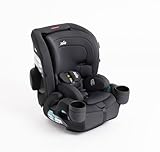
Overview: The Joie Saffron SI is a comprehensive 4-in-1 car seat covering every stage from infancy to big kid. It transitions from rear-facing infant seat (4-40 lbs) to forward-facing toddler seat (30-65 lbs), then to high-back (40-100 lbs) and backless booster (40-120 lbs), eliminating the need for multiple purchases and providing a decade of use.
What Makes It Stand Out: True 4-in-1 functionality includes rare rear-facing capability, meeting the newest side impact protection standards for enhanced safety. The GrowTogether 10-position no-rethread headrest and harness surpass most competitors in adjustment range. A 3-position recline ensures newborn comfort and proper installation angles, while integrated LATCH storage keeps connectors tidy when not in use.
Value for Money: At $249.99, it’s $100 more than basic 3-in-1 seats but eliminates buying separate infant and toddler seats. The extended 120-pound backless booster limit adds two additional years of use compared to standard 100-pound limits. For parents wanting one purchase from birth to age 10, this represents substantial long-term savings and convenience.
Strengths and Weaknesses: Strengths include complete 4-stage coverage, superior side impact protection, one-hand 10-position adjustments, recline options, and excellent weight range. Weaknesses include higher upfront cost, heavier weight reducing portability, and potentially complex installation for rear-facing mode. The fabric pattern may not suit all tastes, and the bulkier design challenges smaller vehicles.
Bottom Line: A premium all-in-one investment perfect for parents seeking maximum longevity and safety from day one. Worth the price for single-purchase convenience.
4. Safety 1st Grow and Go All-in-One Slim Convertible Car Seat, Rear Facing, 5-40 lbs, Forward Facing (30–65 lbs), High Back Booster Seat 40-100 pounds, Alaskan Blue

Overview: The Safety 1st Grow and Go delivers all-in-one protection from birth to booster in a space-saving slim profile. Supporting rear-facing (5-40 lbs), forward-facing (30-65 lbs), and high-back booster (40-100 lbs) modes, it combines extended use with practical cleaning features that busy parents will appreciate daily. The Alaskan Blue color offers a gender-neutral aesthetic.
What Makes It Stand Out: The QuickFit harness simplifies headrest and harness adjustments simultaneously with an intuitive system. Uniquely, it features a completely washer-and-dryer-safe seat pad with snap-off convenience—rare in car seats. Two dishwasher-safe cupholders and removable grow-with-me baby pillows add exceptional practicality for messy toddlers and infants alike, making cleanup effortless and maintaining hygiene.
Value for Money: At $159.99, it’s only $10 more than the Graco Tranzitions but includes rear-facing capability. This mid-range pricing undercuts premium brands by $80-90 while offering superior cleaning convenience. For parents prioritizing hygiene and extended use, the value is outstanding compared to buying separate seats or dealing with hand-wash-only pads.
Strengths and Weaknesses: Strengths include slim design fitting three-across, easy-clean removable pad, dishwasher-safe cupholders, included infant pillows, and three recline positions. Weaknesses include lack of backless booster mode, slightly lower quality padding than premium competitors, and basic LATCH system. The slim profile may compromise some side impact protection, and installation can be finicky in certain vehicles without professional help.
Bottom Line: An excellent mid-range choice for families wanting rear-facing capability and hassle-free cleaning. Perfect for multi-child households where space and maintenance matter most.
5. Chicco MyFit 2-in1 Harness Booster Car Seat, 5-Point Harness Car Seat and High Back Booster, for Children 26.5-100 lbs. | Iron/Black

Overview: The Chicco MyFit is a premium 2-in-1 harness booster focused exclusively on forward-facing safety and comfort. It converts from 5-point harness (26.5-100 lbs) to belt-positioning booster, prioritizing advanced protection and installation precision over all-in-one versatility for parents who demand top-tier engineering and safety assurance.
What Makes It Stand Out: Advanced Side Impact Protection (ASIP) meets stringent FMVSS 213a standards for superior crash safety. Premium LATCH connectors and LockSure belt-tightening system ensure rock-solid installation, while RideRight bubble levels and ReclineSure leveling guarantee proper vehicle fit every time. Space-saving design fits three-across with fold-away CupFolders that disappear when not needed, maximizing backseat space.
Value for Money: At $239.99, it’s priced near all-in-one seats but specializes in forward-facing excellence. The superior installation features and side impact protection justify the cost for safety-conscious parents. However, lack of rear-facing limits its value for families needing infant support, making it best as a second seat rather than primary purchase.
Strengths and Weaknesses: Strengths include best-in-class installation systems, advanced side impact protection, 9-position headrest, 4-position recline, space-saving design, and ergonomic ErgoBoost padding with dual-density foam. Weaknesses include no rear-facing mode, limited to high-back booster only, and premium pricing for a 2-in-1 seat. The weight limits overlap significantly between modes, potentially confusing transitions and reducing practical range.
Bottom Line: A top-tier safety-focused option for parents prioritizing installation confidence and side impact protection. Best as a dedicated forward-facing seat, not an all-in-one solution.
6. Graco TriRide 3-in-1 Reclining Car Seat, Kipling - Rear & Forward Facing Car Seat, Highback Booster, Adjustable Headrest

Overview: The Graco TriRide 3-in-1 delivers exceptional longevity, accommodating children from 5 to 100 pounds across three distinct modes. This versatile seat transitions seamlessly from rear-facing infant carrier to forward-facing harness seat and finally to a highback booster, potentially serving your family for a decade. The Kipling colorway offers a neutral, stylish aesthetic that complements most vehicle interiors.
What Makes It Stand Out: Graco’s ProtectPlus Engineering sets this seat apart, subjecting it to rigorous crash testing scenarios including frontal, side, rear, and rollover collisions. The innovative No-Rethread Simply Safe Adjust system synchronizes the headrest and harness adjustment in one smooth motion, eliminating the tedious rethreading process as your child grows. With ten headrest positions and six recline settings, customization is extensive.
Value for Money: At $199.99, the TriRide positions itself as a mid-range premium option. While pricier than basic convertible seats, it eliminates the need for separate booster purchases, potentially saving $50-$100 long-term. Comparable all-in-one seats often exceed $250, making this a financially sound investment for safety-conscious parents seeking one-and-done convenience.
Strengths and Weaknesses: Pros: Comprehensive ProtectPlus safety engineering; effortless no-rethread harness; generous weight/height ranges; six recline positions enhance comfort and installation flexibility.
Cons: Bulkier than slim-fit competitors; may not accommodate three-across seating; limited premium fabric options; installation can be challenging in smaller vehicles.
Bottom Line: The Graco TriRide 3-in-1 excels as a long-term safety solution for families prioritizing comprehensive protection and convenience. Despite its larger footprint, the advanced safety features and seamless adjustability justify the investment for parents seeking a single-seat solution from infancy through booster age.
7. Safety 1st Convertible Car Seat, Convert from Rear to Forward Facing and Belt-Positioning Booster, Dunes Edge, From Birth to Age 10, TriMate

Overview: The Safety 1st TriMate offers comprehensive 10-year usage from birth through childhood, supporting children from 5 to 100 pounds. Its ultra-slim 17-inch profile distinguishes it as a practical solution for growing families needing multiple seats. The Dunes Edge color provides a clean, modern appearance that resists showing wear over time.
What Makes It Stand Out: This seat’s standout feature is its space-saving design, enabling three-across installation in most vehicles without compromising safety or comfort. The one-hand, nine-position headrest adjustment with no-rethread harness simplifies daily use significantly. Visible belt paths and clear installation indicators reduce guesswork, while the memory-foam infant insert provides premium comfort for newborns.
Value for Money: Priced at $119.99, the TriMate represents exceptional value, undercutting many competitors by $80-$150. It includes features typically found in premium models—no-rethread harness, multiple recline positions, and machine-washable components—at a budget-friendly price point. The extended weight ranges and slim design add considerable value for multi-child households.
Strengths and Weaknesses: Pros: Ultra-slim profile fits three across; one-hand headrest adjustment; no-rethread harness; machine-washable, dryer-safe pad; dishwasher-safe cup holders; affordable price point.
Cons: Fewer recline positions than premium models; basic side-impact protection; harness straps may twist more easily; cup holders must be removed for three-across configuration.
Bottom Line: The Safety 1st TriMate delivers outstanding versatility and value for families needing multiple seats. While it lacks some premium safety certifications, its practical design, extended usability, and budget-conscious pricing make it an excellent choice for growing families prioritizing space efficiency and affordability.
8. Safety 1st Boost-and-Go 3-in-1 Harness Booster Car Seat, Dunes Edge
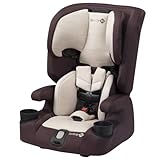
Overview: The Boost-and-Go 3-in-1 serves children from 30 to 100 pounds, transitioning from a forward-facing harness seat to both high-back and backless booster modes. Its lightweight, portable design makes it ideal for carpooling and travel. The Dunes Edge finish provides a versatile, gender-neutral aesthetic suitable for any family vehicle.
What Makes It Stand Out: This seat’s slim profile allows three-across installation while remaining remarkably lightweight at under 15 pounds, facilitating easy transfer between vehicles. The seven-position one-hand headrest adjustment ensures proper fit as children grow. Parents appreciate the removable, dishwasher-safe cup holders that simplify cleaning—a rarity in this price category.
Value for Money: At $94.49, this is among the most affordable 3-in-1 boosters available, offering savings of $40-$80 compared to similar models. While it lacks rear-facing capability, its extended harness and dual booster modes provide years of use. The combination of portability, adjustability, and premium cleaning features at this price point is unmatched.
Strengths and Weaknesses: Pros: Extremely affordable; slim design fits three across; lightweight and portable; dishwasher-safe cup holders; one-hand headrest adjustment; versatile 3-in-1 configuration.
Cons: No rear-facing mode limits infancy use; basic side-impact protection; harness can be difficult to tighten; seat pad not machine-washable; lacks premium safety certifications.
Bottom Line: The Safety 1st Boost-and-Go excels as a budget-friendly, portable solution for toddlers through big kids. While unsuitable for infants, its slim profile, easy adjustability, and exceptional price make it perfect for second cars, grandparents, or families needing multiple boosters without breaking the bank.
9. Graco SnugRide SnugFit Infant Car Seat, Baby Car Seat with Anti Rebound Bar for Extra Safety, No-Rethread Harness, LATCH Equipped Carseat, Baby Essentials, Gift for New Parents, Gotham

Overview: The Graco SnugRide SnugFit is a premium infant car seat designed for newborns from 4 to 30 pounds and up to 32 inches. This rear-facing-only carrier prioritizes safety with advanced features like an anti-rebound bar. The Gotham color scheme offers a sleek, urban aesthetic that appeals to modern parents seeking both style and substance in baby gear.
What Makes It Stand Out: The integrated anti-rebound bar provides crucial additional protection by limiting rearward rotation during frontal collisions—a feature rarely found in seats under $200. The No-Rethread Simply Safe Adjust system allows simultaneous headrest and harness adjustment while the baby remains seated. Four recline positions on the base ensure proper installation angles across various vehicle seats.
Value for Money: At $189.99, this seat competes directly with premium infant carriers. While more expensive than basic models, the anti-rebound bar and superior safety engineering justify the $30-$50 premium. The included infant supports and easy-adjust features add value, though parents will eventually need a convertible seat, making this a shorter-term investment than all-in-one options.
Strengths and Weaknesses: Pros: Anti-rebound bar enhances safety; no-rethread harness adjustment; four-position recline base; premium infant supports; LATCH equipped; relatively lightweight carrier.
Cons: Rear-facing only limits longevity; higher price for single-mode seat; base may be bulky in compact cars; canopy could be larger; handle adjustment can be stiff.
Bottom Line: The Graco SnugRide SnugFit is a top-tier infant seat for safety-focused parents. The anti-rebound bar and thoughtful adjustability features make it worth the premium price for newborns, though budget-conscious families might prefer a convertible seat for longer-term use. Ideal as a primary infant carrier or premium gift.
10. Safety 1st Ellaris 3-in-1 Convertible Car Seat, Slim Fit Design, Rear & Forward-Facing, 5-Position Headrest, 3-Across Fit, Travel-Friendly with Machine-Washable Seat Pad, Smokey Haze

Overview: The Safety 1st Ellaris 3-in-1 adapts from rear-facing infant seat to forward-facing harness, accommodating children from 5 to 65 pounds. Its slim profile enables three-across installation in most vehicles, while the Smokey Haze fabric offers a contemporary, stain-resistant appearance. This seat balances extended use with space-saving practicality for modern families.
What Makes It Stand Out: The Ellaris uniquely offers extended rear-facing up to 40 pounds, exceeding many competitors’ limits. Its airplane-ready certification and travel-friendly compact design make it ideal for flying families. The combination of machine-washable/dryer-safe pad and dishwasher-safe cup holders at this price point demonstrates exceptional practical value. Hook-style LATCH connectors simplify installation.
Value for Money: Priced at $99.99, the Ellaris delivers remarkable value, undercutting most convertible seats by $50-$100. While it lacks a dedicated booster mode, its extended rear-facing capability and premium cleaning features rival seats costing twice as much. For families prioritizing rear-facing safety and space efficiency, this represents outstanding budget-conscious engineering.
Strengths and Weaknesses: Pros: Ultra-affordable; extended 40-pound rear-facing limit; slim three-across design; machine-washable/dryer-safe pad; dishwasher-safe cup holders; airplane certified; easy hook-style LATCH.
Cons: No booster mode requires separate purchase later; only five headrest positions; basic side-impact protection; harness adjustment less smooth than premium models; limited recline options.
Bottom Line: The Safety 1st Ellaris is a standout budget convertible seat perfect for travel and multi-car families. While it won’t replace a booster eventually, its extended rear-facing capability, slim profile, and unbeatable price make it an excellent primary or secondary seat for safety-conscious parents on a budget.
What Exactly Is a No-Rethread Harness System?
A no-rethread harness is an integrated adjustment mechanism that moves the harness straps and headrest simultaneously as a single unit. Unlike traditional seats where straps must be physically removed from one set of slots and threaded through higher positions, these systems use a handle or lever to slide the entire assembly up or down. The harness straps remain permanently attached to a moving headrest or back panel, eliminating the need for manual rethreading entirely.
This technology addresses one of the most common car seat installation errors: incorrect harness height. When parents face the hassle of rethreading, they often delay adjustments or position straps incorrectly—either too low (compromising safety) or too high (creating discomfort). No-rethread systems remove this barrier, making proper fit as simple as squeezing a handle.
The Critical Safety Benefits for Growing Children
The primary safety advantage lies in consistent, correct positioning. A properly positioned harness ensures crash forces distribute across the strongest parts of your child’s body—the shoulders and hips—rather than vulnerable areas like the neck or abdomen. With traditional systems, the rethreading process introduces multiple opportunities for error: twisted straps, uneven height between left and right sides, or incomplete threading through all necessary layers.
No-rethread technology virtually eliminates these risks. The synchronized movement maintains perfect alignment between the headrest, which provides critical side-impact protection, and the harness position. As your toddler’s torso lengthens, you can make micro-adjustments during routine car rides, ensuring optimal protection without waiting for a “big enough” growth spurt to justify the rethreading hassle.
How No-Rethread Mechanisms Actually Work: The Mechanics
Understanding the engineering helps you evaluate quality differences between designs. Most systems operate through one of two primary mechanisms: a sliding headrest assembly or an integrated back panel system.
Front-Adjust Systems vs. Rear-Adjust Systems
Front-adjust mechanisms place the adjustment handle or button at the top of the headrest, easily accessible from the front of the seat. You simply squeeze or lift while pulling up or pushing down. Rear-adjust systems require accessing a handle behind the seat, which can be trickier in tight vehicle installations but often provide smoother vertical travel.
The internal components matter significantly. High-quality systems use metal reinforcement rods that guide the headrest along precise tracks, preventing wobble or misalignment. Cheaper designs may rely on plastic-on-plastic sliding, which can develop play over time and affect harness positioning accuracy.
Essential Safety Certifications and Standards
All car seats sold in the United States must meet Federal Motor Vehicle Safety Standard (FMVSS) 213, but that’s merely the baseline. Look for seats that also pass rigorous side-impact testing protocols, though standards for this remain voluntary. The best manufacturers conduct dynamic sled testing beyond federal requirements, simulating real-world crash scenarios at multiple impact angles.
European i-Size standards (R129) offer another benchmark, requiring advanced side-impact protection and mandatory rear-facing until 15 months. While US seats don’t need i-Size certification, models meeting these standards often demonstrate superior engineering. Additionally, check for steel-reinforced frames and energy-absorbing foam varieties like EPS (expanded polystyrene) or EPP (expanded polypropylene), which manage impact forces differently.
Installation Methods: LATCH vs. Seat Belt Systems
Proper installation is non-negotiable, and no-rethread convenience means nothing if the seat itself is loose. Most modern seats offer both LATCH (Lower Anchors and Tethers for Children) and seat belt installation paths. The no-rethread mechanism should never interfere with either method.
When to Stop Using LATCH
Here’s a critical detail many parents miss: LATCH systems have weight limits. Once your child reaches the combined weight of the seat plus child (typically 65 pounds, but check your vehicle manual), you must switch to seat belt installation. High-quality no-rethread seats clearly label this transition point and make the switch straightforward, with open belt paths that don’t require re-routing as the headrest moves.
Seat belt installations often provide a more secure fit in the long run, especially for heavier toddlers. Look for seats with lock-offs or integrated belt tensioners that help achieve that crucial <1 inch of movement at the belt path.
Understanding Weight and Height Capacity
No-rethread seats typically accommodate children from 22-25 pounds up to 65-85 pounds in harness mode, with height limits ranging from 49 to 57 inches. However, these numbers tell only part of the story. The harness height adjustment range—the distance between the lowest and highest positions—determines true longevity.
Measure your child’s seated torso height (from bottom to shoulders while sitting) and compare it to the seat’s harness slot range. A seat with 8 inches of vertical adjustment will serve a child through more growth spurts than one with only 5 inches. Some premium designs offer up to 10 adjustment positions, providing micro-customization that keeps the harness within the safe 1-inch-above-shoulder rule.
Achieving the Perfect Harness Fit Every Time
Even with no-rethread convenience, proper fit requires attention to detail. The harness should lie flat without twists, snug enough that you cannot pinch any slack at the collarbone, and positioned so the straps come from at or just above shoulder level for forward-facing riders.
The Pinch Test and Other Fit Checks
The “pinch test” remains the gold standard: attempt to pinch the harness webbing vertically at your child’s collarbone. If you can grasp any material, it’s too loose. For height, check that the headrest sits just above the shoulders—not so low that it pushes them forward, nor so high that it leaves a gap in side-impact protection.
Buckle position matters too. The chest clip should align with your child’s armpits, and the crotch buckle should be in the slot that positions it closest to—but not underneath—your child. Many no-rethread systems include adjustable crotch positions that must be rethreaded separately, so don’t overlook this component.
Comfort Elements That Impact Daily Use
A comfortable child is a safer child—fidgeting leads to loose harnesses and distracted driving. Look for seats with memory foam or gel-infused padding that doesn’t compress permanently over time. The fabric should breathe well, especially important for toddlers who still nap in their seats.
Fabric Choices and Climate Considerations
Mesh panels improve airflow in hot climates, while plush fabrics provide warmth in colder regions. Removable, machine-washable covers are essential, but check how easily they remove. Some no-rethread designs allow cover removal without uninstalling the seat, a massive convenience factor. Dark colors hide stains but absorb heat; light colors show dirt but stay cooler.
Armrest positioning affects comfort significantly. Adjustable armrests that move with the headrest prevent awkward arm positions as your child grows. Cup holders should be within reach but not interfere with harness adjustment mechanisms.
Beyond the Harness: Other Adjustability Features
The best no-rethread seats offer complementary adjustments that work in harmony. Recline positions that adjust without reinstallation accommodate different vehicle seat angles and sleeping toddlers. Some systems provide up to 9 recline options, clearly marked with bubble levels or angle indicators.
Headrest wings that automatically widen as they rise accommodate broader shoulders, preventing that squeezed feeling. The shell depth should also increase with height adjustments, providing adequate thigh support for longer legs. These synchronized movements indicate thoughtful engineering where all components work together rather than adjusting in isolation.
Cleaning and Maintenance Best Practices
Spills happen—frequently. No-rethread systems must be designed for easy cleaning without compromising the mechanism. Vacuum crumbs from the harness paths regularly, as debris can interfere with smooth adjustment. Use a damp cloth with mild soap on straps; never submerge them or use harsh chemicals that weaken the webbing.
Spot Cleaning vs. Machine Washing
While covers may be machine washable, always air dry to prevent shrinkage that could affect fit over the moving headrest. For the harness system itself, spot clean only. If straps become heavily soiled with something that can’t be wiped away (like vomit), contact the manufacturer—most will replace straps rather than risk compromised integrity.
Annually, work the adjustment mechanism through its full range while the seat is unoccupied to distribute lubrication and identify any developing stiffness. Store the manual in the seat’s designated pocket and register your purchase for recall notifications.
Avoiding Common Parental Errors
Even with simplified systems, mistakes persist. The most frequent error is forgetting to adjust the crotch buckle position as the child grows. A too-short crotch position causes the harness to pull upward on the child’s pelvis, creating discomfort and potential safety issues.
Another mistake is over-reliance on the no-rethread feature while neglecting harness tightness. Just because it’s easy to raise the headrest doesn’t mean you should skip the pinch test. Some parents also adjust the headrest too high, thinking it provides more “room,” when in reality it positions the harness straps too far above the shoulders, reducing effectiveness.
Never use aftermarket accessories that attach to the harness or headrest. Strap covers, head positioners, or “comfort” inserts not approved by the seat manufacturer can interfere with the precise fit and void warranties.
Transition Timeline: When to Move On
The no-rethread harness serves until your child reaches either the weight limit, height limit, or their shoulders exceed the top harness position—whichever comes first. Most children outgrow seats by height long before weight. Once the harness can no longer sit at or above the shoulders, it’s time to transition.
However, resist the urge to move to a booster prematurely. Children under 40 pounds or those who cannot sit properly for entire trips (slouching, reaching, playing with the belt) benefit from extended harness use. Many no-rethread seats now accommodate kids to 65 pounds and 49+ inches, often allowing harness use until age 6-7.
Travel-Friendly Design Considerations
If you fly frequently, weight matters. Premium no-rethread seats can weigh 25-30 pounds, making airport navigation challenging. Look for designs with smooth bottom surfaces that slide easily across security belts and compact footprints that fit in narrow airplane seats.
FAA approval is mandatory for air travel—check for the sticker on the seat. The no-rereadjustment feature proves especially valuable during travel when you’re adjusting between different vehicles (rental cars, taxis, relatives’ cars) frequently. Some seats include travel bags that protect the adjustment mechanism from damage during baggage handling.
Evaluating Cost vs. Long-Term Value
No-rethread seats typically cost $50-$150 more than comparable rethread models. Calculate cost-per-year by dividing the price by the likely usage period (4-6 years). A $300 seat used for 5 years costs $60 annually—far less than replacing a cheaper seat when frustration mounts or when improper fit necessitates early replacement.
Consider the seat’s potential for multiple children. High-quality no-rethread systems maintain smooth operation through years of daily adjustments, making them excellent hand-me-downs. Check expiration dates (usually 7-10 years from manufacture) and ensure the mechanism warranty covers at least that long.
Frequently Asked Questions
1. Can I adjust the no-rethread harness while my child is sitting in the seat?
Yes, that’s precisely the design advantage. Most systems allow one-handed adjustment with your child buckled in, though you should always loosen the harness first, raise or lower the headrest, then retighten to ensure proper fit.
2. What happens if the adjustment mechanism gets stuck?
First, check for debris or twisted straps blocking the path. Gently work the mechanism up and down while applying steady pressure. If it remains stuck, discontinue use and contact the manufacturer—do not attempt to disassemble or force it, as this could compromise safety.
3. Are no-rethread harnesses as safe as traditional rethread systems?
When properly designed and used correctly, they are equally safe and often safer because they encourage more frequent, accurate adjustments. The key is purchasing from reputable manufacturers who engineer the moving components to maintain structural integrity during crashes.
4. Do all no-rethread seats also have no-rethread crotch buckles?
No, many require manual crotch buckle rethreading as a separate step. Some premium models offer tool-free crotch adjustments, but this is less common. Always check both harness and buckle adjustment methods before purchasing.
5. How often should I adjust the harness height?
Check the position monthly, but adjust whenever the harness sits more than one inch below the shoulders (forward-facing) or when you notice slack during the pinch test. Growth spurts can happen overnight, so make it part of your routine.
6. Will the moving parts wear out over time?
Quality seats use durable materials designed for thousands of adjustments. However, plastic components can develop play after years of heavy use. Register your seat to receive recall notices and inspect the mechanism annually for smooth operation.
7. Can I use a no-rethread seat for a newborn?
Most no-rethread seats are designed for toddlers 22+ pounds and have harness slots that start too high for infants. While a few convertible models work from birth, dedicated infant seats or convertible seats with very low bottom slots are safer for newborns.
8. Does the no-rethread mechanism add weight to the seat?
Minimal extra weight—typically 1-3 pounds compared to similar rethread models. The mechanism itself is lightweight, though premium seats with metal reinforcement may weigh more overall due to other safety features.
9. What if my vehicle’s headrest interferes with the seat’s adjustment?
Some vehicles have protruding headrests that block high-position adjustments. Try raising your vehicle’s headrest or removing it if the manual allows. If interference persists, that seat may be incompatible with your vehicle—test this before purchasing.
10. Are there any special considerations for using these seats in cold weather?
Always remove bulky coats before buckling. The no-rethread mechanism works independently of clothing, but thick layers create dangerous harness slack. Adjust the harness for a snug fit over thin layers, then place a blanket over the secured harness for warmth.