When your little one’s delicate bottom becomes red, irritated, and uncomfortable, finding the right diaper rash cream becomes an urgent priority. For vegan parents, this search carries an additional layer of complexity beyond simply soothing sensitive skin. The majority of conventional barrier creams contain lanolin, a waxy substance derived from sheep’s wool that’s celebrated for its protective qualities but fundamentally incompatible with a vegan lifestyle. This creates a unique challenge: how do you protect your baby’s most sensitive skin while staying true to your ethical commitments?
The good news is that the landscape of vegan skincare has evolved dramatically, and today’s market offers sophisticated, plant-based alternatives that match—or even exceed—the performance of traditional formulations. Understanding what to look for, what to avoid, and how these vegan alternatives actually work will empower you to make informed decisions for your baby’s comfort and your peace of mind. This comprehensive guide dives deep into the science, ethics, and practical considerations of selecting lanolin-free diaper rash solutions that align with vegan principles without compromising on efficacy.
Top 10 Lanolin-Free Diaper Rash Creams for Vegans
Detailed Product Reviews
1. The Honest Company Hypoallergenic Diaper Rash Cream, Moisturizing, Calming Zinc Oxide Ointment, NEA Recognized Cruelty-Free, 2.5 oz

Overview: This diaper rash cream from The Honest Company delivers a zinc oxide-based solution designed to treat and prevent diaper rash while maintaining strict clean ingredient standards. The 2.5-ounce tube features a gentle formula that glides smoothly onto delicate skin, creating a protective barrier against moisture. Made in the USA and physician-tested, it targets irritated skin with a proprietary Soothing Phyto-Blend, offering parents peace of mind with its hypoallergenic, cruelty-free certification.
What Makes It Stand Out: The National Eczema Association recognition sets this apart from standard diaper creams, validating its suitability for highly sensitive skin. The rapid-relief zinc oxide formula works quickly to seal out wetness while the plant-based Phyto-Blend supports natural skin barrier recovery. Its commitment to excluding silicones, parabens, lanolin, petrolatum, mineral oil, and synthetic fragrances makes it ideal for parents avoiding petroleum-derived ingredients and common irritants.
Value for Money: At $3.95 per ounce, this sits in the mid-to-premium range. While pricier than conventional drugstore options, the clean formulation and third-party certifications justify the cost for ingredient-conscious families. The 2.5-ounce size is travel-friendly but may require frequent repurchasing for daily prevention use, potentially making larger sizes more economical long-term.
Strengths and Weaknesses: Strengths: NEA-recognized for sensitive skin; clean, petroleum-free formula; cruelty-free and made in USA; smooth application; rapid zinc oxide relief. Weaknesses: Small size runs out quickly with regular use; higher cost per ounce than basic creams; may need reapplication for severe rashes.
Bottom Line: An excellent choice for parents prioritizing clean ingredients and third-party validation. While not the cheapest option, its gentle yet effective formula and reputable certifications make it worth the investment for babies with sensitive or irritation-prone skin.
2. The Honest Company Head to Toe Multi-Purpose Healing Ointment, Safe for Sensitive Skin, Hypoallergenic, Fragrance-Free, Vegan, 5 oz

Overview: This versatile healing ointment transcends typical diaper rash treatments, functioning as an all-purpose skin salve for the entire family. The 5-ounce tube contains an allantoin-powered, vegan formula designed to address everything from minor burns and scrapes to severely dry, cracked skin. Accepted by the National Eczema Association and formulated without beeswax, fragrances, or petrolatum, it provides a plant-based alternative to traditional petroleum jelly.
What Makes It Stand Out: Its multi-functionality distinguishes it from single-use diaper creams. The allantoin-based formula promotes cell regeneration while shea butter and sunflower seed oil reinforce the skin barrier. Unlike many healing balms, it achieves a rich, protective texture without animal-derived beeswax or petroleum byproducts, making it uniquely suitable for vegan households and those with lanolin sensitivities.
Value for Money: At just $1.56 per ounce, this offers exceptional value—especially given its versatility. The 5-ounce quantity provides substantially more product than typical diaper creams at a lower price point per ounce. Families can replace multiple specialized products with this single tube, generating significant savings while maintaining clean ingredient standards.
Strengths and Weaknesses: Strengths: Incredible value per ounce; multi-purpose for whole family; vegan and beeswax-free; NEA-accepted; large size lasts long; effective for extreme dryness. Weaknesses: Not specifically formulated for diaper rash (lacks zinc oxide); thicker texture may feel greasy; less targeted for severe rash treatment.
Bottom Line: A budget-friendly, versatile staple that belongs in every family’s medicine cabinet. While it won’t replace zinc oxide creams for active diaper rash, it’s unparalleled for daily protection, dry skin relief, and families wanting maximum utility from a clean, vegan formula.
3. The Honest Company Hypoallergenic Diaper Rash Cream, Moisturizing, Calming, Zinc Oxide Ointment, NEA Recognized, Cruelty-Free, Value Size, 6 oz

Overview: This value-sized version of The Honest Company’s popular diaper rash cream delivers the same trusted zinc oxide formula in a more economical 6-ounce package. Designed as a daily diaper bag essential, it maintains the brand’s commitment to clean, gentle ingredients while providing extended use for busy parents. The formula glides on effortlessly, creating a protective moisture barrier infused with the signature Soothing Phyto-Blend to calm irritated skin and support barrier restoration.
What Makes It Stand Out: The 6-ounce size addresses the primary drawback of its smaller counterpart—frequency of repurchase—while dropping the per-ounce cost significantly. It retains all premium features: NEA recognition, cruelty-free certification, physician testing, and exclusion of petroleum derivatives, silicones, and synthetic fragrances. This makes it one of the few value-sized options that doesn’t compromise on clean ingredient integrity.
Value for Money: At $2.83 per ounce, this represents a 28% savings compared to the 2.5-ounce tube. For families using diaper cream preventatively at each change, the larger size offers substantial long-term value. The price remains competitive with premium natural brands while delivering more product, reducing packaging waste and shopping trips.
Strengths and Weaknesses: Strengths: Excellent cost savings per ounce; same trusted NEA-recognized formula; larger size reduces repurchase frequency; clean, petroleum-free ingredients; smooth application. Weaknesses: Bulkier for diaper bags; higher upfront cost; may expire before use for occasional users; same reapplication needs for severe rashes.
Bottom Line: The smart choice for committed users of The Honest Company’s diaper cream. The value size delivers identical quality with superior economy, making it ideal for daily preventative use. Parents should purchase this version unless portability is the absolute priority.
4. Pipette Diaper Rash Cream - Relieve & Prevent Diaper Rash with Non-Nano Zinc Oxide, Fragrance-Free Baby Butt Cream, Non-Toxic Daily Protective Balm, 3 fl oz

Overview: Pipette’s diaper rash cream positions itself as a scientifically-developed solution created with input from biologists, pediatricians, and dermatologists. The 3-ounce tube features non-nano zinc oxide as its active ingredient, avoiding petroleum-derived components entirely. Formulated specifically for the most sensitive newborn skin, this fragrance-free balm creates a breathable moisture barrier while delivering antioxidant-rich shea butter to nourish delicate skin. Its vegan, cruelty-free status appeals to ethically-minded parents.
What Makes It Stand Out: The non-nano zinc oxide formulation addresses concerns about nanoparticle absorption, offering peace of mind for safety-conscious parents. Its development team of medical and biological experts provides credibility beyond typical marketing claims. The petrolatum-free and lanolin-free formula uses innovative alternatives to create an effective barrier, while the moisture-rich texture reportedly glides on more easily than traditional thick pastes, improving application experience.
Value for Money: At $6.53 per ounce, this is the most expensive option reviewed. The premium pricing reflects its specialized non-nano formulation and expert development team. While cost-prohibitive for budget-conscious families, parents prioritizing avoidance of nanoparticles and petroleum derivatives may find the price justified for their specific concerns.
Strengths and Weaknesses: Strengths: Non-nano zinc oxide; developed by medical experts; excellent glide and spreadability; truly petrolatum-free; vegan and cruelty-free; suitable from newborn stage. Weaknesses: Highest cost per ounce; smaller size limits value; brand recognition lower than competitors; may require more product for thick barrier coverage.
Bottom Line: A premium, thoughtfully-engineered option for parents specifically seeking non-nano formulations and petroleum-free alternatives. While expensive, its expert-backed development and superior application texture make it worthwhile for newborns and those with extreme ingredient sensitivities, despite the higher investment.
5. BOTAO Baby’s Natural Diaper Cream | Organic Diaper Cream EWG Verified | Naturally Soothes Baby Rashes | Baby zinc Ointment Natural | For Sensitive Skin with Aloe Vera & Calendula, 2.5Oz

Overview: BOTAO’s EWG Verified diaper cream offers an organic-focused approach to treating and preventing diaper rash. This 2.5-ounce tube combines zinc oxide with botanicals like aloe vera, chamomile, and calendula to create a 99% natural formula. Specifically designed for delicate newborn skin, the cream absorbs easily while forming a protective barrier. The EWG Verification provides rigorous third-party validation of ingredient safety and transparency, setting it apart in a crowded market of “natural” claims.
What Makes It Stand Out: EWG Verification represents the gold standard for ingredient safety assessment, exceeding typical marketing claims. The formula’s high natural ingredient percentage (99%) and inclusion of organic botanicals provide targeted anti-inflammatory benefits. Its lightweight, easily absorbed texture prevents the heavy, pasty feeling common to zinc creams while still delivering effective protection. The vegan, cruelty-free positioning without harsh chemicals appeals to environmentally conscious families.
Value for Money: At $3.96 per fluid ounce, BOTAO sits competitively priced against Honest Company’s standard size, despite offering EWG Verification and organic ingredients. This represents strong value for the level of third-party certification and organic content. While slightly more expensive than basic creams, the verification and botanical formulation justify the modest premium for quality-focused parents.
Strengths and Weaknesses: Strengths: EWG Verified for rigorous safety; 99% natural with organic botanicals; lightweight, non-greasy texture; vegan and cruelty-free; effective for sensitive skin; competitive pricing for certification level. Weaknesses: Smaller tube size; brand less mainstream; may need frequent reapplication; limited availability in physical stores.
Bottom Line: An outstanding choice for parents who value third-party verification and organic ingredients without premium pricing. The EWG seal provides unmatched transparency assurance, while the botanical blend delivers gentle, effective relief. Highly recommended for those wanting maximum ingredient accountability at a fair price.
6. Pipette Diaper Rash Cream - Relieve & Prevent Diaper Rash with Non-Nano Zinc Oxide, Fragrance-Free Baby Butt Cream, Non-Toxic Daily Protective Balm, 3 fl oz (2 Pack)
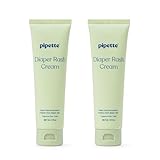
Overview: This two-pack offering from Pipette delivers a modern, science-backed approach to diaper care. The fragrance-free formula centers on 14% non-nano zinc oxide combined with sugarcane-derived squalane and açaí berry sterols, creating a protective barrier without traditional petrolatum or lanolin. Designed for proactive prevention rather than just treatment, the cream promises easy application and cleanup while maintaining skin’s natural balance.
What Makes It Stand Out: Pipette distinguishes itself through its commitment to clean, vegan ingredients that don’t compromise performance. The non-nano zinc oxide provides broad protection without nanoparticle concerns, while the innovative use of açaí sterols as a petrolatum alternative appeals to eco-conscious parents. The inclusion of squalane offers superior moisturization that mimics skin’s natural oils, and the two-pack bundling provides convenience for multi-room use or backup storage.
Value for Money: At $4.00 per fluid ounce, this sits in the premium tier, though the two-pack structure softens the sticker shock. You’re paying for ingredient transparency and clean formulation rather than bulk volume. Compared to conventional creams, it’s expensive, but competitive with other “clean” brands offering similar vegan, petrolatum-free promises.
Strengths and Weaknesses: Pros: Truly clean ingredient profile; vegan and cruelty-free; easy glide-on application; effective moisture barrier; two-pack convenience; fragrance-free for sensitive skin. Cons: Lower zinc oxide percentage (14%) may be less effective for severe rashes; higher cost per ounce; requires liberal application for best results.
Bottom Line: Ideal for parents prioritizing clean, sustainable ingredients and prevention. While not the cheapest or most potent option, it excels as a daily protective balm for babies with generally healthy skin needing maintenance rather than intensive treatment.
7. CeraVe Diaper Rash Cream, Baby Healing Ointment for Extra Dry, Cracked Skin, Diaper Cream with Ceramides & Vitamin E, Lanolin, Fragrance, Paraben, Dye, Phthalates & Sulfate Free, 3 Ounce
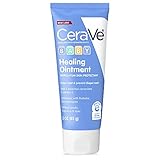
Overview: CeraVe brings its dermatologist-trusted heritage to diaper care with this healing ointment formulated specifically for extra dry, cracked skin. The 3-ounce tube combines petrolatum with hyaluronic acid and three essential ceramides to create a multi-layered approach to barrier protection and moisture retention. Developed with pediatric dermatologists and bearing the National Eczema Association Seal of Acceptance, this fragrance-free formula targets babies with sensitive or eczema-prone skin.
What Makes It Stand Out: The ceramide complex sets this apart, addressing the underlying skin barrier weakness that contributes to diaper rash. Unlike simple zinc oxide creams, it rebuilds skin’s natural lipid structure while providing immediate protection. The non-greasy, silky texture is unusually elegant for a barrier cream, making application pleasant rather than messy. The pediatric dermatologist involvement and NEA seal provide professional credibility that few competitors match.
Value for Money: At $3.33 per ounce, this offers excellent value for a dermatologist-developed, clinically-accepted formula. It’s priced competitively with mid-tier brands while delivering premium credentials. The concentrated nature means a little goes further than cheaper, less sophisticated alternatives, stretching the 3-ounce tube’s lifespan.
Strengths and Weaknesses: Pros: NEA Seal of Acceptance; ceramide-enriched for barrier repair; non-greasy texture; developed with pediatric dermatologists; free from common irritants; effective for eczema-prone skin. Cons: Contains petrolatum (a drawback for some parents); smaller 3-ounce size runs out quickly; may be too thin for severe, weeping rashes.
Bottom Line: A top choice for babies with sensitive, eczema-prone, or compromised skin barriers. The dermatological backing and ceramide technology justify the slightly higher price over basic creams, making it a smart investment for problematic skin.
8. Babo Botanicals Sensitive Baby Fragrance-Free Diaper Cream - 25% Natural Zinc Oxide - Calendula, Shea & Cocoa Butter - EWG Verified - Vegan- from Birth on - 6 Ounce Jar

Overview: Babo Botanicals delivers a powerhouse formula with 25% natural zinc oxide in a generous 6-ounce jar, making it one of the most potent and sizable options available. This EWG Verified, fragrance-free cream eliminates essential oils and synthetic fragrances, targeting babies with extreme sensitivities from birth onward. The plant-based formula incorporates calendula, shea butter, and cocoa butter for a nourishing, protective experience that’s explicitly cloth-diaper friendly.
What Makes It Stand Out: The 25% zinc oxide concentration is notably higher than most competitors, providing robust protection for severe rashes or heavy wetters. EWG Verification offers third-party validation of ingredient safety that discerning parents value. The cloth-diaper compatibility is a critical differentiator, as many zinc creams cause repelling issues. The large jar size provides exceptional quantity for the price point, and the vegan, cruelty-free positioning appeals to ethically-minded consumers.
Value for Money: At $3.92 per ounce, the value proposition is strong when considering the high zinc content and large 6-ounce volume. While the upfront cost is higher than drugstore brands, the cost-per-use is economical due to the concentration and quantity. Premium natural ingredients and certifications typically command higher prices, making this reasonably priced within its category.
Strengths and Weaknesses: Pros: High 25% zinc oxide concentration; EWG Verified; cloth-diaper safe; large 6-ounce size; vegan and cruelty-free; suitable from birth; rich, creamy texture. Cons: Jar packaging less hygienic than tubes; thick consistency may be harder to spread; overkill for mild rashes; higher initial investment.
Bottom Line: Perfect for cloth diapering families or babies prone to severe rashes who need maximum protection. The high zinc content and clean credentials make it worth the premium, though tube packaging would improve convenience.
9. Motherlove Diaper Balm (1 oz) Organic Herbal Diaper Rash Cream—Cloth Safe, Zinc Oxide- Petroleum-Free—Ideal diaper Bag Size

Overview: Motherlove takes a radically different approach with this 1-ounce organic herbal balm that contains no zinc oxide or petroleum, relying instead on traditional botanicals like Oregon grape root, myrrh gum, yarrow, and calendula infused in olive oil and beeswax. This USDA Certified Organic formula creates a breathable, restorative barrier using time-honored herbal wisdom rather than modern mineral barriers. The tiny jar is designed for diaper bag portability and targeted treatment.
What Makes It Stand Out: The completely zinc-free, petroleum-free formulation is exceptionally rare and ideal for parents avoiding mineral ingredients entirely. The antifungal and antibacterial herbal blend addresses yeast and bacterial imbalances that often accompany diaper rash. As a certified Women-Owned B-Corp manufactured in a solar-powered, zero-waste facility, the brand’s sustainability commitment is unmatched. The cloth-diaper safety is inherent without zinc concerns.
Value for Money: At $12.99 for just 1 ounce, this is by far the most expensive per-use option. However, the concentrated formula and multi-purpose healing properties (usable on cuts, scrapes, and minor skin issues) offset some cost concerns. You’re paying for organic certification, ethical manufacturing, and unique herbal formulation rather than bulk quantity.
Strengths and Weaknesses: Pros: USDA Certified Organic; truly natural herbal formula; zinc-free and petroleum-free; cloth-diaper safe; sustainable B-Corp; antifungal/antibacterial properties; portable size. Cons: Extremely expensive per ounce; small 1-ounce size requires frequent repurchase; may not provide enough barrier protection for severe rashes; herbal scent may not appeal to all.
Bottom Line: Best suited for eco-conscious parents using cloth diapers who prioritize organic, sustainable products over cost. While ineffective as a sole barrier for heavy wetters, it excels as a healing treatment for mild irritation and yeast-related redness.
10. Desitin Daily Defense Baby Diaper Rash Cream with Zinc Oxide to Treat, Relieve & Prevent diaper rash, Hypoallergenic, Dye-, Phthalate- & Paraben-Free, 4 oz
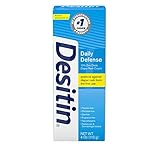
Overview: Desitin’s Daily Defense offers the brand’s legendary zinc oxide protection in an affordable, accessible 4-ounce tube designed for everyday use. This hypoallergenic formula creates an instant protective layer from the first application, treating and preventing diaper rash with clinically-proven efficacy. Free from dyes, phthalates, and parabens, it balances effectiveness with gentleness, making it suitable for routine use at every diaper change.
What Makes It Stand Out: As the #1 pediatrician-recommended brand, Desitin carries unparalleled clinical trust and proven results. The fast-acting formula delivers reliable protection without the premium pricing of niche brands. Its widespread availability in drugstores nationwide makes it the most convenient option for busy parents. The balanced formulation provides sufficient zinc oxide for effective barrier protection while remaining gentle enough for daily preventive use.
Value for Money: At $1.50 per ounce, this represents exceptional value—among the lowest cost-per-ounce in the category without sacrificing efficacy. The 4-ounce tube lasts substantially longer than smaller premium options, and the drugstore pricing means no specialty store markups. For parents seeking proven results on a budget, the value is unbeatable.
Strengths and Weaknesses: Pros: Proven efficacy; pediatrician #1 choice; extremely affordable; widely available; hypoallergenic; fast-acting protection; large 4-ounce size; gentle for daily use. Cons: Less “clean” than premium natural brands; contains more synthetic ingredients; not EWG verified; not marketed as cloth-diaper safe; basic formulation without advanced skin-care actives.
Bottom Line: The practical, no-nonsense choice for parents who want proven rash protection without breaking the bank. While it lacks the clean beauty credentials of premium brands, its clinical validation and affordability make it the smart everyday workhorse for most families.
Understanding Lanolin and Why Vegans Avoid It
Lanolin is a natural waxy substance secreted by the sebaceous glands of sheep, designed to protect their wool and skin from harsh environmental conditions. While it’s technically a byproduct of the wool industry and doesn’t require the death of the animal, its collection is inextricably linked to animal agriculture. Sheep used for wool production often face questionable living conditions, and the commercial process involves handling practices that conflict with vegan ethics of avoiding all forms of animal exploitation. Even “ethically sourced” lanolin cannot be certified vegan because it fundamentally depends on using animals for human benefit.
The Ethical Concerns Behind Lanolin Production
Beyond the baseline vegan objection, the wool industry itself presents ethical complexities. Modern wool production often involves practices like mulesing (removing strips of skin from sheep’s backsides to prevent flystrike), which causes significant animal suffering. While lanolin extraction occurs after shearing, purchasing products containing it perpetuates demand for the wool industry. For ethically consistent vegans, this creates a clear line: even if an individual sheep wasn’t harmed in the extraction process, supporting the system that profits from animal use violates core vegan principles. This is why truly vegan diaper rash creams must eliminate lanolin entirely rather than simply sourcing it more “ethically.”
What Makes a Diaper Rash Cream Truly Vegan?
A genuinely vegan diaper rash cream goes far beyond simply omitting lanolin. The entire formulation must be free from all animal-derived ingredients, including beeswax, honey, milk proteins, collagen, keratin, and certain glycerins that may be animal-sourced. However, the vegan designation extends to the manufacturing process as well. Truly vegan products should be certified cruelty-free, meaning neither the final product nor its individual ingredients were tested on animals at any stage of development. This distinction is crucial because many ingredients that are technically plant-based may have been tested on animals by suppliers.
Navigating Cruelty-Free Certifications
Look for recognizable third-party certifications like Leaping Bunny, PETA’s Beauty Without Bunnies, or Choose Cruelty Free (CCF). These organizations maintain rigorous standards and require companies to undergo regular audits. Be wary of vague claims like “we don’t test on animals” without certification, as this may only refer to the final product while individual ingredients were tested elsewhere. Additionally, some companies may be cruelty-free but not vegan, so you need both designations. The gold standard is a product that carries both vegan and cruelty-free certifications from reputable organizations.
The Science of Diaper Rash: What Parents Need to Know
Diaper rash is essentially a form of contact dermatitis that occurs when a baby’s skin is exposed to prolonged moisture, friction, and irritants. The warm, damp environment inside a diaper creates the perfect breeding ground for enzymes in urine and stool to break down the skin’s protective barrier. This leads to inflammation, redness, and discomfort. In more severe cases, yeast or bacterial infections can develop, complicating treatment. Understanding this mechanism helps you select products that address multiple factors simultaneously: moisture protection, barrier restoration, and anti-inflammatory action.
Common Causes Beyond Wet Diapers
While wetness is the primary culprit, several other factors contribute to diaper rash. Introduction of new foods can change stool composition, making it more irritating. Antibiotics disrupt the gut microbiome, sometimes leading to yeast overgrowth that manifests as bright red rash with satellite pimples. Ill-fitting diapers create friction, while harsh detergents used on cloth diapers leave chemical residues. Even teething can increase saliva production, altering digestive enzymes in stool. Effective vegan diaper rash creams must be versatile enough to address these varied triggers without relying on animal-derived ingredients.
Key Ingredients to Look for in Lanolin-Free Formulas
Plant-based oils and butters form the backbone of effective vegan barrier creams. Look for rich emollients like shea butter, cocoa butter, mango seed butter, and cupuaçu butter, which create protective occlusive layers while delivering essential fatty acids that support skin barrier repair. These ingredients mimic lanolin’s texture and protective qualities while offering additional benefits like anti-inflammatory properties and vitamins A and E. The key is finding formulas that combine these butters with lighter oils to achieve the right spreadability without being greasy.
Plant-Based Emollients That Actually Work
Not all plant oils are created equal for diaper rash protection. Medium-chain fatty acids found in coconut oil provide natural antimicrobial benefits, while sunflower seed oil is rich in linoleic acid that strengthens the skin barrier. Jojoba oil, technically a liquid wax ester, closely resembles human sebum and absorbs beautifully without clogging pores. For ultra-sensitive skin, calendula-infused olive oil offers gentle anti-inflammatory action. The most sophisticated formulas layer these ingredients, using heavier butters for barrier protection and lighter oils for skin conditioning and repair.
Natural Anti-Inflammative Powerhouses
Beyond barrier protection, effective creams need to calm existing inflammation. Colloidal oatmeal binds to skin and forms a soothing protective film while delivering compounds that reduce itching and redness. Calendula extract has been clinically shown to accelerate wound healing and reduce inflammation. Zinc oxide, a mineral-based active ingredient, provides physical barrier protection while having mild astringent and antimicrobial properties. For vegan formulations, ensure zinc oxide isn’t processed with animal-derived stearic acid. Chamomile and marshmallow root extracts offer gentle soothing for extremely irritated skin without the risks associated with synthetic steroids.
Ingredients to Avoid: The Hidden Non-Vegan Culprits
Beyond the obvious animal ingredients, several hidden components can compromise a product’s vegan status. Glycerin can be derived from plants or animal fats, so look for explicitly labeled “vegetable glycerin.” Stearic acid, used as an emulsifier, may come from animal tallow or cocoa/shea butter. Caprylic acid can be sourced from coconut or animal milk. Even some vitamin E (tocopherol) is processed using animal products. Carmine, a red pigment from beetles, sometimes appears in tinted formulas. Lanolin derivatives like lanolin alcohol and cholesterol may lurk in ingredient lists under chemical names. Always scrutinize labels for these sneaky additives.
Decoding Labels: A Parent’s Guide to Verification
Learning to read cosmetic labels is essential for vegan parents. Ingredients are listed in descending order by concentration, so the first five ingredients constitute the bulk of the formula. Look for clear plant source specifications: “coconut oil” is good, but “vegetable oil” is vague. Be suspicious of proprietary blends that don’t disclose full ingredient lists. “Fragrance” can hide dozens of undisclosed chemicals, some potentially animal-derived. Apps like Think Dirty, EWG’s Healthy Living, and Bunny Free can scan barcodes and flag non-vegan ingredients. Remember that “natural” and “organic” don’t guarantee vegan status—those terms refer to processing standards, not animal content.
Texture and Consistency: Finding the Right Formula for Your Baby
The ideal consistency depends on your baby’s specific needs and your application preferences. Thicker balms provide maximum barrier protection for overnight use or severe rashes but can be difficult to spread. Creams offer a middle ground with easier application while maintaining decent protection. Lotions absorb quickly but may not provide sufficient barrier function for active rashes. Consider your climate too—coconut oil-based formulas may liquefy in summer heat, while shea butter-based creams can become grainy in cold temperatures. The best formulations maintain stable consistency across temperature ranges while spreading easily on squirmy babies.
Balms vs. Creams vs. Ointments: What’s the Difference?
Understanding these categories helps you choose the right product for each situation. Balms are typically anhydrous (water-free), consisting entirely of oils and waxes, making them ultra-protective but potentially greasy. Creams are oil-in-water emulsions, lighter and easier to spread while still providing barrier protection. Ointments are similar to balms but may contain some water and have a higher oil content than creams, creating a semi-occlusive barrier. For vegan parents, the choice often comes down to the plant-based wax used—candelilla or carnauba wax instead of beeswax—to achieve the desired consistency.
Application Techniques for Maximum Protection
Proper application is as important as the product itself. Always apply to clean, completely dry skin—pat, don’t rub, to avoid further irritation. Use a generous amount, spreading in a thick layer that fully covers the affected area. Don’t rub it in completely; the product should remain visible as a protective barrier. Apply at every diaper change for active rashes, and consider a thinner maintenance layer during changes once healed. For cloth diaper users, use a disposable liner or choose formulas specifically designed to wash out of fabric without leaving residue. Some plant-based creams can cause buildup that affects absorbency.
The Environmental Impact of Your Choice
Vegan parents often extend their ethics to environmental concerns. Look for brands using sustainably sourced palm oil (RSPO certified) or palm-free alternatives, as conventional palm production drives deforestation. Packaging matters too—tubes made from post-consumer recycled plastic or biodegradable materials reduce environmental footprint. Some companies offer refill programs for glass jars. Consider the carbon impact of shipping heavy water-based creams versus concentrated balms. Waterless formulas not only last longer but also reduce transportation emissions. Brands committed to vegan ethics often embrace broader sustainability practices, creating a positive feedback loop for conscious consumers.
Budget Considerations: Balancing Cost and Quality
Vegan diaper rash creams typically cost 20-40% more than conventional options due to higher-quality plant ingredients and smaller production scales. However, concentrated formulas last significantly longer since you use less per application. A 2-ounce jar of quality balm may outlast an 8-ounce tube of cheap cream. Calculate cost per use rather than sticker price. Some families keep two products on hand: a premium treatment cream for active rashes and a more economical maintenance formula. Buying in bulk or subscribing to regular deliveries can reduce costs by 15-20%. Remember that preventing severe rashes saves money on doctor visits and prescription treatments.
When to Consult Your Pediatrician
While most diaper rashes resolve with proper barrier protection, certain signs warrant medical attention. If the rash spreads beyond the diaper area, develops blisters or open sores, or is accompanied by fever, contact your pediatrician immediately. Bright red rashes with small red satellite pimples often indicate yeast infection requiring antifungal treatment. Rashes that don’t improve after 3-5 days of consistent barrier cream use may need medical evaluation. Babies with eczema or other skin conditions may need specialized care. Never apply DIY treatments containing essential oils on broken skin without professional guidance, as some can cause chemical burns or allergic reactions.
Frequently Asked Questions
1. Can lanolin-free vegan diaper rash creams really work as well as traditional formulas?
Absolutely. Modern plant-based formulations use sophisticated combinations of botanical butters, oils, and active ingredients that create equally effective moisture barriers. Studies show that ingredients like zinc oxide combined with shea butter provide comparable protection to lanolin-based products, often with added anti-inflammatory benefits from plant extracts.
2. How do I know if a product is truly vegan and not just cruelty-free?
Look for explicit “vegan” certification from organizations like Vegan Action or The Vegan Society, not just cruelty-free logos. Check that the ingredient list contains no animal derivatives like beeswax, honey, milk proteins, or lanolin. When in doubt, contact the company directly to ask about their ingredient sourcing and manufacturing processes.
3. Will vegan diaper rash creams stain my cloth diapers?
It depends on the formula. Oil-based balms can cause buildup that affects absorbency. Look for products specifically labeled “cloth diaper safe” or use a disposable liner. Plant-based creams wash out more easily than petroleum-based ones, but you may need hot water and a good grease-cutting detergent for thorough removal.
4. Are there any plant ingredients I should avoid for extremely sensitive skin?
Yes. Some babies react to essential oils like lavender or tea tree oil, which can be irritating in high concentrations. Nut oils like almond or cashew pose allergy risks. Coconut oil can be comedogenic for some infants. For ultra-sensitive skin, choose fragrance-free formulas with minimal ingredients and patch test on a small area first.
5. How often should I apply lanolin-free barrier cream?
For prevention, apply a thin layer at each diaper change. For active rashes, use a thick coating every change, especially before naps and bedtime. The goal is to keep a visible barrier between skin and moisture at all times. Once the rash clears, you can reduce to applying 2-3 times daily as maintenance.
6. Can I use coconut oil alone as a diaper rash treatment?
While coconut oil has antimicrobial properties, it’s not sufficient for moderate to severe rashes. It absorbs too quickly to provide lasting barrier protection and may worsen yeast rashes by feeding the fungus. It’s better used as a gentle cleanser or maintenance moisturizer rather than a primary treatment for active dermatitis.
7. What’s the difference between zinc oxide and non-zinc formulas?
Zinc oxide creates a physical barrier that blocks moisture while providing mild antimicrobial action—ideal for active rashes. Non-zinc formulas rely on plant butters and oils for protection and are better for maintenance or very mild irritation. Some parents prefer to avoid zinc oxide due to nanoparticle concerns, though most natural brands use non-nano formulations.
8. How should I store natural vegan diaper rash creams?
Store in a cool, dry place away from direct sunlight. Since they lack synthetic preservatives, they’re more prone to oxidation and rancidity. Most last 6-12 months after opening. If the smell changes or the texture separates and won’t remix, it’s time to replace. Some families keep a small jar for daily use and refrigerate a backup to extend shelf life.
9. Are water-based or oil-based vegan formulas better?
Oil-based formulas provide superior barrier protection and typically contain fewer preservatives, making them gentler. Water-based creams feel lighter and absorb faster but require emulsifiers and preservatives that may irritate very sensitive skin. For treating active rashes, oil-based balms are generally more effective.
10. Can I make my own vegan diaper rash cream at home?
While DIY recipes abound, creating a safe, stable, and effective formula requires precise formulation knowledge. Homemade creams lack preservatives and can harbor bacteria, risking infection on broken skin. They also may not achieve the right pH balance. If you choose to DIY, use only for prevention on intact skin, store refrigerated, and discard after one week. Commercial vegan creams undergo stability and safety testing that home preparations cannot replicate.