Welcoming a new baby into the world means rethinking nearly every product in your home, and laundry detergent is no exception. That tiny, perfect human has skin that’s about 30% thinner than yours, making it incredibly vulnerable to irritants hiding in conventional cleaning products. While that lavender-scented detergent might smell divine to you, it could trigger rashes, eczema flare-ups, or mysterious allergic reactions on your newborn’s delicate skin.
Choosing the right hypoallergenic laundry detergent isn’t just another item to check off your nesting list—it’s a critical decision that impacts your baby’s comfort and health from day one. Whether you’re building your baby registry or searching for the perfect practical gift that shows genuine thoughtfulness, understanding what makes a detergent truly hypoallergenic will save you from late-night research sessions and potential skin issues. This guide cuts through marketing buzzwords and gives you the expert knowledge to make confident choices about the safest options for your little one’s wardrobe, bedding, and cloth diapers.
Top 10 Hypoallergenic Laundry Detergents for Baby Gifts
Detailed Product Reviews
1. Dreft Stage 1 Newborn Baby Liquid Laundry Detergent, Gentle on Sensitive Skin, HE Compatible, 114 loads

Overview: Dreft Stage 1 Newborn Baby Liquid Laundry Detergent is the flagship offering from the #1 pediatrician-recommended baby detergent brand. This 114-load container delivers a specialized 3-in-1 formula designed specifically for newborns’ delicate skin and the unique challenges of infant laundry, from milk spills to spit-up stains.
What Makes It Stand Out: The detergent’s triple-action approach fights odors, removes tough stains, and maintains hypoallergenic gentleness in one powerful package. Unlike generic free detergents, Dreft’s proprietary formula is clinically proven to outperform competitors on protein-based baby stains while remaining free of chlorine, dyes, and phosphates. The brand’s eight-decade legacy and pediatrician endorsement provide unmatched credibility for nervous new parents.
Value for Money: At $0.22 per load, this bulk size strikes an excellent balance between premium quality and economy. While the $24.94 upfront investment exceeds smaller containers, it reduces the per-load cost significantly compared to Dreft’s 32-load option at $0.31 per load. For families planning to use Dreft exclusively through the newborn stage, this size offers substantial savings without sacrificing the brand’s renowned gentleness.
Strengths and Weaknesses: Strengths include proven stain-fighting power on breast milk and formula residues, genuine hypoallergenic formulation, and the psychological comfort of pediatrician approval. The generous size means fewer shopping trips during exhausting newborn months. Weaknesses center on the initial price point, which may strain tight budgets, and the signature scent, which some parents find overpowering despite its popularity.
Bottom Line: This is the gold standard for parents prioritizing brand trust and proven performance. The bulk size makes financial sense for committed users, delivering premium newborn care at a reasonable per-load cost.
2. ARM & HAMMER Baby, 77 Loads Hypoallergenic Liquid Laundry Detergent, 100.5 fl oz

Overview: ARM & HAMMER Baby Laundry Detergent offers a scientifically advanced, budget-conscious alternative for parents seeking hospital-grade gentleness without premium pricing. This 77-load formula leverages the natural cleaning power of baking soda while meeting rigorous EPA Safer Choice standards, making it a smart choice for environmentally conscious families.
What Makes It Stand Out: The detergent’s EPA Safer Choice certification guarantees it’s free from unnecessary chemicals, GMOs, parabens, and animal-derived ingredients—a transparency level few competitors match. Its cold-water effectiveness saves energy costs while powering through colorful baby food stains from blueberries, carrots, and grape juice. The inclusion of ARM & HAMMER Baking Soda provides natural odor neutralization without synthetic fragrances.
Value for Money: At just $0.12 per load, this represents exceptional value—nearly half the cost of Dreft’s bulk option. The $8.98 price point makes it accessible for all budgets, while the concentrated formula ensures you won’t sacrifice cleaning power for savings. For families prioritizing certifications and chemical transparency over brand prestige, this delivers professional-grade results at drugstore prices.
Strengths and Weaknesses: Strengths include multi-stakeholder testing (pediatrician and dermatologist approved), superior cold-water performance, and comprehensive ingredient integrity. The baking soda base naturally softens fabrics while cleaning. Weaknesses include less brand recognition in the baby category compared to Dreft, and the smaller 100.5 fl oz container requires more frequent replacement. Some parents may miss having a traditional “baby scent.”
Bottom Line: This is the practical parent’s choice, offering elite safety certifications and impressive stain removal at an unbeatable price point. Perfect for families who value substance over branding.
3. Dreft Newborn Baby Liquid Laundry Detergent, Gentle on Sensitive Skin, HE Compatible, 2 pack, 32 loads each

Overview: This convenient twin-pack of Dreft Stage 1 Newborn Detergent delivers the same trusted 3-in-1 formula in two manageable 32-load bottles, making it an ideal introduction to the brand or perfect for splitting between home and daycare. Each bottle contains the pediatrician-recommended formula specifically engineered for newborn laundry challenges.
What Makes It Stand Out: The dual-container packaging solves practical problems: keep one bottle at grandma’s house or pack one for travel without lugging a massive container. It maintains Dreft’s signature milk and spit-up stain-fighting enzymes while offering flexibility that bulk sizes can’t match. The packaging makes it instantly gift-ready for baby showers, complete with the Dreft brand prestige new parents recognize.
Value for Money: At $0.27 per load, this sits between Dreft’s bulk and single-bottle pricing. While not the most economical option, the premium reflects convenience and portability. The $16.97 total cost provides 64 loads total—enough for several months of newborn laundry without the commitment of a 114-load purchase. For uncertain parents or those supplementing with cloth diaper services, this size minimizes waste.
Strengths and Weaknesses: Strengths include perfect portion control, reduced risk of product degradation (smaller bottles stay fresh longer), and excellent gift presentation. The two-pack allows parents to test the product’s compatibility with their baby’s skin before investing in larger sizes. Weaknesses include higher per-load cost than bulk options and double the plastic packaging waste. The 32-load bottles empty quickly with newborns’ frequent outfit changes.
Bottom Line: This twin-pack brilliantly balances brand quality with practical convenience. It’s the smartest choice for gifts, travel, or parents wanting to trial Dreft before committing to a massive container.
4. Dreft Stage 1 Newborn Baby Liquid Laundry Detergent, Gentle on Sensitive Skin, HE Compatible, 32 loads

Overview: The smallest size in Dreft’s Stage 1 lineup, this 32-load bottle offers new parents a low-risk entry point to the #1 pediatrician-recommended baby detergent. It contains the identical 3-in-1 formula found in larger containers, delivering premium newborn care without bulk commitment during those uncertain first weeks.
What Makes It Stand Out: This bottle size acknowledges that not every family needs 100+ loads initially. It’s perfect for apartment dwellers with limited storage, parents planning to switch detergents after the newborn phase, or those receiving it as part of a hospital discharge gift bag. The compact design still promises Dreft’s superior performance over leading free detergents on protein-based stains.
Value for Money: At $0.31 per load, this represents the highest per-use cost in the Dreft family—a 40% premium over the 114-load size. However, the $9.87 total investment is the lowest financial barrier to trying a premium baby detergent. For families unsure about their long-term needs or wanting to combine with cloth diaper services, this eliminates product waste and storage concerns.
Strengths and Weaknesses: Strengths include minimal upfront cost, same trusted formula as larger sizes, and ideal trial size for testing baby’s skin tolerance. The small bottle is easy to store near the nursery for quick access. Weaknesses are primarily economic: frequent repurchasing becomes expensive, and the packaging creates more plastic waste per load washed. Heavy users will find themselves shopping for detergent annoyingly often.
Bottom Line: This is the “try before you buy big” option—perfect for immediate newborn needs, small spaces, or uncertain parents. Buy it for convenience, but plan to upgrade to larger sizes if Dreft becomes your go-to detergent.
5. Dreft Free & Gentle Liquid Laundry Detergent, Free of Dyes and Perfumes for Families, Hypoallergenic, 64 loads

Overview: Dreft Free & Gentle addresses the needs of babies with extreme skin sensitivities by eliminating both dyes and perfumes while maintaining the brand’s 80-year legacy of fabric care. This 64-load formula meets both EPA Safer Choice and National Eczema Association standards, making it one of the most rigorously vetted options for allergy-prone infants.
What Makes It Stand Out: Unlike standard Dreft, which has a signature scent, this variant offers complete fragrance freedom—a critical feature for babies with eczema, asthma, or fragrance allergies. The dual certification (EPA and NEA) provides documented assurance beyond marketing claims. It maintains Dreft’s stain-fighting efficacy while using the gentlest possible ingredient profile, bridging the gap between medical necessity and everyday convenience.
Value for Money: At $0.27 per load, pricing aligns with Dreft’s mid-tier offerings despite its specialized formulation. While more expensive than ARM & HAMMER’s baby detergent, the NEA certification justifies the premium for families managing diagnosed skin conditions. The 64-load size offers a practical middle ground—substantial enough for regular use without bulk storage needs.
Strengths and Weaknesses: Strengths include unparalleled certification credentials, true fragrance-free composition (not just “lightly scented”), and the same trusted stain removal as scented Dreft. It’s safe for the entire family’s laundry, simplifying washing routines. Weaknesses include the lack of that classic “baby fresh” scent many parents love, and the price point remains higher than store-brand alternatives. Some protein stains may require pre-treatment without enzymatic fragrance compounds.
Bottom Line: For medically sensitive skin, this is non-negotiable—the certifications and fragrance-free formula provide peace of mind that justifies every penny. A must-have for eczema-prone families.
6. Dreft Stage 2 Active Baby Liquid Laundry Detergent, Helps Remove 99% of Baby Food Stains, Hypoallergenic, 114 loads

Overview: Dreft Stage 2 Active Baby Liquid Laundry Detergent targets the messy transition when babies start solids. This 3-in-1 formula combines odor fighting, stain removal, and skin gentleness in one bottle, specifically engineered for food stains that plague parents during weaning. With 114 loads per container, it addresses the increased laundry demands of active babies and toddlers.
What Makes It Stand Out: The dermatologist-tested scent and specialized formulation for food stains differentiate this detergent. Unlike generic baby detergents, Dreft Stage 2 explicitly tackles pureed vegetables, fruit stains, and messy eating aftermath. The hypoallergenic formula excludes chlorine, dyes, and phosphates while maintaining cleaning power. It’s designed for the specific 6-18 month developmental stage when stain patterns change dramatically.
Value for Money: At $0.22 per load, Dreft Stage 2 sits in the mid-range for premium baby detergents. While more expensive than budget options, it’s competitively priced against other specialized formulas. The targeted stain-fighting technology justifies the premium over standard detergents, potentially reducing the need for pre-treaters. Parents may save money by avoiding separate stain removers.
Strengths and Weaknesses: Strengths include proven stain removal on baby food, trusted brand reputation, and true hypoallergenic formulation. The 3-in-1 convenience simplifies laundry routines. Weaknesses involve the added fragrance, which may irritate extremely sensitive infants despite dermatologist testing. The price point exceeds basic detergents, and some parents report needing extra detergent for heavily soiled loads.
Bottom Line: Dreft Stage 2 excels for babies transitioning to solids. If food stains dominate your laundry challenges, this specialized formula delivers reliable results while protecting sensitive skin. For newborns without solid food exposure, stick with Dreft Stage 1.
7. all Baby, Gentle for Baby, Liquid Laundry Detergent, Hypoallergenic for Sensitive Skin, Concentrated, 75oz, 100 Loads
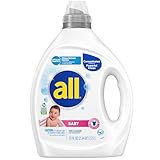
Overview: all Baby Gentle Liquid Laundry Detergent offers a concentrated, eco-conscious solution for infant laundry needs. This 75-ounce bottle delivers 100 loads of hypoallergenic cleaning power, specifically formulated to remove dirt, body oil, and allergens without leaving irritating residues. The pediatrician-tested formula targets parents seeking both effectiveness and environmental responsibility.
What Makes It Stand Out: EPA Safer Choice certification distinguishes this detergent from competitors, verifying safer chemical ingredients for families and the planet. The enhanced concentration provides more cleaning power per drop than previous formulations, reducing packaging waste. Biodegradable surfactants and phosphate-free composition appeal to environmentally aware households. It works efficiently in cold water and remains septic-safe.
Value for Money: At $0.20 per load, all Baby offers excellent value for a certified eco-friendly product. This price undercuts many premium baby detergents while delivering comparable hypoallergenic benefits. The concentrated formula means less product per wash, extending the bottle’s lifespan. Compared to standard detergents, the minimal price premium buys significant peace of mind and environmental benefit.
Strengths and Weaknesses: Strengths include EPA certification, concentrated cleaning power, and affordability. The formula performs well in HE machines and cold water, saving energy costs. Weaknesses include the light scent, which may still trouble fragrance-sensitive families despite hypoallergenic claims. It’s less specialized for food stains than stage-specific formulas. Some users find the measuring cap imprecise for small loads.
Bottom Line: all Baby detergent suits eco-conscious families seeking a budget-friendly, genuinely safer option. The EPA certification adds credibility, making it ideal for parents prioritizing environmental impact without sacrificing cleaning performance.
8. Baby Gifts Set by Dreft, Baby and Mom Gift Set with Liquid Laundry Detergent, Laundry Stain Remover, Stain Remover Pen & All Purpose Cleaner Spray, Great for Baby Showers
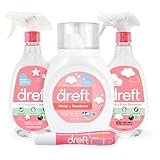
Overview: The Dreft Baby Gifts Set bundles essential cleaning products for new parents into one convenient package. This collection includes a 25-ounce bottle of Dreft newborn detergent, 24-ounce all-purpose cleaner spray, 24-ounce laundry stain remover spray, and a portable stain remover pen. Marketed as a baby shower gift, it provides immediate solutions for common nursery messes.
What Makes It Stand Out: This comprehensive set eliminates guesswork for gift-givers, offering coordinated Dreft products in one purchase. The inclusion of both spray stain remover and a portable pen addresses stain treatment at home and on-the-go. The all-purpose cleaner extends the brand beyond laundry into general nursery cleaning. Packaged as a gift, it arrives ready for presentation without additional wrapping.
Value for Money: At $23.97 for four items, the set offers reasonable gift value, though the detergent provides only about 25 loads at $0.96 per load—far pricier than standalone bottles. The true value lies in convenience and variety rather than long-term economy. Gift recipients receive immediate access to multiple specialized products without individual research.
Strengths and Weaknesses: Strengths include perfect gift packaging, brand consistency across products, and comprehensive stain-fighting tools. The portable pen is genuinely useful for parents. Weaknesses center on poor detergent value per load and small product sizes that require quick replacement. The set forces purchase of items parents may not need or prefer. It’s impractical for regular household purchasing.
Bottom Line: Purchase this set exclusively as a baby shower gift for first-time parents. The presentation and product variety create an impressive package. For personal use, buy full-sized individual products to achieve better value and customize your cleaning arsenal.
9. Purex Baby Laundry Detergent Liquid, Ultra Concentrated, 82.5 fl oz, 165 Loads, Hypoallergenic, Dye Free, Gentle on Skin

Overview: Purex Baby Laundry Detergent delivers ultra-concentrated cleaning at an unbeatable price point. This 82.5-ounce bottle provides 165 loads of hypoallergenic, dye-free formula specifically designed for baby clothes, bibs, and blankets. The 4-in-1 formula cleans, brightens, refreshes, and remains gentle on sensitive skin across all seasons and developmental stages.
What Makes It Stand Out: The remarkable $0.08 per load cost makes this the most economical baby detergent available without sacrificing hypoallergenic properties. The ultra-concentrated formula delivers over twice the loads of standard 75-ounce bottles, reducing shopping frequency and storage needs. It performs effectively in all water temperatures and both standard and HE machines, offering universal compatibility.
Value for Money: Purex Baby sets the benchmark for budget-conscious families, costing less than half of premium competitors per load. The concentration means fewer bottles purchased annually, saving money and reducing plastic waste. Despite the low price, it maintains dermatologist-tested gentleness and effective stain removal for everyday baby messes.
Strengths and Weaknesses: Strengths include exceptional affordability, high load count, concentrated formula, and reliable cleaning performance. The soft baby-friendly scent pleases most users. Weaknesses involve less aggressive stain fighting on set-in food stains compared to specialized formulas. Some parents report needing pre-treatment for tough messes. The brand lacks eco-certifications found in pricier options.
Bottom Line: Purex Baby is the ultimate budget champion for families wanting effective, gentle cleaning without premium prices. It handles daily baby laundry excellently. For severe stain challenges, pair with a dedicated stain remover. Otherwise, this delivers everything most families need at remarkable value.
10. Dapple Baby Laundry Detergent, Plant Powered, Hypoallergenic, Fragrance Free, Concentrated, 50 fl oz (Pack of 2)

Overview: Dapple Baby Laundry Detergent represents the premium plant-powered choice for parents prioritizing ingredient purity. This pack of two 50-ounce bottles delivers fragrance-free cleaning for up to 100 loads total. The formula eschews harsh chemicals entirely, relying on plant-derived ingredients to tackle tough baby stains while maintaining hypoallergenic gentleness.
What Makes It Stand Out: The Clean Label Project Purity Award validates Dapple’s commitment to clean ingredients, distinguishing it from competitors making unverified claims. Being completely fragrance-free makes it ideal for highly sensitive infants and parents with allergies. The formula excludes parabens, sulfates, phthalates, synthetic dyes, and numerous other concerning chemicals, offering transparency that eco-conscious families demand.
Value for Money: At approximately $0.28 per load, Dapple commands premium pricing justified by its award-winning purity and plant-based formulation. While significantly more expensive than conventional baby detergents, the cost reflects rigorous ingredient screening and certifications. Parents of children with eczema or severe allergies may find this premium negligible compared to medical costs or discomfort from reactions.
Strengths and Weaknesses: Strengths include unparalleled ingredient transparency, multiple certifications, true fragrance-free formula, and plant-powered effectiveness. The concentrated bottles reduce storage needs. Weaknesses center on the high price point and smaller bottle size requiring more frequent purchases. Some users find it less effective on greasy stains without pre-treatment.
Bottom Line: Dapple Baby is worth the investment for families dealing with severe skin sensitivities, allergies, or chemical sensitivities. The Clean Label Project certification provides documented assurance. For typical babies without specific sensitivities, more affordable hypoallergenic options suffice.
Why Hypoallergenic Detergent Matters for Your Baby’s Delicate Skin
Your newborn’s skin barrier is still developing, which means irritants can penetrate more easily and trigger inflammatory responses. Conventional detergents often contain harsh surfactants, optical brighteners, and synthetic fragrances that leave residues on fabrics. These residues come into direct contact with your baby’s skin for hours at a time—during naps, playtime, and those precious cuddle sessions. The result can be anything from mild dryness to full-blown contact dermatitis.
Understanding Baby Skin Sensitivity
Baby skin has a higher pH level and produces less natural moisturizing factor than adult skin. This biological reality means their skin can’t effectively neutralize irritants or maintain hydration when exposed to harsh chemicals. Even if you don’t notice immediate reactions, cumulative exposure to allergens during the first year can sensitize your child to ingredients they’ll encounter throughout life. Think of hypoallergenic detergent as an investment in your baby’s long-term skin health, not just a short-term precaution.
The Difference Between “Baby” and “Hypoallergenic”
Here’s where marketing gets tricky: “baby detergent” isn’t automatically hypoallergenic. Many brands slap a teddy bear on the label and charge premium prices while still including questionable ingredients. True hypoallergenic formulas undergo rigorous testing to eliminate common allergens and irritants. They avoid dyes, fragrances, and harsh chemicals entirely, while some “baby” formulas simply reduce these ingredients or use milder versions. Always look for explicit “hypoallergenic” claims backed by certifications rather than cute packaging.
Decoding Laundry Detergent Labels: What to Look For
Reading detergent labels shouldn’t require a chemistry degree, but unfortunately, it often does. Manufacturers use vague terms and hide problematic ingredients behind generic names. Learning to decode these labels is your best defense against bringing irritants into your nursery.
Key Certifications That Actually Matter
Third-party certifications provide independent verification of safety claims. The National Eczema Association Seal of Acceptance means a product has been tested on sensitive skin and excludes known irritants. EPA Safer Choice certification indicates the product meets strict human health and environmental criteria. Dermatologist-tested sounds impressive but means little without context—look for “dermatologist-recommended” or specific testing on infant skin instead. The USDA Biobased label shows the percentage of renewable ingredients, which often correlates with gentler formulas.
Red Flag Ingredients to Avoid
Memorize these culprits: sodium lauryl sulfate (SLS) and sodium laureth sulfate (SLES) are harsh surfactants that strip natural oils. Methylisothiazolinone and methylchloroisothiazolinone are preservatives linked to skin sensitization and should never appear in baby products. Optical brighteners, listed as “fluorescent whitening agents,” are chemical residues that stay on fabric specifically to reflect light—they serve no cleaning purpose. Phthalates often hide in “fragrance” or “parfum” and disrupt hormones. 1,4-dioxane is a contaminant rather than an added ingredient, but it’s common in ethoxylated surfactants.
The Fragrance Dilemma: Scented vs. Unscented vs. Fragrance-Free
This distinction trips up even the most diligent parents. “Unscented” products often contain masking fragrances to neutralize chemical odors—you’re still getting fragrance chemicals, just ones designed to be undetectable. “Fragrance-free” means absolutely no fragrance materials have been added, making it the gold standard for sensitive skin. Some hypoallergenic brands offer naturally scented options using minimal essential oils, but even these can trigger reactions in highly sensitive babies. For newborns and infants with any skin concerns, fragrance-free is non-negotiable.
Powder, Liquid, Pods, or Sheets: Choosing the Right Format
Each detergent format has distinct advantages and potential drawbacks for baby laundry. Powders often contain more fillers and can leave residue if they don’t dissolve completely in cold water, but they’re typically the most economical and have minimal packaging waste. Liquids dissolve completely at any temperature and are excellent for pre-treating stains, but they’re heavy to ship and often come in plastic jugs. Pods offer convenience but pose poisoning risks to curious toddlers and make precise dosing difficult for small loads. Laundry sheets are the newest innovation—lightweight, plastic-free, and pre-measured, though they may cost more per load and have limited long-term performance data.
Eco-Friendly Packaging Considerations
When building a registry, consider the environmental impact of your detergent choice. Powdered detergents in cardboard boxes are typically the most sustainable option. Liquid concentrates in recyclable plastic use less packaging per load. Some brands offer refill programs or zero-waste packaging. Since you’ll be washing baby clothes frequently—sometimes daily—choosing a low-waste option reduces your family’s environmental footprint during a time when convenience often wins over sustainability.
Concentrated Formulas: Are They Worth It?
Concentrated detergents contain less water and more active cleaning ingredients, meaning you use less product per load. For new parents, this translates to fewer shopping trips and less storage space—both precious commodities. However, the concentrated nature means precise measuring is critical. Too much detergent leaves residue that irritates baby skin; too little means clothes aren’t clean. Look for concentrated formulas with clear, easy-to-use measuring devices, or consider pre-measured options like sheets or pods (with safety precautions) to eliminate guesswork.
The pH Factor: Why It Matters for Baby Laundry
Healthy baby skin maintains a slightly acidic pH around 5.5, which supports beneficial bacteria and barrier function. Conventional detergents are often alkaline (pH 8-10) to improve cleaning power, but this disrupts the skin’s acid mantle. Truly hypoallergenic baby detergents are formulated with a neutral to slightly acidic pH that rinses clean without leaving alkaline residues. This isn’t typically advertised on the front label, so you may need to contact manufacturers or check their technical specifications. The extra research pays off in reduced skin irritation and better moisture retention.
Enzymes in Detergent: Helpful or Harmful?
Enzymes are protein-based catalysts that break down specific stains—proteases for protein stains like formula or spit-up, amylases for starches, and lipases for fats. In hypoallergenic formulas, these enzymes are purified and encapsulated to prevent skin contact, making them generally safe and highly effective for baby messes. However, some ultra-sensitive babies may react to enzyme residues. If your baby shows unexplained irritation, try an enzyme-free formula temporarily to see if symptoms improve. For most families, though, enzymes are allies in getting clothes truly clean without excessive heat or harsh chemicals.
Cost Analysis: Budgeting for Baby Laundry
Let’s talk real numbers: newborns generate 1-2 loads of laundry daily between clothing, bedding, burp cloths, and blankets. A standard bottle of detergent might last a family of four a month, but you’ll blow through it in two weeks. When calculating cost per load, factor in that baby detergents typically cost 2-3 times more than conventional options. Building a registry is the perfect time to stock up—request multiple bottles or boxes in different sizes. Some parents create a “laundry fund” gift option, allowing friends to contribute to this ongoing expense. Remember that using too little cheap detergent to save money often backfires, requiring re-washing and potentially irritating your baby’s skin.
Building the Perfect Baby Registry Detergent Strategy
Don’t just add one bottle and call it done. Create a comprehensive laundry care section on your registry: include a full-size detergent for home, a travel-size version for the diaper bag, and a stain treatment stick for on-the-go messes. Consider adding wool dryer balls as a chemical-free fabric softener alternative. If you’re using cloth diapers, specify that you need a detergent compatible with them—many “baby” detergents lack the cleaning power for diapers and can cause buildup. Think ahead to the 3-6 month mark when you’ll need to restock, and register for a subscription service gift card if available.
Gift-Giving Etiquette: Presenting Detergent as a Thoughtful Gift
Detergent alone might seem like a boring gift, but presentation transforms it into a cherished essential. Create a “newborn care basket” with hypoallergenic detergent, gentle stain remover, and soft washcloths. Include a handwritten note explaining why you chose that specific formula—this educates new parents while showing you did your homework. For baby showers, coordinate with other guests to provide a 6-month supply. Gift receipts are crucial here; if the baby shows sensitivity, parents need the flexibility to switch formulas without guilt. Never gift heavily scented or conventional detergents, no matter how premium they seem.
Storage and Safety Tips for Baby Laundry Products
Once you’ve chosen the perfect hypoallergenic detergent, proper storage maintains its effectiveness and keeps your baby safe. Keep all laundry products in their original containers with labels intact—transferring to decorative bottles risks confusion and accidental ingestion. Store in a high cabinet with a child safety lock, not under the sink where toddlers eventually explore. Extreme temperatures can degrade enzymes and thicken liquids, so avoid garage storage in hot summers or cold winters. For powdered detergents, keep the box sealed to prevent moisture clumping and bacterial growth. If using pods, consider a lockable container specifically designed for them, as their candy-like appearance poses serious poisoning risks.
Frequently Asked Questions
Can I use regular detergent if I double-rinse baby clothes? Double-rinsing helps but doesn’t eliminate all irritants. Many problematic ingredients like optical brighteners and fragrance compounds bind to fabric fibers and resist rinsing. True hypoallergenic detergents are formulated to rinse completely clean, whereas conventional detergents are designed to leave residue for “freshness” and appearance. It’s not worth the risk when baby-specific options are readily available.
How much detergent should I use for newborn-sized loads? Newborn loads are deceptively small but heavily soiled. Use about half the recommended amount for a regular load, but never less than what the detergent label specifies for “light soil.” Modern HE machines sense load size and adjust water accordingly, so under-dosing leaves greasy residue from diaper creams and spit-up. If clothes smell clean after washing and have no visible residue, you’ve hit the sweet spot.
What if my baby develops a rash even with hypoallergenic detergent? First, check that you’re using fragrance-free, not unscented. Next, eliminate fabric softeners and dryer sheets, which leave the most irritating residues. Wash all new clothes before first wear, as manufacturing finishes contain chemicals. If the rash persists, your baby may react to enzymes or specific plant-based ingredients. Try an ultra-simple, enzyme-free formula temporarily. Consult your pediatrician to rule out other causes like eczema or food allergies.
Are plant-based detergents automatically hypoallergenic? Absolutely not. Plant-based refers to ingredient source, not safety. Coconut-derived surfactants can be just as harsh as synthetic ones, and essential oils from plants are common allergens. “Plant-based” is a marketing term with no regulatory definition. Focus on hypoallergenic certifications and ingredient transparency rather than source material.
Can I wash my clothes in baby detergent too? Yes, and many parents do. Using one detergent for the whole household simplifies laundry and prevents cross-contamination from shared dryer lint or accidental mixing. Baby detergents clean adult clothes effectively, though you might need a separate enzyme booster for heavy-duty stains like grass or grease. The cost difference is minimal when you factor in buying only one product.
How do I test a new detergent for sensitivity? Wash one or two baby items with the new detergent and have your baby wear them for a full day. Monitor for redness, dryness, or fussiness. Keep the rest of their wardrobe in the old, trusted detergent until you’re sure. For extra caution, wash a swatch of fabric and place it against your baby’s inner arm for 15 minutes, checking for immediate reaction. Always test during a calm day when you can distinguish detergent reactions from other irritants.
Are DIY homemade detergents safe for baby clothes? Homemade soaps often lack the rinsability of commercial detergents, leaving soap scum that traps bacteria and irritants. They typically have high pH levels that disrupt skin barrier function. Most recipes use washing soda and borax, which are too harsh for baby skin and can degrade flame-resistant fabrics. Without proper formulation and testing, you can’t guarantee safety or cleaning performance. Stick with commercially produced, tested hypoallergenic options.
What’s the shelf life of hypoallergenic baby detergent? Unopened liquid detergents last 9-12 months; powders last 6-12 months. Once opened, use liquids within 6 months and powders within 3-4 months, as exposure to air degrades active ingredients. Enzyme activity decreases over time, reducing stain-fighting power. Don’t stockpile more than you can use in 6 months, even when building a registry. Request gift cards for future purchases instead of dozens of bottles.
Can hypoallergenic detergent handle cloth diapers effectively? Many can, but you need enzyme-containing formulas with sufficient surfactant power to break down fats and proteins in human waste. Look for detergents specifically labeled as cloth-diaper safe. Avoid formulas with fabric softeners or heavy oils that cause buildup and reduce absorbency. You may need to use slightly more detergent for diapers than for regular baby clothes, and occasional stripping washes may be necessary regardless of detergent choice.
Is it necessary to wash new baby clothes before first use? Non-negotiable yes. New fabrics contain formaldehyde finishes for wrinkle resistance, azo dyes that can release carcinogenic compounds, and manufacturing dust and debris. Wash everything—including receiving blankets, stuffed animals, and burp cloths—before your baby touches them. Use the same hypoallergenic detergent you’ll use ongoingly, and run an extra rinse cycle to ensure all manufacturing chemicals are removed.