Remember when glass baby bottles were considered old-fashioned? Those days are long gone. Today’s modern glass bottles combine timeless safety with cutting-edge design, and here’s the best part: you don’t need to empty your wallet to give your baby the purest feeding experience. Parents everywhere are rediscovering why their grandparents swore by glass—and why it might actually be the smartest choice for your little one.
But let’s be honest: navigating the world of baby bottles can feel overwhelming when you’re sleep-deprived and every dollar counts. That $30 price point seems to be the sweet spot where quality meets affordability, but what exactly should you expect? This comprehensive guide cuts through the marketing noise and gives you the expert knowledge to identify genuine value, understand the features that truly matter, and make a confident decision without second-guessing yourself at 3 AM.
Top 10 Glass Baby Bottles Under $30
Detailed Product Reviews
1. Dr. Brown’s Natural Flow Anti-Colic Options+ Narrow Glass Baby Bottle 8 oz/250 mL, with Level 1 Slow Flow Nipple, 4 Pack, 0m+

Overview: The Dr. Brown’s Natural Flow Anti-Colic Options+ Narrow Glass Baby Bottle set delivers four 8-ounce bottles engineered to minimize feeding discomfort. Featuring a clinically validated internal vent system, these bottles specifically target colic, spit-up, and gas in infants from birth.
What Makes It Stand Out: The revolutionary internal vent system creates vacuum-free feeding that closely replicates the breastfeeding experience while preserving essential nutrients in milk. Constructed from medical-grade borosilicate glass, these bottles resist thermal shock and temperature extremes. The breast-like nipple shape encourages proper latch mechanics, making transitions between breast and bottle seamless.
Value for Money: Priced at $29.99 for four bottles ($7.50 each), this set occupies the mid-range premium segment. While more expensive than basic glass alternatives, the clinically proven anti-colic benefits and nutrient preservation capabilities provide substantial value for parents prioritizing infant digestive health.
Strengths and Weaknesses: Key strengths include demonstrable colic reduction, consistent milk flow, exceptional glass durability, and natural feeding experience. The four-pack offers convenience for established users. Notable weaknesses center on cleaning complexity from multiple vent components, narrow-neck design complicating formula preparation, and the eventual redundancy of the vent system as infants mature.
Bottom Line: Ideal for colicky babies or parents seeking maximum digestive support, this set warrants its premium through proven technology and durable construction, despite requiring extra cleaning effort.
2. Evenflo Feeding Classic Glass Bottle, Twist Bottles, 8 Oz, 1-Pack of 6 Bottles

Overview: The Evenflo Feeding Classic Glass Bottle set delivers six 8-ounce bottles featuring a unique twist design that emphasizes environmental responsibility and user-friendly functionality. These bottles cater to parents seeking straightforward, sustainable feeding solutions.
What Makes It Stand Out: The innovative ergonomic twist shape provides exceptional grip comfort during feeding while the recyclable tempered glass construction supports eco-conscious values. The minimalist three-piece design dramatically reduces cleaning complexity, and universal standard-neck compatibility allows direct pumping into bottles, streamlining the breast milk storage process.
Value for Money: At $16.99 for six bottles ($2.83 each), this set offers outstanding affordability with a per-ounce cost of just $0.35. It significantly undercuts premium competitors while delivering essential glass bottle benefits, making it ideal for budget-aware families or as a supplementary set.
Strengths and Weaknesses: Major strengths include exceptional price-point, simplified cleaning with only three components, comfortable twisted ergonomics, seamless pump compatibility, and strong environmental sustainability. The wide neck facilitates easy filling. Primary weaknesses involve the lack of specialized anti-colic features, which may disappoint parents of fussy infants, basic nipple functionality without flow innovation, and the unconventional shape potentially creating compatibility issues with standard warmers and accessories.
Bottom Line: An unbeatable value proposition for parents of easygoing babies. The Evenflo set sacrifices advanced features for simplicity, affordability, and ecological responsibility, making it a smart choice for uncomplicated feeding needs.
3. Philips Avent Natural Glass Baby Bottles with Natural Response Nipples (Medium Flow, Flow 3), 8oz, 2-Pack, SCY913/02

Overview: The Philips Avent Natural Glass Baby Bottle set provides two 8-ounce bottles equipped with Natural Response nipples designed to support infant-controlled feeding rhythms. These premium bottles target parents seeking seamless breast-bottle integration.
What Makes It Stand Out: The proprietary Natural Response nipple technology empowers babies to regulate milk flow pace, authentically replicating breastfeeding dynamics. The innovative no-drip nipple design eliminates milk waste and mess, while the wide breast-shaped nipple facilitates proper latch development. Constructed from premium borosilicate glass, these bottles withstand thermal stress and repeated sterilization.
Value for Money: Priced at $23.95 for two bottles ($11.98 each), this set represents the highest per-bottle investment. The sophisticated nipple engineering and anti-colic valve deliver tangible benefits for breast-bottle combination feeding, justifying the premium for targeted use despite limited quantity.
Strengths and Weaknesses: Notable strengths include breakthrough flow-control technology, exceptional leak prevention, wide nipple promoting natural latch, reliable anti-colic valve, and high-quality thermal-resistant glass. The streamlined construction simplifies cleaning versus multi-part vent systems. Significant weaknesses encompass the steep per-unit price, minimal two-bottle package necessitating further purchases, and medium-flow nipples potentially proving too rapid for younger infants.
Bottom Line: Ideal for nursing mothers requiring consistent breast-bottle experience. The premium cost unlocks superior nipple innovation and mess-free feeding, making it worthwhile for families prioritizing natural feeding mechanics over economy.
4. Dr. Brown’s Natural Flow Anti-Colic Options+ Wide-Neck Glass Baby Bottles 5 oz/150 mL, with Level 1 Slow Flow Nipple, 3 Pack, 0m+

Overview: Dr. Brown’s Natural Flow Anti-Colic Options+ Wide-Neck Glass Baby Bottles deliver three 5-ounce bottles combining the brand’s renowned anti-colic technology with enhanced usability through a wide-neck design. This set targets newborns requiring digestive support.
What Makes It Stand Out: The integrated wide-neck architecture dramatically improves formula pouring and cleaning accessibility while housing the clinically proven internal vent system. The innovative removable vent feature enables the bottle to adapt as infant feeding matures, extending product lifespan and eliminating transitional bottle purchases. The breast-like nipple shape maintains natural feeding mechanics.
Value for Money: At $21.67 for three bottles ($7.22 each), this set matches narrow-neck pricing while delivering superior convenience. The growth-adaptable design and wide-neck functionality provide added value without cost premium, positioning it as a strategic newborn investment.
Strengths and Weaknesses: Primary strengths encompass user-friendly wide-mouth filling, removable vent extending utility, clinically validated anti-colic performance, and appropriately sized 5-ounce capacity for early months. The bottles genuinely evolve with developmental stages. Weaknesses involve limited volume necessitating eventual size upgrades, persistent cleaning complexity with vent components, and bulkier wide design consuming more diaper bag and storage space.
Bottom Line: An outstanding newborn solution for colic-prone infants. The wide-neck practicality combined with adaptable venting technology creates a versatile, long-lasting feeding tool that justifies its place in the premium segment.
5. Dr. Brown’s Anti-Colic Options+ Narrow Glass Baby Bottle with Level 1 Slow Flow Nipple, BPA-Free, 4 oz/120mL, 1-Pack

Overview: Dr. Brown’s Anti-Colic Options+ Narrow Glass Baby Bottle offers a single 4-ounce bottle serving as a practical entry point for parents curious about anti-colic technology. This trial-sized option delivers the complete premium feature set without multi-pack commitment.
What Makes It Stand Out: The single-bottle format uniquely enables parents to evaluate the clinically proven internal vent system’s colic-reducing effectiveness before investing in larger sets. It incorporates identical premium elements: medical-grade borosilicate glass construction, breast-like silicone nipple for natural latch, and nutrient-preserving vacuum-free feeding. This approach minimizes financial risk while maximizing informed decision-making.
Value for Money: At $7.19 per bottle, the unit price surpasses multi-pack equivalents, but the trial concept delivers exceptional economic wisdom. Parents avoid wasting money on unsuitable systems, making this a cost-effective strategy for uncertain buyers or as a supplemental bottle for occasional use.
Strengths and Weaknesses: Core strengths include full-spectrum anti-colic technology in low-commitment quantity, ideal 4-ounce newborn capacity, exceptional glass durability, and seamless breast-bottle transition support. It empowers evidence-based purchasing. Primary weaknesses encompass the premium single-unit cost, necessitating additional investment if successful, persistent narrow-neck filling difficulties, and vent system cleaning complexity.
Bottom Line: The perfect gateway to Dr. Brown’s ecosystem. This single bottle allows parents to empirically assess feeding improvements, making it an intelligent first purchase for caregivers addressing infant digestive discomfort.
6. Dr. Brown’s Anti-Colic Options+ Narrow Glass Baby Bottle with Level 1 Slow Flow Nipple, BPA-Free, 4 oz/120mL, 4-Pack
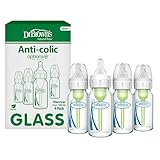
Overview: Dr. Brown’s narrow glass bottles offer a premium feeding solution for newborns struggling with colic and digestive discomfort. This four-pack of 4-ounce bottles features the brand’s signature internal vent system designed to reduce air intake during feeding. Made from medical-grade borosilicate glass, these bottles resist thermal shock and maintain temperature stability, making them ideal for parents who prioritize material safety and durability over plastic alternatives.
What Makes It Stand Out: The clinically proven anti-colic vent system sets this product apart, actively channeling air away from milk rather than simply slowing flow. This vacuum-free design mimics breastfeeding dynamics, helping preserve delicate nutrients like vitamins C, A, and E that can oxidize with standard bottles. The narrow neck design fits most breast pumps, enabling direct pumping that saves precious time during hectic feeding schedules. The Level 1 slow-flow nipple ensures newborns won’t be overwhelmed while establishing feeding patterns.
Value for Money: At $29.99 for four bottles ($7.50 each), these sit in the mid-to-premium range. While pricier than basic glass bottles, the anti-colic technology justifies the cost for parents dealing with gassy, fussy babies. The durable borosilicate construction means they’ll last through multiple children, offsetting replacement costs. Comparable anti-colic systems in plastic cost $5-7 per bottle, making this glass option a reasonable upgrade.
Strengths and Weaknesses: Strengths include superior colic reduction, nutrient preservation, thermal shock resistance, and direct pump compatibility. The vent system, while effective, requires meticulous cleaning with small brushes and has more parts to assemble than standard bottles. The narrow opening can make formula scooping messier, and the glass construction demands careful handling despite its durability.
Bottom Line: Ideal for colicky newborns and breastfeeding parents seeking glass safety. The cleaning effort is worthwhile for the digestive benefits. Highly recommended for families prioritizing anti-colic performance over convenience.
7. Dr. Brown’s Natural Flow Anti-Colic Options+ Wide-Neck Glass Baby Bottles 9 oz/270 mL, with Level 1 Slow Flow Nipple, 3 Pack, 0m+

Overview: These wide-neck glass bottles from Dr. Brown’s deliver the same trusted anti-colic technology in a larger, more versatile format. Each 9-ounce bottle accommodates growing appetites while the removable vent system adapts to your baby’s developing feeding skills. The wide-neck design simplifies formula preparation and cleaning, addressing common pain points of narrow-mouth alternatives while maintaining the brand’s commitment to reducing digestive discomfort.
What Makes It Stand Out: The convertible vent system is the headline feature, allowing parents to remove the internal mechanism as their baby’s suction strengthens. This extends the bottle’s usable lifespan from newborn through toddlerhood, eliminating the need to purchase separate transitional bottles. The wide-mouth opening dramatically reduces spillage during formula mixing and enables easier hand-washing without specialized brushes. The vacuum-free feeding continues to preserve nutrients while encouraging natural-paced feeding that mirrors breastfeeding rhythms.
Value for Money: At $22.79 for three 9-ounce bottles ($7.60 per bottle), this offers excellent long-term value. The convertible design effectively provides two bottles in one, saving $15-20 compared to buying separate vented and non-vented systems. The larger size means fewer refills as baby grows, and the durable glass construction ensures longevity. This represents one of the best cost-per-use ratios in the premium bottle market.
Strengths and Weaknesses: Strengths include adaptable venting system, wide-neck convenience, nutrient preservation, and extended usability. The wider design may not fit all breast pumps or bottle warmers, limiting compatibility. The vent system still requires thorough cleaning, and the larger size might feel bulky for new parents handling tiny infants. Some babies may need time to adjust to the wider nipple base.
Bottom Line: A smart investment for parents wanting one bottle system from birth through weaning. The convertible design and wide-neck convenience justify the price. Recommended for formula-feeding families and those valuing long-term versatility.
8. Evenflo Feeding Classic Glass, Twist Bottles, 4 Oz, 6 Bottles.

Overview: Evenflo’s Classic Twist bottles embrace simplicity and sustainability in glass bottle design. This six-pack of 4-ounce bottles features an ergonomic twisted shape that improves grip for both parent and baby during feeding sessions. With only three components per bottle, this system eliminates complexity while maintaining safety standards. The tempered glass construction offers environmental benefits over plastic, appealing to eco-conscious families seeking straightforward, reliable feeding tools without premium pricing.
What Makes It Stand Out: The minimalist three-piece design significantly reduces cleaning time and eliminates the frustration of lost parts. The twist shape isn’t just aesthetic—it provides secure handling during middle-of-the-night feeds when grip can be compromised by fatigue. Direct pump compatibility with most standard-neck breast pumps streamlines the pumping-to-feeding workflow, a crucial time-saver for breastfeeding mothers. The six-bottle quantity ensures you always have clean bottles ready during intensive newborn feeding cycles.
Value for Money: At $29.95 for six bottles ($4.99 each), this represents exceptional value in the glass bottle category. You’re getting 50% more bottles than typical 4-packs at a similar price point. The lack of complex venting systems means no expensive replacement parts, and the durable tempered glass withstands daily use. While it lacks anti-colic technology, the price point makes it accessible for budget-conscious parents who prioritize material safety over specialized features.
Strengths and Weaknesses: Strengths include unbeatable price-per-bottle, simple cleaning, ergonomic design, and direct pump compatibility. The absence of an anti-colic vent may not suit babies with digestive issues. The narrow neck complicates formula mixing, and the basic nipple design lacks the advanced latch features of premium brands. The tempered glass, while durable, isn’t as thermal shock-resistant as borosilicate alternatives.
Bottom Line: Perfect for parents wanting affordable, no-fuss glass bottles. The quantity and simplicity make it ideal for multiples or supplementing breastfed babies. Recommended for families prioritizing value and eco-friendliness over specialized features.
9. MAM Premium Glass Baby Bottles, Easy Switch Between Breast and Bottle, Feel Good Slow Flow, Newborn Essentials Must Have, 0+ Months, BPA Free, 6oz, Unisex, 3 Pack

Overview: MAM’s Premium Glass Bottles target the challenging transition between breast and bottle with design features specifically engineered for nipple acceptance. This three-pack of 6-ounce bottles combines temperature-resistant glass with MAM’s acclaimed SkinSoft nipple, which boasts a remarkable 94% acceptance rate among babies. The thoughtful inclusion of a dual-purpose dust cap that converts to a measuring cup demonstrates MAM’s attention to practical details that simplify daily feeding routines for new parents navigating the newborn phase.
What Makes It Stand Out: The SkinSoft nipple’s skin-like texture and elongated shape closely mimics maternal anatomy, making this bottle a go-to solution for breastfed babies who refuse standard bottles. The integrated spill-proof dust cap addresses hygiene concerns while traveling and eliminates the need for separate measuring tools. The 6-ounce capacity hits the sweet spot for newborns—larger than typical newborn sizes but not as bulky as 9-ounce bottles. High-temperature sterilization compatibility ensures thorough sanitization without material degradation.
Value for Money: At $25.99 for three bottles ($8.66 each), MAM positions itself in the premium segment. While more expensive than basic glass options, the specialized nipple design justifies the cost for families struggling with breast-to-bottle transitions. The included measuring cap adds $5-7 in value compared to purchasing separately. For parents facing feeding refusal issues, this bottle’s acceptance rate can prevent costly trial-and-error purchases of multiple brands.
Strengths and Weaknesses: Strengths include exceptional nipple acceptance, innovative dust cap design, optimal 6-ounce sizing, and high-temperature durability. The venting system is less sophisticated than dedicated anti-colic brands, potentially allowing more air intake. The wider design may not fit compact diaper bag bottle pockets. Replacement nipples are pricier than standard brands, increasing long-term costs if your baby prefers frequent changes.
Bottom Line: The ultimate solution for breastfed babies resistant to bottles. The nipple design alone warrants the premium price. Highly recommended for families prioritizing feeding acceptance and thoughtful design features over advanced venting systems.
10. Tommee Tippee Natural Start 9 oz Glass Baby Bottles, Self Sterilizing, BPA & Phthalates Free, 0+ Months, Slow Flow Breast-Like Nipple for a Natural Latch, Travel Jar Lids, Cup Rings, Pack of 3

Overview: Tommee Tippee’s Natural Start system revolutionizes convenience with its innovative self-sterilizing feature, eliminating the need for separate sterilizing equipment. This three-pack of 9-ounce medical-grade glass bottles transforms into a complete feeding ecosystem with included travel jar lids and cup rings, supporting your child from newborn feeds through toddler self-feeding. The breast-like nipple promotes natural latching while the self-sterilizing capability addresses one of the most time-consuming aspects of bottle feeding, making this an all-in-one solution for busy parents.
What Makes It Stand Out: The microwave self-sterilizing function is a game-changer—simply add water and microwave for three minutes to achieve hospital-grade sterilization anywhere. This feature alone saves $30-50 on separate sterilizing equipment and is invaluable for travel. The included conversion kit (jar lids and cup rings) extends functionality from bottle to food storage to sippy cup, providing exceptional longevity. The 100% leakproof guarantee, when properly assembled, prevents the messy diaper bag disasters that plague many bottle systems.
Value for Money: At $24.99 for three bottles ($8.33 each) plus conversion accessories, this package delivers outstanding value. The self-sterilizing capability eliminates equipment costs, while the growth accessories replace three separate product purchases. Medical-grade glass ensures longevity surpassing standard soda-lime glass. When factoring in the included accessories and sterilizing function, you’re saving approximately $60 compared to buying components separately, making this the best value multifunctional bottle system available.
Strengths and Weaknesses: Strengths include revolutionary self-sterilizing, complete growth system, leakproof design, and medical-grade materials. The self-sterilizing process requires precise water measurements and timing to be effective. The 9-ounce size may feel large for newborns, though the slow-flow nipple helps. The system has more parts than basic bottles, increasing assembly complexity. Some parents report the sterilizing vent can retain water if not dried properly.
Bottom Line: The ultimate all-in-one bottle system for parents valuing convenience and longevity. The self-sterilizing feature alone justifies purchase. Highly recommended for travelers, minimalists, and anyone wanting maximum functionality from a single purchase.
Why Glass Baby Bottles Are Making a Comeback
The resurgence of glass isn’t just nostalgia—it’s a response to modern parenting concerns. Unlike plastic alternatives, glass is inherently free from BPA, phthalates, and other chemicals that can leach into milk, especially when heated. Glass maintains its integrity through countless sterilizations, never absorbing odors, colors, or flavors that could affect your baby’s feeding experience. The inert nature of glass means what you put in is exactly what your baby gets—nothing more, nothing less.
Parents today are also thinking long-term about environmental impact. A single glass bottle can potentially last through multiple children and then be fully recycled, while plastic bottles typically degrade and end up in landfills. The tactile weight and temperature stability of glass also create a more satisfying feeding experience, helping babies develop proper sucking patterns without the bottle collapsing mid-feed.
Understanding the $30 Price Point: What to Expect
The $30 threshold represents a fascinating intersection in the baby bottle market. At this price, you’re stepping beyond basic utility into the realm of thoughtful engineering and proven safety standards. Manufacturers achieving this price point typically prioritize essential features over luxury packaging or celebrity endorsements.
What does this mean for you? Expect borosilicate glass construction, silicone nipples with multiple flow options, and at least one anti-colic feature. You might not get designer patterns or elaborate gift packaging, but the core functionality will rival bottles costing twice as much. The key is recognizing which features drive value versus which ones simply drive up cost. Smart manufacturers at this price point eliminate expensive middlemen and focus resources on materials and engineering.
Key Features That Define Quality Glass Bottles
Durability Standards: Borosilicate vs. Soda-Lime Glass
Not all glass is created equal, and understanding the difference could save you from shattered expectations—literally. Borosilicate glass, the gold standard for baby bottles, contains boron trioxide which creates a molecular structure that can withstand extreme temperature changes. This means you can move it from freezer to warmer without risking thermal shock. It’s also significantly more resistant to impact than you might imagine, often surviving drops from highchair height onto hard surfaces.
Soda-lime glass, while still safe and chemical-free, is more susceptible to thermal stress and impact damage. It’s the type used in many food jars and some budget bottle options. The weight difference is noticeable—borosilicate feels more substantial but is actually lighter than soda-lime of the same thickness due to its superior strength-to-weight ratio. At under $30, you can absolutely find genuine borosilicate bottles; the key is checking product specifications rather than assuming based on price alone.
Nipple Materials and Flow Systems
The nipple is where bottle design becomes truly scientific. Medical-grade silicone has become the standard, but even within this category, quality varies dramatically. Look for nipples described as “hospital-grade” or meeting ISO 10993 standards for biocompatibility. These undergo rigorous testing for cytotoxicity and sensitization, ensuring they’re truly safe for prolonged contact with your baby’s delicate tissues.
Flow systems deserve equal scrutiny. Manufacturers use numbered levels (Level 1, 2, 3) or age ranges, but the actual flow rate isn’t standardized across brands. A Level 1 from one manufacturer might flow faster than a Level 2 from another. The best bottles under $30 will offer clear guidance on flow rates, often measured in milliliters per minute, and provide multiple options within the same package. Variable flow nipples, which allow babies to control the pace by adjusting their sucking pressure, represent exceptional value when found at this price point.
Anti-Colic Technology Explained
Colic reduction features have evolved far beyond simple vented nipples. Modern systems work by preventing vacuum formation inside the bottle, which reduces air ingestion that can cause gas and discomfort. Internal venting tubes that run from the nipple collar to the bottle’s base create a consistent airflow, maintaining atmospheric pressure throughout the feeding.
Some designs incorporate micro-vents directly into the nipple flange, allowing air to enter between sips. Others use a proprietary collar design that channels air through hidden pathways. The most effective systems at this price point typically combine multiple strategies—perhaps a vented nipple paired with a specially designed collar that prevents collapse. Understanding that these features must be cleaned properly to maintain function is crucial; a clogged vent defeats the entire purpose.
Size Matters: Choosing the Right Ounce Capacity
The capacity you choose impacts both feeding efficiency and your budget. Four-ounce bottles excel for newborns who consume 2-3 ounces per feeding, minimizing wasted milk and air space that can exacerbate colic. Their compact size also makes them easier for tiny hands to eventually hold. However, babies typically outgrow these by month three, making them a short-term investment.
Eight to nine-ounce bottles represent the workhorse capacity, suitable from birth through toddlerhood. The key is recognizing that filling a large bottle partially creates more air space, potentially increasing colic risk. Some manufacturers cleverly design “transition bottles” around 5-6 ounces, bridging this gap perfectly. When evaluating price, calculate cost-per-ounce capacity rather than just sticker price—a $28 nine-ounce bottle offers better long-term value than a $22 four-ounce option.
Safety Certifications Every Parent Should Know
Beyond “BPA-free” marketing claims, legitimate safety certifications provide measurable assurance. The Consumer Product Safety Improvement Act (CPSIA) sets mandatory standards, but voluntary certifications demonstrate higher commitment. ASTM F963 specifies safety requirements for toys and children’s products, including bottle components.
European standard EN 14350 is arguably more stringent than US requirements, testing for chemical migration under various conditions including microwave heating and UV exposure. Some manufacturers also pursue ISO 9001 quality management certification, ensuring consistent production standards. Look for specific test result documentation rather than vague “meets standards” claims—the best value bottles under $30 will proudly display certification numbers you can verify independently.
The Great Debate: Clear vs. Colored Glass
Tinted glass bottles have surged in popularity, but the coloring method matters tremendously for safety. True colored glass is created by adding metal oxides during manufacturing—resulting in a permanent, non-leaching color throughout the material. Amber glass naturally blocks UV light, protecting nutrients in breastmilk from degradation.
Beware of painted or coated bottles masquerading as colored glass. These external applications can chip, exposing your baby to potential contaminants and creating cleaning challenges. The paint itself may contain chemicals not intended for food contact. At under $30, genuine colored borosilicate glass is rare but not impossible to find—typically in amber or subtle sage tones. When in doubt, clear glass eliminates any uncertainty about coatings and allows you to see milk consistency and cleanliness clearly.
Shape and Design: Functionality Beyond Aesthetics
Bottle shape influences everything from cleaning ease to baby’s latch quality. Wide-neck designs (typically 50mm or wider) better mimic the breast shape, potentially reducing nipple confusion. They also accommodate wider bottle brushes and make scooping formula less messy. However, wide-neck bottles require more storage space and may not fit standard diaper bag pockets.
Standard-neck bottles offer universal compatibility with many breast pumps and accessories—a significant cost-saving advantage. Ergonomic contours that narrow in the middle help older babies grip the bottle during self-feeding. Some designs feature a slight hourglass shape that prevents rolling when placed on counters. The base width affects stability; bottles with a diameter over 2.5 inches resist tipping but may not fit car cup holders. Consider your specific lifestyle needs rather than choosing based on appearance alone.
Ventilation Systems: Your Baby’s Comfort Matters
Effective ventilation requires more than a single hole in the nipple. Premium anti-colic systems at this price point typically feature a multi-stage approach. The nipple itself may have a one-way valve that opens to allow air in but prevents milk from leaking out. The collar often contains micro-channels that direct airflow away from the milk stream.
Internal vent tubes represent the most advanced technology you’ll find under $30. These medical-grade silicone tubes attach to the nipple and extend to the bottle’s base, creating a completely separate air pathway. As baby drinks, air enters through the tube and sits above the milk, never mixing with the liquid being consumed. This design can reduce air ingestion by up to 80% compared to traditional vented nipples. The trade-off is additional cleaning steps, but most parents find the reduction in gas and spit-up well worth the effort.
Cleaning and Maintenance: Long-Term Value
Dishwasher Safety Considerations
While most glass bottles claim dishwasher safety, the details determine longevity. Top-rack placement is non-negotiable—direct heating element exposure can stress the glass over time. Temperature limits matter; sustained exposure above 180°F can degrade silicone components and potentially weaken glass structure over hundreds of cycles.
Remove all parts before dishwashing: nipples, collars, vent tubes, and sealing discs should be placed in a separate basket to prevent warping or loss. Use a mild, fragrance-free detergent—harsh chemicals can etch glass and leave residues. Hard water deposits can cloud glass over time; a monthly vinegar rinse restores clarity. The best bottles in this price range will specify maximum dishwasher temperature and cycle recommendations in their care instructions, demonstrating thorough product testing.
Brush Types That Work Best
Standard bottle brushes often fail to clean glass effectively, leaving milk residue in the corners. Look for brushes with bristle combinations—soft nylon for gentle cleaning and stiffer bristles for stubborn spots. The brush head should be angled to reach the shoulder where the bottle narrows toward the nipple.
For wide-neck bottles, a brush with a rounded head cleans the broader base more efficiently. Consider a separate smaller brush for nipple interiors; milk proteins love to cling to the vent holes. Silicone brushes have gained popularity for their durability, but they lack the scrubbing power of quality nylon bristles. The $30 bottle category rarely includes premium brushes, so factor this separate purchase into your budget. A quality brush set costing $8-12 will protect your bottle investment and ensure true cleanliness.
Compatibility with Pumps and Accessories
Nothing’s more frustrating than discovering your bottles don’t thread onto your breast pump. The bottle market essentially splits into two standards: narrow-neck (typically 35mm) and wide-neck (50mm+). Most pumps accommodate narrow-neck bottles directly, while wide-neck compatibility requires adapters that add cost and complexity.
Beyond pumps, consider compatibility with insulated carriers, formula dispensers, and travel caps. Some bottles use proprietary threading that locks you into their accessory ecosystem. At the under $30 price point, sticking with standard neck sizes maximizes your ability to mix and match components from different manufacturers. Check whether the bottle accepts universal sealing discs for leak-proof transport—this simple feature saves countless messes and wasted milk.
Transitioning from Breast to Bottle
The psychological aspects of bottle introduction matter as much as physical features. Glass bottles that succeed here typically combine a soft, wide-based nipple with a gradual transition shape. The nipple should compress easily, requiring baby to use similar tongue and jaw movements as breastfeeding.
Pace feeding becomes crucial with glass bottles because the rigid structure doesn’t collapse like plastic. Hold the bottle horizontally, allowing baby to draw milk actively rather than passively receiving it. This technique prevents overfeeding and maintains breastfeeding rhythm. Some bottles include measurement markings on the side that remain accurate even when held at an angle—look for embossed rather than printed markings, as these won’t wear off and provide tactile feedback during nighttime feeds.
Environmental Impact and Sustainability
A glass bottle’s environmental footprint extends beyond recyclability. Manufacturing borosilicate glass requires more energy than plastic initially, but this cost amortizes over years of use. One glass bottle can replace 12-15 plastic bottles that degrade and require replacement.
Consider the packaging: minimal, recyclable cardboard indicates responsible manufacturing. Some companies offer take-back programs for worn bottles, grinding them into raw material for new products. The under $30 category increasingly includes brands with genuine sustainability commitments, often certified by B Corp or similar organizations. When your baby outgrows bottles, glass containers serve countless household purposes—from spice storage to craft organization—extending their useful life indefinitely.
Common Mistakes Parents Make When Choosing
First-time parents frequently overbuy, purchasing a dozen bottles before knowing their baby’s preferences. Start with 2-3 bottles of different designs to test what works. Another critical error is ignoring nipple flow ratings—using a fast-flow nipple on a newborn can cause choking and increase colic risk.
Many parents choose bottles based on cute patterns or colors, overlooking ventilation features that directly impact baby’s comfort. Don’t assume expensive means better; some budget bottles outperform premium brands in independent testing. Finally, failing to consider cleaning complexity leads to frustration—intricate vent systems that require pipe cleaners may not suit your lifestyle, no matter how effective they are at reducing gas.
How to Spot a True Bargain vs. a Cheap Alternative
True bargains hide their value in engineering details, not flashy marketing. Examine the nipple base—reinforced silicone that resists tearing indicates quality. The glass should feel uniformly thick, especially at the base where impact occurs. Threading on the collar should be precise, screwing on smoothly without catching.
Check the warranty: companies confident in their sub-$30 bottles often offer 1-2 year replacement guarantees against manufacturing defects. Read the fine print on “BPA-free” claims—quality manufacturers specify “BPA, BPS, BPF, and phthalate-free,” covering all potential chemical substitutes. Weight can be revealing; unexpectedly light glass bottles may indicate thin walls prone to breakage. A quality borosilicate bottle of 8-ounce capacity should weigh between 6-8 ounces empty.
Frequently Asked Questions
Are glass bottles really safe for newborns?
Absolutely. Modern borosilicate glass bottles are specifically engineered to withstand the rigors of infant care. They’re thermal-shock resistant, chemically inert, and don’t leach any substances into milk. The key is choosing bottles with safety certifications like ASTM F963 and CPSIA compliance. Always inspect bottles for chips or cracks before each use, and never use a damaged bottle.
Will glass bottles break easily if dropped?
Quality borosilicate glass bottles are surprisingly resilient. They’re designed to survive typical highchair and countertop drops onto hard surfaces. Many parents report using the same glass bottles through multiple children without breakage. However, they’re not indestructible—drops onto tile from significant height or direct impacts on the rim can cause damage. Using silicone sleeves adds impact protection without sacrificing glass benefits.
How many bottles do I actually need to start?
For most families, 4-6 bottles suffice initially. This allows for a full day’s feeds while others are being cleaned. Newborns feed 8-12 times daily, so you’ll be washing bottles at least once per day regardless. Starting with fewer bottles lets you test different designs before committing to a full set. Remember, you can always add more of a preferred style later.
Can I use glass bottles in bottle warmers?
Yes, and they actually warm more evenly than plastic. The thermal conductivity of glass distributes heat uniformly, eliminating hot spots that can burn baby’s mouth or destroy nutrients. Always follow your warmer’s instructions, and never subject glass to direct flame or stovetop heating. Sudden extreme temperature changes (like moving from freezer to boiling water) should be avoided even with borosilicate glass.
What’s the difference between borosilicate and regular glass?
Borosilicate glass contains boron, which dramatically reduces thermal expansion. This means it can handle temperature swings from -40°F to 500°F without cracking. Regular soda-lime glass, used in windows and some budget bottles, expands and contracts significantly with temperature changes, making it prone to shattering when heated or cooled rapidly. For baby bottles, borosilicate is the clear safety winner.
Are anti-colic features worth the extra cleaning effort?
For most babies, yes. Clinical studies show proper anti-colic systems can reduce crying time by up to 50% in colicky infants. Even non-colicky babies ingest less air, resulting in less spit-up and more comfortable digestion. The cleaning time adds approximately 30 seconds per bottle once you establish a routine. Many parents find this small time investment pays dividends in sleep and baby’s comfort.
How often should I replace nipples?
Replace nipples every 6-8 weeks for daily-use bottles, or immediately if you notice any tears, stickiness, or discoloration. Flow rates change as silicone degrades—a Level 1 nipple used for months may flow faster than a new Level 2. For bottles used less frequently, inspect before each use and replace at the first sign of wear. Always keep spare nipples on hand to avoid emergency runs to the store.
Is it safe to buy second-hand glass bottles?
Glass itself is safe to reuse indefinitely, but nipples and other silicone parts should always be replaced. Carefully inspect glass for any chips, scratches, or cloudiness that could harbor bacteria. Avoid bottles with unknown histories or visible wear. If you choose second-hand, sterilize glass components thoroughly and budget for new nipples, collars, and venting systems. For peace of mind, many parents prefer new bottles for their first child.
Do glass bottles stay sterile longer than plastic?
The non-porous nature of glass means once sterilized, it remains bacteria-free until exposed to contaminants. Plastic can develop microscopic scratches and pores that harbor bacteria even after sterilization. Glass also doesn’t absorb proteins and fats from milk that can create biofilms. However, both materials must be handled with clean hands after sterilization—glass’s advantage is in maintaining sterility, not creating it.
Why are some glass bottles under $30 while others cost $50+?
Price differences often reflect marketing budgets, celebrity endorsements, and elaborate packaging rather than functional superiority. Premium brands may use slightly thicker glass or proprietary nipple designs, but core safety features—borosilicate glass, medical-grade silicone, and effective venting—are readily available under $30. The key is identifying brands that prioritize materials over marketing. Many mid-priced bottles undergo identical testing as premium options but skip expensive retail markups by selling direct-to-consumer.