There’s something primal about the instinct to protect your baby’s delicate skin. From the moment you first hold them, you’re hyper-aware of every texture, every temperature, every substance that touches their perfect, paper-thin dermis. Yet walk down any baby care aisle today, and you’re bombarded with a cacophony of labels—“gentle,” “natural,” “hypoallergenic,” and yes, “fragrance-free.” The paradox of choice becomes overwhelming when you realize that not all fragrance-free claims are created equal, and what you don’t know about your baby’s cleanser could be quietly compromising their skin barrier.
This guide cuts through the marketing noise with evidence-based insights, dermatological expertise, and the unvarnished truth about what belongs in your baby’s bath. Whether you’re navigating newborn care for the first time or troubleshooting reactive skin in your toddler, you’ll discover how to evaluate products like a cosmetic chemist, understand the science behind truly safe formulations, and build a bathing routine that protects—not strips—your child’s developing skin ecosystem.
Top 10 Fragrance-Free Baby Shampoos
Detailed Product Reviews
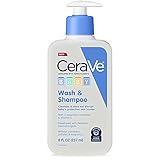
1. CeraVe Baby Wash & Shampoo, Fragrance, Paraben, & Sulfate Free Shampoo for Tear-Free Baby Bath Time, 8 Ounce
Overview:
CeraVe Baby Wash & Shampoo is a dermatologist-developed 2-in-1 cleanser designed specifically for infants’ delicate skin. This fragrance-free formula combines gentle cleansing with barrier-supporting ingredients, making it ideal for daily use during baby bath time. The 8-ounce bottle delivers a tear-free experience while avoiding common irritants like parabens, sulfates, and phthalates.
What Makes It Stand Out:
Developed with pediatric dermatologists, this wash uniquely incorporates three essential ceramides (50% of skin’s natural lipids) plus hyaluronic acid and Vitamin E. Its National Eczema Association Seal of Acceptance sets it apart, validating its suitability for babies with eczema or extremely sensitive skin conditions. The formula cleanses without stripping moisture, reinforcing the skin barrier rather than just cleaning superficially.
Value for Money:
At $1.12 per fluid ounce, this sits in the mid-to-premium range. While not the cheapest option, the clinical backing and specialized ceramide complex justify the price. Parents dealing with skin issues will find this cost-effective compared to separate medicated cleansers and moisturizers.
Strengths and Weaknesses:
Strengths: Pediatric dermatologist-developed; NEA Seal of Acceptance; Contains barrier-repairing ceramides and hyaluronic acid; Truly tear-free; No harsh chemicals
Weaknesses: Smaller 8oz size requires frequent repurchasing; Higher cost per ounce than drugstore brands; Limited to fragrance-free only
Bottom Line:
This is an excellent investment for babies with sensitive skin or eczema concerns. The scientifically-backed formula provides peace of mind that justifies the modest premium over basic baby washes.
2. The Honest Company 2-in-1 Cleansing Shampoo and Body Wash for Sensitive Skin, Tear-Free, Hypoallergenic with Naturally Derived Ingredients, Fragrance-Free, 10 fl oz

Overview:
The Honest Company’s 2-in-1 Cleansing Shampoo and Body Wash offers a naturally derived solution for sensitive baby skin in a convenient 10-ounce size. This fragrance-free version provides tear-free cleansing without harsh chemicals, making it suitable for the entire family. The formula emphasizes transparency in ingredients while maintaining hypoallergenic standards.
What Makes It Stand Out:
The brand’s commitment to naturally derived botanicals like chamomile extract and aloe vera distinguishes it from synthetic-heavy competitors. While this is the fragrance-free “Sensitive” version, the line offers four scent options, giving families flexibility. Its NEA recognition, cruelty-free status, and USA manufacturing appeal to environmentally and health-conscious parents seeking clean beauty standards.
Value for Money:
At $0.90 per ounce, this delivers solid middle-ground value. It’s more affordable than premium dermatologist-backed brands while costing slightly more than basic drugstore options. The multi-use formula eliminates need for separate products, adding convenience value.
Strengths and Weaknesses:
Strengths: Naturally derived ingredients; NEA recognized; Cruelty-free and USA-made; Family-friendly formula; Multiple scent options available; Good ingredient transparency
Weaknesses: Smaller 10oz size runs out quickly; Thinner consistency may require more product per use; Priced higher than budget brands per ounce
Bottom Line:
A reliable choice for parents prioritizing natural ingredients and ethical manufacturing. The fragrance-free version safely handles sensitive skin while the brand’s transparency builds trust.
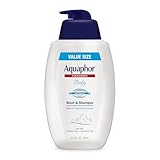
3. Aquaphor Baby Wash and Shampoo, Unscented Baby Shampoo and Wash, 25.4 Fl Oz Pump Bottle
Overview:
Aquaphor Baby Wash and Shampoo delivers extra-mild cleansing in a massive 25.4-ounce pump bottle designed for convenience and value. This pediatrician-recommended formula provides a no-frills, tear-free solution for daily baby baths. The unscented, gentle lather cleanses without overwhelming fragrances or unnecessary additives.
What Makes It Stand Out:
The standout feature is undeniably the value-sized packaging with a one-handed pump dispenser—a practical design that simplifies bath time with a slippery baby. The formula enriches cleansing with chamomile essence and Provitamin B5 for soothing benefits. Its clinical backing and focus on essential, proven ingredients rather than trendy additions appeals to practical parents.
Value for Money:
At just $0.51 per ounce, this is the budget champion. The large size lasts months even with daily use, dramatically reducing cost per wash. No other premium baby wash offers this volume at such an accessible price point, making it ideal for families wanting quality without premium pricing.
Strengths and Weaknesses:
Strengths: Exceptional value per ounce; Convenient pump bottle; Pediatrician recommended; Very mild formula; Large size lasts long
Weaknesses: Less sophisticated ingredient profile than premium brands; Basic formula lacks ceramides or hyaluronic acid; Pump mechanism can occasionally fail; Not as eco-friendly packaging
Bottom Line:
The best budget-friendly option for everyday use. If you want reliable, gentle cleansing without premium price tags, this pump bottle delivers outstanding value and convenience.
4. The Honest Company 2-in-1 Cleansing Shampoo and Body Wash for Sensitive Skin, Gentle Tear-Free, Hypoallergenic with Naturally Derived Ingredients, Fragrance-Free, 18 fl oz

Overview:
This 18-ounce version of The Honest Company’s 2-in-1 Cleansing Shampoo and Body Wash scales up their popular sensitive skin formula for better value. It maintains the same naturally derived, tear-free, hypoallergenic composition as the smaller bottle while addressing the main criticism of frequent repurchasing. The fragrance-free “Sensitive” variant ensures zero irritation for delicate baby skin.
What Makes It Stand Out:
This larger format combines the brand’s clean ingredient philosophy with practical economy. The formula’s reliance on chamomile extract and aloe vera—plus its avoidance of parabens, sulfates, synthetic fragrances, and phthalates—remains consistent. Its NEA recognition, dermatologist testing, and cruelty-free USA manufacturing provide credibility that mass-market brands lack.
Value for Money:
At $0.89 per ounce, this larger size offers marginally better value than the 10oz version while maintaining mid-range positioning. The increased volume reduces shopping frequency and packaging waste, adding environmental and convenience value. It strikes a balance between premium natural brands and basic cleansers.
Strengths and Weaknesses:
Strengths: Better value than smaller Honest size; Naturally derived ingredients; NEA recognized; Cruelty-free; Family-friendly; Reduces plastic waste
Weaknesses: Still pricier than budget options like Aquaphor; Large size may be cumbersome for small spaces; Thinner formula requires careful dispensing
Bottom Line:
The smart choice for families committed to The Honest Company’s natural approach. This size eliminates the main drawback of frequent repurchasing while maintaining ingredient integrity.
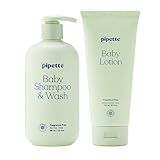
5. Pipette Fragrance Free Wash and Lotion Duo, Pack of 2, Fragrance Free Baby Shampoo and Body Wash, Unscented Lotion for Newborns, Sensitive Skin, and Kids, Tear-Free Bath Time, Hypoallergenic
Overview:
Pipette’s Fragrance Free Wash and Lotion Duo represents the premium tier of baby skincare, bundling a gentle shampoo/body wash with a complementary lotion. This two-pack system addresses complete bathing and moisturizing needs for newborns and children with ultra-sensitive skin. The fragrance-free, tear-free formulas emphasize advanced, clean ingredients.
What Makes It Stand Out:
The dual-product approach ensures matched skincare chemistry, while sophisticated ingredients like ceramide NP, pomegranate sterols, and plant-derived glycerin elevate it beyond basic cleansers. The wash uses ultra-nourishing glycolipids for gentle cleansing, while the lotion seals in moisture with antioxidant support. This scientific approach to baby skincare mirrors adult premium brands.
Value for Money:
At $1.24 per fluid ounce (calculated across both products), this is the most expensive option. However, considering it includes two full-sized products, the premium is justified for parents wanting a complete, dermatologically-advanced system without researching separate purchases.
Strengths and Weaknesses:
Strengths: Complete wash and lotion system; Advanced ingredients (ceramides, pomegranate sterols); Safe for newborns; No sulfates or toxic ingredients; Scientifically sophisticated; Tear-free and hypoallergenic
Weaknesses: Highest price point; Lotion may be redundant for some families; Smaller individual bottles than standalone options; Overkill for babies without skin issues
Bottom Line:
Ideal for parents seeking a premium, all-in-one skincare solution. The advanced ingredient profile justifies the cost for newborns or babies with persistent dryness or sensitivity.
6. Baby Dove Sensitive Skin Care Baby Wash Fragrance Free Moisture For Baby Bath Time Fragrance Free and Hypoallergenic, Washes Away Bacteria 20 oz

Overview: Baby Dove Sensitive Skin Care Baby Wash delivers gentle cleansing specifically formulated for the most delicate skin. This fragrance-free, hypoallergenic formula is designed for eczema-prone infants and newborns, providing a safe option for their first bath. The 20-ounce bottle offers generous volume for regular use, while the tear-free composition ensures bath time remains comfortable and stress-free.
What Makes It Stand Out: This wash uniquely combines 100% skin-natural nutrients with prebiotic moisture to support your baby’s developing skin barrier. Unlike many conventional washes, it’s certified cruelty-free by PETA and has undergone rigorous testing by ophthalmologists, dermatologists, and pediatricians. The formula effectively washes away bacteria while remaining gentle enough for daily use, and its versatility extends to handwashing for the whole family.
Value for Money: At $0.41 per fluid ounce, this represents exceptional value in the sensitive baby care category. The 20-ounce size significantly outlasts competitors, and Dove’s accessibility through mass retailers keeps costs down. While premium natural brands charge nearly double, Baby Dove delivers clinically-tested safety at a budget-friendly price point that doesn’t compromise on quality.
Strengths and Weaknesses: Strengths include outstanding affordability, extensive clinical testing, prebiotic benefits, large bottle size, and multi-purpose functionality. The fragrance-free formula suits the most reactive skin types. Weaknesses are minimal: ingredient-conscious parents may prefer a higher percentage of natural components, and those seeking organic certification won’t find it here. The brand’s mass-market positioning may deter natural-product purists despite its impressive safety credentials.
Bottom Line: For parents prioritizing gentle, clinically-proven care without the premium price tag, this is a top-tier choice. It balances safety, efficacy, and value better than most competitors.
7. The Honest Company 2-in-1 Cleansing Shampoo and Body Wash, Gentle for Baby, Naturally Derived, Tear-free, Hypoallergenic, Lavender Calm, 10 fl oz

Overview: The Honest Company’s Lavender Calm 2-in-1 Cleansing Shampoo and Body Wash offers a naturally derived solution for families seeking a soothing bath time experience. This tear-free formula combines gentle cleansing with the calming aroma of lavender, making it suitable for babies while appealing to the entire household. The 10-fluid-ounce bottle provides a concentrated blend designed for sensitive skin.
What Makes It Stand Out: Available in four distinct scents plus a fragrance-free variant, this product line offers customization most brands lack. The Lavender Calm scent uses naturally derived botanicals and essential oils rather than synthetic fragrances. Made in the USA with chamomile extract and aloe, it maintains Honest Company’s commitment to transparent, clean ingredient sourcing while delivering a sensory experience that transforms routine bathing.
Value for Money: At $1.00 per fluid ounce, this sits in the mid-range category. The smaller 10-ounce bottle means more frequent repurchasing compared to value-sized competitors. However, the 2-in-1 functionality reduces the need for separate products, and the brand’s rigorous ingredient standards justify the modest premium over conventional options. You’re paying for quality sourcing and brand trustworthiness.
Strengths and Weaknesses: Strengths include versatile scent options, genuinely natural ingredients, family-friendly formulation, and strong brand reputation for safety. The tear-free promise holds true, and it’s dermatologist-tested. Weaknesses center on the lavender scent potentially irritating highly sensitive skin despite natural origins, the smaller bottle size requiring more frequent purchases, and the price point being higher than fragrance-free drugstore alternatives.
Bottom Line: Ideal for families wanting a naturally scented, multi-use cleanser from a trusted clean brand. Skip if your baby has extremely reactive skin or you need maximum value sizing.
8. Burt’s Bees Baby Sensitive Shampoo and Wash, Fragrance Free, Tear Free, Pediatrician Tested, 98.7% Natural Origin, 21 Fluid Ounces

Overview: Burt’s Bees Baby Sensitive Shampoo and Wash provides a fragrance-free, 98.7% natural origin solution for delicate infant skin. This pediatrician-tested formula combines shampoo and body wash in one convenient bottle, delivering gentle cleansing without harsh chemicals. The 21-ounce size ensures extended use while maintaining the brand’s commitment to natural ingredients.
What Makes It Stand Out: The exceptionally high natural origin percentage sets this apart from mass-market competitors. Burt’s Bees leverages its trusted reputation in natural personal care, formulating without phthalates, parabens, petrolatum, or SLS. The plant-based cleansing complex effectively cleans while preserving natural moisture, making it gentle enough for daily use on newborns and sensitive skin types.
Value for Money: At $0.76 per ounce with a substantial 21-ounce volume, this offers solid value for a premium natural brand. While pricier than conventional baby washes, the high natural content and dual-function formula justify the cost. The larger size reduces packaging waste and shopping frequency, delivering convenience alongside quality.
Strengths and Weaknesses: Strengths include outstanding natural ingredient percentage, fragrance-free formulation, trusted brand reputation, pediatrician testing, and generous bottle size. The absence of harsh chemicals appeals to health-conscious parents. Weaknesses include a higher price point than non-natural alternatives, potentially less lathering than synthetic formulas, and limited additional skin-benefiting ingredients like prebiotics or organic botanicals found in ultra-premium competitors.
Bottom Line: A reliable, naturally-minded choice for parents seeking proven gentle care without synthetic additives. It strikes an excellent balance between purity, performance, and practicality.
9. Babo Botanicals Fragrance-Free 2-in-1 Baby Shampoo & Wash - Shea Butter, Calendula & Aloe - EWG Verified, Cruelty-Free, Vegan - Pediatrician Tested - 16 Fl Oz

Overview: Babo Botanicals Fragrance-Free 2-in-1 Baby Shampoo & Wash represents the pinnacle of safety-conscious baby care. This EWG Verified formula delivers gentle cleansing for newborns through adults using organic calendula, shea butter, and aloe. The 16-ounce bottle contains a plant-based solution specifically designed for the most reactive skin types.
What Makes It Stand Out: Earning the #1 safety rating from Environmental Working Group distinguishes this as the cleanest option available. It’s B Corp Certified, vegan, and free from gluten, soy, and dairy—addressing concerns beyond typical baby products. The organic Nutri-Soothe Complex with natural oat protein actively nourishes while cleansing, making it therapeutic rather than merely gentle.
Value for Money: At $1.25 per ounce, this commands premium pricing. However, for parents prioritizing absolute safety and organic ingredients, the cost reflects rigorous third-party verification and ethical manufacturing. While significantly more expensive than conventional washes, it eliminates guesswork for families managing severe allergies, eczema, or chemical sensitivities.
Strengths and Weaknesses: Strengths include unparalleled safety certification, organic botanical ingredients, vegan formulation, B Corp ethical standards, and hypoallergenic properties. The fragrance-free formula suits the most sensitive individuals. Weaknesses are primarily cost-related—it’s the most expensive option per ounce with a smaller bottle size. For babies without specific sensitivities, the premium may be unnecessary. Availability can be limited compared to drugstore brands.
Bottom Line: The gold standard for parents demanding verified purity and ethical production. Worth every penny for sensitive skin but over-engineered for average needs.
10. ATTITUDE 2-in-1 Shampoo and Body Wash for Baby, Fragrance-Free EWG Hypoallergenic Plant- and Mineral-Based Ingredients, Vegan and Cruelty-Free, Unscented, 16 Fl Oz

Overview: ATTITUDE’s 2-in-1 Shampoo and Body Wash for Baby delivers EWG Verified safety in a fragrance-free, plant-based formula. This Canadian brand combines blueberry leaf extract with mineral-based cleansers to create a gentle yet effective solution for delicate skin. The 16-ounce bottle offers a sustainable choice for eco-conscious families.
What Makes It Stand Out: EWG Verification ensures this meets strict health standards without greenwashing. The inclusion of blueberry leaf extract provides natural soothing properties uncommon in budget-friendly options. Sustainability extends beyond ingredients to the highly recyclable HDPE bottle. At 97% natural origin, it approaches premium purity while maintaining accessibility.
Value for Money: At $0.81 per fluid ounce, this represents excellent value for an independently verified clean product. It undercuts many natural competitors while delivering comparable safety credentials. The mid-range pricing makes rigorous third-party testing accessible to budget-minded parents who won’t compromise on ingredient integrity.
Strengths and Weaknesses: Strengths include legitimate EWG verification, sustainable packaging, vegan formulation, high natural ingredient percentage, and affordable pricing for its category. The fragrance-free formula respects sensitive skin and scent-free households. Weaknesses include lesser brand recognition than competitors, potentially limited retail availability, and fewer nourishing botanicals compared to ultra-premium organic brands. Some parents may prefer established baby care names.
Bottom Line: An outstanding compromise between safety certification, environmental responsibility, and affordability. For evidence-based parents, this is a smart, sustainable choice.
Why Fragrance-Free Matters for Your Little One
That lingering “baby fresh” scent might trigger nostalgic feelings, but it’s often a chemical cocktail of undisclosed ingredients. Synthetic fragrances are among the top five allergens in personal care products, containing anywhere from dozens to hundreds of undisclosed chemicals under the single word “parfum” or “fragrance.” For infants, whose skin is up to 30% thinner than adult skin and whose organs are still developing, these compounds don’t just sit on the surface—they absorb directly into the bloodstream.
Research published in Pediatric Dermatology shows that fragrance sensitization can develop after just a few exposures, meaning today’s sweet-smelling wash could become tomorrow’s contact dermatitis. More concerning, certain fragrance compounds like phthalates (used to make scents last longer) are known endocrine disruptors. The newborn period represents a critical window of vulnerability when even low-dose exposures can have lasting impacts. Choosing fragrance-free isn’t about being overly cautious—it’s about respecting the biological reality that your baby’s detoxification systems are immature and their skin is designed to absorb, not repel.
Understanding Your Baby’s Delicate Skin Barrier
Your infant’s skin isn’t just smaller—it’s fundamentally different. The stratum corneum, the outermost protective layer, is still developing its brick-and-mortar structure of corneocytes and lipids. This incomplete barrier loses moisture faster and absorbs substances more readily. The natural pH of newborn skin hovers around 7.0 at birth, gradually acidifying to the adult ideal of 4.5-5.5 over the first few weeks of life. This “acid mantle” development is crucial for supporting beneficial skin microbiome and preventing pathogenic overgrowth.
Every time you cleanse, you’re not just removing dirt—you’re temporarily disrupting this delicate ecosystem. Harsh surfactants can strip away natural moisturizing factors and lipids, while alkaline products can shift pH levels for hours, creating a breeding ground for irritation. The goal isn’t sterilization; it’s gentle maintenance that works with your baby’s biology, not against it.
The “Fragrance Loophole”: What Manufacturers Don’t Have to Disclose
Here’s a dirty secret of the cosmetics industry: fragrance formulas are considered trade secrets, protected by law from disclosure. When you see “fragrance” or “parfum” on an ingredient list, you’re looking at a black box that could contain any of 3,000+ stock chemical ingredients, many never tested for safety in infants. This regulatory gap means companies can hide potential allergens, sensitizers, and hormone-disrupting compounds in plain sight.
“Unscented” products sometimes contain masking fragrances—chemicals designed to neutralize other odors—while “fragrance-free” should mean zero fragrance additives. However, even this term isn’t federally regulated, creating a gray area where essential oils or botanical extracts might still be present. These natural fragrances can be equally problematic; limonene from citrus oils and linalool from lavender oxidize on skin, forming potent allergens. True fragrance-free means no aromatic compounds, period.
Ingredients to Avoid in Baby Shampoos and Cleansers
Synthetic Fragrances and Parfums
Beyond the allergen concern, synthetic musks like galaxolide and tonalide are persistent in the environment and have been detected in human breast milk and cord blood. They accumulate in fatty tissue and may interfere with cellular detoxification pathways. Even if your baby shows no immediate reaction, you’re making a decision about their toxic body burden.
Parabens and Preservatives
While parabens effectively prevent microbial growth, they’re also xenoestrogens that mimic estrogen in the body. Butylparaben and propylparaben have been linked to altered reproductive development in animal studies. Look beyond the “-paraben” suffix too—phenoxyethanol, a common alternative, can cause central nervous system depression in infants at concentrations as low as 1%. The European Commission restricts its use in baby products, but U.S. regulations remain lax.
Sulfates (SLS/SLES)
Sodium lauryl sulfate and sodium laureth sulfate are aggressive surfactants that create that satisfying lather but at a cost. They solubilize not just dirt but also the skin’s natural lipids, compromising barrier function. SLES is often contaminated with 1,4-dioxane, a probable human carcinogen that doesn’t appear on ingredient labels because it’s a byproduct, not an added ingredient. Gentle cleansing doesn’t require mountains of bubbles.
Phthalates
Often hidden within “fragrance,” phthalates like DEP and DBP make scents adhere to skin. They’re also anti-androgens, meaning they interfere with testosterone production and male reproductive development. Studies show infant exposure through personal care products correlates with altered hormone levels. Since they’re not listed separately, the only way to avoid them is true fragrance-free formulations.
Formaldehyde Releasers
Quaternium-15, DMDM hydantoin, and imidazolidinyl urea slowly release formaldehyde to preserve products. Formaldehyde is a known carcinogen and potent allergen. The scalp’s warmth and moisture accelerate this release, creating a continuous low-level exposure during bath time. These ingredients are completely unnecessary with modern preservation systems.
PEG Compounds and Ethoxylated Ingredients
Ingredients starting with “PEG-” or containing “-eth-” (like laureth-4) are ethoxylated, a process that can contaminate them with 1,4-dioxane and ethylene oxide, both linked to cancer. They’re used as thickeners and emulsifiers but offer no benefit that can’t be achieved with safer alternatives.
Beneficial Ingredients to Look For
Gentle Surfactants (Coco-Glucoside, Decyl Glucoside)
These sugar-derived cleansers work by attracting both oil and water without stripping lipids. They have large molecular structures that can’t penetrate deeply into skin, making them inherently less irritating. They produce a soft, creamy lather rather than aggressive bubbles, indicating gentler cleansing action.
Natural Oils and Butters
Look for cold-pressed oils like sunflower, jojoba, or coconut oil in the first five ingredients. These mimic skin’s natural sebum and deposit a protective layer during cleansing. Avoid mineral oil (petroleum-derived) which can occlude pores and interfere with natural barrier development. The key is balance—oils should support, not coat.
Calming Botanicals (Chamomile, Calendula)
When properly extracted without solvents, these flowers offer genuine anti-inflammatory benefits. Bisabolol from chamomile and faradiol esters from calendula calm irritated skin without the risks of essential oils. Ensure they’re water or glycerin extracts, not alcohol-based, which can dry delicate skin.
Moisturizing Agents (Glycerin, Panthenol)
Humectants like glycerin draw moisture into the skin, while panthenol (pro-vitamin B5) supports barrier repair. These should appear early in the ingredient list. Be wary of products that list them near the end—this indicates “fairy dusting,” where beneficial ingredients are added in negligible amounts just for marketing.
Decoding Product Labels: A Parent’s Guide
Ingredient lists follow a strict descending concentration order—ingredients above 1% are listed from highest to lowest. The first five ingredients typically constitute 80-90% of the product. If water (aqua) is first, that’s normal, but what follows matters critically.
Watch for “ingredient splitting,” where companies break one ingredient into components to push problematic ones down the list. For example, “sodium coco-sulfate” might appear separate from “cocamidopropyl betaine” to obscure total surfactant concentration.
Marketing terms are unregulated fluff. “Dermatologist-tested” means a dermatologist tried it—maybe once. “Pediatrician-recommended” could mean one doctor likes it. “Natural” has no legal definition. Only third-party certifications carry weight. Flip the bottle and read the back, not the front.
The pH Factor: Why Acidic Matters
Healthy baby skin maintains a pH between 4.5 and 5.5. Every point increase in pH (making it more alkaline) can increase bacterial colonization tenfold. Most conventional soaps have a pH of 9-10, which is why true soap should never touch baby skin. Even “gentle” cleansers often land at pH 6-7, disrupting the acid mantle for 6-8 hours post-bath.
Look for products specifically formulated with a pH of 5.0-5.5. This information isn’t always on labels—reputable brands will provide it when asked. You can also test at home with pH strips. The right pH supports the skin’s natural enzymes that produce ceramides, the lipids that hold the barrier together. Without acidic pH, you’re essentially washing away your baby’s natural defense system.
“Tear-Free” Formulas: Science vs. Marketing
Tear-free technology works by numbing the eye’s pain receptors with anesthetizing agents like alkyl polyglucosides or by adjusting pH to match tear fluid. While this prevents immediate stinging, it doesn’t mean the product is safe for ocular exposure. In fact, it can encourage complacency, allowing harmful ingredients to enter the eye without triggering protective blinking or tearing.
The real question isn’t whether a formula is tear-free, but whether it’s eye-safe. A truly gentle, pH-balanced cleanser with mild surfactants shouldn’t irritate eyes even without numbing agents. Focus on overall gentleness rather than this single marketing claim. For newborns, use a damp cloth to clean the face—no product needed near the eyes.
Certifications That Actually Matter
EWG Verified
The Environmental Working Group’s verification requires full ingredient transparency, avoidance of their “unacceptable” list of chemicals, and robust safety testing. Products must score “green” in their Skin Deep database. This is one of the most stringent standards available.
USDA Organic
For personal care, this certifies that agricultural ingredients are grown without synthetic pesticides or fertilizers. However, it doesn’t address non-agricultural ingredients or processing contaminants. A USDA Organic label on a cleanser means the plant oils are clean, but watch for synthetic surfactants hiding in the non-organic portion.
NSF/ANSI 305
This standard specifically covers personal care products, requiring at least 70% organic content and prohibiting many synthetic chemicals that USDA Organic allows. It’s more comprehensive for cleansers than USDA alone.
Leaping Bunny/Cruelty-Free
While not a safety certification, it ensures no animal testing occurred. For ethically-minded parents, this matters. Be aware that some companies use third-party animal testing data while claiming “we don’t test”—Leaping Bunny requires supply chain verification.
National Eczema Association Seal
Products must pass clinical testing on sensitive skin and avoid a lengthy list of known irritants. This is gold standard for eczema-prone babies, but remember—absence of this seal doesn’t mean a product is unsafe, just that the company hasn’t pursued expensive testing.
Product Types: Wash, Shampoo, or All-in-One?
Dedicated baby shampoos typically contain conditioning agents for hair manageability but can be too heavy for delicate skin. Body washes prioritize skin-friendly ingredients but may leave hair feeling coated. All-in-one products offer convenience but represent a compromise—formulators must balance cleansing power with mildness, often resulting in a product that’s adequate at both tasks but excellent at neither.
For newborns, consider water-only bathing for the first month, adding a tiny amount of gentle cleanser only for visibly dirty areas. As babies become mobile, a separate, ultra-mild hair cleanser used sparingly (once or twice weekly) plus a fragrance-free body wash for skin makes sense. The scalp’s sebaceous glands are more active and can tolerate slightly stronger cleansing than body skin.
Age-Specific Considerations
Newborns (0-3 months)
The vernix caseosa, that waxy white coating at birth, is nature’s perfect moisturizer. Don’t rush to wash it off. Sponge baths with warm water alone are sufficient for the first 2-4 weeks. When you do introduce cleanser, use a pea-sized amount in a full tub—dilution is your friend. Focus on skin folds where moisture and milk can accumulate.
Infants (3-12 months
Once crawling begins, babies legitimately get dirty. But daily full-body cleansing is still unnecessary. Targeted cleaning of hands, face, and diaper area with a soft cloth suffices most days. Full baths 2-3 times weekly with a gentle, fragrance-free cleanser prevent over-drying. This is prime time for developing contact allergies, so consistency matters—don’t product-hop.
Toddlers (12+ months)
Active toddlers with full heads of hair need more robust cleansing, but the principle remains: gentle and infrequent. Focus on removing food, dirt, and sunscreen without stripping natural oils. This age often develops sensory preferences, so texture and foaming can matter for cooperation. Choose a product they’ll tolerate, but don’t compromise on ingredient quality.
Common Skin Conditions and Special Needs
Eczema-Prone Skin
For atopic dermatitis, cleansing should be approached as medical skin care, not hygiene. Use a non-foaming, lipid-rich cream cleanser that deposits ceramides while cleaning. The National Eczema Association recommends baths lasting no more than 10 minutes, using lukewarm water, and applying emollients within three minutes of exiting the tub to lock in moisture.
Cradle Cap
This seborrheic dermatitis requires a different strategy. A small amount of mineral oil (the one exception to the “avoid petroleum” rule) massaged into the scalp can loosen scales before a gentle shampoo removes them. Don’t pick or scrub. If scales are thick, a cradle cap brush with soft silicone bristles used gently can help, but never on broken skin.
Contact Dermatitis
If your baby develops red, itchy patches where product touches, discontinue use immediately. The culprit is often a preservative or surfactant, not fragrance. Take photos and show your pediatrician. Patch testing by a dermatologist can identify the specific allergen—crucial information since many products share ingredients.
Extremely Dry Skin
Bathing can worsen xerosis if done incorrectly. Add a capful of fragrance-free baby oil to the bath water to create a moisturizing film. Use a soap-free cleansing bar (syndet) rather than liquid wash—these often have lower water content and higher lipid percentages. Skip the bubbles entirely; they indicate surfactants that will dry skin further.
The Patch Test: Your Safety Net
Before using any new product full-body, conduct a controlled exposure test. Apply a dime-sized amount to the inside of your baby’s forearm or behind one ear (areas where skin is thin and reactions show quickly). Leave for 24 hours without washing, checking periodically for redness, bumps, or swelling.
If no reaction occurs, use the product on a small area (like one leg) during the next bath. Wait another 24-48 hours. Only after passing both tests should you use it regularly. This seems excessive until your baby has their first allergic reaction—then you’ll wish you’d tested. Keep a product diary noting what you use and when any skin changes occur. Patterns emerge over time that solve mysterious rashes.
Beyond the Bottle: Packaging and Sustainability
Pump dispensers offer one-handed convenience but introduce more air and potential bacterial contamination with each pump. Airless pumps are better but expensive. Squeeze bottles with flip caps are most hygienic but require two hands. For newborns, consider decanting a small amount into a separate container to avoid contaminating your main supply with bath water.
Packaging materials matter too. HDPE plastic (#2) is widely recyclable and doesn’t leach chemicals like PET can. Glass is inert but dangerous in wet bathrooms. Concentrated formulas that require dilution reduce plastic waste but demand careful measuring. Some brands offer refill pouches—better for the environment but check that the pouch material is recyclable.
Price vs. Value: Making Smart Choices
A $25 bottle isn’t necessarily better than a $10 one, but a $3 bottle should raise red flags. Quality ingredients cost money. Calculate cost-per-use: a concentrated $20 bottle that lasts 6 months (2-3 pumps per bath) costs about 11 cents per use. A watery $8 bottle that lasts 2 months costs 13 cents per use—and likely contains more water and fewer beneficial ingredients.
The sweet spot is typically $12-18 for an 8-12 ounce bottle from a reputable brand with transparent sourcing. Beware of “premium” pricing based on branding alone. Check if the company publishes its ingredient sourcing and safety testing—transparency is free and indicates integrity. Sometimes you’re paying for marketing; sometimes you’re paying for better preservation systems and quality control.
Proper Usage Techniques for Gentle Cleansing
Water temperature should be body temperature (98.6°F)—use your elbow, not your hand, to test. Hot water strips lipids faster than any cleanser. Fill the tub before putting baby in; running water can create irritating bubbles and temperature fluctuations.
Use a pea-sized amount of cleanser, emulsifying it in your wet hands before applying to skin. This ensures even distribution and prevents concentrated patches. Start at the cleanest areas (torso) and move to dirtiest (diaper area) last to avoid cross-contamination. Rinse with clean water, not bath water, by cupping water in your hand or using a separate container.
Never leave baby in soapy water—the “soak” time should be in clean water only. Limit total bath time to 5-10 minutes for newborns, extending to 15 minutes for older babies. After bathing, pat (don’t rub) dry with a soft cotton towel, leaving skin slightly damp before applying moisturizer.
Frequently Asked Questions
What’s the difference between “fragrance-free” and “unscented”? Fragrance-free means no fragrances or masking scents have been added. Unscented means the product may contain chemicals that neutralize odor but don’t add scent. For babies, fragrance-free is the only safe choice, as unscented products can still contain allergenic compounds.
Can I use regular adult shampoo on my baby in a pinch? No. Adult shampoos are formulated for oilier scalps and contain harsher surfactants, stronger preservatives, and often fragrances at higher concentrations. Even a single use can disrupt your baby’s skin pH and cause irritation. In emergencies, warm water alone is safer than adult products.
How often should I wash my baby’s hair? Newborns need hair washing only once weekly or when visibly soiled. Over-washing stimulates oil production and can worsen cradle cap. As babies become mobile and develop more hair, 2-3 times weekly is sufficient. Daily washing is only necessary for severe cradle cap under pediatrician guidance.
Are “natural” or “organic” products automatically safer? Not necessarily. Poison ivy is natural but not safe for baby skin. Many natural ingredients are potent allergens, and organic certification doesn’t guarantee low irritation potential. Focus on simple, short ingredient lists with proven gentle components rather than marketing terms.
What should I do if my baby develops a rash after using a new product? Stop using the product immediately. Take clear photos of the rash and note when it appeared relative to product use. Apply a thin layer of plain petroleum jelly to protect the skin and call your pediatrician. If the rash is severe, spreading rapidly, or accompanied by swelling or breathing difficulty, seek emergency care.
Is tear-free formula necessary for babies? Tear-free formulas use anesthetizing agents that mask irritation rather than prevent it. A truly gentle, pH-balanced cleanser shouldn’t sting eyes even without these additives. For newborns, avoid getting any product near the eyes. For older babies, teach them to tilt their head back during rinsing rather than relying on numbing chemicals.
Can fragrance-free products still cause allergic reactions? Yes. Fragrance is just one of many potential allergens. Preservatives, surfactants, and even natural botanicals can trigger reactions. This is why patch testing is crucial. However, removing fragrance eliminates the single largest category of allergens, dramatically reducing risk.
When can I start using shampoo on my newborn? Most pediatricians recommend waiting until the umbilical cord stump has healed and you’ve transitioned from sponge baths to tub baths—typically 2-4 weeks. Even then, use cleanser sparingly. The scalp’s natural oils protect the delicate fontanelle area and regulate temperature. Water-only hair rinsing is perfectly adequate for the first month.
Are homemade baby washes with castile soap safe? Castile soap is alkaline (pH 8-9) and will disrupt your baby’s acid mantle. While natural, it’s too harsh for regular use and doesn’t contain the moisturizing agents baby skin needs. If you prefer DIY, use plain water or consult a pediatric dermatologist for safe recipes—never use soap-based cleansers on infants.
Do fragrance-free products expire faster? They can. Fragrances often have antimicrobial properties that extend shelf life. Fragrance-free products rely more heavily on preservatives, so they’re more sensitive to contamination. Always check expiration dates, store in a cool dry place, and discard if you notice color changes, separation, or off-odors. Pump bottles help prevent contamination better than open containers.