If you’ve ever paced the floor at 3 AM with a screaming baby who just spit up what seems like their entire feeding, you already know the unique hell that is infant reflux. The constant laundry, the worried pediatrician visits, the desperate Googling at ungodly hours—it’s enough to make any parent question everything they thought they knew about caring for a newborn. While reflux affects up to 50% of infants, finding the right feeding solution can feel like searching for a mythical unicorn that actually sleeps through the night.
Enter the unsung hero of reflux management: the formula pitcher. This seemingly simple kitchen tool can revolutionize how you prepare your baby’s meals, dramatically reducing the air bubbles and foam that exacerbate spit-up and discomfort. But not all pitchers are created equal, especially when you’re dealing with a reflux-prone little one. The right formula pitcher doesn’t just mix—it transforms your entire feeding routine from a foamy, frantic mess into a smooth, controlled process that could help reduce your baby’s discomfort and your own anxiety.
Top 10 Formula Pitchers for Reflux Babies
Detailed Product Reviews
1. Dr. Brown’s Baby Formula Mixing Pitcher with Adjustable Stopper, Locking Lid, & No Drip Spout, 32oz, BPA Free, Blue

Overview:
Dr. Brown’s Baby Formula Mixing Pitcher in blue offers a practical solution for parents tired of shaking bottles individually. This 32-ounce BPA-free pitcher uses a specialized mixing blade to dissolve formula powder without clumps, preparing up to four 8-ounce bottles simultaneously. The compact design makes it ideal for small kitchens and travel, while the lightweight construction ensures easy handling during bleary-eyed nighttime feeds.
What Makes It Stand Out:
The adjustable stopper is the star feature, preventing the mixing blade from lifting above the liquid surface and introducing excess air. This innovative design helps reduce gas and colic in babies who swallow air during feeding. The locking lid and drip-free spout ensure mess-free pouring, even during those middle-of-the-night sessions. Dr. Brown’s reputation for anti-colic innovation translates perfectly into this batch-preparation tool.
Value for Money:
At $8.49, this pitcher delivers exceptional value. It’s one of the most affordable formula mixers from a trusted pediatric brand, costing less than two days’ worth of formula. The durability and time-saving benefits far exceed the modest investment, making it accessible for budget-conscious families while delivering premium functionality.
Strengths and Weaknesses:
Strengths include the anti-bubble technology, easy assembly, lightweight portability, and dishwasher-safe components. The 32-ounce capacity suits most daily needs. Weaknesses are the plastic construction (though BPA-free) and slightly smaller capacity compared to 36-ounce alternatives. The blue color may not appeal to all aesthetic preferences.
Bottom Line:
This pitcher is a must-have for new parents seeking an affordable, effective way to reduce formula prep time and minimize baby gas. The air-reduction feature alone justifies the price, making it a smart investment for healthier, happier feeding experiences.
2. Dr. Brown’s Baby Formula Mixing Pitcher with Adjustable Stopper, Locking Lid & No Drip Spout, Black, BPA Free, 36oz, 1 Pack

Overview:
Dr. Brown’s black 36-ounce formula mixing pitcher builds on the brand’s reputation with increased capacity for busy parents. This sleek, BPA-free pitcher prepares up to four 8-ounce bottles in one batch, streamlining your feeding routine. The larger size reduces prep frequency while maintaining the same trusted mixing technology that prevents clumping and ensures smooth consistency.
What Makes It Stand Out:
Like its smaller sibling, the adjustable stopper minimizes air incorporation during mixing, directly addressing infant gas and colic concerns. The locking lid provides security against spills, while the no-drip spout ensures precise pouring. The matte black finish offers a modern, gender-neutral aesthetic that blends seamlessly into contemporary kitchens and hides stains better than lighter colors.
Value for Money:
Priced at $10.99, you’re paying only $2.50 more for an additional 4 ounces of capacity compared to the 32-ounce version. This represents solid value for parents who prefer prepping larger batches. The time saved on multiple daily mixing sessions quickly offsets the modest price increase, making it a worthwhile upgrade for growing babies.
Strengths and Weaknesses:
Strengths include the anti-bubble mixing system, larger capacity, sturdy construction, and easy disassembly for cleaning. The black color is practical and stylish. Weaknesses remain the plastic material (despite being BPA-free) and that it’s slightly bulkier for travel. Some users report the adjustable stopper requires occasional readjustment during use.
Bottom Line:
For parents preparing multiple bottles throughout the day, this 36-ounce version offers the perfect balance of capacity and convenience. The proven anti-gas technology and trusted brand name make it worth the small premium over smaller alternatives.
3. Dr. Brown’s Baby Formula Mixing Pitcher with Adjustable Stopper, Locking Lid & No Drip Spout, Gray, BPA-Free, 36 oz

Overview:
Dr. Brown’s gray 36-ounce formula pitcher delivers identical functionality to the black version, offering parents a neutral color alternative. This BPA-free mixer handles up to 36 ounces of formula, preparing four bottles simultaneously. The gray finish provides a subtle, kitchen-friendly appearance that resists showing wear over time while maintaining the brand’s signature anti-colic engineering.
What Makes It Stand Out:
The adjustable stopper technology remains the key differentiator, limiting air bubble formation by keeping the mixing blade submerged. This feature directly combats infant gas and feeding discomfort. The locking lid and precision spout prevent messy spills, while the lightweight design makes it practical for travel or daycare use. The versatile gray color suits any kitchen aesthetic.
Value for Money:
At $10.99, it matches the black version’s price point, making color preference the primary decision factor. The value proposition remains strong—you’re investing in Dr. Brown’s proven anti-colic engineering at a reasonable price. The 36-ounce capacity offers flexibility for growing appetites without constant refilling, saving precious time during hectic feeding schedules.
Strengths and Weaknesses:
Strengths mirror the black model: excellent bubble reduction, easy cleaning, durable construction, and batch preparation convenience. The gray color is versatile and practical for hiding minor scuffs. Weaknesses include the same plastic composition and the stopper mechanism that occasionally needs recalibration. The neutral color may appear bland to some users seeking more personality.
Bottom Line:
Choose this gray pitcher if you prefer an understated aesthetic that matches any kitchen decor. It delivers the same reliable performance and gas-reducing benefits as other Dr. Brown’s pitchers, making it an excellent choice for health-conscious parents who value both function and subtle style.
4. Papablic Glass Breastmilk Pitcher, Fast Baby Formula Maker with Mixing Handle Lid, Wide Mouth Mason Jar Breast Milk Storage Container with Flip-Lock Spout, BPA-Free, Blue.

Overview:
Papablic’s Glass Breastmilk Pitcher caters to parents prioritizing material safety over cost. This premium container uses a heavy-duty glass mason jar with BPA-free plastic lid, designed specifically for the pitcher method of breastmilk management. It combines formula mixing and breastmilk storage in one elegant solution that preserves nutritional quality while eliminating plastic concerns.
What Makes It Stand Out:
The glass construction eliminates concerns about plastic leaching, odors, or staining. It’s heat and cold resistant, transitioning safely from refrigerator to sterilizer. The mixing handle lid creates smooth, bubble-free formula without aggressive agitation, preserving breastmilk’s delicate fat layer for consistent nutrition in every bottle. The wide-mouth design simplifies cleaning and milk transfer.
Value for Money:
At $39.99, this is a significant investment—nearly four times the cost of plastic alternatives. However, the durability, material safety, and dual-purpose functionality justify the premium for many parents. The long-lasting glass construction may outlast multiple plastic pitchers, offsetting the initial expense. For breastfeeding mothers, the nutritional preservation features add substantial value.
Strengths and Weaknesses:
Strengths include non-toxic glass, dishwasher-safe convenience, temperature versatility, and sleek design. It excels at preserving breastmilk quality and eliminates plastic degradation concerns. Weaknesses are the high price, heavier weight, potential fragility, and the 24-ounce practical mixing limit (despite 32-ounce capacity). Glass requires more careful handling and isn’t ideal for travel.
Bottom Line:
This pitcher is ideal for breastfeeding mothers committed to the pitcher method who demand the purest material. While expensive, the glass construction provides peace of mind that plastic cannot match. Consider it a long-term investment in your baby’s feeding health, particularly if you’re exclusively pumping or mixing breastmilk with formula.
5. Dr. Talbot’s Baby Formula Mixer and Breast Milk Storage Pitcher - Spill-Free, Clump-Free Formula Mixing Bottle - 32 oz - Baby Essential for New Parents

Overview:
Dr. Talbot’s Formula Mixer offers a budget-friendly alternative with a unique organizational feature. This 32-ounce BPA-free pitcher prepares up to 28 ounces of formula—enough for four 7-ounce bottles. It targets parents seeking simplicity and freshness tracking in one affordable package, streamlining the daily routine of formula preparation and storage.
What Makes It Stand Out:
The integrated expiration dial sets this apart from competitors, allowing parents to track preparation dates at a glance. This simple but invaluable feature ensures formula safety and reduces waste. The locking lid and dispenser spout minimize mess, while the mixing blade quickly eliminates clumps without excessive shaking. This organizational element addresses a common pain point other pitchers ignore.
Value for Money:
At $8.99, it competes directly with Dr. Brown’s entry-level pitcher, offering similar capacity at a comparable price. The expiration dial adds value without increasing cost, making it an excellent bargain for organized parents. Dishwasher-safe construction ensures easy maintenance, and the spill-free design saves money by reducing wasted formula.
Strengths and Weaknesses:
Strengths include the freshness tracker, spill-free design, easy cleaning, and safety-focused manufacturing. The 28-ounce capacity suits most feeding schedules. Weaknesses include the lack of Dr. Brown’s patented anti-bubble stopper and a less established brand reputation. The mixing action may incorporate more air than premium alternatives, potentially affecting gas-prone babies.
Bottom Line:
Dr. Talbot’s pitcher is perfect for detail-oriented parents who prioritize freshness tracking. While it lacks advanced anti-colic features, the expiration dial and affordable price make it a practical choice for formula-feeding families seeking organization and value. The safety dial alone makes it worth considering for busy, safety-conscious households.
6. Papablic Glass Breastmilk Pitcher, Fast Baby Formula Maker with Mixing Handle Lid, Wide Mouth Mason Jar Breast Milk Storage Container with Flip-Lock Spout, BPA-Free, Pink.

Overview: The Papablic Glass Breastmilk Pitcher offers a premium, non-plastic solution for formula preparation and breastmilk storage. Built around a heavy-duty mason jar design with a BPA-free plastic lid and mixing handle, this pink pitcher promises smooth, bubble-free mixing while maintaining nutritional integrity. At $33.99, it targets safety-conscious parents willing to invest in glass over plastic alternatives for daily feeding routines.
What Makes It Stand Out: The glass construction sets this pitcher apart from the crowded plastic market, eliminating concerns about chemical leaching and odor retention. The integrated mixing handle lid is engineered to prevent clumps and bubbles when used correctly, while the flip-lock spout ensures controlled pouring. Its heat and cold resistance allows seamless transitions from sterilization to refrigerator storage, and it’s specifically designed to support the “Pitcher Method” for breastfeeding moms who need to preserve that critical fat layer in pumped milk.
Value for Money: At $33.99, this pitcher sits in the mid-to-high range for manual mixing pitchers. The glass material justifies the premium over basic plastic models, offering superior durability and peace of mind. However, electric mixers like the Tenmonth are available at lower price points, making this ideal for parents specifically seeking glassware rather than convenience features. The long-term health benefits of glass may offset the initial cost for many families.
Strengths and Weaknesses: Pros: Non-toxic glass eliminates chemical concerns; dishwasher safe for easy cleaning; versatile temperature handling; effective mixing system; supports breastmilk fat preservation Cons: Glass is breakable; manual mixing requires effort; maximum 24oz mixing capacity (though jar holds more); higher price than some electric alternatives; pink color may not suit everyone
Bottom Line: This pitcher excels for parents prioritizing material safety above all else. If you want glass storage that doubles as a formula mixer and don’t mind manual operation, the Papablic delivers durability and performance. For those seeking maximum convenience, consider electric options instead.
7. Electric Formula Pitcher, 36 oz Baby Formula Mixing Pitcher, Automatic Baby Formula Mixer, Bidirectional Stirring Breastmilk Pitcher, Locking Lid Smooth Formula Maker Milk Storage for Fridge(Green)

Overview: This Electric Formula Pitcher automates the formula preparation process with a 36-ounce capacity and rechargeable 1200mAh battery. Priced at $29.99, it promises up to 60 mixing sessions per charge—enough for a month of twice-daily use. The green pitcher features bidirectional stirring technology and a built-in timer to track freshness, targeting busy parents who want consistency without manual effort.
What Makes It Stand Out: The bidirectional alternating stirring system switches direction every 10 seconds, creating a trapezoidal rod that mixes thoroughly without introducing air bubbles. The integrated 24-hour timer dial is a standout safety feature, allowing parents to mark preparation time and avoid feeding expired formula. The locking, leak-proof spout prevents spills during mixing and pouring while protecting contents from contamination, addressing two common pain points simultaneously.
Value for Money: At $29.99, this electric pitcher offers compelling value compared to manual alternatives. The cost per ounce ($0.83) is reasonable for the automation provided. While basic plastic pitchers cost less, the time-saving electric operation and safety timer justify the premium. It competes directly with higher-priced brands while offering modern rechargeable convenience that eliminates cord clutter.
Strengths and Weaknesses: Pros: Fully automatic operation; rechargeable battery lasts weeks; anti-bubble stirring system; freshness timer enhances safety; generous 36oz capacity; locking lid prevents leaks Cons: Plastic construction may concern some parents; battery life could degrade over time; more parts to clean than manual pitchers; not dishwasher safe for electronic components; mixing time (2.5 mins) slower than manual shaking
Bottom Line: This pitcher hits the sweet spot for tech-savvy parents seeking automation without breaking the bank. The timer feature adds valuable safety, and the rechargeable design is convenient. If you’re comfortable with plastic and want to eliminate manual mixing, this is an excellent mid-range choice.
8. Breast milk pitcher, 64oz/ 2000ml Mixing pitcher with lid, Mixing baby formula,coffee, milk and juice with Angled Plastic Blades and Adjustbale mixer plunger (one pack)
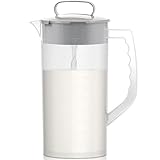
Overview: This 64-ounce manual mixing pitcher delivers high capacity at a budget-friendly $16.99 price point. Featuring an angled blade and plunger system, it mixes up to 2000ml of formula, coffee, milk, or juice without electricity. The transparent, thickened PP plastic construction includes measurement markings and a dual-seal lid, targeting families who prioritize volume and simplicity over automation.
What Makes It Stand Out: The massive 64oz capacity dwarfs most competitors, making it ideal for preparing a full day’s worth of formula in one batch. The manual plunger with specially angled blades effectively dissolves powder without creating excessive bubbles—achieving results similar to electric mixers but without batteries or motors. The wide 4.5-inch mouth and detachable components make cleaning remarkably simple, addressing a common complaint with narrow-necked pitchers.
Value for Money: At $16.99, this pitcher offers exceptional value. It’s the most cost-effective option for parents needing large-batch preparation, costing roughly half of electric alternatives while providing double the capacity. The multi-purpose design extends beyond baby formula to other beverages, increasing its utility long after the formula stage. For budget-conscious families, it’s hard to beat this combination of capacity and price.
Strengths and Weaknesses: Pros: Unbeatable 64oz capacity; extremely affordable price; effective bubble-reduction; wide mouth for easy filling/cleaning; tight dual-seal prevents leaks; versatile for multiple beverages Cons: Manual operation requires physical effort; plastic material may retain odors; no timer or freshness tracking; basic design lacks premium features; not specifically optimized for breastmilk fat preservation
Bottom Line: This pitcher is perfect for parents who want maximum capacity with minimal investment. If you don’t mind manual mixing and need to prepare large batches, it delivers performance that rivals more expensive options. Skip this if you prefer glass materials or require electric convenience.
9. Dr. Brown’s Travel Formula Dispenser with Lid, BPA Free - Pink - Holds 27oz

Overview: Dr. Brown’s Travel Formula Dispenser is a compact, portable solution for on-the-go feeding, priced at just $4.99. With three separate compartments holding 9 ounces each, this pink BPA-free container allows parents to carry pre-measured formula powder for three full bottles. The twistable lid positions a pour spout over each compartment, making it a specialized travel tool rather than a mixing pitcher.
What Makes It Stand Out: The compartmentalized design is brilliant for travel, eliminating the need to measure powder in inconvenient locations. Dr. Brown’s reputation for quality baby products adds trust, while the secure-snap lid prevents spills in diaper bags. It’s sterilizer and dishwasher safe, ensuring proper hygiene even when away from home. The ability to pre-measure three feedings simplifies outings and nighttime preparations.
Value for Money: At $4.99, this dispenser is an absolute steal for traveling parents. It serves a completely different purpose than mixing pitchers, making it a complementary purchase rather than direct competition. The low price point means there’s little financial risk, and its durability ensures it lasts through multiple children. For what it does, the value is unmatched in the baby gear market.
Strengths and Weaknesses: Pros: Extremely affordable; perfect for travel; prevents messy measuring on-the-go; BPA-free and sterilizer safe; lightweight and compact; trusted brand quality Cons: Not designed for mixing or liquid storage; limited to three 9oz servings; requires separate bottle for mixing; plastic construction; no freshness timer or advanced features
Bottom Line: This is a must-have travel accessory, not a substitute for a home mixing pitcher. Buy this if you need portable formula organization. For daily home use, invest in a proper mixing pitcher instead. It excels at its intended purpose and belongs in every parent’s diaper bag.
10. Tenmonth Electric Baby Formula Mixer Pitcher, Fast Baby Formula Maker with No Drip Spout & Locking Lid, Motorized 28oz Clump-Free Mixing, No Air Bubbles, BPA-Free & Portable for Travel

Overview: The Tenmonth Electric Baby Formula Mixer Pitcher delivers motorized convenience at an accessible $19.99 price point. This 28-ounce BPA-free pitcher operates on three AA batteries (not included) and promises up to two years of use with its efficient motor. The one-touch operation and no-drip spout cater to busy parents seeking a middle ground between manual shaking and premium electric models.
What Makes It Stand Out: This pitcher democratizes electric mixing by removing rechargeable battery complexity—simply replace AA batteries when needed. The specially designed mixing wand reaches every corner to dissolve even stubborn hypoallergenic formulas, addressing a common frustration. Its compact, lightweight design makes it genuinely portable for travel, while the locking lid and no-drip spout prevent messy accidents. The claim of 730 mixing sessions per battery set is impressive if accurate.
Value for Money: At $19.99, this is the most affordable electric mixer reviewed. It undercuts competitors while delivering core automation benefits. The battery power eliminates charging cables and potential electronic failures, though ongoing battery costs should be considered. For parents wanting electric convenience without a $30+ investment, this offers exceptional entry-level value that pays for itself in saved time.
Strengths and Weaknesses: Pros: Lowest price for electric mixing; truly portable design; effective clump removal; leak-proof construction; safe, toxin-free materials; simple one-button operation Cons: Batteries not included; 28oz capacity smaller than some competitors; manual freshness tracking; plastic construction; mixing wand requires separate cleaning
Bottom Line: This is the perfect starter electric pitcher for budget-conscious parents. It handles the core job—bubble-free mixing—without unnecessary frills. Choose this if you want electric convenience under $20 and don’t need the larger capacity or timer features of pricier models. It’s a practical, reliable workhorse.
Understanding Infant Reflux and Why Mixing Matters
Reflux occurs when stomach contents flow back into the esophagus, causing that telltale spit-up and discomfort. While most babies experience some degree of gastroesophageal reflux (GER), the more severe form (GERD) can lead to poor weight gain, feeding aversion, and significant distress. The connection between formula preparation and reflux severity isn’t just parent lore—it’s rooted in physics and infant physiology.
Every bubble incorporated into formula during shaking becomes a potential gas pocket in your baby’s tiny tummy. These air bubbles increase abdominal pressure, making reflux episodes more frequent and more forceful. A proper formula pitcher minimizes bubble formation through controlled mixing, creating a homogeneous liquid that’s easier on immature digestive systems. For reflux babies, this isn’t a luxury—it’s a potential game-changer that could mean the difference between a peaceful feeding and a painful one.
What Makes a Formula Pitcher Different from Regular Pitchers?
You might be tempted to grab that extra kitchen pitcher collecting dust in your cabinet, but reflux-specific formula pitchers are engineered with features that generic containers simply don’t have. Regular pitchers are designed for lemonade or iced tea, not for the precise, bubble-free mixing that sensitive infant digestive systems demand.
Formula pitchers for reflux babies typically feature specialized mixing mechanisms that create a vortex rather than a violent whirlpool, precision measurement markings that account for formula displacement, and materials tested specifically for infant safety. They’re designed to break up formula clumps without introducing excessive air, and many include features that help formula settle before pouring. Think of it as the difference between a sledgehammer and a scalpel—both can break things apart, but only one is designed for delicate, precise work.
Key Features to Prioritize for Reflux-Friendly Feeding
When shopping for a formula pitcher that can actually help manage your baby’s reflux, certain features move from “nice to have” to “absolutely essential.” The first is a mixing system that operates below the liquid line, preventing the splashing and aeration that creates those problematic bubbles. Look for designs where the mixing element stays submerged throughout the entire process.
Second, prioritize pitchers with measurement markings that are both embossed and printed. Reflux often requires precise formula-to-water ratios, and markings that can fade or wash away over time spell trouble. Third, consider the pour spout design—a narrow, controlled pour reduces the introduction of air when transferring to bottles. Finally, a secure but easy-to-operate lid prevents spills during mixing while allowing one-handed operation, crucial when you’re holding a fussy baby in the other arm.
Material Safety: What Every Parent Must Know
The material composition of your formula pitcher isn’t just about durability—it’s about your baby’s developing endocrine system. BPA-free is non-negotiable, but the most informed parents look beyond this single acronym. Seek out pitchers made from Tritan plastic, polypropylene, or glass that have been specifically tested for infant product safety.
Tritan plastic offers glass-like clarity without the weight and shatter risk, while maintaining resistance to the repeated hot water exposure that comes with sterilization. Polypropylene, marked with recycling code #5, is inherently BPA-free and exceptionally durable. If you opt for glass, ensure it’s borosilicate glass, which withstands thermal shock better than regular soda-lime glass. Avoid any pitcher containing BPS or BPF, which manufacturers sometimes use as BPA replacements but which may carry similar hormone-disrupting concerns.
Capacity Considerations: Finding Your Perfect Size
Formula pitchers come in sizes ranging from 16 ounces to over 50 ounces, and choosing the wrong capacity can sabotage your reflux management efforts. A pitcher that’s too large tempts you to prepare more formula than your baby can consume within safe timeframes, while one that’s too small means you’re mixing multiple times per day—increasing both your workload and the chance for inconsistent preparation.
For most reflux babies, a 28-32 ounce pitcher hits the sweet spot. This size allows you to prepare a full day’s worth of formula (typically 24-32 ounces for newborns) while leaving headspace for proper mixing. The headspace is critical—mixing formula requires room for the liquid to circulate without overflowing. If you’re using a thickened formula for reflux (as recommended by some pediatricians), opt for the larger end of the spectrum, as these formulas expand more during mixing.
Mixing Mechanisms: Blades vs. Agitators vs. Manual
The heart of any formula pitcher is its mixing mechanism, and this is where reflux management truly happens. Blade-based systems, similar to blenders, can be effective but often introduce more air if not specifically designed for infant formula. Look for blades with dull edges that push liquid rather than chop it, creating a smooth vortex.
Agitator systems use a paddle or disc that rotates slowly, gently folding the formula into the water. These excel at bubble reduction but may struggle with clumpier formulas. Manual pumping mechanisms, where you press a handle to spin a mixing element, give you complete control over speed and duration but can be tiresome for frequent use. For reflux babies, electric agitator systems with variable speed settings often provide the best balance—start slow to wet the powder, then increase speed gradually to minimize air incorporation.
The Critical Importance of Foam and Bubble Reduction
Foam isn’t just unsightly—it’s a reflux trigger waiting to happen. Each tiny bubble in that layer of foam represents air your baby will swallow, which then expands in their warm stomach and forces acid upward. The best formula pitchers for reflux employ multiple strategies to combat foam formation beyond just gentle mixing.
Some feature internal baffles that disrupt the formation of a central vortex, which is where air gets pulled down into the liquid. Others include a settling period recommendation in their instructions—allowing the mixed formula to rest for 2-3 minutes before pouring lets remaining bubbles rise and dissipate. The pitcher shape itself matters; wider bases with sloped sides encourage bubbles to escape more readily than tall, narrow designs. Pay attention to the bottom interior—perfectly flat bottoms can trap bubbles, while slightly domed ones guide them upward.
Ease of Cleaning: Non-Negotiable for Busy Parents
A pitcher that takes 20 minutes to disassemble and scrub will quickly become a pitcher that sits unused on the counter. For reflux babies, who may feed every 2-3 hours, you need a design that breaks down into three or fewer pieces and has no hidden crevices where formula residue can hide and breed bacteria.
Look for pitchers with smooth, seamless interiors and removable mixing elements that detach with a simple twist. Dishwasher-safe components are valuable, but verify that “dishwasher-safe” includes the top rack only or all areas—heat from the bottom rack can warp precision components. Pitchers with self-cleaning cycles (where you add water and soap and run the mixer) offer convenience, but shouldn’t replace thorough manual cleaning. Remember, any residue left behind can partially ferment, creating gas that exacerbates reflux symptoms.
Temperature Control Features Worth Considering
While you’ll always test formula temperature before feeding, some pitchers include features that help maintain optimal mixing temperatures. Mixing formula with water that’s too hot can degrade nutrients and create more foam through increased molecular activity, while water that’s too cold may not dissolve formula completely, leaving clumps that clog nipples and force babies to suck harder—swallowing more air in the process.
Pitchers with double-wall construction provide insulation, keeping formula at a stable temperature during the mixing and settling process. Some advanced models include temperature sensors that display the current liquid temperature, taking the guesswork out of the process. For reflux babies, maintaining formula at body temperature (around 98.6°F) can aid digestion, as cold liquids can cause the lower esophageal sphincter to tighten irregularly, potentially worsening reflux episodes.
Portability Factors for On-the-Go Families
Reflux doesn’t take a vacation when you leave the house, and neither should your mixing standards. Portable formula pitchers for reflux babies need to balance compact size with effective bubble reduction. Look for models with locking lids that can withstand the jostling of a diaper bag and leak-proof seals that prevent formula from seeping into the mixing mechanism.
Battery-operated portable pitchers offer convenience but verify the battery life—there’s nothing worse than a dead mixer when you’re at a park with a screaming, hungry baby. Some parents prefer manual portable options for reliability, though these require more effort. Consider pitchers that can double as storage containers, keeping pre-measured formula powder separate from water until mixing time, which maintains freshness and prevents bacterial growth. The best portable options are lightweight (under 1.5 pounds) and have a slim profile that fits in car cup holders.
Safety Certifications and Standards to Look For
Beyond basic FDA compliance for food contact materials, the most trustworthy formula pitchers carry additional certifications that demonstrate a commitment to infant safety. The JPMA (Juvenile Products Manufacturers Association) certification means the product has undergone rigorous third-party testing specifically for baby products.
Look for pitchers that meet or exceed CPSIA (Consumer Product Safety Improvement Act) standards, which include testing for lead, phthalates, and other harmful substances. For electric models, ETL or UL certification ensures the electrical components are safe for kitchen use. Some European brands carry CE marking, which indicates conformity with health, safety, and environmental protection standards for products sold within the European Economic Area. These certifications aren’t just bureaucratic stamps—they represent independent verification that the product is safe for your most precious cargo.
Price vs. Value: Making a Smart Investment
Formula pitchers range from $15 basic manual models to $80+ electric versions with all the bells and whistles. While it’s tempting to splurge on the most expensive option assuming it’s best, the value proposition depends entirely on your specific reflux situation. A $25 manual pitcher with excellent foam reduction may outperform a $60 electric model with mediocre mixing dynamics.
Consider cost-per-use: if you prepare formula six times daily for six months, even a $60 pitcher costs less than six cents per use. Factor in durability—cheaper pitchers may need replacement every 2-3 months, while quality ones last through multiple children. For reflux babies, the value calculation must include potential savings on laundry detergent, gripe water, and your own sanity. A pitcher that reduces even one extra outfit change per day has paid for itself within weeks.
Common Mistakes Parents Make with Formula Pitchers
Even the best pitcher can’t compensate for user error. The most frequent mistake is overfilling—exceeding the maximum fill line leaves no room for the liquid to circulate, forcing air into the mixture. Another critical error is mixing immediately after adding powder; letting the powder sit for 30 seconds to absorb surface moisture before mixing reduces clumping and foam.
Some parents mistakenly believe longer mixing equals better mixing, but extended mixing time introduces more air. The sweet spot is typically 30-45 seconds of controlled mixing. Using water that’s too hot is another misstep; while it dissolves formula faster, it also creates steam bubbles and can damage nutrients. Finally, neglecting to replace the pitcher every 3-4 months is common—micro-scratches in the plastic can harbor bacteria that contribute to gas and digestive upset.
Pro Tips for Perfect Formula Preparation Every Time
Mastering your formula pitcher technique can elevate your reflux management from good to exceptional. Start by adding water first, then formula—this prevents powder from sticking to the bottom and creating clumps that require aggressive mixing. Use a gentle tapping motion on the counter after mixing to dislodge bubbles clinging to the sides.
Create a “settling ritual” where you mix formula, let it rest for 3 minutes, then gently swirl (never shake) before pouring. This two-step process eliminates surface foam and allows dissolved air to escape. For particularly foamy formulas, add a single drop of infant gas drops to the pitcher before mixing—the simethicone breaks surface tension without affecting nutrition. Always pour slowly down the side of the bottle rather than straight in, minimizing bubble introduction during transfer.
Maintenance and Longevity: Extending Your Pitcher’s Life
Proper maintenance of your formula pitcher directly impacts its reflux-reducing effectiveness. Daily cleaning with hot, soapy water is the minimum, but weekly deep cleaning with a diluted vinegar solution (1:4 ratio with water) removes mineral buildup that can affect the mixing mechanism. Never use abrasive scrubbers on the interior, as micro-scratches become bacterial breeding grounds.
For electric models, lubricate any o-rings or gaskets monthly with food-grade silicone grease to maintain proper seals. Store the pitcher disassembled and completely dry to prevent mold growth in hidden crevices. If you notice any clouding of the plastic, cracking of seals, or a persistently sour smell after cleaning, these are signs that the pitcher’s integrity is compromised and its bubble-reducing capabilities are likely diminished.
When It’s Time to Replace Your Formula Pitcher
No formula pitcher lasts forever, and using one past its prime can actually worsen reflux symptoms. The general rule is replacement every 3-4 months with daily use, but reflux babies may necessitate more frequent changes. Replace immediately if you notice any of the following: visible scratches inside the pitcher, a mixing mechanism that wobbles or makes unusual noises, measurement markings that have faded, or any discoloration that persists after thorough cleaning.
If your baby’s reflux symptoms suddenly worsen without other explanation, consider the pitcher as a potential culprit. Bacteria colonizing micro-fissures can produce gas as they metabolize formula residue. Also replace after any illness involving vomiting or diarrhea into the pitcher—some pathogens can survive standard cleaning. Think of it as cheap insurance: a new pitcher costs far less than another pediatrician visit or reflux medication adjustment.
Frequently Asked Questions
Can using a formula pitcher really reduce my baby’s reflux symptoms?
Yes, when used correctly, a quality formula pitcher can significantly reduce the air bubbles and foam that contribute to gas and reflux episodes. By creating a smoother, homogenous mixture with minimal aeration, you’re removing one major trigger that forces stomach contents back up the esophagus. Many parents report fewer spit-ups and less fussiness within 3-5 days of switching from shaking bottles to using a proper pitcher.
Is it safe to make a full day’s worth of formula in advance?
The CDC recommends using prepared formula within 24 hours if refrigerated at 40°F or below. For reflux babies, preparing a full day’s supply in the morning can actually be beneficial, as it allows any residual bubbles to dissipate during refrigeration. Always store the pitcher in the back of the fridge where temperature is most stable, never in the door.
What if my baby needs thickened formula for reflux?
Thickened formulas require pitchers with more powerful mixing capabilities and larger capacity, as they expand significantly. Look for models specifically rated for “AR” (anti-reflux) formulas. You may need to mix in shorter pulses, allowing the formula to rest between mixing sessions to prevent motor strain and excessive foam.
Are glass pitchers better than plastic for reflux babies?
Glass is inherently free of chemical concerns and doesn’t scratch, making it theoretically more hygienic. However, quality Tritan plastic pitchers designed for infant use are extremely safe and more practical for sleep-deprived parents who might drop them. The key is choosing a material that’s BPA/BPS/BPF-free and replacing it before scratches develop.
How do I know if I’m creating too much foam while mixing?
After mixing, let the pitcher sit for one minute. If you see more than a 1/4-inch layer of foam on top, you’re likely mixing too aggressively. Try reducing speed, mixing for a shorter duration, or ensuring you’re not exceeding the fill line. Some foam is normal, but it should dissipate within 2-3 minutes of resting.
Can I use my formula pitcher for breast milk fortification?
Absolutely, and this is where pitchers truly shine for reflux babies who need fortified milk. The gentle mixing prevents damage to breast milk’s delicate proteins and enzymes while ensuring fortifier powder dissolves completely. Just ensure you’re following the same bubble-minimizing techniques and cleaning thoroughly between formula and breast milk uses.
Do electric pitchers create more bubbles than manual ones?
Not necessarily—it depends entirely on the mixing mechanism design. In fact, many electric pitchers create fewer bubbles because they maintain consistent, optimal speed. Manual pumping can introduce variable speeds and jerky motions that increase aeration. The key is choosing any pitcher specifically designed for anti-colic/reflux use, regardless of power source.
How can I test if my pitcher is still working effectively?
Perform the “bubble test”: Mix a batch of formula and time how long it takes for surface bubbles to dissipate. In a properly functioning pitcher, bubbles should be minimal and disappear within 2-3 minutes. If you still have significant foam after 5 minutes, or if you notice formula clumps despite proper technique, your pitcher’s mixing element may be worn.
Is it worth having two pitchers—one for home and one for travel?
For reflux babies, many parents find this setup invaluable. A full-size electric pitcher for home provides the best mixing, while a compact manual version for travel ensures you never have to revert to shaking bottles on the go. The consistency of using pitcher-mixed formula at all times helps maintain stable reflux management.
Can formula pitchers help with colic as well as reflux?
Yes, since both conditions are exacerbated by swallowed air. While reflux involves stomach contents flowing back up, colic involves excessive crying often linked to gas and digestive discomfort. The bubble-reducing benefits of a quality pitcher address the root cause of gas in both conditions, making it a valuable tool even if your baby’s diagnosis is unclear.