Those first few weeks with a newborn blur into a beautiful chaos of feedings, snuggles, and—let’s be honest—constant diaper changes. Between the midnight wails and unexpected blowouts, the last thing you want is to frantically search for wipes while juggling a squirming baby. This is where the unsung hero of nursery organization enters: the diaper caddy. Far more than a simple storage basket, a thoughtfully designed diaper caddy transforms your home into a series of efficient changing stations, ensuring every essential is within arm’s reach whether you’re in the nursery, living room, or even your own bedroom.
But not all diaper caddies are created equal, and choosing the right one involves far more than picking a cute pattern. From understanding capacity needs to evaluating portability features and safety considerations, the perfect caddy becomes an extension of your parenting workflow. This comprehensive guide walks you through everything you need to know to select, organize, and maximize a diaper caddy system that grows with your child while keeping your sanity intact.
Top 10 Diaper Caddies for Nursery Organization
Detailed Product Reviews
1. Parker Baby Diaper Caddy - Nursery Storage Bin and Car Organizer for Diapers and Baby Wipes - Oatmeal, Regular
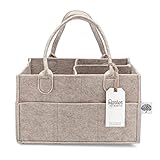
Overview: The Parker Baby Diaper Caddy in Oatmeal offers new parents a sophisticated storage solution for diaper changing essentials. This regular-sized organizer features a patented design crafted from soft felt, measuring perfectly for changing tables or dresser tops. The neutral oatmeal hue complements any nursery aesthetic while providing dedicated compartments for diapers, wipes, clothes, and accessories.
What Makes It Stand Out: This caddy’s patented removable insert transforms it from a diaper organizer into a versatile toy bin or nursery basket as your child grows. The long, durable handle enables effortless portability between nursery, car, and bedside. Sturdy outer pockets maximize storage capacity, keeping everything accessible during urgent diaper changes. Its lightweight construction belies impressive durability.
Value for Money: At $22.94, this caddy sits comfortably in the mid-range for felt organizers. The satisfaction guarantee and quality construction justify the investment compared to flimsier alternatives. While not the cheapest option, its longevity—from newborn stage through toddler years—delivers excellent cost-per-use value.
Strengths and Weaknesses: Strengths include exceptional versatility, portable design, neutral styling, and guaranteed quality. The removable divider adapts to changing needs, while outer pockets provide extra storage. Weaknesses involve felt’s susceptibility to stains and spills, requiring careful cleaning. The single-unit price may deter budget-conscious shoppers seeking multiple organizers.
Bottom Line: An excellent choice for parents prioritizing style, durability, and versatility in a single nursery organizer. The oatmeal color masks wear better than lighter shades, making it a practical yet attractive investment for organized diaper changes at home or on-the-go.
2. Parker Baby Diaper Caddy - Nursery Storage Bin and Car Organizer for Diapers and Baby Wipes - White, Regular

Overview: The Parker Baby Diaper Caddy in White delivers the same patented organization system as its oatmeal counterpart, offering clean, crisp aesthetics for modern nurseries. This regular-sized felt organizer provides comprehensive storage for diapers, wipes, clothing, and changing essentials while maintaining a minimalist profile that suits contemporary decor.
What Makes It Stand Out: The pristine white colorway creates a fresh, sanitary appearance that many parents prefer in nursery environments. Like all Parker Baby caddies, it features a removable insert for post-diaper storage conversion and sturdy outer pockets for maximum capacity. The long handle facilitates seamless transitions from nursery to vehicle to bedside.
Value for Money: Priced at $22.95, this model offers identical value to the oatmeal version. The one-cent difference reflects color variation only. For parents committed to a white nursery palette, this premium felt caddy represents a worthwhile investment backed by a satisfaction guarantee and proven durability through multiple developmental stages.
Strengths and Weaknesses: Strengths mirror the oatmeal version: versatile design, portability, patented insert system, and robust construction. The white color provides a clean, timeless look. However, white felt shows stains more readily than darker shades, requiring more frequent cleaning. The single-unit configuration may not suit families wanting multiple stationed caddies.
Bottom Line: Ideal for design-conscious parents seeking a bright, cohesive nursery aesthetic. While demanding more maintenance to keep pristine, this white caddy excels in functionality and style. Choose this if you value a fresh, modern look and don’t mind extra care to maintain its appearance.
3. SWEET DOLPHIN 2-Pack Quilted Diaper Caddy Organizer – Premium Puffer Style Nursery Storage Bins – Water-Resistant & Wipeable Changing Table Organizer – Trendy Tote for Home & Car Travel - Mocha Brown
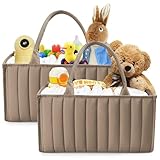
Overview: SWEET DOLPHIN’s 2-Pack Quilted Diaper Caddy Organizer revolutionizes nursery efficiency with a value-driven dual-system approach. These mocha brown puffer-style bins feature water-resistant nylon construction, offering two complete organizers for the price of one traditional felt caddy. Each unit provides ample storage for diapers, wipes, and essentials.
What Makes It Stand Out: The innovative “upstairs-downstairs” strategy solves the constant back-and-forth problem during diaper emergencies. Unlike absorbent felt, the wipeable nylon surface repels spills and odors, maintaining sanitary conditions effortlessly. The trendy quilted design adds modern style while padded walls protect delicate items. These caddies transition seamlessly from diaper storage to toy organizers.
Value for Money: At just $9.99 for two units ($5 each), this represents exceptional market value. You’re essentially receiving two premium organizers for less than half the price of single felt competitors. The water-resistant feature alone saves replacement costs from stain damage, making this a financially savvy choice for budget-conscious families.
Strengths and Weaknesses: Major strengths include unbeatable 2-pack pricing, wipeable water-resistant material, stylish puffer aesthetic, and long-term versatility. The nylon construction prevents permanent stains and odors. Potential weaknesses include less rigid structure compared to felt when empty and a more casual look that may not suit all nursery themes. Some parents might prefer the softer feel of traditional felt.
Bottom Line: An outstanding value proposition that prioritizes practicality and hygiene. Perfect for families wanting multiple organized stations without breaking the bank. The water-resistant feature and dual-pack strategy make this a smart, forward-thinking investment for busy parents.
4. Parker Baby Diaper Caddy - Nursery Storage Bin and Car Organizer for Diapers and Baby Wipes - White, Large

Overview: The Parker Baby Diaper Caddy in White, Large size, scales up the brand’s proven organization system for parents requiring maximum storage capacity. This expanded felt organizer accommodates bulk diaper packages, multiple wipe containers, and extensive baby essentials while maintaining the signature removable insert and portable design that defines the product line.
What Makes It Stand Out: The generous dimensions provide 25% more storage than the regular model without sacrificing style or functionality. The pristine white color maintains nursery brightness while the patented divider system allows customization. Long handles support heavier loads, and sturdy outer pockets offer additional organization for smaller items like pacifiers and creams.
Value for Money: At $27.95, the $5 premium over regular sizes represents reasonable value for significant extra capacity. For parents of multiples or those buying supplies in bulk, the additional space eliminates the need for secondary storage. The same satisfaction guarantee and durable felt construction ensure long-term utility beyond the diaper years.
Strengths and Weaknesses: Strengths include superior capacity, versatile divider system, robust handles for portability, and the same quality construction as smaller models. The large size reduces refill frequency. Weaknesses involve increased footprint requiring more table space, and white felt’s vulnerability to visible staining. The larger size when full may feel cumbersome for some users when carrying.
Bottom Line: The ideal solution for parents needing maximum storage in a single organizer. If you buy diapers in bulk or have limited shopping frequency, the large size justifies its modest price premium. Choose this for capacity without compromising on the trusted Parker Baby quality and style.
5. HIPHOP PANDA 2-Pack Diaper Caddy Organizer - Nursery Storage Bin & Car Organizer for Diapers, Wipes, and Baby Essentials - Dual-Color Solid Set (Grey/Oatmeal), Regular Size
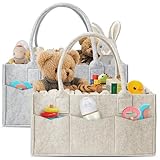
Overview: HIPHOP PANDA’s 2-Pack Diaper Caddy Organizer bridges the gap between premium felt quality and multi-unit value. This set includes two regular-sized caddies in sophisticated grey and oatmeal solid colors, offering coordinated storage for different rooms. The soft felt construction features removable inserts and sturdy outer pockets for comprehensive organization.
What Makes It Stand Out: The dual-color approach allows strategic placement while maintaining design cohesion—use grey in the living area and oatmeal in the nursery. Each caddy includes the same removable divider system as pricier competitors, enabling conversion to toy storage. The long, durable handles support easy transport, and the two-unit strategy eliminates constant carrying between floors.
Value for Money: At $19.99 for two ($10 each), this set positions itself between budget nylon options and premium single caddies. You receive genuine felt quality with dual-room convenience for less than buying two separate Parker Baby units. For parents wanting felt’s aesthetic and tactile benefits without sacrificing the two-caddy strategy, this offers compelling mid-range value.
Strengths and Weaknesses: Strengths include two quality felt caddies for the price, attractive dual-color scheme, removable inserts for versatility, and sturdy construction that addresses complaints about flimsy alternatives. Weaknesses involve felt’s stain susceptibility unlike water-resistant options, and the mid-tier price may still stretch tight budgets. The colors, while neutral, offer less variety than some might prefer.
Bottom Line: An excellent compromise for parents desiring both felt quality and multi-room convenience. The dual-color set provides flexibility and style at a reasonable price point. Choose this if you appreciate felt’s durability and aesthetic but need more than one organized station.
6. Blissful Diary Floral Diaper Caddy Organizer, Stylish Nursery Storage Basket, Gift for Baby Shower, Baby Registry Must Have, Newborn Essentials, Pastoral Daisy

Overview: The Blissful Diary Floral Diaper Caddy Organizer brings pastoral elegance to nursery storage with its charming daisy pattern. This versatile organizer offers roomy compartments for diapers, wipes, creams, and other newborn essentials. Designed for mobility, it features sturdy handles for seamless room-to-room transport, making it ideal for busy parents who value both aesthetics and functionality in one centralized system.
What Makes It Stand Out: The standout feature is undoubtedly the fresh, cottage-core daisy design that transforms a functional item into a decorative nursery piece. Unlike plain storage solutions, this caddy adds personality while maintaining practicality. The removable dividers offer exceptional customization, allowing parents to adapt the layout as their baby grows and storage needs evolve from newborn essentials to toddler supplies.
Value for Money: At $19.99, this caddy sits comfortably in the mid-range price bracket. It competes directly with basic organizers while offering superior style and equivalent functionality. The durable construction and timeless design ensure longevity beyond the diaper phase, making it a worthwhile investment that can transition to toy or craft storage.
Strengths and Weaknesses: Strengths include the attractive floral aesthetic, versatile portability, customizable compartments, and generous capacity. The pastoral design appeals to style-conscious parents and makes an excellent shower gift. Potential weaknesses include the fabric material’s susceptibility to stains compared to wipeable alternatives, and the floral pattern may not suit all nursery themes.
Bottom Line: This caddy excels for parents prioritizing nursery aesthetics without sacrificing organization. It’s an ideal baby shower gift that combines practicality with charming design, though those needing heavy-duty, easy-clean materials might prefer alternative options.
7. Blissful Diary Floral Diaper Caddy Organizer, Stylish Nursery Storage Basket, Gift for Baby Shower, Newborn Essentials, Floral Beige

Overview: The Blissful Diary Floral Diaper Caddy in Floral Beige offers similar functionality to its daisy counterpart with a subtle wildflower pattern. This quilted organizer provides compartments for all diapering essentials and features long handles for effortless transport. An added outer pocket enhances accessibility for small items like pacifiers, making it a practical choice for parents seeking both style and convenience in their daily routine.
What Makes It Stand Out: The wildflower pattern delivers countryside charm with a more neutral beige palette, appealing to parents who prefer understated elegance. The quilted texture adds a premium feel, while the external pocket provides quick-access storage that many competitors lack. This combination of romantic design and enhanced functionality distinguishes it from standard caddies.
Value for Money: Priced at $19.98, it offers identical value to the Pastoral Daisy version. The added outer pocket and quilted construction provide marginally better features at the same price point. It represents solid value for design-conscious parents, though budget shoppers might find similar functionality for less.
Strengths and Weaknesses: Strengths include the neutral yet stylish wildflower design, practical outer pocket, quilted durability, and versatile portability. The beige colorway complements more nursery themes than bolder patterns. Weaknesses include fabric maintenance challenges and the potential for the light beige to show stains more readily than darker options.
Bottom Line: Perfect for parents wanting a softer, more versatile aesthetic with enhanced pocket organization. It’s a thoughtful registry item that balances beauty and practicality, particularly suited for rustic or nature-inspired nurseries.
8. Maliton Baby Diaper Caddy Organizer for Changing Table, Nursery Storage Bin Basket with Handle, Felt Diaper Organizer Suitable for Indoor Outdoor (Khaki)

Overview: The Maliton Baby Diaper Caddy Organizer offers a minimalist, eco-friendly approach to nursery organization. Constructed from soft, natural felt, this khaki-colored caddy measures 15" x 9" x 7" and provides substantial storage capacity despite its lightweight design. Eight exterior pockets complement the main compartment, creating a highly functional system for corralling diapers, wipes, creams, and small accessories.
What Makes It Stand Out: The premium felt construction sets this apart, offering an eco-conscious alternative to synthetic materials. The eight external pockets provide exceptional organization for small items that typically get lost in larger compartments. Its neutral khaki color and simple aesthetic work seamlessly in any nursery decor, while the removable divider allows flexible space configuration for different-sized items.
Value for Money: At $12.89, this represents exceptional value—significantly undercutting competitors while delivering superior pocket organization and eco-friendly materials. The versatile design extends well beyond the diaper years, transitioning to toy storage, book organization, or even office supplies, maximizing long-term utility.
Strengths and Weaknesses: Strengths include unbeatable price, eco-friendly felt material, abundant exterior pockets, lightweight portability, and gender-neutral design. The material is naturally durable and maintains structure well. Weaknesses include felt’s susceptibility to staining and difficulty in cleaning compared to wipeable surfaces, and the aesthetic is utilitarian rather than decorative.
Bottom Line: An outstanding budget choice for practical parents prioritizing function over frills. The Maliton caddy delivers remarkable organization at an unbeatable price, making it ideal for value-conscious shoppers or as a secondary storage solution.
9. Ofiray-home Hanging Diaper Organizer for Changing Table,Cribs,Car,Playard or Wall & Nursery Organization-Durable 2-Tier Diaper Organizer with Mesh Pockets and Viewable Design, Won’t Deform, Light Gray

Overview: The Ofiray-home Hanging Diaper Organizer revolutionizes nursery storage with its space-saving vertical design. This two-tier organizer measures 12" x 7.5" x 18.5" and features dual support boards for stability, preventing deformation even when fully loaded. Transparent mesh pockets provide visibility and easy access to diapers, wipes, lotions, and small toys, while multiple installation options allow placement on cribs, changing tables, playards, walls, or cars.
What Makes It Stand Out: The hanging design maximizes vertical space in compact nurseries, a game-changer for small rooms. The reinforced two-tier structure with support boards ensures durability that hanging organizers often lack. Transparent mesh pockets eliminate guesswork during hectic diaper changes, and the versatile mounting system adapts to virtually any environment, from nursery to vehicle.
Value for Money: At $22.98, this is a premium-priced option, but the space-saving benefits and robust construction justify the cost for those with limited surface area. It replaces the need for multiple storage solutions, offering consolidation that can offset the higher initial investment.
Strengths and Weaknesses: Strengths include innovative space-saving design, exceptional durability, clear mesh pockets for visibility, flexible installation, and multi-room versatility. The vertical orientation keeps essentials at eye level. Weaknesses include installation requirements that may not suit renters, limited capacity compared to large basket caddies, and the hanging design may swing if not properly secured.
Bottom Line: Ideal for small spaces and parents seeking hands-free accessibility. The Ofiray-home organizer excels in apartments or shared rooms where surface space is premium, though those needing portable solutions should consider basket-style alternatives.
10. Lily Miles Baby Diaper Caddy Organizer, Wipeable Diaper Organizer Basket with 8 Pockets for Newborn Essentials, Nursery Tote Bag for Changing Table & Car Organization (Willow Green, Large)

Overview: The Lily Miles Baby Diaper Caddy Organizer represents the premium tier of portable nursery storage. Crafted from durable polyester with reinforced lining, this willow green caddy features a structured shape that maintains its form whether fully loaded or empty. Eight exterior pockets and two removable dividers create a highly customizable system for organizing newborn essentials, while strong handles ensure comfortable transport throughout the home or vehicle.
What Makes It Stand Out: The wipeable and washable polyester construction addresses the primary weakness of fabric caddies, making maintenance effortless for busy parents. The structured design prevents sagging and maintains a polished appearance, while the willow green color offers a sophisticated, gender-neutral aesthetic. The combination of durability, easy cleaning, and professional finish sets it apart.
Value for Money: At $24.95, this is the highest-priced option reviewed, but the premium materials and easy-maintenance features deliver justified value. The longevity provided by washable fabric and sturdy construction ensures years of use beyond the diaper phase, potentially replacing multiple cheaper alternatives over time.
Strengths and Weaknesses: Strengths include superior wipeable/washable material, structured shape retention, generous pocket organization, premium construction quality, and elegant colorway. It handles spills and messes with ease. Weaknesses include the highest price point and slightly heavier weight due to robust materials.
Bottom Line: The ultimate choice for parents willing to invest in premium quality and effortless maintenance. Perfect for those who prioritize durability and hygiene, making it worth every penny for the peace of mind and longevity it provides.
What Is a Diaper Caddy and Why Do You Need One?
A diaper caddy is a portable or stationary organization system designed to corral all diaper-changing essentials into one accessible location. Think of it as a mobile command center for the messy business of keeping your baby clean and comfortable. Unlike traditional storage bins that stay put, the genius of a diaper caddy lies in its strategic design—compartments sized for diaper stacks, wipe dispensers, creams, and those tiny nail clippers you can never find when you need them.
The real magic happens in the time saved and stress reduced. When you’re managing a diaper blowout at 2 AM or dealing with an explosive situation during your favorite TV show’s season finale, having a well-stocked caddy within six feet of your location isn’t just convenient—it’s survival. Parents report reducing diaper change time by up to 40% simply by eliminating the scavenger hunt for supplies.
The Psychology Behind Nursery Organization
Clutter doesn’t just create physical chaos; it triggers cognitive overload. Research in environmental psychology shows that visual clutter increases cortisol levels, particularly in new parents already operating on minimal sleep. A diaper caddy system creates designated homes for essentials, reducing decision fatigue and creating predictable routines that both you and your baby will appreciate. The mental relief of knowing exactly where the diaper cream lives cannot be overstated when you’re running on three hours of sleep.
Key Features to Look for in a Premium Diaper Caddy
When evaluating diaper caddies, certain features separate the merely functional from the truly exceptional. Understanding these elements helps you cut through marketing fluff and identify what will actually serve your family’s unique needs.
Size and Capacity Considerations
The Goldilocks principle applies perfectly here—not too big, not too small. A caddy that holds 20-30 diapers offers the sweet spot for most families, providing enough supply to last several days without becoming so heavy it’s unwieldy. Consider your available surface space: a compact 13" x 9" footprint works for small apartments, while larger 16" x 12" models suit spacious nurseries.
Depth matters more than you might think. Shallow caddies (under 8 inches) make items easy to grab but limit capacity. Deeper designs (10+ inches) hold more but can turn into black holes where tiny items disappear. Look for graduated depths in compartments—deeper center for diapers, shallower sides for creams and tools.
Material Matters: Fabric, Plastic, or Wicker?
Each material brings distinct advantages depending on your lifestyle and aesthetic preferences. Fabric caddies, typically made from canvas or polyester blends, offer lightweight portability and often feature removable inserts for washing. They’re ideal for parents who plan to move the caddy between rooms frequently, though they can absorb spills and odors over time.
Plastic caddies provide wipe-clean convenience and structural rigidity. They’re virtually indestructible and won’t sag when fully loaded, making them perfect for high-traffic changing stations. The downside? They can look clinical and may crack if dropped on hard surfaces.
Wicker or rattan options deliver Instagram-worthy aesthetics that blend with sophisticated nursery decor. While beautiful, they require more maintenance—dusting and occasional sealing—and their woven structure can trap dust and make deep cleaning challenging. They’re best for stationary, low-spill-risk setups.
Compartmentalization: The Art of Smart Dividing
Generic bins fail because they lack purposeful division. Premium diaper caddies feature customizable compartments that adapt as your needs evolve. Look for removable dividers that let you reconfigure space as your baby grows and supply needs shift. Elastic loops secure items like thermometers and nasal aspirators that otherwise vanish into the abyss.
The best designs include a dedicated wipe dispenser compartment—either open-top for easy grabbing or with a weighted flap to prevent drying. Some even incorporate insulated pockets for bottle storage during those marathon changing sessions when hunger strikes mid-diaper-change.
Portability Features That Actually Matter
If you plan to move your caddy house-wide, weight distribution becomes critical. Sturdy handles centered over the load prevent tipping and wrist strain. For fabric caddies, reinforced stitching where handles attach to the body prevents catastrophic blowouts of a different kind.
Consider models with non-slip base grips that keep the caddy stable on changing tables, ottomans, or even the arm of your sofa. Some premium designs include a detachable shoulder strap for true hands-free transport—game-changing when you’re already carrying a baby.
Portable vs. Stationary: Choosing Your Caddy Style
Your lifestyle dictates which style serves you best. Portable caddies prioritize lightweight construction and comfortable handles, making them ideal for multi-level homes or apartment dwellers who change diapers wherever space allows. They’re also perfect for travel—to grandma’s house or just from room to room.
Stationary caddies function as permanent fixtures on your changing table or dresser. They often feature heavier materials, more compartments, and aesthetic details that complement nursery decor. While they lack mobility, they typically offer superior organization and can hold bulkier items like diaper pail refills or extra clothing.
Many experienced parents eventually adopt a hybrid system: a large stationary caddy in the nursery for main changes, supplemented by smaller portable caddies in high-traffic living areas. This approach costs more initially but pays dividends in convenience and sanity preservation.
Room-by-Room Diaper Caddy Strategy
Strategic placement of diaper caddies throughout your home creates a network of readiness that eliminates the dreaded dash to the nursery mid-change. Think in terms of zones rather than single locations.
Nursery Station Setup
The nursery caddy serves as your primary supply depot. Position it within easy reach of your changing table—ideally on a lower shelf or adjacent dresser top where you can grab items one-handed while keeping the other hand on your baby. Stock this main caddy with a 3-5 day supply: 25-30 diapers, full wipes container, multiple creams, and backup outfits.
Living Room Command Center
Your living area caddy becomes your daily workhorse. Choose a model that tucks discreetly next to the sofa or in a media console. This caddy should hold 10-15 diapers, a travel wipes pack, and emergency supplies like a small toy for distraction and a spare onesie. The living room caddy prevents the disruption of leaving your entertainment zone every two hours.
Bedroom and Bathroom Solutions
A compact caddy on your bedroom dresser handles those middle-of-the-night changes without requiring a trek to the nursery. Keep it minimal: 5-7 diapers, a small wipes case, and a single cream. For bathroom setups, prioritize waterproof materials and place the caddy on a high shelf away from humidity while remaining accessible during bath-time changes.
Beyond Diapers: Multipurpose Organization Hacks
The most versatile diaper caddies evolve alongside your child. Once diaper days end, these organizational powerhouses transition seamlessly into toy corrallers, art supply stations, or medical kit organizers. The compartmentalization that once sorted diaper sizes can now organize LEGO sets or craft supplies.
During the diapering years, consider using a secondary caddy for feeding supplies—bottles, formula, bibs, and burp cloths. This keeps the main diaper caddy focused while creating a mobile feeding station that moves from bedroom to living room as needed. Some parents dedicate a small caddy to “mom supplies”—nipple cream, snacks, water bottle, phone charger—for those marathon nursing sessions.
Seasonal and Age-Based Adaptations
Your diaper caddy needs shift dramatically as your baby grows and as seasons change. A flexible system adapts without requiring complete replacement.
Newborn Phase (0-3 months)
During the newborn stage, prioritize space for umbilical cord care supplies, circumcision care items if applicable, and multiple outfit changes. Newborns average 10-12 diapers daily, so capacity is paramount. Include a dedicated spot for a nasal aspirator and gas relief drops—essentials you never knew you’d need so frequently.
Infant Stage (3-12 months)
As diaper frequency decreases to 6-8 daily, reallocate space for solid food introductions. Add compartments for bibs, small snacks, and teething toys. This is when portability becomes crucial, as you’ll likely change diapers on play mats and in various rooms. Include sunscreen and bug spray during summer months.
Toddler Transition (12+ months)
Toddlers require fewer diapers but more distraction tools. Use caddy space for books, small toys, and sticker rewards for potty training attempts. The caddy may also store potty training pants and cleanup supplies for accidents. Consider moving to a lower, toddler-accessible caddy that encourages independence.
Safety Considerations Most Parents Overlook
A diaper caddy positioned within reach of a changing table poses potential hazards. Ensure your caddy lacks sharp corners or small detachable parts that could become choking hazards. Check that fabric caddies use non-toxic dyes and that plastic models are BPA-free.
Weight distribution matters for safety too. An overfilled caddy can tip when a curious toddler yanks on it. Test stability by placing it on elevated surfaces and gently pulling the edge. If it slides or tips easily, relocate it lower or choose a model with a wider base.
Never store medications in your diaper caddy, even if it seems convenient. The proximity to diaper changes increases contamination risk, and as your baby becomes mobile, they may access the caddy when you’re not looking. Keep a separate, locked container for all medications.
Budgeting Wisely: Cost vs. Value Analysis
Diaper caddies range from $15 basic plastic bins to $80+ premium fabric organizers with insulated compartments. The sweet spot for most families lies in the $30-$50 range, where you get durable materials, thoughtful compartmentalization, and portability features without paying for brand premiums.
Consider cost-per-use value: a $45 caddy used for 2.5 years (912 days) of diapering costs about 5 cents daily. Compare that to the frustration of a $20 caddy that sags, tips, or falls apart within six months. Investing in quality saves money long-term, especially if you plan to repurpose the caddy for future children or alternative uses.
Watch for multi-piece sets that include a large nursery caddy plus smaller portable versions—often a better value than purchasing separately. However, avoid sets where the individual pieces feel flimsy; quality over quantity always wins.
Maintenance and Longevity Tips
Extend your diaper caddy’s lifespan with simple maintenance routines. For fabric caddies, monthly washing prevents odor buildup—most quality models feature removable inserts you can machine wash on gentle cycles. Air dry completely before restocking to prevent mildew.
Plastic caddies benefit from weekly wipe-downs using baby-safe disinfectant. Pay special attention to crevices where diaper cream can accumulate and harden. For wicker caddies, quarterly dusting with a soft brush and annual sealing with furniture wax maintains their appearance and prevents drying.
Rotate supplies weekly, checking expiration dates on creams and wipes. This prevents waste and ensures you’re never caught with dried-out wipes during a crisis. Consider using clear pouches within compartments to contain leaks and simplify cleaning—if diaper cream explodes, you wash the pouch, not the entire caddy.
Eco-Friendly and Sustainable Options
Environmentally conscious parents now have excellent sustainable choices. Caddies made from recycled ocean plastics offer durability with reduced environmental impact. Organic cotton canvas options provide biodegradable benefits, though they may lack the structure of synthetic materials.
Look for brands that use water-based adhesives and natural dyes, eliminating volatile organic compounds (VOCs) from your nursery environment. Some companies offer take-back programs, recycling your worn caddy into new products at end-of-life.
Consider a caddy’s entire lifecycle when evaluating eco-friendliness. A durable plastic caddy used for five years across multiple children may have lower overall impact than replacing a less sturdy “eco” version annually. The most sustainable choice is the one you use longest.
DIY Diaper Caddy: When to Build Your Own
Sometimes the perfect caddy doesn’t exist on store shelves. DIY solutions work wonderfully when you have specific spatial constraints or aesthetic visions. Repurpose a sturdy wooden wine crate by adding casters and custom dividers, or transform a vintage picnic basket with fabric liners and elastic loops.
The DIY route makes sense when you need exact dimensions to fit a specific nook, want to match existing furniture perfectly, or enjoy the satisfaction of handmade items. However, factor in material costs and time investment—what starts as a $15 project can easily become a $50 endeavor after quality hardware and finishes.
Only pursue DIY if you can achieve professional-looking results with safe, smooth edges and stable construction. A wobbly homemade caddy creates more frustration than it solves. If your crafting skills are questionable, invest in a quality pre-made option and customize with liners or labels instead.
Frequently Asked Questions
How many diaper caddies do I actually need?
Most families thrive with two caddies: one primary stationary caddy in the nursery and one portable caddy for the living area. If you have a multi-story home, consider adding a third compact caddy for your bedroom to avoid nighttime stairs. Start with one and add as you identify specific pain points in your routine.
When should I start organizing my diaper caddy?
Prepare your main nursery caddy during your third trimester, around week 34-36. This ensures it’s ready before baby’s arrival while allowing time to adjust the setup. Set up additional caddies about two weeks postpartum once you’ve identified where you spend the most time during diaper changes.
What’s the best way to organize items within the caddy?
Place diapers in the largest, most accessible compartment. Position wipes in a central location you can grab one-handed. Store creams and liquids in sealed pouches to contain spills. Use elastic loops for tools like thermometers and nail clippers. Keep 1-2 spare outfits folded flat at the bottom as your emergency backup.
How often should I restock my diaper caddy?
Check portable caddies every other day and nursery caddies twice weekly. Build restocking into an existing routine—perhaps during baby’s naptime or while watching evening TV. Keeping a small inventory checklist taped inside the caddy lid helps you track when you’re running low on less obvious items like diaper cream.
Can I use a diaper caddy for cloth diapers?
Absolutely, but choose wisely. Cloth diapers require more space than disposables, so opt for larger capacity caddies with removable dividers to accommodate bulkier inserts and covers. Include a waterproof wet bag compartment for storing soiled diapers until laundry time. Fabric caddies with washable liners work particularly well for cloth diapering families.
What’s the difference between a diaper caddy and a diaper bag?
A diaper caddy stays in your home as a stationary or semi-mobile organization hub, while a diaper bag travels with you outside the home. Caddies prioritize capacity and compartmentalization for high-volume storage. Diaper bags focus on portability and typically carry 4-6 diapers maximum for short outings. Many parents transfer supplies from caddy to bag when heading out.
How do I clean a diaper caddy after a spill or blowout?
For fabric caddies, remove all items and shake out debris. Spot clean with mild soap and water, then machine wash removable inserts if available. For plastic caddies, wipe with baby-safe disinfectant and rinse thoroughly. Wicker caddies require gentle spot cleaning with a damp cloth—avoid saturating the material. Always dry completely before restocking to prevent mold.
Should I get a caddy with a lid or open-top design?
Open-top caddies offer fastest access, crucial during urgent changes. Lidded designs protect supplies from dust and pets but add an extra step when you’re juggling a baby. Consider a hybrid: a caddy with a partial flap that covers wipes while leaving diapers accessible. For living room use, a lid helps maintain a tidier appearance.
How long will I realistically use a diaper caddy?
Most families use diaper caddies for 2.5-3 years, from birth through potty training. However, quality caddies transition into toy organizers, art supply stations, or bathroom storage, extending useful life to 5+ years. Invest in versatile, neutral designs that grow with your child’s needs rather than baby-specific patterns you’ll want to replace quickly.
What’s the biggest mistake parents make when choosing a diaper caddy?
The number one error is prioritizing aesthetics over functionality. That gorgeous wicker caddy might photograph beautifully, but if it lacks compartments and tips easily, you’ll abandon it within weeks. Choose based on your actual changing habits, home layout, and mobility needs first. Beauty matters, but it should enhance, not compromise, the caddy’s core purpose.