Picturethis: you’re finally leaving the house with your two-week-old, juggling a diaper bag, your keys, phone, and a fussy baby who just fell asleep in their car seat. The last thing you want to do is wake them up transferring to a stroller. This is where a car-seat-compatible travel system transforms from a nice-to-have registry item into your absolute sanity-saver. But not all travel systems are created equal, and choosing the right one involves far more than matching colors and aesthetics.
As a new parent, you’re essentially buying two critical pieces of gear—an infant car seat and a stroller—that must work together seamlessly while meeting the highest safety standards. The stakes couldn’t be higher, yet the market is flooded with options that promise convenience while glossing over crucial compatibility details. This guide cuts through the marketing noise to equip you with the expert knowledge you need to evaluate travel systems like a seasoned parent, focusing on the features that genuinely matter for your newborn’s safety and your day-to-day survival.
Top 10 Car-Seat-Compatible Travel Systems for Newborns
Detailed Product Reviews
1. Safety 1st Smooth Ride Travel System Stroller and OnBoard FLX Infant Car Seat, Newborn to Toddler Baby Combo, Easy-Install, Large Canopy, Ample Storage, Foldable, Rear-Facing 4-30 lbs, Monument

Overview:
The Safety 1st Smooth Ride Travel System delivers reliable performance for families seeking a straightforward, budget-conscious solution. This combo handles newborns from 4 pounds up to toddlers weighing 50 pounds, making it a true workhorse for the early years. The stroller meets Disney Park size requirements, a bonus for vacationing families.
What Makes It Stand Out:
The agile wheel system provides exceptional cornering ability, while the extra-large canopy with flip-out visor and peek-a-boo window offers superior sun protection and ventilation. The infant car seat features four harness height positions and supportive inserts, ensuring proper fit as your baby grows.
Value for Money:
At $231.99, this system sits in the sweet spot between basic and premium options. You get thoughtful features like the oversized canopy and ample storage without paying for unnecessary frills. Comparable systems with similar maneuverability often cost $50-100 more.
Strengths and Weaknesses:
Strengths include Disney compliance, excellent canopy coverage, generous storage basket, and smooth handling. The four-position harness is more adjustable than many competitors. Weaknesses include fewer configuration modes than premium modular systems and a more basic aesthetic.
Bottom Line:
This travel system excels for families wanting dependable performance and Disney Park compatibility at a reasonable price. It’s a practical choice that prioritizes essential features over flashy extras.
2. Evenflo Pivot Modular Travel System with LiteMax Infant Car Seat (Casual Gray)
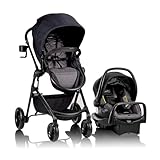
Overview:
The Evenflo Pivot Modular Travel System redefines versatility with its innovative six-mode design. This premium combo grows seamlessly from infancy through toddlerhood, accommodating babies from 3 to 30 pounds in the car seat and offering multiple stroller configurations for ongoing use.
What Makes It Stand Out:
The modular frame transforms effortlessly between infant car seat carrier, toddler seat, and unique pramette mode, which lays completely flat for newborn comfort. The Stability Base provides a larger surface area for rock-solid car seat installation, while cruiser tires with tread handle varied terrain confidently.
Value for Money:
Priced at $309.99, this system commands a premium but delivers exceptional flexibility. The six-mode functionality essentially replaces multiple pieces of gear, offering savings compared to buying separate pram, stroller, and frame carrier systems that could easily exceed $400.
Strengths and Weaknesses:
Strengths include unmatched versatility, superior stability, lay-flat pramette mode, oversized storage basket, and included parent cup holder and child snack tray. Weaknesses include a higher price point and increased weight from the robust frame.
Bottom Line:
For parents seeking maximum adaptability and willing to invest in premium features, this system is outstanding. The pramette mode and six configurations make it worth every penny for those wanting one system that truly does it all.
3. Evenflo Pivot Modular Travel System with LiteMax Infant Car Seat (Desert Tan)

Overview:
The Evenflo Pivot Modular Travel System in Desert Tan offers identical functionality to its Casual Gray counterpart, featuring the same innovative six-mode design that adapts from newborn pramette to toddler stroller. This premium system serves families from infancy through early childhood with remarkable flexibility.
What Makes It Stand Out:
Like the gray version, this system boasts a modular frame with six configurations, including a lay-flat pramette mode for infants and reversible seating options. The LiteMax car seat pairs with the Stability Base for secure installation, while cruiser tires and oversized storage add practicality.
Value for Money:
At $329.99, this Desert Tan variant costs $20 more than the Casual Gray model for purely aesthetic reasons. While the functionality remains identical, color-conscious buyers pay a slight premium. The core value proposition—six modes replacing multiple gear pieces—remains strong despite the upcharge.
Strengths and Weaknesses:
Strengths mirror the gray version: exceptional versatility, stable installation, terrain-ready tires, and generous storage. Weaknesses include the unnecessary upcharge for color and the same weight considerations as its twin, making it less ideal for those prioritizing lightweight portability.
Bottom Line:
Choose this Desert Tan version if the color perfectly matches your style; otherwise, the Casual Gray offers identical performance at a better price. The system itself remains a top-tier choice for adaptable parenting.
4. Baby Trend Venture 3-Wheel Stroller Travel System, Stellar Grey
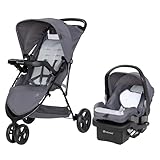
Overview:
The Baby Trend Venture 3-Wheel Travel System delivers exceptional value for budget-conscious families without compromising essential safety features. This streamlined combo includes the remarkably lightweight EZ-LIFT infant car seat and a maneuverable three-wheel stroller designed for urban navigation.
What Makes It Stand Out:
The EZ-LIFT car seat weighs under eight pounds—among the lightest available—and features an innovative anti-rebound bar integrated into the handle. The three-wheel design provides superior turning radius for crowded spaces, while front and rear basket access simplifies loading without disturbing your baby.
Value for Money:
At just $179.99, this is the most affordable system reviewed, yet includes air travel certification and exceeds federal safety standards. The lightweight car seat alone justifies the price, eliminating the arm strain common with heavier carriers while providing advanced safety engineering.
Strengths and Weaknesses:
Strengths include unbeatable price, ultra-light car seat, anti-rebound safety feature, easy one-hand fold, and dual-access storage. Weaknesses include fewer seating modes, basic tray design, and less plush padding than premium models, though this matters little for functionality.
Bottom Line:
This system is perfect for practical parents prioritizing portability, safety, and value. If you want a no-fuss, travel-ready solution that won’t strain your budget or your arms, the Venture is an outstanding choice.
5. Baby Trend Stroller and EZ-Lift Infant Car Seat, EZ Ride Travel System, Dash Grey

Overview:
The Baby Trend EZ Ride Travel System balances affordability with enhanced safety and comfort features. This three-wheel combo provides excellent maneuverability while incorporating premium protective elements typically found in pricier models, making it a smart middle-ground choice for discerning parents.
What Makes It Stand Out:
The EZ-LIFT car seat includes EPS foam and deep side wings for superior impact protection, while the stroller features a height-adjustable handle and multiple recline positions. Deluxe parent and child trays with covered storage and swing-away design add convenience that budget models often skip.
Value for Money:
At $199.99, this system costs slightly more than the Venture but adds significant safety and comfort upgrades. The EPS foam and adjustable handle alone represent a strong value proposition compared to similarly equipped systems costing $250 or more from competing brands.
Strengths and Weaknesses:
Strengths include advanced safety features, customizable handle height, padded multi-position seat, quality tray design, and compact fold. Weaknesses include lack of modular modes and a car seat that’s heavier than the Venture’s, though still lighter than many competitors.
Bottom Line:
For safety-focused parents wanting maneuverability and comfort without premium pricing, this system hits the sweet spot. It’s an excellent compromise between basic budget options and high-end modular systems.
6. Safety 1st Grow and Go Flex 8-in-1 Car Seat Stroller Combo, Baby Stroller Travel Systems for Infants 4-30 lbs, Stroller and Carseat Combo Set, Foundry
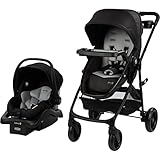
Overview: The Safety 1st Grow and Go Flex delivers exceptional versatility with eight configurations in one travel system, accommodating infants from 4-30 pounds. This comprehensive combo includes the OnBoard FLX infant car seat with cozy knit cushions and a stroller that seamlessly transitions between carriage, travel system, and toddler modes. Designed for families prioritizing adaptability and storage solutions, it eliminates the need for multiple separate purchases during your child’s early years.
What Makes It Stand Out: The eight reversible strolling options provide unprecedented flexibility at this price tier. Three innovative folding modes—a tall slim fold, compact footrest fold, or two-piece storage—solve urban storage challenges brilliantly. Parents gain exceptional convenience through an extra-large basket, dual parent cup holders, and a child tray engineered for two-handled sippy cups. Reflective trim enhances visibility during evening strolls, adding a safety element rarely seen in budget systems.
Value for Money: At $284.99, this system offers remarkable value, delivering features typically found in $350+ competitors. You’re essentially purchasing three products: an infant car seat, carriage, and toddler stroller in one package. The eight configurations significantly extend usable lifespan compared to basic travel systems. While materials aren’t luxury-grade, the functionality and adaptability far exceed expectations for this price point, making it a wise long-term investment for growing families.
Strengths and Weaknesses:
- Strengths: Eight versatile configurations; innovative three-way folding system; abundant storage options; meets federal safety standards; reflective safety trim; excellent price for features.
- Weaknesses: Car seat only rated to 30 lbs; bulkier than premium models; materials feel less luxurious; assembly can be time-consuming.
Bottom Line: The Safety 1st Grow and Go Flex is an outstanding choice for budget-conscious families prioritizing versatility. Despite minor compromises in materials and weight limits, its eight configurations and smart folding design make it a practical, long-lasting investment.
7. Graco Modes Pramette Travel System, 3-in1 Modular Carseat Stroller Combo, Infant Car Seat Carrier to Toddler Stroller, Includes the SnugRide 35 Car Seat, Ellington

Overview: The Graco Modes Pramette Travel System provides seamless transitions from infancy through toddlerhood with its intelligent 3-in-1 modular design. This system includes the highly-rated SnugRide 35 Lite DLX Infant Car Seat, accommodating babies from 4-35 pounds. The stroller transforms from an infant car seat carrier to a pramette, then to a toddler stroller, delivering a complete mobility solution without requiring separate components.
What Makes It Stand Out: The pramette mode distinguishes this system, offering a traditional bassinet-style experience for newborns that converts back to a toddler seat. The reversible seat function allows parent-facing or world-facing orientations in all modes, promoting both bonding and exploration. Graco’s trusted SnugRide 35 car seat exceeds basic safety requirements with superior side-impact protection. The one-hand fold mechanism simplifies storage when managing an infant, a crucial convenience feature.
Value for Money: At $389.99, this mid-range system justifies its cost through premium features and extended weight capacity. The SnugRide 35’s 35-pound limit provides months of additional use compared to 30-pound alternatives. While pricier than budget options, it eliminates the need for a separate bassinet purchase. Graco’s reputation for durability ensures this system lasts through multiple children, offering excellent resale value and long-term cost efficiency.
Strengths and Weaknesses:
- Strengths: Three versatile modes; pramette conversion; reversible seat; higher 35-pound car seat limit; one-hand fold; trusted Graco safety engineering; durable construction.
- Weaknesses: Heavier than ultralight models; pramette mode reduces basket accessibility; limited color options; cup holders could be larger.
Bottom Line: The Graco Modes Pramette is a smart investment for parents wanting premium functionality without luxury pricing. Its pramette feature and extended weight capacity make it ideal for families planning multiple children or seeking extended use.
8. Baby Trend Passport® Switch 6-in-1 Modular Stroller Travel System with EZ-Lift™ Plus Infant Car Seat, Dash Black

Overview: The Baby Trend Passport Switch delivers six versatile configurations in a sleek, modern package at an accessible price point. This travel system includes the EZ-Lift Plus Infant Car Seat and accommodates infants through toddler stages with parent-facing and forward-facing options. Designed for contemporary parents, it integrates convenient features like a phone holder and flexible cup holder while maintaining core functionality and ease of use.
What Makes It Stand Out: The six-mode versatility includes bassinet and toddler seat configurations with dual orientations, plus direct car seat attachment. The integrated phone holder at the handlebar center keeps devices secure and visible for navigation or capturing moments—an innovative touch competitors lack. The flex-grip cup holder accommodates everything from large water bottles to small coffee cups. Front and rear basket access eliminates the frustration of one-sided storage retrieval, a practical detail that improves daily usability significantly.
Value for Money: At $249.99, this is among the most affordable modular systems available. It delivers six configurations typically found in $300+ competitors while adding unique conveniences. The EZ-Lift car seat provides adequate safety and comfort for most families. Some material compromises exist, but the feature set and versatility far exceed expectations for this price tier. For budget-focused families unwilling to sacrifice functionality, this represents exceptional value.
Strengths and Weaknesses:
- Strengths: Six versatile modes; unbeatable price; phone holder; dual-access storage basket; flexible cup holder; lightweight design; easy car seat installation.
- Weaknesses: Car seat quality less premium than Graco/Chicco; smaller wheels struggle on rough terrain; canopy provides limited coverage; materials show wear faster.
Bottom Line: The Baby Trend Passport Switch is perfect for cost-conscious families wanting maximum versatility. While it sacrifices some premium feel and durability, its innovative features and six configurations deliver exceptional value that outperforms its price tag.
9. Chicco Bravo 3-in-1 Trio Travel System, Bravo Quick-Fold Stroller with KeyFit 30 Infant Car Seat and Base, Car Seat and Stroller Combo | Camden/Black
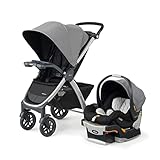
Overview: The Chicco Bravo Trio Travel System represents the gold standard for seamless integration between car seat and stroller. This premium system pairs the award-winning KeyFit 30 Infant Car Seat with a versatile 3-in-1 stroller that transforms from a full-featured toddler stroller to a lightweight car seat carrier. Designed for discerning parents prioritizing safety, convenience, and quality, it accommodates infants from birth to 30 pounds with exceptional attention to detail and engineering excellence.
What Makes It Stand Out: The KeyFit 30 is widely regarded as the easiest infant car seat to install correctly, featuring premium LATCH connectors and the SuperCinch Force-Multiplying Tightener. The stroller’s smart fold design stands independently without the handle touching the ground—keeping hands clean and storage hygienic. Seamless click-in attachment requires no adapters, transitioning from car to stroller in seconds. The UPF 50+ canopy with mesh window provides superior sun protection and ventilation compared to standard canopies.
Value for Money: At $449.99, this is a premium investment delivering tangible benefits. The KeyFit 30’s superior installation system reduces user error and increases safety. Build quality ensures longevity through multiple children with excellent resale value. While significantly more expensive than budget options, it eliminates the learning curve and anxiety of proper car seat installation. For safety-conscious families, the reliability and ease of use justify the higher upfront cost.
Strengths and Weaknesses:
- Strengths: Industry-leading KeyFit 30 car seat; easiest installation; superior build quality; smart standing fold; UPF 50+ canopy; seamless click-in system; excellent maneuverability; premium materials.
- Weaknesses: Highest price point; car seat only 30-pound limit; heavier than travel-friendly models; limited storage access when seat is reclined.
Bottom Line: The Chicco Bravo Trio is worth every penny for parents prioritizing safety and ease of use. Its superior car seat installation and build quality make it the smartest choice for first-time parents or those wanting the most reliable, frustration-free experience available.
What Exactly Is a Travel System?
A travel system is an integrated mobility solution consisting of an infant car seat and a stroller designed to work together as a cohesive unit. The core innovation lies in the ability to click your car seat directly onto the stroller frame without disturbing your sleeping newborn. This creates a seamless transition from car to sidewalk to café without ever unbuckling your baby. Unlike standalone strollers that require separate adaptors (often sold separately and prone to compatibility issues), true travel systems are engineered from the ground up for perfect fit and secure attachment.
The beauty of a properly designed system is the absence of guesswork. The car seat clicks into the stroller with an audible confirmation, and release mechanisms are typically one-handed operations you can master while holding your baby. But here’s what many parents miss: the travel system isn’t just about the car seat-stroller connection. It’s about how both components perform independently—because your infant car seat must first excel at its primary job: protecting your baby in a vehicle crash.
Why Travel Systems Are a Game-Changer for New Parents
The newborn phase operates on a simple principle: never wake a sleeping baby. During the first three months, your infant spends 14-17 hours per day sleeping, and disrupting that sleep cycle can derail feeding schedules and your own fragile sanity. Travel systems eliminate the “transfer dance”—that precarious maneuver where you attempt to move a sleeping baby from car seat to stroller without triggering a meltdown.
Beyond sleep preservation, travel systems offer unmatched versatility during a period when your baby’s neck muscles are still developing. The infant car seat provides the proper recline and head support newborns require, which many standard stroller seats cannot safely achieve. This means you can run errands, attend appointments, or simply take a walk weeks earlier than you could with a traditional stroller. The system also eliminates redundant purchases; rather than buying a stroller that sits unused for months while you wait for your baby to gain head control, you’re investing in immediate, practical utility.
Understanding Car Seat Compatibility: The Non-Negotiable Foundation
Compatibility isn’t just about whether the car seat fits the stroller—it’s about whether it locks securely every single time without user error. The connection mechanism must meet rigorous safety standards that prevent accidental detachment during normal use or in the event of a stroller tip-over.
The LATCH System vs. Seat Belt Installation
Your travel system’s car seat will install in your vehicle using either the LATCH (Lower Anchors and Tethers for Children) system or the seat belt. LATCH has a weight limit—when the combined weight of your baby and the car seat reaches 65 pounds, you must switch to seat belt installation. This matters because some travel systems include heavier car seats, meaning you’ll hit that limit sooner. Always check your vehicle’s LATCH weight capacity in the owner’s manual, as it varies by manufacturer and seating position.
The seat belt installation method, while seemingly straightforward, requires attention to detail. A travel system car seat should feature clear, color-coded belt paths and lock-offs that prevent the seat belt from loosening over time. Some premium systems include tension indicators that turn green when proper installation is achieved—an invaluable feature for sleep-deprived parents who might second-guess their work.
Infant Car Seats vs. Convertible Seats: What Newborns Actually Need
Here’s a critical distinction: travel systems require infant car seats, not convertible car seats. Infant seats are rear-facing only, designed with a carrier that detaches from a stay-in-car base. This carrier is what clicks into your stroller. Convertible seats, while economical long-term, remain fixed in the vehicle and cannot be used as part of a travel system.
The weight range for infant seats typically spans 4-35 pounds, with height limits around 32 inches. However, the average newborn outgrows these limits by height before weight. Look for seats with higher height capacities (35+ inches) to extend your travel system usability. The shell depth is equally important—a deeper shell provides better side impact protection and accommodates longer-torso babies.
Key Safety Certifications and Standards You Must Know
Every car seat sold in the United States must meet FMVSS 213 (Federal Motor Vehicle Safety Standard), but this is a minimum threshold, not a quality guarantee. True safety leaders voluntarily test to more rigorous standards. Look for mention of side-impact testing protocols—these aren’t federally mandated but are crucial for newborn protection.
The ASTM (American Society for Testing and Materials) standard F833 covers stroller safety, addressing stability, brake effectiveness, and structural integrity. A travel system should meet both FMVSS 213 for the car seat and ASTM F833 for the stroller. Some manufacturers also comply with European standards like ECE R44/04 or the newer R129 (i-Size), which require more stringent side-impact testing and mandatory extended rear-facing use.
The JPMA (Juvenile Products Manufacturers Association) certification seal indicates a product has passed additional independent testing beyond government requirements. While voluntary, this certification demonstrates a manufacturer’s commitment to exceeding baseline safety measures.
Frame Strollers vs. Full-Feature Strollers: Which Platform Suits Your Lifestyle?
Travel systems typically pair with one of two stroller types: minimalist frames or full-feature strollers. Frame strollers are lightweight skeletons designed solely to carry your car seat. They weigh as little as 11-15 pounds, fold compactly, and excel for quick errands and travel. However, they become obsolete once your baby outgrows the infant seat.
Full-feature strollers function as both car seat carriers and independent strollers with reclining toddler seats. They weigh 20-30 pounds and offer superior suspension, larger baskets, and better maneuverability. The trade-off is bulk and weight. For urban parents navigating public transit or climbing stairs, a frame stroller’s portability might outweigh the long-term utility of a full-feature model. Suburban parents who drive everywhere might prefer the all-in-one investment.
Consider your primary use case: if you’ll walk extensively from home, a full-feature stroller’s robust wheels and suspension matter. If your stroller lives in your car trunk for errands and appointments, the frame’s compactness is king.
Weight and Portability: The Real-World Impact on Daily Life
The weight of your travel system affects every interaction. The infant car seat alone typically weighs 9-12 pounds; add a 10-pound baby and you’re lifting 20+ pounds multiple times daily. Look for car seats with ergonomic carrier handles that distribute weight across your forearm rather than concentrating pressure on your hand.
The stroller’s folded dimensions matter as much as its weight. Measure your vehicle’s trunk opening and depth before purchasing. Some full-feature strollers fold compactly but remain long, making them difficult to maneuver into sedans. Others fold into a square-ish package that slides easily into SUVs but consumes trunk space.
Consider the “curb lift test”: can you lift the folded stroller into your trunk with one hand while holding your baby? If not, the system’s portability fails the real-world test. Premium systems often feature automatic folding mechanisms or stand-alone folding where the stroller remains upright when folded—features that prove invaluable when you’re alone.
Maneuverability Matters: Navigating Real-World Terrain
Wheel size and configuration dramatically affect performance. The gold standard is a front-wheel swivel that locks for straight-line stability over rough terrain. Wheel diameter matters: 12-inch rear wheels handle grass, gravel, and cracked sidewalks far better than 7-inch wheels designed for smooth mall floors.
Suspension systems aren’t just marketing fluff. A newborn’s brain is still developing, and repeated jostling from poor suspension can be concerning. Look for all-wheel suspension with adjustable tension. Some high-end systems offer pneumatic (air-filled) tires that absorb bumps like a bicycle, though they require occasional inflation and are prone to flats.
The wheelbase width affects door navigation. A stroller wider than 24 inches won’t fit through many standard doorframes, forcing you to collapse it for indoor use. Test the turning radius in-store by spinning the stroller in place. A tight radius indicates good engineering and makes elevator navigation far less stressful.
Fold Mechanisms and Storage: The Hands-Free Challenge
The best fold mechanisms operate with a single motion—typically a twist, pull, or foot pedal. Avoid systems requiring two-handed operation or multiple steps; these become frustrating when you’re holding a baby. The fold should lock automatically to prevent accidental unfolding in your trunk.
Self-standing folds are underrated features that keep the stroller clean and accessible. When folded, the stroller stands upright with the handle off the ground, perfect for restaurant storage or home entryways. Some systems include carry straps for slinging the folded stroller over your shoulder—ideal for stairs.
Storage extends beyond the under-seat basket. Look for parent consoles with insulated cup holders (your coffee deserves dignity), zippered pockets for phones and wallets, and rear pockets for quick-access items. The basket itself should be accessible from both front and rear, with a weight capacity of at least 10 pounds. Some premium designs feature expandable baskets that grow as your storage needs increase.
Canopy and Weather Protection: Shielding Your Newborn from the Elements
A newborn’s skin is incredibly sensitive to UV radiation, and their temperature regulation is immature. The canopy should extend fully to cover the car seat carrier, creating a cocoon-like environment. Look for UPF 50+ fabric ratings, which block 98% of UV rays. A canopy with a flip-out visor provides additional coverage during low-angle sun.
Ventilation is crucial when the canopy is fully extended. Mesh peek-a-boo windows should include magnetic closures rather than noisy Velcro that wakes your baby. Some systems offer zippered extensions that deploy from the canopy’s edge, creating a full coverage “bassinet” mode for napping on the go.
Weather protection kits separate premium systems from basic ones. A dedicated rain cover should fit snugly without sagging onto your baby’s face, and a boot cover provides warmth without adding bulk. The best systems integrate these accessories into the stroller’s design rather than treating them as afterthoughts.
Handlebar Ergonomics and Adjustability: One Size Doesn’t Fit All
Handlebar height affects your posture and long-term comfort. A handle that’s too low forces you to hunch, causing back strain during hour-long walks. Too high, and you lose leverage for curbs and stairs. Look for telescoping handlebars with at least 6 inches of height adjustment, accommodating parents from 5'0" to 6'3".
Handlebar shape matters as much as height. A pivoting (rotating) adjustment changes the angle but not the height—avoid these. True height adjustment maintains the handle’s angle while raising or lowering the entire bar. Premium systems offer adjustable handlebar angles, letting you fine-tune the grip position.
The handlebar material affects grip security in rain or sweat. Foam-covered handles feel comfortable but degrade over time and harbor bacteria. Rubberized grips offer better durability and hygiene. Some luxury systems feature leatherette wrapping that’s both comfortable and easy to clean, though it adds cost.
Basket Storage Capacity: The Workhorse You Didn’t Know You Needed
The under-seat basket becomes your mobile basecamp. For newborns, you’ll carry diapers, wipes, changes of clothes, blankets, and eventually toys. The basket should hold at least 10 pounds, but 15-20 pounds is ideal for shopping trips. Check the basket’s accessibility with the car seat attached—some designs block access completely, forcing you to remove the seat for every diaper retrieval.
Basket design varies significantly. Deep baskets prevent items from bouncing out but make retrieval difficult. Wide-opening baskets with low sidewalls offer easy access but less security. The best compromise is a basket with a rear-access panel that drops down, letting you reach items without bending into the stroller frame.
Consider basket versatility. Some systems include removable tote bags that lift out of the basket frame, perfect for carrying purchases into the house. Others feature divided compartments that keep items organized. For parents of multiples, a basket that accommodates a second seat or ride-along board becomes crucial for future-proofing.
Travel System Longevity: Planning Beyond the Newborn Phase
While marketed for newborns, a smart travel system investment considers the toddler years. Full-feature strollers should convert to accommodate children up to 50 pounds. Look for reversible seat units that face parent or forward, multiple recline positions (including near-flat for napping), and adjustable footrests that grow with your child’s legs.
The harness system should evolve from a five-point harness for infants to a three-point harness for older toddlers. Some systems include a “freedom harness” that lets independent toddlers clip in themselves while maintaining safety. The seat fabric should be removable and machine-washable—because potty training accidents are inevitable.
Modular systems offer the ultimate longevity. These allow you to swap the toddler seat for a second car seat carrier (perfect for twins), a bassinet attachment for newborns, or even a glider board for older siblings. While initially more expensive, modular systems eliminate the need to buy a double stroller later, saving money and storage space.
Budget Considerations: Understanding True Value vs. Upfront Cost
Travel systems range from $200 to $1200+, but price doesn’t always correlate with value. Budget systems ($200-$400) typically use lighter materials, smaller wheels, and simpler canopies. They meet all safety standards but may lack durability for daily heavy use. Mid-range systems ($400-$700) offer the best value, balancing premium features like all-wheel suspension and large canopies with reasonable weight.
Premium systems ($700+) justify their cost through superior materials (aircraft-grade aluminum frames), innovative folding mechanisms, and included accessories like rain covers and cup holders. They often feature better resale value—some retain 40-50% of their original price after two years of use.
Calculate cost-per-use: a $600 system used daily for two years costs about $0.82 per use. Compare that to buying a separate $300 stroller and $200 car seat that don’t integrate seamlessly, causing daily frustration. Factor in the cost of accessories—some budget systems require $100+ in add-ons to match premium included features.
Second-Hand Travel Systems: Navigating the Pre-Owned Market
While saving money is tempting, second-hand travel systems carry significant risks. Car seats have expiration dates (typically 6-10 years from manufacture) as plastic degrades and safety standards evolve. More critically, you cannot verify a used car seat’s history—it may have been in a crash, compromising its structural integrity invisible to the eye.
If you must buy used, purchase only the stroller frame from a trusted source you know personally. Never buy a used car seat. Check the stroller frame for cracks, especially around folding joints. Test the brake mechanism thoroughly—it should engage and release smoothly without sticking.
Register any used travel system with the manufacturer immediately. This ensures you’ll receive recall notifications. Check the CPSC website for recall information using the model number and manufacture date. Some manufacturers offer free safety inspections for second-hand gear, providing peace of mind.
Frequently Asked Questions
What’s the difference between a travel system and a stroller frame?
A travel system includes both an infant car seat and a stroller that works with it, either as a full-feature stroller or a dedicated frame. A stroller frame is just the skeleton—the car seat is purchased separately. While frames are lighter and cheaper, you lose the guaranteed compatibility and often the bundled discount of buying a complete system.
How long can my baby use the infant car seat in the stroller?
Most infants outgrow their car seat by height before weight, typically between 12-18 months. However, pediatricians recommend limiting continuous time in car seats to 2 hours due to breathing position concerns. For longer outings, remove your baby from the car seat periodically and use the stroller’s bassinet mode or lie-flat seat if available.
Are travel systems safe for newborns?
Yes, when used correctly. The infant car seat provides proper head and neck support while maintaining a safe recline angle. The key is ensuring the car seat clicks securely into the stroller and that you never leave your baby unattended. Always use the stroller’s harness system in addition to the car seat’s harness for double security.
Can I use any car seat with any stroller?
No. While some brands offer universal adaptors, true safety and ease of use come from engineered compatibility. Adaptors add weight, create potential failure points, and often require two hands to operate. A native travel system guarantees the car seat locks in place with an audible click and releases with a single lever.
What’s the weight limit for infant car seats in travel systems?
Weight limits range from 30-35 pounds, but height limits (typically 32 inches) are the real constraint. A tall, slender baby may outgrow the seat at 25 pounds. Always follow the “1 inch rule”—if your baby’s head is within 1 inch of the seat’s top, it’s time to transition, regardless of weight.
Do I need a travel system if I babywear?
Babywearing and travel systems serve different purposes. A travel system excels for errands, appointments, and situations where you need your hands free for tasks beyond just carrying your baby. Many parents use both—babywearing for walks and bonding, the travel system for efficiency. The travel system also provides a safe place for your baby to nap when you’re away from home.
How do I know if the car seat is properly clicked in?
You should hear a distinct click and see visual indicators—typically green tabs or lines that align when secure. Give the car seat a firm tug upward at the base; it shouldn’t move more than 1 inch in any direction. Practice the installation at home before your first outing. Many parents find filming the process helps them remember the correct angle and force required.
Are expensive travel systems worth it?
It depends on your usage. If you’ll walk daily for miles, premium suspension and durability justify the cost. If your stroller lives in the car for occasional errands, a mid-range system offers better value. Consider cost-per-use and resale value—premium systems often retain 40% of their value, while budget systems may have no resale market.
Can I gate-check my travel system when flying?
Yes, most airlines allow you to gate-check both the car seat and stroller for free. Use a padded travel bag to protect against damage. Some parents prefer to check the stroller at the ticket counter and carry the car seat on board (if you’ve purchased a seat for your baby) to ensure it isn’t mishandled. Always confirm policies with your specific airline.
What should I do with my travel system after my baby outgrows it?
If it’s in excellent condition, resell it—provided the car seat isn’t expired and has never been in a crash. Many consignment stores specialize in baby gear and will inspect it for safety. Alternatively, donate to a women’s shelter or family in need. Never put an expired car seat in a dumpster—cut the straps and remove the cover to prevent unsafe reuse, then recycle the plastic components where facilities exist.