Every 33 seconds, a child under 13 is involved in a car crash in the United States. While that statistic might make your heart skip a beat, here’s the reality that should steady it: properly used booster seats reduce the risk of serious injury by 45% compared to seat belts alone. The catch? That word “properly” carries enormous weight. As your child outgrows their forward-facing harness seat, you’re entering a critical transition period where the difference between adequate protection and exceptional safety hinges on one crucial element: belt positioning.
Welcome to the deep end of child passenger safety. This isn’t just another shopping guide—it’s your comprehensive roadmap to understanding booster seat belt positioners, the unsung heroes that transform an adult-sized seat belt into a life-saving device engineered specifically for a child’s unique anatomy. Whether you’re a first-time parent navigating this milestone or a seasoned caregiver looking to upgrade your knowledge, we’re diving into everything from biomechanics to legislative nuances so you can make decisions with absolute confidence.
Top 10 Booster Seat Belt Positioners for Safe Fit
Detailed Product Reviews
1. BPA Free Seat Belt Buckle Booster (2-Pack) - Raises Your Buried Seat Belt Receptacles for Easy Access - Easier Buckling - Gift Sticker Set Educates Kids About Safe Road Practices

Overview: The BPA Free Seat Belt Buckle Booster addresses a common frustration—buried seat belt receptacles that are difficult to access, especially with car seats installed. This two-pack elevates buckle height and stabilizes the receptacle for smoother one-handed operation in most vehicles.
What Makes It Stand Out: Its BPA-free certification ensures safety for all users, including children. The design specifically targets families struggling with floppy buckles hidden beneath car seats, making three-across installations manageable. The included educational sticker set promoting road safety awareness adds unique value for parents teaching children safe habits.
Value for Money: At $11.99 for two ($6 each), it commands a premium over basic silicone alternatives but justifies this through material safety certification and specialized design. For families managing multiple car seats or users with arthritis and mobility challenges, the time and frustration saved easily outweigh the modest extra cost compared to budget options.
Strengths and Weaknesses:
- Pros: BPA-free material; enables true one-handed buckling; exceptionally stable with car seats; educational component; stretches for fit
- Cons: Premium pricing; incompatible with recessed buckles; requires pre-purchase measurement verification; limited color options
Bottom Line: An excellent investment for families with young children in car seats or adults with mobility limitations. The safety certification and thoughtful design justify the higher price point, provided your vehicle’s buckles are compatible.
2. Amiss 2PCS Seat Belt Buckle Holder, Universal Silicone Rear Seat Belt Booster & Fixer for Easy Access, Keeping Receptacle Upright, Car Interior Accessories-Fits Most Cars (Black)

Overview: The Amiss Seat Belt Buckle Holder offers a budget-friendly silicone solution to floppy, buried seat belt receptacles. This two-pack universal accessory keeps buckles upright and accessible, eliminating the need to fish for receivers between seat gaps and preventing seat damage.
What Makes It Stand Out: The diamond-pattern grip design provides enhanced friction for secure positioning, while eco-friendly silicone offers flexibility without permanent deformation. Its simple slip-on installation requires no tools, making it instantly accessible to all users regardless of technical skill or physical strength.
Value for Money: At $6.99 for two ($3.50 each), this represents exceptional value—undercutting premium competitors by nearly 50%. While lacking BPA-free certification, the high-quality silicone construction delivers comparable functionality for cost-conscious buyers who verify compatibility beforehand.
Strengths and Weaknesses:
- Pros: Highly affordable; eco-friendly silicone; anti-slip diamond texture; tool-free installation; easy to clean
- Cons: Not suitable for recessed buckles; less rigid than premium options; brand recognition limited; no safety certifications mentioned
Bottom Line: A compelling budget choice for straightforward buckle access issues. The attractive price point and quality materials make it ideal for users willing to verify measurements, though those prioritizing certified safety materials should consider alternatives.
3. 2 PCS Seat Belt Buckle Holder, Silicone Seatbelt Buckle Booster to Makes Receptacle Stand Upright for Easy Access (Black)

Overview: This silicone Seat Belt Buckle Holder provides an ergonomic solution for those struggling with elusive seat belt receptacles, particularly benefiting children and elderly passengers. The two-pack design elevates buckles for easier reach and stabilized insertion in most vehicles.
What Makes It Stand Out: The diamond-patterned friction design ensures the booster stays firmly positioned, while adaptable silicone construction conforms to various buckle shapes without scratching delicate surfaces. Its focus on vulnerable populations—kids and seniors—demonstrates thoughtful accessibility engineering for family vehicles.
Value for Money: Priced at $7.89 for two ($3.95 each), it occupies a middle ground between budget silicone options and premium BPA-free models. This moderate premium buys enhanced grip design and explicit marketing toward family use, offering solid value if the anti-slip feature proves essential for your specific vehicle configuration.
Strengths and Weaknesses:
- Pros: Enhanced friction pattern; soft, non-damaging silicone; targets kids/elderly specifically; simple installation; universal sizing
- Cons: Mid-range pricing; incompatible with recessed buckles; requires measurement check; durability unproven long-term
Bottom Line: A well-balanced option for families needing reliable buckle stabilization. The grip-focused design justifies the slight price increase over basic models, making it particularly suitable for vehicles where slippage has been problematic.
4. 2-Pack New Seat Belt Buckle Booster (BPA Free) - Raises Rear Seat Belts for Easy Access - Stop Fishing for Buried Back Seat Belts - Makes Second Row Receptacle Stand Upright for Easier Buckling

Overview: The 2-Pack Seat Belt Buckle Booster specifically targets non-recessed rear seat belts, solving the common headache of buried receptacles in the second row. Designed for families with multiple child restraints, it elevates buckles for effortless access and reduced strain during daily routines.
What Makes It Stand Out: This BPA-free booster excels in three-across car seat scenarios where reaching between restraints is nearly impossible. Its specialized rear-row focus and one-handed operation capability make it uniquely suited for parents buckling children in tight configurations, eliminating the daily frustration of floppy, hidden buckles.
Value for Money: At $11.99 for two ($6 each), it matches premium competitors while offering specialized rear-seat optimization. For families with multiple backseat passengers or car seats, the frustration reduction and time savings justify the investment over cheaper, less targeted alternatives that may slip or deform over time.
Strengths and Weaknesses:
- Pros: BPA-free construction; perfect for three-across installations; stable one-handed operation; rear-seat specialized design; stretches for fit
- Cons: Premium price; limited to non-recessed buckles; rear-seat focus may not suit all needs; requires pre-purchase verification
Bottom Line: The ideal solution for families battling buried rear seat buckles between child seats. While priced at a premium, its specialized design for three-across configurations delivers unmatched convenience where it matters most.
5. COOLBEBE Seat Belt Pillow for Kids, Extra Soft Toddler Travel Pillow for Car Seat, Universal Carseat Strap Cushion Pads for Childs Baby People Adults, Grey

Overview: The COOLBEBE Seat Belt Pillow provides comfort-focused relief rather than buckling assistance. This shoulder pad cushion prevents seat belt chafing for children and adults during long journeys, attaching easily to standard seat belts in cars, strollers, or high chairs.
What Makes It Stand Out: Unlike buckle boosters, this product addresses comfort with super-soft velvet covering and PP cotton filling. Its removable, washable design ensures hygiene while preventing slippage to maintain proper belt positioning—a unique combination of comfort and subtle safety enhancement for extended travel.
Value for Money: At $9.99, it competes fairly with other seat belt pads while offering superior materials and construction. For families taking frequent long trips, the comfort improvement for children justifies the cost, though it solves a different problem than buckle access issues and should be purchased accordingly.
Strengths and Weaknesses:
- Pros: Extremely soft velvet surface; removable and washable; prevents shoulder irritation; universal fit for kids and adults; secure non-slip design
- Cons: Not a safety device; unsuitable for children under 3; may shift on some belts; different function than buckle boosters; size may not suit all body types
Bottom Line: An excellent comfort accessory for families with older toddlers and children on extended drives. While not addressing buckle access, it excels at its intended purpose of preventing seat belt irritation and deserves consideration for road trip comfort.
6. Farochy Unicorn Seat Belt Pillow Kids Cover, Vehicle Shoulder Pads, Car Seatbelt Cushion for Kids, Strap Pillows Animal Travel (Purple)

Overview: The Farochy Unicorn Seat Belt Pillow offers a charming solution for parents seeking to improve their child’s comfort during car journeys. This purple unicorn-shaped cushion attaches to seatbelts, providing ergonomic support for a child’s head, neck, and chin when they fall asleep. Designed specifically for long trips, it transforms a standard seatbelt into a comfortable resting surface.
What Makes It Stand Out: The bending ergonomic design perfectly contours to support a sleeping child’s head, preventing the painful neck bobbing that often occurs during car naps. Made from A+ grade polyester, it’s exceptionally soft and fluffy while remaining durable. The versatile design doubles as a decorative throw pillow for home use or office naps. The thoughtful Velcro closure makes installation and removal effortless, and it’s machine washable for easy maintenance.
Value for Money: At $18.99, this pillow sits in the mid-range category. The price is justified by the premium materials and dual-purpose functionality. While cheaper alternatives exist, the ergonomic design and A+ grade polyester set it apart. Considering it serves both as a travel accessory and home decor, it offers solid value for parents prioritizing comfort and style.
Strengths and Weaknesses: Strengths include the ergonomic support design, premium soft materials, cute aesthetic, easy installation, and versatility beyond the car. Weaknesses are the higher price point compared to basic cushions, the recommendation for hand washing despite being machine washable, and potential fit issues with some seatbelt designs.
Bottom Line: This unicorn pillow is an excellent investment for families taking frequent long journeys. It successfully combines comfort, safety, and whimsical design that children love, making it worth the modest premium over budget options.
7. EBQOSK 4 - Pack Seat Belt Adjuster Clips, Adjustable Anti - Slip Car Safety Positioners, Universal Fit for Vehicle Seatbelts, Comfort & Safety Accessory for Adults

Overview: The EBQOSK 4-Pack Seat Belt Adjuster Clips provide a simple yet effective solution for adults struggling with uncomfortable seatbelt positioning. These small devices adjust the shoulder strap height and tension, preventing the belt from digging into your neck or chest while maintaining safety. Suitable for most vehicles, they address a common comfort issue without compromising protection.
What Makes It Stand Out: The internal anti-slip studs ensure the adjuster stays securely in place once closed, eliminating the frustrating slippage common with cheaper models. The detachable design allows for easy installation without removing the entire seatbelt. Made from high-quality ABS plastic, these clips are waterproof, wear-resistant, and built to last. The smooth, treated surface prevents interior scratching.
Value for Money: At $9.99 for a four-pack, these adjusters offer exceptional value. This translates to just $2.50 per clip—far more economical than vehicle-specific adjustments or replacing seatbelt systems. For families with multiple drivers or passengers of different heights, having four units ensures everyone can achieve optimal comfort.
Strengths and Weaknesses: Strengths include the secure anti-slip design, durable ABS construction, universal compatibility with belts up to 2.0 inches wide, easy tool-free installation, and excellent multi-pack value. Weaknesses include the 2.0-inch width limitation (may not fit some heavy-duty belts), the plastic aesthetic may not appeal to everyone, and improper installation could affect belt positioning.
Bottom Line: These adjuster clips are a cost-effective, practical solution for improving seatbelt comfort. They’re particularly valuable for shorter adults or those with neck/shoulder sensitivity, offering a significant comfort upgrade for minimal investment.
8. COOLBEBE Seat Belt Pillow for Kids, Extra Soft Toddler Travel Pillow for Car Seat, Universal Carseat Strap Cushion Pads for Childs Baby People Adults, Pink Unicorn

Overview: The COOLBEBE Seat Belt Pillow provides budget-friendly comfort for young passengers. This pink unicorn-shaped cushion attaches to seatbelts, preventing shoulder soreness and providing a soft resting surface during car rides. Filled with PP cotton and covered in super-soft velvet, it aims to make journeys more pleasant for children and adults alike.
What Makes It Stand Out: The extra-soft velvet covering sets this pillow apart from standard polyester options, offering a plush tactile experience that kids love. The universal design fits any seatbelt, and its removable, washable construction ensures easy maintenance. Beyond car use, it functions as a stroller or high chair cushion, adding versatility. The safety-focused design prevents slippage while providing effective cushioning.
Value for Money: At $9.49, this pillow is one of the most affordable quality options available. It delivers essential comfort features at nearly half the price of premium competitors. For parents seeking a no-frills solution to seatbelt discomfort, it represents outstanding value without sacrificing basic safety and comfort requirements.
Strengths and Weaknesses: Strengths include the ultra-soft velvet material, budget-friendly pricing, universal fit, removable/washable design, and multi-purpose functionality. Weaknesses include potentially less durable filling than premium alternatives, limited color and design options, and possible compression of the PP cotton over extended use. The materials, while soft, may not match the longevity of higher-priced competitors.
Bottom Line: This pillow is an excellent entry-level option for families wanting to test seatbelt cushions without significant investment. While it lacks some premium features, its softness and affordability make it a smart choice for occasional travelers.
9. SWQS 2PCS Seat Belt Buckle Holder, Silicone Car Rear Seatbelt Buckle Booster for Easy Access, Universal Auto SafetyBelt Buckle Guard Cover to Makes Receptacle Stand Upright Buckling for Kids (Pink)

Overview: The SWQS Seat Belt Buckle Holder solves a surprisingly frustrating problem—hard-to-reach seatbelt buckles that sink into seat crevices. This two-pack of silicone boosters keeps buckles upright and accessible, enabling one-handed operation. Particularly beneficial for children, elderly passengers, and those with mobility limitations, it transforms the buckling experience from a struggle into a simple task.
What Makes It Stand Out: The ergonomic inclined design naturally positions the buckle at an optimal angle for easy insertion. Made from high-quality elastic silicone, it’s both soft enough to prevent car interior damage and rigid enough to maintain its shape. The universal fit accommodates most vehicle buckle slots, while the non-slip properties ensure it stays firmly in place even on rough roads.
Value for Money: At $7.99 for two units, this is an exceptional value proposition. The time and frustration saved during daily car routines easily justifies the minimal cost. For parents teaching children to buckle independently or caregivers assisting elderly passengers, it’s an invaluable accessibility tool that costs less than a fast-food meal.
Strengths and Weaknesses: Strengths include the universal silicone design, ease of installation, accessibility benefits for users with limited mobility, durability, and the two-pack value. Weaknesses include potential dust accumulation in the silicone material, aesthetic limitations (may not match all interiors), and possible incompatibility with unusually shaped buckles. The pink color may not suit all preferences.
Bottom Line: This buckle holder is a must-have accessibility accessory for families with young children or passengers with mobility challenges. It delivers exceptional functionality at a bargain price, making independent buckling achievable and stress-free.
10. Chicco GoFit ClearTex Plus Backless Booster Car Seat, Latch Attachment, Quick-Release Latch Removal, Portable Car Booster Seat for Children at Least 4 Years Old and 40-110 lbs | Obsidian/Black
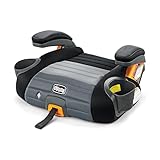
Overview: The Chicco GoFit ClearTex Plus is a premium backless booster designed for children aged 4+ weighing 40-110 pounds. This portable seat elevates children to ensure proper seatbelt positioning while providing ErgoBoost contoured comfort. The innovative LATCH system with quick-release functionality adds stability during entry and exit, making it ideal for families on the go.
What Makes It Stand Out: The GREENGUARD Gold Certification and flame-retardant-free materials make this a health-conscious choice, addressing chemical exposure concerns. The integrated LATCH system with one-hand quick-release is genuinely innovative for a backless booster, preventing the seat from shifting when unoccupied. Dishwasher-safe cup holders and machine-washable components demonstrate exceptional attention to practical cleaning needs.
Value for Money: At $64.99, this is a premium-priced backless booster. However, the price reflects superior safety certifications, convenience features, and build quality. Compared to basic boosters at $30-40, the additional investment buys peace of mind regarding chemical safety and significantly easier daily use, particularly the LATCH stability feature.
Strengths and Weaknesses: Strengths include flame-retardant-free materials with GREENGUARD certification, LATCH stability with quick-release, easy-clean features, contoured comfort design, and portability. Weaknesses include the backless design offering less side-impact protection than high-back models, the higher price point, and the requirement that children must sit relatively still, limiting suitability for fidgety kids.
Bottom Line: This booster is the top choice for safety-conscious parents prioritizing chemical-free materials and convenience. While expensive, its unique combination of health certifications and practical features justifies the premium for families seeking the best backless booster available.
Why Proper Seat Belt Fit Matters for Young Passengers
Adult seat belts are designed for bodies that have reached skeletal maturity—specifically, for passengers at least 4 feet 9 inches tall. When a child who doesn’t meet these dimensions uses a standard seat belt, the lap portion rides up over their soft abdomen instead of resting on their strong hip bones, while the shoulder strap either cuts across their neck or slips behind their back. In a collision, this misfit transforms the belt from a protective device into a potentially lethal weapon that can cause seat belt syndrome: devastating internal organ damage, spinal injuries, and even decapitation in extreme cases. Booster seat belt positioners act as architectural elements, bridging the gap between your child’s body and the vehicle’s adult-sized safety systems, ensuring the belt follows the same strong bony structures that would protect an adult.
Understanding Booster Seat Belt Positioners: What They Are and How They Work
A booster seat belt positioner is fundamentally a positioning device, not a restraint system itself. Unlike harnessed car seats that hold your child directly, boosters work by “boosting” your child upward and outward, aligning their body with the vehicle’s existing seat belt geometry. The magic happens through precisely engineered belt guides—plastic or metal loops, hooks, or channels that dictate exactly where the lap and shoulder belts must cross your child’s body. These guides enforce the “golden rules” of belt fit: lap belt low and flat across the upper thighs, touching the hip bones; shoulder belt centered on the collarbone, away from the neck and face. The best positioners don’t just guide the belt; they lock it in place, preventing the dangerous slack and repositioning that can occur during driving or in the critical moments before impact.
The Evolution of Child Passenger Safety: From Harnesses to Boosters
The journey from five-point harness to booster seat represents one of the most misunderstood transitions in child passenger safety. Historically, parents rushed this milestone, often moving children to boosters at age 3 or 4. Today’s research tells a different story. The American Academy of Pediatrics now advocates keeping children in harnessed seats until they exceed the seat’s height or weight limits—often until age 6 or 7. When you do transition, you’re not downgrading safety; you’re upgrading to a system that teaches your child how to interact with adult restraints while their bones are still developing the strength to handle crash forces. Modern booster positioners have evolved from simple plastic shells to sophisticated safety devices with energy-absorbing foam, adjustable belt paths, and integrated LATCH systems that stabilize the seat even when unoccupied.
Key Safety Standards and Certifications to Look For
Navigating the alphabet soup of safety certifications separates informed buyers from those playing Russian roulette with their child’s safety. In the United States, all booster seats must meet FMVSS 213 (Federal Motor Vehicle Safety Standard), but this is merely the baseline—a pass/fail test that doesn’t differentiate between adequate and exceptional. Look for seats that have undergone additional rigorous testing. The IIHS (Insurance Institute for Highway Safety) Best Bet rating is the gold standard, evaluating real-world belt fit across multiple vehicle types and child sizes. European ECE R44/04 or the newer R129 (i-Size) standards indicate additional crash testing. Some manufacturers conduct voluntary side-impact testing or comply with the proposed FMVSS 213a updates. Remember, a seat that merely meets minimum standards is like a “D” student—it passed, but you wouldn’t brag about it.
Types of Booster Seat Belt Positioners: Pros and Cons
High-Back Boosters
These comprehensive systems provide head and neck support while precisely guiding both lap and shoulder belts through integrated, often adjustable, guides. The high back offers critical side-impact protection for the head and torso, making them ideal for vehicles without headrests or with low seat backs. They’re also superior for sleeping children, preventing the dangerous head slump that can compromise airway positioning. The trade-off? They’re bulkier, more expensive, and your child might outgrow the height limits sooner than with backless options.
Backless Boosters
Sleek, portable, and affordable, backless boosters use the vehicle’s seat back for support and typically feature an adjustable clip or guide for shoulder belt positioning. They excel in tight spaces and for travel, fitting easily into rental cars or taxis. However, they provide zero side-impact protection and require a vehicle seat with adequate head restraint. The lap belt fit is purely dependent on the booster’s height and your vehicle’s seat geometry, offering less fine-tuning capability. For older children who consistently sit properly and vehicles with proper headrests, they’re a practical choice—but the “consistently sits properly” caveat is crucial.
Combination Harness-to-Booster Seats
These transformers start as forward-facing harnessed seats and convert to belt-positioning boosters, sometimes even to backless boosters. They represent exceptional value and allow you to delay the booster transition until your child is truly ready. The downside? They’re often heavy and may be overkill if you’re buying specifically for the booster stage. The belt guides in booster mode might not be as refined as dedicated boosters, and your child might find the deep side wings restrictive as they grow.
Critical Fit Factors: The 5-Step Test Every Parent Must Know
Before every single ride, your child must pass this non-negotiable assessment. First, sit your child in the booster and buckle the seat belt. Does their back rest flat against the vehicle seat? Second, do their knees bend naturally at the edge of the seat, or are they slouching forward to achieve it? Third, is the lap belt positioned low across the upper thighs, not the abdomen? Fourth, does the shoulder belt cross the center of the shoulder and chest, staying clear of the neck and face? Fifth, and most importantly, can your child maintain this position for the entire trip, including while sleeping? If you answer “no” to any question, the booster doesn’t fit properly or your child isn’t ready. This test isn’t a one-time event—repeat it monthly as your child grows and in every vehicle you use.
Age, Weight, and Height Guidelines: When to Make the Switch
The numbers on the scale matter less than you think. While most boosters start at 40 pounds and 38-43 inches tall, these are minimums, not recommendations. The average child reaches 4 feet 9 inches—the height where most can safely use an adult seat belt—between ages 10 and 12. State laws typically require boosters until age 8 or 80 pounds, but these legal minimums lag decades behind safety research. A child might be heavy enough but lack the bone structure or maturity for proper booster use. Conversely, a tall, thin 7-year-old might need a booster despite exceeding minimum weight. Focus on the 5-Step Test, not arbitrary numbers. The transition from booster to seat belt alone should be the final step in child passenger safety, not a milestone to rush.
Essential Features That Define Quality Positioners
Belt Guide Design and Adjustability
The difference between a mediocre and exceptional booster often lies in millimeters of belt guide engineering. Look for guides that accommodate a wide range of belt geometries—some vehicles have unusually forward-mounted or high shoulder anchors. Adjustable shoulder belt guides that slide up and down on a track offer superior customization. The best designs feature locking mechanisms that grip the shoulder belt, preventing it from slipping out of position when your child moves. For lap belts, side-impact cushions should have channels that force the belt low and flat, not just a simple slot that allows the belt to twist.
LATCH System Integration
LATCH (Lower Anchors and Tethers for Children) isn’t just for harnessed seats. Premium boosters include LATCH connectors that secure the booster to the vehicle seat, preventing it from becoming a projectile in a crash when unoccupied—an often-overlooked hazard. This stabilization also helps your child buckle independently, as the booster won’t shift during the process. However, LATCH doesn’t improve performance in a crash; the seat belt does all the work restraining your child. Some parents mistakenly believe LATCH makes the booster safer in use, but its primary benefits are convenience and projectile prevention.
Side Impact Protection
While backless boosters offer none, high-back boosters vary dramatically in side-impact protection. Look for deep side wings lined with energy-absorbing EPS foam (the same material used in bicycle helmets). Some models feature adjustable side wings that grow with your child, maintaining protection at every height. The width matters too—overly wide boosters might not fit well in smaller vehicles or allow proper seat belt geometry. The best designs undergo rigorous side-impact testing, though standards are still voluntary in the U.S.
Comfort and Padding
A comfortable child is a properly positioned child. Thin, hard boosters might meet safety standards but will have your child squirming and slouching within minutes. Look for breathable fabrics, adequate padding in the seat and backrest, and armrests positioned to support natural posture. Some premium models feature memory foam, ventilation channels, or temperature-regulating fabrics. Remember, this seat needs to work for daily commutes, long road trips, and everything in between. Discomfort leads to poor positioning, which negates all safety benefits.
Installation Mastery: Getting It Right Every Time
Installation errors render even the most expensive booster virtually useless. Start by placing the booster flush against the vehicle seat back—no gaps. If using LATCH, connect the anchors and tighten until the booster doesn’t move more than one inch side-to-side. Without LATCH, have your child sit in the booster before buckling to weight it down, then thread the seat belt through all required guides. The shoulder belt must lie flat, never twisted—a twisted belt reduces its effectiveness by up to 70% in a crash. Engage the vehicle’s seat belt lock-off if available, or use the locking latch plate to remove excess slack. After buckling, have your child lean forward and back; the belt should retract smoothly but maintain contact. If you hear clicking or feel grinding, the belt geometry is incompatible with that booster position.
Common Mistakes That Compromise Safety
The most pervasive error is premature graduation—moving a child to a booster before they’ve maxed out their harness seat. Once in a booster, the “vehicle seat belt syndrome” of improper routing tops the list: lap belts riding high on the abdomen, shoulder belts behind the back or under the arm. Parents often miss that boosters expire—typically 6-10 years from manufacture date—as plastic degrades and safety standards evolve. Using a booster in the front seat remains a critical mistake; airbags are designed for adults and can kill children. Another subtle error: allowing boosters in seating positions with lap-only belts. Without a shoulder belt, a high-back booster provides no upper body restraint, and a backless booster is completely inappropriate. Finally, boosters require a “boosted” mindset—your child must sit properly for every second of every trip. If they’re leaning, slouching, or reaching, they’re unprotected.
Maintenance and Longevity: Protecting Your Investment
Your booster seat is a safety device, not a family heirloom, but proper maintenance ensures it functions correctly throughout its lifespan. Clean the cover according to manufacturer instructions—most are machine washable but require air drying to prevent shrinkage that could interfere with harness guides. Never use harsh chemicals or bleach, which can degrade flame-retardant treatments and plastic components. Inspect the shell monthly for cracks, stress marks, or warping, especially if you live in extreme climates where heat and cold accelerate plastic aging. Check that belt guides haven’t developed sharp edges that could damage the seat belt webbing. Register your seat with the manufacturer to receive recall notifications—boosters are recalled more frequently than you’d expect, often for issues that aren’t immediately obvious but could compromise safety. Store the manual in the seat’s base or take a photo of the installation pages for quick reference.
Legal Requirements Across Different Jurisdictions
Booster seat laws are a confusing patchwork that often prioritizes convenience over safety. Most states require boosters until age 8, but some go to 9 or tie requirements to height (typically 4'9"). A handful of states have no booster law at all, relying on general child restraint statutes. This creates dangerous scenarios where a family driving across state lines might be legal in one jurisdiction and critically unsafe in another. Federal law only requires manufacturers to meet FMVSS 213; it doesn’t mandate usage. Some municipalities have stricter ordinances than state law. The critical takeaway: legal compliance is your floor, not your ceiling. Meeting your state’s minimum law might still leave your child inadequately protected. Always follow the American Academy of Pediatrics guidelines and the 5-Step Test, which exceed virtually all legal requirements. If you’re traveling internationally, be aware that many countries don’t recognize U.S. seats and vice versa due to differing standards.
Special Considerations for Children with Unique Needs
Standard boosters assume typical development, but many children require adaptive solutions. Children with low muscle tone, cerebral palsy, or other physical disabilities might need specialized positioning devices that provide additional trunk support and prevent slouching. For children with behavioral challenges or autism, sensory-friendly fabrics and minimal hardware can reduce aversion. Some medical conditions require children to remain in harnessed seats longer than peers—never rush the transition for social reasons. Children who have had abdominal surgery or have ostomies need belt positioning that avoids pressure on sensitive areas, sometimes requiring custom modifications approved by a child passenger safety technician (CPST). For children with casts or braces, temporary solutions might include specialized belt adjusters that work with their medical equipment. Always consult a CPST with medical experience; hospital-based programs often have technicians who specialize in transporting children with complex needs.
Travel-Friendly Features for Families on the Go
The best booster for daily use might be the worst for travel. If you’re a frequent flyer, look for boosters certified for aircraft use—most backless boosters and some high-back models are FAA-approved for use during flight (though not for taxi, takeoff, or landing). For ride-sharing and taxis, a lightweight backless booster that fits in a backpack ensures you’re never caught without protection. Some premium models feature a “fold-flat” design for easy gate-checking. Consider boosters with integrated carry straps or handles. For road trips across state lines, verify the booster meets all state requirements where you’ll travel. International travel presents challenges: U.S. boosters aren’t legal in many countries, and vice versa. Some families opt for travel-specific models that meet multiple standards or rent seats at their destination—a risky proposition unless you can verify the seat’s history and condition. Never check a booster as luggage unless it’s in a protective case; baggage handlers can cause invisible damage that compromises safety.
Budget vs. Premium: What Are You Really Paying For?
A $30 booster and a $300 booster both meet the same FMVSS 213 standard, so what justifies the price difference? Premium models invest in advanced side-impact protection, luxury comfort features, extended height/weight limits, and easier installation. The materials differ: high-end boosters use energy-absorbing foams, steel-reinforced frames, and automotive-grade fabrics that withstand years of use. Adjustability features—like 10-position shoulder guides versus a fixed position—add cost but improve fit across diverse vehicles. LATCH systems, while not improving crash performance for the child, add manufacturing complexity. Brand reputation and rigorous voluntary testing also command premiums. However, a mid-range booster that fits your child and vehicle perfectly is infinitely safer than a premium model with a poor fit. Don’t equate price with safety; equate proper fit with safety. That said, if you can afford premium features that improve daily use and comfort, they indirectly enhance safety by ensuring consistent, complaint-free use.
The Transition Timeline: From Booster to Regular Seat Belt
This final milestone deserves as much attention as the first day of kindergarten. The transition isn’t about age; it’s about skeletal maturity and consistent behavior. Most children aren’t ready until ages 10-12, when they reach 4'9" and can pass the 5-Step Test. The process should be gradual: start with short trips around town before graduating to highway driving. Even after passing the test, keep the booster in the trunk for the first few months—your child might fail the test in different vehicles or after growth spurts. Teach them the self-check: “Can I sit with my back against the seat, feet on the floor, and belt properly positioned without slouching?” Make it a game, not a punishment. Some parents use a “booster graduation certificate” to celebrate this safety milestone. Remember, the back seat remains the safest place for all children under 13, regardless of booster use.
Frequently Asked Questions
1. How do I know if my child is ready to move from a harnessed seat to a booster?
Your child must exceed the height or weight limits of their forward-facing harness seat—typically around 65 pounds and 49 inches. More importantly, they must demonstrate the maturity to sit properly for every ride without leaning, slouching, or reaching. Most children aren’t ready until at least age 5, with many benefiting from staying harnessed until 6 or 7. The transition is about physical and behavioral readiness, not age alone.
2. Can I use a booster seat with a lap-only belt?
Absolutely not. Booster seats require both a lap and shoulder belt to function safely. A lap-only belt provides no upper body restraint, allowing your child’s head and chest to pitch forward violently in a crash. In vehicles with lap-only belts, you must use a harnessed seat or find a different seating position. Some combination seats can be used with a harness in lap-only positions, but never a booster.
3. What’s the difference between a backless and high-back booster for belt positioning?
High-back boosters provide integrated shoulder belt guides that adjust to your child’s height and vehicle geometry, plus crucial head and side-impact protection. Backless boosters rely solely on raising your child and typically use a separate clip to position the shoulder belt. They offer no side-impact protection and require a vehicle headrest. High-back boosters are safer for younger or slouch-prone children, while backless boosters suit older kids who sit properly in vehicles with adequate headrests.
4. How tight should the seat belt be when my child is in a booster?
The lap belt should be snug and flat across the upper thighs, not loose enough to pull away from the body. The shoulder belt should make contact with your child’s chest and shoulder without slack, but not so tight that it digs in or restricts breathing. After buckling, have your child exhale fully; you should be able to slide one finger between the belt and their collarbone, but not lift the belt away from their body.
5. My child’s booster moves around when they’re not in it. Is this a problem?
An unoccupied booster that isn’t secured becomes a dangerous projectile in a crash, potentially striking passengers with hundreds of pounds of force. Use the LATCH system if available to anchor the booster when empty. If your booster lacks LATCH, buckle the seat belt through it even when unoccupied, or store it in the trunk. Never leave a loose booster on the vehicle seat.
6. Can booster seats be used on airplanes?
Most backless boosters are FAA-approved for use during flight (cruise portion only, not taxi/takeoff/landing), but high-back boosters generally are not because they interfere with aircraft seat geometry. However, airlines require children under 40 pounds to use an FAA-approved harnessed seat. For boosters, you can gate-check them, but use a protective bag. Remember, your child will need the booster at your destination, so traveling with it is essential.
7. Is it safe to buy a used booster seat?
We strongly advise against used boosters unless you know the complete history. Boosters involved in crashes—even minor ones—can have invisible stress fractures. Expired seats have degraded plastic. Missing parts, recalled models, or seats that have been cleaned with harsh chemicals all compromise safety. If you must use a hand-me-down, verify it hasn’t expired, has all original parts and manual, was never in a crash, and isn’t under recall.
8. Why does my child slouch in their booster, and how can I fix it?
Slouching usually indicates poor fit or discomfort. Check that your child’s knees bend naturally at the seat edge—if not, they’re too short for that vehicle seat and need a higher booster or different position. Ensure the backrest supports their entire back without gaps. Add a thin, firm cushion if the vehicle seat is too deep (never place it under the booster). For comfort issues, look for a booster with better padding or adjust the shoulder belt guide height. Most importantly, enforce proper sitting habits; a booster only works when used correctly.
9. Do booster seats expire, and what happens if I use an expired one?
Yes, booster seats typically expire 6-10 years from the manufacture date, found on a sticker on the seat. Plastic degrades over time, especially when exposed to extreme temperatures in vehicles. Materials can become brittle, hardware can fail, and safety standards evolve. Using an expired seat is gambling with your child’s safety—it might look fine but could catastrophically fail in a crash. Always retire a seat at expiration, even if it seems structurally sound.
10. My vehicle has inflatable seat belts. Can I use a booster with them?
This is a critical compatibility issue. Many booster manufacturers prohibit using their seats with inflatable seat belts found in some Ford, Lincoln, and Mercedes vehicles. The inflatable mechanism can interfere with proper belt routing and may damage the booster’s belt guides. Some newer booster models are specifically tested and approved for inflatable belts. Always check both your vehicle owner’s manual and the booster manual for explicit approval. When in doubt, use a different seating position or consult a CPST.