If you’re reading this at 2 AM after changing wet sheets for the umpteenth time, take a deep breath. You’re not alone, and more importantly, you’re not failing as a parent. Bedwetting is one of those parenting challenges that thrives in silence, but here’s the truth: nearly 15% of five-year-olds and 5% of ten-year-olds struggle with nocturnal enuresis, and for deep sleepers, the statistics are even more dramatic. The difference between success and another night of frustration often comes down to one critical factor—choosing the right bedwetting alarm designed specifically for the child who could sleep through a marching band.
Deep sleepers present a unique neurological challenge. Their brains are wired to block out external stimuli, which is great for surviving noisy neighborhoods but terrible for responding to a full bladder. Standard bedwetting alarms often prove useless, leaving families feeling defeated. This guide cuts through the noise to give you evidence-based strategies, feature breakdowns, and practical protocols that actually work for the hardest-to-wake children.
Top 10 Bedwetting Alarms for Deep Sleepers
Detailed Product Reviews
1. Chummie Premium Bedwetting Alarm for Deep Sleepers - Award Winning, Clinically Proven System with Loud Sounds, Bright Lights and Strong Vibrations, Green
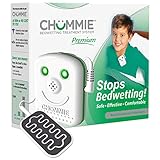
Overview: The Chummie Premium Bedwetting Alarm in green offers a comprehensive solution for children who struggle with deep-sleep bedwetting. This clinically proven system combines multiple alert mechanisms designed specifically for heavy sleepers who don’t respond to standard alarms. Weighing just 1oz, the compact unit attaches comfortably without disrupting sleep, while the microprocessor-controlled system ensures reliable performance night after night.
What Makes It Stand Out: The patented alert technology provides eight selectable tones, adjustable volume, vibration settings, and dual bright lights, preventing habituation that plagues single-tone devices. The standout IntelliFlex silicone sensor offers significantly larger detection area than traditional clip sensors, ensuring first-drop detection while maintaining comfort against the skin. The microprocessor-controlled unit includes advanced safety algorithms, and the free mobile app provides instant access to instructional videos, FAQs, and live customer support from award-winning specialists.
Value for Money: At $119.99, this sits in the premium category, but the robust feature set justifies the cost. Competing systems with similar multi-alert capabilities often exceed this price point, while cheaper alternatives lack the sophisticated sensor technology and app integration that define the Chummie experience. Pediatric urologists frequently recommend this as first-line treatment, adding medical credibility to your investment.
Strengths and Weaknesses: Strengths include the versatile alert system preventing tone adaptation, exceptionally comfortable silicone sensor, award-winning design endorsed by pediatric urologists, and comprehensive mobile support. The lightweight 1oz unit is unobtrusive. Weaknesses include the premium price point that may strain budgets, and the complexity of options might overwhelm some users initially. The color selection, while helpful for personalization, doesn’t affect functionality.
Bottom Line: For families seeking a clinically-backed, feature-rich solution for deep-sleeping children, the Chummie Premium delivers exceptional performance. The investment pays dividends in effectiveness and support, making it our top recommendation for stubborn bedwetting cases.
2. Chummie Premium Bedwetting Alarm for Deep Sleepers - Award Winning, Clinically Proven System with Loud Sounds, Bright Lights and Strong Vibrations, Blue

Overview: The Chummie Premium Bedwetting Alarm in blue provides identical functionality to its green counterpart, offering a clinically validated approach to managing bedwetting in deep sleepers. The color variation allows children to choose their preferred aesthetic without compromising the system’s robust feature set, which includes eight tones, vibration, and dual bright lights in a 1oz package.
What Makes It Stand Out: This system excels with its eight-tone alert library that cycles to prevent auditory adaptation, a critical flaw in budget alarms. The IntelliFlex silicone sensor contours to body shape, eliminating the poking discomfort of traditional metal clip sensors. Microprocessor-controlled algorithms ensure reliable first-drop detection, while the companion mobile app delivers award-winning customer support directly to your smartphone, including video tutorials and live help.
Value for Money: Priced at $119.99, the blue variant offers the same premium value proposition. While significantly more expensive than basic models, the multi-modal alerts and comfortable sensor technology provide tangible benefits that justify the cost for families who’ve struggled with less sophisticated systems. The system’s endorsement by pediatric specialists adds confidence to the purchase.
Strengths and Weaknesses: Strengths mirror the green model: comprehensive tone selection, rapid-drying reusable sensor, pediatric urologist recommendations, and excellent customer support infrastructure. The compact 1oz design enhances wearability. Weaknesses include the high price relative to simpler alternatives and potential option paralysis from numerous settings. Blue color may appeal more to certain children, but functionally it’s identical to other Chummie variants.
Bottom Line: The blue Chummie Premium is ideal for families prioritizing proven technology and comfort. Choose the color your child prefers—the internal technology remains the gold standard for treating deep-sleeper bedwetting effectively.
3. Chummie Premium Bedwetting Alarm for Deep Sleepers - Award Winning, Clinically Proven System with Loud Sounds, Bright Lights and Strong Vibrations, Pink

Overview: The Chummie Premium Bedwetting Alarm in pink completes the color trilogy with the same award-winning technology designed for deep sleepers. This variant particularly appeals to children who want personalization in their medical device, helping reduce stigma and increase compliance while delivering the same eight-tone alert system and comfortable silicone sensor.
What Makes It Stand Out: Beyond the eight-tone alert system and vibration settings, the pink Chummie emphasizes its FDA registration and CE certification, providing extra assurance for safety-conscious parents. The silicone sensor’s expansive detection area remains unmatched, while the microprocessor’s advanced algorithms ensure consistent performance. The system’s recognition by pediatric urologists as first-line treatment underscores its clinical credibility and distinguishes it from unverified consumer products.
Value for Money: At $119.99, you’re investing in a medically certified device rather than a consumer gadget. The price reflects regulatory compliance and clinical validation that cheaper alternatives lack. For families seeking insurance-eligible equipment or prioritizing formal medical device status, the explicitly stated FDA registration adds significant value that justifies the premium over non-certified competitors.
Strengths and Weaknesses: Strengths include official medical device certifications, comprehensive alert customization, comfortable IntelliFlex sensor, and strong professional endorsements. The award-winning customer support via mobile app remains a key differentiator. Weaknesses center on the premium pricing and the fact that core functionality doesn’t improve over the green or blue versions. The pink color, while appealing, carries the same feature set at identical cost.
Bottom Line: Select the pink Chummie if color preference drives compliance or if you specifically value the explicitly stated FDA registration. The underlying technology remains exceptional for treating persistent bedwetting.
4. DRYEASY Bedwetting Alarm with Volume Control, 6 Selectable Sounds and Vibration
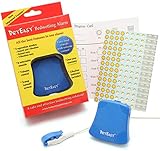
Overview: The DRYEASY Bedwetting Alarm positions itself as a budget-conscious alternative to premium systems, offering essential features without the premium price tag. This device focuses on reliable detection and customizable alerts at a fraction of competitor costs, making it accessible to families seeking proven technology on a limited budget.
What Makes It Stand Out: The improved toggle clamp securely locks the sensor in place, addressing a common failure point in budget alarms where sensors detach overnight. Six selectable sounds with random-play mode prevent tone habituation, while four digital volume levels reaching 85db provide adequate loudness for most sleepers. The flexible operation modes—sound plus vibration, sound only, or vibration only—allow customization for different sleeping environments and family preferences.
Value for Money: At $35.99, this represents exceptional value. While lacking advanced features like app connectivity or silicone sensors, it delivers core functionality that rivals systems costing three times as much. CE certification and ISO medical device standards (ISO 13485) provide quality assurance uncommon at this price point, ensuring you’re not sacrificing safety for affordability.
Strengths and Weaknesses: Strengths include the secure toggle clamp design, multiple operation modes, respectable volume output, and impressive safety certifications for the price. The system is straightforward without overwhelming options. Weaknesses include fewer alert tones than premium alternatives, traditional clip sensor design that may be less comfortable, and absence of mobile app support or professional endorsements. The detection area is smaller than Chummie’s silicone sensor.
Bottom Line: The DRYEASY is perfect for families wanting proven bedwetting alarm technology without breaking the bank. It sacrifices some comfort and features but maintains reliable performance where it matters most.
5. DRI Sleeper Eclipse Plus - Wireless Bedwetting Alarm for Deep Sleepers with Extra Alarm Base for The Parents Room

Overview: The DRI Sleeper Eclipse Plus targets the premium wireless segment, offering a cord-free experience that eliminates sensor wire discomfort. The included parent alarm base extends monitoring beyond the child’s room, a unique feature for families wanting active involvement in nighttime training. This system prioritizes convenience and parental participation.
What Makes It Stand Out: True wireless design sets this apart from all wired competitors, providing freedom of movement and eliminating potential wire-related safety concerns. The dual-alarm system—one in the child’s room and one for parents—ensures immediate response even if the child doesn’t wake. Comprehensive support materials including a colorful progress chart with stickers and detailed guides demonstrate a holistic treatment approach that addresses psychological motivation alongside physical alerts.
Value for Money: At $189.00, this is the most expensive option reviewed. The wireless convenience and parent alarm justify the premium for families who’ve struggled with traditional wired systems or want maximum parental oversight. However, the price gap over the Chummie is substantial without adding more alert tones or app connectivity, making it a niche rather than universal solution.
Strengths and Weaknesses: Strengths include completely wireless operation, parent room alarm for immediate intervention, and excellent support materials that motivate children. The system addresses both child and caregiver needs simultaneously. Weaknesses include the highest price point, no mention of multiple alert tones or volume customization, and lack of mobile app integration. Battery management for two units may be cumbersome over time.
Bottom Line: Choose the DRI Sleeper Eclipse Plus if wireless operation and parental alarm are non-negotiable features. For most families, the Chummie offers better value, but this excels in specific wireless-use scenarios.
6. DRI Sleeper Eclipse Wireless Bedwetting Alarm for Kids and Older Children - Effective Enuresis Solution and Bed Wetting Sensor, Night Bedwetting Alarm

Overview: The DRI Sleeper Eclipse represents the premium tier of bedwetting alarms with its fully wireless design. This system separates the moisture sensor from the alarm unit, allowing parents to keep the sounding device up to 40 feet away. The plastic-coated sensor prevents skin irritation while maintaining sensitivity, and the manufacturer claims up to 90% success rates when used consistently with nighttime toilet training protocols.
What Makes It Stand Out: True wireless functionality sets this apart from clipped-on units. The sensor’s plastic coating eliminates metal-to-skin contact, crucial for children with sensitivities. Parents can keep the alarm unit in their own room, immediately becoming part of the training process. The system uses radio frequency transmission rather than wires, giving children complete freedom of movement without risking disconnection during sleep.
Value for Money: At $149, this is a significant investment—nearly triple the price of basic models. However, the wireless design justifies the premium for families who’ve struggled with wired sensors that detach or cause discomfort. The included battery and durable construction suggest longevity, though replacement batteries add ongoing costs. For persistent bedwetting cases requiring reliable technology, the price reflects medical-grade engineering.
Strengths and Weaknesses: Strengths include genuine wireless operation, excellent range, hypoallergenic sensor design, and high reported success rates. The parent-proximity feature enables immediate response. Weaknesses are the steep upfront cost, reliance on proprietary batteries, and potentially more complex setup than plug-and-play alternatives. Some children may find any sensor intrusive despite the wireless design.
Bottom Line: Ideal for families prioritizing comfort and reliability over cost. The wireless design solves many common frustrations with traditional bedwetting alarms, making it worth the investment for severe or persistent cases.
7. Wet-Stop 3 Blue Bedwetting Enuresis Alarm with Loud Sound and Strong Vibration for Boys or Girls, Proven Solution for Bedwetters

Overview: The Wet-Stop 3 offers a straightforward, budget-conscious approach to bedwetting treatment. This compact alarm unit attaches directly to clothing and uses a patented sensor that detects moisture immediately. The package includes comprehensive support materials: a downloadable guidebook, reward chart, and star stickers—tools that address the psychological aspects of bedwetting alongside the physical training.
What Makes It Stand Out: Six different alarm tones plus vibration mode provide customization that prevents habituation, a common issue with single-tone alarms. The patented sensor design prioritizes easy cleaning, addressing hygiene concerns that plague many competing products. The included behavioral reinforcement system (chart and stickers) demonstrates an understanding that successful treatment requires both physiological training and positive motivation.
Value for Money: At $35.99, this represents exceptional value. Most competitors at this price point lack the multi-tone capability and none include the educational resources or reward system. The use of standard AAA batteries keeps operating costs low. While not wireless, the thoughtful extras make this the most comprehensive starter package available under $40.
Strengths and Weaknesses: Strengths include affordability, multiple alert options, comprehensive support materials, easy-to-clean sensor, and proven effectiveness. The lightweight design suits younger children. Weaknesses involve the wired connection that may detach during restless sleep, battery replacement costs over time, and basic construction compared to premium models. The sensor clip may cause discomfort for sensitive skin.
Bottom Line: The best entry-level option for families wanting a complete solution without breaking the bank. The motivational extras significantly increase the likelihood of treatment success.
8. Chummie Elite Bedwetting Alarm for Children and Deep Sleepers Award Winning Bedwetting Alarm System with Loud Sounds and Strong Vibrations, Green

Overview: The Chummie Elite earns its name through microprocessor-controlled intelligence designed specifically for deep sleepers. Pediatricians widely recommend this system, which automatically cycles through five loud alert tones to prevent auditory adaptation. The soft silicone sensor offers a significantly larger detection area than traditional clip sensors, ensuring no accident goes unnoticed while maintaining comfort throughout the night.
What Makes It Stand Out: Advanced safety algorithms and automatic tone variation demonstrate sophisticated engineering absent in basic models. The silicone sensor molds to body shape, eliminating the poking hazard of rigid clip sensors. The free mobile app provides instant access to instructional videos, FAQs, and live customer support—transforming a simple device into a connected treatment ecosystem. At just one ounce, the alarm unit is remarkably unobtrusive.
Value for Money: Priced at $79.99, the Chummie Elite occupies the sweet spot between budget and premium options. The doctor recommendations and microprocessor features justify the cost over basic alarms, while remaining far more affordable than fully wireless systems. The app support adds ongoing value that competitors lack. However, the optional armband costs extra, slightly diminishing the overall package value.
Strengths and Weaknesses: Strengths include medical professional endorsement, smart tone cycling, comfortable silicone sensor, ultra-lightweight design, and excellent app-based support. The large detection area improves reliability. Weaknesses are the wired sensor connection (though more comfortable than most), additional cost for the armband accessory, and the need for thorough sensor cleaning. Some users report the initial setup requires careful sensor positioning.
Bottom Line: A technologically advanced yet practical choice for families wanting proven results with modern conveniences. The doctor backing provides confidence in this investment.
9. Chummie Elite Bedwetting Alarm for Children and Deep Sleepers Award Winning Bedwetting Alarm System with Loud Sounds and Strong Vibrations, Blue

Overview: The Chummie Elite in blue offers identical functionality to its green counterpart, providing the same doctor-recommended, microprocessor-controlled treatment system. Designed for deep sleepers, this alarm automatically cycles through five alert tones to combat habituation. The soft silicone sensor provides extensive coverage and molds to the child’s body, while the one-ounce alarm unit remains barely noticeable during sleep.
What Makes It Stand Out: Beyond the color option, this model features advanced safety algorithms and connectivity through the free Chummie mobile app. The app delivers instructional videos, troubleshooting FAQs, and live support access—creating a comprehensive treatment platform. The silicone sensor’s flexibility eliminates the discomfort of traditional rigid clips, and the automatic tone variation ensures the alarm remains effective throughout months of training.
Value for Money: At $79.99, the blue version delivers the same mid-range value proposition as the green model. The color choice allows children to select their preference, potentially increasing buy-in for the treatment process. All value considerations remain identical: medical endorsement, smart features, and app support justify the price point between budget and premium alternatives. The separate armband purchase remains the only notable additional cost.
Strengths and Weaknesses: Strengths mirror the green version: pediatrician recommendations, intelligent tone cycling, comfortable silicone sensor, ultra-lightweight construction, and robust app support. The large detection area ensures consistent performance. Weaknesses include the wired connection (despite improved comfort), additional cost for the optional armband, and the need for thorough sensor cleaning. Color preference is purely subjective and doesn’t impact functionality.
Bottom Line: Choose based on color preference—both versions deliver the same excellent, medically-supported treatment experience. The blue option may appeal to children who favor traditional gender associations.
10. US-Patented Wireless Bedwetting Alarm for Boys and Girls,High Sensitivity Sensor for Deep Sleepers, USB-C Rechargeable, 3 Modes (Vibration/Sound/Combo), Split Sensor (787in), Portable Case, 20-Day Use

Overview: This US-patented wireless alarm disrupts the market with premium features at a budget price point. The split-sensor design eliminates wires entirely, using a wireless transmitter with an impressive 787-inch range. USB-C rechargeable batteries in both sensor and receiver provide up to 20 days of use per charge, while the eco-friendly rubber sensor offers skin-friendly comfort. Three customizable alert modes accommodate different sensitivity levels.
What Makes It Stand Out: The patented instant detection technology triggers at the first drop of urine, critical for effective conditioning. The extreme wireless range far exceeds competitors, allowing placement flexibility throughout most homes. USB-C charging eliminates ongoing battery costs and environmental waste—a rarity in this product category. At under $27, including a portable charging case, this alarm includes features typically found in $100+ models.
Value for Money: Exceptional doesn’t adequately describe the value proposition. This is the most feature-rich alarm at this price point by a significant margin. The wireless design, rechargeable batteries, and patented sensor technology create unprecedented affordability. While brand recognition lags behind established competitors, the specifications and included accessories rival premium options costing five times more. The 20-day battery life reduces maintenance to a monthly routine.
Strengths and Weaknesses: Strengths include true wireless operation, USB-C rechargeability, extreme range, patented detection technology, three alert modes, and incredible affordability. The soft rubber sensor enhances comfort. Weaknesses involve limited brand history, potentially less robust customer support than established competitors, and unknown long-term durability. The extremely low price may raise quality concerns for some buyers despite impressive specifications.
Bottom Line: An unbeatable option for families wanting wireless convenience without the premium price tag. The technology and features make this a risk worth taking, especially for budget-conscious households.
Understanding the Deep Sleeper’s Dilemma
The Science Behind Sleep Stages and Bedwetting
Deep sleep, or slow-wave sleep, is characterized by high-amplitude delta brain waves that essentially create a neurological fortress against external stimuli. During these stages, the thalamus—the brain’s sensory gatekeeper—blocks most signals from reaching the cerebral cortex. For typical children, a bedwetting alarm’s beep penetrates this barrier just enough to trigger arousal. For deep sleepers, that same beep barely registers as background noise.
Research from pediatric sleep clinics reveals that children with enuresis who are confirmed deep sleepers require alarms that are 20-30 decibels louder and include tactile stimulation to achieve the same arousal threshold as average sleepers. Their sleep architecture shows prolonged periods of stages 3 and 4 NREM sleep, meaning they’re not just “hard to wake”—they’re neurologically designed to resist awakening.
Why Conventional Alarms Often Fail Deep Sleepers
Most entry-level bedwetting alarms operate at 70-80 decibels, roughly equivalent to a vacuum cleaner. While this seems loud during the day, it falls short for deep sleepers for three critical reasons: First, the sound lacks variability, allowing the brain to habituate and classify it as non-threatening background noise. Second, there’s no tactile component to engage different sensory pathways. Third, the sensor response time may be too slow, allowing a full void before the alarm even triggers.
Parents of deep sleepers consistently report that their children either don’t wake at all, or they wake in a confused, semi-conscious state that doesn’t lead to meaningful bathroom trips. This creates a vicious cycle where the alarm disturbs the household but fails to train the child.
How Bedwetting Alarms Work: The Basics
The Neurophysiological Training Process
Bedwetting alarms aren’t magic—they’re classical conditioning devices. The goal is to create a learned association between bladder fullness and waking. When moisture is detected, the alarm triggers a sensory stimulus that, ideally, reaches the sleeping brain. Over time (typically 8-12 weeks), this creates a new neural pathway: full bladder → alarm → wake → bathroom.
For deep sleepers, this process requires significantly more repetitions and stronger stimuli. The brain needs to build a robust enough connection that it overrides the powerful sleep inertia of delta wave sleep. This is why consistency and the right equipment matter more than with typical sleepers.
Essential Features for Deep Sleepers
Volume and Sound Variability: Waking the Unreachable
For deep sleepers, volume isn’t just important—it’s everything. Look for alarms that reach 90-100 decibels at close range, comparable to a smoke detector. But here’s the key: volume alone isn’t enough. The alarm must offer multiple sound options and variable tones that change nightly or even within a single night.
Why? The brain’s habituation response is powerful. A single, consistent tone becomes part of the sleep soundscape after just a few nights. Alarms that offer escalating volume, alternating tones, or random sound patterns prevent this adaptation. Some advanced models even include recorded voice options—hearing a parent’s voice saying “Wake up and go potty” can penetrate deeper than generic beeps because it’s already wired into the child’s recognition circuits.
Vibration Strength: The Tactile Wake-Up Call
Vibration is non-negotiable for deep sleepers. The somatosensory cortex processes tactile information through different pathways than auditory signals, creating a dual-activation system that dramatically increases arousal probability. But not all vibrations are created equal.
Seek alarms with adjustable vibration intensity levels and strategic placement options. The vibration should be strong enough to feel like a persistent cell phone on steroids, not a gentle buzz. For boys versus girls, placement matters—sensors positioned where the first drop occurs trigger faster, giving the vibration more time to work before a full void happens.
Dual Alert Systems: Sound and Vibration Combined
This is the gold standard for deep sleepers. Dual-modality alarms engage both auditory and somatosensory pathways simultaneously, essentially launching a two-pronged attack on the sleeping brain. The combination creates a “salience signal” that the thalamus is more likely to flag as important enough to warrant waking.
The most effective systems allow independent control of sound and vibration, letting you customize based on your child’s specific sensory responsiveness. Some children respond better to vibration-first with sound as backup; others need the reverse. The ability to experiment is crucial.
Wireless vs. Wired: Finding the Right Connection
For deep sleepers, wireless systems often outperform wired ones—but with caveats. Wireless alarms place the sound unit across the room, forcing the child to physically get up and walk to turn it off. This movement itself helps break sleep inertia. However, connectivity issues can be maddening.
Look for wireless systems with dedicated RF frequencies (not Bluetooth) that maintain connection through walls and across 30+ feet. Wired alarms keep the unit close, which is fine for vibration but allows the child to simply reach over and turn it off without truly waking. The compromise? Wireless systems with bed-shaker units that vibrate the entire mattress while the sound unit blares from the hallway.
Sensor Technology and Moisture Detection Speed
Every second counts with deep sleepers. Older sensor technology requires several drops to complete a circuit, by which time the child may have already voided significantly. Modern micro-thread sensors detect moisture at the molecular level, triggering within 0.5 seconds of the first drop.
For deep sleepers, this speed is critical. The alarm must trigger while the bladder is still signaling, not after it’s empty. Look for sensors described as “immediate detection” or “first-drop technology.” Avoid sensors with cloth overlays that absorb moisture before detection.
Comfort and Wearability: The Compliance Factor
Here’s the uncomfortable truth: even the most effective alarm fails if your child refuses to wear it. Deep sleepers often have sensory sensitivities that make uncomfortable devices deal-breakers. The sensor should be barely noticeable, with no bulky clips or rigid components.
Wireless sensors that attach directly to underwear with adhesive strips often work better for deep sleepers than clip-on designs. The weight difference is minimal, reducing the chance of the child removing it unconsciously during sleep. For boys, consider sensor placement options that accommodate different sleeping positions without shifting.
Battery Life and Power Options
Nothing derails progress like a dead battery at 3 AM. Deep sleeper alarms work harder—longer durations, louder volumes, stronger vibrations—draining batteries faster. Opt for alarms with at least 30 days of battery life under heavy use, or better yet, dual-power options (battery with AC backup).
Some advanced models include low-battery indicators that chirp during the day, not at night. This small feature prevents the heart-sinking realization that the alarm didn’t go off because it was dead, not because the child stayed dry.
Durability and Water Resistance
Let’s be realistic: these devices will be yanked, dropped, and potentially submerged during midnight bathroom dashes. Water resistance isn’t just about accidents—it’s about steamy bathrooms, dropped units in toilets, and cleaning.
Look for IPX6 or higher ratings, which withstand direct water jets. The sensor should be fully washable and quick-drying. For the main unit, sealed buttons prevent moisture ingress that leads to failure. Remember, a broken alarm during week six of training can set progress back by weeks.
Types of Bedwetting Alarms: Pros and Cons
Wearable Alarms
Wearable alarms position the sensor directly in the underwear and the sound unit on the shoulder or collar. For deep sleepers, the proximity of sound to ear is beneficial, but the small speakers often lack the power needed. The best wearables for deep sleepers feature oversized sound chambers and external vibration motors that press against the collarbone.
Pros: Immediate detection, portable for sleepovers, harder to ignore. Cons: Limited volume, can shift during restless sleep, may feel intrusive.
Bedside Unit Alarms
These place a large sensor pad on the bed with the sound unit on the nightstand. The advantage is massive speakers capable of room-filling sound. For deep sleepers, the separation between sensor and sound can be problematic—by the time enough moisture reaches the pad, the child may have fully voided.
Pros: Extremely loud, easy to test, no wearables to fight over. Cons: Slower detection, doesn’t work well with mattress protectors, less effective for stomach sleepers.
Wireless Alarm Systems
The hybrid solution that often works best for deep sleepers. A tiny wearable sensor communicates with a remote sound unit placed strategically. The sensor detects immediately while the sound unit can be positioned for maximum household impact. Advanced systems allow multiple sound units—one in the child’s room, one in the parents’ room—to ensure someone responds if the child doesn’t.
Pros: Best of both worlds, customizable placement, scalable volume. Cons: More expensive, potential connectivity issues, requires more setup.
Setting Up Your Deep Sleeper for Success
Optimal Alarm Placement Strategies
For deep sleepers, placement isn’t just about function—it’s about psychology. Place the sound unit across the room, but position it so the child must walk past the bathroom to turn it off. This subtle environmental cue increases the likelihood of spontaneous bathroom use.
If using vibration, position it on the collarbone or upper chest, never on the arm or leg. The torso’s proximity to the brainstem means faster signal processing. For wireless sensors, attach them slightly higher in the underwear than recommended for typical sleepers—this catches the first drop sooner.
Creating a Supportive Sleep Environment
Deep sleepers need environmental priming. Two hours before bed, reduce blue light exposure to naturally deepen sleep cycles—this seems counterintuitive, but deeper early sleep means lighter REM later when alarms are most effective. Keep the bedroom cool (65-68°F) which increases sleep drive and makes the temperature change from getting up more noticeable.
Place a nightlight in the bathroom but not the bedroom. The contrast between dark bedroom and lit bathroom creates a visual cue that helps orient a confused, waking brain. Keep a clear path from bed to bathroom—no toys to trip over that might cause injury during disoriented midnight walks.
Training Strategies Specifically for Deep Sleepers
The Graduated Volume Approach
Start with maximum volume and vibration for the first two weeks—this isn’t the time for gentle transitions. After initial success, gradually reduce volume over subsequent weeks to wean the child off dependency. For deep sleepers, this process takes longer; expect 10-14 weeks versus the typical 6-8.
Document everything: time of alarm, response time, level of consciousness upon waking. Look for patterns. Does your child respond better on nights after physical activity? After certain foods? This data helps you optimize the approach.
Parental Involvement Protocols
For deep sleepers, parental response is mandatory for the first 3-4 weeks. When the alarm triggers, parents must go to the child’s room, physically guide them to the bathroom, and ensure they stay awake long enough to empty their bladder completely. This isn’t coddling—it’s creating muscle memory for a child whose brain can’t yet complete the cycle independently.
Create a “wake-and-walk” script: “Alarm went off, that means your bladder is full, let’s walk to the bathroom.” Keep it identical every night. The consistency creates a secondary auditory cue that reinforces the alarm’s purpose.
The “Wake-and-Walk” Method
This technique is specifically designed for deep sleepers who wake confused. When the alarm sounds, the parent enters the room, turns on a bright light, and physically helps the child sit up. The child must stand and walk (not be carried) to the bathroom. This movement activates the motor cortex, which helps override sleep inertia.
In the bathroom, cold water on the hands or face provides additional sensory input. The child must stay awake for at least five minutes before returning to bed. This prevents the “sleep-peeing” phenomenon where they void in a semi-conscious state and return to bed with no memory of the event.
Common Mistakes That Sabotage Progress
The number one mistake is inconsistent use. Missing even two nights per week resets the conditioning process for deep sleepers. Another critical error is allowing the child to turn off the alarm and return to bed without using the bathroom. This teaches the brain that the alarm signal can be ignored.
Don’t lower the volume too soon. If your child is responding consistently for two weeks, maintain the current settings for another week before making any changes. Premature reduction is the most common reason for mid-training regression.
Avoid using pull-ups or diapers once training begins. While tempting for sanity, they provide a safety net that subconsciously tells the brain “it’s okay to release.” For deep sleepers, this mixed messaging is particularly damaging because their brain already struggles to make the bladder-brain connection.
Maintenance and Long-Term Care
Clean sensors weekly with manufacturer-approved solutions, never alcohol, which degrades moisture-sensitive materials. Test the alarm system every Sunday evening by applying a drop of water to the sensor while the child is awake. This ensures functionality and reinforces the alarm’s purpose.
Replace batteries on a schedule, not when they die. For deep sleepers using maximum settings, mark your calendar for battery changes every three weeks, not monthly. Keep a spare alarm unit if possible—having a backup prevents training gaps during equipment failures.
Store the alarm in the same place every morning. Creating a consistent routine around the device itself helps integrate it into the child’s mental model of bedtime, increasing compliance.
When to Consult a Healthcare Professional
If after 16 consistent weeks there’s zero improvement, it’s time to see a pediatric urologist or sleep specialist. Deep sleepers can have underlying conditions like sleep apnea that prevent alarm conditioning from working. Signs to watch for: snoring, mouth breathing, or extreme daytime sleepiness despite adequate hours.
Consult a doctor immediately if daytime accidents accompany nighttime wetting, if there’s pain or burning during urination, or if your child has never had a dry period longer than six months. These could indicate structural issues, constipation complications, or neurodevelopmental factors that alarms alone can’t address.
Frequently Asked Questions
How long does it take for deep sleepers to respond to bedwetting alarms?
Deep sleepers typically require 12-16 weeks of consistent nightly use to achieve 14 consecutive dry nights, compared to 6-10 weeks for average sleepers. The key is consistency; missing even one or two nights per week can extend this timeline by months. Success is measured not just by dry nights but by the child’s ability to self-awaken and walk to the bathroom without parental intervention.
What if my child sleeps through the loudest alarm setting?
First, verify the alarm is actually functioning—test it during the day. If it works and your child still doesn’t wake, you need a multi-modal approach. Add a bed-shaker unit that vibrates the entire mattress, position a secondary sound unit in the hallway that forces them to walk farther, and implement the parental “wake-and-walk” protocol for at least four weeks. Some families find success with a smart outlet that turns on the bedroom light simultaneously with the alarm, adding a visual component.
Are vibrating alarms better than sound alarms for deep sleepers?
Neither is superior alone, but together they’re exponentially more effective. Vibration engages the somatosensory cortex through different neural pathways than auditory processing, essentially giving the brain two chances to register the alert. For deep sleepers, a vibration-only alarm is rarely sufficient. The optimal configuration is a dual-trigger system where vibration starts immediately, followed by escalating sound 5-10 seconds later if the child doesn’t respond.
What age is appropriate for starting with a bedwetting alarm?
Most children aren’t neurologically ready for alarm conditioning until age 5-6, but for deep sleepers, waiting until age 7 often yields better results. By this age, their sleep architecture has matured enough that conditioning can take hold. However, chronological age matters less than developmental readiness. Can the child follow multi-step instructions? Do they show embarrassment about wetting? These emotional and cognitive markers are better indicators than age alone.
Can adults who are deep sleepers use these alarms?
Absolutely. Adult deep sleepers face the same neurological challenges, often compounded by years of conditioned sleep-through behavior. The same features apply: maximum volume, strong vibration, and dual-modality systems. Adult-specific considerations include larger bladder capacity (requiring faster sensor detection) and the embarrassment factor—wireless systems with discreet sensors are often preferred. Success rates are slightly lower than children due to entrenched patterns, but 60-70% achieve dryness within 20 weeks.
How do I know if my child is truly a deep sleeper or just not responding to the alarm?
True deep sleepers exhibit specific behaviors: they don’t wake to fire alarms or severe weather, they require physical shaking to wake in the morning, and they show no memory of the alarm even when it wakes the entire house. If your child can wake to their name being called softly or to a parent entering their room, they’re likely not a deep sleeper and the issue may be alarm placement or volume. A formal sleep study can confirm sleep architecture if you’re uncertain.
Should I wake my child if the alarm doesn’t wake them?
Yes, for the first 3-4 weeks of training. The goal is to create the complete neural circuit: alarm → wake → bathroom. If the alarm triggers but your child doesn’t wake, the association isn’t being formed. Parental intervention ensures the cycle completes, which is essential for deep sleepers whose brains need extra help connecting the dots. After 3-4 weeks of consistent parental waking, most deep sleepers begin showing spontaneous arousal.
What if the alarm wakes everyone except the bedwetter?
This is the classic deep sleeper scenario. Switch to a wireless system with the main sound unit placed in your bedroom, using only the vibration component in the child’s room initially. This prevents household fatigue while still delivering the tactile signal. Once the child begins responding to vibration consistently (usually 2-3 weeks), gradually reintroduce sound in their room at low volume, increasing weekly. The goal is to train the child without training the entire family to sleep through alarms.
Are there any side effects of using bedwetting alarms for deep sleepers?
The most common side effect is daytime sleepiness during the first two weeks as sleep is disrupted. This typically resolves as the child begins waking faster. Some deep sleepers experience increased nighttime anxiety about the alarm, which can paradoxically lighten sleep enough to help. Rarely, children develop a conditioned fear of bedtime. If this occurs, take a one-week break and restart with a behavioral therapist’s guidance. There are no physical side effects, and alarms don’t cause sleep disorders.
What happens if we stop using the alarm too early?
Premature discontinuation is the leading cause of relapse in deep sleepers. The neural pathway needs time to become automatic. If you stop before 14 consecutive dry nights, the brain hasn’t fully integrated the bladder-brain connection. For deep sleepers, aim for 21 consecutive dry nights before phasing out the alarm. Then, use it every other night for two additional weeks to cement the learning. Stopping too early often means starting over from scratch, as the incomplete pathway atrophies quickly in deep sleepers’ brains.