Navigating the world of child safety seats can feel like learning a new language while sleep-deprived—which, if you’re a new parent, you probably are. Between weight limits, height restrictions, installation methods, and evolving safety standards, it’s easy to get overwhelmed by the sheer volume of choices. That’s where the all-in-one car seat enters the conversation as a compelling solution promising to be the only seat your child will ever need. Designed to transition seamlessly from a rear-facing infant seat to a forward-facing harness seat and finally to a belt-positioning booster, these seats accommodate children from birth all the way up to 120 pounds.
But does a single seat really deliver on safety, comfort, and convenience across such a vast developmental spectrum? The answer is nuanced. While all-in-one car seats eliminate the need to purchase multiple seats as your child grows, they require careful consideration of features, installation techniques, and long-term durability to ensure they protect your child at every stage. This comprehensive guide dives deep into everything you need to know about selecting, installing, and maximizing the lifespan of an all-in-one car seat, empowering you to make a confident, informed decision that prioritizes your child’s safety from their first ride home to their last day needing a booster.
Top 10 All-in-One Car Seats for Birth to 120 lbs
Detailed Product Reviews
1. Britax One4Life All-in-One Car Seat, 10 Years of Use from 5 to 120 Pounds, Converts from Rear-Facing Infant Car Seat to Forward-Facing Booster Seat, Machine-Washable Fabric, Graphite Onyx

Overview: The Britax One4Life represents the pinnacle of premium car seat engineering, designed to serve your child from infancy through pre-teen years. This all-in-one convertible seat accommodates children from 5 to 120 pounds across four distinct configurations, eliminating the need for multiple car seat purchases over a decade of use.
What Makes It Stand Out: The revolutionary ClickTight installation system transforms seatbelt installation from frustrating to foolproof—simply open the seat base, thread the belt, and click closed. The 15-position headrest and harness adjust simultaneously with one hand, eliminating rethreading hassles. Safety features include a steel-reinforced frame, SafeCell crumple zone technology, and a patented V-shaped tether that stabilizes the seat during impact.
Value for Money: At $349.99, the One4Life commands a premium price, but amortized over 10 years of continuous use, it costs less than $35 annually. This compares favorably to purchasing separate infant, convertible, and booster seats. The exceptional build quality and advanced safety engineering justify the investment for safety-conscious families.
Strengths and Weaknesses: Strengths: Unparalleled safety features including steel construction and crumple zones; effortless ClickTight installation; premium fabrics; 15-position no-rethread harness; true 10-year lifespan. Weaknesses: Heavy and bulky design challenges smaller vehicles; premium pricing may exceed some budgets; limited color options compared to competitors.
Bottom Line: The Britax One4Life is the definitive choice for parents prioritizing maximum safety and convenience. While the upfront cost is significant, its decade-long service life and superior protection make it a worthwhile investment for your child’s security.
2. Safety 1st Grow and Go All-in-One Slim Convertible Car Seat, Rear Facing, 5-40 lbs, Forward Facing (30–65 lbs), High Back Booster Seat 40-100 pounds, Alaskan Blue

Overview: The Safety 1st Grow and Go delivers practical all-in-one functionality at an accessible price point. Supporting children from 5 to 100 pounds through three stages—rear-facing, forward-facing, and high-back booster—this seat provides extended use without the premium price tag, making it an intelligent choice for budget-conscious families.
What Makes It Stand Out: The QuickFit harness system streamlines headrest and harness adjustments, enabling rapid customization as your child grows. Parents will appreciate the machine-washable seat pad with snap-off convenience and two dishwasher-safe cup holders that simplify cleanup after messy snacks and spills. Two removable infant pillows ensure proper positioning for newborns.
Value for Money: Priced at $159.99, this seat offers exceptional value, costing less than half of premium competitors while covering similar weight ranges. The washable components reduce replacement costs, and the slim design fits three-across in many vehicles, potentially eliminating the need for additional vehicle upgrades.
Strengths and Weaknesses: Strengths: Extremely affordable; effortless cleaning features; straightforward QuickFit adjustments; slim profile for multiple-seat configurations; meets federal safety standards including side-impact testing. Weaknesses: Fewer advanced safety technologies than premium brands; basic materials feel less luxurious; 3-position recline is limited compared to competitors; actual fit may vary for larger children near maximum limits.
Bottom Line: The Safety 1st Grow and Go excels as a practical, no-frills solution for families wanting reliable all-in-one functionality without breaking the bank. It’s ideal for secondary vehicles or families prioritizing value over premium features.
3. Graco 4Ever DLX 4-in-1 Car Seat, Charlie| Infant to Toddler Car Seat, with 10 Years of Use | Rear-Facing, Forward-Facing and Booster Modes | Safe, Comfortable and Convenient

Overview: The Graco 4Ever DLX stands as one of the most versatile car seats available, truly delivering on its 4-in-1 promise across an entire childhood. Seamlessly transitioning from rear-facing harness to forward-facing, high-back booster, and finally backless booster, it accommodates children from 4 to 120 pounds with engineered precision.
What Makes It Stand Out: Graco’s ProtectPlus Engineered designation means this seat undergoes rigorous testing beyond federal standards for frontal, side, rear, and rollover crashes. The Simply Safe Adjust system moves the harness and headrest together in one fluid motion across 10 positions. A 6-position recline ensures proper installation angles and passenger comfort, while the integrated belt lock-off simplifies seatbelt installation.
Value for Money: At $329.99, the 4Ever DLX sits in the mid-premium range, yet justifies every dollar with genuine 4-mode versatility that eliminates the need for a separate backless booster. When divided across 10 years, the annual cost rivals budget seats while delivering superior safety engineering and convenience.
Strengths and Weaknesses: Strengths: True 4-in-1 functionality including backless booster; ProtectPlus rigorous safety testing; effortless no-rethread adjustments; excellent recline range; durable construction; 10-year lifespan. Weaknesses: Bulky footprint challenges compact cars; installation can be finicky in certain vehicles; premium pricing may strain budgets; heavier than slim-profile competitors.
Bottom Line: The Graco 4Ever DLX hits the sweet spot between comprehensive functionality, advanced safety, and long-term value. For families wanting one purchase to truly last a decade without compromising on safety features, this is the benchmark all-in-one seat.
4. Safety 1st Grow and Go All-in-One Slim Convertible Car Seat, Rear Facing, 5-40 lbs, Forward Facing (30–65 lbs), High Back Booster Seat 40-100 pounds, Black Phantom

Overview: Identical in features to its Alaskan Blue sibling, the Black Phantom variant of the Safety 1st Grow and Go offers the same practical all-in-one design in a neutral, versatile color scheme. This seat serves children from 5 to 100 pounds through rear-facing, forward-facing, and high-back booster modes, targeting families seeking functionality over frills.
What Makes It Stand Out: The QuickFit harness system enables simultaneous headrest and harness adjustments without rethreading, saving time during growth spurts. Parents will value the washer-dryer-safe seat pad with convenient snaps and two dishwasher-safe cup holders that streamline maintenance. The included infant pillows provide crucial support for newborns, while the 3-position recline offers basic angle adjustment.
Value for Money: At $163.16, this seat delivers identical value to the Alaskan Blue version, positioning it as one of the most economical all-in-one options available. The slim design enables three-across installation in many mid-size vehicles, potentially saving families from costly vehicle upgrades. The washable components extend the seat’s serviceable life.
Strengths and Weaknesses: Strengths: Highly affordable pricing; practical cleaning features; space-saving slim profile; straightforward adjustments; meets all federal safety standards; neutral color appeals to many families. Weaknesses: Lacks advanced safety technologies like steel frames; basic materials show wear sooner; limited recline positions; weight/height ranges are optimistic for larger children; installation requires careful attention.
Bottom Line: The Black Phantom finish offers the same excellent budget-conscious value as its blue counterpart. Choose this seat for reliable, extended-use functionality without premium pricing. It’s perfect for families needing a practical primary seat or an affordable secondary option for grandparents’ vehicles.
5. Graco Slimfit 3-in-1 Convertible Car Seat, Ultra-Space-Saving Design, Jarret, Suitable for Rear and Forward-Facing, Highback Booster Seat with 10-Position Headrest

Overview: The Graco Slimfit addresses a common pain point for modern families: limited backseat space. This 3-in-1 seat accommodates children from 5 to 100 pounds while its innovative rotating cup holders reduce overall width by 10%, making it ideal for three-across configurations or compact vehicles without sacrificing Graco’s safety standards.
What Makes It Stand Out: The dual integrated cup holders rotate inward, transforming the seat’s profile from standard to slim when needed. Graco’s ProtectPlus engineering ensures comprehensive crash testing beyond federal requirements. The Simply Safe Adjust system synchronizes the 10-position headrest and harness in one motion, while the steel-reinforced frame provides robust protection in a space-efficient package.
Value for Money: Priced at $239.99, the Slimfit bridges the gap between budget and premium segments. Families gain advanced safety engineering and space-saving design for about $100 less than flagship models. The 3-in-1 functionality covers the most critical stages, though the absence of a backless booster mode slightly reduces ultimate longevity.
Strengths and Weaknesses: Strengths: Innovative space-saving cup holder design; ProtectPlus safety engineering; easy no-rethread adjustments; steel-reinforced frame; excellent for three-across installations; mid-range pricing. Weaknesses: Lacks backless booster mode (limits ultimate lifespan); rotating mechanism could wear with heavy use; still relatively heavy; fewer recline positions than premium competitors; fabric quality is mid-tier.
Bottom Line: The Graco Slimfit is the pragmatic choice for space-constrained vehicles or families needing to fit multiple seats. It cleverly balances safety, convenience, and compact design at a reasonable price, making it ideal for urban families or those with three-plus children in car seats.
6. Evenflo EveryFit/All4One 3-in-1 Convertible Car Seat (Olympus Black)

Overview:
The Evenflo EveryFit/All4One delivers decade-long protection in a single purchase, accommodating children from infancy through booster seat years. This versatile 3-in-1 system transitions seamlessly between rear-facing, forward-facing, and high-back booster modes, supporting weights from 4 to 120 pounds. The Olympus Black finish provides a sleek, gender-neutral aesthetic that complements most vehicle interiors.
What Makes It Stand Out:
The Quick Clean Cover sets this seat apart—parents can remove, wash, and reinstall the cover without uninstalling the entire seat. The one-hand, 12-position headrest with no-rethread harness eliminates reinstallation headaches as your child grows. Safety credentials impress with testing at twice the federal frontal crash standard, plus comprehensive side-impact, rollover, and temperature testing.
Value for Money:
At $179.99, this seat offers exceptional value for a 10-year investment. Comparable all-in-one seats typically cost $250+, making this a budget-friendly option without compromising safety. The extended weight limits and premium features rival more expensive competitors.
Strengths and Weaknesses:
Strengths:
- 10-year lifespan eliminates multiple purchases
- Tool-free harness adjustment system
- Superior safety testing standards
- Easy-clean convenience
Weaknesses:
- Bulky design may challenge smaller vehicles
- Forward-facing mode requires minimum age of 2 years (limits flexibility)
- Fewer recline positions than premium alternatives
Bottom Line:
The Evenflo EveryFit/All4One is an outstanding choice for budget-conscious families seeking long-term value. Its safety credentials and user-friendly features make it a practical, reliable solution for a full decade of child passenger protection.
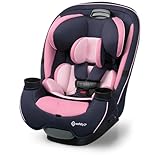
7. Safety 1st Grow and Go All-in-One Slim Convertible Car Seat, Rear Facing, 5-40 lbs, Forward Facing (30–65 lbs), High Back Booster Seat 40-100 pounds, Vineyard Girl
Overview:
The Safety 1st Grow and Go Slim offers a space-saving solution for families needing all-in-one functionality without bulk. This convertible car seat serves three stages from 5 to 100 pounds, featuring a streamlined profile that fits three-across in many vehicles. The Vineyard Girl colorway adds a subtle, attractive touch.
What Makes It Stand Out:
The QuickFit harness system simplifies simultaneous headrest and harness adjustments, saving time during daily use. Parents appreciate the washer-dryer-safe seat pad with snap-off convenience and two dishwasher-safe cupholders—cleaning couldn’t be easier. The included grow-with-me infant pillows provide customized support for newborns.
Value for Money:
Priced at $159.99, this is one of the most affordable all-in-one seats available. It undercuts most competitors by $100+ while delivering essential safety features and convenience. For families prioritizing budget and space efficiency, the value proposition is compelling.
Strengths and Weaknesses:
Strengths:
- Slim design ideal for compact cars and multiple children
- Extremely easy-to-clean components
- Competitive price point
- QuickFit harness adjustment
Weaknesses:
- Lower booster weight limit (100 lbs vs. 120 lbs)
- Only three recline positions
- Vineyard Girl color may not suit all preferences
- Padding less plush than premium models
Bottom Line:
The Safety 1st Grow and Go Slim excels for families needing space efficiency and affordability. While it lacks some premium comforts, its practical design and cleaning convenience make it a smart, economical choice for everyday use.
8. Graco Extend2Fit 3-in-1 Convertible Baby Car Seat, Rear and Forward Facing, Adjustable Extension Panel for Extra Legroom, Ashten

Overview:
The Graco Extend2Fit prioritizes extended rear-facing safety with its innovative design, accommodating children from 4 to 100 pounds across three modes. The Ashten color provides a modern, neutral aesthetic. This seat specifically addresses the common concern of limited legroom in rear-facing configurations.
What Makes It Stand Out:
The 4-position extension panel delivers up to 5 inches of additional legroom, enabling children to ride rear-facing longer—up to 50 pounds. Graco’s ProtectPlus engineering exceeds federal standards for frontal, side, rear, and rollover crashes. The Simply Safe Adjust system moves the headrest and harness together in one smooth motion.
Value for Money:
At $279.99, this seat sits in the mid-to-high range, but the extended rear-facing capability justifies the premium. Parents committed to extended rear-facing will find the investment worthwhile compared to buying separate seats. The 3-in-1 functionality still saves money over a decade.
Strengths and Weaknesses:
Strengths:
- Industry-leading 50 lb rear-facing limit with legroom extension
- Superior ProtectPlus safety engineering
- One-motion harness adjustment
- Extended usability through booster stage
Weaknesses:
- Bulky design challenges smaller vehicles
- Higher price point
- Extension panel requires more backseat space
- Cupholders are shallow compared to competitors
Bottom Line:
The Graco Extend2Fit is ideal for safety-focused parents wanting maximum rear-facing duration. The legroom innovation and robust safety features make it worth the premium price, provided you have sufficient vehicle space.
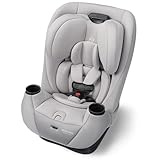
9. Maxi-Cosi Pria All-in-One Convertible Car Seat, Infant to Toddler Car Seat, Easy-Install Harness, Machine-Washable Cover, 5-100 lbs, SeaDrift
Overview:
The Maxi-Cosi Pria combines eco-conscious materials with premium comfort for discerning families. This all-in-one seat transitions from infant to toddler to booster, supporting 5 to 100 pounds. The SeaDrift colorway offers a sophisticated, calming aesthetic that appeals to style-conscious parents.
What Makes It Stand Out:
PureCosi fabrics contain no added fire retardant chemicals, prioritizing child health and environmental responsibility. The EcoCare fabric, made from 100% recycled plastic bottles, delivers softness without sacrificing sustainability. All materials are machine-washable and dryer-safe for effortless maintenance.
Value for Money:
At $279.99, this seat competes directly with premium Graco models. The chemical-free fabrics and eco-friendly construction justify the cost for health-conscious families. While not the cheapest option, it eliminates the need for multiple seats over 10 years.
Strengths and Weaknesses:
Strengths:
- Chemical-free, eco-friendly fabric construction
- Luxurious padding and comfort features
- Premium aesthetic design
- Easy installation and adjustment
Weaknesses:
- Lower booster weight limit (100 lbs)
- Fewer recline positions than some competitors
- Premium price without 4-in-1 functionality
- Fabric may show wear faster than synthetic alternatives
Bottom Line:
The Maxi-Cosi Pria is perfect for environmentally conscious parents prioritizing chemical-free materials. The premium comfort and sustainable design make it a worthwhile investment, though families wanting extended booster use may need to look elsewhere.
10. Graco 4Ever DLX 4 in 1 Car Seat | Infant to Toddler Car Seat, Maven, Adaptable for 10 Years of Use, Size: 20x21.5x24 Inch

Overview:
The Graco 4Ever DLX represents the pinnacle of car seat versatility, offering true four-stage protection from infancy to childhood. Supporting children from 4 to 120 pounds, this seat transforms from rear-facing to forward-facing, high-back booster, and finally backless booster. The Maven color provides a sleek, contemporary look.
What Makes It Stand Out:
As a true 4-in-1, it includes a backless booster mode that competitors lack, maximizing longevity. The 10-position headrest and 6-position recline offer unmatched customization. Graco’s ProtectPlus engineering ensures comprehensive protection beyond federal standards. The Simply Safe Adjust system enables effortless one-handed modifications.
Value for Money:
At $329.99, this is a premium investment, but it eliminates buying four separate seats. Cost-per-use over 10 years is remarkably low. Compared to purchasing individual seats for each stage, families save hundreds while enjoying seamless transitions.
Strengths and Weaknesses:
Strengths:
- True 4-in-1 design with backless booster mode
- Highest weight limit (120 lbs) in its class
- Superior recline and headrest positioning
- Exceptional safety engineering
Weaknesses:
- Highest price point in category
- Large footprint may not suit compact vehicles
- Heavy and difficult to move between cars
- Cupholders are basic for premium price
Bottom Line:
The Graco 4Ever DLX is the ultimate long-term solution for families wanting maximum versatility and safety. While expensive upfront, its comprehensive protection and decade-long lifespan make it the most cost-effective and convenient premium option available.
What Is an All-in-One Car Seat?
An all-in-one car seat, sometimes called a 4-in-1 or 3-in-1 convertible seat, is engineered to serve as the sole child restraint system throughout your little one’s entire car seat journey. Unlike traditional infant carriers that max out around 30 pounds or dedicated boosters designed for older children, these versatile seats adapt through three distinct modes: rear-facing for newborns and toddlers, forward-facing with a five-point harness for preschoolers, and booster mode for school-aged children.
The “120-pound” designation refers to the maximum weight capacity in booster mode, though most seats have lower limits for the rear-facing and forward-facing configurations. Typically, you’ll find rear-facing limits between 40-50 pounds, forward-facing harness limits around 65 pounds, and booster modes that extend from 40 to 120 pounds. Some manufacturers also include a backless booster option within that final stage, creating the “4-in-1” designation. Understanding these incremental limits is crucial because a seat’s safety performance depends entirely on using the correct mode for your child’s current size and developmental stage.
Why Choose an All-in-One Car Seat?
The primary appeal of an all-in-one seat lies in its economic and practical efficiency. Purchasing a single seat that lasts 10 years eliminates the research fatigue and financial strain of buying three separate seats at different developmental milestones. You’ll become intimately familiar with one installation system, one harness adjustment mechanism, and one set of cleaning protocols—reducing the learning curve and potential for user error.
These seats also offer consistency for your child, who becomes accustomed to the seat’s feel and positioning over time. For families with multiple vehicles, having identical seats eliminates confusion about which seat belongs where or how to adjust it properly. However, this convenience comes with trade-offs. All-in-one seats tend to be heavier and bulkier than dedicated infant seats, making them less portable for quick trips or stroller compatibility. They also represent a significant upfront investment, though the 10-year cost-per-use typically undercuts buying three separate premium seats.
Understanding the Weight and Height Limits
The “birth to 120 lbs” marketing promise tells only part of the story. Each mode has specific weight and height parameters that dictate when transitions become necessary. Rear-facing mode typically accommodates infants from 4 pounds up to 40-50 pounds, with height limits around 40-49 inches. This stage generally serves children from birth through age 3 or 4, depending on their growth trajectory.
Forward-facing harness mode usually spans 22-65 pounds and up to 49 inches tall, covering most children from age 2 through 6 or 7. The booster mode then takes over from 40-120 pounds and up to 57-63 inches, which translates to roughly age 4 through 10-12 years old. Always remember that height limits often become the deciding factor before weight maximums are reached. A child who exceeds the height limit in any mode—meaning their shoulders rise above the top harness slots or their ears reach the seat shell—must transition to the next configuration regardless of weight.
The Height Factor: Why It Matters More Than Weight
While weight limits get top billing in marketing materials, height restrictions are frequently the first barrier your child will hit. Car seats are engineered with specific shell heights and harness slot positions that must align with your child’s torso length for optimal protection. A child whose shoulders surpass the highest harness slot in forward-facing mode cannot be properly restrained, even if they’re 10 pounds under the weight limit.
Measure your child’s seated height regularly—have them sit against a wall and measure from the floor to the top of their shoulders. Compare this to the seat’s specifications, which should indicate the distance from the seat bottom to the highest harness slot. This proactive monitoring prevents the dangerous situation of using an outgrown seat while giving you time to plan the next transition.
Rear-Facing Mode: The Safest Start
The American Academy of Pediatrics recommends keeping children rear-facing until they reach the seat’s maximum limits, typically age 2 at minimum but ideally 3-4 years old. This guidance stems from biomechanical reality: in a frontal collision—the most common type of crash—a rear-facing seat cradles the child’s entire body, distributing crash forces across the shell and protecting the vulnerable head, neck, and spine.
All-in-one seats accommodate this best practice with extended rear-facing weight limits of 40-50 pounds, far exceeding the 22-pound limits of older convertible seats. The seat’s recline angle becomes critical here; newborns require a 30-45 degree recline to maintain an open airway, while older toddlers can sit more upright. Look for seats with multiple recline positions and clear angle indicators to ensure proper positioning as your child grows.
Extended Rear-Facing: How Long Is Too Long?
Parents often worry about legroom for their rear-facing toddler, fearing folded legs signal it’s time to turn forward. Crash data consistently shows that leg injuries are virtually nonexistent in rear-facing seats, while forward-facing children under age 2 face a 532% higher risk of catastrophic neck injury. Children’s joints are remarkably flexible, and they’ll naturally sit cross-legged or prop their feet on the seat back.
Monitor the height limit instead of leg position. As long as your child’s head remains at least one inch below the top of the seat shell and their shoulders stay below the harness slots, they’re safely within range. Many children can remain rear-facing until kindergarten in modern all-in-one seats, providing the safest possible travel environment during those critical developmental years.
Forward-Facing Mode: Transitioning Safely
When your child finally maxes out the rear-facing limits, the forward-facing harness mode becomes their next protective cocoon. This transition isn’t just about flipping the seat direction—it requires adjusting the recline, rerouting the harness, and potentially changing the installation method. The five-point harness remains the gold standard for crash protection, spreading forces across the strongest parts of the body: the shoulders, hips, and between the legs.
The tether strap becomes your best friend in this mode. This top anchor strap, connecting the seat’s back to a dedicated anchor point in your vehicle, reduces forward head movement in a crash by 6-8 inches. Always use the tether when forward-facing, regardless of whether you’ve installed with LATCH or seatbelt. Some parents mistakenly believe the tether is optional; in reality, it’s a critical safety component that transforms how the seat performs in real-world collisions.
The Five-Point Harness: Your Child’s Safety Net
A properly fitted five-point harness does more than keep your child in the seat—it manages crash energy in ways that vehicle seatbelts simply cannot for small bodies. The harness’s webbing is designed to stretch slightly on impact, elongating just enough to reduce the peak forces transmitted to your child’s torso. The chest clip, often misunderstood as a decorative element, plays a vital role by positioning the harness straps correctly over the shoulders.
Check harness tightness using the pinch test: after buckling and tightening, attempt to pinch the harness webbing at your child’s shoulder. If you can gather any material between your fingers, it’s too loose. The harness should lie flat and snug, allowing no more than one finger’s thickness between the strap and your child’s collarbone. Perform this test every single time you buckle up, as harness straps can loosen with use and temperature changes.
Booster Seat Mode: The Final Stage
The booster mode represents the seat’s final evolution, elevating your child so the vehicle’s seatbelt fits correctly across their sternum and pelvis. This stage typically begins around age 4 and 40 pounds, but maturity matters as much as size. A child needs the impulse control to sit properly for entire trips—not slouching, leaning, or playing with the seatbelt—before transitioning out of the harness.
High-back boosters provide crucial head and neck protection while positioning the shoulder belt correctly, especially in vehicles without headrests. Backless boosters work well for older children in vehicles with proper head restraint and are more portable for travel or carpools. The 120-pound upper limit covers most children through age 10-12, when they can finally pass the five-step test for using a vehicle seatbelt alone.
High-Back vs. Backless Boosters: Making the Choice
The decision between high-back and backless booster modes depends on your vehicle’s design and your child’s needs. High-back boosters offer superior side impact protection with deep wings that cradle the head and guide the shoulder belt into optimal position. They’re mandatory in vehicles lacking headrests or with low seat backs. The structure also reminds children to maintain proper posture, reducing the likelihood of dangerous belt positioning.
Backless boosters become appropriate when your vehicle seat provides head restraint up to at least the top of your child’s ears, and your child consistently sits correctly without reminders. The primary function at this stage is belt positioning, not impact protection. Many all-in-one seats convert to both configurations, giving you flexibility as your child matures and your vehicle situation changes.
Key Safety Features to Look For
The car seat market overflows with proprietary safety technologies, but certain fundamentals separate exceptional seats from adequate ones. A steel-reinforced frame provides the structural backbone that maintains integrity during severe collisions, preventing the seat from flexing or deforming in ways that could compromise protection. Energy-absorbing foam—typically EPS or EPP—lines the shell to cushion impact and reduce the G-forces transferred to your child.
Anti-rebound bars, found on some premium models, limit how far the seat rotates toward the vehicle seat back during a rear-impact collision. Load legs, more common in infant seats but appearing in some all-in-ones, extend from the seat base to the vehicle floor, reducing forward rotation in frontal crashes. While no single feature guarantees safety, the combination of a rigid frame, energy management materials, and rotation-limiting devices creates a comprehensive protection system.
The Role of Energy-Absorbing Materials
EPS (Expanded Polystyrene) and EPP (Expanded Polypropylene) foams serve as the seat’s crumple zones, compressing on impact to extend the duration of the crash pulse. This might sound counterintuitive—slowing down the crash—but physics shows that increasing the time over which force is applied reduces its peak intensity. Think of it as the difference between jumping onto concrete versus a trampoline.
These materials appear in the head wings, around the torso, and sometimes in the seat base. EPP foam offers better resilience, bouncing back after compression rather than staying crushed like EPS, which can be beneficial for multiple minor impacts. However, both materials meet federal safety standards, and their presence indicates the manufacturer has prioritized energy management beyond the minimum requirements.
Installation Systems Explained
A car seat is only as safe as its installation. The LATCH system (Lower Anchors and Tethers for Children) simplified installation for many parents but comes with weight limitations. Since 2014, regulations require manufacturers to specify a maximum child weight for LATCH use, typically 65 pounds including the seat weight. Beyond that, you must switch to seatbelt installation.
Seatbelt installation, when done correctly, is equally safe and often necessary for heavier children. The key is achieving a tight, secure fit with less than one inch of movement at the belt path. Lock-offs—built-in clamps that secure the seatbelt—eliminate the need to engage your vehicle’s seatbelt locking mechanism and often result in tighter installations. Belt tensioners provide mechanical advantage, helping you remove slack with minimal effort.
LATCH vs. Seatbelt: Which Is Safer?
The installation method debate often confuses parents, but the truth is simple: a correctly installed seat is safest, regardless of method. LATCH offers convenience but has weight limits and isn’t available in every seating position. Seatbelts work in any position and have no weight restrictions, but require more technique to lock properly.
For rear-facing installation, either method works beautifully when executed correctly. Forward-facing, the seatbelt often provides a more solid installation because it anchors through the vehicle’s structural path. The tether should always be used in addition to either method. Don’t get caught up in which is “better”—focus on which method gives you the most secure installation in your specific vehicle with your specific seat.
The Importance of Side Impact Protection
While federal standards mandate performance in frontal and rear collisions, side-impact crashes present unique dangers due to the limited crumple zone between vehicles. Quality all-in-one seats address this with deep side wings lined with energy-absorbing foam, creating a protective cocoon around your child’s head and torso. The depth and shape of these wings matter significantly—look for seats with wings that extend at least 4-6 inches beyond the shell.
Some manufacturers incorporate additional structural elements like reinforced headrests or external side-impact pods. While these features sound impressive, the fundamental principle remains creating distance and deceleration space between your child and the intruding vehicle door. The seat should sit as close to the vehicle door as practical while still allowing proper installation, maximizing that protective buffer zone.
Understanding Side Impact Crash Dynamics
In a side-impact collision, your child’s head can accelerate laterally at terrifying speeds. Without adequate protection, this rapid movement can cause diffuse axonal injury—the tearing of brain tissue as the head rotates. Deep side wings act like a baseball catcher’s mitt, catching and decelerating the head over a longer distance and time.
The seat’s placement in your vehicle also dramatically affects side-impact risk. The center rear seat offers the most distance from any point of impact, reducing side-impact forces by up to 43% compared to outboard positions. If your vehicle and seat allow a secure center installation, it’s worth prioritizing over outboard positions, especially for younger children.
Fabric and Material Considerations
Your child will spend thousands of hours in this seat, so materials matter for both safety and comfort. Federal law requires all car seat fabrics to meet FMVSS 302 flammability standards, but how manufacturers achieve this varies widely. Traditional flame retardants like brominated compounds have raised health concerns, prompting many brands to develop naturally flame-resistant fabrics using wool or tightly woven synthetics.
Breathability affects temperature regulation, especially for rear-facing infants who face reduced airflow. Mesh panels and moisture-wicking fabrics prevent overheating, which isn’t just a comfort issue—overheated babies sleep more deeply, potentially compromising airway protection. Removable, machine-washable covers are non-negotiable; spills and accidents are inevitable, and you shouldn’t need engineering skills to clean them.
The Truth About Flame Retardants in Car Seats
The car seat industry has made significant strides in reducing chemical flame retardants while maintaining safety standards. Many manufacturers now use phosphate-based retardants or inherently flame-resistant fibers that don’t require chemical treatment. Some seats carry GREENGUARD Gold certification, indicating low chemical emissions.
If chemical exposure concerns you, look for seats marketed as “naturally flame resistant” or “free of added flame retardants.” These typically use merino wool or specially engineered polyester that meets flammability standards through fiber structure rather than chemical additives. While these seats often command premium prices, they provide peace of mind for parents prioritizing minimal chemical exposure during those critical early years.
Adjustability and Fit Features
A seat that fits a 5-pound newborn and a 65-pound child requires extraordinary adjustability. The no-rethread harness has become the gold standard, allowing you to raise the harness and headrest simultaneously with a single lever or button. This feature isn’t just convenient—it ensures you never accidentally use the wrong harness slots for your child’s height, a common error in manual-adjust seats.
Multiple recline positions accommodate different vehicle seat angles and children’s developmental needs. Newborns need significant recline to prevent head flop, while older children can sit more upright without compromising safety. Look for seats with at least 4-6 recline positions and clear angle indicators that work in both rear-facing and forward-facing modes.
No-Rethread Harness Systems: A Game-Changer
Traditional harness systems require you to physically unthread and rethread straps through different slots as your child grows, creating opportunities for error. Misrouted harnesses can twist, sit too low on the shoulders, or fail to thread through the splitter plate correctly, compromising protection in a crash. No-rethread systems eliminate this risk by integrating the harness into a moving headrest assembly.
When evaluating these systems, test how smoothly the adjustment mechanism operates. It should move easily when you intend it to but lock securely in place without slipping. The headrest should provide continuous support as it rises, not create gaps between the headrest and shell. This seamless adjustability becomes especially valuable during growth spurts when you might need to raise the harness every few weeks.
Portability and Vehicle Compatibility
All-in-one seats are inherently heavy, often weighing 20-30 pounds due to their steel frames and extended features. This weight becomes relevant if you frequently transfer the seat between vehicles or travel by air. Some models incorporate carry handles or grip points, but these seats are designed to be semi-permanent installations rather than portable carriers.
Vehicle compatibility extends beyond weight. Measure your vehicle’s back seat depth, width, and the distance from the seat back to the front seats. Some all-in-one seats have particularly deep shells that may not fit well in compact cars or may force front passengers to sacrifice significant legroom. Many manufacturers provide fit guides on their websites, but nothing beats a physical test installation before purchase.
Measuring Your Vehicle for the Perfect Fit
Before committing to a seat, take comprehensive measurements of your vehicle’s interior. Measure the width of the seating position at both the base and armrest level, as some seats flare outward near the top. Measure the seat depth from the seat back to the front of the cushion, and note the angle of the vehicle seat—some are deeply contoured while others are flat.
Consider the “front passenger test” if you’ll install rear-facing behind the driver or passenger. Have an adult sit in the front seat and measure the distance between their knees and the dashboard. Then check the rear-facing seat’s required clearance. Many seats need 5-7 inches of space between the car seat and front seat back, which can make the difference between a comfortable ride and a knees-in-the-dashboard scenario.
Maintenance and Longevity Tips
A car seat that lasts a decade requires maintenance to remain safe and hygienic. Most manufacturers recommend spot cleaning the harness straps with mild soap and water—never submerge them or use harsh chemicals, which can weaken the webbing. The seat shell can be wiped down with a damp cloth, while removable covers should be machine washed according to instructions (typically gentle cycle, line dry).
Register your seat with the manufacturer immediately after purchase to receive recall notifications. Keep the manual in a safe place—many seats now include storage compartments for this purpose. Check the harness for fraying, the buckle for proper latching, and the installation tightness monthly. Small hands love to play with adjustments, and what was tight last month might have been loosened by curious fingers.
Understanding Car Seat Expiration Dates
That 10-year lifespan comes with a firm expiration date, typically stamped on the seat’s shell or base. This isn’t a marketing ploy—plastic degrades over time, especially when exposed to extreme temperatures inside vehicles. UV radiation makes plastic brittle, while repeated heating and cooling cycles cause microscopic stress fractures that compromise structural integrity.
The expiration date also accounts for evolving safety standards and technology. A seat designed a decade ago won’t incorporate the latest research in biomechanics or materials science. If you’re using the seat for multiple children, calculate whether the youngest will still be within the expiration date when they outgrow it. Buying a seat with several years already elapsed from its manufacture date—common with discount or third-party sellers—effectively shortens your usable lifespan.
Common Mistakes Parents Make
Even the safest seat fails if used incorrectly, and certain errors appear repeatedly in car seat checks. Loose installation tops the list—if you can move the seat more than one inch side-to-side or front-to-back at the belt path, it’s not tight enough. Use your non-dominant hand for this test; you shouldn’t be able to generate significant movement with moderate effort.
Harness looseness runs a close second. The pinch test should be performed every ride, not just occasionally. Chest clip positioning also causes confusion—this clip belongs at armpit level, not on the belly or up near the neck. Its sole purpose is keeping the shoulder straps properly positioned; it offers no crash protection itself and can cause internal injuries if placed incorrectly.
The Loose Harness Test: Are You Doing It Right?
After buckling your child and tightening the harness, perform the pinch test at shoulder level. If you can pinch any slack, continue tightening until the webbing lies flat against your child’s body. Then check the chest clip position—align it with the top of your child’s armpits. This placement ensures the shoulder straps stay positioned correctly during the jostling of normal driving and the forces of a crash.
Another subtle error involves clothing. Bulky winter coats compress in a crash, leaving the harness dangerously loose. Instead, dress your child in thin layers, tighten the harness properly, then place a blanket or coat over the secured harness. This technique maintains proper strap tension while keeping your child warm, eliminating the hidden slack that thick outerwear creates.
Making the Final Decision: A Buyer’s Checklist
Selecting the right all-in-one seat requires balancing safety features, vehicle compatibility, budget, and lifestyle needs. Start by verifying the seat meets or exceeds federal safety standards—this is non-negotiable and applies to all seats sold in the US. Then prioritize features that align with your child’s age: extended rear-facing limits for infants, easy harness adjustment for toddlers, and comfortable booster configuration for older children.
Set a realistic budget, but remember that price doesn’t always correlate with safety. All seats must pass the same federal tests, though premium models often include additional features and more rigorous testing. Check the manufacturer’s warranty and customer service reputation—when you have a question about installation at 2 AM, responsive support proves invaluable. Finally, physically test the seat in your vehicle if possible, or buy from retailers with generous return policies.
Frequently Asked Questions
Can I really use one car seat from birth to 120 pounds? Yes, but with important caveats. All-in-one seats are designed to accommodate children from 4 pounds up to 120 pounds through three distinct modes. However, your child must meet the minimum requirements for each stage, and you must respect both weight and height limits. Most children will outgrow the height limit before the weight limit in each mode, so regular measurements are essential.
What’s the difference between a 3-in-1 and a 4-in-1 car seat? A 3-in-1 seat transitions through rear-facing, forward-facing harness, and high-back booster modes. A 4-in-1 seat includes those three modes plus a backless booster option for the final stage. The backless booster is useful for travel or carpools but offers less side-impact protection than the high-back configuration.
Is extended rear-facing actually safer in an all-in-one seat? Absolutely. The safety principle of rear-facing doesn’t change with seat type. All-in-one seats simply allow you to keep your child rear-facing longer with higher weight limits (40-50 pounds). The seat cradles your child’s entire body in a crash, protecting the vulnerable head and neck from violent forward motion that occurs when forward-facing.
When should I switch from rear-facing to forward-facing? Only when your child exceeds either the height or weight limit for rear-facing mode, which typically occurs between ages 3-4. The minimum legal requirement is age 1 and 20 pounds, but this represents outdated and dangerous guidance. Keep your child rear-facing as long as the seat allows for optimal protection.
How do I know if the car seat is installed correctly? After installation, grasp the seat at the belt path (where the LATCH strap or seatbelt threads through) and attempt to move it side-to-side and front-to-back. If it moves more than one inch, it’s too loose. The seat should feel like it’s part of the vehicle. Have your installation checked by a certified Child Passenger Safety Technician (CPST) for added confidence.
What’s the expiration date on all-in-one car seats? Most all-in-one seats expire 10 years from the date of manufacture, which is stamped on the seat shell. Some models expire after 7-8 years, so always verify. The expiration accounts for plastic degradation, wear and tear, and evolving safety standards. Never use an expired seat, even if it looks pristine.
Are all-in-one car seats too heavy to move between vehicles? They are significantly heavier than infant carriers, typically weighing 20-30 pounds. While you can move them, they’re designed for semi-permanent installation. If you regularly transfer seats between cars, consider purchasing two seats or choosing one of the lighter models that still offers comprehensive safety features.
Can I use an all-in-one car seat on an airplane? Most all-in-one seats are FAA-approved for use in rear-facing and forward-facing harness modes, but not in booster mode (aircraft lack shoulder belts). Look for a label on the seat stating it’s certified for aircraft use. The seat’s width must also fit in standard airplane seats, which can be challenging with bulkier models.
Do I need to replace my car seat after a minor accident? The NHTSA recommends replacing seats after any moderate or severe crash, but seats involved in minor accidents may not need replacement. A minor crash meets all these criteria: the vehicle was drivable, the door nearest the seat wasn’t damaged, no injuries occurred, airbags didn’t deploy, and the seat shows no visible damage. When in doubt, replace it.
Are more expensive all-in-one seats safer than budget options? All seats sold in the US must meet the same federal safety standards (FMVSS 213). Premium seats often include additional safety features, easier installation systems, higher-quality materials, and more rigorous testing beyond federal minimums. However, a correctly used budget seat provides better protection than an incorrectly used premium seat. Focus on proper installation and use first, then consider premium features if your budget allows.