If you’ve ever watched a six-month-old enthusiastically squish avocado through their fingers and smear it across their hair, you already understand the beautiful chaos of baby-led weaning. This approach to introducing solids—where babies self-feed from the very beginning—turns every meal into a full-contact sport. While the developmental benefits are undeniable (improved fine motor skills, healthier relationships with food, and the pure joy of independence), your kitchen floor and that adorable onesie might disagree.
Enter the unsung hero of the BLW journey: the waterproof bib with a crumb-catcher pocket. Not all bibs are created equal, and when you’re facing down a determined baby with a slippery banana spear, you need gear that works harder than you do. The right bib doesn’t just protect clothes—it contains the mess, reduces food waste, and gives your little one the confidence to explore textures without you hovering like a nervous helicopter parent. But with countless options flooding the market, how do you separate the truly functional from the glorified napkins? Let’s dive deep into what makes a bib worthy of your baby’s culinary adventures.
Top 10 Waterproof Bibs for Baby-Led Weaning
Detailed Product Reviews
1. Bumkins Sleeved Bib for Girl or Boy, Baby and Toddler for 6-24 Mos, Essential Must Have for Eating, Feeding, Baby Led Weaning Supplies, Long Sleeve Mess Saving Food Catcher, Soft Fabric, Jungle

Overview: The Bumkins Sleeved Bib positions itself as an essential feeding companion for babies and toddlers aged 6-24 months. This single bib features a crumb-catching pocket and full-coverage long sleeves designed to protect clothing during messy mealtimes and baby-led weaning adventures.
What Makes It Stand Out: Bumkins emphasizes safety and durability through third-party lab testing for CPSC and CPSIA compliance, ensuring the bib is free from BPA, lead, and phthalates. Their original waterproof fabric—100% polyester embedded with TPU—offers a unique balance of softness and mess protection. The elasticized cuffs and back tie closure provide adjustability, while the crumb catcher pocket actively prevents food from reaching the floor.
Value for Money: At $12.95 for a single bib, this sits in the mid-range category. The investment is justified by rigorous safety testing and durable construction that withstands repeated machine washing. While not the cheapest option, the quality assurance and longevity make it cost-effective for parents prioritizing certified safety.
Strengths and Weaknesses: Strengths include comprehensive safety certification, durable waterproof fabric, machine washability, and effective full-coverage design. The lightweight material remains comfortable for extended wear. Weaknesses include the recommendation for hang drying only, which may inconvenience busy parents, and the back tie closure might be less secure than front-fastening alternatives for squirmy toddlers.
Bottom Line: This bib excels for safety-conscious parents willing to follow specific care instructions. The certified non-toxic materials and proven durability make it a reliable choice for daily messy eating, though the drying requirement requires extra planning.
2. 3 Pcs Waterproof Baby Bibs Long Sleeves Weaning Smock Bib with Food Catcher Pocket for Toddler Eating Baby Led Weaning Full Cover Wearable Sleeved Bibs Shirt Bib Set 6-12 Months

Overview: This three-pack set offers budget-conscious parents a practical solution for messy mealtimes, accommodating babies from 6-24 months with full-coverage long sleeve bibs. Each bib features a crumb-catching pocket and waterproof PUL fabric construction designed for baby-led weaning and self-feeding sessions.
What Makes It Stand Out: The combination of an extra-long adhesive neck strap and waist tie creates a notably secure, customizable fit that prevents shifting during active eating. The elasticized cuffs feature a “non-snug” design to block food from traveling up sleeves while maintaining comfort. The entire set uses premium lightweight PUL fabric that’s completely free from BPA, phthalates, PVC, vinyl, and lead.
Value for Money: At $19.99 for three bibs—approximately $6.66 per unit—this set delivers exceptional value. The multi-pack allows parents to rotate bibs between washes or keep spares in different locations. Compared to single bibs priced similarly, this three-pack effectively triples your mess-management arsenal without tripling the cost.
Strengths and Weaknesses: Strengths include outstanding value, dual-strap security system, comprehensive waterproof coverage, and easy wipe-clean maintenance. The generous sizing range accommodates extended use. Weaknesses involve potential adhesive degradation over repeated washes, and the brand lacks the established reputation of premium competitors. Some parents may find the waist tie adds an extra step during wriggly toddler dressing.
Bottom Line: Perfect for families seeking maximum coverage at minimum cost. The three-pack provides excellent backup options, making it ideal for daily use, daycare, or grandparents’ houses where messes multiply.
3. HaimoBurg 3 Pcs Waterproof Long Sleeves Baby Bibs Weaning Smock Bib 3-24 Months

Overview: HaimoBurg offers an ultra-affordable three-pack of waterproof long-sleeve bibs targeting the widest age range of any product reviewed—from 3 to 24 months. These smock-style bibs promise full coverage during messy eating, painting, and independent feeding activities.
What Makes It Stand Out: The aggressive pricing strategy makes this the most budget-friendly option available, while the extended age range potentially eliminates the need to size-up during your child’s first two years. The lightweight PUL fabric provides basic waterproof protection with a catch-all pocket to minimize floor cleanup.
Value for Money: At $9.99 for three bibs—just $3.33 each—this represents unbeatable value. For parents experimenting with baby-led weaning or seeking disposable-style convenience at reusable prices, the cost-per-use is negligible. Even if longevity proves limited, the initial investment is minimal.
Strengths and Weaknesses: Strengths center on exceptional affordability, multi-pack convenience, and suitability for various messy activities beyond eating. The lightweight fabric dries quickly. Significant weaknesses include the manufacturer’s own admission that the neck may fit loosely, requiring a secondary bib for soupy foods—undermining the “full coverage” claim. Safety certifications aren’t prominently mentioned, raising questions about material compliance. The vague “waterproof fabric” description lacks the detail competitors provide.
Bottom Line: A functional entry-level choice for cost-sensitive families or as backup bibs for daycare and travel. However, the loose neck design and unclear safety testing make it less suitable as a primary bib for dedicated baby-led weaning where messes are guaranteed.
4. Tiny Twinkle Long Sleeve Bib for Babies & Toddlers | Waterproof Smock Bib for Eating | Machine Washable & Mess-Proof Feeding Essentials | Newborn Shower Gift (Dinosaur, 6–24M)

Overview: Tiny Twinkle delivers a safety-first approach to messy mealtimes with their single long-sleeve bib designed for babies 6-24 months. The brand emphasizes chemical-free materials and easy maintenance, positioning itself as a premium choice for health-conscious parents.
What Makes It Stand Out: The OEKO-TEX Standard 100 certification ensures the fabric is free from harmful substances, while the explicit PFAS-free guarantee addresses growing concerns about “forever chemicals” in waterproof products. The quick-dry fabric technology significantly reduces turnaround time between meals, and the Phoenix-based company provides transparent information about their safety standards.
Value for Money: Priced at $13.95, this bib commands a slight premium over basic options but justifies it through superior safety certifications and convenience features. The quick-dry capability effectively increases usability, potentially reducing how many bibs a parent needs to own. For parents prioritizing non-toxic materials, the extra few dollars represent worthwhile insurance.
Strengths and Weaknesses: Strengths include industry-leading safety certifications, machine washability, quick-drying fabric, and comfortable elastic cuffs. The non-toxic promise extends beyond basic BPA-free claims. Weaknesses include the single-bib price point, which feels high compared to multi-pack alternatives. The product description lacks detail about closure mechanisms, and the “newborn shower gift” labeling seems mismatched with the 6-24 month sizing.
Bottom Line: Ideal for parents who refuse to compromise on chemical safety. The OEKO-TEX certification and PFAS-free promise make this a top-tier choice, though budget-minded shoppers may prefer value packs despite the safety trade-offs.
5. BIBaDO - Long Sleeve Baby Bibs - Babies & Toddlers 6-36 Months - Coverall Baby Led Weaning Bib - Easy Wipe, Soft & Waterproof

Overview: BIBaDO revolutionizes the bib category with its unique coverall design that protects both child and high chair. Targeting the broadest age range (6-36 months), this British brand focuses on empowering independent eating while minimizing parental cleanup time.
What Makes It Stand Out: The innovative strap system attaches the bib directly to the high chair tray, creating a sealed environment that catches food before it reaches the seat or floor. This patented approach reportedly saves parents 30 minutes daily on cleaning. The Scandi-inspired designs elevate the aesthetic beyond typical feeding gear, and the extended 36-month sizing accommodates toddlers long after competitors’ products become too small.
Value for Money: At $24.95, this is the premium option in our review—nearly double some single-bib alternatives. However, the high-chair protection feature eliminates the need for separate seat cleaning, potentially justifying the cost through time savings. For families committed to baby-led weaning, the investment pays dividends in reduced stress and laundry.
Strengths and Weaknesses: Strengths include the unique high-chair integration, extended age range, stylish designs, and premium soft fabric. The coverall approach truly contains messes. Weaknesses center on the high price point and more complex dressing routine. The system requires specific high chair compatibility, and the British origin may complicate customer service for US buyers. Some parents find the full enclosure overly restrictive for older toddlers.
Bottom Line: A game-changer for dedicated baby-led weaning families willing to invest in maximum mess containment. The time-saving design justifies the premium for parents prioritizing convenience over cost, though simpler bibs suffice for occasional messy meals.
6. GRSSDER 2 Pack Long Sleeve Baby Feeding Bibs, Super Soft Lightweight Waterproof Coverall Baby Led Weaning Bib with Large Food Catcher Pocket, Adjustable and Easy Clean for 6-30 Months
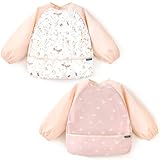
Overview: These GRSSDER long-sleeve bibs deliver comprehensive protection for babies and toddlers aged 6-30 months. The two-pack features waterproof microfiber construction with deep food-catching pockets, specifically engineered for baby-led weaning. Each bib provides full coverage protection, making them practical workhorses for daily feeding sessions and messy play activities.
What Makes It Stand Out: The ultra-soft, high-density microfiber paired with TPU creates a luxurious feel without plastic odor. OEKO-TEX certification ensures chemical-free safety, while the 6-30 month sizing outlasts most competitors by six months. The scratch-free hook-and-loop closure and 360-degree puree-proof protection demonstrate thoughtful engineering. Two original patterns add aesthetic appeal, and the compact travel packaging makes them ideal for on-the-go families who need reliable mess management anywhere.
Value for Money: At $16.99 for two bibs ($8.50 each), these offer excellent value for premium-certified materials. Comparable single long-sleeve bibs retail for $12-18, making this pack economically advantageous. The extended 24-month usability range maximizes return on investment, eliminating the need for multiple size upgrades. For parents committed to baby-led weaning, this extended sizing translates to significant long-term savings.
Strengths and Weaknesses: Strengths include exceptional softness, superior waterproofing, OEKO-TEX certification, generous age range, adorable designs, and travel-friendly packaging. The quick-dry fabric enables rapid reuse. Potential weaknesses involve hook-and-loop durability after extensive washing, possible sleeve restriction for very active toddlers, and the pocket’s effectiveness with liquid spills. Some parents may prefer snap closures for longevity.
Bottom Line: The GRSSDER bibs excel in safety, comfort, and longevity. For parents prioritizing chemical-free materials and extended use, these represent a smart investment. Highly recommended for baby-led weaning journeys despite minor closure concerns.
7. Bumkins Bibs for Girl or Boy, SuperBib Baby and Toddler for 6-24 Months, Essential Must Have for Eating, Feeding, Baby Led Weaning Supplies, Mess Saving Catch Food, Fabric 3-pk Unicorns and Rainbows

Overview: The Bumkins SuperBib 3-pack delivers essential mess protection for babies 6-24 months. These short-style bibs feature the brand’s signature waterproof fabric in playful unicorn and rainbow patterns. Designed for quick deployment during mealtime, they attach securely over the shoulder with hook-and-loop closures, offering a practical solution for baby-led weaning without the bulk of long sleeves.
What Makes It Stand Out: Bumkins’ single-ply construction eliminates bacterial growth between fabric layers, a unique hygiene advantage. Third-party lab testing ensures CPSC and CPSIA compliance for BPA, lead, and phthalates. The lightweight, embedded TPU fabric provides waterproofing without stiffness. At 10 inches across with a formed pocket, they catch food effectively while remaining comfortable. The gender-neutral designs appeal to diverse families seeking functional style.
Value for Money: At $14.78 for three bibs ($4.93 each), this pack offers exceptional affordability. Comparable short bibs range from $6-10 individually, making this a budget-friendly choice. While lacking sleeve coverage, the value proposition is strong for parents seeking quality backups or primary bibs for less messy eaters. The cost-per-use over 18 months is remarkably low.
Strengths and Weaknesses: Strengths include unbeatable price-per-bib, reputable brand safety testing, hygienic single-ply design, lightweight comfort, and quick-dry fabric. The tug-proof closure resists removal. Weaknesses involve limited coverage without sleeves, smaller pocket capacity than long-sleeve alternatives, and hook-and-loop wear over time. The 18-month age range requires eventual replacement sooner than extended-size options.
Bottom Line: Perfect for budget-conscious families or as supplementary bibs. The Bumkins SuperBib prioritizes safety and hygiene at an accessible price. Recommended for parents who prefer short bibs or need affordable, quality options for daycare and travel.
8. haakaa Long Sleeve Baby Bib, Water Resistant Smock Baby Bibs for Eating, Machine Washable Toddler Bib for Baby Led Weaning, Adjustable Fit for 6–24 Months, Checkered Days

Overview: The haakaa Long Sleeve Bib provides comprehensive coverage for babies 6-24 months during messy meals and creative play. This single smock-style bib features a checkered pattern and waterproof fabric designed for baby-led weaning. The brand’s reputation for quality baby products extends to this full-coverage solution that protects clothing from spills and stains while allowing freedom of movement.
What Makes It Stand Out: Elastic-cuffed sleeves create a seal against messes better than open cuffs. The deep pocket effectively captures crumbs and spills, while the adjustable no-scratch neck closure ensures a secure, comfortable fit. Its ultra-lightweight, foldable design rolls compactly for travel convenience. The haakaa name carries trust from their popular breastfeeding products, signaling reliable quality and thoughtful baby-centric design.
Value for Money: At $13.99 for a single bib, this sits in the mid-range price point. While more expensive per-unit than multi-packs, it allows parents to trial long-sleeve protection without committing to a larger set. Comparable single bibs range from $12-18, making this reasonably priced for a reputable brand. However, purchasing two for rotation would cost nearly $28, reducing overall value compared to two-packs.
Strengths and Weaknesses: Strengths include superior sleeve coverage with elastic cuffs, effective deep pocket, adjustable comfortable fit, lightweight portability, and machine washability. The foldable design excels for travel. Weaknesses involve being a single bib (requiring frequent washing), “water-resistant” rather than fully waterproof claims, limited 6-24 month sizing, and absence of explicit safety certifications like OEKO-TEX. The pattern selection appears limited.
Bottom Line: An excellent trial option for parents curious about long-sleeve bibs. The haakaa bib delivers quality construction and smart features, though the single-pack format limits practicality. Best purchased as a supplement to other bibs rather than a standalone solution.
9. Vicloon Coverall Baby Feeding Bib, Weaning Bib Attaches to Highchair and Table, Long Sleeves Bib with Waterproof, Comfortable,Machine Washable, Baby Bib For 6 Month to 3 Years Old (Blue)

Overview: The Vicloon Coverall Bib introduces an innovative approach to mess management by attaching directly to highchairs and tables. Designed for babies 6 months to 3 years, this long-sleeve blue smock features back ties and ropes for securing to seating surfaces. The waterproof polyester and TPU construction promises full coverage protection during self-feeding adventures while keeping clothing completely clean.
What Makes It Stand Out: The unique highchair attachment system prevents the bib from shifting and creates a continuous barrier between child and chair. This novel design addresses a common pain point of gaps between bib and seat. The one-piece construction fits most smooth high chairs, while the extended age range (6 months-3 years) surpasses typical limits. At under $9, it challenges market pricing norms with its innovative functionality.
Value for Money: At $8.99, this is the most affordable long-sleeve bib option available. Comparable products start at $12-15, making this extremely budget-friendly. However, the low price raises questions about durability and material quality. For parents wanting to experiment with attachment-style bibs, the financial risk is minimal. The value proposition depends entirely on functional performance and longevity rather than brand reputation.
Strengths and Weaknesses: Strengths include revolutionary highchair attachment, exceptional price point, extended age versatility, full coverage design, and waterproof fabric. The cute pattern encourages self-feeding. Weaknesses involve inconsistent care instructions (contradictory machine wash claims), unknown brand reputation, absence of safety certifications, potential attachment complexity, and limited color options. The securing ropes may pose inconvenience during rushed mealtimes.
Bottom Line: The Vicloon bib’s innovative attachment concept deserves attention despite quality uncertainties. Best suited as an experimental purchase or backup option. Parents seeking proven durability should invest more, but budget-conscious buyers may find this functional for occasional use. Approach with realistic expectations.
10. Tiny Twinkle Long Sleeve Bib for Babies & Toddlers | 2-Pack Waterproof Smock Bib for Eating | Machine Washable & Mess-Proof Feeding Essentials | Newborn Shower Gift (Slate Olive,6–24M)
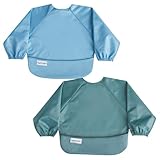
Overview: The Tiny Twinkle 2-Pack offers premium long-sleeve protection for babies 6-24 months in a sophisticated slate olive color. These waterproof smock bibs feature full-body coverage with elastic cuffs and quick-dry fabric. As a USA-based company, Tiny Twinkle emphasizes safety and convenience for modern parents navigating baby-led weaning and messy mealtimes with style and peace of mind.
What Makes It Stand Out: The OEKO-TEX Standard 100 certification plus PFAS-free, BPA-free, and phthalate-free composition represents the highest safety standard in this category. The slate olive colorway provides a gender-neutral, stylish alternative to bright patterns. Elastic cuffs contain messes effectively, while the quick-dry fabric enables same-day reuse. Being designed by a Phoenix-based company adds domestic quality assurance appeal for American families.
Value for Money: At $21.95 for two bibs ($10.98 each), this is a premium-priced option. While more expensive than the GRSSDER 2-pack, the PFAS-free certification justifies the cost for health-conscious families. Comparable premium bibs with similar certifications retail for $12-16 individually, making this pack competitively priced within the high-end segment. The investment pays dividends in chemical safety and brand transparency.
Strengths and Weaknesses: Strengths include industry-leading safety certifications, absence of forever chemicals, effective elastic cuffs, quick-drying fabric, machine washability, and sophisticated aesthetics. The 2-pack allows rotation. Weaknesses involve the highest price point among reviewed options, limited 6-24 month sizing, and minimal pattern variety. The pocket design receives less emphasis than competitors. Some parents may prefer brighter colors for stain camouflage.
Bottom Line: Tiny Twinkle sets the safety benchmark for long-sleeve bibs. For parents prioritizing chemical-free materials and domestic brand values, the premium price is justified. Highly recommended as the health-conscious choice, though budget buyers may opt for certified alternatives at lower price points.
Why Waterproof Bibs Are Essential for Baby-Led Weaning
Baby-led weaning isn’t just messy—it’s strategically messy. Babies learn by touching, squeezing, and yes, dropping their food. Traditional fabric bibs soak through faster than you can say “sweet potato mash,” leaving you with a soggy mess that requires a full outfit change. Waterproof bibs create an impermeable barrier between your baby and their clothing, which means fewer wardrobe changes, less laundry, and more time to actually enjoy watching your little one discover the magic of food.
The real game-changer, though, is the crumb-catcher pocket. This seemingly simple feature transforms your bib from a passive shield into an active participant in mealtime. As your baby drops, flings, or “accidentally” releases food, that pocket catches the casualties before they hit the floor. Not only does this save your back from constant bending, but it also preserves food for second attempts—because that broccoli floret that slipped from chubby fingers is still perfectly good once retrieved from a clean pocket.
Understanding the Crumb-Catcher Pocket: More Than Just a Design Feature
The Science Behind Mess Containment
The physics of baby-led weaning mess is surprisingly predictable. Babies naturally drop food at a 45-degree angle from their high chair, creating a fallout zone that extends roughly 18 inches from their seat. A well-designed crumb-catcher pocket intercepts this trajectory with a wide, rigid opening that stays open even when your baby leans forward. Look for pockets with reinforced edges and a depth of at least 2 inches—anything shallower acts more like a speed bump than a safety net.
The best pockets maintain their shape through hundreds of meals, using subtle wire framing or thick silicone that prevents collapse. This structural integrity is crucial because a floppy pocket is essentially useless. When evaluating bibs, flip the pocket inside out and press it flat. If it springs back to its original shape, you’ve found a keeper. If it stays deformed, imagine that same flaccid performance after being mashed against a high chair tray for weeks.
How Deep Pockets Prevent Food Waste and Floor Disasters
During the early weeks of BLW, experts estimate that up to 40% of food ends up somewhere other than your baby’s mouth. A deep pocket acts as a built-in food recovery system, catching everything from rogue blueberries to slippery pasta spirals. This isn’t just about cleanliness—it’s about economics. When you’re buying organic produce and thoughtfully preparing nutrient-dense meals, watching them splat on the floor feels like watching dollars dissolve.
The ideal pocket depth ranges from 2.5 to 4 inches, creating enough volume to catch multiple pieces of food without overflowing. Some innovative designs include drainage holes at the bottom corners, allowing you to rinse the pocket directly under the faucet without creating a mini swimming pool. This feature proves invaluable when you’re dealing with sticky substances like oatmeal or yogurt that tend to pool and create their own cleanup challenge.
Material Matters: Choosing the Right Waterproof Fabric
Silicone vs. Fabric-Backed Options: Pros and Cons
The material debate boils down to your priorities: pure functionality versus comfort hybrid. Silicone bibs offer the ultimate waterproof barrier—impermeable, wipeable, and virtually indestructible. They rinse clean in seconds and can handle everything from puréed beets to mashed berries without staining. However, some babies find the texture and weight off-putting, especially during hot summer months when the material can feel sticky against bare skin.
Fabric-backed waterproof bibs combine a soft cotton or polyester front with a hidden polyurethane laminate (PUL) layer. These feel more like traditional clothing, which some babies tolerate better. The trade-off? They’re not as truly waterproof as silicone, especially after repeated washing when the laminate can begin to separate. They also take longer to dry and may develop odors if not washed promptly. For dedicated BLW families, many find that a hybrid approach—silicone for home meals, fabric-backed for on-the-go—covers all bases.
BPA-Free and Food-Safe Certifications to Look For
Your baby will chew, suck, and potentially ingest small amounts of bib material. This makes food-grade safety non-negotiable. Look for bibs explicitly labeled as BPA-free, phthalate-free, and PVC-free. The gold standard is FDA approval for food contact, though not all manufacturers pursue this costly certification. European standards like LFGB (German Food and Feed Code) are even stricter than FDA guidelines, so bibs meeting these criteria offer extra peace of mind.
Be wary of vague terms like “non-toxic” without specific certifications backing the claim. Reputable manufacturers will proudly display their testing credentials, often with batch numbers you can verify. If a bib smells strongly of plastic or chemicals fresh out of the package, trust your nose and return it—off-gassing indicates residual solvents that have no business near your baby’s face.
Breathability Concerns: Keeping Baby Comfortable
Waterproof and breathable might sound like contradictory concepts, but innovative materials are bridging this gap. Perforated silicone bibs feature tiny ventilation holes that allow air circulation without compromising water resistance. These micro-perforations prevent the heat buildup that can cause sweat and irritation during longer meals.
For fabric-backed options, the quality of the waterproof membrane matters enormously. Premium PUL layers allow moisture vapor to escape while blocking liquid water—a technology borrowed from high-end rainwear. This means your baby’s chest stays dry from the inside out, preventing that clammy feeling that makes them tug and fuss. Test this by placing your hand against the back of the bib and breathing heavily onto the front. If your hand stays noticeably dry and comfortable, the breathability passes muster.
Size and Fit: Getting the Right Coverage for Your Growing Baby
Neck Closure Types: Snap, Velcro, or Adjustable?
The neck closure determines both safety and longevity. Velcro offers infinite adjustability and is easy to fasten with one hand while holding a squirmy baby. The downside? It loses stickiness over time, can scratch delicate necks if improperly placed, and becomes a lint magnet that eventually refuses to close. More concerning, older babies quickly learn to rip Velcro open, turning bib removal into a favorite mealtime game.
Snap closures provide a more secure, baby-proof solution but offer limited size adjustments—typically just two or three settings. This works fine if your baby falls into the “average” growth curve but can leave gaps for smaller or larger infants. The newest innovation is the adjustable slider mechanism, similar to bra strap adjusters, which provides millimeter-perfect sizing that grows with your baby from six months well into toddlerhood. These are harder for little hands to manipulate and maintain their tension through thousands of adjustments.
Sleeve Length Considerations for Full-Body Protection
The BLW mess doesn’t stop at the chin—it travels down arms, across bellies, and somehow reaches the back of the neck. Sleeveless bibs work for quick snacks or older toddlers with better motor control, but for true BLW beginners, long sleeves are your best friend. Look for sleeves with elasticated cuffs that create a seal at the wrist without cutting circulation. The sleeve material should be the same waterproof fabric as the body, not just water-resistant.
Some premium designs include fold-over cuffs that convert from long to short sleeves as your baby grows or as seasons change. This adaptability extends the bib’s useful life significantly. For maximum coverage, consider bibs with extended back panels that wrap around to protect from those impressive backward food throws that seem to defy physics.
Key Features That Separate Good Bibs from Great Ones
Stain Resistance: Keeping Bibs Looking Fresh
Tomato sauce, turmeric, and blueberries are the holy trinity of bib staining. While silicone naturally resists stains, lighter colors can develop a dingy cast over time. Darker colors like navy, forest green, or deep gray hide stains better but can make it harder to see if the bib is truly clean. Some manufacturers add titanium dioxide to their silicone, creating a self-cleaning effect when exposed to sunlight—though this requires hanging the bib in direct sun for several hours.
For fabric-backed bibs, stain resistance comes from chemical treatments that repel pigments. These treatments wash away over time, typically lasting 20-30 washes. A better long-term strategy is choosing patterns with busy designs that camouflage stains, or simply embracing the lived-in look as a badge of honor. After all, a pristine bib suggests a baby who isn’t really exploring food.
Quick-Dry Technology: Convenience for Busy Parents
When you’re serving three meals and two snacks daily, bib laundry can become overwhelming. Quick-dry materials can be ready for reuse in under an hour. Silicone naturally dries fast, but some brands add hydrophobic coatings that cause water to bead and roll off instantly. Shake the bib vigorously after rinsing, and it’s practically dry.
Fabric-backed bibs with quick-dry technology use specially woven fibers that increase surface area for evaporation. These can go from washing machine to high chair in 30 minutes on a warm day. Some parents keep a small rotating fan in the kitchen specifically for bib drying, creating a designated drying station that keeps the chaos contained.
Roll-and-Go Portability for On-the-Go Meals
Restaurants, grandparents’ houses, and park picnics require bibs that travel well. The best designs roll or fold into their own pocket, creating a contained package that won’t contaminate your diaper bag. Look for integrated closure straps that keep the rolled bib secure—otherwise, you’ll unfurl a bib covered in last week’s crumbs all over your clean wipes.
Weight matters for portability. Heavy-duty silicone bibs can weigh half a pound, which adds up when you’re already carrying a small human and their entire support system. Ultra-lightweight options under 3 ounces sacrifice some durability but make spontaneous meals feasible. Some clever designs include a built-in loop for clipping to stroller straps or bag handles, ensuring you never leave home without it.
Safety First: What to Avoid in Baby Bibs
Choking Hazards and Loose Parts
Any bib with decorative elements—buttons, bows, or appliqués—has no place in a BLW setting. Babies explore with their mouths, and these embellishments can detach and become choking hazards. Even the brand tag should be printed directly on the material rather than sewn on. Inspect the bib regularly for tears or cracks that could create small pieces. A simple test: if you can fit any part of the bib through a toilet paper tube, it’s small enough to pose a choking risk.
The pocket itself should be securely attached with continuous, reinforced seams. Pull test the pocket edges firmly—if you can create a gap or hear tearing sounds, imagine what months of tugging will do. Some cheaper bibs use adhesive to attach pockets, which inevitably fails when exposed to heat and moisture.
Chemical Concerns: Phthalates and PVC
While most reputable brands have eliminated BPA, other problematic chemicals lurk in some waterproof materials. PVC (polyvinyl chloride) often contains phthalates to soften it, and both substances are endocrine disruptors. Even “phthalate-free PVC” can leach other concerning chemicals when heated—like in a hot car or dishwasher.
Opt instead for bibs made from food-grade silicone (look for 100% platinum-cured silicone) or EVA (ethylene vinyl acetate) plastic, which doesn’t require plasticizers. If choosing fabric-backed options, ensure the waterproof layer is polyurethane laminate (PUL) or TPU (thermoplastic polyurethane) rather than PVC. These materials provide the same waterproof barrier without the chemical baggage.
Proper Fit to Prevent Strangulation Risks
A bib that’s too loose can catch on high chair hardware or toys, creating a strangulation hazard. The neck opening should be snug enough that you can barely fit two fingers between the bib and your baby’s neck—no more, no less. Avoid bibs with long, dangling ties; instead, opt for short, secure closures that sit flush against the neck.
Never leave your baby unsupervised while wearing a bib, and remove it immediately after meals. This isn’t just about strangulation—babies can use bibs to pull themselves up in ways that compromise their safety in high chairs. Some parents develop a post-meal ritual: wipe hands and face, remove bib, then release from high chair, creating a clear sequence that prevents accidents.
Cleaning and Maintenance: Making Your Life Easier
Dishwasher-Safe vs. Wipe-Clean Options
The promise of dishwasher-safe bibs sounds like a dream until you consider the logistics. Most dishwashers run once daily, but your baby needs a clean bib for every meal. Top-rack dishwasher placement can warp silicone over time, especially near the heating element. A better approach is hand-rinsing immediately after meals and running bibs through the dishwasher weekly for a deep sanitize.
Wipe-clean bibs with smooth surfaces and minimal texture are the real MVPs for daily use. A quick rinse under hot water, a swipe with a dish brush for stubborn bits, and you’re done. Look for bibs with no fabric edging or crevices where food can hide. Some designs include a small drainage hole at the bottom of the pocket, allowing you to rinse the entire bib under running water without creating a food soup.
Machine Washable Considerations
Fabric-backed bibs that claim to be machine washable often have caveats. High heat can degrade the waterproof membrane, while harsh detergents strip stain-resistant coatings. Wash these bibs in cold water on a gentle cycle, using a free-and-clear detergent without optical brighteners or fabric softeners. Never use bleach, which breaks down PUL layers and can create toxic fumes when combined with waterproof coatings.
Always air dry fabric-backed bibs, as dryer heat will destroy the laminate. Some parents find success washing bibs inside a mesh laundry bag to prevent the neck closure from snagging on other items. If the bib develops a persistent odor, a soak in diluted white vinegar (one part vinegar to four parts water) before washing can reset the fabric without damaging the waterproof layer.
Preventing Mold and Mildew in Pocket Crevices
The crumb-catcher pocket creates a dark, moist environment that’s paradise for mold. Even a few overlooked food particles can develop into black spots within 24-48 hours. The solution is twofold: design and diligence. Choose bibs with seamless pocket construction—no stitching or corners where moisture can collect. After each wash, turn the pocket inside out and prop it open to dry completely.
For silicone bibs, a monthly sanitizing soak in boiling water (5 minutes) kills any lurking spores. Add a tablespoon of baking soda to the water to neutralize odors. Fabric-backed bibs benefit from a similar treatment using a hydrogen peroxide solution (3% concentration, available at any pharmacy). Spray the pocket interior thoroughly and let it sit in direct sunlight, which provides natural UV sanitization.
Durability and Longevity: Investing in Quality
How Many Bibs Do You Really Need for BLW?
The honest answer? More than you think, but fewer than marketing suggests. Most families find that three to four high-quality bibs create a sustainable rotation: one in use, one in the wash, one drying, and one backup for those spectacularly messy meals or unexpected twin explosions. This assumes you’re rinsing bibs immediately after meals and washing daily.
If your baby attends daycare or you travel frequently, add two more to your collection. The key is having enough that you’re never tempted to reuse a dirty bib, which defeats the purpose entirely. Some parents keep a “mealtime set” of three identical bibs so there’s no debate about which one to grab—muscle memory takes over during the pre-meal scramble.
Signs It’s Time to Replace Your Baby’s Bib
Even the best bibs have a lifespan. For silicone bibs, watch for discoloration, stickiness, or tears around the neck closure. A bib that suddenly attracts lint like a magnet has likely degraded and may be leaching chemicals. Fabric-backed bibs show failure through delamination (the waterproof layer peeling away) or persistent odors that won’t wash out.
Most quality bibs last 6-12 months with daily use, though this varies wildly based on care and your baby’s enthusiasm. Keep a “bib log”—a simple note on your phone marking when you purchased each bib and any issues that develop. This helps you identify which brands truly last and which ones talk a big game but fail fast. When in doubt, replace sooner rather than later; a failing bib is less effective and potentially unsafe.
Environmental and Budget Considerations
Eco-Friendly Waterproof Materials
Sustainability-minded parents face a dilemma: most waterproof materials are synthetic. However, some innovations offer greener options. Silicone, while synthetic, is extremely durable and recyclable through specialized programs. Some brands now offer take-back programs where you can return worn bibs for responsible recycling.
For fabric options, look for organic cotton outer layers bonded with biodegradable TPU rather than petroleum-based PUL. These cost more upfront but decompose much faster at end-of-life. Another emerging option is bibs made from recycled ocean plastics, which transform waste into waterproof fabric. While the waterproof layer remains synthetic, you’re supporting cleanup efforts and circular economy principles.
Cost-Per-Use: Why Cheaper Isn’t Always Better
A $5 bib that lasts two months costs more per use than a $25 bib that survives a year. Calculate cost-per-use by dividing the price by estimated number of uses. A quality bib used three times daily for 12 months equals 1,095 uses. At $25, that’s just over two cents per use. The cheap bib at $5 used for 60 meals costs eight cents per use—nearly four times more expensive.
Factor in hidden costs: cheap bibs that fail mid-meal create extra laundry, wasted food, and frustrated babies. They may also contain questionable chemicals that aren’t worth any savings. That said, the most expensive bib isn’t automatically the best. Mid-range options ($15-$20) often hit the sweet spot of quality materials and thoughtful design without luxury branding markups.
Common Mistakes Parents Make When Choosing BLW Bibs
The number one mistake is prioritizing cuteness over functionality. That adorable bib with the ruffled edge and tiny unicorn print might photograph beautifully, but those fabric ruffles will harbor bacteria and the small neck opening will choke your baby after one growth spurt. Another frequent error is buying adult-sized bibs for babies, thinking more coverage is better. Oversized bibs bunch up on the tray, interfering with your baby’s ability to reach food and potentially creating safety hazards.
Many parents also fall into the “one and done” trap, buying a single expensive bib thinking it’s all they need. BLW requires constant bib availability; waiting for your one bib to dry means either delaying meals or surrendering to the mess. Finally, don’t ignore your baby’s personality. A baby who hates having things pulled over their head needs a bib with a full front opening, not a pullover style. Observing your baby’s tolerance for different textures and closures before investing saves money and tantrums.
Pro Tips for Successful Baby-Led Weaning with Waterproof Bibs
Setting Up Your BLW Meal Station
Create a bib station within arm’s reach of your high chair. Mount a hook or use a command strip to hang bibs on the side of the high chair or nearby cabinet. Keep a small spray bottle of water and a dedicated dish brush for immediate rinse-offs. This setup transforms cleanup from a chore into a 30-second routine.
Place a non-slip mat under the high chair to catch anything that escapes the pocket. The best mats are slightly elevated at the edges, creating a secondary containment zone. After meals, simply pick up the mat, dump debris in the trash, and wipe clean. This two-tier system (bib pocket + floor mat) catches approximately 90% of dropped food, making BLW feel manageable rather than overwhelming.
Teaching Your Baby to Use the Pocket (Yes, Really!)
Around 10-12 months, babies can begin learning to retrieve food from their bib pocket. Start by placing a favorite piece of food visibly in the pocket during meals. Model the action by occasionally “finding” a piece in your own pocket (you can wear a mock bib for demonstration). Use simple language: “Look, more food in your pocket!” This teaches cause and effect while reducing waste.
Some babies naturally discover this skill and delight in the independence it provides. Others need encouragement. Avoid forcing the issue—if your baby shows no interest, simply empty the pocket onto their tray periodically. The goal is to make the bib a helpful tool, not a source of frustration. Celebrate when they successfully retrieve food, turning it into a positive reinforcement loop.
Transitioning from Purees to Finger Foods
If you’re using bibs during a gradual transition from spoon-feeding to BLW, choose bibs with smaller pockets initially. Large pockets can overwhelm babies who are still mastering the motor skills to retrieve food. As they become more proficient, graduate to bibs with deeper, more structured pockets that can handle the increased volume of self-feeding attempts.
During this transition, bibs with contrasting colors help babies visually distinguish between the bib and their food. A neutral-colored bib with a bright colored pocket draws attention to the food-catching feature, subconsciously teaching your baby about boundaries and containment. This visual cue supports their developing spatial awareness, an unexpected bonus during the messy learning process.
Frequently Asked Questions
What age should I start using waterproof bibs with crumb catchers for BLW?
Begin using them as soon as you start solid foods, typically around six months. Even if you’re beginning with purees, the waterproof barrier and pocket catch dribbles and spoon misses. Early introduction helps your baby accept the bib as a normal part of mealtime, preventing battles later when mess levels increase.
How many bibs do I need for baby-led weaning?
Most families thrive with three to four quality bibs in rotation. This allows for one in use, one drying, one ready as backup, and one in the wash. If your baby eats at daycare or you travel frequently, add two more. The key is never running out of clean bibs, which tempts you to reuse dirty ones or skip them altogether.
Are silicone bibs better than fabric ones for BLW?
For pure mess containment, yes—silicone is superior. It’s completely waterproof, wipes clean instantly, and lasts longer. However, some babies dislike the texture or weight. The “best” bib is the one your baby will actually wear. Many parents use silicone at home for maximum protection and keep a lightweight fabric-backed bib in the diaper bag for emergencies.
Can I put waterproof bibs in the dishwasher?
Most silicone bibs are top-rack dishwasher safe, but frequent dishwasher use can degrade the material faster than hand-washing. The high heat and harsh detergents cause silicone to become sticky or discolored over time. Use the dishwasher for weekly sanitizing, but rinse by hand after each meal for daily cleaning. Never put fabric-backed waterproof bibs in the dishwasher—it will destroy the laminate.
How do I clean mold out of bib pockets?
For silicone bibs, boil for five minutes with a tablespoon of baking soda, then scrub with a brush. For fabric bibs, spray with 3% hydrogen peroxide, let sit in direct sunlight for two hours, then wash normally. To prevent mold, always turn pockets inside out to dry completely and rinse immediately after use. If mold persists, replace the bib—spores can hide in microscopic crevices.
What’s the safest neck closure type for babies?
Adjustable slider closures offer the best combination of safety and longevity. They provide a custom fit that grows with your baby and are difficult for little hands to open. Avoid long ties or loose Velcro that can detach. Whatever closure you choose, ensure it sits flush against the neck and check the fit regularly as your baby grows.
Do I need long-sleeve bibs for baby-led weaning?
For beginners under 12 months, long sleeves are highly recommended. They protect arms from elbow to wrist, which inevitably end up in food. Look for elasticated cuffs that create a seal without being tight. As your baby develops better motor control (around 14-16 months), you can transition to sleeveless bibs for less messy foods while keeping sleeved versions for particularly chaotic meals like spaghetti or yogurt.
How do I know if a bib is truly food-safe?
Check for specific certifications: FDA-approved for food contact, LFGB (German standard), or Prop 65 compliance in California. The packaging should explicitly state “BPA-free, phthalate-free, PVC-free.” Be suspicious of vague claims like “non-toxic” without certification. Reputable brands provide batch test results on their websites. When in doubt, contact the manufacturer directly—transparent companies welcome these questions.
Why does my baby hate wearing bibs?
Bib aversion usually stems from sensory issues—the material feels weird, the neck is too tight, or it’s too heavy. Try different materials: a baby who hates silicone might accept lightweight fabric. Ensure the neck fits properly—not too loose, not too tight. Let your baby play with the bib outside mealtimes to build positive associations. Some babies respond better to bibs that fasten in the back, removing the visual distraction from their chest.
Can I use these bibs for other activities besides eating?
Absolutely! Waterproof bibs with pockets are perfect for messy play—water tables, finger painting, sensory bins with rice or beans. They protect clothing during craft time and catch small pieces before they scatter. Some parents use them during teething to catch drool and protect outfits. Just be sure to clean thoroughly between food and non-food uses to avoid cross-contamination.