Protecting your little one’s delicate skin from the sun’s harsh rays shouldn’t require a chemistry degree or drain your diaper fund. Yet every summer, parents find themselves standing in pharmacy aisles, squinting at ingredient lists and wondering if that $30 price tag is really necessary for something that’ll mostly end up smeared on a stroller canopy. The good news? The mineral sunscreen market has evolved dramatically, and 2026 brings more budget-friendly, sensitive-skin-safe options than ever before—many packed with the same high-quality ingredients as their luxury counterparts.
The secret lies in knowing what actually matters for infant skin (hint: it’s not fancy packaging or influencer endorsements) and where you can safely cut costs without compromising protection. This guide cuts through the marketing noise to equip you with dermatologist-backed criteria for evaluating mineral baby sunscreens under $20. We’ll explore everything from particle size science to reapplication hacks for wiggly six-month-olds, ensuring you can spot a true gem in any store aisle.
Top 10 Mineral Baby Sunscreens for Sensitive Skin
Detailed Product Reviews
1. Aveeno Baby Continuous Protection Zinc Oxide Mineral Sunscreen Lotion for Sensitive Skin, Broad Spectrum SPF 50, Tear-Free, Sweat- & Water-Resistant, Paraben-Free, Travel-Size, 3 fl. oz

Overview: Aveeno’s mineral sunscreen delivers pediatrician-recommended SPF 50 protection using 100% zinc oxide, specifically formulated for infants’ delicate skin. This 3-ounce travel-friendly tube combines broad-spectrum UVA/UVB defense with soothing oat extract, creating a gentle barrier that’s as mild as water. Designed for both face and body, it provides 80 minutes of water and sweat resistance without stinging or irritation.
What Makes It Stand Out: The National Eczema Association Seal of Acceptance sets this apart, guaranteeing its suitability for extremely sensitive and eczema-prone skin. The naturally-sourced zinc oxide and prebiotic oat formula creates a unique therapeutic approach, while the tear-free guarantee ensures stress-free application near eyes. Its TSA-compliant size makes it ideal for family travel, and the Skin Cancer Foundation recommendation adds professional credibility.
Value for Money: At $4.39 per ounce, this mid-range option justifies its price through brand trust and specialized formulation. While not the cheapest, the pediatrician recommendation and clinical validations offer peace of mind that budget alternatives can’t match. The 3-ounce size, though small, prevents waste and ensures freshness.
Strengths and Weaknesses: Strengths include trusted brand reputation, oat soothing properties, tear-free formula, eczema certification, and travel convenience. Weaknesses involve potential white cast typical of zinc oxide, the smaller tube size requiring frequent repurchase, and a thicker texture that requires thorough rubbing. Some parents may find the oat scent subtle but present.
Bottom Line: An excellent choice for parents prioritizing dermatological credibility and gentle care for sensitive or eczema-prone skin. The travel size and trusted brand make it worth the moderate premium.
2. Eucerin Sun Sensitive Mineral Baby Sunscreen Lotion SPF 50 with Zinc Oxide Protection, Hypoallergenic Mineral Sunscreen for Babies, Tear Free and Fragrance Free, 4 Fl Oz Tube

Overview: Eucerin brings its dermatological expertise to baby care with this mineral sunscreen offering SPF 50 protection through naturally-sourced zinc oxide. This 4-ounce tube provides broad-spectrum UVA/UVB defense specifically engineered for infant delicate skin. Developed with dermatologists and pediatrician-tested, the fragrance-free formula delivers gentle daily protection without irritating sensitive skin.
What Makes It Stand Out: The HSA/FSA eligibility provides financial flexibility for families, a rare feature among sunscreens. Its comprehensive exclusion list—free from oil, dyes, parabens, PABA, phthalates, oxybenzone, and octinoxate—demonstrates exceptional purity. The larger 4-ounce size offers more applications per tube, while the tear-free formulation ensures comfortable use.
Value for Money: At $4.12 per ounce, this represents strong value, especially considering the larger size and dermatologist development. The HSA/FSA eligibility effectively reduces out-of-pocket costs for many families. Compared to premium brands, Eucerin delivers professional-grade protection without the premium price tag.
Strengths and Weaknesses: Strengths include dermatologist partnership, pediatrician testing, comprehensive chemical-free formulation, cost-effectiveness, and tear-free application. Weaknesses include less brand recognition in the baby category compared to competitors, potentially thicker consistency requiring more rubbing, and minimal natural soothing ingredients beyond zinc oxide. The packaging may be less travel-friendly.
Bottom Line: A smart, budget-conscious choice from a trusted dermatologist brand. Ideal for families wanting proven protection without premium pricing, especially those utilizing HSA/FSA benefits.
3. Babo Botanicals Sensitive Baby Mineral Sunscreen Lotion SPF50 - Natural Zinc Oxide - Face & Body - Fragrance-Free - Water-Resistant - EWG Verified - Vegan - Extra Sensitive Skin - For Babies & Kids

Overview: Babo Botanicals delivers premium mineral protection with this EWG Verified #1 sunscreen, offering SPF 50 defense through zinc oxide for extra-sensitive skin. This fragrance-free formula provides 80 minutes of water-resistant coverage for both face and body. Specifically designed for babies and kids with severe sensitivities, it combines natural protection with rigorous safety standards.
What Makes It Stand Out: The EWG Verified #1 safety rating represents the gold standard in clean sunscreen certification. As a B Corp Certified company, Babo Botanicals demonstrates environmental and social responsibility. The formula is free from gluten, dairy, peanuts, almonds, and walnuts, making it uniquely suitable for children with multiple allergies. Hawaii compliance ensures reef-safe protection.
Value for Money: At $6.33 per ounce, this is the premium option in the lineup. The price reflects its top-tier safety certification and ethical manufacturing. For parents of children with extreme sensitivities or allergies, the extra cost is justified. However, for typical use, the premium may be unnecessary compared to equally effective mid-range options.
Strengths and Weaknesses: Strengths include unmatched EWG safety rating, comprehensive allergen-free formulation, vegan and B Corp credentials, reef-safe composition, and suitability for extra-sensitive skin. Weaknesses are the high price point, smaller 3-ounce size, and potential white cast despite claims of being non-whitening. The brand has less mainstream recognition.
Bottom Line: The ultimate choice for parents prioritizing maximum safety certification and ethical production. Worth the premium for children with severe allergies or sensitivities, but overkill for average needs.
4. Thinkbaby SPF 50+ Baby Sunscreen, 3 Oz. – Safe, Natural Mineral Sun Cream for Babies - Water Resistant, Broad Spectrum UVA/UVB Sun Protection – Vegan Sunscreen for Kids

Overview: Thinkbaby offers clean, effective sun protection with this SPF 50+ mineral sunscreen, delivering broad-spectrum defense through zinc oxide. This 3-ounce tube provides water-resistant protection for up to 80 minutes, making it ideal for active babies and toddlers. As the first baby sunscreen to pass Whole Foods Premium Care standards, it sets a high bar for ingredient purity.
What Makes It Stand Out: The Leaping Bunny certification guarantees cruelty-free production, while the Whole Foods Premium Care approval signals exceptional ingredient standards. The formula excludes PABA, parabens, phthalates, BPA, oxybenzone, avobenzone, petroleum, gluten, and dairy. Reef-safe composition makes it environmentally responsible. The SPF 50+ rating exceeds standard SPF 50 protection.
Value for Money: At $3.68 per ounce, this is the most economical option without compromising quality. The clean ingredient profile at this price point is remarkable. Parents get premium features—vegan, reef-safe, cruelty-free—at a budget-friendly cost. The 3-ounce size prevents product waste while maintaining freshness.
Strengths and Weaknesses: Strengths include unbeatable price, rigorous clean certifications, water resistance, reef-safe formula, and vegan credentials. Weaknesses include potential white cast, smaller tube size, less moisturizing ingredients compared to some competitors, and limited brand history versus legacy brands. The texture may feel slightly thicker.
Bottom Line: The best value pick for clean sunscreen. Perfect for eco-conscious families wanting premium safety standards without the premium price tag. Ideal for daily use and water activities.
5. Thinkbaby Baby Sunscreen for Sensitive Skin, 3 Fl Oz, SPF 50 Clear Zinc Oxide Baby Mineral Sunscreen, Broad Spectrum UVA/UVB Protection, Natural, Water Resistant, Reef Safe, Vegan

Overview: Thinkbaby’s sensitive skin formulation provides SPF 50 protection using clear zinc oxide, enhanced with chamomile and shea butter for extra soothing care. This 3-ounce mineral sunscreen delivers broad-spectrum UVA/UVB defense with 80 minutes of water resistance. Specifically designed for extra-sensitive skin, it combines effective sun protection with calming botanical ingredients.
What Makes It Stand Out: The “clear zinc” technology reduces the white cast common in mineral sunscreens, improving cosmetic appearance. Infused with chamomile and shea butter, it offers therapeutic soothing beyond basic protection. Dermatologist recommendation adds clinical credibility. The reef-safe, vegan formula maintains environmental responsibility while addressing skin sensitivity.
Value for Money: At approximately $4.13 per ounce, this mid-range option balances cost with enhanced features. The added botanical ingredients and clear zinc technology justify the slight premium over standard Thinkbaby. For babies with easily irritated skin, the soothing components provide value that basic mineral sunscreens lack.
Strengths and Weaknesses: Strengths include reduced white cast, soothing chamomile and shea butter, dermatologist recommendation, reef-safe composition, and water resistance. Weaknesses include slightly higher price than the standard Thinkbaby formula, potential for shea butter sensitivity in rare cases, and the 3-ounce size requiring frequent repurchase. The clear zinc may still leave minimal residue.
Bottom Line: An excellent upgrade for babies needing extra soothing care. The clear zinc and botanical additions make it worth the modest premium over basic mineral options, especially for sensitive skin prone to irritation.
6. Thinkbaby SPF 50+ Baby Sunscreen, 6 Oz. – Safe, Natural Mineral Sun Cream for Babies - Water Resistant – Broad Spectrum UVA/UVB Sun Protection – Vegan Sunscreen for Kids

Overview: Thinkbaby SPF 50+ delivers robust mineral-based sun protection specifically formulated for infants’ delicate skin. This 6-ounce tube offers broad-spectrum UVA/UVB defense using zinc oxide, making it a reliable daily companion for outdoor family adventures.
What Makes It Stand Out: This sunscreen pioneered clean baby suncare, being the first to meet Whole Foods Premium Care standards. Its Leaping Bunny certification guarantees cruelty-free production, while the absence of concerning chemicals like oxybenzone, parabens, and phthalates appeals to health-conscious parents. The formula provides maximum FDA-rated water resistance at 80 minutes, allowing worry-free pool and beach time.
Value for Money: At $3.33 per ounce, this represents excellent value for a premium mineral sunscreen. The larger 6-ounce size lasts significantly longer than typical 3-ounce tubes, reducing repurchase frequency. Compared to conventional chemical sunscreens, you’re paying slightly more but receiving reef-safe, non-toxic protection that justifies the investment in your child’s health.
Strengths and Weaknesses: Strengths include exceptional ingredient purity, strong water resistance, and immediate protection upon application. The formula absorbs quickly without greasy residue or chemical odor. However, some users report a slight white cast typical of mineral sunscreens, and the thicker consistency requires thorough rubbing. The tube design can make dispensing tricky when the product runs low.
Bottom Line: For parents prioritizing safety and clean ingredients, Thinkbaby offers unbeatable protection and value. It’s an ideal choice for regular outdoor use, swimming, and sensitive skin, making it a top-tier investment in your baby’s sun safety.
7. Sun Bum Baby Bum SPF 50 Sunscreen Lotion with Mineral UVA/UVB Face and Body Protection for Sensitive Skin - Fragrance Free - Travel Size - 3 FL OZ

Overview: Sun Bum’s Baby Bum SPF 50 provides convenient, travel-friendly mineral protection for little ones. This 3-ounce lotion combines zinc oxide with nourishing plant-based ingredients, offering broad-spectrum defense in a TSA-approved size perfect for family vacations.
What Makes It Stand Out: The formula’s blend of coconut oil, shea butter, and cocoa butter delivers superior moisturization while protecting, addressing the dryness often associated with mineral sunscreens. Its fragrance-free, dye-free composition makes it ideal for the most sensitive skin types. The brand’s beach-culture credibility and pediatrician testing add confidence for active families.
Value for Money: At $5.31 per ounce, this sits in the mid-range for premium baby sunscreens. The travel size commands a higher unit price but eliminates the need to transfer product for flights. While not the cheapest option, the quality ingredients and brand reliability justify the cost for on-the-go families.
Strengths and Weaknesses: Strengths include excellent spreadability, non-greasy finish, and immediate absorption. The plant-based moisturizers prevent the chalky feeling common to mineral formulas. The compact size fits diaper bags easily. Weaknesses include the small volume requiring frequent repurchase for daily use, and some may find the natural oils too rich for very humid climates. The higher per-ounce cost adds up over time.
Bottom Line: An excellent choice for travel and occasional use, Baby Bum combines effective protection with skin-nourishing ingredients. It’s perfect for vacations but may prove expensive as a daily-use sunscreen.
8. BLUE LIZARD Baby Mineral Sunscreen with Zinc Oxide, SPF 50+, Water Resistant, UVA/UVB Protection with Smart Cap Technology - Fragrance Free, 3 Ounce Tube
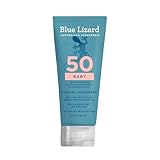
Overview: BLUE LIZARD’s Baby Mineral Sunscreen offers pharmaceutical-grade protection with innovative packaging. This Australian-inspired formula delivers SPF 50+ defense through zinc oxide, while the Smart Cap technology alerts users to harmful UV exposure, making it a technologically savvy choice.
What Makes It Stand Out: The UV-sensitive cap that turns pink in sunlight provides a unique visual reminder to apply sunscreen—a game-changer for busy parents. Infused with calendula extract and organic aloe, it soothes while protecting, addressing inflammation and dryness simultaneously. The brand’s dermatological heritage lends clinical credibility.
Value for Money: At $3.31 per ounce, this is among the most affordable premium mineral sunscreens available. The 3-ounce tube balances portability with sufficient quantity for regular use. You’re getting innovative features and clean ingredients at a price point that undercuts many competitors, delivering outstanding value.
Strengths and Weaknesses: Strengths include the practical Smart Cap, gentle vegan formula, and excellent water resistance. The added botanicals provide genuine skin benefits beyond sun protection. It spreads smoothly with minimal white residue. Weaknesses involve the cap technology potentially fading over time, and some users report the formula runs slightly when sweating heavily. The tube can dispense too much product if not squeezed carefully.
Bottom Line: BLUE LIZARD offers the best bang for your buck in mineral baby sunscreens. The Smart Cap feature and skin-soothing ingredients make it a practical, affordable choice for daily use and outdoor activities.
9. Aveeno Baby Continuous Protection Mineral Sunscreen Stick for Sensitive Skin with Broad Spectrum SPF 50 Protection for Face & Body, Naturally Sourced 100% Zinc Oxide, Travel Size, 0.47 oz

Overview: Aveeno’s sunscreen stick revolutionizes application convenience for squirmy babies. This 0.47-ounce twist-up stick delivers 100% zinc oxide protection in a mess-free format, making it ideal for quick face and body touch-ups, especially for on-the-go families.
What Makes It Stand Out: The stick format eliminates spills and allows precise application around eyes and nose—areas where lotions can run and sting. As the pediatrician-recommended brand, Aveeno’s formula is engineered to be as mild as water, with a unique barrier technology that sits on top of skin rather than absorbing. The ultra-portable size fits anywhere.
Value for Money: At $23.15 per ounce, this is premium-priced due to the specialized format. While expensive by volume, the stick’s precision reduces waste from over-application and spills. For targeted face protection and travel convenience, the cost is justified, but it’s impractical for full-body coverage.
Strengths and Weaknesses: Strengths include unparalleled application ease, especially for faces; no-mess portability; and zero eye-stinging. The stick glides smoothly without pulling skin. Weaknesses are the high cost per ounce and small size requiring frequent replacement. The solid format makes it less suitable for covering large body areas efficiently. Some find it slightly waxy in texture.
Bottom Line: Perfect as a complementary product for face application and travel, this stick excels where lotions fail. Use it alongside a lotion for cost-effective full coverage, but keep it handy for quick, tear-free facial protection.
10. Babo Botanicals Sheer Mineral Sunscreen Lotion SPF 50 with 100% Mineral Active Ingredients for Babies, Kids or Extra Sensitive Skin, Lightweight, Water Resistant & Fragrance Free, Multicolor, Unscented, 3 Fl Oz

Overview: Babo Botanicals delivers a luxurious mineral sunscreen experience with 24 plant-based ingredients. This 3-ounce lotion provides SPF 50 protection through 100% mineral actives while nourishing sensitive skin with botanical extracts, positioning itself as a premium natural option.
What Makes It Stand Out: The extensive botanical blend including shea butter and organic calendula creates a truly nourishing experience that doubles as skincare. The “sheer” formula minimizes the white cast plagueing mineral sunscreens, offering cosmetic elegance rare in this category. The brand’s focus on sensitive skin conditions gives it therapeutic credibility.
Value for Money: At $6.33 per ounce, this is the most expensive lotion reviewed. You’re paying for ingredient complexity and sheer finish technology. While costlier than competitors, the formula’s dual function as sunscreen and moisturizer could eliminate separate products, potentially justifying the premium for some families.
Strengths and Weaknesses: Strengths include the lightweight, non-greasy texture that blends remarkably well; rich botanical nourishment; and excellent water resistance. The formula feels luxurious while remaining gentle. Weaknesses are the highest price point and potential for ingredient sensitivity with 24 components. Some may find it over-engineered for simple sun protection needs. The tube is small for the price.
Bottom Line: For families seeking a premium, cosmetically elegant mineral sunscreen that pampers while protecting, Babo Botanicals delivers. It’s ideal for children with extremely sensitive or dry skin but represents a luxury purchase rather than an everyday essential.
Why Mineral Sunscreens Are the Gold Standard for Baby Skin
Pediatric dermatologists overwhelmingly recommend mineral-based protection for infants and toddlers, and the reasoning goes far beyond trendy “clean beauty” marketing. Mineral filters create a physical barrier that sits on top of the skin rather than penetrating it, making them inherently less irritating for developing epidermal layers. This is particularly crucial for babies whose skin barriers are still maturing and who haven’t yet built up the resilience that comes with age.
Understanding Zinc Oxide and Titanium Dioxide
Zinc oxide and titanium dioxide are the only two mineral sunscreen actives approved by the FDA for infant use, and they work through different mechanisms. Zinc oxide offers broad-spectrum protection against both UVA and UVB rays, while titanium dioxide primarily blocks UVB with some UVA coverage. The most effective budget formulas typically feature zinc oxide as the star ingredient, often at concentrations between 18-25%. This concentration range hits the sweet spot of providing robust protection without creating an impossibly thick paste. Interestingly, some formulations combine both minerals strategically—zinc oxide for comprehensive coverage and a smaller amount of titanium dioxide to improve texture and reduce the white cast without adding cost.
Chemical vs. Mineral: The Critical Difference for Sensitive Skin
Chemical sunscreens contain active ingredients like oxybenzone and avobenzone that absorb UV radiation and convert it to heat. For adults with robust skin barriers, this process works fine. For babies, however, these chemicals can trigger inflammatory responses, especially in those prone to eczema or contact dermatitis. The heat conversion itself can be problematic for infant skin, which is less efficient at thermoregulation. Mineral formulas, by contrast, reflect and scatter UV rays like thousands of tiny mirrors, eliminating both the chemical exposure and the heat generation. This fundamental difference is why the American Academy of Pediatrics advises mineral-only options for children under six months (though shade remains the primary recommendation for this age group).
Decoding SPF: What Numbers Actually Matter for Infants
SPF 15, 30, 50, 100—the numbers seem to promise exponentially better protection, but the math tells a different story. SPF 30 blocks approximately 97% of UVB rays, while SPF 50 blocks about 98%. That single percentage point difference rarely justifies the price jump you’ll often see on baby-specific products. For sensitive infant skin, the real protection comes from proper application and reapplication, not from chasing higher numbers.
The SPF Sweet Spot: Why Higher Isn’t Always Better
SPF values above 50 can create a false sense of security, leading parents to reapply less frequently or keep babies in the sun longer than advisable. Higher SPF formulas also require more active ingredients to achieve those marginal gains, which can make them thicker, harder to blend, and more likely to irritate. For babies under $20, you’ll find excellent SPF 30-50 options that deliver the protection your child actually needs. The key is looking for “broad-spectrum” labeling, which ensures UVA coverage—critical for preventing long-term skin damage that SPF numbers alone don’t guarantee.
The $20 Price Point: What Quality Looks Like on a Budget
A sub-$20 price tag doesn’t automatically mean compromised quality, but it does require smarter shopping. Premium-priced baby sunscreens often charge for proprietary blends, exotic botanicals, or eco-luxe packaging that provides zero additional protection. At the budget level, your money goes directly toward the essential trio: mineral actives, a stable base formula, and safety testing.
Ingredient Prioritization: Where Your Money Goes
In affordable mineral sunscreens, the formulation budget concentrates on creating a stable emulsion that keeps zinc oxide evenly distributed without separating. Quality budget brands achieve this through efficient combinations of emollients like coconut oil derivatives or shea butter rather than expensive silicones. They may skip the organic certification (which doesn’t impact safety) but maintain rigorous third-party testing for SPF accuracy and broad-spectrum claims. The preservative system in these formulas is also critical—look for phenoxyethanol-free options, as this common preservative can trigger reactions in highly sensitive skin. Instead, budget-friendly safe alternatives include sodium benzoate or potassium sorbate.
Fragrance-Free Formulations: Non-Negotiable for Sensitive Skin
“Unscented” and “fragrance-free” are not interchangeable terms, and this distinction becomes crucial when shopping for sensitive baby skin. Unscented products may contain masking fragrances that neutralize chemical odors but still introduce potential allergens. Fragrance-free means zero fragrance compounds added at any stage—a must for babies prone to rashes or with diagnosed skin conditions.
The Hidden Dangers of “Natural” Scents in Baby Products
Essential oils like lavender, chamomile, and calendula frequently appear in “natural” baby sunscreens, even budget options, marketed as soothing additions. However, these botanical extracts are among the most common pediatric contact allergens. A truly sensitive-skin-safe formula under $20 will avoid these entirely, relying instead on the naturally neutral scent of the mineral actives and base ingredients. If you detect any scent beyond a faint, clean mineral smell, it’s a red flag—even if the label claims “naturally derived.”
Water Resistance: What Those 40-80 Minute Claims Mean
Water resistance testing for sunscreens follows strict FDA protocols involving immersion and drying cycles. A 40-minute water-resistant rating means the sunscreen retains its labeled SPF after 40 minutes of water exposure, while 80-minute formulas last longer. For babies who aren’t swimming laps but might splash in a kiddie pool or sweat in a stroller, 40 minutes is typically sufficient and more common in budget-friendly lines.
Reapplication Realities for Active Babies
The math of reapplication gets tricky with infants. If a sunscreen claims 80-minute water resistance, you must still reapply after 80 minutes of swimming OR sweating, or immediately after towel-drying. For a baby at the park, you’re looking at reapplication every two hours regardless. Budget mineral sticks can be game-changers here—they’re less messy for touch-ups and reduce waste from squirted-out tube contents. The key is establishing a reapplication routine that fits your baby’s tolerance, perhaps distracting with a toy during the 30-second face reapplication process.
Texture and Blendability: Avoiding the Ghostly White Cast
The notorious white cast of mineral sunscreens isn’t just a cosmetic issue—it can signal inadequate rubbing, leaving gaps in protection. Modern budget formulations have cracked the code on spreadability through ingredient synergies rather than expensive processing. They use plant-based esters that help zinc oxide particles disperse evenly, creating a thin, uniform film that becomes translucent as it warms to skin temperature.
Nano vs. Non-Nano Particles: The Particle Size Debate
Particle size dramatically affects both protection and aesthetics. Non-nano zinc oxide (particles larger than 100 nanometers) cannot penetrate the skin barrier and is preferred by purists, but it can be chalky. Nano zinc oxide blends more transparently but raises theoretical concerns about absorption, though studies show it stays on the skin’s surface. Most quality budget formulas use micronized (slightly smaller than traditional but not true nano) zinc oxide, achieving a balance between safety and cosmetic elegance. The label won’t always specify particle size, but terms like “sheer” or “transparent” often indicate micronized particles, while “non-nano” will be explicitly marketed if used.
Packaging Considerations: Tubes, Sticks, and Sprays
The delivery system impacts both cost-effectiveness and safety. Aerosol sprays, even mineral-based ones, pose inhalation risks for babies and are rarely budget-friendly due to packaging costs. Tubes remain the most economical, but their wide openings can lead to contamination if you’re dipping fingers repeatedly.
Expiration Dates and Batch Freshness: What to Check
Mineral sunscreens are inherently more stable than chemical formulas, but they still degrade. Zinc oxide can clump over time, and the emulsion can separate. Always check the expiration date, but also look for batch codes that indicate recent manufacturing. A trick for budget shoppers: stores often discount sunscreens with 12-18 months until expiration—perfectly usable for a single summer season. The PAO (Period After Opening) symbol, showing an open jar with a number like “12M,” tells you how many months the product remains stable after opening. For baby sunscreens, aim to finish the tube within this period to ensure even dispersion of actives.
Application Techniques for Squirmy Babies
Even the best sunscreen fails if applied incorrectly. For babies under six months, the AAP recommends shade and protective clothing as primary defenses, with minimal sunscreen on small exposed areas only when necessary. For older babies, the goal is a uniform layer that’s neither too thin (compromising protection) nor too thick (wasting product and causing discomfort).
How Much Sunscreen Does Your Baby Actually Need?
The “teaspoon rule” for adults doesn’t scale linearly for babies. For an infant’s face and the backs of hands (typical exposed areas), you need roughly a pea-sized amount. For a toddler in a short-sleeved onesie, think two finger-lengths of product squeezed along your index and middle fingers. Applying in thin layers, letting each absorb for 30 seconds, prevents the product from balling up or feeling heavy. This technique also helps you spot any irritation immediately rather than discovering it under a thick, occlusive layer.
Beyond Sunscreen: Complete Sun Protection Strategies
No sunscreen, regardless of price or quality, provides 100% protection. The most budget-friendly and effective approach combines mineral sunscreen with physical barriers. UPF-rated clothing has become increasingly affordable, often costing less than a tube of premium sunscreen while lasting multiple seasons. Wide-brimmed hats with chin straps (essential for baby removal attempts) and UV-blocking stroller shades round out the system.
Timing matters enormously. Scheduling outdoor time before 10 AM or after 4 PM reduces UV exposure by up to 60%, meaning you’ll use less sunscreen overall and your baby experiences less heat stress. This strategy stretches your sunscreen budget further while being gentler on sensitive skin that doesn’t need constant product application.
Frequently Asked Questions
At what age can I start using mineral sunscreen on my baby?
The American Academy of Pediatrics advises avoiding sunscreen for infants under six months, relying instead on shade and protective clothing. For newborns, their skin is highly permeable and they have minimal subcutaneous fat, making temperature regulation challenging. After six months, mineral-only formulas become appropriate for small exposed areas, gradually increasing usage as mobility increases.
How often should I reapply mineral sunscreen to my baby’s skin?
Reapply every two hours during continuous outdoor exposure, and immediately after swimming, sweating, or towel-drying. Even water-resistant formulas lose efficacy through friction from stroller straps, crawling, or wiping drool. For babies at the beach, set a silent phone alarm for 80-minute intervals to avoid losing track of time during water play.
Can I use adult mineral sunscreen on my baby to save money?
Adult formulas often contain anti-aging ingredients like retinol derivatives, alpha hydroxy acids, or chemical penetration enhancers that are inappropriate for infant skin. The fragrance load is typically higher as well. While the mineral actives themselves are identical, the base formulation and allergen profile differ significantly. Stick to baby-specific lines, many of which are comparably priced when you factor in the smaller required amounts.
What’s the difference between “baby” and “kids” mineral sunscreen?
Primarily marketing and fragrance levels. “Baby” formulas are almost always fragrance-free and use the simplest ingredient lists. “Kids” versions may introduce subtle fruit scents or fun packaging to encourage compliance in toddlers. For truly sensitive skin, the baby version remains the gold standard regardless of your child’s age.
How do I remove mineral sunscreen at the end of the day?
Mineral sunscreens require more than water to remove. Use a gentle, fragrance-free baby cleanser or a soft washcloth with lukewarm water. Apply cleanser directly to dry skin first to break down the mineral film, then add water and rinse. Avoid harsh scrubbing, which can irritate skin and compromise the barrier you’ve protected all day.
Will mineral sunscreen stain my baby’s clothes?
Zinc oxide can leave white marks on dark fabrics, especially when combined with certain plant oils. To prevent staining, let the sunscreen absorb for 10-15 minutes before dressing. For existing stains, pre-treat with dish soap (which breaks down oils) before washing. UPF clothing actually reduces staining frequency since you apply less sunscreen overall.
Is tinted mineral sunscreen safe for babies?
Tinted formulas use iron oxides to reduce white cast, which are considered safe and non-irritating. However, they can transfer to clothing and often cost more. For babies, the slight white cast of untinted formulas serves as a visual cue that you’ve achieved even coverage—a practical benefit that outweighs cosmetic concerns.
Can mineral sunscreen cause diaper rash if it gets in that area?
The zinc oxide in sunscreen is chemically identical to the active ingredient in many diaper rash creams, so it won’t cause rash. However, the base formula may contain emollients that trap moisture. If sunscreen gets into the diaper area during full-body application, simply cleanse the area thoroughly and apply your regular barrier cream as usual.
What should I do if my baby develops a rash after using mineral sunscreen?
Discontinue use immediately and cleanse the area with water only. Apply a thin layer of petroleum jelly to protect the barrier. The reaction is likely to a preservative or emollient rather than the zinc oxide itself. When the rash clears, try a different budget formula with a simpler ingredient list—sometimes eliminating plant extracts or switching preservative systems resolves the issue.
Are there any environmental concerns with budget mineral sunscreens?
While mineral actives are reef-safe, some budget formulas use petroleum-derived ingredients or non-recyclable packaging. If environmental impact is a priority, look for the same quality markers (non-nano zinc, fragrance-free) in brands that use post-consumer recycled tubes. The price difference is often negligible, as packaging costs are minor compared to marketing budgets in the baby care industry.