Getting your newborn’s car seat angle just right isn’t just about following instructions—it’s about protecting their fragile airway and preventing breathing complications during those crucial first rides. While rear-facing is non-negotiable for safety, an incorrect recline angle can be surprisingly dangerous, allowing a baby’s head to flop forward and potentially obstruct their airway. This is where car seat level indicators become your silent co-pilot, transforming guesswork into precision.
As we move through 2026, these humble devices have evolved from simple bubble levels to sophisticated alignment systems that account for vehicle geometry, road pitch, and even real-time adjustments. Whether you’re a first-time parent navigating the overwhelming world of infant gear or a seasoned caregiver updating your knowledge, understanding how to evaluate and use these indicators properly can mean the difference between a false sense of security and genuine protection.
Top 10 Car Seat Level Indicators for Rear-Facing Angle
Detailed Product Reviews
1. Chicco KeyFit Max ClearTex Infant Car Seat and Base, Rear-Facing Seat for Infants 4-30 lbs., Infant Head and Body Support, Compatible with Chicco Strollers, Baby Travel Gear | Legend/Black

Overview: The Chicco KeyFit Max ClearTex is a premium infant car seat engineered for parents prioritizing chemical-free materials and precision installation. Designed for babies 4-30 lbs, this rear-facing-only carrier features innovative ClearTex fabric that’s flame retardant-free yet meets all safety standards. The Legend/Black aesthetic provides a sophisticated look compatible with Chicco’s stroller ecosystem.
What Makes It Stand Out: The GREENGUARD Gold certification ensures low chemical emissions for healthier air around your infant. An integrated anti-rebound bar enhances stability while providing extra legroom, extending usable life up to 32 inches. The installation system includes premium LATCH connectors and two bubble level indicators for error-proof setup. A UPF 50+ full-coverage canopy shields delicate skin from harmful rays.
Value for Money: At $249.99, this premium-priced infant seat targets safety-conscious families. While significantly more expensive than basic models, the non-toxic materials, anti-rebound feature, and Chicco’s renowned installation ease justify the investment. However, budget-minded parents might prefer convertible seats offering longer-term use.
Strengths and Weaknesses: Strengths: Flame retardant-free ClearTex fabric, superior installation system, anti-rebound bar, stroller compatibility, excellent sun protection. Weaknesses: Higher cost, limited lifespan (infant-only), requires compatible Chicco stroller for travel system.
Bottom Line: An exceptional choice for parents seeking the cleanest, safest infant transportation. The KeyFit Max ClearTex combines premium materials with thoughtful safety features, making it worth the splurge for your newborn’s first year.
2. Baby Trend Trooper™ Slim 3-in-1 Convertible Car Seat, Dash Black

Overview: The Baby Trend Trooper Slim 3-in-1 Convertible Car Seat delivers exceptional versatility at a budget-friendly price point. This Dash Black model transitions from rear-facing infant mode (4-18 lbs) to rear-facing toddler (18-40 lbs) and finally forward-facing toddler mode (30-65 lbs), providing years of use from a single purchase.
What Makes It Stand Out: At just 17.75 inches wide, this seat excels in three-across configurations, solving a common family vehicle challenge. The lightweight shell enables LATCH installation up to 55 lbs—uncommon in convertible seats. Super deep side wings and enhanced side impact protection provide premium safety features typically found in higher-priced competitors.
Value for Money: Priced at $119.99, the Trooper represents outstanding value. Most convertible seats with similar weight capacities cost significantly more. The three-across compatibility alone saves families from upgrading vehicles. While lacking some premium brand prestige, the functionality-per-dollar ratio is exceptional.
Strengths and Weaknesses: Strengths: Unbeatable price, slim profile for three-across, extended LATCH usage, 3-in-1 versatility, robust side impact protection. Weaknesses: Fewer luxury features, simpler fabric options, brand perception vs. premium competitors, limited color selection.
Bottom Line: A practical, cost-effective solution for growing families needing maximum flexibility. The Trooper Slim 3-in-1 sacrifices brand prestige for unbeatable functionality and value, making it a smart choice for budget-conscious parents.
3. Baby Trend Trooper™ Slim 3-in-1 Convertible Car Seat, Quartz Pink

Overview: The Baby Trend Trooper Slim 3-in-1 Convertible Car Seat in Quartz Pink offers identical functionality to its siblings in a soft, gender-specific hue. This versatile seat accommodates children from 4-65 lbs across three modes: rear-facing infant (4-18 lbs), rear-facing toddler (18-40 lbs), and forward-facing toddler (30-65 lbs).
What Makes It Stand Out: Beyond the attractive pink colorway, the Trooper’s 17.75-inch width enables three-across installation in most vehicles—a game-changer for families with multiple children. The lightweight construction supports LATCH installation up to 55 lbs, while super deep side wings deliver enhanced side impact protection that exceeds expectations for this price tier.
Value for Money: At $119.99, the Quartz Pink variant delivers the same exceptional value as other Trooper models. Parents get a complete 3-in-1 solution without the premium price tag. The color option allows personalization without added cost, though families planning for multiple children may prefer neutral tones.
Strengths and Weaknesses: Strengths: Affordable three-across solution, extended LATCH usage, comprehensive weight range, attractive pink aesthetic, strong side impact protection. Weaknesses: Color may limit resale value or gender-neutral appeal, basic fabric quality, fewer premium features than competitors.
Bottom Line: An excellent choice for families wanting a slim, versatile seat with a touch of personality. The Quartz Pink Trooper combines practicality with style, offering tremendous value for parents who know they’ll need multiple seats across their vehicle.
4. Baby Trend Trooper™ Slim 3-in-1 Convertible Car Seat, Dash Grey

Overview: The Baby Trend Trooper Slim 3-in-1 Convertible Car Seat in Dash Grey provides the same impressive functionality as other Trooper models in a versatile, gender-neutral color. This seat grows with your child from infancy through toddlerhood, supporting rear-facing (4-40 lbs total) and forward-facing (30-65 lbs) configurations.
What Makes It Stand Out: The 17.75-inch slim profile solves three-across seating challenges, while the lightweight shell permits LATCH installation up to 55 lbs—features rarely combined in budget-friendly seats. The Dash Grey fabric offers a modern, practical appearance that resists visible wear and coordinates with most vehicle interiors. Super deep side wings provide enhanced side impact protection.
Value for Money: At $119.99, this represents exceptional long-term value. The neutral color extends usability across siblings and resale markets. Families needing multiple seats will appreciate getting premium features like extended LATCH and three-across compatibility without the premium price tag.
Strengths and Weaknesses: Strengths: Budget-friendly pricing, slim design for three-across, extended LATCH usage, versatile grey color, robust safety features. Weaknesses: Simpler padding than premium brands, basic installation system, no anti-rebound bar, limited recline positions.
Bottom Line: A smart, practical investment for families prioritizing functionality and value. The Dash Grey Trooper delivers essential safety features and space-saving design at a price point that allows purchasing multiple units without financial strain.
5. Baby Trend Cover Me™ 4-in-1 Convertible Car Seat, Vespa
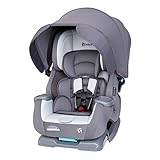
Overview: The Baby Trend Cover Me 4-in-1 Convertible Car Seat in Vespa elevates the budget convertible category with innovative UV protection features. This seat adapts through four stages: rear-facing infant (4-18 lbs), rear-facing toddler (18-40 lbs), forward-facing harness (22-65 lbs), and belt-positioning booster (40-100 lbs), serving children from birth to approximately age 8.
What Makes It Stand Out: The integrated adjustable canopy with flip-out side visors provides unprecedented in-car sun protection, eliminating the need for aftermarket shades. The exclusive Comfort Cabin offers extra padding for long-trip comfort. At 18.25 inches wide, it still fits three-across in most vehicles while offering more features than competitors.
Value for Money: At $159.00, the Cover Me commands a $40 premium over the Trooper but adds booster mode and the unique canopy system. This eliminates separate booster purchases and sun shade accessories, potentially saving money long-term. The extended 100-lb capacity increases usable lifespan significantly.
Strengths and Weaknesses: Strengths: Integrated UV canopy, 4-in-1 versatility, extended booster mode, Comfort Cabin padding, three-across compatibility. Weaknesses: Slightly wider than Trooper, canopy may interfere with some vehicle configurations, mid-tier fabric quality.
Bottom Line: An innovative, feature-packed seat that solves real parenting pain points. The Cover Me 4-in-1 is ideal for families wanting maximum longevity and sun protection without stepping into premium price territory.
6. Britax One4Life All-in-One Car Seat, 10 Years of Use from 5 to 120 Pounds, Converts from Rear-Facing Infant Car Seat to Forward-Facing Booster Seat, Machine-Washable Fabric, Graphite Onyx

Overview: The Britax One4Life represents the ultimate long-term investment in child passenger safety, engineered to serve from birth through booster seat age. This all-in-one convertible car seat accommodates children from 5 to 120 pounds across four distinct configurations, eliminating the need to purchase multiple seats as your child grows. The Graphite Onyx colorway offers a sleek, modern aesthetic that resists visible wear, while the machine-washable fabric ensures practical maintenance throughout its decade-long service life.
What Makes It Stand Out: The revolutionary ClickTight installation system transforms what is typically a frustrating process into a simple three-step procedure: open, thread the seatbelt, and click closed. This technology virtually eliminates installation errors, which are the primary cause of car seat failure. The 15-position adjustable headrest and harness system adjusts simultaneously with one hand, removing the tedious rethreading process. Safety features include a steel-reinforced frame, SafeCell crumple zone technology, a V-shaped tether for stability, and dual-layer impact protection.
Value for Money: At $349.99, the initial investment is substantial but economically sound when amortized over ten years of continuous use. Purchasing separate infant, convertible, and booster seats would easily exceed $500-600 for comparable safety ratings. The ClickTight system alone justifies the premium by ensuring correct installation every time, potentially preventing catastrophic failure. For families planning multiple children, the value proposition strengthens further.
Strengths and Weaknesses: Strengths include unparalleled longevity, foolproof installation, robust safety engineering, and premium materials. The one-hand adjustment system saves time and ensures proper fit. Weaknesses involve significant weight and bulk, making it impractical for travel or frequent vehicle transfers. The high upfront cost may strain budgets, and the seat’s large footprint can compromise front passenger space in compact vehicles.
Bottom Line: The Britax One4Life is an exceptional choice for safety-conscious families seeking a single, reliable solution. Despite its premium price and heft, its decade-long versatility, innovative installation, and superior protection make it a worthwhile investment that ultimately saves money and ensures peace of mind.
7. Baby Trend EZ-Lift™ PRO Infant Car Seat, Dash Tan

Overview: The Baby Trend EZ-Lift PRO positions itself as a practical, safety-focused infant carrier designed for parents prioritizing mobility without compromising protection. Weighing significantly less than many competitors, this rear-facing seat accommodates infants while offering convenient portability. The Dash Tan color provides a neutral, stylish appearance that complements most vehicle interiors, while the deep side wings and supportive inserts create a secure cocoon for newborns.
What Makes It Stand Out: Deep side wings provide enhanced side-impact protection, a critical safety feature often reserved for premium models. The no-twist harness indicators offer visual confirmation of proper strap positioning, eliminating guesswork during securing. FAA certification for aircraft travel makes this an excellent choice for families who fly frequently. The adjustable canopy with visor extends further than typical designs, providing superior sun protection during stroller walks or vehicle transfers.
Value for Money: Priced at $119.99, the EZ-Lift PRO sits in the competitive mid-range segment, offering features typically found in more expensive seats. The inclusion of aircraft certification and advanced side-impact protection at this price point represents strong value. While it lacks the premium materials or extended lifespan of convertible seats, its focused design delivers essential safety and convenience without unnecessary cost inflation, making it accessible for budget-conscious families.
Strengths and Weaknesses: Strengths include lightweight construction, excellent side-impact protection, travel-friendly certification, and intuitive safety indicators. The flip-foot recline and bubble level ensure proper installation angles. Weaknesses include limited longevity (only infant stage), basic fabric quality compared to premium brands, and narrower stroller compatibility. The base lacks advanced installation technologies like LATCH tighteners found in higher-end models.
Bottom Line: The Baby Trend EZ-Lift PRO offers impressive safety features and travel convenience at an accessible price. While it won’t grow with your child, it’s an excellent choice for new parents seeking reliable infant protection without premium cost, particularly those who travel frequently by air.
8. Chicco KeyFit 30 ClearTex Infant Car Seat and Base, Rear-Facing Seat for Infants 4-30 lbs., Includes Infant Head and Body Support, Compatible with Chicco Strollers, Baby Travel Gear | Pewter/Grey

Overview: The Chicco KeyFit 30 ClearTex establishes itself as the gold standard for infant car seat installation simplicity while addressing growing parental concerns about chemical exposure. This rear-facing seat supports infants from 4 to 30 pounds, featuring premium materials and engineering that prioritize both safety and environmental health. The Pewter/Grey aesthetic offers sophisticated styling that seamlessly integrates with Chicco’s travel system ecosystem.
What Makes It Stand Out: The SuperCinch Force-Multiplying LATCH Tightener revolutionizes base installation, allowing parents to achieve a rock-solid connection with minimal effort. The ClearTex line’s flame retardant-free construction, combined with GREENGUARD Gold certification, ensures healthier air quality around your infant without sacrificing fire safety. The integrated stroller compatibility creates a seamless travel system, while the spring-loaded leveling foot and dual bubble indicators guarantee precise angle adjustment every time.
Value for Money: At $229.99, this seat commands a premium justified by its installation innovation and chemical-conscious design. The time and frustration saved during installation alone warrants the extra cost for many parents. While more expensive than basic infant seats, the superior build quality, travel system integration, and health-focused materials provide clear differentiation. For families valuing ease-of-use and chemical reduction, the price represents fair value.
Strengths and Weaknesses: Strengths include the easiest-in-class installation, flame retardant-free materials, excellent stroller compatibility, and premium energy-absorbing foam. The removable newborn insert and machine-washable pad enhance practicality. Weaknesses include higher cost, weight slightly above ultra-lightweight competitors, and limited use to the infant stage only. The canopy, while functional, could offer more coverage.
Bottom Line: The Chicco KeyFit 30 ClearTex excels for parents who prioritize installation confidence and chemical safety. Its premium price is offset by unparalleled ease-of-use and health-conscious materials, making it a top recommendation for first-time parents or those seeking a seamless travel system experience.
9. Baby Trend EZ Lift 35 Plus Ergonomic Lightweight Rear Facing Infant Car Seat with Multi Position Base and Cozy Cover, Stormy Gray/Black
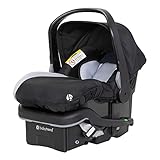
Overview: The Baby Trend EZ Lift 35 Plus reimagines infant car seat portability through ergonomic engineering, addressing the common parental complaint of back strain during carrier transport. This rear-facing seat accommodates infants from 4 to 30 pounds while weighing under 8 pounds, making it one of the lightest options available. The Stormy Gray/Black color scheme provides a contemporary, gender-neutral appearance suitable for modern families.
What Makes It Stand Out: The built-in ergonomic grip allows for multiple carrying positions that distribute weight more naturally, reducing physical strain during transfers. Uniquely, the handle doubles as an anti-rebound bar when positioned correctly, limiting seat rotation during collision—a safety feature rarely included in budget-friendly models. The multi-position base with flip-foot recline and bubble level indicator ensures proper installation across various vehicle seat geometries.
Value for Money: At $119.99, this seat delivers exceptional value by combining ultra-lightweight design with an innovative ergonomic feature set typically absent in this price tier. The anti-rebound bar functionality provides premium-level safety engineering without premium cost. For parents who frequently carry the seat or have physical limitations, the ergonomic benefits alone justify the purchase, making it a smart, health-conscious investment.
Strengths and Weaknesses: Strengths include industry-leading lightweight design, ergonomic carrying innovation, anti-rebound safety feature, and FAA approval for air travel. The plush seating and cozy cover enhance infant comfort. Weaknesses include basic fabric materials, limited brand recognition compared to premium competitors, and absence of advanced LATCH tightening systems. The canopy is functional but not exceptional.
Bottom Line: The Baby Trend EZ Lift 35 Plus is ideal for parents prioritizing portability and physical comfort without sacrificing safety. Its ergonomic innovation and anti-rebound feature set it apart in the budget category, making it a highly recommended choice for urban families or those with mobility concerns.
10. Evenflo Litemax 30 Infant Car Seat Base

Overview: The Evenflo Litemax 30 Base serves as a dedicated second base for families using the Evenflo LiteMax infant car seat, enabling seamless transitions between vehicles without reinstalling the primary base. This accessory component prioritizes installation accuracy and security, featuring specific engineering tailored exclusively to the LiteMax carrier. It’s an essential convenience item for two-car households or caregivers regularly transporting infants.
What Makes It Stand Out: The pendulum level indicator provides a more intuitive and precise reading than traditional bubble levels, clearly showing when the base achieves proper recline. The integrated belt lock-off system ensures secure installation using vehicle seatbelts, critical for vehicles without LATCH or for center seat placements. Evenflo’s commitment to exceeding federal standards through additional rollover and temperature testing demonstrates proactive safety engineering beyond minimum requirements.
Value for Money: Priced at $89.99, this base represents solid value for families needing multi-vehicle convenience. The cost is significantly lower than purchasing a complete second seat while providing identical safety and installation benefits. For parents sharing drop-off duties or using both family vehicles regularly, the time saved and installation consistency justify the investment. However, its single-purpose design limits value for non-LiteMax users.
Strengths and Weaknesses: Strengths include precise pendulum leveling, secure belt lock-off system, rigorous safety testing protocols, and perfect compatibility with LiteMax carriers. The base is lightweight and transfers easily between vehicles. Weaknesses include exclusive compatibility (only works with LiteMax seats), lack of premium LATCH tighteners, and the fact that it’s merely an accessory requiring the main seat purchase. Some families may find the price high for a single component.
Bottom Line: The Evenflo Litemax 30 Base is a practical, safety-focused accessory for LiteMax users needing multi-vehicle flexibility. While limited by its exclusive compatibility, it delivers essential convenience and consistent installation quality, making it a worthwhile purchase for two-car families seeking streamlined logistics.
Why Rear-Facing Angle Accuracy Matters More Than You Think
The physics of infant anatomy makes recline angle critical. Newborns lack the neck muscle strength to lift their heads if they fall forward, and an overly upright position can cause positional asphyxiation—the silent killer that claims lives when airways become compromised. The American Academy of Pediatrics recommends a rear-facing recline angle between 30-45 degrees, but this range isn’t arbitrary. Too reclined, and crash protection diminishes; too upright, and breathing risks escalate. Your level indicator serves as the guardian of this delicate balance, ensuring your baby remains in that safe zone regardless of vehicle slope or seat design.
Understanding Car Seat Level Indicators: Beyond the Bubble
Modern indicators are sophisticated alignment tools that communicate the seat’s orientation relative to true level—not just your vehicle’s sloped seat. In 2026’s market, you’ll encounter four primary technologies: traditional fluid-based bubble levels, line-matching systems that align with gravity, digital inclinometers with LED displays, and color-coded visual guides that remove interpretation entirely. Each system approaches the same fundamental question differently: “Is this seat angled correctly for my child’s developmental stage?”
The Evolution of Indicator Technology in 2026
This year’s innovations reflect a deeper understanding of real-world installation challenges. Manufacturers now integrate multi-axis sensors that compensate for vehicle seat contouring, which previously rendered many bubble levels inaccurate. Some systems feature ambient light sensors that automatically adjust display brightness, while others include magnetic leveling bases that self-correct on uneven surfaces. The shift toward smart indicators with Bluetooth connectivity allows parents to receive smartphone alerts if the seat shifts out of optimal range—a game-changer for caregivers who frequently transfer seats between vehicles.
Key Feature #1: Accuracy and Calibration Standards
When evaluating any level indicator, precision should be your primary filter. Look for devices calibrated to within ±1 degree of accuracy, as even small deviations matter significantly for newborns. Premium indicators in 2026 undergo third-party calibration testing and display certification marks from organizations like NHTSA or independent labs. The best systems include temperature compensation, since fluid levels can shift in extreme heat or cold. Ask yourself: Does this indicator measure absolute level, or does it simply show relative position? The distinction determines whether you’re getting true safety data or just a rough estimate.
Key Feature #2: Visibility in All Lighting Conditions
A level indicator you can’t see is worthless. Modern systems address this with illuminated displays, high-contrast markings, and anti-glare coatings. For nighttime installations, backlit indicators with motion-activated sensors prove invaluable. Consider the indicator’s placement on the seat base—does it face upward where you can read it while installing, or is it tucked underneath where shadows obscure the reading? Some 2026 models feature redundant indicators: a primary display for installation and a secondary confirmation window visible when the carrier is attached.
Key Feature #3: Installation Method Integration
The indicator’s effectiveness depends entirely on how seamlessly it integrates with your installation method. For LATCH installations, look for indicators positioned away from belt paths that won’t be obscured by tightening straps. With seat belt installations, ensure the indicator remains visible after the locking clip engages. The most advanced systems feature “installation mode” that temporarily highlights the level zone, then dims to conserve power once proper angle is achieved. This integration prevents the common mistake of checking level before final tightening—a frequent cause of post-installation angle drift.
Key Feature #4: Adjustability for Vehicle Geometry
No two vehicles have identical seat pitches, and 2026’s top-tier indicators acknowledge this reality. Seek systems offering multiple recline zones clearly marked for different vehicle types: sedans, SUVs, and trucks each require different base settings. Some indicators include adjustable feet or rotating bases that physically alter the seat angle while the level display updates in real-time. This dynamic feedback loop—where adjustment immediately reflects on the indicator—eliminates the frustrating guess-and-check cycle that plagues static systems.
Key Feature #5: Durability and Longevity
Your level indicator must survive years of temperature fluctuations, UV exposure, and the occasional coffee spill. Premium models feature sealed, waterproof housings rated IP67 or higher, protecting internal sensors from humidity and liquid damage. The viewing window should be made from polycarbonate rather than acrylic, resisting scratches that eventually make readings ambiguous. Consider the warranty—manufacturers confident in their durability often offer 5-7 year coverage, matching the car seat’s usable lifespan.
Key Feature #6: Compatibility Across Car Seat Models
Universal fit indicators have gained popularity, but they’re not always the solution they promise. Vehicle-specific adapters that account for seat cushion angle and belt geometry often outperform generic options. However, if you choose a universal indicator, verify it includes shims or adjustable mounting brackets to accommodate the 15-degree variance found in modern car seat bases. The best compromise? Indicators designed for specific seat categories (infant carriers, convertible seats, all-in-ones) rather than individual models, offering targeted precision without limiting future seat upgrades.
Common Installation Mistakes That Defeat Level Indicators
Even perfect indicators fail when users make fundamental errors. Installing on uneven ground—like a sloped driveway—creates a false reading that transfers dangerously to flat roads. Tightening the LATCH strap or seat belt after checking level is perhaps the most common mistake, as this inevitably pulls the seat more upright. Another frequent error: using the indicator as the sole verification, ignoring the “pinch test” for harness tightness or the “inch test” for base movement. Remember, the level indicator confirms one critical parameter, not overall installation quality.
Vehicle Seat Geometry: The Hidden Variable
Your car’s seat design directly impacts indicator accuracy. Deep bucket seats, common in sports cars and some sedans, tilt the car seat base backward, requiring more upright indicator settings to achieve proper recline. Conversely, flat bench seats in trucks and older SUVs may need more reclined settings. Some 2026 indicators include vehicle geometry compensation—small sensors that detect the underlying seat angle and adjust the “safe zone” accordingly. Without this feature, you must manually account for vehicle seat slope using rolled towels or pool noodles, which introduces its own measurement uncertainties.
Professional Installation Tips for Perfect Angle Every Time
Certified Child Passenger Safety Technicians recommend a systematic approach. First, park on absolutely level ground—use a smartphone level app to verify your garage floor. Install the base loosely, then check the indicator. Make macro-adjustments using the base’s recline foot or built-in adjusters. Once in the correct zone, tighten the installation method gradually while monitoring the indicator in real-time. If the level shifts during tightening, you’ve found your vehicle’s tension point—loosen slightly and retighten more gently. Finally, attach the carrier and recheck, as the added weight often changes the angle by 1-2 degrees.
Maintenance and Care: Keeping Your Indicator Reliable
Monthly calibration checks ensure ongoing accuracy. Place the base on a known level surface (a carpenter’s level on a sturdy table works) and verify the indicator reads true. Clean the viewing window with microfiber cloths only—paper towels create micro-scratches that accumulate over time. For electronic indicators, check battery levels quarterly and replace proactively. Store the base indoors when not in use; extreme garage temperatures degrade fluid-based indicators and drain electronic ones. If your indicator suffers impact damage from a dropped base, assume it’s compromised and verify angle manually until you can test its accuracy.
When to Re-Check and Re-Adjust Angles
The “set it and forget it” mentality is dangerous. Re-check the level indicator weekly, as normal vehicle vibration gradually loosens installations. Always recheck after removing and reinstalling the carrier, as the click-in mechanism can shift the base angle. Seasonal changes matter too—temperature swings cause vehicle seat foam to expand and contract, altering geometry. After any vehicle maintenance involving seat removal or adjustment, treat the installation as new and verify from scratch. And critically, check the angle every time you switch between children of different ages, as the safe zone changes with developmental milestones.
Special Considerations for Premature and Medically Fragile Infants
For babies born before 37 weeks or weighing under 5 pounds, the standard 45-degree recline may be insufficient. These infants require angles closer to 30-35 degrees to protect their underdeveloped respiratory systems. Some 2026 indicators include a “preemie mode” that highlights this narrower safe zone. If yours doesn’t, use a medical-grade inclinometer to verify angle and mark the indicator manually with tape. Always consult your neonatologist or pediatrician for personalized angle recommendations, and never compromise on positioning for convenience—medically fragile infants have zero margin for error.
Legal Standards and Safety Certifications
In the United States, FMVSS 213 governs car seat performance but doesn’t specifically mandate level indicator accuracy. However, NHTSA’s ease-of-use ratings now heavily weigh indicator clarity, pushing manufacturers toward better designs. Look for indicators tested to ASTM standards for accuracy and durability. European ECE R44/04 and the newer R129 (i-Size) regulations include stricter angle requirements, so seats with these certifications often feature more precise indicators. Understanding these standards helps you cut through marketing fluff and identify genuinely robust systems.
Future Trends: What 2027 and Beyond Will Bring
The indicators of tomorrow are already in development. Prototype systems use laser projection to display the entire safe zone across the car seat base, not just a single point. Machine learning algorithms are being trained on thousands of vehicle-seat combinations to predict optimal settings before installation begins. We’re also seeing integration with vehicle telematics—your car’s computer communicating directly with the car seat to confirm angle and installation integrity. While these features aren’t mainstream yet, understanding their trajectory helps you invest in systems with upgrade paths rather than obsolete designs.
Cost vs. Value: Investing Wisely in Angle Precision
Price doesn’t always correlate with effectiveness. Basic bubble level indicators, when properly designed and positioned, can outperform flashy digital systems with poor calibration. Budget $25-50 for quality aftermarket indicators if your seat’s built-in system is inadequate. Premium integrated systems add $75-150 to seat cost but offer convenience and seamless design. Consider your usage pattern: frequent seat movers benefit more from premium indicators than those who install once and leave it. The real value, however, is measured in risk reduction—an accurate angle indicator addresses one of the three most common installation errors, making it one of the highest ROI safety investments you can make.
Frequently Asked Questions
1. Can I trust my car seat’s built-in level indicator, or should I buy a separate one?
Most modern car seats include adequately accurate indicators, but verify their precision by cross-checking with a smartphone level app on a flat surface. If the built-in indicator lacks visibility features or seems ambiguous, a certified aftermarket indicator can provide valuable redundancy. The key is consistency—use the same verification method every time.
2. How do I check the angle if my vehicle is parked on a slope?
Never install on a slope. Move to level ground, even if it means carrying the base inside your home. If you’re forced to adjust on a slope, measure the vehicle’s pitch with a digital level and compensate mathematically—a 5-degree slope requires adjusting your target angle by 5 degrees. However, this method introduces error and should only be used temporarily.
3. What’s the difference between a 30-degree and 45-degree recline, and how do I know which my baby needs?
Thirty degrees is more upright, suitable for older infants with good head control (typically 6+ months). Forty-five degrees is flatter, protecting newborns’ heavy heads and weak necks. Your pediatrician may recommend specific angles for medical reasons. Most convertible seats have multiple zones marked—the indicator will show which range is appropriate for your child’s age and development.
4. Why does my level indicator show different readings when the carrier is attached versus just the base?
The carrier’s weight compresses the vehicle seat cushion, changing the geometry. Always check level with the carrier installed and weighted appropriately (some manufacturers provide test weights). This final check ensures the actual riding position is correct, not just the empty base position.
5. Can temperature affect my bubble level indicator’s accuracy?
Yes, dramatically. Fluid expands in heat and contracts in cold, potentially shifting readings by 1-3 degrees. Premium indicators use temperature-compensated fluids. If yours doesn’t, check angle in moderate temperatures (60-75°F) when possible. In extreme weather, verify with a digital inclinometer that isn’t temperature-sensitive.
6. My indicator shows the seat is level, but my baby’s head still flops forward. What am I doing wrong?
The level indicator confirms base angle, but your baby’s positioning matters too. Ensure the harness is at or below shoulder level for rear-facing, and the chest clip is at armpit level. Some infant inserts affect recline—remove them if your baby has outgrown them. The seat may be level, but if the child isn’t positioned properly, the head can still fall forward.
7. Are digital level indicators more accurate than traditional bubble levels?
Not inherently. Accuracy depends on calibration quality, not technology. A well-calibrated bubble level can be as accurate as a digital sensor. Digital advantages include easier reading in low light and sometimes better temperature stability. However, they require batteries and can fail electronically. Choose based on visibility needs and personal preference, not perceived precision.
8. How often do car seat level indicators need recalibration?
Manufacturers rarely specify, but annual checks are prudent. If you notice inconsistent readings or after any significant impact (dropped base, vehicle accident), check immediately. For frequent movers, quarterly verification ensures ongoing accuracy. Mark your calendar—it’s a 30-second check that could prevent a dangerous installation.
9. Can I use aftermarket angle adjusters like pool noodles with level indicators?
Yes, but strategically. Place adjusters under the base near the belt path, not under the indicator itself. After adding adjusters, recheck level and ensure the base doesn’t rock. Some 2026 indicators include “adjuster mode” that accounts for these modifications. Never stack multiple noodles; use one precisely cut piece to achieve the needed angle.
10. What should I do if my vehicle’s seat contour makes the indicator impossible to read?
This common problem has several solutions. First, try a small handheld mirror to view the indicator from a better angle. Some parents use their phone’s selfie camera as a periscope. If visibility remains compromised, consider an aftermarket remote-display indicator that mounts where you can see it. The ultimate solution is a seat with an indicator positioned on the side rather than the top of the base, though this requires purchasing a different car seat model.