For exclusive pumpers, choosing the right breast pump isn’t just another item on a baby registry—it’s a decision that will shape your daily life for months, potentially years. While many parents start with standard consumer-grade pumps, those committed to exclusive pumping quickly discover that hospital-grade devices offer a different caliber of performance, durability, and efficiency. As we look toward 2026, the landscape of high-performance breast pumps continues to evolve with smarter technology, improved ergonomics, and features designed specifically for the unique demands of exclusive pumping.
The term “hospital-grade” gets thrown around frequently in parenting circles, but what does it actually mean for your pumping journey? More importantly, how do you navigate the technical specifications, marketing claims, and insurance complexities to find the workhorse that will support your feeding goals? This comprehensive guide cuts through the noise to help you understand what truly matters when investing in a hospital-grade breast pump built for the marathon of exclusive pumping.
Top 10 Hospital-Grade Breast Pumps for Exclusive Pumpers
Detailed Product Reviews
1. Medela Symphony Plus Breast Pump, Hospital Grade Breastpump, Single or Double Electric Pumping, with Initiate and Maintain Programs for Breastfeeding Support or Exclusive Pumping

Overview: The Medela Symphony Plus represents the pinnacle of clinical-grade breast pump technology, designed for mothers who need professional-level lactation support. This hospital-grade system is engineered to help establish and maintain milk supply, particularly in challenging breastfeeding situations. Its initiation technology is clinically proven to significantly boost early milk production, making it the same trusted equipment found in maternity wards worldwide.
What Makes It Stand Out: The proprietary INITIATE program with its unique stimulation-expression-pause phases sets this pump apart, potentially increasing milk production by up to 50% in early postpartum use. This technology mirrors hospital protocols, allowing seamless transition from medical facility to home environment while maintaining the same therapeutic benefits. The ability to switch between single and double pumping adds versatility for different pumping scenarios.
Value for Money: At $1,795, this is a premium investment comparable to medical equipment rental costs over several months. For exclusively pumping mothers or those with lactation challenges, it may justify the expense versus hospital rentals. However, the required separate pumping kit adds hidden costs that should be factored into the total investment. Most families will find this price prohibitive for typical breastfeeding durations.
Strengths and Weaknesses:
- Clinical-grade initiation technology proven to boost milk supply
- Hospital-to-home continuity of care
- Versatile single or double pumping capability
- Extremely high price point prohibitive for many families
- Essential pumping kit sold separately adds $50-100 cost
- Bulky design not suited for travel or discreet use
Bottom Line: The Symphony Plus is ideal for mothers facing significant breastfeeding challenges or exclusively pumping, offering unmatched clinical efficacy. For most users, however, the astronomical price makes hospital rental or more affordable alternatives more practical. Consider this only if medical necessity warrants the investment.
2. Medela Symphony Breast Pump Hospital Grade Single or Double Electric Pumping Efficient and Comfortable
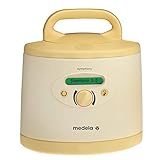
Overview: The Medela Symphony is a hospital-grade breast pump that leverages patented 2-Phase Expression Technology to optimize milk extraction. Designed for mothers prioritizing efficiency and comfort, this professional-grade system delivers proven results in milk volume while maintaining a hygienic closed system. It’s the workhorse found in hospitals worldwide, built for reliability and performance.
What Makes It Stand Out: Medela’s research-based 2-Phase Expression Technology mimics infant nursing patterns, proven to express 18% more milk during double pumping sessions. The innovative overflow protection membrane creates a true closed system, preventing milk from entering the pump mechanism and ensuring maximum hygiene while simplifying cleaning protocols. Whisper-quiet operation makes it suitable for discreet use.
Value for Money: Priced at $1,798.99, this represents a significant financial commitment similar to medical equipment. While it eliminates recurring rental fees for long-term users, the cost is steep for typical breastfeeding durations. The separate required kit further inflates the investment, making it practical only for those with extended pumping needs or medical indications requiring hospital-grade performance.
Strengths and Weaknesses:
- Proven 18% increase in milk output with double pumping
- True closed system with excellent overflow protection
- Whisper-quiet operation ensures discretion
- Premium pricing accessible to few families
- Pumping kit sold separately adds hidden expense
- Heavy and not portable for on-the-go mothers
Bottom Line: The Symphony excels in clinical performance and hygiene but targets a niche market. It’s best suited for mothers with prolonged exclusive pumping needs or medical lactation issues. Most families will find superior value in high-quality consumer-grade pumps that cost 90% less while meeting typical breastfeeding requirements.
3. NCVI Electric Breast Pump 8782, Portable Hospital-Grade Double Pump with 4 Modes & 9 Levels, Anti-Backflow, Rechargeable Quiet Breastfeeding Pump for Efficient Comfortable Use at Home, Work or Travel
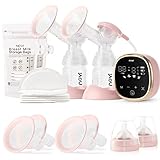
Overview: The NCVI Electric Breast Pump 8782 offers remarkable functionality at a budget-friendly price point, positioning itself as a portable hospital-grade solution for cost-conscious mothers. With versatile pumping modes and comprehensive features typically found in premium models, this rechargeable pump delivers flexibility for home, work, or travel use without breaking the bank.
What Makes It Stand Out: Four distinct modes with nine intensity levels provide unprecedented customization for a pump under $65. The 2200mAh battery enables multiple sessions between charges with versatile charging options including power banks and car adapters. The anti-backflow design incorporates both a valve and silicone diaphragm for double protection against contamination, ensuring milk safety.
Value for Money: At $62.49, this pump delivers extraordinary value, offering features rivaling $200+ competitors. The included complete system eliminates hidden costs, and dishwasher-safe components reduce ongoing expenses. While durability over extended use remains unproven compared to premium brands, the price allows for replacement multiple times before approaching high-end pump costs, making it remarkably economical.
Strengths and Weaknesses:
- Exceptional affordability with premium features
- Multiple modes and levels for personalized comfort
- Excellent portability with versatile charging options
- “Hospital-grade” claim may be marketing exaggeration
- Build quality potentially less durable than premium brands
- Suction power may not match clinical-grade pumps
Bottom Line: The NCVI 8782 is a standout choice for budget-conscious mothers seeking feature-rich performance. It excels as a secondary travel pump or primary pump for typical breastfeeding journeys. While it may not replace true hospital-grade equipment for medical needs, it offers compelling value that makes it worth considering for most nursing mothers.
4. Spectra - S1 Plus Electric Breast Milk Pump for Baby Feeding - Convenient Breast Feeding Support

Overview: The Spectra S1 Plus has earned its reputation as a reliable workhorse among breastfeeding mothers, balancing hospital-grade performance with consumer-friendly portability. This rechargeable electric pump offers the flexibility of single or double pumping while maintaining strict hygiene standards. Its mom-designed approach reflects practical insights from real breastfeeding experiences.
What Makes It Stand Out: The true closed system with Spectra’s backflow protector creates a physical barrier between milk and motor, ensuring unmatched hygiene and preventing contamination. The rechargeable battery liberates mothers from outlet dependency for up to three hours, while natural suction patterns closely mimic infant nursing rhythms, promoting comfort and efficient milk expression without aggressive pulling.
Value for Money: At $216.99, the S1 Plus occupies the sweet spot between budget and premium pumps. It eliminates the hidden costs of separate kits while delivering durability that justifies the investment over cheaper alternatives. The included features and reputable brand support make it more economical than hospital rentals beyond 3-4 months of use, offering excellent long-term value.
Strengths and Weaknesses:
- True closed system with superior hygiene protection
- Portable rechargeable design for pumping anywhere
- Natural suction patterns maximize comfort
- Slightly heavier than some modern portable pumps
- Limited to Spectra accessories for optimal performance
- Battery may degrade over time requiring replacement
Bottom Line: The Spectra S1 Plus remains a top recommendation for most breastfeeding mothers, offering the best blend of performance, hygiene, and value. It’s ideal for both establishing supply and long-term pumping, whether at home or returning to work. The investment pays dividends in reliability and comfort throughout your breastfeeding journey.
5. Momcozy Breast Pump V1 Pro Hospital-Grade, Hands-Free & Portable Wearable Pump, Upgraded Electric Pump with 3 Fine-Tuned Rhythms|15 Levels, Come with Leak-Proof DoubleFit Flange, Cozy Red.

Overview: The Momcozy V1 Pro revolutionizes pumping convenience with its wearable, hands-free design that integrates hospital-grade suction into a discreet bra-mounted collector. Weighing just 120g, this modern pump liberates mothers from traditional pumping constraints, allowing multitasking during sessions. Its sleek teardrop shape prioritizes both functionality and comfort for on-the-go lifestyles.
What Makes It Stand Out: The integrated milk collection cup with DoubleFit flange technology prevents leaks while maintaining a 102° angled tunnel for ergonomic positioning. Operating at only 48dB, it’s remarkably quiet for a wearable pump. The smart timer and 2300mAh battery supporting nine sessions per charge demonstrate thoughtful engineering for busy mothers who need reliable performance without being tethered to a wall.
Value for Money: At $169.99, this wearable pump costs less than many traditional premium pumps while offering superior convenience. The all-in-one design eliminates separate kit purchases, and the portability reduces the need for multiple pumps. For working mothers or frequent travelers, the time-saving benefits alone justify the price premium over basic models, delivering exceptional practical value.
Strengths and Weaknesses:
- True hands-free wearable design enables multitasking
- Leak-proof technology with comfortable angled flange
- Impressive battery life for extended use
- Lower capacity (230ml) may require frequent emptying
- Suction power may not match traditional hospital-grade pumps
- Requires specific flange fit for optimal performance
Bottom Line: The Momcozy V1 Pro is a game-changer for mothers prioritizing convenience and discretion. It’s perfect for returning to work, traveling, or managing household tasks while pumping. While it may serve best as a secondary pump for exclusive pumpers, it excels as a primary pump for mothers with established supplies seeking freedom from traditional pumping routines.
6. Ardo Carum True Hospital Breast Pump
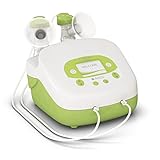
Overview: The Ardo Carum True Hospital Breast Pump represents the pinnacle of clinical-grade lactation technology, priced at $1,499.00. Designed for hospitals and dedicated lactation rooms rather than individual home use, this professional system sets a new standard for institutional breastfeeding support. It features a sophisticated Sensitivity Programme, color display with timer, and dedicated stimulation/expression controls, plus integrated bottle and freezer bag holders for seamless workflow.
What Makes It Stand Out: As pioneers of electric breast pumps in the USA, Ardo brings decades of clinical expertise to this flagship model. The completely Closed System ensures absolute hygiene by preventing any fluid from entering tubes or the pump mechanism—critical for multi-user environments. The Sensitivity Programme offers nuanced adjustments that standard pumps lack, while the built-in timer and color display provide professional-grade session management that lactation consultants demand.
Value for Money: At nearly $1,500, this pump is a significant investment justified only for institutional settings. For hospitals, lactation clinics, or workplace nursing rooms serving multiple mothers daily, the durability, hygiene standards, and professional features deliver exceptional long-term value. Individual mothers will find this overpriced and unnecessarily complex compared to premium personal-use alternatives like Spectra or Medela hospital-grade models costing 70% less.
Strengths and Weaknesses: Strengths include unmatched hygiene protocols, professional build quality, clinical-grade customization, and multi-user safety features. The comprehensive accessory integration and proven brand heritage in medical settings inspire confidence. Weaknesses are the prohibitive price for personal use, lack of portability, and complexity that may overwhelm home users. The investment only makes sense for facilities requiring certified hospital equipment.
Bottom Line: The Ardo Carum True is the definitive choice for hospitals and workplace lactation rooms prioritizing hygiene and professional functionality. For individual mothers, however, it’s financial overkill—opt for a high-quality personal hospital-grade pump instead.
7. NCVI 2-in-1 Electric Breast Pump with Wearable Cups 8132, Spa-Like Comfort with VibeRelief Massage Micro-Vibration, Hospital-Grade Suction, Pain Relief & Fully Customizable Portable Breastfeeding Pump

Overview: The NCVI 8132 delivers remarkable versatility at just $89.98, functioning as both a traditional bottle-style pump and a wearable, hands-free system. This dual-mode design caters to stay-at-home moms seeking comfort and working mothers needing discreet mobility. Hospital-grade suction combines with micro-vibration massage technology to create a spa-like experience that promotes milk flow while reducing discomfort and potential blockages.
What Makes It Stand Out: The transformative 2-in-1 design eliminates the need to purchase separate systems. Micro-vibrations actively massage breast tissue during pumping, a premium feature rarely seen at this price point. The extensive customization includes 4 pumping modes, 9 suction levels, and 5 speed settings, while the flange selection is unparalleled: 24mm flanges with 17mm, 19mm, and 21mm inserts for the bottle set, plus 28mm wearable cups with 24mm inserts, ensuring a perfect fit for virtually every mother.
Value for Money: This is arguably the best value in the personal pump market. Competing pumps with similar features cost $200-$300, yet the 8132 includes a 4400mAh battery for multiple sessions per charge, LED touchscreen, night light, and dual collection options. The inclusion of both pumping styles and six flange inserts at under $90 represents exceptional cost-effectiveness for budget-conscious families unwilling to compromise on features.
Strengths and Weaknesses: Strengths include unmatched versatility, micro-vibration comfort, extensive customization, excellent battery life, and comprehensive sizing options. The closed system ensures hygiene, while the travel-friendly design supports busy lifestyles. Weaknesses include lesser-known brand recognition compared to Spectra or Medela, potentially raising durability questions, and a steeper learning curve managing multiple configurations. Some users may find the wearable cups bulkier than dedicated all-in-one systems.
Bottom Line: The NCVI 8132 is the ultimate value champion, delivering premium features at a budget price. Perfect for mothers wanting both traditional and wearable options without breaking the bank.
8. BabyBuddha Breast Pump 2.0, Portable Primary Breast Pump, Wearable Hands-Free Electric Breastfeeding Pump with Soft Stimulation Mode, Hospital Grade, 3 Modes, 21 Suction Levels, 22–24mm Flange

Overview: Priced at $214.99, the BabyBuddha 2.0 addresses a critical gap in the wearable pump market: insufficient suction for supply building. This ultra-compact, palm-sized pump delivers true hospital-grade power in a portable package, earning IBCLC recommendations. It features three modes—including an innovative soft stimulation mode for sensitive periods—and 21 total suction combinations, making it a legitimate primary pump rather than just a backup.
What Makes It Stand Out: BabyBuddha distinguishes itself through clinical validation and supply-focused engineering. While many wearables sacrifice strength for convenience, this unit maintains powerful expression capability comparable to full-size motors. The comprehensive kit includes multiple flange sizes, massage inserts, hygienic valves, bottles with storage lids, tubing, USB-C charger, lanyard, and a travel tote—essentially everything needed for immediate, organized pumping anywhere life demands.
Value for Money: At $215, BabyBuddha 2.0 sits between budget and premium tiers, offering compelling value for mothers prioritizing portability without sacrificing performance. It costs significantly less than the Spectra S1 ($200+) while providing superior mobility and comparable suction strength. The included accessories eliminate additional purchases, and the USB-C charging adds modern convenience. For mothers needing one pump for home, work, and travel, it replaces multiple devices.
Strengths and Weaknesses: Strengths include hospital-grade suction in a tiny footprint, IBCLC endorsement, extensive customization, quiet operation, and a truly comprehensive accessory package. The soft stimulation mode and massage inserts enhance comfort. Weaknesses are the limited flange size range (22-24mm) despite marketing “multiple sizes,” which may not accommodate all anatomies. The wearable cups are sold separately, adding cost for true hands-free mobility. Some users report a learning curve with the button controls.
Bottom Line: BabyBuddha 2.0 is the ideal hybrid solution for mothers seeking hospital power with travel-ready portability. It’s a legitimate primary pump that genuinely supports supply maintenance while liberating you from outlet dependency.
9. NCVI Electric Breast Pump 8116, Customizable Suction, Speed & Mode, 4400mAh Rechargeable Hospital-Grade Portable Pump with LED Display & Night Light, Quiet & Comfortable for Efficient Breastfeeding
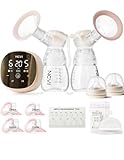
Overview: The NCVI 8116 proves that hospital-grade performance doesn’t require premium pricing at just $79.99. This portable double electric pump delivers customizable expression with 4 modes, 5 cycle speeds, and 9 suction levels, all powered by a robust 4400mAh battery. The closed system prevents backflow while maintaining quiet operation, and thoughtful additions like an LED touchscreen, night light, and auto shut-off demonstrate surprising sophistication for the price point.
What Makes It Stand Out: This model’s exceptional value proposition centers on delivering core premium features—hospital-grade suction, extensive customization, and long battery life—at a budget price. The inclusion of nursing pads and milk storage bags in the starter kit is unusual and practical, addressing immediate postpartum needs. Four flange sizes with soft, flexible edges ensure better fit and comfort than typical entry-level pumps that offer only one or two sizes.
Value for Money: At $79.99, the 8116 is nearly unbeatable. Comparable pumps from major brands start at $150-$200, yet this offers similar suction strength, battery capacity, and hygiene standards. The included accessories (pads, bags, multiple flanges) add $30-$40 in value. For mothers uncertain about long-term pumping needs or those requiring a reliable backup, the financial risk is minimal while the functional return is maximal. It democratizes hospital-grade technology for budget-conscious families.
Strengths and Weaknesses: Strengths include outstanding affordability, hospital-grade suction, excellent battery life, quiet operation, and a surprisingly complete accessory package. The LED display and night light enhance usability. Weaknesses include the lack of a wearable option, fewer suction levels than the 8132 model (9 vs 9, but less range), and basic vibration-free operation. The brand’s shorter track record may concern some buyers, and the design is functional rather than stylish.
Bottom Line: The NCVI 8116 is the definitive budget champion—perfect for mothers wanting reliable, hospital-grade pumping without financial strain. It’s an ideal primary pump for cost-conscious families or a powerful backup for occasional use.
10. NCVI Electric Breast Pump F1, VibesFlow Micro-Vibration with Hospital-Grade Suction for More Comfort & Flow, Independently Adjustable Suction & Rhythm, Breastfeeding Kit with Storage & Cooler Bags
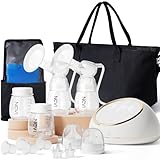
Overview: The NCVI F1, priced at $123.49, elevates comfort through innovative VibesFlow micro-vibration technology that adapts frequency to ease engorgement and prevent clogs. This mid-range pump delivers hospital-grade suction up to 320 mmHg across four modes while offering independent control for each breast—a rare feature that accommodates uneven flow or sensitivity differences. The complete kit includes cooler and pump bags, making it travel-ready.
What Makes It Stand Out: Independent suction and rhythm control for each breast sets the F1 apart from most double pumps that mirror settings. This customization is invaluable for mothers with supply discrepancies or healing from unilateral surgery. The VibesFlow micro-vibration provides targeted massage relief that actively prevents mastitis, while the four modes (Massage, Expression, Simulation, Multitronic) closely mimic natural infant nursing patterns for faster let-down.
Value for Money: At $123.49, the F1 occupies a sweet spot between basic and premium pumps. The independent breast control and micro-vibration justify the $40 premium over the 8116 model, while costing $90 less than BabyBuddha. The inclusion of a cooler bag and organized pump bag adds significant practical value for working mothers. For those prioritizing comfort and clog prevention, the features deliver clear ROI over non-vibration alternatives in the same price range.
Strengths and Weaknesses: Strengths include groundbreaking independent breast control, effective micro-vibration therapy, high suction strength, comprehensive accessory kit with cooler bag, and night-friendly LED features. The closed system maintains hygiene. Weaknesses include being less portable than true wearables, potential complexity for new users managing independent settings, and NCVI’s smaller brand presence compared to industry leaders. The vibration mechanism may slightly reduce battery life compared to non-vibration models.
Bottom Line: The NCVI F1 is the comfort-focused mother’s ideal choice, combining innovative vibration therapy with unmatched customization. Perfect for those prone to clogs or needing different settings per breast, offering premium features without premium pricing.
Understanding Hospital-Grade Breast Pumps: What Makes Them Different?
The distinction between personal-use and hospital-grade pumps goes deeper than marketing labels. True hospital-grade devices are engineered for multiple users in clinical settings, which means they meet rigorous standards for safety, hygiene, and performance that consumer models simply aren’t required to match. For exclusive pumpers, these differences translate into tangible benefits: stronger, more consistent suction, motors designed to run for thousands of hours without degradation, and closed systems that prevent milk from entering the motor assembly.
The Technical Specifications That Matter
When evaluating hospital-grade pumps, you’ll encounter metrics like mmHg (millimeters of mercury) for suction strength and cycles per minute for speed. However, the raw numbers only tell part of the story. A pump’s ability to maintain consistent suction throughout a 30-minute session matters more than its peak strength. Look for devices that offer a wide range of adjustable suction levels—typically between 30-250 mmHg—and multiple cycle patterns that mimic a baby’s natural nursing rhythm. The best pumps for exclusive pumpers provide independent control over suction and speed, allowing you to customize your experience as your milk supply establishes and evolves.
Why Exclusive Pumpers Have Unique Needs
Unlike those who pump occasionally, exclusive pumpers rely on their device to establish, maintain, and often increase milk supply. This means your pump becomes a medical device, a time-management tool, and a psychological support system all in one. You’re likely pumping 6-8 times daily, totaling 3-4 hours of active motor time. This intensity demands a pump that won’t lose suction strength over time, operates quietly enough for middle-of-the-night sessions, and can withstand the wear and tear of constant use. Your pump isn’t a backup plan—it’s your primary feeding tool.
Key Features to Evaluate Before Investing
Shopping for a hospital-grade pump requires looking beyond flashy features to understand what will actually improve your daily experience. The most expensive option isn’t always the best fit, and the most popular model might not address your specific situation.
Suction Strength and Cycles: Beyond the Numbers
While hospital-grade pumps generally offer higher suction strength than personal-use models, more power doesn’t automatically mean better output. Your body responds best to pumps that effectively mimic infant suck patterns—typically a rapid stimulation phase (around 120 cycles per minute) followed by a slower, deeper expression phase (50-60 cycles per minute). The key is finding a pump that lets you fine-tune these settings independently. Some advanced models now offer “adaptive suction” that automatically adjusts based on your milk flow, which can be particularly valuable during the first morning pump when supply is highest.
Closed System vs. Open System: The Hygiene Factor
All modern hospital-grade pumps for home use should be closed systems, meaning a physical barrier prevents milk from entering the tubing or motor. This isn’t just about cleanliness—it’s about safety and pump longevity. Milk in the motor can breed bacteria and permanently damage the internal components. For exclusive pumpers who pump frequently, a truly closed system is non-negotiable. Check whether the pump uses a diaphragm or valve-based barrier system, and research how often these components need replacement. Some designs are more prone to micro-leaks than others.
Motor Durability: Built for Marathon Sessions
A pump motor rated for 1,000 hours might sound sufficient, but do the math: 3 hours daily × 365 days = 1,095 hours in a year. Exclusive pumpers need motors rated for at least 2,000-3,000 hours of continuous use. Look for brushless motors, which generate less heat and noise while lasting significantly longer than brushed alternatives. The warranty period often hints at motor quality—pumps with 2-3 year warranties on the motor itself signal manufacturer confidence in durability.
Portability vs. Power: Finding Your Balance
The traditional hospital-grade pump is a substantial, plug-in unit designed for bedside use. However, 2026 models increasingly offer hybrid designs that maintain hospital-level performance while providing battery options. Consider your lifestyle: Will you pump exclusively at home, or do you need to pump in your car during commutes? At work? While traveling? Some exclusive pumpers maintain two setups—a primary hospital-grade unit for home and a portable backup for outings. Others opt for a single, powerful portable hospital-grade pump that can do it all, albeit with some trade-offs in suction consistency compared to larger units.
The True Cost of Exclusive Pumping
The sticker price of a hospital-grade pump rarely reflects the total investment required. Understanding the full financial picture helps you budget realistically and avoid surprises.
Initial Investment vs. Long-Term Value
Hospital-grade pumps typically range from $800 to $2,000 for the base unit. While this dwarfs the cost of consumer pumps, exclusive pumpers should calculate cost-per-use. A $1,500 pump used 2,000 times in a year costs $0.75 per session—far less than formula feeding. More importantly, a superior pump can help maintain supply, potentially saving thousands in formula costs. Consider resale value too; well-maintained hospital-grade pumps retain value better than personal-use models, though hygiene concerns mean you’ll need to replace certain parts before selling.
Insurance Coverage and Reimbursement Strategies
The Affordable Care Act requires most insurance plans to cover breast pumps, but “hospital-grade” falls into a gray area. Many insurers cover only personal-use pumps, categorizing hospital-grade as a “luxury” item. However, with proper documentation from your healthcare provider stating medical necessity—such as a premature baby, insufficient glandular tissue, or previous supply issues—you can often secure partial or full reimbursement. Start the process early; some insurers require pre-authorization. Keep detailed records of all communications, and be prepared to appeal initial denials. Some durable medical equipment (DME) suppliers specialize in navigating insurance for hospital-grade pumps and can handle much of the paperwork.
Hidden Costs: Replacement Parts and Accessories
The pump itself is just the beginning. Exclusive pumpers replace parts frequently: valves and membranes every 2-4 weeks, tubing every 2-3 months, flanges as your nipple size changes. Hospital-grade pumps often use more expensive proprietary parts, though some are compatible with aftermarket alternatives. Budget $30-50 monthly for replacement parts. Don’t forget accessories: a quality pumping bra, extra bottles, storage bags, cleaning supplies, and potentially a second set of parts for efficient washing cycles. Some pumps require specialized lubricants for motor maintenance—another recurring expense.
Creating Your Ideal Pumping Environment
Your pump’s specifications matter, but so does how it fits into your physical space and daily routines. The best pump on paper can become a source of frustration if it’s too loud, tethered to an outlet, or difficult to clean.
Noise Levels: Privacy and Peace of Mind
Decibel ratings are helpful, but the quality of sound matters as much as volume. A low-pitched hum is less disruptive than a high-pitched whine, especially during nighttime sessions. Look for pumps operating under 45 decibels—roughly the level of a quiet conversation. Some 2026 models incorporate sound-dampening technology that makes them nearly silent, a game-changer for pumping while baby sleeps in the same room or during conference calls. Test videos can give you a sense of sound quality, though acoustics vary by room.
Power Options: From Hospital to Car to International Travel
Consider where you’ll pump most often. AC-only pumps offer maximum power but chain you to wall outlets. Battery-powered options provide freedom but may sacrifice suction strength as the battery depletes. The sweet spot for many exclusive pumpers is a pump with a robust internal battery that maintains full suction until depleted, plus AC and car adapter options. For international travel, verify voltage compatibility (100-240V) and whether the manufacturer offers region-specific power cords. Some high-end pumps now feature USB-C charging, allowing you to power them with portable battery banks—a lifesaver during travel or power outages.
Setup and Cleaning: Time-Saving Strategies
With 6-8 daily pumping sessions, every minute spent assembling and cleaning adds up. Evaluate how many separate parts require washing—some hospital-grade systems have 5-6 components per side, others streamline to 3. Dishwasher-safe parts save time but may wear faster. Quick-clean options like microwave steam bags are essential for exclusive pumpers. Consider pumps with self-diagnostic features that alert you when seals are compromised or parts need replacement, preventing wasted sessions due to suction leaks.
Flange Fit and Comfort: The Make-or-Break Factor
Even the most powerful pump performs poorly with incorrect flange sizing. Exclusive pumpers, who spend hours daily attached to their pumps, cannot afford to compromise on comfort.
Understanding Flange Sizing
Your nipple size can change throughout your pumping journey, especially in the first 12 weeks postpartum. Most pumps come with standard 24mm and 28mm flanges, but nipples range from 15mm to 36mm+. Using the wrong size reduces milk output, causes pain, and can damage tissue. Measure your nipple diameter before pumping (when it’s neutral, not elongated) and add 2-3mm for proper fit. Some hospital-grade pumps now include sizing rulers or offer professional fitting services. Don’t assume you know your size—many exclusive pumpers discover they’ve been using flanges 2-4mm too large, costing them ounces per session.
Aftermarket Options and Customization
The best hospital-grade pumps accept third-party flanges, giving you access to silicone inserts, angled designs, and size options down to the millimeter. This flexibility is crucial as your body changes. Look for pumps with standard connector threads (like the widely-used “wide-mouth” design) rather than proprietary systems that lock you into expensive manufacturer parts. Some exclusive pumpers swear by silicone flange inserts that provide a softer, more comfortable seal while allowing them to use standard-sized flanges.
Advanced Features Worth Considering
While core performance matters most, certain advanced features can significantly improve quality of life for exclusive pumpers.
Smart Technology Integration
Bluetooth connectivity and companion apps have evolved from gimmicks to genuinely useful tools. Modern apps track session duration, suction settings, milk volume, and even remind you when to replace parts. Some integrate with health apps to correlate pumping data with hydration, sleep, and nutrition. For exclusive pumpers managing complex schedules, this data helps identify optimal pumping times and troubleshoot supply dips. However, ensure the pump functions fully without the app—technology should enhance, not replace, manual controls.
Memory Settings and Customization
Pumps that remember your preferred settings eliminate the daily frustration of dialing in your perfect rhythm. Look for models that store multiple profiles—useful if you share the pump or have different settings for morning versus evening sessions. Some advanced pumps allow you to create custom suction patterns, mimicking your baby’s specific suck pattern if you’ve recorded it. While not essential, these features reduce cognitive load during exhausting early weeks.
Double Pumping Efficiency
All hospital-grade pumps support double pumping, but efficiency varies. True independent cycling (where each breast can have different suction settings) benefits those with asymmetric supply or nipple differences. Check whether the pump maintains suction strength when both sides are active—cheaper models may split power between sides, reducing effectiveness. Timer functions that automatically switch from stimulation to expression mode after letdown can streamline sessions.
Safety and Hygiene Standards for 2026
As technology advances, so do safety standards. Understanding current regulations ensures your investment meets the highest benchmarks.
FDA Regulations and Certifications
In the U.S., hospital-grade pumps are regulated as Class II medical devices, requiring 510(k) clearance. This process verifies safety and efficacy but doesn’t test long-term durability. For 2026, look for pumps that also meet international standards like IEC 60601-1 for medical electrical equipment. Some manufacturers voluntarily undergo additional testing for biocompatibility and electromagnetic compatibility. Don’t hesitate to ask manufacturers for their certification numbers and test reports—reputable companies provide these transparently.
BPA-Free Materials and Beyond
All quality pumps are now BPA-free, but exclusive pumpers should look further. Materials like polypropylene (PP) and medical-grade silicone are standard, but some manufacturers use higher-grade materials that resist retaining odors and staining. For 2026, consider pumps that have eliminated phthalates and other endocrine-disrupting chemicals from all milk-contact parts. If you have a preemie or immunocompromised infant, ask about sterilization compatibility—some materials degrade with repeated autoclaving.
Making the Final Decision: Your Personal Pumping Profile
The “best” hospital-grade pump is the one that aligns with your unique circumstances. Create a personal pumping profile before shopping: Where will you pump? How often? What’s your budget? Do you have insurance coverage? Will you travel? Are you prone to clogs or have a history of low supply? Rank features by importance—power and durability might trump portability for a stay-at-home parent, while a working parent might prioritize quiet operation and battery life. Read reviews from other exclusive pumpers, not just occasional users, as their experiences reflect the demands you’ll place on the pump. Consider renting a hospital-grade pump for 2-4 weeks before buying to test compatibility with your body and lifestyle. Many hospitals and DME suppliers offer rental programs that apply rental fees toward purchase.
Frequently Asked Questions
How long should a hospital-grade pump last with exclusive pumping?
A quality hospital-grade pump should maintain consistent performance for 2,000-3,000 hours of use, which translates to roughly 1-2 years of exclusive pumping. Motors rated for 3,000+ hours may last through multiple children. However, suction strength can degrade gradually, so monitor your output and listen for changes in motor sound that might indicate wear.
Can I use a hospital-grade pump as a single user, or are they only for multiple users?
Modern hospital-grade pumps designed for home use are single-user devices with closed systems. The “hospital-grade” designation refers to performance standards and durability, not multi-user capability. Never buy a used pump unless it’s a true rental-grade model designed for multiple users with proper sanitization protocols between users.
Will a stronger pump automatically increase my milk supply?
Not necessarily. Supply responds to effective milk removal and stimulation frequency more than suction strength alone. Too much suction can damage tissue and reduce output. The best pump provides a comfortable, efficient rhythm that empties your breasts fully without pain. Consistency in pumping schedule matters more than maximum vacuum power.
How do I know if I need a hospital-grade pump versus a high-end personal pump?
Consider hospital-grade if you pump more than 4 times daily, have struggled with supply, have a preemie or baby in NICU, or have medical conditions affecting lactation. If you’re exclusively pumping from day one, the investment typically pays for itself in maintained supply and reduced frustration compared to consumer-grade models.
What’s the difference between a rental pump and a purchase pump?
Rental pumps are true multi-user devices with commercial-grade motors built for 10,000+ hours and robust sanitization protocols. Purchase pumps are single-user devices with slightly less durable motors but identical performance characteristics. Rentals make sense for short-term needs (preemie, temporary exclusive pumping), while purchase is more economical for long-term exclusive pumping.
How often should I replace parts on a hospital-grade pump when exclusively pumping?
Replace valves and membranes every 2-4 weeks, backflow protectors every 2-3 months, tubing every 3 months or immediately if moisture enters, and flanges as your nipple size changes. Keep a log of replacement dates—worn parts silently reduce suction efficiency and can cost you ounces per session.
Are battery-powered hospital-grade pumps as powerful as plug-in models?
Top-tier battery-powered pumps in 2026 maintain 90-95% of their suction strength on battery compared to AC power, but performance degrades as the battery drains. For exclusive pumping, choose a pump with a lithium-ion battery that provides consistent output until depletion and recharges fully in under 2 hours.
Can I upgrade parts on my hospital-grade pump for better performance?
Yes, and you absolutely should customize for comfort and efficiency. Aftermarket flanges, silicone inserts, and specialized collection bottles can significantly improve your experience. Just ensure any third-party parts are compatible with your pump’s connector type and don’t compromise the closed system.
How do I travel with a hospital-grade pump?
Choose a pump with a sturdy carrying case, battery operation, and international voltage compatibility. Pack spare parts, a manual pump as backup, and a travel sterilization system. For flying, carry on your pump—it’s medical equipment and doesn’t count as a carry-on item. Bring a copy of your prescription or doctor’s note explaining it’s medically necessary.
What should I do if my hospital-grade pump seems to be losing suction?
First, replace all wearable parts (valves, membranes, tubing) even if they look fine—microscopic tears cause suction loss. Check for proper assembly and flange fit. If problems persist, contact the manufacturer; many offer remote diagnostics. Keep your warranty information accessible, and don’t continue using a malfunctioning pump as it can impact supply and potentially be unsafe.