There’s something magical about the moment a toddler first discovers that their actions create reactions. That wide-eyed wonder when a wooden peg disappears with a satisfying thunk and pops up somewhere else is more than just adorable—it’s a fundamental building block of cognitive development. Cause-and-effect hammer pounding benches have been a staple in early childhood education for generations, and for good reason. These deceptively simple toys transform abstract learning concepts into tangible, repeatable experiences that stick with children far beyond their playroom years.
While they might look like basic entertainment, modern hammer pounding benches are carefully engineered learning tools that support critical developmental milestones. From strengthening tiny hand muscles to laying the groundwork for scientific thinking, these interactive toys deserve more credit than they typically receive. Whether you’re a parent seeking the perfect educational toy, a teacher stocking your classroom, or a therapist incorporating purposeful play into your practice, understanding what separates an exceptional pounding bench from a mediocre one will transform how you view this classic childhood staple.
Top 10 Cause-and-Effect Hammer Pounding Benches for Learning
Detailed Product Reviews
1. Melissa & Doug Deluxe Pounding Bench Wooden Preschool Learning Toy with Mallet

Overview: The Melissa & Doug Deluxe Pounding Bench delivers timeless wooden toy craftsmanship with an engaging peekaboo twist. Measuring 10" x 5.25" x 5", this sturdy bench features colorful pegs that duck down when struck and pop back up, revealing smiling faces. Designed for toddlers aged 2 to 4, it includes a solid wooden mallet perfectly sized for small hands. This screen-free toy encourages developmental play through repetitive hammering motions that build fine motor skills and hand-eye coordination.
What Makes It Stand Out: The peekaboo design element transforms a simple pounding activity into a delightful surprise game that maintains toddler engagement far longer than standard benches. Melissa & Doug’s reputation for durable, child-safe wooden construction shines through with smooth edges and non-toxic paint. The self-correcting mechanism means no loose pieces to chase or lose, making it parent-friendly.
Value for Money: At $10.45, this represents exceptional value for a solid wood toy from a premium brand. Comparable wooden pounding toys typically retail for $15-20, making this an affordable entry point into quality wooden toys.
Strengths and Weaknesses: Strengths include durable construction, engaging peekaboo mechanism, trusted brand safety standards, and compact storage. Weaknesses are limited educational content beyond cause-and-effect, and the fixed pegs don’t offer shape-sorting or counting features found in competitors.
Bottom Line: This is the ideal choice for parents seeking a classic, durable, no-fuss pounding toy that prioritizes quality materials and simple, engaging mechanics over bells and whistles. Perfect for traditional play value.
2. Learning Resources Barnyard Pounding Bench, Farm Animals for Kids, Fine Motor Skills, Montessori Toys, Hammer Toy , Ages 18 Months+, 3 Pieces

Overview: The Learning Resources Barnyard Pounding Bench elevates the classic hammer toy into a comprehensive early learning system. This double-sided bench features a farm theme with numbers 1-5 on one side and farm-fresh foods on the reverse. Designed for children 18 months and up, it includes a storybook that integrates counting, colors, and number skills. The pegs remain tethered to the bench, eliminating cleanup concerns while promoting fine motor development and hand strength.
What Makes It Stand Out: The dual-theme design essentially provides two toys in one, maximizing learning opportunities. The included 20-page storybook transforms playtime into guided learning sessions, a unique feature among pounding benches. The permanently attached pegs solve the universal parent complaint of scattered pieces.
Value for Money: Priced at $18.39, this sits at the premium end but justifies the cost through educational content. You’re essentially getting a pounding toy, counting tool, color recognition aid, and storybook package.
Strengths and Weaknesses: Strengths include dual-sided learning themes, integrated storybook, no-mess tethered pegs, and explicit educational outcomes. Weaknesses include plastic construction that may feel less premium than wood, higher price point, and the farm theme might not appeal to all children.
Bottom Line: An excellent investment for parents prioritizing early academic readiness. The educational integration and no-mess design make it worth the premium, particularly for children showing early interest in numbers and colors.
3. Learning Resources Seaside Pounding Bench, Seaside Game, Preschool Toddler Activities, Shape Sorter, Fine Motor Toys, Kids Hammer

Overview: The Learning Resources Seaside Pounding Bench combines fine motor development with environmental consciousness. This double-sided bench features numbers on one side and beach-themed counting graphics on the other, crafted from 70% post-consumer recycled plastic. The set includes an Activity Guide filled with sustainability facts, making it suitable for occupational therapy settings and eco-minded families. Children develop coordination while learning about environmental responsibility through play.
What Makes It Stand Out: The sustainability angle is revolutionary in this category—most pounding benches use virgin plastic or wood. The seaside theme offers refreshing variety from typical farm or generic designs. The Activity Guide’s integration of eco-education demonstrates Learning Resources’ commitment to holistic learning.
Value for Money: At $13.59, this mid-range price reflects both quality construction and environmental considerations. The recycled materials and educational content provide strong value without premium pricing.
Strengths and Weaknesses: Strengths include eco-friendly materials, dual learning modes, occupational therapy applications, and unique seaside theme. Weaknesses involve plastic construction that some parents avoid, theme specificity may limit universal appeal, and recycled plastic might have minor aesthetic imperfections.
Bottom Line: The top pick for environmentally conscious families seeking educational value. It proves that sustainable toys can be affordable and developmentally appropriate, making it a responsible choice without sacrificing play quality.
4. B. toys – Wooden Shape Sorter – Pounding Bench for Shape Sorting – 6 Pegs & Toy Hammer – Classic Toys for Toddlers, Kids – 2+ Years – Colorful Pound & Play

Overview: The B. toys Wooden Shape Sorter Pounding Bench merges two classic toddler activities into one cohesive toy. This wooden bench includes six distinct shaped pegs—circle, square, triangle, and more—that children must match to corresponding holes before pounding. Recommended for ages 2+, it builds fine motor skills, hand-eye coordination, and shape recognition simultaneously. The set includes a child-friendly hammer and easy-to-grasp geometric pieces.
What Makes It Stand Out: The hybrid design solves the common dilemma of choosing between a shape sorter and pounding bench. The shape-matching component adds a cognitive challenge absent in traditional pounding toys. B. toys’ commitment to easy-to-hold pieces ensures frustration-free play for developing hands.
Value for Money: At $12.59, this wooden hybrid toy offers excellent value, essentially providing two developmental toys for the price of one. Pure wooden shape sorters alone often cost $15+.
Strengths and Weaknesses: Strengths include dual functionality, wooden construction, shape recognition development, and easy-grasp design. Weaknesses include only six pieces (fewer than some competitors), shape sorting may be too challenging for younger toddlers, and no additional educational themes like numbers or letters.
Bottom Line: Perfect for parents wanting maximum developmental mileage from a single purchase. The shape-sorting integration makes this more cognitively engaging than standard pounding benches while maintaining the satisfying hammering action toddlers love.
5. Whacky Ball Bench Hammer & Ball Drop Learning & Educational Toys Infant Gifts - Pound a Ball Toddler Toys - Baby Toys for 6 to 12-18-24 Months

Overview: The Whacky Ball Bench Hammer & Ball Drop reinvents the pounding concept with a dynamic ball-drop track system. Designed for infants 6 to 24 months, this colorful plastic toy features balls that, when hammered, travel through a multi-level track before exiting at the bottom. The musical hammer and bright colors promote cause-and-effect learning, color recognition, and arm movement development. Specially sized components accommodate tiny hands, making it accessible for younger babies than traditional benches.
What Makes It Stand Out: The cascading ball track transforms a simple action into an exciting visual sequence, teaching cause-and-effect more dramatically than static pegs. The musical hammer adds auditory stimulation, creating a multi-sensory experience. The design accommodates babies as young as six months, expanding the typical age range.
Value for Money: At $17.99, the price reflects the complex track mechanism and musical features. While higher than basic benches, the extended age range and interactive elements justify the cost.
Strengths and Weaknesses: Strengths include engaging ball-track action, suitability for younger babies, multi-sensory stimulation, and clear cause-and-effect demonstration. Weaknesses include balls can become lost, plastic construction, limited pounding repetition compared to fixed pegs, and the track may be difficult to clean.
Bottom Line: Ideal for parents seeking an interactive, sensory-rich toy for younger infants. The ball-drop mechanism captures attention longer than traditional designs, though it’s more ball-track toy than pure pounding bench. Best for 6-18 month range.
6. QZJVKBXY Wooden Baby Workbench Pounding Hammer Toy for Toddlers,STEM Educational Preschool Learning Toys for Kids.

Overview: This wooden pounding bench from QZJVKBXY offers toddlers a classic developmental activity with modern safety standards. Designed for children exploring cause-and-effect relationships, it features a double-sided wooden workbench with colorful plastic pegs and a child-sized hammer. The toy targets fine motor skill development, hand-eye coordination, and visual perception through repetitive hammering action, making it an engaging STEM-focused learning tool for preschool-aged children.
What Makes It Stand Out: The reversible design doubles play value—once pegs are hammered through one side, simply flip the bench to start again. Its CPC certification ensures compliance with U.S. safety standards, while the polished natural wood construction with smooth edges prioritizes child safety. Notably, the manufacturer explicitly highlights suitability for autistic children, demonstrating inclusive design thinking. The bright colors promote visual development, and the toy grows with your child from basic pounding to more coordinated strikes.
Value for Money: At $21.99, this bench sits in the budget-friendly category for wooden educational toys. You’re getting a dual-purpose design with safety certifications and inclusive features typically found in pricier alternatives. While plastic pegs may not match heirloom-quality wood components, the price point makes this accessible for most families seeking developmental toys without premium costs.
Strengths and Weaknesses: Strengths include the double-sided functionality, CPC safety approval, explicit autism-friendly design, and solid wood construction. Weaknesses involve potential durability concerns with plastic pegs over time and limited brand recognition compared to established Montessori manufacturers. The generic branding may also raise consistency questions between batches.
Bottom Line: An excellent entry-level pounding toy that delivers core developmental benefits with certified safety at an affordable price. Ideal for parents wanting a functional, inclusive toy without investing in premium brands.
7. PlanToys® Pounding Bench Wooden Hammer Toy for Kids Ages 3+ | Montessori Fine Motor & Hand-Eye Coordination Activity for Focus & Strength | Eco-Friendly Educational Toy
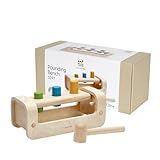
Overview: PlanToys brings its renowned sustainable craftsmanship to the classic pounding bench, creating a premium Montessori-inspired tool for toddler development. This eco-conscious toy uses sustainably harvested rubberwood with non-toxic water-based dyes to provide children ages three and up with a safe, durable hammering experience. The simple yet purposeful design focuses on building concentration, persistence, and physical coordination through repetitive, rewarding play.
What Makes It Stand Out: The brand’s commitment to environmental responsibility sets it apart—using rubberwood from spent latex trees and replanting for each one harvested. The non-toxic, water-based finish exceeds safety standards while maintaining natural wood beauty. PlanToys’ reputation for quality ensures smooth operation where pegs move freely without sticking, and the bench’s sturdy construction withstands vigorous use. Its minimalist aesthetic aligns with Montessori principles, encouraging focused, independent play.
Value for Money: At $59.99, this represents a significant investment in a toddler toy. However, the price reflects sustainable sourcing, exceptional durability, and brand trustworthiness. Unlike cheaper alternatives with plastic components, this all-wood construction can serve multiple children over years, potentially outlasting lower-priced options that might need replacement. For eco-conscious families prioritizing non-toxic materials and longevity, the cost is justified.
Strengths and Weaknesses: Strengths include premium sustainable materials, superior craftsmanship, brand reliability, and heirloom-quality durability. The non-toxic finish and smooth operation enhance safety and user experience. Weaknesses center on the high price point, which may exceed casual buyers’ budgets, and the single-sided design that offers less novelty than double-sided alternatives.
Bottom Line: A worthwhile splurge for environmentally aware parents seeking the safest, most durable pounding toy available. The quality and sustainability justify the premium price for families who can invest.
8. QZJVKBXY Wooden Baby Workbench Pounding Hammer Toy for Toddlers,STEM Educational Preschool Learning Toys for Kids, Great DIY Gift for Boys and Girls
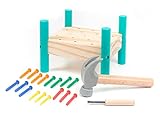
Overview: This QZJVKBXY pounding bench appears nearly identical to Product 6, offering the same double-sided wooden workbench design with colorful plastic pegs and child-sized hammer. Marketed as a STEM educational toy, it targets toddlers’ natural desire to explore cause-and-effect through hammering action. The toy promises developmental benefits including fine motor skills, hand-eye coordination, and visual development, making it suitable for preschool learning environments.
What Makes It Stand Out: The primary distinguishing factor is its aggressive pricing at $19.80, making it the most budget-conscious option in this category. It maintains the same CPC certification, natural wood construction, and inclusive design highlighting suitability for autistic children. The double-sided functionality provides extended play value, while bright colors engage visual development. The “DIY Gift” positioning suggests it arrives unassembled, potentially adding a building experience for parents and children.
Value for Money: This represents exceptional value—offering certified safety, dual-sided design, and developmental benefits for under $20. The $2 savings versus Product 6 may seem modest but positions this as the category’s price leader. However, the identical branding to Product 6 raises questions about potential listing variations or quality inconsistencies. For bargain-seeking parents, the risk-reward ratio is favorable given the low investment.
Strengths and Weaknesses: Strengths include unbeatable price, CPC safety approval, double-sided design, and inclusive features. The wood construction with polished edges ensures basic safety. Weaknesses mirror Product 6: potential plastic peg durability issues, confusing brand duplication, and unknown long-term quality consistency. The unconfirmed DIY assembly aspect could be either engaging or frustrating.
Bottom Line: If you’re drawn to Product 6’s features but prioritize budget, this version delivers identical benefits for less. The minimal price difference makes it a smart choice for cost-conscious families willing to accept potential brand ambiguity.
9. ROLENUNE Wooden Ball Drop Toy Kids Pounding Bench Hammer Pound Roll Ramp Toys Children Educational Montessori Gift for 3 4 5 Years Old Babies and Toddlers

Overview: ROLENUNE combines two classic toddler activities into one versatile wooden toy, functioning as both a traditional pounding bench and an engaging ball drop ramp. This multifunctional design allows children to hammer balls through holes and watch them roll down a ramp, teaching cause-and-effect through multiple sensory experiences. Crafted for ages 3-5, it targets hand-eye coordination, grip strength, and problem-solving skills in a single compact unit.
What Makes It Stand Out: The dual-mode functionality distinguishes it from standard pounding benches. Children can pound wooden balls directly or use the hammer to tap them through holes, then follow the rolling action down the ramp. This variety maintains engagement longer than single-action toys. The Montessori-inspired design emphasizes self-directed learning, while the high-quality wooden construction ensures durability. The multifunctionality makes it particularly valuable for smaller play spaces where one toy must serve multiple purposes.
Value for Money: At $21.99, this toy offers two activities for the price of one, representing strong value. The ball drop feature typically requires a separate purchase, so integration adds significant play value. While the wooden balls might be prone to wandering off, the toy’s versatility justifies the mid-range pricing. It competes directly with basic pounding benches while delivering additional functionality.
Strengths and Weaknesses: Strengths include innovative dual design, Montessori educational principles, quality wooden construction, and enhanced engagement through varied play modes. The toy grows with children who can progress from simple pounding to understanding trajectory and sequencing. Weaknesses involve potential loss of small balls, less focused skill development compared to dedicated single-purpose toys, and possible complexity for younger toddlers who might prefer simpler pounding action.
Bottom Line: An excellent choice for parents seeking maximum play value from a single toy. The ball drop ramp adds an extra dimension that extends interest and learning opportunities beyond standard pounding benches.
10. Mentari Toys - Woodland Hammer- 6pc Montessori Toy - Wooden Pounding Bench with Birdie Hammer - Boost Fine Motor Skills and Hand-Eye Coordination in Toddlers - Early Development Toy - Age 18m+
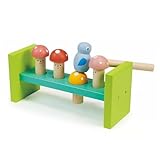
Overview: Mentari Toys’ Woodland Hammer brings whimsical charm to the classic pounding bench with its unique birdie hammer and toadstool pegs design. Suitable for toddlers as young as 18 months, this British-designed, Indonesian-crafted toy emphasizes eco-friendly production using rubber tree wood from the latex industry. The six-piece set includes a sturdy bench, four toadstool pegs, and the signature birdie hammer, creating an enchanting woodland scene that encourages early developmental skills.
What Makes It Stand Out: The adorable woodland aesthetic immediately captures attention, differentiating it from generic pounding benches. Each component reflects thoughtful design—the birdie hammer is ergonomically shaped for tiny hands, while toadstool pegs add storytelling potential. Environmental commitment shines through use of rubber tree by-products and replanting initiatives. Rigorous safety certifications (EN71, ASTM, AS/NZS ISO) exceed typical requirements, providing exceptional peace of mind for parents of younger toddlers.
Value for Money: At $26.99, this sits in the mid-range price bracket, offering fair value for a certified eco-friendly toy with unique design. While more expensive than basic options, the premium reflects safety certifications, sustainable materials, and distinctive aesthetics. The 18-month age rating extends usability earlier than many competitors, potentially offering longer service life. However, with only four pegs, it provides less pounding action than eight-peg alternatives.
Strengths and Weaknesses: Strengths include outstanding safety certifications, eco-friendly production, charming design, suitability for younger toddlers, and quality craftsmanship. The brand’s replanting commitment and use of wood by-products demonstrate genuine sustainability. Weaknesses involve fewer pegs limiting play variety, smaller overall size, and premium pricing over generic brands. The specific theme may not appeal to all families.
Bottom Line: Perfect for eco-conscious parents seeking a safe, developmentally appropriate pounding toy for younger toddlers. The woodland charm and rigorous certifications justify the modest premium over basic options.
What Makes Hammer Pounding Benches Essential for Early Development?
Hammer pounding benches operate on a beautifully simple principle: action produces predictable results. When a child swings the mallet and connects with a peg, they immediately see and hear the outcome. This immediate feedback loop is crucial for neural pathway formation in young brains. Unlike electronic toys that flash and buzz with pre-programmed responses, pounding benches give children genuine control over their environment.
The physical nature of the activity engages multiple senses simultaneously. The weight of the wooden mallet in their palm, the sound of impact, the visual tracking of the peg’s movement—all these sensory inputs work together to create a rich learning experience. Research consistently shows that multi-sensory learning experiences create stronger memory retention and deeper understanding.
The Psychology Behind Cause-and-Effect Learning
Jean Piaget’s theory of cognitive development places cause-and-effect understanding squarely in the sensorimotor stage (birth to 2 years). During this period, infants and toddlers learn that they can cause things to happen. A pounding bench serves as a perfect external representation of this internal cognitive breakthrough. The child becomes the agent of change, and the toy becomes a reliable demonstration of their power to affect the world.
This mastery over their environment builds self-confidence and encourages further exploration. Each successful strike reinforces the child’s sense of agency, which psychologists identify as a critical component of healthy emotional development. The repetitive nature of the activity also provides comfort and predictability, helping children regulate their emotions while practicing a skill.
Cognitive Milestones Supported by Pounding Toys
Beyond basic cause-and-effect recognition, these toys support several specific cognitive milestones. Object permanence—the understanding that things continue to exist even when hidden—gets reinforced every time a peg disappears and reappears. This concept might seem simple to adults, but for a developing brain, it’s revolutionary.
Spatial reasoning develops as children learn to aim the hammer accurately and predict where the peg will emerge. They begin understanding directionality, force, and trajectory. These foundational physics concepts will later support STEM learning. The toy also introduces early pattern recognition as children notice that pegs always pop up in the same order or location, depending on the bench’s design.
Key Features to Look for in Quality Pounding Benches
Not all pounding benches are created equal. The market offers everything from flimsy plastic versions to heirloom-quality wooden pieces that last generations. Understanding the key features that impact both safety and educational value will help you make an informed decision that serves the child for years.
Material Matters: Wood vs. Plastic Construction
Solid wood construction typically offers superior durability and sensory feedback. The natural weight of wooden pegs creates more satisfying movement and sound compared to lightweight plastic alternatives. Maple, beech, and birch are common choices for high-quality benches because they’re dense enough to withstand repeated impacts without splintering.
Plastic benches have their place, particularly for outdoor use or budget-conscious buyers. Look for BPA-free, phthalate-free materials with substantial thickness. Avoid hollow plastic construction that feels flimsy or produces a high-pitched, tinny sound. The material should feel substantial in your hands, not like it might crack after a week of enthusiastic play.
Safety First: Non-Toxic Finishes and Rounded Edges
Every component that a child might touch or mouth should feature non-toxic, water-based finishes. Quality manufacturers voluntarily comply with ASTM F963 toy safety standards and often carry certifications from organizations like the Forest Stewardship Council (FSC) for sustainably sourced wood. Don’t hesitate to ask about safety certifications—reputable brands provide this information transparently.
Examine every edge and corner with a critical eye. The hammer handle, bench corners, and peg tops should all feature gentle rounding with no sharp points. Even the mallet head should have slightly rounded impact surfaces to prevent injury if a child misses the peg. Some premium designs incorporate rubberized caps on pegs to soften both the impact sound and any accidental finger contact.
Design Elements That Enhance Learning
The peg arrangement significantly impacts the learning experience. Linear arrangements help younger children track movement more easily, while circular or random patterns challenge older toddlers to develop more sophisticated spatial mapping. Some innovative designs feature numbered or colored pegs that correspond to matching holes, adding a layer of sorting and matching skills to the activity.
Consider benches with varying peg heights or diameters. These subtle variations introduce concepts of size differentiation and require children to adjust their striking force accordingly. The best designs balance challenge with achievability—difficult enough to require focus but not so hard that frustration overwhelms the learning process.
Age-Appropriate Considerations for Maximum Benefit
A pounding bench that delights an 18-month-old might bore a 3-year-old, while a bench perfect for preschoolers could frustrate a younger toddler. Matching the toy’s complexity to the child’s developmental stage ensures sustained engagement and appropriate skill building.
Toddler-Friendly Features (12-24 months)
For children just mastering the pincer grasp, look for chunky mallets with handles at least 1.25 inches in diameter. This size fills their palm comfortably and requires less precise finger control. Pegs should be large enough to hit easily—think golf ball-sized heads rather than marble-sized ones.
The bench itself should sit low to the ground, allowing toddlers to kneel or sit while playing. This position provides better stability and control than standing. Some designs incorporate suction cups or non-slip bases that prevent the bench from sliding across smooth floors during use, which can be discouraging for children still developing their coordination.
Preschooler Advancements (2-4 years)
Older children benefit from increased complexity. Pegs that require more precise aim or different striking techniques keep them engaged. Some advanced benches feature reversible pegs with different colors or patterns on each side, encouraging children to flip them and create patterns.
At this age, children can handle slightly heavier mallets, which build arm strength and provide more satisfying auditory feedback. Benches that incorporate additional elements like shape sorters or gear mechanisms on the sides transform the simple pounding toy into a multi-activity learning center, extending its relevance as the child’s skills grow.
Educational Benefits Beyond Cause-and-Effect
While cause-and-effect remains the primary learning objective, quality pounding benches support a surprising range of developmental domains. Understanding these secondary benefits helps you maximize the toy’s educational impact and articulate its value to parents or administrators.
Fine Motor Skill Development
Gripping the mallet requires palmar arch development and finger strength. The repetitive striking motion builds endurance in the small muscles of the hand and wrist. As children progress from whole-hand grasping to more refined finger positioning, the activity naturally adapts to their growing dexterity.
The act of retrieving fallen pegs and resetting them in their holes provides additional fine motor practice. This two-handed coordination—holding the bench steady while placing pegs—develops bilateral integration, a skill essential for later tasks like writing, typing, and playing musical instruments.
Hand-Eye Coordination Enhancement
Aiming the mallet at a moving or stationary target requires visual tracking and motor planning. The brain must calculate distance, trajectory, and timing simultaneously. Each successful strike reinforces these neural connections. Even misses provide valuable feedback, teaching children to adjust their movements based on visual input.
Some designs feature slightly wobbly pegs that rock when struck, adding an extra layer of challenge. This dynamic target practice accelerates the development of predictive hand-eye coordination, a skill that transfers directly to sports, handwriting, and countless daily activities.
Problem-Solving and Spatial Reasoning
When a peg doesn’t pop up as expected, children engage in troubleshooting. Is it stuck? Did they not hit hard enough? Is the bench on an uneven surface? This simple problem-solving builds persistence and analytical thinking. They learn to vary their approach based on observed results—a fundamental scientific method principle.
Spatial reasoning develops as children begin predicting which peg will emerge where. In circular designs, they learn rotational concepts. In linear designs, they understand sequence and order. These spatial relationships form the foundation for later mathematics and engineering thinking.
Durability and Longevity Factors
A well-chosen pounding bench should withstand years of enthusiastic play, potentially serving multiple children. Evaluating construction quality prevents disappointment and ensures the toy remains safe and functional throughout its lifespan.
Construction Quality Indicators
Examine how pegs attach to the bench. The best designs use concealed internal springs or magnetic mechanisms that won’t detach or wear out quickly. Avoid designs where pegs simply rest in holes without any retention system—they’ll scatter and get lost immediately.
The mallet-to-handle connection deserves scrutiny. Look for solid, one-piece construction or reinforced joints with metal dowels. Handles that screw into the mallet head often loosen over time and can become choking hazards. The hammer should feel balanced, with weight distributed evenly for comfortable, controlled swings.
Weather Resistance for Outdoor Use
If you plan to use the bench outdoors, consider how materials respond to moisture and temperature fluctuations. Untreated wood will warp and crack, while certain finishes may become sticky or peel in high humidity. Marine-grade varnish or natural oil finishes designed for outdoor furniture provide better protection.
Plastic benches for outdoor use should be UV-stabilized to prevent brittleness and color fading from sun exposure. Some manufacturers specifically design outdoor versions with drainage holes to prevent water accumulation inside peg chambers, which could lead to mold growth.
Sensory Features That Amplify Learning
The most effective educational toys engage multiple senses simultaneously. Modern pounding benches incorporate thoughtful sensory elements that transform simple cause-and-effect into a rich, multi-modal experience.
Auditory Feedback Mechanisms
The sound of impact provides crucial feedback about force and success. Quality wooden benches produce a resonant, satisfying thunk rather than a harsh clack. Some designs tune the internal chambers to create different pitches for each peg, introducing early musical concepts. Others incorporate gentle chimes or bells that ring softly when pegs reach their full extension.
Consider the noise level in your environment. In shared spaces or apartments, look for designs with sound-dampening features like felt-lined chambers or rubber-capped pegs. These reduce volume without eliminating the important auditory feedback entirely.
Tactile Elements and Textural Variety
The mallet handle’s texture affects grip and sensory input. Smooth, sanded wood provides one type of tactile experience, while handles wrapped in natural rope or featuring carved patterns offer additional sensory stimulation. Some innovative designs include interchangeable mallet heads—smooth wood, textured rubber, or soft foam—allowing children to explore how different materials affect the experience.
Peg surfaces can also vary. Ribbed, smooth, or patterned peg tops provide tactile discrimination practice. This variety keeps children engaged longer and supports sensory integration, particularly beneficial for children with sensory processing differences.
Size, Portability, and Storage Considerations
Practical matters like storage and transport often get overlooked until you trip over a toy for the third time. Thoughtful design considers the realities of modern living spaces and mobile lifestyles.
Compact benches measuring 8-10 inches in length fit easily on shelves or in toy bins. Some designs feature built-in storage for the mallet and pegs, preventing lost pieces and encouraging responsibility. Look for benches with handles cut into the sides, allowing children to carry their toy independently.
For therapists or teachers who travel between locations, lightweight yet sturdy options weighing under 3 pounds make transport feasible. Consider whether the bench disassembles for storage—some designs allow pegs to store inside the bench itself, creating a self-contained unit that’s easy to grab and go.
Integrating Pounding Benches into Learning Environments
These toys shine brightest when incorporated intentionally into broader learning contexts. Understanding how they fit into different educational philosophies helps you maximize their impact.
Montessori and Waldorf Approaches
Montessori educators value pounding benches for their isolation of difficulty and self-correcting nature. The child immediately knows if they’ve succeeded without adult intervention. Choose simple, natural wood designs without flashy colors or characters. The focus should remain on the mechanics and the child’s internal experience.
Waldorf philosophy emphasizes open-ended, imaginative play. While pounding benches are more structured than typical Waldorf toys, they can be incorporated by selecting designs with organic shapes and natural finishes. Some Waldorf-inspired benches feature pegs shaped like tree branches or mallets with natural bark handles, connecting the activity to nature.
Traditional Classroom Settings
In preschool classrooms, pounding benches work wonderfully as station activities during free play or as therapeutic tools in sensory corners. Select durable designs that can withstand multiple children using them daily. Consider benches with six to eight pegs rather than just four, allowing two children to play simultaneously and practice turn-taking.
For special education settings, look for benches with adjustable resistance. Some premium designs allow you to tighten or loosen internal mechanisms, making pegs easier or harder to pound. This adaptability ensures the toy remains accessible and challenging for children with varying physical abilities.
Common Mistakes to Avoid When Selecting a Pounding Bench
Even well-intentioned buyers often fall into traps that lead to disappointment. Recognizing these common pitfalls saves money and frustration.
First, avoid benches where pegs require excessive force to move. While you want some resistance, pegs that are too difficult to pound cause frustration and may discourage play entirely. Test the mechanism if possible—it should move with moderate effort from an adult hand.
Second, don’t prioritize bright colors over construction quality. While vibrant hues attract initial attention, a poorly made bench will quickly lose its appeal when pegs jam or the mallet breaks. Natural wood with subtle staining often proves more durable and aesthetically pleasing long-term.
Third, beware of benches with small detachable parts beyond the pegs and mallet. Decorative elements like stickers, removable caps, or attachable accessories become choking hazards and inevitably get lost. Simplicity in design often indicates a focus on core functionality and safety.
Maintenance and Care Tips for Longevity
Proper maintenance extends a pounding bench’s lifespan and ensures it remains safe and hygienic for years. Different materials require different care approaches.
For wooden benches, avoid submerging them in water. Wipe clean with a damp cloth and mild soap, then dry immediately. Periodically check for splintering or cracking, especially around peg holes where stress concentrates. A light sanding with fine-grit paper followed by reapplication of food-grade mineral oil can restore a weathered finish.
Plastic benches can handle more vigorous cleaning—many are dishwasher safe on the top rack. However, check manufacturer recommendations first, as high heat can warp certain plastics. For thorough sanitization in classroom settings, a solution of water and white vinegar (1:1 ratio) effectively cleans without harsh chemicals that might degrade the material.
Store pounding benches in a dry environment. Even indoor humidity can affect wooden toys over time. If the bench gets wet, allow it to air dry completely before storage to prevent mold growth inside peg chambers.
Budget Considerations and Value Assessment
Price ranges for quality pounding benches span from budget-friendly plastic options around $15 to premium wooden heirloom pieces exceeding $80. Determining value requires looking beyond the price tag to consider cost-per-use and developmental return on investment.
A $25 wooden bench that lasts through three children and countless play sessions costs less than a dime per use. Contrast this with a $10 plastic bench that cracks after two months. Consider also the resale value—high-quality wooden toys often retain 40-60% of their original value in the secondhand market.
When evaluating budget options, prioritize safety and functionality over extra features. A simple, well-made four-peg wooden bench provides the core learning experience. Fancy additions like electronic sounds or complex mechanisms often distract from the fundamental cause-and-effect lesson and add potential failure points.
Frequently Asked Questions
1. At what age should I introduce a hammer pounding bench to my child?
Most children show readiness around 12 months, when they can sit independently and demonstrate basic hand-eye coordination. However, every child develops differently. Signs of readiness include an interest in banging objects together, the ability to grasp a chunky object, and sustained attention for 2-3 minutes. Always supervise closely during initial introduction.
2. How do I know if a pounding bench is safe for my teething toddler?
Look for toys certified to ASTM F963 standards, which include rigorous testing for choking hazards and toxic substances. Ensure all finishes are water-based and non-toxic. Check that pegs are too large to fit through a toilet paper tube (a simple choking hazard test). The mallet should also be one solid piece or have a securely attached head that cannot be pulled off.
3. My child gets frustrated easily. What features should I look for?
Choose a bench with low resistance pegs that move easily and a lightweight mallet. Linear arrangements are less overwhelming than circular designs. Start with just 2-3 pegs rather than a full set, gradually adding more as confidence builds. Some benches include “helper springs” that can be removed as strength improves.
4. Can hammer pounding benches help with speech development?
While not a direct speech therapy tool, the turn-taking nature of playing with an adult or peer encourages communication. The repetitive action pairs well with simple songs or sound effects (“boom boom boom!”), promoting verbal imitation. The cause-and-effect concept also supports understanding of action words and sequencing, foundational for sentence formation.
5. Are these toys appropriate for children with developmental delays?
Absolutely, with proper selection. Occupational therapists frequently use pounding benches to build strength, coordination, and cognitive skills. Look for adjustable resistance models or those with oversized components. The predictable, repetitive nature can be calming for children with autism, while the immediate feedback benefits those with processing delays.
6. How can I extend the learning beyond just pounding?
Incorporate color or number recognition by calling out which peg to hit. Use the bench for pattern creation—hit soft, hard, soft, hard. Turn it into a counting game. Some parents use the pegs as stamps with playdough or paint. The mallet can become a “drumstick” for rhythm activities. Creative integration keeps the toy fresh and challenging.
7. What’s the difference between a pounding bench and a ball hammer toy?
Ball hammer toys (where balls roll through ramps after being struck) add an extra cause-and-effect layer but require more advanced coordination. Pounding benches offer more immediate, predictable feedback, making them better for younger toddlers. Ball hammer toys suit children 18 months and older who can track moving objects and anticipate delayed outcomes.
8. How loud are these toys? Will they disturb neighbors?
Volume varies significantly by design. Wooden benches on hard floors transmit more sound. Look for models with rubberized base pads or felt-lined chambers. Plastic versions tend to be quieter. You can also place a foam play mat underneath or use it on carpet. Some parents reserve pounding bench play for specific “noisy time” hours.
9. Can these toys be used outdoors?
Yes, but choose appropriately. Select benches specifically designed for outdoor use with weather-resistant finishes. Bring wooden benches inside after use to prevent moisture damage. Plastic versions handle outdoor conditions better but may fade in direct sunlight. Always check for standing water in peg chambers after rain to prevent mold.
10. How long should my child play with a pounding bench in one session?
Quality matters more than quantity. Five to ten minutes of focused play offers tremendous developmental benefit. Watch for signs of fatigue or frustration—drooping mallet, decreased accuracy, or wandering attention. It’s better to have short, successful sessions that end positively than long ones that result in tears. Many children naturally return to the toy throughout the day for brief, self-directed play periods.