Protecting your little one’s hearing isn’t just about avoiding loud noises—it’s about safeguarding their developmental foundation. Those tiny ears are remarkably sensitive, and exposure to sudden or sustained loud sounds can have lasting consequences that extend far beyond temporary discomfort. From fireworks displays that light up summer nights to family weddings with booming music, everyday celebrations can pose real risks to infant hearing health.
The good news? Effective protection doesn’t require a premium price tag. Parents today can find thoughtfully engineered baby earmuffs that meet rigorous safety standards without stretching the budget beyond $30. The key lies in knowing which features actually matter for your child’s specific age and which certifications separate genuine protection from mere costume accessories. Let’s explore how to make an informed choice that keeps your baby comfortable, safe, and ready to explore the world without auditory overload.
Top 10 Baby Earmuffs for Noise-Induced Hearing Protection
Detailed Product Reviews
1. Alpine Muffy Baby Ear Protection for Babies and Toddlers up to 36 Months - CE & ANSI Certified - Noise Reduction Earmuffs - Comfortable Baby Headphones Against Hearing Damage & Improves Sleep - Black

Overview:
The Alpine Muffy Baby in black offers certified hearing protection for infants up to 36 months. This Dutch-designed solution addresses critical safety concerns for developing ears, providing 23 dB SNR noise reduction without compromising comfort. The innovative soft headband design eliminates pressure on the fontanelle, making it uniquely suitable for babies under 18 months when skull development is most vulnerable.
What Makes It Stand Out:
The award-winning design prioritizes infant safety with hypoallergenic, BPA-free materials and multi-layered foam padding. Its dual certification by both CE and ANSI standards provides verified peace of mind that budget alternatives cannot match. The anti-slip, adjustable headband ensures a secure fit as your baby grows, while the absence of hard parts eliminates injury risks.
Value for Money:
At $29.99, this sits in the mid-range category. The price is justified by rigorous testing, premium materials, and specialized design that cheaper alternatives lack. You’re investing in proven hearing protection from a brand with 25 years of research experience, making it cost-effective for families who attend events frequently.
Strengths and Weaknesses:
Pros include certified safety ratings, fontanelle-safe design, comfortable fit, and durable construction. The included carrying pouch adds convenience for travel. Cons are the limited 36-month age range and higher cost compared to budget options. Some babies may initially resist wearing any headband-style device and require gradual acclimation.
Bottom Line:
For parents prioritizing certified safety and comfort for frequent use at events, travel, or home, the Alpine Muffy Baby is a worthwhile investment that delivers on its promises. The black colorway offers a classic, gender-neutral option.
2. Baby Headphones for Noise, 2-in-1 Baby Ear Muffs Noise Protection for Ages 0-48 Months with Adjustable Headband Infant, Baby Hearing Protection Earmuffs for Outdoor, Sleep, Airplane & Music Festivals

Overview:
The HOIGRBOM Baby Headphones provide an affordable 2-in-1 noise protection solution for infants 0-48 months. With 24 dB noise reduction, these budget-friendly earmuffs offer versatility through both headband and traditional headphone-style designs, adapting to your child’s preferences and activities from sleeping to active play.
What Makes It Stand Out:
The dual-design functionality at this price point is exceptional. The waterproof, easy-to-clean construction using ABS shells and PVC cushions addresses practical parenting concerns. The extended 48-month age range provides longer utility than most competitors, while the inclusion of two headbands ensures you have backups for washing or growth spurts.
Value for Money:
At just $10.99, this represents outstanding value—nearly one-third the cost of premium brands. The package includes two headbands and a storage bag, making it ideal for parents seeking occasional-use protection without significant investment. For families on a tight budget, it’s difficult to find better affordability.
Strengths and Weaknesses:
Pros include unbeatable price, versatile wearing options, waterproof materials, and extended age range. The traditional design may apply some pressure on younger infants’ fontanelles, which is a concern for babies under 18 months. Cons include less established brand reputation and unclear certification details compared to European standards.
Bottom Line:
Perfect for budget-conscious families or occasional use at events, these headphones deliver functional protection. For frequent use or maximum peace of mind, consider certified alternatives. For the price, they’re hard to beat as a backup or introductory pair.
3. Alpine Muffy Baby Ear Protection for Babies and Toddlers up to 36 Months - CE & ANSI Certified - Noise Reduction Earmuffs - Comfortable Baby Headphones Against Hearing Damage & Improves Sleep - Green

Overview:
The Alpine Muffy Baby in green delivers the same certified protection as its black counterpart, offering 23 dB SNR noise reduction for infants up to 36 months. This Dutch-engineered solution combines safety certification with thoughtful design, ensuring your baby’s hearing remains protected during critical developmental stages without compromising on comfort or style.
What Makes It Stand Out:
The fontanelle-safe soft headband design prevents pressure on your baby’s soft spot—a crucial feature for infants under 18 months. The hypoallergenic, BPA-free materials and multi-layered foam construction meet both CE and ANSI standards, providing verified protection backed by 25 years of research. The anti-slip headband ensures stability during movement.
Value for Money:
Priced at $29.99, this represents a solid mid-range investment. While more expensive than budget options, the certified performance and specialized infant design justify the cost for parents seeking reliable, frequent-use protection. The carrying pouch adds value for families on the go.
Strengths and Weaknesses:
Pros include dual certification, safe headband design, comfortable anti-slip fit, and durable construction. The green color offers a vibrant, gender-neutral alternative. Cons include the 36-month age limitation and higher price point. The headband style may require acclimation for some babies who aren’t used to wearing anything on their heads.
Bottom Line:
The green colorway offers a vibrant alternative while maintaining Alpine’s reputation for safety and quality. For parents wanting certified, comfortable protection for regular use, this remains a top-tier choice worth the investment. The color is perfect for parents seeking something less traditional than black.
4. Baby BanZ Earmuffs Infant Hearing Protection – Ages 0-2+ Years – The Best Earmuffs for Babies & Toddlers – Industry Leading Noise Reduction Rating – Soft & Comfortable – Baby Ear Protection

Overview:
Baby BanZ Earmuffs provide robust hearing protection with an impressive NRR 26.8 dB rating, the highest among these options. Designed for ages 0-2+ years, these traditional earmuffs suit various high-noise environments from sporting events to home renovations, offering versatile protection for active families who need reliable noise blocking in diverse situations.
What Makes It Stand Out:
The industry-leading noise reduction rating provides superior attenuation in extremely loud settings like air shows or concerts. The robust construction handles diverse applications, making them suitable for both event use and household noise management where loud tools like lawn mowers or drills are common.
Value for Money:
At $28.99, the price is competitive with premium brands. However, the restrictive warranty policy—only valid when purchased from specific Amazon sellers—complicates the value proposition and requires careful purchasing verification to ensure coverage, which may deter some buyers.
Strengths and Weaknesses:
Pros include exceptional noise reduction, durable build quality, and versatility across numerous loud environments. The established brand reputation is reassuring for many parents. Cons include potential pressure on the fontanelle due to the traditional over-head design, limited age range, and the problematic warranty situation that may leave some buyers unprotected if purchased incorrectly.
Bottom Line:
Ideal for high-noise environments where maximum attenuation is critical, provided you purchase from an authorized seller. For younger infants or frequent use, consider headband-style alternatives that eliminate pressure concerns. Verify seller status before buying to ensure warranty coverage.
5. Alpine Muffy Baby Ear Protection for Babies and Toddlers up to 36 Months - CE & ANSI Certified - Noise Reduction Earmuffs - Comfortable Baby Headphones Against Hearing Damage & Improves Sleep - Pink

Overview:
The Alpine Muffy Baby in pink offers identical certified protection to its black and green siblings, delivering 23 dB SNR noise reduction for infants up to 36 months. This Dutch-designed solution prioritizes your baby’s hearing safety during crucial developmental periods while ensuring complete comfort through its innovative soft headband construction.
What Makes It Stand Out:
The specialized soft headband design uniquely protects the fontanelle by eliminating pressure points, making it exceptionally safe for babies under 18 months. The combination of CE and ANSI certification, hypoallergenic materials, and 25 years of Dutch research creates a trustworthy protection solution that stands apart from uncertified competitors.
Value for Money:
At $29.99, this sits in the mid-range tier. The investment is justified by verified safety standards, premium build quality, and thoughtful infant-specific engineering that cheaper alternatives cannot match. For parents who prioritize peace of mind, the cost is reasonable.
Strengths and Weaknesses:
Pros include dual certification, fontanelle-safe design, comfortable anti-slip headband, and durable multi-layer foam construction. The carrying pouch adds travel convenience. Cons include the 36-month age cap and premium pricing. Some infants may initially resist the headband fit and need gradual introduction.
Bottom Line:
The pink colorway provides a stylish option without compromising Alpine’s safety standards. For parents seeking certified, comfortable hearing protection for regular use at events or during travel, this remains a premium choice that delivers reliable performance and peace of mind in an attractive package.
6. Alpine Muffy Baby Comfort - Protects Hearing for Babies and Toddlers - CE & ANSI Certified - Unique Headband for Safe fit & Comfort - Multi-adjustable for Ages 3-48 Months, 24dB Sound Reduction, Green

Overview: The Alpine Muffy Baby Comfort earmuffs represent a premium approach to infant hearing protection, engineered for babies from 3 months to 4 years. With 24dB noise reduction and dual CE/ANSI certification, these Dutch-designed earmuffs prioritize both safety and comfort through an innovative pressure-free headband system that avoids the delicate fontanelle area.
What Makes It Stand Out: The contoured headband design is genuinely unique, distributing pressure away from the soft spot on infants’ heads—a critical detail many competitors miss. Pre-attached ear cups eliminate setup frustration for sleep-deprived parents, while the multi-adjustable Velcro system grows seamlessly with your child across a remarkable 45-month span. The thinner, flatter cup profile sits more naturally against tiny heads than bulkier alternatives.
Value for Money: At $34.95, this sits in the mid-premium tier. While significantly pricier than budget options, the investment buys verified safety certifications, superior ergonomic design, and genuine longevity from infancy through toddlerhood. Parents who frequent concerts, sporting events, or travel extensively will recoup value through years of reliable use, though occasional users might find it excessive.
Strengths and Weaknesses: Strengths include certified 24dB protection, fontanelle-safe headband, exceptional adjustability, and attractive color options. The pre-assembled design saves precious time. Weaknesses center on the higher price point and that the Velcro may wear over extensive use. The green colorway, while cute, shows dirt more readily than darker alternatives. Some parents report babies need gradual acclimation despite comfort claims.
Bottom Line: Ideal for safety-conscious parents seeking certified, long-term hearing protection that prioritizes infant anatomy. Worth the premium for frequent flyers and event-goers, though budget buyers have alternatives for occasional use.
7. PandaEar Baby Ear Protection Noise Cancelling HeadPhones Ages 0-3 Years | Infant Hearing Protection Earmuffs -Blue

Overview: PandaEar delivers an ultra-affordable hearing protection solution targeting babies 6-36 months. These blue earmuffs emphasize practicality over premium features, offering adjustable sizing and lightweight construction for parents seeking basic noise cancellation at sporting events, flights, and fireworks displays without breaking the bank.
What Makes It Stand Out: The sub-$10 price point is the headline feature, making hearing protection accessible to all families. The included canvas tote bag adds unexpected utility for storage and transport. Dual-high density cushioning aims to maximize noise blocking despite the lack of specified dB rating, while the ergonomically designed headband accommodates various head shapes better than some rigid competitors.
Value for Money: At $9.98, these represent exceptional value—roughly one-third the cost of certified alternatives. While documentation and testing credentials are absent, the price allows parents to purchase multiple units or replace them frequently. For families attending occasional loud events, the cost-to-utility ratio is compelling, though safety-conscious buyers may prefer verified protection.
Strengths and Weaknesses: Strengths include unbeatable affordability, lightweight portability, bonus storage bag, and broad age compatibility. The adjustable band fits snugly without excessive pressure. Weaknesses are significant: no stated noise reduction rating, no CE/ANSI certification mentioned, and the 6-month minimum age excludes newborns. Material quality reflects the price, with potential durability concerns under heavy use. The artificial leather may cause sweating in warm conditions.
Bottom Line: A practical budget pick for occasional use where certified protection isn’t paramount. Best suited for short-duration events rather than frequent travel or regular noise exposure. Safety-first parents should invest in verified alternatives.
8. PandaEar Baby Ear Protection, Noise Cancelling Headphones EarMuffs for Babies & Toddlers 0-2 Years | Infant Hearing Protection Earmuffs (Blue)

Overview: This PandaEar variant targets the youngest users, suitable from birth to 24 months. Positioned as a fontanelle-conscious solution, these blue earmuffs feature noise-reduction foam cushions and adjustable polyester headbands designed specifically for infants’ sensitive skulls and developing hearing, all at an entry-level price point.
What Makes It Stand Out: The explicit focus on fontanelle protection for babies under 18 months addresses a critical safety concern many budget brands ignore. The 0-month starting age makes this one of the few options for newborns. The combination of foam padding and artificial leather aims to balance comfort with effective noise dampening, while the stepless polyester band avoids hard adjustment components.
Value for Money: Matching its sibling product at $9.98, this offers remarkable value for infant-specific design. Parents of newborns get targeted protection without paying premium prices. However, the truncated 24-month age limit means replacement is needed sooner than adjustable alternatives, potentially negating initial savings for families with longer-term needs.
Strengths and Weaknesses: Strengths include newborn suitability, fontanelle-aware lightweight design, ultra-soft cushioning, and exceptional affordability. The adjustable band provides decent fit customization. Weaknesses mirror other budget options: no certification details, unspecified noise reduction rating, and questionable long-term durability. The artificial leather covering may not breathe well, and the narrower age range limits utility compared to 3-4 year alternatives.
Bottom Line: Perfect for parents needing immediate, affordable protection for newborns and young infants. While lacking verified safety credentials, the specialized design for the youngest babies fills a market gap. Plan to upgrade to certified models as your child grows.
9. BBTKCARE Baby Ear Protection Noise Cancelling Headphones for Babies for 3 Months to 3 Years (Blue)
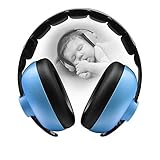
Overview: BBTKCARE positions itself as a safety-certified mid-range option, offering 23dB noise reduction for babies 3 months to 3 years. These blue earmuffs feature a zero-pressure design with soft padding and adjustable headband, targeting parents who want verified protection without premium pricing for events like flights, fireworks, and sporting venues.
What Makes It Stand Out: The product explicitly claims both US and EU certification, bridging the gap between budget uncertified models and expensive premium brands. The zero-pressure noise reduction system minimizes clamping force while maintaining 23dB attenuation. Compact, foldable construction enhances portability for travel, and the BPA-free, silicone-free materials address chemical safety concerns.
Value for Money: At $19.99, this occupies the sweet spot between cheap unverified options and $30+ premium models. The certification credentials justify the price increase over budget brands, while undercutting competitors like Alpine. For parents wanting documented safety without luxury features, the value proposition is strong. The 3-year age range maximizes usable lifespan.
Strengths and Weaknesses: Strengths include stated certification, respectable 23dB rating, zero-pressure comfort design, chemical-free materials, and excellent portability. The adjustable band works across a good age span. Weaknesses include the 3-month minimum age (excluding newborns), less stylish aesthetics than premium brands, and some reports of sizing inconsistencies at the extremes of the age range. The headband padding could be more generous for extended wear.
Bottom Line: A reliable, certified workhorse for everyday hearing protection needs. Offers the best balance of verified safety, comfort, and affordability for most families. Recommended for travel and regular event attendance.
10. MAMAZING Baby Ear Muffs for Newborns to Toddlers 3–48 Months, 25dB Noise Cancelling Headphones for Airplane Travel, Party and Fireworks, Soft & Adjustable Baby Hearing Protection, CE & ANSI Certified
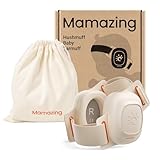
Overview: MAMAZING enters the premium segment with feature-rich hearing protection boasting the highest 25dB noise reduction rating. Designed for an exceptional 45-month span from newborn to toddler, these earmuffs integrate memory foam, ergonomic engineering, and stepless adjustment, targeting discerning parents who refuse to compromise on protection or comfort during travel and events.
What Makes It Stand Out: The stepless melt-adhesive headband eliminates preset sizing gaps, providing micro-adjustments for perfect fit at every growth stage. Innovative 32° front and 12° rear ergonomic angles distribute pressure optimally, while adaptive memory foam cushions contour to individual head shapes. Weighing just 3.99 ounces and folding compactly, these are engineered for serious travel families. Pre-attached cups enable instant deployment.
Value for Money: Priced at $24.96, this undercuts many premium competitors while offering superior specs. The 25dB rating, dual certification, and advanced comfort features deliver flagship performance at a mid-tier price. For frequent travelers, the lightweight foldable design alone justifies the cost in diaper bag space saved. The extended age range eliminates replacement purchases, enhancing long-term value.
Strengths and Weaknesses: Strengths include highest-in-class 25dB reduction, CE/ANSI certification, revolutionary stepless adjustment, pressure-free ergonomic design, ultra-lightweight portability, and newborn-to-toddler versatility. The foldable design with storage pouch is exceptionally travel-friendly. Weaknesses are minimal: the newer brand lacks long-term reputation, and the sophisticated adjustment mechanism may require slightly more parental finesse initially. Some users may prefer traditional click-adjust bands for simplicity.
Bottom Line: The technical champion of baby hearing protection, offering unmatched adjustability and noise reduction at a competitive price. Essential gear for frequent flyers and event-loving families who prioritize maximum certified protection and comfort.
Why Your Baby’s Hearing Protection Matters More Than You Think
Your infant’s hearing system is a work in progress. The cochlea—the spiral-shaped organ responsible for converting sound waves into electrical signals—continues developing well into the toddler years. Unlike adult ears that have built-up resilience, a baby’s auditory nerve pathways are still forming connections that will later support speech development, language acquisition, and spatial awareness.
Exposure to sounds above 85 decibels (dB) can cause cumulative damage over time, while sudden noises at 100+ dB can create immediate harm. To put this in perspective, a typical vacuum cleaner hovers around 70 dB, while sporting events and concerts easily exceed 110 dB. The damage isn’t always immediately apparent, which makes proactive protection essential rather than reactive.
Understanding Noise-Induced Hearing Loss in Infants
Noise-induced hearing loss (NIHL) occurs when delicate hair cells within the cochlea become damaged or destroyed. Unlike skin cells that regenerate, these sensory cells are finite—once they’re gone, they’re gone forever. In infants, this damage manifests differently than in adults. You might notice delayed speech milestones, difficulty localizing sounds, or increased startle responses long after the noise exposure occurred.
The insidious nature of NIHL means parents often don’t connect the dots between that loud fireworks show six months ago and their child’s current auditory processing challenges. This is why prevention must be consistent and start early, particularly for babies who accompany parents to noisy environments out of necessity.
The $30 Sweet Spot: Quality vs. Affordability
The under-$30 price point represents a sweet spot in the baby earmuff market where essential safety features meet accessibility. At this range, you’re not paying for designer branding or unnecessary tech integrations. Instead, you’re investing in fundamental protection: adequate noise reduction, safe materials, and age-appropriate sizing.
Products below this threshold often cut corners on certification testing or use rigid plastics that create pressure points. Meanwhile, premium options above $50 may offer marginal improvements in comfort but rarely provide significantly better decibel reduction. The middle ground delivers 98% of the protection your baby needs at a fraction of the cost, making it possible to keep multiple pairs—one for the diaper bag, one for home, and a backup for grandparents’ house.
Key Safety Certifications to Look For
Never purchase baby earmuffs that lack verifiable safety certifications. At minimum, look for ANSI S3.19 (American National Standards Institute) or CE EN352-1 (European Standard) markings. These certifications guarantee the product has undergone rigorous testing in accredited laboratories, not just manufacturer claims.
The ANSI standard specifically tests real-ear attenuation across multiple frequencies, ensuring protection isn’t just effective at blocking high-pitched sounds while leaving low-frequency rumbles untouched. Some manufacturers also submit to additional testing through organizations like the EPA, though this is less common in the sub-$30 category. Always verify certification numbers through the issuing body’s database when possible—reputable brands make this information easily accessible.
Age-Appropriate Design: Newborn vs. Toddler Needs
A one-size-fits-all approach fails spectacularly with hearing protection. Newborns (0-3 months) require earmuffs with ultra-soft headbands that distribute pressure across the fontanelle without creating compression points. The cup depth should be shallow enough to avoid pressing against the side of the head while still creating a proper seal.
Toddlers (12+ months) need more robust clamping force to maintain the seal as they become more mobile. Their headbands require greater adjustability to accommodate rapid growth spurts. For the 3-12 month range, look for transitional designs with moderate clamping force and headbands that can be tightened incrementally. The wrong age designation leads to either inadequate protection or a baby who rips them off within seconds.
Decibel Reduction Ratings: What NRR Means for Your Baby
The Noise Reduction Rating (NRR) represents the number of decibels the earmuffs reduce when properly fitted. For infants, aim for an NRR between 20-25 dB. Higher ratings often require tighter clamping force that becomes uncomfortable for small heads, causing babies to reject them entirely—which provides zero protection.
Understand that NRR is calculated under ideal laboratory conditions. Real-world effectiveness typically reduces that number by about 25%. So earmuffs rated at 22 NRR actually reduce noise by approximately 16-17 dB in practice. This is still significant protection when you’re at a 110 dB event, bringing perceived volume down to safer levels. Be skeptical of any sub-$30 product claiming NRR above 28, as achieving that requires materials and construction rarely found at this price point.
Comfort Factors That Make or Break Success
The most protective earmuffs in the world are worthless if your baby refuses to wear them. Comfort hinges on three factors: cup padding, headband pressure distribution, and weight balance. Memory foam cushions with protein leather covers create a gentle seal without sweat buildup—a common issue with cheaper vinyl materials.
The headband should feature internal padding where it contacts the soft spot on a baby’s head. Some designs incorporate silicone grip dots to prevent slipping without adding bulk. Weight distribution becomes critical during extended wear; even a few ounces can create pressure points on developing neck muscles. Test the headband’s flexibility by gently bending it—quality designs offer some give without feeling flimsy.
Adjustable Headband Mechanics
Babies grow at an astonishing rate, making adjustability non-negotiable. Look for headbands with at least 1.5 inches of incremental adjustment, marked with clear sizing indicators. Slide-adjust mechanisms generally outperform snap-button systems, which create pressure points and offer less precise fitting.
The adjustment hardware should be recessed or covered to prevent pinching during size changes. Some innovative designs use elasticized bands with adjustable toggles, though these require frequent readjustment as the elastic stretches over time. Avoid headbands that rely solely on elasticity without a mechanical adjustment method—they lose effectiveness after a few months of regular use.
Material Matters: Hypoallergenic and Non-Toxic Options
Anything touching your baby’s skin for extended periods demands scrutiny. The sub-$30 category has made significant strides in material safety, with many manufacturers now using BPA-free ABS plastic for cups and medical-grade silicone for headbands. Verify that all materials are explicitly labeled as phthalate-free, as these chemicals can disrupt endocrine development.
For babies with sensitive skin or eczema, seek out OEKO-TEX Standard 100 certification, which tests for harmful substances in textiles. The interior cup padding should be removable and washable—non-removable padding harbors bacteria and sweat residue. Protein leather (a synthetic alternative to animal leather) offers the best balance of softness, durability, and hypoallergenic properties at this price point.
Weight Considerations for Infant Neck Support
A newborn’s neck muscles are still developing the strength to support their disproportionately large head. Adding heavy earmuffs can strain these muscles and potentially affect motor development. Quality sub-$30 earmuffs should weigh between 4-7 ounces total—anything heavier belongs on a construction site, not a baby’s head.
The weight distribution matters as much as the total weight. Earmuffs with heavier cups and lighter headbands create a pendulum effect, pulling the head backward. Look for designs where cup weight is balanced by a slightly weighted headband that sits low on the crown. This creates stability without pressure. If possible, test the weight by holding the earmuffs in your hand—they should feel substantial enough to be durable but light enough that you could forget you’re holding them.
Real-World Testing: How to Verify Effectiveness at Home
Laboratory ratings mean little if the seal breaks when your baby turns their head. Conduct a simple fit test at home: place the earmuffs on your baby, then clap your hands sharply about three feet away. If your baby startles, the seal may be inadequate or the NRR overstated.
Another method involves using a decibel meter app on your phone (not perfectly accurate but useful for relative measurements). Take a baseline reading in a moderately noisy environment, then place the earmuffs over the phone’s microphone. The reading should drop by at least 15 dB. More importantly, observe your baby’s behavior during use—fussiness immediately after putting them on often indicates discomfort or insufficient noise reduction, while calm acceptance suggests the earmuffs are working as intended.
Common Sizing Mistakes Parents Make
The most frequent error involves sizing based on age rather than actual head circumference. Always measure your baby’s head from the crown, over the ears, to the chin, then consult the manufacturer’s sizing chart. A baby in the 95th percentile for head size needs toddler earmuffs long before their first birthday.
Another mistake is leaving the headband too loose to avoid “headband marks.” A proper seal requires gentle pressure—slight redness that fades within 30 seconds of removal is normal and indicates a good fit. Redness lasting longer suggests excessive tightness. Parents also often position the cups too high, sitting on the ear rather than encasing it. The bottom of the cup should align with the jawline, creating a vertical seal along the entire ear.
When to Use Baby Earmuffs: Event-Specific Guidance
Not every loud moment requires hearing protection. Brief, sharp sounds like a door slamming (90 dB for <1 second) pose minimal risk. Sustained exposure above 85 dB for more than 15 minutes warrants protection. This includes sporting events, concerts, air shows, fireworks displays, and even some restaurants during peak hours.
For air travel, earmuffs serve dual purposes: protecting against engine noise (80-90 dB sustained) and providing sensory calming during takeoff and landing. However, never use earmuffs during sleep at home unless specifically recommended by an audiologist—babies need to hear household sounds for auditory development and safety awareness. Create a simple rule: if you need to raise your voice to be heard by someone three feet away, your baby needs protection.
Travel-Friendly Features for Families on the Go
The best sub-$30 earmuffs for travel collapse into a compact form without compromising structural integrity. Look for fold-flat designs where cups rotate 90 degrees, reducing bulk in diaper bags. A durable storage bag prevents scratches to the cup padding—damage that can compromise the acoustic seal.
Consider models with a detachable headband that allows you to replace just that component if lost during travel, rather than buying an entirely new set. Some designs include a plastic travel clip that secures the earmuffs to stroller frames when not in use. While these clips rarely add to cost, they significantly reduce the likelihood of leaving them behind at a noisy venue. The travel-friendly earmuff should also be robust enough to survive being dropped from stroller height onto concrete—an inevitability, not a possibility.
Maintenance and Hygiene Best Practices
Earwax, sweat, and spilled milk create a breeding ground for bacteria inside earmuff cups. Establish a weekly cleaning routine: remove the padding (if detachable) and wash with mild baby shampoo and lukewarm water. Air dry completely before reassembly—moisture trapped inside cups degrades acoustic foam and creates mildew.
Wipe down non-removable surfaces with alcohol-free baby wipes, taking care not to saturate the seams. Inspect the headband weekly for stretched elastic or cracked adjustment slides. Store earmuffs in their travel bag when not in use; dust accumulation on cup seals creates micro-gaps that reduce effectiveness by 3-5 dB. Replace earmuffs every 12-18 months even if they appear intact—the internal foam compression loses efficacy over time, particularly with frequent use.
Warning Signs of Poor Fit or Inadequate Protection
Watch for behavioral cues that indicate protection failure. If your baby falls asleep in a loud environment while wearing earmuffs, that’s actually a red flag, not a success. Properly protected babies remain alert but calm; they can still feel low-frequency vibrations and should react to visual stimuli.
Physical signs include cup gaps visible when viewed from behind—any light showing between cup and head means zero protection at that frequency. Listen for sound leakage by gently placing your ear near the cup while your baby wears them in a quiet room; you shouldn’t hear clearly transmitted speech. Finally, if your baby consistently removes them within two minutes, consider that a communication of discomfort or inadequacy, not defiance. A well-fitting, effective pair becomes accepted like a hat within a short adjustment period.
Frequently Asked Questions
1. Can my baby sleep while wearing earmuffs? Only if specifically recommended by a pediatric audiologist for diagnosed conditions. For typical noise protection, remove earmuffs during sleep to allow normal auditory development and ensure your baby can hear important household sounds like smoke alarms.
2. How do I know if the earmuffs are too tight? Check for redness lasting more than 30 seconds after removal or deep indentation marks. Your baby should be able to open their mouth normally without the cups shifting. If they cry immediately upon placement, loosen one notch and retry.
3. What’s the difference between baby earmuffs and adult earplugs sized down? Adult earplugs rely on insertion into the ear canal, which is dangerous for babies and provides uneven protection. Baby earmuffs create an external acoustic seal that’s safer and more effective for developing ears.
4. At what age can I start using noise protection? Most certified baby earmuffs are safe from birth, but check manufacturer specifications. Newborns require specific designs with ultra-soft headbands. Premature babies need pediatrician approval before using any hearing protection.
5. Will my baby still be able to hear me with earmuffs on? Yes, but at a reduced volume. Normal conversation at 60 dB will be perceived as a quiet whisper, allowing your voice to provide comfort without overwhelming their senses. You’ll need to speak closer and more clearly.
6. How often should I replace budget-friendly earmuffs? Every 12-18 months with regular use, or immediately if the cups become cracked, the padding compresses permanently, or the headband loses adjustability. The internal acoustic foam degrades even if exterior looks pristine.
7. Can earmuffs damage my baby’s head shape? Properly fitted earmuffs with adequate padding will not affect head shape. Issues arise only with excessive tightness or continuous wear beyond recommended durations. Follow the 2-hour maximum continuous wear guideline.
8. Are there any situations where earmuffs shouldn’t be used? Avoid use during water activities, in extreme heat where sweat can’t evaporate, or when your baby shows signs of ear infection or fever. Also unnecessary in quiet home environments where normal developmental sounds should be heard.
9. How do I clean earmuffs without damaging them? Use mild baby shampoo on removable pads, air dry completely. For non-removable parts, use alcohol-free wipes on surfaces only, avoiding seams. Never submerge the entire unit or use harsh cleaners that degrade acoustic seals.
10. Can I use hair clips or hats with baby earmuffs? Thin headbands are acceptable if positioned under the earmuff headband. Avoid bulky bows or clips that create gaps between cup and head. Hats should be worn over the earmuffs, not under, to maintain proper seal integrity.