Traveling with little ones should spark joy, not dread, yet the quest for the right travel car seat often feels like navigating a minefield of bulky designs, confusing regulations, and last-minute airport panic. We’ve all been there: wrestling with a cumbersome seat at baggage check, sweating over whether it meets the airline’s ever-changing rules, or discovering too late that it won’t fit your rental car. In 2026, the landscape is shifting dramatically. Gone are the days when “travel car seat” meant a flimsy, uncomfortable compromise. Today’s innovations prioritize genuine safety alongside unprecedented portability and smart functionality, transforming what was once a travel chore into a seamless part of your adventure. Finding the perfect match isn’t just possible—it’s essential for stress-free journeys.
The stakes have never been higher, nor the options more promising. Modern families demand gear that keeps up with their dynamic lives, whether it’s a quick weekend getaway or a complex international itinerary involving multiple airlines and rental vehicles. Outdated models simply can’t deliver the blend of rigorous protection, effortless portability, and intuitive usability that today’s discerning travelers require. This guide cuts through the marketing noise, focusing squarely on the universal principles and forward-thinking features that truly matter when selecting your 2026 travel companion. Forget fleeting trends; we’re diving deep into the non-negotiables and smart considerations that ensure every journey, near or far, starts and ends with confidence and comfort for your most precious cargo.
Top 10 Travel Car Seats
Detailed Product Reviews
1. WAYB Pico Travel Car Seat with Premium Carrying Bag- Lightweight, Portable, Foldable - Perfect for Airplanes, Rideshares, and Road Trips - Forward Facing for Kids 26.5–50 lbs and 33.5–45"

Overview:
The WAYB Pico is a forward-facing travel car seat designed for toddlers (26.5–50 lbs, 33.5–45") seeking portability for air travel, rideshares, or road trips. Its ultra-compact fold and FAA/NHTSA certification make it ideal for frequent travelers prioritizing safety without bulk.
What Makes It Stand Out:
Pico’s aerospace-grade aluminum frame weighs just 8 lbs while meeting rigorous safety standards. It folds to overhead-bin size (11.6" x 14.5" x 18.9") and includes a versatile backpack-style carrying bag. The unique AstroKnit fabric promotes airflow, and its commitment to reducing landfill waste (via destroyed-open-box policy) adds ethical appeal.
Value for Money:
Priced premium, it justifies cost through unparalleled portability and dual-road/air certification. Alternatives often sacrifice foldability or require separate airport rentals. The included recycled-material carry bag eliminates extra purchases, offering long-term savings for families flying monthly.
Strengths and Weaknesses:
Strengths: Exceptionally lightweight; true airplane compatibility; eco-conscious design; breathable fabric; compact storage.
Weaknesses: Limited to forward-facing use (no rear-facing); narrow age/weight range; high price; destroyed-open-box policy risks buyer remorse.
Bottom Line:
A top-tier investment for jet-setting families needing a certified, portable seat. Ideal if your child fits the weight/height specs and you prioritize air travel convenience over budget or extended rear-facing use.
2. RideSafer - Extra Small (XS) Blue, Lightweight, Compact, Portable Car Seat, 2+ Years; 26.5–40 lb - Perfect for Travel and Everyday Child Safety

Overview:
The RideSafer XS Blue is a vest-style child restraint system (26.5–40 lbs, 30–45") replacing traditional car seats. It optimizes adult seat belts for toddlers, targeting travel ease and everyday use in rideshares, rentals, or multi-child vehicles.
What Makes It Stand Out:
Its vest design is revolutionary—ultra-portable (fits in a tote bag), accommodates three kids across one row, and installs in seconds via vehicle seat belts. FAA-compliant for air travel and tether-compatible, it eliminates bulky hardware while meeting all U.S. safety standards (FMVSS 213).
Value for Money:
Competitively priced, it outperforms conventional seats in portability and versatility. Grandparents or frequent travelers save by avoiding multiple car seat rentals. Long-term value shines for families needing space for three rear-seat passengers, though it lacks cushioning of traditional seats.
Strengths and Weaknesses:
Strengths: Extremely lightweight; fits three across; effortless installation; versatile tether/lap-belt use; ideal for caregivers.
Weaknesses: Minimal padding reduces comfort on long trips; unconventional setup requires user education; not suitable for rear-facing infants.
Bottom Line:
A game-changer for space-constrained or travel-heavy families. Choose this if portability and multi-child seating trump plush comfort, especially for kids 2+ within the weight range.
3. RideSafer - Extra Small (XS) Yellow, Lightweight, Compact, Portable Car Seat, 2+ Years; 26.5–40 lb - Perfect for Travel and Everyday Child Safety
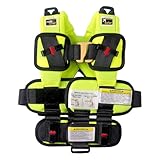
Overview:
Identical to the XS Blue model but in yellow, this RideSafer vest-style restraint (26.5–40 lbs, 30–45") offers the same innovative approach to child safety. It secures toddlers via vehicle seat belts, prioritizing travel efficiency and everyday practicality.
What Makes It Stand Out:
The vibrant yellow color enhances visibility, while the vest’s core innovation—replacing hard-shell seats with a wearable harness—delivers unmatched portability. It installs in seconds using lap/shoulder belts, fits three children across one row, and meets all FMVSS 213 safety standards for U.S. use.
Value for Money:
Priced similarly to the blue variant, it offers identical value: no need for multiple car seats in taxis/rentals or crowded vehicles. The color choice adds personalization without cost increase, making it equally cost-effective for budget-conscious travelers needing reliability.
Strengths and Weaknesses:
Strengths: Near-weightless design; rapid installation; space-saving for three kids; tether/lap-belt flexibility; FAA-approved for flights.
Weaknesses: Limited padding for extended rides; learning curve for first-time users; not rear-facing compatible.
Bottom Line:
An exceptional pick for families valuing color options alongside portability. Opt for yellow if you prefer high-visibility gear without sacrificing the vest’s core safety and space-saving benefits.
4. Safety 1st Ellaris 3-in-1 Convertible Car Seat, Slim Fit Design, Rear & Forward-Facing, 5-Position Headrest, 3-Across Fit, Travel-Friendly with Machine-Washable Seat Pad, Smokey Haze

Overview:
The Safety 1st Ellaris is a convertible car seat growing with your child from infancy (5–65 lbs) across three modes: rear-facing infant/toddler and forward-facing. Its slim profile targets families needing space for three seats while prioritizing safety and ease of use.
What Makes It Stand Out:
The 3-in-1 versatility spans 5+ years of use, and its narrow design fits three seats across most vehicles—a rarity. Features include a 5-position headrest, airplane-ready compactness, machine-washable pad, and dual LATCH/seat belt installation. Crucially, it exceeds federal side-impact standards.
Value for Money:
Mid-priced, it delivers exceptional longevity by replacing multiple seats. The slim fit eliminates costly vehicle upgrades for larger seats, and travel-friendly traits (like airplane approval) reduce rental needs. Durability-focused materials ensure years of use, outpacing cheaper single-stage alternatives.
Strengths and Weaknesses:
Strengths: Long lifespan (5–65 lbs); 3-across compatibility; superior side-impact protection; easy-clean fabrics; intuitive LATCH system.
Weaknesses: Rear-facing weight limit (40 lbs) lags behind premium brands; basic padding lacks luxury; headrest adjustments less seamless than competitors.
Bottom Line:
A smart buy for growing families needing a space-efficient, multi-stage seat. Choose it for long-term value and safety, especially if fitting three seats is essential.
5. Hiccapop UberBoost Inflatable Booster Car Seat | Travel Booster Car Seat | Portable Booster Seat for Toddlers, Kids, Child (Navy/Gray)
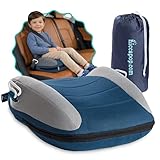
Overview:
The Hiccapop UberBoost is an inflatable booster seat (40–100 lbs) targeting older toddlers/kids for travel. It deflates to fit in a suitcase yet meets safety standards, ideal for taxis, rentals, or carpooling where space is limited.
What Makes It Stand Out:
Its revolutionary inflatable design sets it apart—packing smaller than a pillow, it inflates in 20 seconds via breath and installs with seat belts. The non-skid base prevents shifting, while positioning clips ensure proper belt alignment. Fits three across narrow vehicles, a rarity for boosters.
Value for Money:
Budget-friendly for a certified travel booster, it eliminates rental fees during trips. Compared to rigid portable boosters, its packability offers unmatched convenience. Long-term savings shine for families using rideshares weekly, though durability may lag behind hard-shell models.
Strengths and Weaknesses:
Strengths: Ultra-portable; quick setup; non-skid stability; belt-positioning clips; fits three across; machine-washable cover.
Weaknesses: Limited to 40+ lbs (excludes toddlers); requires manual inflation; less crash protection than high-back boosters; potential puncture risk.
Bottom Line:
A must-have for frequent travelers with school-aged kids. Prioritize it for portability and ease, but avoid if your child weighs under 40 lbs or needs extended rear-facing support.
6. Hiccapop UberBoost Inflatable Booster Car Seat | Blow up Narrow Backless Booster Car Seat for Travel | Portable Booster Seat for Toddlers, Kids, Child | Black/Gray

Overview: The Hiccapop UberBoost is a portable, inflatable booster seat designed for travel convenience. It targets parents needing a safe, temporary solution for taxis, rideshares, rentals, or carpools, eliminating the hassle of bulky traditional seats. Certified to FMVSS213 standards, it serves children meeting typical booster requirements (ages 4+, 40-100 lbs).
What Makes It Stand Out: Its ultra-portability is revolutionary—deflating into a compact travel bag (fits in suitcases or large purses) and inflating in under 20 seconds with breaths. The narrow design uniquely allows three across in small vehicles, while the non-skid base ensures stability on any upholstery. The buoyant cushioning prioritizes comfort over hard plastics.
Value for Money: Priced moderately higher than basic rigid boosters, it justifies cost through unmatched travel utility. For frequent travelers or carpoolers, it replaces the need for multiple seats or risky compromises in rentals. While not a daily-driver replacement, its niche solves a critical pain point cost-effectively.
Strengths and Weaknesses:
Strengths: Lightning-fast setup/packdown; exceptional space efficiency; certified safety; comfortable cushioning; stable non-skid base.
Weaknesses: Requires manual inflation (no pump); less durable than rigid seats for daily use; limited adjustability for growing kids.
Bottom Line: An indispensable, innovative tool for occasional travel safety. Ideal for families on the go who prioritize portability without sacrificing certified protection, though not suited as a primary daily seat.
7. Graco TurboBooster 2.0 Backless Booster Car Seat, Denton

Overview: The Graco TurboBooster 2.0 is a straightforward backless booster seat built for everyday use, accommodating children aged 4–10 (40–100 lbs, up to 57 inches). It emphasizes simplicity and proven safety for routine commutes and longer drives.
What Makes It Stand Out: Graco’s ProtectPlus Engineering sets it apart, undergoing rigorous multi-directional crash testing (frontal, rear, rollover) plus extreme temperature validation. Top-rated by consumer publications, it features height-adjustable armrests for evolving comfort—uncommon in basic backless models—and a streamlined design fitting tightly in vehicle seats.
Value for Money: Positioned as a mid-range booster, it delivers exceptional value through Graco’s trusted safety pedigree and durability. Competing seats at similar prices often lack its comprehensive testing or adjustable comfort features, making it a cost-effective long-term investment for daily use.
Strengths and Weaknesses:
Strengths: Rigorous multi-directional safety testing; adjustable armrests enhance comfort; lightweight yet sturdy build; easy LATCH installation; highly reputable brand.
Weaknesses: No head support (typical for backless); minimal padding may discomfort some kids; limited color/style options.
Bottom Line: A highly reliable, safety-focused booster for daily use. Recommended for parents seeking a durable, no-frills seat with top-tier crash protection and thoughtful ergonomic touches at a fair price.
8. Graco Tranzitions 3-in-1 Harness Booster Car Seat, Forward Facing Car Seat, Highback, to Backless Booster, Cinder

Overview: The Graco Tranzitions 3-in-1 is a versatile harness-to-booster seat growing with your child from toddlerhood (26.5–65 lbs harness) to youth (40–100 lbs highback/backless booster). It prioritizes longevity and ease of use for evolving safety needs.
What Makes It Stand Out: The No-Rethread Simply Safe Adjust Harness System is transformative—simultaneously adjusting headrest and harness with one motion eliminates complex rethreading. Combined with a 9-position headrest and lightweight portability, it simplifies transitions between modes while maintaining compact dimensions for carpooling.
Value for Money: Though pricier upfront, its 3-in-1 functionality replaces multiple seats over a decade, offering significant long-term savings. Competing convertible seats often lack its effortless adjustment system, making it a smart investment for growing families seeking hassle-free adaptability.
Strengths and Weaknesses:
Strengths: Seamless harness-to-booster transition; exceptionally easy adjustments; lightweight for portability; narrow profile fits 3-across; robust safety certifications.
Weaknesses: Harness mode weight limit (65 lbs) may outgrow taller kids; less plush padding than premium rivals; base can shift without LATCH.
Bottom Line: A top-tier convertible seat excelling in user-friendly adaptability. Ideal for parents wanting a single, long-lasting solution with intuitive adjustments, justifying its cost through years of reliable use.
9. Diono Radian 3R, 3-in-1 Convertible Car Seat, Rear Facing & Forward Facing, 10 Years 1 Car Seat, Slim Fit 3 Across, Jet Black
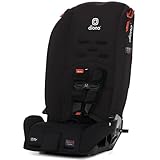
Overview: The Diono Radian 3R is an ultra-durable 3-in-1 convertible seat (rear-facing harness, forward-facing harness, highback/backless booster) supporting children from 5–120 lbs. It champions extended rear-facing and space efficiency in compact vehicles.
What Makes It Stand Out: Its legendary slim-fit design enables true 3-across seating in most cars—a rarity for seats accommodating rear-facing up to 50 lbs. Reinforced steel core construction and ComfortPlus Memory Foam deliver premium safety and comfort, while the 10-year lifespan (birth to booster) eliminates frequent replacements.
Value for Money: Premium-priced but unmatched in longevity and versatility. Competing seats rarely combine extended rear-facing capacity, 3-across fit, and decade-long usability. For large families or safety-focused parents, its cost-per-year is exceptional, especially considering its robust build quality.
Strengths and Weaknesses:
Strengths: Industry-leading slim profile for 3-across; steel-reinforced safety core; extended rear-facing (50 lbs); premium memory foam comfort; 10-year usability.
Weaknesses: Heavier than rivals; complex installation for beginners; high rear-facing height limits may challenge small cars.
Bottom Line: A premium, safety-optimized workhorse for long-term use. Highly recommended for families needing maximum rear-facing time, space efficiency, and a single seat lasting through childhood, despite the steeper initial investment.
10. BubbleBum Inflatable Booster Car Seat – Foldable, Lightweight, Backless Travel Booster Seat for Kids, Portable Carseat for Toddler, Fits 3 Across, Compact for Uber - Ages 4-11 Year Old, - Black

Overview: BubbleBum is an award-winning inflatable booster seat engineered for travel safety (ages 4–11, 40–100 lbs). It collapses smaller than rigid boosters, fitting in backpacks or glove compartments, and targets rideshares, rentals, and impromptu trips.
What Makes It Stand Out: Beyond portability, it boasts independent crash testing exceeding federal standards—unlike many inflatables. Its soft, edge-free cushioning prevents discomfort on long drives, while the slim design fits 3-across. Prestigious awards (NAPPA, JPMA) validate its innovative safety-convenience balance.
Value for Money: Competitively priced for an inflatable, it’s a cost-efficient solution for frequent travelers. The independent safety validation justifies its premium over basic inflatables, and its lifetime support promise enhances long-term value versus disposable alternatives.
Strengths and Weaknesses:
Strengths: Ultra-compact portability; independently verified safety; plush, comfortable cushioning; award-winning design; reliable 3-across fit.
Weaknesses: Manual inflation required; not intended for daily use; less structural rigidity than traditional boosters in severe impacts.
Bottom Line: The gold standard for travel boosters. Essential for safety-conscious travelers who need certified, comfortable portability, though it complements—rather than replaces—a primary rigid seat for everyday use.
Understanding Your Core Travel Needs
Defining Your Primary Travel Scenarios
Before evaluating any seat, honestly assess how and where you’ll primarily use it. Is your focus domestic flights with a single airline, international trips involving complex connections, frequent road trips in rental cars, or perhaps a mix of urban stroller travel and occasional flights? Your dominant scenario dictates critical priorities – airline compatibility becomes paramount for frequent flyers, while compact foldability might be king for city dwellers using ride-shares. Ignoring this step often leads to buying a seat perfectly suited for one situation but disastrous for your actual reality.
Assessing Child Age, Size, and Stage
Travel car seat requirements change dramatically as children grow. Are you seeking an infant carrier solution, a convertible seat for toddlers, or a belt-positioning booster for older kids? Crucially, consider your child’s current size against the seat’s specific height and weight limits – not just the maximums, but the usable range for your immediate and near-future travels. A seat that fits a 2-year-old perfectly might be unusable for a 4-year-old, forcing another purchase. Future-proofing within realistic limits is key.
Safety: The Non-Negotiable Foundation
Deciphering Global Safety Standards
Safety certifications are your bedrock. In the US, FMVSS 213 compliance is mandatory, but understand what it covers (crash testing, labeling, flammability). For international travel, research requirements like ECE R129 (i-Size) in Europe or specific country mandates. Never assume a seat certified in one region automatically meets another’s standards. Verify certifications directly with the manufacturer and understand that “meets” doesn’t always equal “exceeds” – look for seats with robust independent testing data beyond the bare minimum.
Evaluating Structural Integrity and Materials
Look beyond the certification sticker. Investigate the seat’s energy-absorbing materials in the shell and headrest. High-density foam, honeycomb structures, or advanced composites significantly improve crash performance. Examine the harness webbing – it should be thick, smooth, and show no signs of cheap stitching. The overall shell construction must feel rigid and substantial, not flimsy or hollow. Remember, a travel seat undergoes more handling and potential drops than a standard seat; durability directly impacts safety over time.
Portability: The Heart of Travel Functionality
Mastering the Fold-and-Go Mechanism
This is often the make-or-break feature. Test the folding/unfolding process (if possible, or watch detailed video demos). Is it intuitive with one hand while managing a child? Does it lock securely in both positions? How compact is the folded footprint? Does it have a dedicated carry handle or strap? Avoid seats requiring complex, multi-step folding that’s impossible mid-airport chaos. A truly great travel seat should fold down to a size manageable as carry-on luggage or easily stowable in small vehicle trunks.
Weight: Balancing Safety and Manageability
There’s an inherent tension between safety (requiring robust materials) and portability (needing light weight). Modern engineering aims for the sweet spot, typically between 8-15 lbs for infant/toddler seats. Weigh the seat realistically – don’t just trust marketing claims. Consider how you will carry it: over the shoulder, on a stroller, or in a hand. A seat that’s 2 lbs lighter but lacks crucial safety features isn’t a win. Prioritize safety within the lightest acceptable weight range for your physical capability.
Stroller Compatibility and On-the-Go Mobility
For seamless transitions, check if the seat integrates with your existing stroller brand or offers universal adapters. Some travel seats feature built-in wheels or convert into a “ride-on” trolley for older toddlers, a huge perk in sprawling airports. Evaluate the folded unit’s stability – will it stay upright while you grab your boarding pass, or does it topple over? Smooth-rolling wheels on the folded unit are a significant upgrade over basic carry handles for long terminal walks.
Installation and Compatibility: Avoiding Travel Nightmares
Mastering the Aircraft Installation Process
Airline travel demands specific installation knowledge. Understand the difference between using the aircraft lap belt versus a CARES harness (required for many boosters). Does the seat have clear, FAA-approved aircraft installation instructions? Look for visual indicators showing correct belt routing. Seats designed specifically for aircraft often have simpler, more reliable lap-belt installations than standard car seats adapted for travel. Practice installing it with a lap belt at home before flying.
Ensuring Universal Vehicle Fit
Don’t assume compatibility. Research the seat’s compatibility with common rental car seat belt configurations (especially older models or international vehicles). Check if it requires a top tether – many rental cars lack tether anchors, making installation unsafe or impossible. Look for seats with flexible LATCH systems or those explicitly designed for seat belt installation without anchors. A travel seat unusable in a standard rental car defeats its entire purpose.
Gate-Check Durability Considerations
Gate-checked seats face rough handling. Evaluate the carry bag’s quality – is it padded, waterproof, and does it have sturdy straps? Does the seat itself have protective shell corners or a hard-shell base? While no bag is foolproof, a well-designed one significantly reduces the risk of damage or loss. Avoid seats where critical components (like the base) aren’t included in the carry bag.
Comfort and Usability for the Journey
Optimizing Cabin Space and Recline
Airlines have strict rules about seatback recline during takeoff/landing. Ensure the seat’s recline mechanism locks securely in the upright position as required. For comfort during long flights, look for multiple, easily adjustable recline positions within the airline’s allowable range. Adequate legroom for the child and minimal intrusion into the seat in front of you are crucial for a peaceful flight.
Harness Adjustability and Ease of Use
Frequent adjustments are inevitable as children grow or wear different clothing. Look for a harness that’s easily adjustable from the front or seat front, without needing to disturb the child excessively. The buckle should be simple for adults to operate but challenging for small hands. Padded, non-abrasive shoulder straps prevent discomfort during long sits. Quick-release harness systems for cleaning are a major plus.
Climate Control and Material Choices
Hot airports and stuffy cabins demand breathable materials. Opt for seat fabrics with moisture-wicking properties and mesh panels for airflow, avoiding heavy vinyl or non-breathable plastics against the child’s skin. Removable, machine-washable covers are non-negotiable for travel hygiene. Consider if the seat has ventilation channels in the shell itself for better temperature regulation.
Future-Proofing and Value Considerations
Evaluating Long-Term Versatility
Does the seat grow with your child? Some convertible travel seats transition from rear-facing infant use to forward-facing harness use, extending their lifespan significantly. Others might convert into a standalone booster. While no single seat fits all ages perfectly, understanding the usable range helps maximize value and reduces the need for multiple dedicated travel seats over the years.
Assessing Repairability and Spare Parts
Travel gear takes a beating. Investigate the manufacturer’s spare parts policy. Are common wear items like harnesses, covers, or cup holders readily available for purchase years later? Is there a clear repair path for minor damage? A seat where critical components are easily replaceable offers far better long-term value and sustainability than one destined for the landfill after a broken buckle.
Considering Sustainability in Design
The 2026 traveler is increasingly eco-conscious. Look for brands using recycled materials in fabrics or shells, offering refurbishment programs, or designing for disassembly and recycling at end-of-life. While not the top priority, supporting sustainable practices where safety and function are equal is a meaningful consideration for many families.
Frequently Asked Questions
Frequently Asked Questions
Can I use any regular car seat on an airplane? Not necessarily. Only seats displaying the FAA-approved label stating they are certified for aircraft use are permitted. Always check the label and the manufacturer’s specific aircraft installation instructions.
How do I know if a travel car seat fits my rental car? Research the seat’s compatibility before booking. Check the manufacturer’s website for rental car compatibility lists or clear guidelines on seat belt installation without LATCH. When in doubt, opt for a seat explicitly designed for universal seat belt installation.
Is the lightest seat always the best travel option? Not always. While weight matters for portability, sacrificing critical safety features or structural integrity for minimal weight reduction is dangerous. Prioritize certified safety within a weight you can realistically manage.
What’s the biggest mistake parents make when buying a travel car seat? Assuming portability is the only priority and neglecting thorough research on safety certifications, aircraft compatibility, and actual installation process in rental vehicles. Safety must come first.
Do I really need a special bag for gate-checking? Yes, absolutely. A dedicated, padded travel bag protects the seat during handling, keeps it clean, makes it easily identifiable, and is often required by airlines for gate-checked car seats.
Can a travel car seat be used in the rear-facing position on an airplane? Only if the specific seat model is certified for rear-facing use on aircraft and the airline permits it (policies vary). Most infant carriers allow rear-facing; larger convertible travel seats often require forward-facing. Always confirm with both the seat manufacturer and airline.
How often should I replace a travel car seat? Follow the manufacturer’s expiration date (typically 6-10 years from manufacture). Also replace immediately after any accident, if parts are damaged or missing, or if the seat shows signs of structural compromise like cracks in the shell.
Are inflatable car seats a safe option for travel in 2026? Inflatable seats meeting current FMVSS 213 standards can be safe, but they require meticulous pre-flight inflation checks, are highly susceptible to punctures, and often have stricter airline acceptance policies. Thoroughly research airline rules and weigh the convenience against potential risks.
What should I do if my travel car seat isn’t compatible with the rental car’s seat belts? If installation proves impossible or unsafe, you generally cannot legally or safely use the seat. Have a backup plan: contact the rental company for compatible vehicles, consider alternative transportation, or postpone travel with the child until a suitable solution is found. Never force an unsafe fit.
Can I install a travel car seat using the vehicle’s LATCH system in a rental car? Only if the rental car has accessible LATCH anchors and your seat is compatible with that specific vehicle’s LATCH system. Many rental cars, especially older models or compact cars, lack lower anchors in the rear middle seat or have anchors difficult to access. Always verify compatibility beforehand; relying solely on LATCH for rental cars is often unreliable.