Childproofing a rental home presents a unique paradox: you need to protect your little explorers without protecting your landlord’s security deposit right out of your wallet. Every screw hole, adhesive residue, or cabinet damage becomes a potential deduction when move-out day arrives. This tension sits at the heart of the cabinet lock debate, where the wrong choice could cost you far more than the price of the hardware itself. While traditional locks have secured cabinets for decades, magnetic systems have emerged as the renter-friendly alternative—but does easier installation compromise safety? Let’s dissect this decision from every angle that matters to tenants.
Top 10 Magnetic Cabinet Locks for Rental Homes
Detailed Product Reviews
1. 20 Pack Magnetic Cabinet Locks Baby Proofing - Vmaisi Children Proof Cupboard Drawers Latches - Adhesive Easy Installation
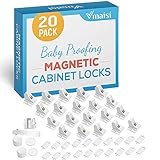
Overview: This comprehensive 20-pack from Vmaisi offers extensive coverage for families needing to secure multiple cabinets and drawers throughout their home. The system uses magnetic keys to disengage hidden locks, providing a clean aesthetic while keeping curious toddlers and even pets safe from hazardous contents. Installation requires no drilling, relying on 3M adhesive for a tool-free setup.
What Makes It Stand Out: The sheer quantity of 20 locks makes this ideal for whole-house baby proofing in a single purchase. Vmaisi emphasizes “extra stronger” magnets capable of securing cabinets against a 30-pound determined dog, and the locks function on doors up to 2 inches thick. The invisible installation preserves your home’s appearance, and the detailed installation tips—including troubleshooting potential interference from hidden metal components inside cabinet doors—demonstrate thoughtful product development.
Value for Money: At $44.99 ($2.25 per lock), this package delivers the lowest per-unit cost among the Vmaisi lineup. For families with numerous cabinets, this bulk option provides significant savings compared to purchasing multiple smaller packs. The inclusion of two magnetic keys adds convenience, though losing both would require sourcing replacements.
Strengths and Weaknesses: Strengths: Excellent quantity for large homes; strong magnetic hold; truly invisible design; detailed installation guidance; versatile for various rooms Weaknesses: Adhesive may weaken over time with heavy use; installation requires careful placement to avoid internal metal interference; not suitable for metal cabinets
Bottom Line: This 20-pack is the most economical choice for comprehensive baby proofing. While installation demands patience and precision, the extensive coverage and strong performance make it ideal for families needing to secure an entire home.
2. Vmaisi Adhesive Magnetic Cabinet Locks (12 Locks and 2 Keys)

Overview: Vmaisi’s 12-lock set provides a balanced solution for parents seeking reliable cabinet security without committing to a bulk package. This magnetic system installs discreetly inside cabinets and drawers, engaging automatically when closed and releasing only with the included magnetic key. The adhesive-based installation eliminates the need for tools or permanent modifications to your furniture.
What Makes It Stand Out: The magnetic locking mechanism offers a clever failsafe: if you misplace the provided keys, any strong magnet can disengage the locks. This practical feature prevents lockouts during hectic parenting moments. The invisible design maintains your home’s aesthetic appeal while delivering robust protection across kitchen, bathroom, and bedroom applications. The system is explicitly designed for standard wood cabinetry.
Value for Money: Priced at $29.99 ($2.50 per lock), this mid-tier option strikes a reasonable balance between cost and quantity. While slightly more expensive per unit than the 20-pack, it avoids over-purchasing for smaller homes. However, the product explicitly states incompatibility with metal surfaces, limiting its versatility compared to some competitors.
Strengths and Weaknesses: Strengths: Universal magnet compatibility prevents lockouts; clean invisible installation; adequate quantity for most apartments; simple peel-and-stick application Weaknesses: Cannot be used on metal cabinets or drawers; adhesive strength may vary by surface; fewer locks than the 20-pack at a similar total price point
Bottom Line: A dependable middle-ground choice for standard wood cabinetry. The universal magnet feature provides peace of mind, though metal cabinet owners should look elsewhere. Perfect for moderately sized living spaces.
3. Vmaisi Adhesive Magnetic Locks for Cabinets & Drawers (10 Locks and 2 Keys)
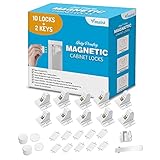
Overview: This compact 10-pack from Vmaisi delivers essential magnetic locking functionality for targeted baby proofing. The package includes two keys and two key holders, focusing on core features without extensive marketing claims. Designed for straightforward installation, these locks secure cabinets and drawers using adhesive backing and a concealed magnetic release mechanism that remains hidden from view.
What Makes It Stand Out: The inclusion of dedicated key holders is a practical addition often overlooked in competing packages, ensuring you always know where to find the magnetic key when needed. The streamlined product description emphasizes simplicity—this is a no-frills solution for parents who know exactly how many locks they need and want to avoid excess equipment cluttering their home.
Value for Money: At $29.99 ($3.00 per lock), this package offers the poorest value in the Vmaisi range, costing more per lock than both the 12-pack and 20-pack while providing fewer units. The identical pricing to the 12-lock set makes this difficult to recommend unless you specifically need exactly 10 locks and value the key holders above cost savings.
Strengths and Weaknesses: Strengths: Includes key holders for organization; simple peel-and-stick installation; adequate for small-scale baby proofing; no unnecessary components Weaknesses: Highest per-lock cost among Vmaisi options; minimal product information provided; unclear specifications on cabinet thickness limits; better values exist within the same brand
Bottom Line: Only consider this 10-pack if your needs are precisely ten locks and key organization is paramount. For most families, the 12-pack or 20-pack delivers superior value without sacrificing quality.
4. Skyla Homes Magnetic Cabinet Locks Baby Proofing Child Safety - The Safest Quickest and Easiest Multi-Purpose 3M Adhesive Child Proof Latches, No Screws or Tools Needed (12 Pack)

Overview: Skyla Homes positions itself as a premium baby proofing brand, and this 12-pack magnetic lock set reinforces that reputation. Designed for parents who prioritize both safety and aesthetics, these locks install invisibly inside cabinets and drawers, releasing only with the included magnetic key. The system works through wood up to 2 inches thick with a density of 85 lb/ft³, providing clear technical specifications.
What Makes It Stand Out: The industry-leading satisfaction guarantee sets Skyla apart—if you’re not 100% satisfied, you keep the product and receive a refund, demonstrating supreme confidence in quality. The brand emphasizes highest-grade 3M adhesive and adult-friendly installation that takes seconds. Their established reputation among millions of parents provides social proof that newer brands lack.
Value for Money: At $26.99 ($2.25 per lock), this package matches the 20-pack’s per-unit cost while offering a more manageable quantity for average-sized homes. The robust guarantee effectively makes this a risk-free trial, and the brand’s focus on quality adhesives may translate to longer-lasting performance, justifying the investment.
Strengths and Weaknesses: Strengths: Exceptional satisfaction guarantee; clear technical specifications; trusted brand reputation; high-quality 3M adhesive; invisible installation Weaknesses: Not compatible with metal surfaces; marketing language may feel excessive; slightly fewer locks than Vmaisi’s 20-pack at similar price points
Bottom Line: Skyla Homes delivers the best combination of quality assurance and performance. The money-back guarantee makes this a zero-risk investment for parents seeking reliable, invisible cabinet security.
5. SKYLA HOMES Magnetic Cabinet Locks Baby Proofing Child Safety - The Safest Quickest and Easiest Multi-Purpose 3M Adhesive Child Proof Latches, No Screws or Tools Needed (4 Pack)

Overview: Skyla Homes offers this minimal 4-pack for parents needing selective cabinet security or wanting to test the system before committing to a larger purchase. Despite the small quantity, it includes the same high-grade 3M adhesive and magnetic key technology as the brand’s larger sets. The locks install in seconds without tools, providing invisible protection for wood cabinets up to 2 inches thick.
What Makes It Stand Out: This entry-level package carries Skyla’s exceptional satisfaction guarantee—unsatisfied customers keep the product and receive a refund, making it essentially risk-free. It’s ideal for renters, grandparents’ homes, or families with only a few dangerous cabinets. The brand’s reputation for quality remains intact despite the smaller quantity.
Value for Money: At $15.99 ($4.00 per lock), this package commands the highest per-unit price in the entire comparison. While the low total investment is attractive for budget-conscious shoppers, the cost per lock is nearly double that of larger packs. This premium pricing for a small quantity only makes sense for specific limited applications.
Strengths and Weaknesses: Strengths: Lowest total cost; same quality guarantee as larger packs; perfect for small spaces or trial use; no drilling required Weaknesses: Highest per-lock cost; not economical for whole-house baby proofing; inconsistent product description; limited coverage
Bottom Line: Purchase this 4-pack only if you need minimal coverage or want to test Skyla’s quality. For comprehensive baby proofing, the 12-pack delivers far superior value while maintaining the same excellent guarantee.
6. 10 Pack Magnetic Cabinet Locks for Child Safety, Drawer Locks Baby Proofing, Magnetic Door Safety Locks for Cabinets and Drawers, Easy Installation No Tools Required (10 Pack and 2 Keys)

Overview: This comprehensive 10-pack magnetic lock system delivers invisible babyproofing for cabinets and drawers throughout your home. With two magnetic keys included, parents can secure multiple storage spaces while maintaining clean aesthetics. The tool-free installation uses strong 3M adhesive, making it ideal for renters or anyone hesitant to drill into furniture. The locks install completely inside cabinets, keeping hardware hidden from curious children while providing robust protection.
What Makes It Stand Out: The enhanced magnetic strength reaching up to 2 inches surpasses standard 1.5-inch limits, accommodating thicker cabinet doors. The patented design features a unique “disabled state” for when children aren’t present, offering rare flexibility. The exceptional satisfaction guarantee—allowing you to keep the product even if unsatisfied—demonstrates remarkable manufacturer confidence. Completely concealed installation ensures toddlers remain unaware of the locking mechanism, eliminating temptation.
Value for Money: At $21.99 for 10 locks, you’re paying approximately $2.20 per unit—highly competitive for this magnetic range. Comparable systems typically cost $3-4 per lock with fewer units. The included second key eliminates immediate replacement concerns. For families needing extensive coverage, this pack delivers significant savings over purchasing multiple smaller sets, making it economical for whole-home babyproofing.
Strengths and Weaknesses: Strengths include superior magnetic range, invisible design, tool-free installation, bulk quantity, and strong warranty. The 24-hour curing period ensures proper adhesion but requires patience. Not suitable for metal doors, and long-term adhesive reliability may vary in humid environments. The hidden design, while aesthetically pleasing, means lost keys create access issues requiring careful key management.
Bottom Line: This 10-pack delivers exceptional value for large-scale babyproofing projects. The extended magnetic range and thoughtful features make it ideal for families wanting comprehensive, invisible protection without permanent furniture modification.
7. Vmaisi 16 Pack Child Safety Magnetic Cabinet Locks - Children Proof Cupboard Baby Locks Latches - Adhesive for Cabinets & Drawers and Screws Fixed for Protection

Overview: Vmaisi’s premium 16-pack system provides extensive coverage for whole-home babyproofing. This comprehensive kit includes two magnetic keys and offers dual installation methods—adhesive backing for quick setup and optional screws for permanent mounting. Designed for cabinet doors up to 2 inches thick, these locks create an invisible barrier against curious toddlers and persistent pets. The versatile application suits kitchens, bathrooms, pantries, and storage areas throughout the home.
What Makes It Stand Out: The sheer quantity distinguishes this pack, allowing simultaneous protection of numerous storage spaces. Dual installation options provide flexibility for renters and homeowners alike. Notably, the manufacturer claims effectiveness against 30-pound determined dogs, indicating exceptional magnetic strength. The invisible design maintains home aesthetics while delivering robust protection across diverse cabinet styles. The included installation template helps ensure precise placement.
Value for Money: Priced at $37.99, the per-unit cost drops to $2.37—excellent for a premium brand offering both adhesive and screw mounts. While the initial investment exceeds smaller packs, the 16-lock quantity eliminates multiple purchases. For families requiring extensive coverage, this represents substantial savings compared to buying four 4-packs separately. The dual mounting options alone justify the moderate price premium over adhesive-only systems.
Strengths and Weaknesses: Strengths include maximum coverage quantity, versatile installation, strong pet-proof magnets, and brand reputation. The 16-lock capacity may overwhelm smaller homes, making it excessive for limited needs. The higher upfront cost might deter budget-conscious shoppers. Unlike the 10-pack competitor, this lacks a stated satisfaction guarantee. The installation video requirement adds a step but ensures proper setup.
Bottom Line: This 16-pack is the ultimate solution for comprehensive home safety. Perfect for large families or multi-level homes, it delivers professional-grade protection with installation flexibility that justifies the premium price.
8. 2 Pack Vmaisi Magnetic Cabinet Locks Keys - Extra Stronger Baby Proofing Magnet Drawer Replacement Keys (2)
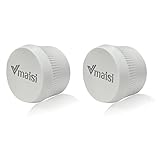
Overview: These replacement magnetic keys from Vmaisi serve as essential backups for existing magnetic lock systems. Each pack contains two keys with accompanying holders, designed primarily for Vmaisi locks but offering compatibility with other brands. The keys feature enhanced magnetic strength effective through cabinet doors up to 2 inches thick for Vmaisi products and 1.5 inches for competitor locks, addressing a common failure point in standard keys.
What Makes It Stand Out: Universal compatibility distinguishes this product, working with multiple lock brands rather than being proprietary. The inclusion of adhesive key holders allows strategic placement throughout your home, preventing lockouts. The “extra stronger” magnet design provides reliable performance even with thicker cabinet materials. This targeted solution solves the common problem of lost or misplaced keys without requiring complete system replacement.
Value for Money: At $9.99 for two keys ($5.00 each), the price seems steep initially but proves economical compared to replacing an entire lock system due to lost keys. For families with multiple caregivers or grandparents requiring access, these backup keys eliminate sharing inconvenience. The cost is justified by the convenience and security of having spares readily available, especially considering the manufacturer doesn’t sell keys individually in smaller packs.
Strengths and Weaknesses: Strengths include broad compatibility, strong magnet performance, included key holders, and immediate availability. However, the price per key exceeds the proportional cost of keys included in full kits. The product description lacks specific magnet gauss ratings. Purchasing keys separately doesn’t address potential lock mechanism failures. The Vmaisi-specific optimization may yield weaker performance with some competitor brands despite claims.
Bottom Line: These replacement keys are a smart insurance policy for any magnetic lock user. Essential for families needing multiple access points or as backup against lost keys, they provide peace of mind despite the premium per-unit cost.
9. Vmaisi Magnetic Cabinet Locks for Babies (Stardand, Unit Count 4)

Overview: Vmaisi’s entry-level 4-pack provides targeted babyproofing for essential cabinet and drawer areas. This standard kit includes four magnetic locks and a single key, utilizing invisible installation to maintain home aesthetics. The adhesive mounting system requires no tools, enabling quick deployment in high-priority areas like kitchen knife drawers or bathroom medicine cabinets. The brand’s reputation for robust magnetic strength carries through to this smaller package.
What Makes It Stand Out: Despite being a smaller pack, these locks maintain Vmaisi’s 2-inch magnetic range capability, ensuring compatibility with most cabinet constructions. The invisible design keeps hardware hidden from view, preserving furniture appearance while creating effective child barriers. The peel-and-stick application simplifies installation for non-handy parents. This pack serves as an accessible entry point to the Vmaisi ecosystem without requiring bulk purchase.
Value for Money: At $16.99 ($4.25 per lock), this pack sits in the mid-range pricing tier. While more expensive per unit than bulk options, it allows strategic testing before committing to larger purchases. For apartments or small homes requiring only a few secured locations, this eliminates waste from unnecessary extra locks. The single-key limitation may require additional key purchases for multi-user households, potentially increasing total cost.
Strengths and Weaknesses: Strengths include brand reliability, strong 2-inch magnetic range, easy peel-and-stick installation, and invisible design. The single key creates inconvenience for families with multiple caregivers. The 4-lock quantity proves insufficient for comprehensive home safety, requiring additional purchases. Unlike the 16-pack, this version offers only adhesive mounting, lacking permanent screw options. The “Stardand” typo in the title raises minor quality control concerns.
Bottom Line: This 4-pack serves as an excellent introduction to magnetic babyproofing. Perfect for small spaces or selective protection, it balances quality and affordability while allowing expansion as needs grow.
10. Regalo Home Safety Magnetic Cabinet and Drawer Lock, Award-Winning Brand, 4-Pack, Includes 4 Magnetic Cabinet Locks, 1 Magnetic Key, Easy Install, 3M Adhesive, White
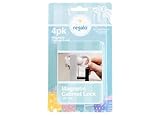
Overview: Regalo’s award-winning 4-pack magnetic lock system delivers trusted babyproofing in a budget-friendly package. This kit includes four locks and one magnetic key, featuring tool-free installation via 3M adhesive. The discreet design installs inside cabinets and drawers, remaining completely hidden from children and guests while providing reliable safety across kitchen, bathroom, bedroom, and office storage areas.
What Makes It Stand Out: The award-winning brand recognition distinguishes Regalo from generic competitors, indicating proven performance and safety testing. The clean white components blend seamlessly with light-colored cabinetry, maintaining aesthetic appeal. The versatile application works on most cabinet and drawer types without modification. Regalo’s established reputation in child safety products provides confidence in reliability and customer support.
Value for Money: At $13.49 ($3.37 per lock), this represents the lowest per-unit cost among reviewed products, making it highly attractive for budget-conscious families. The award-winning status at this price point offers exceptional value. While only one key is included, the savings allow for separate key purchases while remaining cost-competitive. This makes premium brand safety accessible to more families.
Strengths and Weaknesses: Strengths include trusted brand reputation, lowest price point, easy 3M adhesive installation, and versatile applications. The product description lacks specific magnetic strength details and maximum cabinet thickness specifications, creating uncertainty for thicker doors. The single-key limitation requires careful management. White color may contrast noticeably with dark cabinetry. No mention of a disabled state or satisfaction guarantee reduces feature competitiveness.
Bottom Line: Regalo’s 4-pack offers the best value for brand-conscious buyers on a budget. Ideal for standard cabinets and first-time babyproofing, it delivers reliable safety with the confidence of an award-winning manufacturer.
Understanding the Rental Property Dilemma
Rental agreements transform simple home improvements into calculated risks. Unlike homeowners who can drill freely, tenants must weigh every modification against lease terms, potential damages, and the ultimate goal of receiving their full deposit back. Cabinet locks aren’t just safety devices in this context; they’re temporary modifications that must disappear without a trace. The stakes elevate when you consider that improper installation of traditional locks can lead to cracked cabinet faces, stripped screw holes, and adhesive damage that landlords frequently flag during inspections. This creates a three-way tension between child safety, lease compliance, and financial prudence that defines every decision.
The Security Deposit Factor
Your security deposit isn’t just collateral—it’s a savings account you’re forced to keep with your landlord. Most standard leases contain vague clauses about “alterations” that give landlords broad discretion to withhold funds. Even small screw holes in cabinet frames can trigger deductions, especially in high-end rentals where owners expect pristine conditions. Magnetic locks, which typically use adhesive mounting, might seem safer, but low-quality adhesives can strip finishes or leave permanent residue. The key is understanding that both options carry financial risk; it’s about managing and minimizing that risk strategically.
What Are Traditional Cabinet Locks?
Traditional cabinet locks encompass a broad category of mechanical fastening systems that physically secure cabinet doors through hardware installation. These include sliding bolt locks, spring-action latches, and external hasp locks that require screws for mounting. The defining characteristic is their reliance on physical hardware that penetrates the cabinet material, creating a permanent or semi-permanent modification. They function through direct mechanical interference—either a bolt slides into place, a latch catches on a strike plate, or a hasp loops over a secured staple. Their durability comes from this direct mechanical connection, which also creates their primary drawback for renters.
Mechanical Reliability and Longevity
The threaded connection of traditional locks creates a robust system that, once installed correctly, can withstand years of toddler assault. The metal-on-metal or metal-on-wood interface doesn’t degrade with battery life or lose magnetic strength over time. For families planning extended stays in one rental, this reliability matters. However, this same permanence means each lock leaves behind two to four screw holes that must be patched, sanded, and color-matched during move-out—a skill set most renters don’t possess.
What Are Magnetic Cabinet Locks?
Magnetic cabinet locks represent a modern evolution in childproofing technology, using magnetic keys to disengage hidden latches installed inside cabinets. The system consists of two components: a latch mechanism that mounts inside the cabinet frame and a magnetic key that adults hold against the door exterior to release the lock. The renter-friendly versions typically use high-strength adhesive pads rather than screws, creating a no-drill installation process. This invisible design preserves the cabinet’s exterior appearance while maintaining security, making them particularly attractive for rental properties where visible modifications are discouraged.
The Technology Behind Magnetic Engagement
These locks operate through magnetic fields strong enough to penetrate standard cabinet doors (typically 3/4-inch to 1-inch thick). When you place the magnetic key against the exterior, it pulls an internal locking mechanism away from a strike plate, allowing the door to open. Quality systems use rare-earth neodymium magnets that maintain consistent pull strength over time. However, this technology introduces a dependency: lose the magnetic key, and you’ll need a replacement with the exact magnetic signature, or you risk damaging the cabinet during forced entry.
Installation Showdown: Drilling vs. Adhesive
The installation method represents the most significant practical divergence between these systems and directly impacts your rental agreement compliance. Traditional locks require measuring, drilling pilot holes, securing hardware with screws, and potentially adjusting alignment. This process takes 15-30 minutes per cabinet and demands precision—misaligned screws can split wood or create wobbly locks. Magnetic adhesive systems promise 5-minute installations: clean the surface, peel the backing, press firmly, and wait for the adhesive to cure. But this simplicity masks critical preparation steps that determine long-term success.
Surface Preparation: The Hidden Make-or-Break Step
Adhesive magnetic locks demand surgically clean surfaces. Kitchen cabinets accumulate invisible grease films that prevent proper bonding, and even fingerprint oils can compromise adhesion. You must clean with isopropyl alcohol, allow complete drying, and maintain pressure during the initial cure period—often 24-72 hours before applying full force. Skipping these steps leads to premature failure, where locks detach and potentially allow child access or damage cabinet finishes. Traditional locks have their own preparation demands: you must locate solid wood, not particle board edges, and avoid drilling into veneer that will splinter.
Damage Assessment: Security Deposits at Stake
Let’s quantify the potential financial impact of each system. A single traditional lock installation creates 2-4 screw holes. Professional repair of each hole—filling, sanding, staining, and finishing—costs $15-30 per hole in most markets. Multiply by 10-15 cabinets, and you’re facing $300-1,800 in potential deductions. Magnetic adhesive locks carry different risks: adhesive residue removal can require solvents that damage finishes, costing $50-200 per affected area. Low-quality adhesives can actually pull off cabinet veneers or paint layers during removal, creating damage that requires refinishing entire door panels.
Documenting Pre-Existing Conditions
Before installing any lock system, photograph every cabinet surface in high resolution. Document existing scratches, worn finishes, and any imperfections. Email these photos to your landlord with a written request for permission to install childproofing devices. This creates a paper trail that prevents them from attributing pre-existing wear to your modifications. For magnetic systems, test adhesives on an inconspicuous area first—inside the cabinet frame where a small finish test won’t be visible.
Cost Analysis: Short-Term vs. Long-Term Value
Traditional locks cost $3-8 per unit, while magnetic systems run $8-15 per lock. At first glance, traditional locks seem cheaper for a 12-cabinet kitchen ($36-96 vs. $96-180). But this math ignores the total cost of ownership. Factor in potential repair costs, and magnetic locks become the financial winner for rentals. However, if you’re renting a single-family home long-term (3+ years) and have landlord written permission to make permanent improvements, traditional locks’ lower per-unit cost and longer lifespan might justify the installation effort.
The Multi-Rental Lifecycle Consideration
Magnetic locks offer reusability that traditional locks cannot. When you move, you can remove adhesive magnetic locks, purchase replacement adhesive pads for $2-3 per lock, and reinstall them in your next rental. Traditional locks left behind become your landlord’s property; if you remove them, you’re left with damaged cabinets and hardware that may not fit your next kitchen’s configuration. This makes magnetic systems a better investment for families who anticipate multiple moves during their childproofing years.
Security and Effectiveness Comparison
A lock’s primary job is preventing child access, and both systems perform adequately when properly installed. Traditional locks provide visible deterrence—toddlers see the hardware and learn they cannot access that cabinet. Their mechanical nature means they either work or fail completely; there’s no gradual degradation. Magnetic locks rely on invisible security, which prevents tampering but may lead to repeated pulling attempts as children test the barrier. The magnetic field strength determines effectiveness: too weak, and persistent toddlers can overcome it; too strong, and adults struggle to open cabinets consistently.
The Determined Toddler Factor
Children develop problem-solving skills rapidly. Traditional locks can be defeated by coordinated two-handed manipulation or by children who learn to use tools (like sliding a stool drawer open to access the lock). Magnetic locks require specific magnetic knowledge—most toddlers won’t spontaneously discover that a magnet opens the cabinet. However, if they observe you using the key repeatedly, they may eventually mimic the action. The security advantage goes to magnetic locks for younger children (under 3) and traditional locks for older toddlers who can understand mechanical relationships.
Aesthetics and Visual Impact
Rental kitchens often feature builder-grade cabinets that aren’t attractive to begin with, but adding visible hardware can further degrade the space’s appearance. Traditional locks create a cluttered, institutional look—metal latches and bolts protruding from beautiful woodwork. This visual pollution matters if you entertain frequently or if your landlord conducts periodic inspections. Magnetic locks remain completely hidden, preserving the kitchen’s original aesthetic. This invisibility becomes a selling point when requesting landlord approval; you can demonstrate that you’re not altering the property’s appearance.
The Resale and Showing Consideration
If your landlord shows the property to prospective tenants while you’re living there, visible childproofing hardware can signal “family wear and tear” to viewers, potentially impacting the landlord’s ability to rent at their target price. Hidden magnetic locks avoid this stigma entirely. For short-term rentals or sublets, magnetic locks allow you to maintain a clean, uncluttered appearance in listing photos, potentially commanding higher rates.
Ease of Use for Adults
Convenience determines whether safety measures remain in place or get disabled out of frustration. Traditional locks require manual engagement—sliding a bolt, pressing a latch—every single time you close the cabinet. In busy kitchen moments, it’s easy to forget, leaving cabinets unsecured. Magnetic locks automatically engage when the door closes, providing passive security that doesn’t rely on memory. However, they introduce the inconvenience of locating and positioning the magnetic key, which can slow down cooking momentum.
The Accessibility Challenge
Magnetic keys create a new point of failure: they must be accessible to adults but not children. Most systems include magnetic key holders that mount on the refrigerator or inside high cabinets. But if you lose the key during a critical moment—say, when you need cleaning supplies for a spill—you’ll face the frustrating choice of leaving the area unattended while searching or forcing the lock and potentially damaging the cabinet. Traditional locks, while less convenient long-term, never leave you locked out of your own cabinets.
Child Safety Effectiveness
Both lock types meet basic safety standards, but their effectiveness varies by cabinet type and child temperament. Traditional locks excel on double-door cabinets where you can install a lock that secures both handles together. They’re less effective on single doors with overlay edges where mounting space is limited. Magnetic locks work consistently on most door types because the internal mechanism doesn’t depend on exterior hardware configuration. However, they struggle with extremely thick cabinet doors (over 1.25 inches) or doors with metal components that interfere with magnetic fields.
The False Sense of Security Trap
The biggest safety risk isn’t lock failure—it’s adult error. Magnetic locks can create complacency because they’re invisible; you might forget which cabinets are secured and inadvertently store hazardous materials in an unlocked space. Traditional locks provide constant visual confirmation of which cabinets are protected. For maximum safety, any system requires a routine check schedule—weekly testing of each lock’s function and integrity, regardless of type.
Removal and Restoration: Getting Your Deposit Back
The move-out process reveals the true cost of your lock choice. Traditional locks require unscrewing, which often leaves behind visible holes. Professional repair involves wood filler that matches the cabinet species, careful sanding to avoid surrounding finish damage, and touch-up staining that blends seamlessly. Most renters lack the skills and materials for invisible repairs, leading to obvious patch jobs that landlords deduct for. Magnetic removal seems simpler—heat the adhesive with a hair dryer and peel slowly—but aggressive adhesives can tear paint or leave gummy residue that requires chemical solvents.
The Professional Restoration Option
Some magnetic lock manufacturers offer “damage-free removal guarantee” programs, promising to pay for professional restoration if their adhesive damages surfaces. Read these warranties carefully; they often require photographic proof of proper installation and removal following exact procedures. For traditional locks, consider hiring a handyman for removal and patching if you’re not confident in your finishing skills. A $200 professional repair bill is far better than losing $500-1,000 from your deposit for DIY patchwork that doesn’t meet the landlord’s standards.
Landlord Approval and Lease Considerations
Never assume childproofing is automatically permitted. Review your lease for specific language about “alterations,” “improvements,” or “modifications.” Most standard leases require written permission for any changes, and verbal assurances won’t protect your deposit. When requesting approval, present magnetic locks as the preferred option, emphasizing their non-invasive nature. Offer to provide the brand and adhesive specifications, and propose a trial installation on one cabinet to demonstrate clean removal.
Building a Permission Paper Trail
Draft a formal request email that includes: the specific safety concern (child age, hazards present), the proposed lock type, installation method, and removal plan. Attach product specifications showing adhesive strength and removal procedures. Request written confirmation of approval. If the landlord denies permission for even magnetic locks, this documentation becomes crucial if you need to argue that their refusal created an unsafe condition, particularly in jurisdictions with implied warranty of habitability that includes safety for children.
Versatility Across Different Cabinet Types
Rental properties feature a patchwork of cabinet constructions: face-frame, frameless, inset, overlay, laminate, solid wood, and particle board. Traditional locks require solid wood for screw purchase; attempting to secure them into particle board results in stripped holes and weak connections. Magnetic adhesive locks bond to most surfaces but struggle with heavily textured laminates or oily exotic woods. They also have thickness limitations—deep cabinet frames can position the internal latch too far from the door edge for proper engagement.
The Custom Solution Compromise
For challenging cabinet configurations, consider hybrid approaches: use magnetic locks on standard doors and traditional locks only on drawers or cabinets where magnetic systems won’t work. This minimizes total holes while ensuring comprehensive coverage. Document this strategy in your landlord approval request, showing you’ve thoughtfully minimized permanent modifications. Some renters successfully use removable 3M Command strips to mount traditional locks temporarily, though this voids manufacturer warranties and carries failure risks.
The Hidden Costs of DIY Installation Errors
A stripped screw hole in a solid oak cabinet frame isn’t just a cosmetic issue—it can require professional doweling and refinishing costing $75-150 per incident. Misaligned magnetic latches that don’t catch properly lead to frustration and potential child access; fixing them often requires replacing the adhesive pad, and repeated removals weaken the bond. The hidden cost extends to your time: researching repair techniques, purchasing specialized materials like wood plugs and touch-up markers, and the stress of inspection day uncertainty.
When Professional Installation Makes Sense
For high-end rentals with custom cabinetry, hiring a professional childproofer to install magnetic systems costs $200-400 but includes a warranty on both installation and removal. They use commercial-grade adhesives and have restoration expertise. This expense becomes an investment when protecting a $2,000-5,000 security deposit. Some professionals will also provide a certificate of installation that landlords accept as proof of professional-grade, damage-free modification.
Making the Final Decision: A Rental-Specific Framework
Choose magnetic locks if: your lease is under 3 years, your landlord is strict about modifications, cabinets are laminate or veneer (easily damaged), or you anticipate multiple moves. Choose traditional locks only if: you have explicit written permission for permanent installation, you’re in a long-term rental (3+ years), cabinets are solid hardwood that repairs easily, or you own the property. For most rental scenarios, magnetic locks win on risk-adjusted value, but success depends on meticulous installation and removal.
The Pre-Move-Out Test
Three months before your lease ends, remove one magnetic lock following the manufacturer’s procedure exactly. Inspect for any residue or finish changes. If you notice issues, you have time to research solutions or consult a professional. This test run prevents the panic of discovering damage during final move-out cleaning when your deposit hangs in immediate balance.
Frequently Asked Questions
1. Will my landlord definitely deduct from my deposit for cabinet lock holes?
Not necessarily, but it’s common. Many landlords consider any hole beyond normal wear and tear as damage. The deduction depends on your landlord’s standards, local tenant laws, and whether you repair holes professionally. Always get written permission beforehand and document pre-existing conditions to minimize disputes.
2. Can I use magnetic locks on bathroom cabinets that get humid?
Yes, but choose moisture-resistant models specifically rated for bathroom use. Standard adhesives can fail in high humidity. Look for locks with 3M VHB (Very High Bond) adhesive or silicone-based mounting systems. Test one lock for two weeks before full installation to ensure the bond holds.
3. What if my toddler watches me use the magnetic key and learns to copy me?
This is a valid concern. Store magnetic keys in locations your child cannot reach, even with climbing assistance. Consider key holders that require adult-level dexterity to remove. By age 3-4, many children can mimic magnetic key use, so transition to traditional locks or higher-security solutions as your child’s problem-solving skills develop.
4. Are there any cabinet materials where magnetic locks absolutely won’t work?
Magnetic locks struggle with cabinets containing metal shielding, extremely thick hardwood doors (over 1.5 inches), or heavily textured surfaces that prevent adhesive contact. They also perform poorly on warped doors that don’t close flush. In these cases, traditional locks or alternative childproofing (like relocating hazardous items) become necessary.
5. How do I remove adhesive residue without damaging the cabinet finish?
Use a plastic scraper and heat gun on low setting to soften adhesive, then apply Goo Gone or similar citrus-based solvent. Test solvents on an inconspicuous area first. For stubborn residue, apply the solvent to a cloth, not directly to the cabinet, and rub gently. Avoid acetone or alcohol on painted or stained finishes as they can remove color.
6. Can I take my magnetic locks with me when I move?
Absolutely. Quality magnetic locks are designed for removal and reinstallation. Purchase replacement adhesive pads from the manufacturer for your new home. Keep the original installation manual and any magnetic keys in a labeled bag during your move. Taking them improves your ROI compared to leaving traditional locks behind.
7. Do magnetic locks interfere with pacemakers or medical devices?
The magnets in cabinet locks are strong enough to penetrate wood but typically not strong enough to affect pacemakers at normal interaction distances. However, keep magnetic keys at least 6 inches from medical devices. If you have a pacemaker, consult your doctor before installing magnetic locks, and consider having other adults operate them.
8. What’s the best way to get landlord approval for any lock system?
Present a written proposal emphasizing safety, minimal invasiveness, and professional removal. Include product specifications, installation photos from the manufacturer, and a written removal plan. Offer to pay for professional restoration if any damage occurs. Frame it as a temporary safety measure that protects their property from child-related damage.
9. How many locks do I actually need in a typical kitchen?
Focus on high-risk zones: cleaning supply cabinet (1-2 locks), knife drawer (1 lock), medicine cabinet (1 lock), and any cabinet with small appliances or breakables. Most families need 6-10 locks total. Over-locking creates adult frustration and increases your financial risk. Prioritize based on your child’s height, mobility, and curiosity level.
10. Are there insurance implications if my child is injured by a lock I installed?
Your renter’s insurance typically covers child injuries regardless of lock type, but failed locks could complicate claims. If a lock you installed fails and your child accesses hazardous materials, insurers might argue negligence if you used improper installation methods. Keep installation instructions and proof of proper setup. Some policies offer discounts for documented childproofing measures, so inform your insurer after installation.