Watching your little one develop sensitive, irritated skin can send any parent into a spiral of worry. That delicate flush, those tiny bumps, or the persistent dry patches that seem to appear overnight—they’re not just uncomfortable for your baby, they tug at your heartstrings and spark a desperate search for relief. You’ve tried the basic lotions, maybe even some home remedies passed down through generations, but nothing seems to provide lasting comfort without causing new concerns. The overwhelming array of options on store shelves, each promising miracles for “sensitive skin,” only adds to the confusion and anxiety. You need solutions you can trust, grounded in real understanding, not just marketing hype.
Choosing the right moisturizer isn’t just about slapping on a cream; it’s about understanding the unique biology of infant skin and making informed decisions that prioritize safety and gentle healing. Baby skin is incredibly thin, lacks a fully developed barrier, and is far more permeable than adult skin, making it highly susceptible to irritation from environmental factors, harsh ingredients, and even water loss. This guide cuts through the noise, focusing squarely on the essential features, ingredients, and practices you must consider when selecting a moisturizer for sensitive, reactive baby skin. We’ll equip you with the knowledge to become a confident, discerning shopper, ensuring every application supports your baby’s delicate skin barrier rather than compromising it.
Top 10 Baby Moisturizers
Detailed Product Reviews
1. CeraVe Baby Lotion, Gentle Baby Skin Care with Ceramides, Niacinamide & Vitamin E, Fragrance, Paraben, Dye & Phthalates Free, Lightweight Moisturizer, 8 Ounce, Packaging May Vary

Overview: Developed with pediatric dermatologists, CeraVe Baby Lotion is a fragrance-free, hypoallergenic formula targeting delicate infant skin. It emphasizes barrier repair and long-lasting hydration using essential ceramides and supporting ingredients.
What Makes It Stand Out: Its clinically backed MVE Technology delivers 24-hour hydration, while the inclusion of three essential ceramides (1, 3, 6-II) actively reinforces the skin barrier. The National Eczema Association Seal of Acceptance and absence of common irritants (fragrance, parabens, dyes, phthalates) make it ideal for sensitive or eczema-prone skin. Niacinamide adds soothing benefits.
Value for Money: Priced moderately, it offers targeted dermatologist-recommended care. Though the 8-ounce size is smaller than some competitors, the focus on barrier repair ingredients justifies the cost for parents prioritizing eczema management or severe dryness over basic moisturizing.
Strengths and Weaknesses: Strengths: Excellent barrier support, non-greasy fast absorption, eczema-association approved, free of major irritants. Weaknesses: Smaller bottle size offers less volume per dollar compared to bulk options, packaging inconsistency noted.
Bottom Line: Highly recommended for babies with sensitive, dry, or eczema-prone skin due to its scientifically formulated barrier repair. It’s a premium choice for targeted therapeutic care, though budget-focused users may prefer larger basic lotions.
2. Johnson’s Baby Lotion with Coconut Oil, Aloe Vera & Vitamin B5, 72 HR Hydration, Skin Moisturizer, Hypoallergenic, Safe for Newborn, Protects From Dryness &; Strengthens Skin, 27.1 fl. oz

Overview: Johnson’s Baby Lotion is a classic, large-size moisturizer designed for daily use on newborns and the whole family, promising 72-hour hydration with coconut oil, aloe vera, and vitamin B5.
What Makes It Stand Out: The standout feature is the substantial 27.1 fl. oz bottle, offering exceptional value for frequent application. Its claim of 72-hour hydration targets persistent dryness signs (itchiness, flaking), and the gentle, pH-balanced formula is pediatrician and dermatologist tested for safety from birth.
Value for Money: This is a top value pick. The large volume significantly lowers the cost per ounce compared to smaller competitors, making it economical for daily full-body use on infants or even the whole family without compromising on hypoallergenic safety.
Strengths and Weaknesses: Strengths: Huge capacity for budget-conscious families, effective against multiple dry skin signs, gentle and widely trusted formula, convenient for daily routines. Weaknesses: Lacks specific eczema certifications, hydration claim of 72 hours may vary significantly by skin type/severity.
Bottom Line: An excellent, cost-effective staple for routine baby moisturizing on generally healthy skin. Ideal for parents seeking a reliable, large-bottle lotion for everyday use, though those managing eczema may need a more targeted product.
3. Eucerin Baby Body Lotion, Hypoallergenic and Fragrance Free Baby Lotion with Pro-Vitamin B5 and Shea Butter, 13.5 Fl Oz Bottle
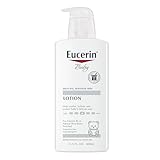
Overview: Eucerin Baby Body Lotion is a fragrance-free, hypoallergenic moisturizer formulated with Pro-Vitamin B5 and shea butter, housed in a convenient pump bottle for easy application on delicate skin.
What Makes It Stand Out: The pump dispenser is a major practical advantage, ensuring hygienic, mess-free, and precise dosing—ideal for post-bath routines. Its focus on simplicity (free of fragrances, parabens, dyes, drying alcohols) and status as the “#1 Best Selling Eczema Relief Brand” build strong trust for sensitive skin needs.
Value for Money: Priced mid-range, the 13.5 fl. oz pump bottle offers good usability and sufficient volume. While not the cheapest per ounce, the pump’s convenience and Eucerin’s eczema-focused reputation provide solid value for parents prioritizing ease of use and proven gentle care.
Strengths and Weaknesses: Strengths: Very convenient pump application, fragrance-free & hypoallergenic, strong eczema-relief brand credibility, shea butter adds nourishment. Weaknesses: Bottle size smaller than budget giants like Johnson’s, lacks specific National Eczema Association seal mentioned in features.
Bottom Line: Highly recommended for parents seeking a user-friendly, no-fuss lotion with reputable sensitive-skin credentials. The pump makes it a practical daily choice, especially for those valuing ease over maximum volume.
4. Earth Mama Simply Non-Scents Baby Lotion for Dry Skin, Calendula Cream for Newborn Skin Care, Organic Moisturizer for Children with Aloe Juice, Rooibos, & Shea Butter, Fragrance Free, 8-Fluid Ounce

Overview: Earth Mama’s Simply Non-Scents Baby Lotion is an organic, truly fragrance-free formula crafted with calendula, aloe, rooibos, and shea butter, designed specifically for ultra-sensitive or dry newborn skin.
What Makes It Stand Out: Its commitment to organic, natural ingredients (NSF/ANSI 305 Certified) and complete absence of petroleum, mineral oil, artificial fragrance, and preservatives is exceptional. Third-party certifications (Leaping Bunny, Plastic Neutral) and focus on holistic, eco-conscious care differentiate it significantly.
Value for Money: Positioned as a premium organic product, it commands a higher price per ounce. Value lies in its certified clean ingredients and ethical production, justifying cost for eco-conscious parents prioritizing organic purity over size or mainstream brand recognition.
Strengths and Weaknesses: Strengths: Certified organic & truly unscented, rich in skin-soothing botanicals (calendula, aloe), strong ethical/sustainability credentials, plastic-neutral. Weaknesses: Smaller 8 oz size offers less volume, premium price may deter budget shoppers, botanical focus might not suit all severe eczema cases needing ceramide/oatmeal tech.
Bottom Line: The top choice for parents seeking a certified organic, utterly pure, and ethically made lotion for sensitive skin. Best for those prioritizing ingredient transparency and sustainability, accepting the smaller size and higher cost.
5. Aveeno Baby Eczema Therapy Moisturizing Cream, Natural Colloidal Oatmeal & Vitamin B5, Baby Eczema Cream for Dry, Itchy, Irritated Skin Due to Eczema, Paraben- & Steroid-Free, 7.3 oz

Overview: Aveeno Baby Eczema Therapy Cream is a targeted treatment for eczema-prone infants, leveraging natural colloidal oatmeal and vitamin B5 to soothe intense dryness, itching, and irritation without steroids or parabens.
What Makes It Stand Out: The star ingredient, colloidal oatmeal, is clinically proven to relieve eczema symptoms and forms a protective barrier. Combined with vitamin B5 for healing, it’s specifically formulated for eczema flare-ups and holds the National Eczema Association Seal of Acceptance, backed by dermatologist development.
Value for Money: As a concentrated eczema treatment (7.3 oz), it’s priced higher per ounce than basic lotions. However, its clinical efficacy for managing eczema symptoms and preventing recurrence delivers strong value for parents dealing with frequent flare-ups, reducing the need for multiple products.
Strengths and Weaknesses: Strengths: Highly effective for eczema relief (itching, dryness), National Eczema Association accepted, steroid/paraben-free, non-greasy yet intensely moisturizing, pediatrician recommended. Weaknesses: Smaller tube size, primarily a treatment cream not a daily moisturizer for non-eczema skin, higher cost for routine use.
Bottom Line: An essential recommendation for babies suffering from eczema. It’s a clinically proven, gentle treatment that delivers significant symptom relief, making it worth the investment for affected families despite the premium price and size.
6. Aveeno Baby Calming Comfort Moisturizing Body Lotion with Relaxing Lavender & Vanilla Scents, Non-Greasy Baby Lotion, Nourishing Prebiotic Oatmeal, Paraben- & Phthalate-Free, 18 fl. oz

Overview: This 18 fl. oz. Aveeno lotion blends prebiotic oatmeal with calming lavender and vanilla scents, targeting bedtime routines for infants. Formulated to soothe delicate skin while delivering 24-hour moisture without greasiness, it’s free of parabens, phthalates, steroids, and phenoxyethanol, aligning with pediatrician recommendations for gentle skincare.
What Makes It Stand Out: Its unique lavender-vanilla scent profile is clinically linked to infant relaxation during bedtime massages, differentiating it from fragrance-free alternatives. The prebiotic oatmeal base nourishes developing skin barriers, and the pH-balanced, fast-absorbing formula supports sensitive skin health without residue.
Value for Money: At standard drugstore pricing, the 18 fl. oz. size offers economical longevity for nightly use. While pricier than basic lotions, the dual benefit of moisturization and sleep aid justifies the cost versus single-purpose products, especially given pediatrician endorsements.
Strengths and Weaknesses: Strengths include effective 24-hour hydration, non-irritating ingredients, and aromatherapy benefits for sleep routines; weaknesses involve potential scent sensitivity in fragrance-averse infants and a slightly higher price point than unscented options.
Bottom Line: Ideal for parents seeking a soothing bedtime ritual, this lotion excels in hydration and relaxation—choose it if your baby tolerates light scents, but avoid if skin is extremely reactive to botanical fragrances.
7. CeraVe Baby Lotion, Gentle Baby Skin Care with Ceramides, Niacinamide & Vitamin E, Fragrance, Paraben, Dye & Phthalates Free, Lightweight Moisturizer, 16 Ounce

Overview: CeraVe’s 16 oz. fragrance-free lotion leverages ceramide technology developed with pediatric dermatologists, focusing on barrier repair for sensitive infant skin. It combines three essential ceramides, hyaluronic acid, and vitamin E to provide non-greasy, all-day hydration while being free of parabens, dyes, and phthalates.
What Makes It Stand Out: The National Eczema Association Seal of Acceptance sets it apart, validating its safety for eczema-prone skin. Its ceramide-focused formula actively reinforces the skin barrier—unlike simpler moisturizers—while hyaluronic acid boosts hydration retention, making it clinically robust for compromised skin.
Value for Money: Priced moderately higher than drugstore basics, the 16 oz. size delivers exceptional value given its medical-grade ingredients and large capacity. It outperforms cheaper lotions in barrier protection, justifying the investment for babies with dryness or sensitivity issues.
Strengths and Weaknesses: Strengths are its barrier-strengthening ceramides, eczema-safe certification, and fast absorption; weaknesses include a minimalist texture that may feel less “nourishing” for very dry skin compared to richer creams and the absence of sensory elements like scent for bedtime routines.
Bottom Line: A top choice for infants with sensitive or eczema-prone skin, this lotion is a scientifically backed workhorse—prioritize it for therapeutic hydration, though it lacks the aromatic benefits of some competitors.
8. Aveeno Baby Daily Moisture Body Lotion for Sensitive Skin, Hypoallergenic Moisturizing Baby Lotion with Nourishing Oatmeal to Deeply Moisturize Baby’s Skin, Fragrance-Free, 8 fl. oz

Overview: This 8 fl. oz. Aveeno fragrance-free lotion uses prebiotic oatmeal to deeply hydrate sensitive infant skin for 24 hours. Hypoallergenic and pH-balanced, it’s formulated without fragrance, parabens, steroids, or phthalates, earning pediatrician and dermatologist endorsements for daily newborn-to-toddler use.
What Makes It Stand Out: Its clinically proven 24-hour moisture retention via oatmeal—coupled with a minimalist, irritant-free profile—makes it ideal for reactive skin. The fast-absorbing, non-greasy texture integrates seamlessly into bath routines without compromising gentleness.
Value for Money: The smaller 8 oz. size suits trial use or light moisturizing needs but offers poorer value per ounce than larger alternatives. Budget-conscious parents may prefer bulk options, though its reliability justifies cost for occasional use or travel.
Strengths and Weaknesses: Strengths include reliable hypoallergenic performance, instant absorption, and oat-based soothing; weaknesses are the limited quantity for frequent use and lack of barrier-enhancing ingredients like ceramides found in premium competitors.
Bottom Line: A dependable, no-frills option for daily sensitive-skin care—opt for this if prioritizing simplicity and fragrance avoidance, but consider larger sizes for better long-term value.
9. Aveeno Baby Daily Moisture Body Lotion for Sensitive Skin, Hypoallergenic Moisturizing Baby Lotion with Nourishing Oatmeal to Deeply Moisturize Baby’s Skin, Fragrance-Free, 18 fl. oz
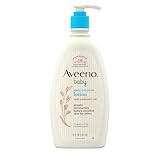
Overview: Identical to Product 8 but in an 18 fl. oz. size, this Aveeno lotion delivers fragrance-free, 24-hour hydration via prebiotic oatmeal for delicate infant skin. Free of common irritants and pH-balanced, it’s clinically proven to prevent dryness and maintain softness with everyday application.
What Makes It Stand Out: The generous 18 oz. capacity maximizes value for routine care, while the core oatmeal formula ensures consistent, gentle moisturization. Its hypoallergenic integrity and quick-absorbing texture make it a staple for sensitive skin without sensory additives.
Value for Money: This is the most cost-effective Aveeno option per ounce, ideal for households needing high-volume use. Savings over smaller sizes or pricier ceramide lotions are significant, though it lacks advanced barrier-repair tech for severe dryness.
Strengths and Weaknesses: Strengths encompass excellent value, universal suitability for sensitive skin, and effortless daily integration; weaknesses include no ceramides for barrier support and a basic formula that won’t address eczema as effectively as specialized alternatives.
Bottom Line: The optimal Aveeno pick for budget-friendly, high-capacity hydration—choose this for reliable, no-nonsense moisturizing if your baby has mild-to-moderate sensitivity and no severe skin conditions.
10. Aveeno Baby Daily Moisturizing Cream with Prebiotic Oat, Hypoallergenic Baby Lotion with Coconut Oil & Shea Butter Moisturizes Sensitive Skin for 24 Hours, Gentle Coconut Scent, 12 fl. oz

Overview: Aveeno’s 12 fl. oz. cream blends prebiotic oat with coconut oil and shea butter for 24-hour hydration, featuring a subtle coconut scent. Hypoallergenic and free of parabens and phthalates, it targets sensitive skin while offering a richer texture than standard lotions.
What Makes It Stand Out: The addition of coconut oil and shea butter creates a more emollient formula for very dry skin, while the “naturally derived” coconut scent (per ISO standards) provides a mild sensory experience absent in fragrance-free rivals. This bridges hydration depth and gentle aromatics.
Value for Money: Priced slightly above basic lotions, the nutrient-dense ingredients and 12 oz. size deliver fair value for intensive moisture needs. It’s costlier per ounce than Aveeno’s unscented lotions but justifiable for babies requiring extra nourishment.
Strengths and Weaknesses: Strengths include deep moisturization from butters, suitability for all skin tones, and a pleasant yet mild scent; weaknesses involve potential coconut oil sensitivity in some infants and a heavier feel that may not suit oily-prone skin.
Bottom Line: Recommended for dry or flaky skin needing richer care with a touch of scent—skip if your baby has coconut allergies or prefers completely unscented products, but ideal for winter or arid climates.
Understanding Baby Skin Biology and Sensitivity
Why Infant Skin is Uniquely Vulnerable
Baby skin isn’t just “small adult skin.” It’s structurally different, with a thinner epidermis (the outermost layer) and a less robust stratum corneum (the protective barrier). This makes it significantly more permeable, allowing potential irritants and allergens to penetrate more easily. Additionally, infant skin has a higher pH level than mature skin, which can temporarily disrupt the skin’s natural acidic mantle—a crucial defense against bacteria and moisture loss. This biological reality means what might be a mild ingredient for you could be profoundly irritating for your baby.
Common Triggers for Sensitive Skin Reactions
Identifying the culprits behind sensitivity is half the battle. Common triggers include harsh soaps and detergents stripping natural oils, cold or dry air causing transepidermal water loss (TEWL), exposure to rough fabrics like wool, chlorine in swimming pools, and even residues from laundry products. Environmental allergens like pollen or dust mites can also exacerbate skin reactivity. Recognizing these triggers helps you create a supportive environment alongside choosing the right moisturizer.
The Critical Role of the Skin Barrier
The skin barrier is your baby’s first line of defense. When compromised—due to genetics (like a predisposition to eczema), environmental assault, or inappropriate products—it leads to increased water loss, dryness, inflammation, and heightened sensitivity. A high-quality moisturizer for sensitive skin isn’t merely about adding moisture; its primary function should be to actively support and repair this fragile barrier function, locking in hydration and shielding against external irritants.
Essential Ingredient Considerations for Sensitive Skin
Prioritizing Gentle, Skin-Identical Humectants
Humectants draw moisture from the deeper layers of the skin and the environment into the outer layer. For sensitive skin, opt for gentle, non-irritating humectants like glycerin and hyaluronic acid (in low molecular weights suitable for babies). These are highly effective at hydrating without stinging or disrupting the barrier. Avoid harsher humectants like certain alcohols (e.g., denatured alcohol, isopropyl alcohol) which can be extremely drying and irritating.
The Importance of Soothing Emollients
Emollients work by filling the gaps between skin cells, smoothing the surface, and reducing flakiness. Look for lightweight, non-comedogenic (won’t clog pores) emollients known for their calming properties, such as squalane (often derived from olives), ceramides (which mimic the skin’s natural barrier lipids), and certain plant oils like sunflower seed oil. These ingredients help restore skin smoothness and resilience without leaving a heavy, greasy residue that could irritate.
Effective but Non-Irritating Occlusives
Occlusives form a protective seal on the skin’s surface to prevent moisture loss. While effective, some common occlusives (like petroleum jelly) can feel heavy. For sensitive skin, seek lighter, well-tolerated options such as shea butter (refined to remove potential irritants) or dimethicone (a silicone-based ingredient generally well-accepted for sensitive skin). The key is finding an occlusive that provides a protective barrier without causing stinging, clogging pores, or feeling overly suffocating.
Fragrance: The Primary Irritant to Avoid
This cannot be overstated: fragrance, whether synthetic or “natural” essential oils, is the single most common cause of allergic contact dermatitis and irritation in sensitive baby skin. Always choose products explicitly labeled “fragrance-free.” Be vigilant—terms like “unscented” might simply mean masking fragrances are used, which can still cause reactions. Truly fragrance-free formulations significantly reduce the risk of triggering sensitivity.
Choosing the Right Texture and Formulation
Lotions vs. Creams vs. Ointments: Understanding the Spectrum
The consistency of a moisturizer directly impacts its function. Lotions are the lightest (higher water content), best for mild dryness or humid climates but may not provide enough barrier protection for very sensitive or eczema-prone skin. Creams offer a middle ground—more emollient and occlusive than lotions, ideal for daily maintenance of sensitive skin. Ointments (like petroleum jelly) are the most occlusive, forming a superior protective seal, often recommended for severely dry, cracked, or actively irritated skin, though they can feel greasy.
The Significance of Non-Comedogenic Claims
While baby acne is common and usually transient, using comedogenic (pore-clogging) ingredients can exacerbate it, especially on the face. For moisturizers intended for facial use on sensitive skin, look for “non-comedogenic” on the label. This indicates the formulation has been tested and is less likely to block pores, minimizing the risk of contributing to breakouts alongside existing sensitivity.
Water-Based vs. Oil-Based Formulations
Water-based moisturizers (lotions, some creams) absorb quickly and feel lighter but often require preservatives to prevent bacterial growth. Oil-based formulations (ointments, richer creams) are inherently more stable (needing fewer preservatives) and provide superior barrier protection. For very sensitive or compromised skin, oil-based options are often preferred for their simplicity and effectiveness, though personal preference for feel matters for daily use.
Application Best Practices for Maximum Benefit
Timing is Everything: When to Moisturize
The golden rule for locking in maximum hydration is to apply moisturizer within 3 minutes of bathing, while the skin is still slightly damp. This traps the water on the skin’s surface, significantly boosting the moisturizer’s hydrating effect. Reapply throughout the day as needed, especially after hand washing for little ones, or before exposure to harsh elements like wind or cold.
The Right Amount: Less Isn’t Always More (Especially for Dry Skin)
Using too little product won’t effectively repair the barrier. For areas of significant dryness or sensitivity, apply a generous amount—enough to leave a slight sheen on the skin. A good guideline is the “two-finger rule” for a small area (like a baby’s arm): squeeze product along the length of two adult fingers. For very dry or eczema-prone patches, a thicker layer may be necessary initially.
Gentle Application Technique Matters
Rubbing vigorously can irritate sensitive skin. Instead, use soft, downward strokes to gently smooth the product into the skin. Pay special attention to common trouble spots like cheeks, elbows, knees, and the diaper area (using a barrier-specific product there). Allow the moisturizer to absorb fully before dressing your baby to prevent fabric snagging or reduced effectiveness.
Navigating Labels and Marketing Claims
Decoding “Hypoallergenic” and What It Really Means
“Hypoallergenic” is a marketing term, not a regulated standard. It generally implies the product was formulated to minimize the risk of allergic reactions, often by excluding common allergens. However, it doesn’t guarantee no reaction will occur, as individual sensitivities vary wildly. It’s a good starting point, but always patch test regardless of this claim.
Understanding “Dermatologist Tested” vs. “Dermatologist Recommended”
“Dermatologist tested” means the product underwent testing (often on a small panel) under a dermatologist’s supervision. “Dermatologist recommended” suggests one or more dermatologists endorse it, but it doesn’t necessarily mean widespread professional consensus. Neither claim is a foolproof guarantee for sensitive skin; they indicate some level of professional involvement but shouldn’t replace your own ingredient scrutiny and patch testing.
Organic and Natural: Not Synonymous with Safe
Just because a product is labeled “organic” or “natural” doesn’t mean it’s safe for sensitive baby skin. Many natural ingredients (like certain essential oils, citrus extracts, or even coconut oil for some babies) are potent allergens or irritants. Conversely, many synthetic ingredients (like specific ceramides or dimethicone) are extremely pure, well-tolerated, and highly effective for barrier repair. Focus on the specific ingredients and their purpose, not the “natural” halo.
Red Flag Ingredients to Actively Avoid
Harsh Surfactants and Cleansing Agents
Even in moisturizers, avoid strong surfactants like sodium lauryl sulfate (SLS) or sodium laureth sulfate (SLES). While more common in cleansers, they can sometimes appear in moisturizing washes or leave residues. These can strip the skin’s natural oils, leading to dryness and irritation, counteracting the moisturizer’s purpose.
Common Preservative Irritants
Preservatives are necessary to prevent bacterial and fungal growth in water-based products, but some are more problematic than others for sensitive skin. Methylisothiazolinone (MI) and methylchloroisothiazolinone (MCI) are frequent culprits in contact allergies. Formaldehyde-releasing preservatives (like DMDM hydantoin, quaternium-15) are also significant irritants to avoid. Look for gentler alternatives like radish root ferment filtrate or specific phenoxyethanol concentrations (though patch testing is still wise).
Dyes and Unnecessary Additives
Artificial colors (listed as FD&C or D&C followed by a color and number) serve no purpose other than aesthetics and are common irritants. Similarly, avoid unnecessary additives like silicones if your baby reacts to them (though many are well-tolerated), or “exotic” botanical extracts that increase the risk of reaction without proven benefit for barrier repair in sensitive infants.
Building a Consistent Routine for Sensitive Skin
Integrating Moisturizing into the Daily Bath Time Ritual
Make moisturizing a non-negotiable step right after the bath. Use lukewarm water (hot water dries skin), a gentle, soap-free cleanser sparingly (only on soiled areas), and pat skin dry gently—never rub. Apply moisturizer immediately to damp skin. This simple, consistent ritual is foundational for managing sensitivity.
Managing Flare-Ups: Adjusting Your Approach
During periods of increased sensitivity or visible irritation (redness, bumps, cracking), you may need to switch temporarily to a simpler, more occlusive product (like a plain petroleum jelly or a very basic cream with minimal ingredients). Increase application frequency, especially after any water exposure. Consult your pediatrician if flare-ups are severe or persistent, as medical-grade barrier creams or prescription treatments might be necessary alongside your moisturizing routine.
Partnering with Your Pediatrician or Dermatologist
Never hesitate to involve your child’s healthcare provider. They can help diagnose underlying conditions like eczema, provide guidance on suitable product types, recommend specific ingredient categories to prioritize or avoid based on your baby’s history, and advise when a prescription option is needed. They are your best resource for personalized advice.
Frequently Asked Questions
How often should I apply moisturizer to my baby’s sensitive skin?
Apply moisturizer at least twice daily as part of your routine, especially within minutes of bathing while skin is damp. Increase frequency to 3-4 times a day or more during flare-ups, in dry climates, or after hand washing for toddlers. Consistency is key for barrier support.
Is petroleum jelly safe for baby’s sensitive skin?
Yes, pure petroleum jelly (petrolatum) is generally considered very safe and highly effective for sensitive and eczema-prone baby skin. It’s an excellent occlusive that seals in moisture without stinging. Ensure it’s 100% pure and use it as a barrier, especially on very dry patches or overnight. Some prefer lighter options for daily facial use.
What’s the difference between “fragrance-free” and “unscented”?
“Fragrance-free” means no fragrance ingredients (synthetic or natural) have been added. “Unscented” often means fragrances have been added to mask the product’s natural chemical smell, but the overall scent is neutralized. For sensitive skin, only choose “fragrance-free” to avoid potential irritants.
Can I use my own moisturizer on my baby?
It’s strongly discouraged. Adult moisturizers often contain fragrances, harsh preservatives, active ingredients (like retinoids or strong acids), and higher concentrations of potential irritants not formulated for infant skin’s thinness and permeability. Always use products specifically designed for babies.
How do I know if a moisturizer is causing a reaction?
Signs of a reaction include increased redness, new rash (hives, bumps), swelling, itching (your baby may rub the area more), or stinging upon application. Stop using the product immediately. A patch test (applying a small amount to the inner arm for 24-48 hours) before full use is crucial to catch reactions early.
Are “hypoallergenic” baby moisturizers always safe for sensitive skin?
Not necessarily. “Hypoallergenic” is a marketing claim, not a regulated standard. While these products aim to minimize allergens, individual reactions vary. Always check the full ingredient list for your baby’s known triggers and perform a patch test, even with hypoallergenic products.
Should I choose a moisturizer with ceramides for sensitive skin?
Ceramides are excellent for sensitive and eczema-prone skin as they are lipids naturally found in the skin barrier. Replenishing them helps repair the barrier and reduce moisture loss. Look for products listing ceramides (often as Ceramide NP, AP, EOP) high in the ingredients if barrier repair is a priority.
Is it okay to use lotion on a baby with eczema?
Yes, but the type of lotion matters greatly. For eczema-prone sensitive skin, thicker creams or ointments are usually more effective than light lotions because they provide superior barrier protection and moisture retention. Choose fragrance-free, dye-free formulas specifically designed for eczema or very sensitive skin.
How long does it take to see improvement after switching moisturizers?
Improvement can take time. You might notice reduced tightness or slight smoothing within a few days of consistent use. Significant improvement in dryness, redness, or barrier function typically takes 2-4 weeks of diligent, twice-daily (or more) application. Be patient and consistent.
Can diet affect my baby’s skin sensitivity and the need for moisturizer?
While diet primarily affects conditions like food-protein-induced enterocolitis (FPIES) or severe allergies manifesting on skin, it’s less directly linked to general skin dryness/sensitivity than external factors. However, ensuring your baby is well-hydrated supports overall skin health. The primary defense against dryness remains consistent topical moisturizing with appropriate products. Consult your pediatrician about diet concerns.