Watching your little one squirm with gas or deal with frequent spit-up can make even the most seasoned parent feel helpless. Those tearful feedings where comfort seems just out of reach are incredibly tough. You’ve probably tried burping techniques, different feeding positions, and maybe even questioned your entire diet if you’re breastfeeding. It’s a common struggle, yet finding relief often hinges on a detail many overlook: the design of the baby bottle itself. Choosing the right bottle isn’t just about convenience; it’s a strategic move towards calmer, more comfortable feedings for your infant and significantly less stress for you.
Understanding why certain bottles make a difference is the first step toward solving this puzzle. Gas and spit-up frequently stem from how much air a baby swallows during feeding – a problem known as aerophagia. Traditional bottle designs can inadvertently create a vacuum as the liquid level drops, forcing babies to gulp air to keep the flow going, or allow air to travel down the nipple alongside the milk. This swallowed air bounces around in their tiny digestive system, causing discomfort, bloating, and those frustrating episodes of spit-up. The good news? Modern bottle engineering specifically targets these issues through thoughtful features that mimic natural feeding dynamics, minimizing air intake and promoting smoother digestion. Let’s explore the key elements that matter most when selecting a bottle designed to help your baby feed happily and comfortably.
Top 10 Baby Bottles for Gas Reduction
Detailed Product Reviews
1. Dr. Brown’s Natural Flow Anti-Colic Options+ Narrow Baby Bottle, 8 oz/250 mL, with Level 1 Slow Flow Nipples, 0m+, 4 Pack

Overview: This 4-pack of narrow-necked 8oz bottles features Dr. Brown’s signature anti-colic internal vent system designed for newborns, aiming to minimize feeding discomfort and preserve milk nutrients. What Makes It Stand Out: Its patented vent system actively reduces vacuum formation, preventing air ingestion that causes colic, gas, and spit-up. The breast-like nipple promotes proper latching and eases breastfeeding transitions, while the unique system preserves nutrient integrity better than vent-free alternatives. The removable vent allows adaptation as babies grow. Value for Money: Priced competitively for a 4-pack, it offers long-term utility since the bottle grows with the infant (vent optional). While slightly pricier per unit than basic bottles, the clinical benefits for colic-prone babies justify the cost compared to cheaper alternatives that lack proven efficacy. Strengths and Weaknesses: Strengths: Clinically proven colic reduction; nutrient preservation; seamless breast-to-bottle transition; adaptable vent system; durable construction. Weaknesses: Narrow neck complicates cleaning/powder filling; vent assembly adds parts; occasional leakage if not assembled precisely. Bottom Line: An excellent investment for newborns, especially those with colic or transitioning from breastfeeding, offering superior comfort and health benefits despite minor cleaning inconveniences; highly recommended for concerned parents.
2. Philips Avent Anti-Colic Baby Bottle with AirFree Vent, 9oz, with Flow 2 Nipples, 1m+, 4pk, Clear, SCY703/04
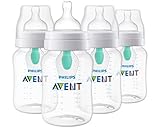
Overview: This 4-pack of 9oz wide-neck bottles utilizes Philips Avent’s AirFree vent technology to combat colic and gas in babies aged 1 month and up, featuring Flow 2 nipples for moderate feeding speeds. What Makes It Stand Out: The AirFree vent uniquely positions the air pocket at the bottle’s base, ensuring the nipple stays milk-filled (not air-filled) during feeding. This reduces air swallowing significantly and allows comfortable upright feeding. Its wide neck and minimal parts (just 4 components) simplify cleaning and assembly compared to multi-part vent systems. Value for Money: As an award-winning solution for gassy babies, the 4-pack provides substantial value. It’s moderately priced for the quality and ease-of-use, outperforming cheaper bottles with less effective venting while avoiding the premium cost of some competitors. Long-term durability enhances cost efficiency. Strengths and Weaknesses: Strengths: Effective air reduction; effortless cleaning/assembly; leak-resistant; comfortable upright feeding position; BPA-free. Weaknesses: Vent requires correct orientation for optimal function; nipple flow may not suit all babies initially; wider base takes more storage space. Bottom Line: A top-tier choice for reducing gas and colic in developing infants, combining proven performance with user-friendly design; ideal for parents prioritizing ease of use and effectiveness, making it a strong recommendation.
3. Philips Avent Anti-Colic Baby Bottle with AirFree Vent, 4oz, with Flow 1 Nipples, 0m+, 1Pk, Clear, SCY701/91

Overview: This single 4oz bottle with Flow 1 nipple is tailored for newborns (0m+), leveraging Philips Avent’s AirFree vent technology to minimize colic, gas, and reflux from the earliest feeds. What Makes It Stand Out: The AirFree vent ensures the nipple remains filled with milk, not air, during feeding—critical for newborns prone to swallowing air. Its compact 4oz size suits small newborn appetites, while the wide neck and minimal parts (bottle, nipple, vent, cap) enable quick cleaning. The vent can be removed later as feeding evolves. Value for Money: While sold individually, its price is justified for a specialized newborn solution. It’s more affordable upfront than multi-packs but costs more per bottle long-term. Superior to basic disposable or non-vented newborn bottles in functionality, offering tangible health benefits worth the slight premium. Strengths and Weaknesses: Strengths: Excellent air reduction for newborns; simple, fast assembly/cleaning; safe BPA-free materials; adaptable vent system; ideal size for early feeds. Weaknesses: Single-unit purchase lacks bulk savings; smaller capacity requires frequent refills for older infants; vent must be positioned correctly. Bottom Line: A reliable, parent-friendly starter bottle that effectively addresses newborn colic drivers; best purchased as part of a multi-pack long-term but still recommended individually for immediate newborn needs.
4. MAM 4.5oz Easy Start Anti-Colic Wide Neck Vented Baby Bottle, Extra Slow Flow Breastfeeding-Like Silicone Nipple, Reduces Colic, Gas & Reflux, Easy to Clean, BPA Free, 0+ Months, Made in Europe
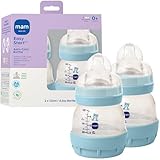
Overview: This 4.5oz bottle features MAM’s dual anti-colic system and SkinSoft nipple, clinically proven to reduce colic symptoms in 80% of babies, designed specifically for newborns and mixed-feeding routines. What Makes It Stand Out: Its engineered dual vent (base and nipple) outperforms single-vent competitors in colic reduction. The pre-compressed, extra-slow SkinSoft silicone nipple achieves 94% acceptance rates, mimicking breast feel perfectly. The standout self-sterilizing feature works in just 3 minutes via microwave, and superior heat resistance ensures safety during sterilization. Value for Money: Positioned as a premium European-made option, its price reflects innovative features like self-sterilization and clinical backing. While costlier than basic anti-colic bottles, the time saved on sterilization and high success rate with fussy babies offer compelling value for eco-conscious, convenience-seeking parents. Strengths and Weaknesses: Strengths: Clinically proven dual vent system; exceptional nipple acceptance; revolutionary 3-minute self-sterilizing; ultra-durable heat resistance; easy cleaning. Weaknesses: Higher price point; limited size options; microwave-only sterilization requires caution. Bottom Line: A premium, highly effective solution for colic reduction and seamless breastfeeding transitions, particularly valuable for its self-sterilizing convenience; worth the investment for parents prioritizing speed and clinical results.
5. Playtex Baby Nurser Pre-Sterilized Disposable Drop-Ins Baby Bottle Liners, 4 Oz (100 Count), Anti-Colic, Gas Reduction, Easy to Clean, Closer to Breastfeeding, Perfect for Travel and On the Go

Overview: This 100-count pack of pre-sterilized, disposable 4oz bottle liners fits Playtex Nurser bottles, designed to reduce gas and colic while eliminating cleaning chores through single-use convenience. What Makes It Stand Out: The liners collapse as baby feeds, minimizing air ingestion and gas—unlike rigid bottles. Each liner is pre-sterilized and BPA-free, ensuring immediate hygiene. The standout advantage is mess-free portability: lightweight liners require no washing, making them ideal for travel, night feeds, or daycare, with recyclable materials reducing cleanup time drastically. Value for Money: Initial cost per liner is higher than reusable bottles, but savings come from time saved on sterilizing and cleaning multiple components. For frequent travelers or parents overwhelmed by bottle maintenance, the convenience justifies the expense. Bulk packs lower the per-use cost significantly. Strengths and Weaknesses: Strengths: Eliminates bottle cleaning; reduces gas via collapsing design; travel-friendly and portable; pre-sterilized hygiene; recyclable. Weaknesses: Ongoing cost of replacements; environmental impact from disposables; requires specific Playtex bottles; not ideal for eco-focused households. Bottom Line: An unbeatable solution for on-the-go feeding simplicity and gas reduction, particularly during travel or busy phases; recommended for convenience-focused parents despite recurring costs and environmental considerations.
6. Dr. Brown’s Natural Flow Anti-Colic Options+ Narrow Baby Bottle, 4 oz/120 mL, with Level 1 Slow Flow Nipple, 0m+, 4 Pack

Overview:
This 4-pack of 4oz narrow-neck bottles features Dr. Brown’s clinically proven internal vent system designed to combat colic symptoms. Targeted at newborns (0m+), it includes Level 1 slow-flow nipples and offers flexibility as the baby grows.
What Makes It Stand Out:
Its standout feature is the patented internal vent system, clinically proven to reduce colic, spit-up, and gas by preventing vacuum formation and preserving milk nutrients. The breast-like nipple promotes proper latching for seamless breast-to-bottle transitions, and the unique “Options+” design allows removal of the vent system later, eliminating the need for a new bottle type.
Value for Money:
Priced mid-to-high range, the 4-pack offers good value for parents prioritizing colic reduction. While pricier than basic bottles, the clinical backing and longevity (growing with the baby) justify the cost compared to cheaper alternatives lacking proven anti-colic efficacy.
Strengths and Weaknesses:
Strengths: Clinically proven colic reduction; preserves nutrients; excellent breast-to-bottle transition; vent system removable for later stages; consistent flow rate. Weaknesses: More complex to clean due to multiple small parts; narrow neck complicates formula pouring; vent can cause minor milk leakage if not assembled perfectly.
Bottom Line:
Highly recommended for newborns prone to colic or gas, especially for breastfeeding families. Despite cleaning demands, its proven effectiveness and adaptability make it a worthwhile investment for infants needing significant gas relief.
7. Nanobebe Flexy Silicone Baby Bottle, Anti-Colic, Natural Feel, Non-Collapsing Nipple, Non-Tip Stable Base, Easy to Clean 2-Pack, Sage, 5 oz

Overview:
This 2-pack of 5oz silicone bottles uses an innovative triple-vented nipple and stable base to address colic. Made from ultra-soft, medical-grade silicone, it focuses on mimicking breastfeeding while prioritizing ease of use and hygiene.
What Makes It Stand Out:
The 360° triple-vented, non-collapsing nipple ensures gas-free feeding without disrupting latch, while the extra-soft silicone provides a familiar, natural feel to prevent nipple confusion. The stable, non-tip base and wide-neck design significantly enhance convenience during feeding and cleaning compared to traditional vented bottles.
Value for Money:
Positioned at a premium price point, it offers solid value for parents seeking a seamless breast-to-bottle transition and ultra-easy cleaning. The durable, dishwasher-safe silicone justifies the cost over time, though budget buyers might find it steep compared to basic plastic options.
Strengths and Weaknesses:
Strengths: Exceptional nipple feel for breastfeeding transition; highly stable base; very easy to clean (few parts, wide neck); non-collapsing nipple prevents gas; safe, high-grade materials. Weaknesses: Higher initial cost; 5oz size may be small for older infants; snap-on handles sold separately.
Bottom Line:
Ideal for breastfeeding families wanting minimal nipple confusion and effortless cleaning. Its superior ergonomics and anti-colic performance warrant the premium price, making it a top choice despite the smaller capacity.
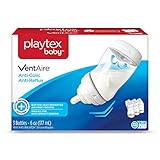
8. Playtex Baby VentAire Bottle, Helps Prevent Colic and Reflux, 6 Ounce Bottles, 3 Count
Overview:
This 3-count pack of 6oz bottles utilizes Playtex’s patented bottom-vent system and angled design to reduce colic, reflux, and ear infection risks. It features a wide Naturalatch nipple for comfortable feeding.
What Makes It Stand Out:
The unique bottom-vent placement keeps air separated from milk, preventing air ingestion, while the ergonomic angled shape promotes semi-upright feeding—both doctor-recommended for reducing reflux and colic. The wide, breast-mimicking nipple aids proper latching with fewer parts than internal-vent bottles.
Value for Money:
Offering excellent value, this affordable 3-pack delivers clinically relevant anti-colic features without complexity. It’s significantly cheaper per bottle than vented competitors like Dr. Brown’s, making it a cost-effective solution for parents seeking proven reflux/colic reduction.
Strengths and Weaknesses:
Strengths: Effective bottom-vent system; doctor-recommended angled design; wide nipple for easy latching; fewer parts simplify cleaning; budget-friendly. Weaknesses: Plastic construction feels less premium; vent can occasionally clog; angle may not suit all feeding positions.
Bottom Line:
A practical, economical choice for parents needing reliable colic and reflux relief. Its simplicity, effectiveness, and low price make it a smart starter bottle, especially for those prioritizing ease of maintenance.
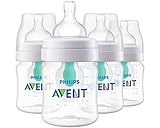
9. Philips Avent Anti-Colic Bottle with AirFree Vent, 4oz, with Flow 1 Nipples, 0m+, 4pk, Clear, SCY701/04
Overview:
This 4-pack of 4oz bottles features Philips Avent’s AirFree vent system to minimize colic, gas, and reflux. Designed for newborns (0m+), it offers flexibility with or without the vent and prioritizes user-friendly assembly.
What Makes It Stand Out:
The AirFree vent prevents air ingestion by keeping the nipple full of milk (not air), enabling comfortable upright feeding. Unlike complex internal vents, it’s simple to use and clean, with a wide neck and minimal parts. The vent is optional, allowing adaptation as the baby’s feeding evolves.
Value for Money:
Priced competitively, the 4-pack provides strong value with its versatile vent system and durability. It’s more affordable than multi-component bottles like Dr. Brown’s while delivering comparable anti-colic results, making it a sensible mid-range investment.
Strengths and Weaknesses:
Strengths: Effective air reduction with simple vent; easy cleaning and assembly; wide neck for filling; vent optional for growth; BPA-free. Weaknesses: Vent can loosen during vigorous feeding; nipple flow may be too slow for some infants; plastic shows wear over time.
Bottom Line:
Highly recommended for its balance of efficacy, simplicity, and affordability. Perfect for new parents wanting reliable colic prevention without complicated maintenance, though persistent colic sufferers might need advanced systems.
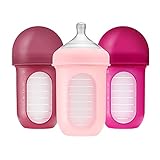
10. Boon Nursh Bottles - Silicone Baby Bottles Help Ease Colic Symptoms - Reusable Food-Grade Silicone Pouches with Polypropylene Shell - Medium Flow - 8 Oz - Pink
Overview:
This innovative 8oz bottle uses a reusable silicone pouch inside a polypropylene shell for air-free feeding. It targets colic relief through a collapsing pouch design, eliminating traditional vents or valves.
What Makes It Stand Out:
The standout feature is its valve-free pouch system: as baby drinks, the pouch collapses, preventing air intake and reducing gas/spit-up without complex parts. Only milk contacts food-grade silicone, enhancing safety, while the latch-friendly nipple promotes proper tongue positioning.
Value for Money:
Mid-priced for an 8oz bottle, it offers unique value through ultra-simple cleaning (pouch + shell) and long-term reusability. Though pouches require occasional replacement, the reduced need for sterilizing multiple vent parts lowers long-term costs versus traditional anti-colic bottles.
Strengths and Weaknesses:
Strengths: Truly air-free feeding via collapsing pouch; easiest cleaning (minimal parts); 100% milk-contact silicone; dishwasher/boil-safe; stable base. Weaknesses: Pouches may tear with rough handling; shell isn’t microwave-safe; limited flow options initially.
Bottom Line:
A top pick for parents seeking minimalist, effective colic relief. Its ingenious pouch system outperforms vented bottles in simplicity and safety, making it ideal despite slight durability concerns with the pouches.
Understanding the Root Causes of Gas and Spit-Up
How Air Intake Contributes to Discomfort
When a baby feeds from a bottle, the way air moves within the system is critical. If the bottle design doesn’t allow air to enter the bottle as the liquid flows out, a vacuum forms. To counteract this vacuum and keep milk flowing, the baby must suck harder, which often pulls air down through the nipple alongside the milk. This swallowed air accumulates in the stomach and intestines, leading to painful gas bubbles, bloating, and increased pressure that can trigger spit-up. Recognizing this vacuum-air-swallowing cycle is fundamental to understanding why specialized bottle features are necessary.
The Role of Feeding Mechanics in Spit-Up
Spit-up isn’t always solely due to excess air. The flow rate of the nipple and the baby’s positioning during feeding play significant roles. A nipple that flows too quickly can overwhelm a baby, causing them to gulp and potentially inhale air, while a flow that’s too slow leads to excessive sucking effort and air intake. Furthermore, if the baby is positioned too upright or too flat, it can disrupt the natural movement of milk through the digestive tract, making reflux more likely. Bottles designed with ergonomics and controlled flow in mind help mitigate these mechanical issues.
Why Standard Bottles Often Fall Short
Basic bottle designs, often just a simple tube with a nipple, lack mechanisms to manage air flow effectively. As the liquid level decreases, the vacuum intensifies, making it progressively harder for the baby to extract milk without swallowing air. There’s no separation between the air path and the liquid path within the bottle. This inherent flaw in traditional designs is why many parents experience ongoing gas and spit-up issues, even with careful feeding techniques. Advanced bottle systems address this core limitation through specific engineering solutions.
Decoding Bottle Venting Systems
Internal Venting Mechanisms Explained
Internal venting systems incorporate a pathway inside the bottle itself, often running up the center or along the side, to allow air to travel directly to the top of the liquid reservoir as the baby feeds. This prevents the formation of a vacuum by ensuring air replaces the volume of milk consumed without the baby needing to suck it in through the nipple. These systems are typically integrated into the bottle’s collar or base and are designed to be less prone to leaking during handling compared to some external vent designs, though they can sometimes be trickier to clean thoroughly.
External Venting Technology and Its Benefits
External venting systems feature a separate channel, usually visible as a tube or membrane on the outside of the bottle or integrated into the nipple base, that creates a dedicated air inlet. This inlet allows air to flow into the bottle independently of the milk outlet (the nipple). The primary advantage is a highly effective vacuum elimination, often leading to very smooth, consistent milk flow that requires minimal sucking effort from the baby, thereby significantly reducing air ingestion. Careful assembly is crucial for these systems to function correctly and avoid leaks.
Anti-Colic Valves: Function and Variations
Many advanced bottles utilize specialized valves within their venting systems, often referred to as anti-colic valves. These valves are typically one-way mechanisms located at the base of the nipple or within the vent pathway. Their job is to open specifically to let air into the bottle to prevent vacuum but close tightly to prevent milk from leaking out through the air vent. Different brands implement valve designs in unique ways – some are more rigid, others flexible – but the core purpose remains the same: to maintain optimal pressure balance inside the bottle for effortless, air-minimized feeding.
Nipple Design: More Than Just Flow Rate
Nipple Shape and Its Impact on Latch and Airflow
The physical shape of the nipple influences how easily a baby can form a proper seal (latch) during feeding. Nipples that mimic the natural contour and flex of the breast, or those with a more orthodontic shape, can promote a deeper latch. A good latch is essential because it creates a seal that minimizes the gap where air could enter alongside the milk. Nipples that are too long, too short, or have an unnatural stiffness can make it harder for the baby to maintain this seal, increasing the risk of gulping air. Flexibility is also key; a nipple that collapses slightly under suction (without sticking to the baby’s palate) can further reduce air intake.
Flow Rate Selection: Matching Baby’s Development
Nipple flow rate is critical and must align with the baby’s age, strength, and feeding style. Newborns typically need a slow flow (often labeled “Newborn” or “Level 1”) to prevent them from being overwhelmed and gulping. As babies grow stronger (around 3-4 months), they may require a medium flow. Using a flow rate that’s too fast for the baby’s capability leads to gulping and air swallowing, while a flow that’s too slow causes excessive sucking effort and air intake. Many vented bottle systems offer multiple nipple flow options designed specifically to work optimally with their venting technology, so matching the flow rate to your baby’s current needs is vital for minimizing gas.
Material Matters: Silicone vs. Latex Flexibility
The material of the nipple affects its feel, durability, and flexibility. Silicone is the most common choice today – it’s clear, odorless, tasteless, hypoallergenic, and doesn’t degrade as quickly as latex when exposed to heat or light. Latex nipples are softer and more flexible initially but can develop a rubbery odor, become sticky over time, and pose a higher allergy risk. For reducing gas, the flexibility imparted by the material is crucial. A nipple needs enough give to collapse slightly under the baby’s suction without kinking or sticking to the roof of their mouth, which helps prevent vacuum formation within the nipple itself and reduces air swallowing. Silicone’s consistent flexibility makes it a reliable choice for this purpose.
Bottle Materials and Construction Considerations
Glass: Stability, Weight, and Heat Retention
Glass bottles offer excellent stability – they don’t warp, retain odors, or leach chemicals, even when heated. They maintain temperature well, keeping milk warmer longer during feeding. However, their significant weight can be tiring for parents during long feeds and challenging for older infants trying to hold their own bottle. The primary safety concern is breakability, though many come with protective silicone sleeves. Glass is ideal for parents prioritizing chemical inertness and durability over weight and shatter risk, and its thermal properties can be beneficial for maintaining optimal milk temperature.
BPA-Free Plastic: Lightweight and Practical Options
Modern BPA-free plastics (like polypropylene or PPSU) are the standard for lightweight, unbreakable bottles. They are easy for parents and babies to handle, making them practical for daily use and travel. When choosing plastic, ensure it’s explicitly labeled “BPA-Free” and preferably free from other concerning chemicals like phthalates or BPS. Look for plastics that remain clear and don’t become cloudy or develop odors quickly, indicating good quality and stability. While they don’t retain heat as long as glass, their safety profile and convenience make them a top choice for many families seeking gas-reducing features.
Silicone Bottles: Flexibility and Durability Balance
Silicone bottles represent a newer category, offering a soft, flexible, and virtually unbreakable option. They are lightweight, easy to squeeze (which some parents find useful for clearing air bubbles before feeding), and highly durable. High-quality food-grade silicone is inert and doesn’t retain odors or flavors. The flexibility can make cleaning slightly different, as they don’t hold a rigid shape, but they are generally dishwasher safe. They provide a middle ground between the stability of glass and the lightness of plastic, with the added benefit of being extremely resistant to breaking, making them a strong contender for active households.
Ergonomics and Feeding Position Optimization
Bottle Angle and Position During Feeding
The angle at which you hold the bottle significantly impacts air intake. Tilting the bottle so the nipple and neck are consistently full of milk, not air, is crucial. This ensures the baby is sucking liquid, not air, especially as the feeding progresses and the milk level drops. Bottles designed with wide bases or ergonomic curves can make it easier to maintain this optimal angle naturally in your hand, reducing wrist strain and helping keep the nipple filled. The goal is always to have the milk level at or above the point where the nipple meets the bottle to prevent air from being drawn in.
Wide-Neck Designs for Natural Latch Simulation
Wide-neck bottles feature a broader opening at the top where the nipple attaches. This design allows for a larger diameter nipple base, which can better mimic the natural shape of the breast during breastfeeding. A wider base often facilitates a deeper latch for the baby, similar to latching onto the breast, which helps create a better seal around the nipple. This improved seal is a key factor in reducing the amount of air that can enter the mouth alongside the milk during sucking, directly contributing to less swallowed air and subsequent gas.
Easy-Grip Contours for Parent and Baby Comfort
Bottles with textured grips, curved sides, or flat spots are not just aesthetic choices; they serve a functional purpose. These ergonomic contours make the bottle significantly easier for parents to hold securely, especially with one hand or when tired, and crucially, easier for older infants and toddlers to grasp and hold themselves. A secure grip prevents accidental tilting that introduces air into the nipple and allows the baby more control over the feeding pace as they grow. Comfortable handling for both caregiver and child promotes a more relaxed feeding environment, which can indirectly reduce stress-related gas.
Temperature Control and Flow Consistency
Heat-Sensitive Indicators for Safe Feeding
Some advanced bottle systems incorporate heat-sensitive strips or areas that change color when the milk or formula reaches a safe feeding temperature (typically around body temperature, 98.6°F / 37°C). While primarily a safety feature to prevent burns, ensuring milk isn’t too hot is also relevant to comfort. Extremely hot milk can irritate a baby’s throat and stomach, potentially worsening discomfort from existing gas. Consistently feeding at the ideal temperature promotes better digestion and a calmer feeding experience.
Maintaining Consistent Milk Temperature During Feeding
How well a bottle retains heat affects the feeding experience. Glass generally holds heat best, keeping milk warmer longer, which some babies prefer. Thin plastic bottles cool down faster, which might be preferable in warmer climates or for babies who like cooler milk. Sudden temperature drops during a feed can sometimes cause a baby to gulp faster or become fussy, potentially increasing air intake. Consider your typical feeding environment and your baby’s preference when choosing a material, as consistent temperature can contribute to a smoother, less stressful feed.
Preventing Flow Disruption from Temperature Swings
Rapid temperature changes, like moving a cold bottle directly to warm water for warming, can sometimes cause minor flow inconsistencies in vented systems, though high-quality designs minimize this. More importantly, ensuring milk is evenly warmed (without hot spots) prevents the baby from encountering sudden bursts of very hot liquid, which can cause them to pull off the nipple abruptly or gulp, introducing air. Proper warming techniques combined with a bottle that delivers consistent flow regardless of minor temp shifts support uninterrupted, air-minimized feeding.
Cleaning and Maintenance for Optimal Performance
Disassembly Complexity and Hygiene
The effectiveness of a vented bottle system is heavily dependent on thorough and regular cleaning. Bottles with numerous small parts – intricate vents, multiple valves, tiny tubes – require meticulous disassembly and cleaning to prevent milk residue buildup. This residue can clog the venting mechanisms, rendering the anti-gas features useless and potentially harboring bacteria. Simpler designs with fewer crevices are generally easier to clean effectively, ensuring the venting system functions correctly every time. Consider your willingness and ability to handle complex cleaning routines when choosing a system.
Dishwasher Safety and Part Placement
Most modern bottles are dishwasher safe, but placement matters, especially for vented systems. Small valve pieces or vent inserts should always be placed in the silverware basket or a dedicated bottle brush holder to prevent them from getting lost, damaged by the spray arm, or not getting adequately cleaned. The intense heat of the dishwasher’s drying cycle can sometimes warp plastic vent components over time. Always check the manufacturer’s specific instructions regarding dishwasher safety for each part to maintain the integrity and functionality of the venting system.
Sterilization Methods and Component Compatibility
Regular sterilization (especially for newborns or during illness) is important. Steam sterilizers (electric or microwave) are popular, but ensure all bottle components, particularly delicate valves and vent membranes, can withstand the heat and moisture without warping or degrading. Some silicone or specialized plastic parts might not be suitable for boiling water sterilization. Using incompatible sterilization methods can damage the venting mechanisms, compromising their ability to prevent gas and spit-up. Know the limits of your chosen bottle’s components.
Adapting for Specific Infant Needs
Bottles for Premature Infants or Weak Suckers
Premature babies or those with weaker sucking strength require bottles with extremely low flow resistance and minimal vacuum formation. Specialized systems often feature ultra-soft nipples and highly efficient venting that requires virtually no sucking effort to maintain milk flow. The goal is to conserve the baby’s energy for feeding and growth, not fighting a vacuum. These bottles prevent the fatigue and air swallowing that can occur when a baby has to work too hard, which is crucial for their development and comfort.
Solutions for Babies with Reflux or GERD
Infants diagnosed with significant reflux (GERD) often need bottles specifically designed to minimize pressure on the lower esophageal sphincter and reduce the volume of air swallowed. Systems with exceptionally effective venting to eliminate all vacuum, combined with slow-flow nipples that encourage smaller, more frequent swallows, are typically recommended. Some bottles are designed to be held in a near-vertical position to keep milk away from the esophagus opening. Consulting a pediatrician for specific bottle recommendations alongside medical management is essential in these cases.
Transitioning from Breastfeeding: Mimicking Natural Flow
For babies switching between breast and bottle, choosing a bottle system that closely replicates the natural flow dynamics of breastfeeding is key to avoiding “nipple confusion” and reducing gas. Look for bottles with responsive flow nipples (often labeled “breastflow” or similar) that only release milk when active sucking occurs, not by gravity alone. Combined with a venting system that prevents vacuum (similar to how the breast doesn’t create a vacuum), these bottles help maintain the baby’s natural feeding rhythm, reducing the likelihood of gulping air that often happens with bottles that flow too readily.
Building Your Strategy for Success
Observing Your Baby’s Feeding Cues and Responses
The most crucial step isn’t picking a bottle off a shelf; it’s paying close attention to your baby during and after feeds. Note if they gulp frequently, pull off the bottle looking frustrated, have excessive hiccups, or seem uncomfortable (drawing legs up, arching back) shortly after feeding. These are signs air intake might be an issue. Conversely, smooth, rhythmic sucking without breaks for gasping and calm digestion afterward indicate the current setup is working well. Your baby’s behavior is the ultimate guide to whether a bottle’s features are effective for them.
The Importance of Patience and Trial Periods
Finding the right bottle solution is rarely instantaneous. It often requires trying one system for several days to a week to truly assess its impact, as babies need time to adjust to a new nipple feel or flow. Don’t dismiss a bottle after one or two feeds if there’s initial fussiness; give it a fair trial. Keep notes on what works and what doesn’t. Be prepared that you might need to combine features – perhaps one brand’s venting with another’s nipple flow – or that the ideal bottle might change as your baby grows and their feeding strength evolves.
Consulting Professionals for Personalized Guidance
Your pediatrician or a lactation consultant is an invaluable resource, especially if gas and spit-up are severe, persistent, or accompanied by other symptoms like poor weight gain. They can rule out underlying medical conditions (like allergies or GERD) and offer tailored advice on bottle and nipple selection based on your baby’s specific anatomy and feeding challenges. They often have samples or know which systems work well for common issues in their practice. Don’t hesitate to seek their expertise – it’s a critical part of developing an effective feeding strategy.
Frequently Asked Questions
How do I know if my baby’s gas is caused by the bottle?
Signs the bottle might be contributing include consistent gulping or clicking sounds during feeding, frequent pulling off the nipple, hiccups immediately after starting to feed, excessive spit-up that seems related to feeding position or bottle type, and noticeable improvement when trying a different bottle system known for reducing air intake.
Are vented bottles necessary for every baby?
Not necessarily. Some babies feed efficiently from standard bottles without significant gas or spit-up. Vented bottles are most beneficial for infants who consistently show signs of swallowing air (excessive fussiness, hiccups, bloating during/after feeds) or have diagnosed reflux. They are often recommended proactively for formula-fed babies or those with known sensitivities.
Can I use any nipple with a vented bottle system?
Generally, no. Vented bottle systems are engineered as complete units. The nipple is specifically designed to work with the venting mechanism (internal or external) and the collar/base assembly. Using a non-compatible nipple, even from the same brand, can disrupt the air flow dynamics, cause leaks, or render the venting ineffective, leading to increased air intake.
How often should I replace bottle nipples to prevent gas issues?
Nipples should be replaced every 1-2 months, or sooner if they show signs of wear like cloudiness, stickiness, thinning, or tearing. Worn nipples can develop micro-tears, lose their shape, or become less flexible, which disrupts flow and can cause the baby to suck harder or gulp air. Check nipples before each use for damage.
Does the bottle material affect gas reduction?
The material itself (glass, plastic, silicone) doesn’t directly reduce gas; the venting system and nipple design do. However, material choice impacts how well the venting system functions (e.g., glass maintains shape for consistent vent alignment) and overall bottle stability. BPA-free status is crucial for safety but separate from gas reduction mechanics.
Can warming the bottle help reduce gas?
Warming milk to body temperature primarily ensures comfort and safety. While cold milk won’t cause gas, some babies prefer warm milk and may gulp or fuss less with it, indirectly reducing air swallowing. The key gas-reduction factor is the bottle’s venting system preventing air intake during the feed, regardless of temperature.
What’s the difference between “anti-colic” and “vented” bottles?
“Anti-colic” is a marketing term often used interchangeably with vented bottles, as the primary cause of colic-like symptoms (gas, fussiness) is air swallowing. True anti-colic bottles are vented bottles specifically engineered with systems to minimize air intake. Not all bottles labeled “anti-colic” are equally effective; focus on the specific venting technology described.
How do I clean the venting system properly?
Disassemble all parts, including removing any valves or inserts from the nipple base or collar. Use a small bottle brush designed for vents to scrub narrow tubes and crevices. Soak parts in a dedicated bottle cleaning solution if needed. Rinse extremely thoroughly. Air dry completely on a drying rack before reassembling to prevent moisture trapping and mold.
Will a better bottle eliminate all spit-up?
No bottle can eliminate spit-up entirely, as some degree is normal for infants due to their immature digestive systems. However, a well-chosen bottle that significantly reduces swallowed air can minimize the frequency and volume of spit-up episodes by reducing the gas pressure in the stomach that contributes to reflux.
When should I switch to a faster nipple flow to prevent gas?
Switch flow rates based on your baby’s feeding behavior, not age alone. If your baby is sucking very rapidly, making loud gulping noises, finishing feeds very quickly, or seems frustrated by a slow drip, they may need a faster flow. A flow that’s too slow causes excessive sucking effort and air swallowing, which causes gas. Move up only when current flow consistently shows these signs.