Watching your premature baby struggle with feeding can feel like witnessing a tiny superpower trying to ignite in slow motion. Every sip matters more, every pause carries weight, and the wrong bottle can turn a crucial bonding moment into a frustrating battle. Parents in the NICU or bringing their little fighter home often feel overwhelmed by choices, desperately seeking tools that align with delicate developmental needs and medical guidance. The right feeding solution isn’t just about nutrition; it’s about building confidence, conserving precious energy, and nurturing that vital parent-infant connection during an incredibly vulnerable time.
Forget one-size-fits-all solutions – premature infants operate on a completely different physiological playbook. Their immature suck-swallow-breathe coordination, underdeveloped oral muscles, and heightened sensitivity demand bottles engineered with microscopic precision. Generic baby bottles, even those labeled “slow flow,” often miss the mark, potentially causing exhaustion, reflux, or aversion. Choosing wisely means understanding the intricate dance between bottle design, your baby’s specific gestational age, medical status, and the gentle guidance of neonatal specialists. This guide cuts through the marketing noise to focus on the essential features that truly support your preemie’s unique feeding journey, empowering you to make informed decisions alongside your care team.
Top 10 Baby Bottles for Premature Infants
Detailed Product Reviews
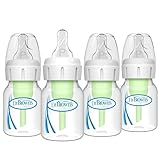
1. Dr. Brown’s Natural Flow Anti-Colic Options+ Narrow Baby Bottle, 2 oz/60 mL, with Preemie Flow Nipple, 0m+, 4 Pack
Overview:
This 4-pack of 2 oz Dr. Brown’s Options+ bottles features their slowest-flow Preemie Nipple, designed specifically for premature infants or babies with feeding challenges. It integrates the brand’s clinically proven anti-colic internal vent system to minimize discomfort during feeding.
What Makes It Stand Out:
The Preemie Flow nipple offers an exceptionally slow, consistent rate mimicking breastfeeding, easing transitions for fragile feeders. The vacuum-free system reduces gas, spit-up, and burping while preserving milk nutrients like vitamins A, C, and E—critical for digestion and sleep. Its breast-like nipple shape also supports proper latching.
Value for Money:
Priced moderately for a 4-pack, it outperforms basic bottles by addressing colic and nutrient retention. While pricier than generic brands, the clinical backing and specialized nipple flow justify the cost for parents of preemies or colic-prone infants, avoiding trial-and-error with cheaper alternatives.
Strengths and Weaknesses:
Strengths: Clinically proven anti-colic tech; slowest nipple flow for preemies; nutrient preservation; easy latch transition; BPA-free. Weaknesses: Narrow neck complicates formula pouring/cleaning; assembly is slightly fiddly; higher price per ounce than standard bottles.
Bottom Line:
Essential for preemies or colicky newborns needing ultra-slow flow and colic relief. Despite minor cleaning hassles, its health-focused design offers superior value for vulnerable infants.
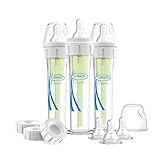
2. Dr. Brown’s Accufeed Anti-Colic Baby Bottle with Preemie Nipple - 60cc - 3pk
Overview:
This 3-pack 60cc AccuFeed bottle system includes Preemie Flow and Level T Nipples, targeting premature babies or those requiring ultra-slow feeding. It combines Dr. Brown’s signature anti-colic vent with precision measurement for fragile feeders.
What Makes It Stand Out:
Graduated markings from 5cc–60cc enable exact intake tracking—vital for preemies where milliliters matter. The dual-nipple inclusion (Preemie + Level T) supports gradual flow progression, while the vent system reduces gas/spit-up and preserves nutrients. Narrow-neck compatibility with all Dr. Brown’s nipples adds flexibility.
Value for Money:
Slightly premium but justified by the dual-nipple system and medical-grade accuracy. Competes well against single-nipple kits, offering built-in adaptability as baby’s needs evolve. Ideal for NICU graduates needing precise volume control.
Strengths and Weaknesses:
Strengths: Ultra-precise cc measurements; two specialized nipple flows; clinically proven colic reduction; nutrient preservation; reusable. Weaknesses: Narrow neck hinders cleaning/refilling; Level T nipple may still be too fast for some preemies; pricier than basic vented bottles.
Bottom Line:
A top investment for parents monitoring micro-feeding volumes in preemies. The accuracy and flow adaptability outweigh the narrow-neck drawbacks for medically sensitive scenarios.
3. Avima Baby Anti-Colic Preemie Bottles 2oz – 6 Pack, Standard Neck, BPA-Free, 100% Silicone Nipples with Flow Control – Feeding Bottles for Newborns & Premature Babies

Overview:
This 6-pack of 2oz standard-neck bottles targets newborns/preemies (0–2 months) with extra-slow flow control and an integrated anti-colic vent in the nipple. Made BPA-free with 100% silicone nipples for safety.
What Makes It Stand Out:
The anti-colic system is uniquely embedded within the nipple (not a separate insert), simplifying cleaning while minimizing air ingestion. Pre-measured markers aid intake tracking, and the compact standard neck fits most bags/sterilizers. Its gift-ready packaging and color variety enhance appeal.
Value for Money:
Excellent value as a 6-pack with premium materials. Undercuts Dr. Brown’s pricing while offering similar anti-colic benefits and BPA-free assurance. Ideal for registries or hospitals seeking cost-effective, reliable preemie bottles without complex assembly.
Strengths and Weaknesses:
Strengths: Nipple-integrated vent (easy cleaning); 100% silicone nipples; clear feeding markers; standard neck convenience; affordable 6-pack. Weaknesses: Flow control less adjustable than Dr. Brown’s multi-nipple systems; no clinical efficacy data provided; shorter nipple may not suit all latches.
Bottom Line:
A practical, budget-friendly choice for new parents prioritizing simplicity and safety. Best for mild reflux cases where ultra-precise flow isn’t critical.
4. Dr. Brown’s First Feeder Bottle with Preemie Nipple - 15cc - 3pk

Overview:
This 3-pack features ultra-small 15cc bottles with Preemie Nipples, designed for initial oral feedings post-birth when breastfeeding isn’t immediately possible. Focused on micro-feeding precision for fragile newborns.
What Makes It Stand Out:
Graduated markings start at 1cc—uniquely precise for tiny volumes essential in NICUs or early feeding therapy. The compact size suits initial expressed milk or medication doses, and nipple compatibility across Dr. Brown’s levels allows seamless growth progression. Reusable and BPA-free.
Value for Money:
Highly specialized pricing reflects its medical utility. While costly per ounce, it’s indispensable for micro-preemies where standard bottles waste precious milk. Outperforms DIY syringe solutions with safer, bottle-based feeding.
Strengths and Weaknesses:
Strengths: Unmatched 1cc–15cc precision; ideal for early oral trials; reusable; BPA/natural rubber latex-free; versatile nipple system. Weaknesses: Too small for full feeds beyond initial weeks; narrow neck; limited availability outside medical settings.
Bottom Line:
Non-negotiable for NICU caregivers or parents of micro-preemies needing micro-feeding accuracy. Skip if baby transitions quickly to standard volumes.
5. BABY KING Preemie 2oz. Bottle, 3 Pack, Assorted Styles and Colors, Vented, Clear, Plastic, Newborn, Infant

Overview:
A budget 3-pack of 2oz clear plastic preemie bottles with vented design and assorted colors. Targets newborns/preemies with basic anti-colic functionality but lacks detailed feature specifications.
What Makes It Stand Out:
Vented technology suggests colic/gas reduction, while the compact 2oz size and colorful designs appeal to gift-givers. Standard-neck compatibility eases use with most pumps and sterilizers, and clarity simplifies monitoring liquid levels.
Value for Money:
Most affordable option here, ideal for cost-conscious parents or hospitals needing disposable-style bottles. However, missing details on nipple flow, material safety (BPA status unconfirmed), or clinical backing limit its reliability versus premium brands.
Strengths and Weaknesses:
Strengths: Low-cost entry point; vented design; standard neck; travel-friendly size; visual variety. Weaknesses: Unknown nipple flow rate (risky for preemies); no BPA-free confirmation; unverified anti-colic efficacy; unclear durability.
Bottom Line:
A gamble for casual use only. Avoid for true preemies; choose only if budget is critical and baby tolerates generic vented bottles.
6. Dr. Brown’s Preemie Flow Bottle Set, Anti-Colic Options+ Baby Bottles with Preemie Flow and Level T Nipples, 4oz/120mL, 0m+ – 3 Pack

Overview: This 3-pack features specialized 4oz bottles designed for premature infants or newborns requiring slower feeding. It includes Preemie Flow nipples and Level T transition nipples within Dr. Brown’s clinically proven anti-colic system. What Makes It Stand Out: The dual-nipple system is exceptional; Preemie Flow offers the slowest rate for fragile feeders, while Level T provides a slightly faster, consistent flow for gradual progression. Combined with the patented internal vent system (clinically proven to reduce colic, gas, and spit-up), it uniquely mimics breastfeeding’s vacuum-free flow and preserves milk nutrients better than standard bottles. Value for Money: Priced moderately higher than basic bottles, the set justifies cost through its medical-grade functionality. The included nipple transition path and nutrient preservation offer long-term digestive and developmental benefits, outperforming cheaper single-flow alternatives for preemies. Strengths and Weaknesses: Strengths: Reduces colic/spit-up significantly; seamless flow progression; preserves milk nutrients; pediatrician-recommended. Weaknesses: Narrow neck complicates cleaning/formula mixing; pricier than standard bottles; smaller 4oz size may require frequent refills for older infants. Bottom Line: Essential for preemies or colic-prone babies, this set’s specialized flow system and clinical benefits deliver unmatched feeding comfort and health support, making it a worthy investment despite minor cleaning hassles.
7. Dr. Brown’s Natural Flow Preemie Flow Narrow Baby Bottle Silicone Nipple, Slowest Flow, 0m+, 100% Silicone Bottle Nipple, 6 Count(Pack of 1)

Overview: This 6-pack of replacement nipples provides the slowest flow option (Preemie Flow) compatible with Dr. Brown’s narrow-neck bottles, specifically engineered for premature infants or those with feeding challenges. What Makes It Stand Out: The nipples deliver vacuum-free, consistent slow flow clinically proven to reduce colic, gas, and spit-up. Their breast-like shape encourages proper latching, easing breast-to-bottle transitions. Crucially, each nipple guarantees flow-rate consistency within its level—vital for fragile preemies needing predictable feeding. Value for Money: At a mid-range price per nipple, this pack offers excellent value. Replacements are frequently needed as babies grow, and the clinical efficacy justifies cost over generic nipples. Buying in bulk (6-count) reduces long-term expense compared to single purchases. Strengths and Weaknesses: Strengths: Clinically reduces colic symptoms; consistent slow flow; promotes natural latch; durable 100% silicone; cost-effective multipack. Weaknesses: Narrow-neck only (limits bottle compatibility); may wear faster than wider nipples; slower flow unnecessary for full-term babies. Bottom Line: A critical accessory for parents using Dr. Brown’s narrow bottles with preemies, this pack ensures reliable, comfortable feeding with proven digestive benefits—highly recommended for its medical precision and durability.
8. Evenflo Feeding Classic Tinted Plastic Standard Neck Bottles for Baby, Infant and Newborn, Pink/Lavender/Teal, 8 Oz, 12 Bottles
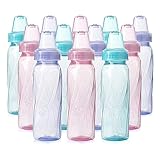
Overview: This 12-pack offers budget-friendly, tinted 8oz standard-neck bottles in assorted pastel colors, designed for everyday infant feeding with a focus on simplicity and ease of use. What Makes It Stand Out: The patented Micro Air Vents effectively prevent nipple collapse during feeding—a common issue with basic bottles—ensuring smoother, more comfortable meals. Molded dual-unit (oz/mL) measurements and a lightweight, ergonomic shape enhance practicality for new parents. Value for Money: Exceptional value as a high-volume pack. The low per-bottle cost suits frequent feeders or daycare use, outperforming pricier brands in affordability without sacrificing core functionality like anti-collapse vents or BPA-free safety. Strengths and Weaknesses: Strengths: Very affordable; prevents nipple collapse; easy-to-read measurements; lightweight and colorful; dishwasher-safe (top rack). Weaknesses: Standard neck limits compatibility with some breast pumps; tinted plastic may stain over time; lacks advanced anti-colic features of premium brands. Bottom Line: An ideal economical choice for parents prioritizing simplicity and reliability, these bottles excel in basic feeding comfort but lack specialized features for colic or preemie needs—perfect for cost-conscious, full-term infants.
9. Similac NeoSure Premature Post-Discharge Infant Formula, Ready-to-Feed Baby Formula, 2-fl-oz Bottle, Pack of 48

Overview: This ready-to-feed formula (48-count of 2fl oz bottles) is clinically designed for premature infants post-hospital discharge, supporting critical catch-up growth and development. What Makes It Stand Out: As the #1-selling preterm post-discharge formula and made by the NICU market leader, NeoSure uniquely delivers higher protein and calories than term formulas to accelerate weight, length, and head circumference gains. It also includes brain-supporting DHA and lutein, mirroring key breast milk nutrients. Value for Money: Premium-priced but medically justified. The ready-to-feed convenience eliminates mixing errors/stress—a crucial safety net for fragile preemies. While costlier per ounce than powder, its targeted nutrition and hospital endorsement provide indispensable health ROI for at-risk infants. Strengths and Weaknesses: Strengths: Clinically proven catch-up growth; supports brain/eye development; zero-prep convenience; trusted NICU formulation; portable small bottles. Weaknesses: Significantly more expensive than standard formula; small bottle size increases quantity needed; not suitable for non-preterm infants. Bottom Line: A medically necessary solution for preemies transitioning home, NeoSure’s growth-focused nutrition and hassle-free format justify its cost—essential for pediatrician-recommended post-NICU care.
10. Evenflo Feeding Classic Tinted Plastic Standard Neck Bottles for Baby, Infant and Newborn - Teal/Green/Blue, 8 Ounce (Pack of 12)
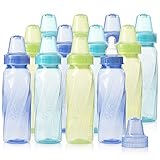
Overview: This 12-pack of 8oz tinted standard-neck bottles (in cool-toned colors) emphasizes ergonomic design and hassle-free feeding, featuring Evenflo’s signature Micro Air Vents and pump compatibility. What Makes It Stand Out: Beyond preventing nipple collapse via Micro Air Vents, these bottles boast a uniquely contoured shape for effortless gripping and direct pumping compatibility with most standard pumps—streamlining the feeding process for breastfeeding parents. The 3-piece design ensures quick cleaning. Value for Money: Outstanding value in a bulk pack. The pump-direct feature and dishwasher-safe construction save significant time versus multi-part bottles, while BPA-free safety and vibrant colors make this a practical, long-term investment for budget-focused families. Strengths and Weaknesses: Strengths: Pump directly into bottles; prevents nipple collapse; ergonomic grip; ultra-simple 3-part cleaning; BPA/phthalate-free; vibrant colors. Weaknesses: Standard neck only (no wide-option); tint may fade/stain; minimal anti-colic technology; not ideal for preemies. Bottom Line: A top pick for convenience-driven parents of full-term babies, these bottles excel in usability and affordability—highly recommended for their pump compatibility and easy maintenance, though lacking advanced medical features.
Understanding the Unique Feeding Needs of Premature Infants
Premature infants navigate a complex feeding landscape far removed from full-term babies. Their neurological and physiological systems are still maturing, making every aspect of nourishment a carefully calibrated process. Recognizing these fundamental differences is the critical first step in selecting appropriate feeding equipment.
The Critical Role of Suck-Swallow-Breathe Coordination
Premature babies often lack the refined neuromuscular control needed to seamlessly synchronize sucking, swallowing, and breathing. This immature coordination can lead to choking, fatigue, or milk entering the airway. Bottles designed for preemies minimize the effort required for each component, allowing babies to focus energy on effective nutrition without compromising respiratory safety. The goal is to support the natural development of this vital reflex without overwhelming the infant.
Energy Conservation is Paramount
Every calorie counts for a growing preemie, and excessive energy expenditure during feeding directly impacts weight gain and development. Standard bottles may require stronger suction, forcing babies to work harder and tire quickly. Specialized preemie bottles reduce the vacuum resistance and flow effort, ensuring more energy goes toward growth and healing rather than the mechanics of eating. Conserving energy during feeds allows for better overall stamina and recovery.
Sensitivity to Flow Rate and Pacing
Flow rate isn’t just slow; it must be precisely calibrated. Too fast risks aspiration and overwhelms the immature system, while too slow causes frustration and inadequate intake. Preemie bottles often feature ultra-slow, consistent flow rates that mimic the natural ebb and flow of breastfeeding, allowing crucial pauses for breathing and processing. Pacing the feed – controlling the milk delivery to match the baby’s natural rhythm – is essential to prevent gulping and support respiratory stability.
Essential Bottle Design Features for Preemie Success
The physical construction of a bottle plays a decisive role in whether a preemie can feed effectively. It’s not merely about the nipple; the entire system must work harmoniously to support delicate oral structures and immature digestion. Key design elements address specific physiological challenges unique to premature infants.
Nipple Shape and Texture Matters Profoundly
Orthodontic or asymmetric nipple shapes gently guide the tongue into a natural position, supporting proper oral development and reducing strain on weak muscles. Soft, pliable silicone that mimics maternal tissue encourages a wider latch and reduces nipple confusion, especially important for babies transitioning between breast and bottle. Textured bases or pressure points can also provide subtle sensory cues to stimulate effective sucking motions without causing discomfort.
Ultra-Slow and Consistent Flow Technology
True preemie flow rates are significantly slower than standard “newborn” options. Look for nipples explicitly designed for medical or preemie use, often labeled with the lowest possible flow indicators (like “preemie,” “extra slow,” or specific medical numbering systems). Crucially, the flow must remain consistent throughout the feed – no surges when the baby pauses or when bottle position changes – to prevent startling the infant or causing choking. Consistency builds feeding confidence.
Minimizing Vacuum and Air Intake
Excessive vacuum buildup inside the bottle forces babies to suck harder, leading to fatigue and increased air swallowing, which exacerbates reflux and discomfort. Advanced venting systems or collapsible bottle designs actively prevent vacuum formation, ensuring milk flows smoothly with minimal effort. Reducing swallowed air is critical for preemies who are particularly prone to gastrointestinal distress and spit-up due to their immature digestive tracts.
Specialized Bottle Systems Addressing Preemie Challenges
Beyond basic design, certain technological approaches tackle the core physiological hurdles preemies face during feeding. These systems go beyond simple flow control to create a more supportive and natural feeding experience that aligns with medical best practices for fragile infants.
Active Venting Systems for Effortless Feeding
Unlike passive vents that merely equalize pressure, active venting systems incorporate internal channels or diaphragms that continuously allow air into the bottle while preventing milk from leaking out. This eliminates the negative pressure vacuum entirely, meaning the baby encounters almost no resistance while sucking. The result is significantly less energy expenditure, reduced air ingestion, and smoother, more rhythmic feeding patterns essential for preemies.
Collapsible Bottle Walls Mimicking Breastfeeding
Bottles with soft, flexible walls that collapse as milk is consumed replicate the natural feel and feedback of breastfeeding. As the baby sucks, the walls gently cave in, maintaining positive internal pressure without creating a vacuum. This design provides crucial sensory feedback to the infant, encouraging a natural suck pattern and reducing the risk of overfeeding or gulping associated with rigid bottles where milk flows passively due to gravity.
Angle-Independent Flow for Natural Positioning
Preemies often feed in specific, supported positions (like semi-upright) to aid digestion and breathing. Standard bottles can deliver erratic flow if not held perfectly vertical, causing gulping or stopping. Advanced preemie bottles feature flow regulators designed to deliver a consistent, ultra-slow rate regardless of the bottle’s angle. This allows caregivers to hold the bottle comfortably in positions that best support the baby’s medical needs without compromising feeding safety or efficiency.
Considering Materials and Safety for Delicate Systems
The substances touching your preemie’s mouth and milk require extra scrutiny. Premature infants have heightened vulnerability to chemical exposures and sensitivities due to their underdeveloped systems. Material safety isn’t just preferable; it’s a non-negotiable aspect of preemie care.
Medical-Grade Silicone: The Gold Standard
Nipples and collapsible components should be made from 100% medical-grade, platinum-cured silicone. This material is exceptionally pure, free from harmful plasticizers like BPA, BPS, phthalates, and lead, and offers superior durability and heat resistance. Its softness closely resembles natural breast tissue, promoting better latch and reducing oral irritation compared to harder rubbers or lower-grade silicones. Medical-grade silicone is the safest choice for prolonged oral contact.
Glass vs. BPA-Free Plastic Bottles
For the rigid bottle portion, medical-grade glass (borosilicate) is inert and impervious to leaching, making it ideal for purity-conscious parents. However, its weight and breakability can be concerns for tiny hands in the NICU. If using plastic, only select bottles explicitly labeled “BPA-Free,” “BPS-Free,” and “Phthalate-Free,” preferably made from high-quality, durable polypropylene (PP) or polyethersulfone (PES). Avoid polycarbonate plastics entirely. Always prioritize bottles designed specifically for medical/preemie use, as general “BPA-free” claims aren’t sufficient for this high-risk group.
Sterilization Compatibility is Non-Negotiable
Preemies have compromised immune systems, making rigorous sterilization essential. Bottles and nipples must withstand repeated sterilization via hospital-grade autoclaves, steam sterilizers, or boiling water without degrading, warping, or leaching chemicals. Check manufacturer specifications for compatibility. Components that cannot be fully sterilized (like complex vent parts with hidden crevices) pose unacceptable infection risks for medically fragile infants and should be avoided.
Working with Your Medical Team and Tracking Progress
Selecting a bottle isn’t a solo decision; it’s a collaborative effort deeply integrated with your baby’s medical care. Neonatologists, neonatal nurses, and lactation consultants specializing in NICU care possess invaluable insights tailored to your infant’s specific condition and developmental stage.
Leveraging NICU Specialist Expertise
The feeding specialists within the NICU have observed your baby’s unique feeding cues, strengths, and challenges firsthand. They understand the intricate interplay between your infant’s medical status (like lung maturity, heart function, or reflux) and feeding mechanics. Always consult them before introducing a new bottle type at home. They can recommend specific flow rates, nipple styles, and bottle systems proven effective within the controlled NICU environment and guide a safe transition.
Observing Your Baby’s Feeding Cues is Key
Your preemie communicates their experience constantly through subtle cues. Learn to recognize signs of fatigue (slowing sucks, falling asleep mid-feed, weak cry), distress (arching back, turning away, gagging), or contentment (steady rhythm, swallowing sounds, relaxed hands). Track feed duration, total intake, and any signs of discomfort (excessive spit-up, coughing, refusing the bottle). Share these observations meticulously with your medical team; they are crucial data points for adjusting bottle choice and feeding strategy.
Patience and Flexibility During Transitions
Preemies evolve rapidly, and their feeding needs can change weekly or even daily. A bottle perfect at 32 weeks corrected age might be unsuitable at 36 weeks. Be prepared to adjust flow rates or switch systems as your baby gains strength and coordination. Never force a bottle that consistently causes distress; work with your team to troubleshoot or try alternatives. Celebrate small victories – consistent, calm feeds, even if volumes are modest, indicate progress worth honoring.
Frequently Asked Questions
Why can’t I just use a regular newborn bottle for my premature baby?
Regular newborn bottles often have flow rates too fast for preemies, requiring more suction effort than their immature systems can handle, leading to fatigue, aspiration risk, or feeding aversion. Preemie-specific designs address their unique suck-swallow-breathe coordination challenges.
How do I know if the flow rate is truly slow enough for my preemie?
Observe your baby closely: signs it’s too fast include choking, coughing, gulping, frequent pauses to catch breath, or milk leaking from the mouth. Signs it’s too slow include excessive jaw fatigue, falling asleep quickly without adequate intake, or vigorous, frustrated sucking. Consult your NICU feeding specialist for assessment.
Are vented bottles necessary for premature infants?
Vented bottles that effectively eliminate vacuum are highly beneficial, as they significantly reduce the effort required to extract milk, minimize air swallowing (reducing reflux), and support more natural, rhythmic feeding patterns crucial for preemies conserving energy.
Can I use these specialized bottles if I’m also breastfeeding?
Absolutely. Many preemie bottles use orthodontic nipple shapes designed to mimic breastfeeding and reduce nipple confusion. Discuss paced bottle-feeding techniques with a lactation consultant to maintain breastfeeding goals while supplementing.
How often should I replace preemie bottle nipples?
Nipples should be replaced every 1-2 months, or immediately if showing signs of wear (cloudiness, stickiness, tears, or stretching). Degraded nipples can alter flow rates unpredictably, which is especially problematic for preemies relying on precise, consistent flow.
Is glass or plastic safer for preemie bottles?
Both can be safe if meeting stringent criteria: glass must be medical-grade borosilicate, and plastic must be certified BPA/BPS/Phthalate-free (PP or PES). Glass offers purity but is heavier; high-quality medical plastics are often preferred in NICUs for safety and practicality. Prioritize bottles designed specifically for medical/preemie use regardless of material.
What’s the biggest sign my preemie is struggling with the bottle?
Consistent signs include excessive fatigue during feeds (falling asleep after minimal intake), frequent choking/gagging, significant reflux after feeds, facial grimacing, turning away persistently, or failing to gain weight appropriately despite adequate milk volume offered.
How important is the bottle’s angle during feeding for preemies?
Very important. Many preemies require semi-upright positioning to aid digestion and breathing. Bottles designed for preemies often feature angle-independent flow regulators, ensuring consistent, slow flow regardless of how the bottle is tilted, unlike standard bottles which can glug or stop flowing if not held vertically.
Can I sterilize specialized preemie bottles the same way as regular bottles?
Preemie bottles require more rigorous sterilization due to fragile immune systems. Always follow the manufacturer’s specific instructions, but generally, they must withstand hospital-grade autoclaving, steam sterilization, or prolonged boiling without degradation. Complex vent parts need thorough cleaning to prevent bacterial harborage.
When might my baby outgrow the need for a specialized preemie bottle?
This varies significantly based on gestational age, medical progress, and feeding skills. Typically, as babies approach full-term corrected age (around 40 weeks) and demonstrate strong, coordinated feeding with good weight gain and minimal fatigue, they may transition to standard slow-flow newborn bottles. Your medical team will guide this transition based on direct observation of your baby’s abilities.