There’s something almost alchemical about watching a child transform a simple square of silk into a cape, a river, a butterfly wing, or a royal canopy. In Waldorf education, play silks aren’t just toys—they’re tools for consciousness, gateways to imagination that honor the child’s innate capacity to see infinite possibilities in simple, beautiful materials. Unlike plastic toys with predetermined functions, these flowing squares of color invite children to become the authors of their own play narratives, developing cognitive flexibility, emotional intelligence, and fine motor skills with every drape, twirl, and knot.
As parents and educators increasingly seek alternatives to overstimulating, battery-operated toys, Waldorf-inspired play silks have emerged as a cornerstone of intentional play spaces. But not all play silks are created equal. The market has exploded with options ranging from authentic mulberry silk dyed with plant materials to synthetic imitations that miss the mark on both sensory experience and educational value. This guide will walk you through everything you need to know to select play silks that truly honor the Waldorf philosophy while standing up to the rigorous demands of childhood creativity.
Top 10 Waldorf-Inspired Play Silks
Detailed Product Reviews
1. Sarah’s Silks Giant Fire Playsilk + 4 Wooden Play Clips
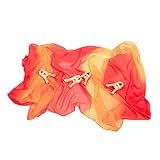
Overview: This premium fort-building kit from Sarah’s Silks delivers an impressive 9-foot by 3-foot hand-dyed playsilk in vibrant rainbow “fire” colors, paired with four sturdy maple wood clips. Designed for Waldorf and Montessori-inspired play, it transforms any space into a magical hideaway, encouraging children to create forts, canopies, and imaginative structures while developing crucial motor and problem-solving skills.
What Makes It Stand Out: The enormous size sets this apart from standard playsilks, allowing for truly epic constructions that multiple children can enjoy simultaneously. The natural maple clips are specifically designed for small hands to grip and squeeze while maintaining a strong hold on various surfaces. Unlike plastic alternatives, these wooden clips provide authentic sensory feedback and integrate seamlessly with the silk’s natural aesthetic. The hand-dyed gradient creates a mesmerizing fire effect that sparks storytelling and creative play.
Value for Money: At $69.95, this represents a significant investment, but compares favorably to specialized fort-building kits that often use synthetic materials. The combination of genuine silk and solid maple wood justifies the premium pricing. When considering durability across years of play and the developmental benefits, it offers reasonable value for families prioritizing quality, natural materials over disposable plastic alternatives.
Strengths and Weaknesses: Strengths include exceptional material quality, impressive scale, genuine developmental benefits for fine motor skills, and beautiful aesthetics. The wooden clips are durable and ergonomically designed. Weaknesses include the high price point, requirement for ample play space, and hand-wash only care instructions. The silk may snag on rough surfaces, and younger children might need assistance with initial setup.
Bottom Line: This kit is ideal for families committed to open-ended, natural play who have space for large-scale creations. While expensive, the quality and versatility make it worthwhile for children who love building forts, serving as a centerpiece toy that grows with their imagination.
2. Sarah’s Silks Mini Playsilks | Solid Colors | Creative Waldorf Toys for Education and Open-Ended Play (Turquoise)

Overview: This individual 21-inch square of pure mulberry silk offers an accessible entry point into the world of open-ended Waldorf play. The turquoise mini playsilk provides a portable, versatile tool for imaginative expression, sensory exploration, and creative development in a compact, affordable package that demonstrates the brand’s commitment to quality natural materials.
What Makes It Stand Out: Crafted from lightweight 5 momme silk, this piece delivers an authentic tactile experience unmatched by synthetic imitations. Its single-piece simplicity encourages children to discover multiple uses without prescribed instructions—transforming from a cape to a doll blanket to a peek-a-boo prop in moments. The vibrant turquoise color maintains its richness through safe, non-toxic dyes, making it both visually and texturally engaging for young learners.
Value for Money: At $12, this mini silk represents the most budget-friendly way to experience Sarah’s Silks quality. While more expensive per square inch than larger sets, it allows parents to test the concept before committing to bigger investments. Compared to other single Waldorf toys, it offers exceptional versatility and durability, potentially replacing multiple plastic alternatives in a child’s rotation.
Strengths and Weaknesses: Strengths include premium mulberry silk construction, perfect portability for travel and restaurants, and affordability. It introduces children to natural materials and develops fine motor skills through knotting and draping. Weaknesses include limited size restricting some play scenarios, single-color limiting creative combinations, and relatively high cost for one small square. It lacks the impact of larger sets and may get lost easily.
Bottom Line: Perfect as a stocking stuffer, party favor, or introductory piece, this mini playsilk proves that great things come in small packages. It’s an excellent choice for parents wanting to sample the brand’s quality or add a specific color to an existing collection without breaking the budget.
3. Sarah’s Silks Mini Playsilks | Solid Colors | Creative Waldorf Toys for Education and Open-Ended Play (Set of 6 Primary)

Overview: This comprehensive set of six mini playsilks in primary colors delivers the full Sarah’s Silks experience in a compact, coordinated package. Each 21-inch square of 5 momme mulberry silk provides the same versatile open-ended play potential as individual minis, but the curated collection of essential hues multiplies creative possibilities exponentially for collaborative play and color exploration.
What Makes It Stand Out: The thoughtful curation of primary colors enables children to learn color theory through hands-on play while creating more complex imaginative scenarios. The set supports multiple children playing simultaneously or one child layering colors for new effects. The consistency across all six pieces—identical size, weight, and quality—creates a cohesive toolkit for pattern making, sorting games, and elaborate small-world play that single silks cannot match.
Value for Money: At $52 for six, the per-piece cost drops to approximately $8.67, representing a 28% savings compared to buying individually. This bulk pricing makes it economical for families wanting variety without the storage demands of larger silks. The set essentially provides six toys in one, each with limitless applications, delivering excellent long-term value for Waldorf-inspired households.
Strengths and Weaknesses: Strengths include significant cost savings, educational color variety, ability to engage multiple children, and compact storage. The set encourages sharing and collaborative play while teaching color mixing concepts. Weaknesses include the same size limitations as individual minis, lack of color customization, and still-substantial upfront cost. Some children might prefer the drama of larger silks, and the primary palette may not suit every aesthetic preference.
Bottom Line: This six-pack is the smartest choice for families committed to the mini silk format, offering the best value and creative potential. It’s ideal for siblings, playdates, or as a complete starter set that provides enough pieces for truly immersive imaginative play without requiring excessive space.
4. Sarah’s Silks Set of 3 Playsilks | Rainbow, Sky Blue, and Purple

Overview: This elegant trio of full-sized 35-inch playsilks strikes an ideal balance between the compact mini versions and the expansive giant silk. Featuring three distinct colorways—Rainbow, Sky Blue, and Purple—each piece provides ample material for dress-up, puppet shows, fort accents, and sensory play while remaining manageable for independent child use and practical for everyday storage.
What Makes It Stand Out: The 35-inch dimension represents a sweet spot for versatility, large enough for capes and canopy building yet small enough for toddlers to maneuver. The curated color selection offers maximum visual impact with minimal pieces—the Rainbow provides multicolor excitement, Sky Blue offers calming monochromatic play, and Purple adds regal flair for storytelling. This variety supports different moods and play scenarios without overwhelming choice.
Value for Money: Priced at $52 for three, each silk costs roughly $17.33, positioning this set as a mid-range investment. It offers better value than purchasing individual large silks while providing more substantial play area than mini sets. For families seeking dramatic effect without committing to the giant silk’s price and storage requirements, this set delivers optimal cost-per-square-inch value.
Strengths and Weaknesses: Strengths include perfect size for versatile play, beautiful curated colors, high-quality silk construction, and easy maintenance. The set provides enough variety for dynamic play while maintaining quality over quantity. Weaknesses include limited color customization, higher per-piece cost than mini sets, and potential for snags if not cared for properly. The hand-wash requirement demands parental involvement, and the set may feel incomplete for children wanting more color options.
Bottom Line: This three-pack is the Goldilocks choice for most families—neither too big nor too small. It’s perfect for parents wanting substantial, beautiful playsilks that enable diverse imaginative play without dominating storage space, making it the most practical entry into full-sized silk play.
5. Sarah’s Silks - Skytail - Waldorf Toys for Kids, 35" Long, Safe for Outdoor and Indoor Use - Rainbow Comet
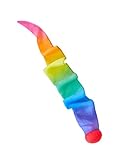
Overview: The Rainbow Comet Skytail merges Sarah’s Silks’ signature silk craftsmanship with active, gross-motor play. This 35-inch throwing toy features a vibrant rainbow silk tail attached to a soft, padded red ball, creating a safe, captivating projectile that develops hand-eye coordination while maintaining the aesthetic and sensory qualities Waldorf families expect from natural toys.
What Makes It Stand Out: Unlike traditional balls or frisbees, the silk tail creates a mesmerizing visual trail that slows the toy’s flight, making it easier for young children to track and catch. The weighted ball provides satisfying heft for throwing, while the silk handle offers multiple grip options for different skill levels. This dual-material design brilliantly bridges the gap between imaginative silk play and physical outdoor activity, a rare combination in the Waldorf toy market.
Value for Money: At $24, the Skytail occupies a unique niche, competing with both sports equipment and specialty educational toys. While more expensive than basic balls, its multifunctional design—serving as throwing toy, color-teaching tool, and fort decoration—justifies the price. The durability of both components ensures longevity, making it reasonable for a toy that transitions seamlessly between indoor and outdoor environments.
Strengths and Weaknesses: Strengths include exceptional safety design, unique visual appeal, developmental benefits for coordination, and versatility across settings. The silk tail is securely attached, and the padded ball prevents injury. Weaknesses include potential for tangling if not stored properly, limited appeal for children solely interested in either silk play OR active sports, and the tail may drag on rough surfaces. It’s less open-ended than traditional playsilks and requires more space for safe use.
Bottom Line: The Skytail excels for active children who need movement-based play with a Waldorf aesthetic. It’s an innovative crossover toy that shines in backyards, parks, and large playrooms, making it a worthwhile addition for families seeking to balance screen-free physical activity with natural material quality.
6. Sarah’s Silks Mini Playsilks | Solid Colors | Creative Waldorf Toys for Education and Open-Ended Play (Purple)

Overview: Sarah’s Silks Mini Playsilk in Purple offers a 21-inch square of 100% pure mulberry silk at 5 momme weight, designed as a foundational Waldorf toy for open-ended creative play. This single-color square provides children with a tactile, natural material that transforms through imagination into capes, landscapes, costumes, and sensory tools.
What Makes It Stand Out: The genuine mulberry silk construction delivers an unparalleled sensory experience—smooth, lightweight, and flowing in ways synthetic fabrics cannot replicate. Its simplicity is its genius; without prescribed functions, it becomes whatever a child envisions. The purple hue is rich and vibrant, maintaining color through years of play. At 21 inches, it’s perfectly sized for small hands to manipulate yet large enough for versatile applications.
Value for Money: At $12, this mini playsilk positions itself as an accessible entry point into quality silk toys. While polyester alternatives cost less, they lack the distinctive tactile properties and eco-friendly appeal of natural silk. Compared to larger playsilks, the mini size reduces material costs while preserving core benefits, making it ideal for testing a child’s interest or adding specific colors incrementally.
Strengths and Weaknesses: Strengths include premium natural material, exceptional durability for silk, developmental benefits for creativity and fine motor skills, and non-toxic dyes. Weaknesses involve the premium price relative to synthetic options, delicate nature requiring gentle care, and smaller size limiting some dramatic play scenarios like large forts. Single-color purchase may frustrate those wanting immediate variety.
Bottom Line: This mini playsilk is an excellent introduction to open-ended silk play. Perfect for parents wanting to test the concept or add a specific color to their collection, it delivers authentic Waldorf quality that justifies its modest premium over conventional toys.
7. Sarah’s Silks Rainbow Streamer - 8’ Long Twirling Ribbon Wand for Kids | Montessori and Waldorf Toys

Overview: The Rainbow Streamer is an 8-foot long silk ribbon wand designed to merge physical activity with creative expression. This dynamic toy features a lightweight, vibrantly colored silk ribbon attached to a wand, creating flowing movements that respond to children’s gestures for both indoor and outdoor imaginative play.
What Makes It Stand Out: The extraordinary length creates mesmerizing visual trails that captivate children while developing coordination and gross motor skills. Unlike static toys, the streamer transforms movement into art, encouraging dance, running, and twirling. The rainbow gradient provides instant visual appeal, and the silk material catches air in ways that nylon ribbons cannot, creating a more fluid, magical effect that sustains engagement.
Value for Money: Priced at $14.95, this streamer sits in the mid-range for movement toys. Cheerleading-style ribbon wands cost less but use synthetic materials that lack silk’s fluid dynamics and eco-credentials. The durable construction ensures longevity, and the dual physical-creative benefits provide developmental value beyond simple entertainment, making it a worthwhile investment for active children.
Strengths and Weaknesses: Strengths include promoting healthy exercise, developing spatial awareness, high-quality non-toxic materials, and versatility across settings. The lightweight design suits various ages and abilities. Weaknesses involve potential tangling during vigorous play, silk’s susceptibility to snags outdoors, and limited open-ended applications compared to playsilks. The wand, while sturdy, may show wear with heavy use.
Bottom Line: An exceptional toy for kinesthetic learners and active children. The Rainbow Streamer brilliantly combines movement with imagination, making it a valuable addition to any Waldorf-inspired toy collection, particularly for children who thrive on physical expression.
8. Sarah’s Silks Set of 6 Primary Playsilks, 100% Silk Scarves for Kids and Toddlers, Sensory Toys | Bright Square Scarves, Waldorf Toys for Imaginative and Pretend Play
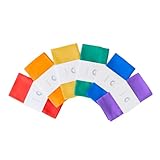
Overview: This comprehensive set includes six 35 x 35-inch Playsilks in primary colors—Red, Orange, Yellow, Green, Blue, and Purple—crafted from 100% natural silk. As a cornerstone Waldorf toy with 27 years of heritage, these larger squares provide expansive possibilities for imaginative and educational play across childhood years.
What Makes It Stand Out: The generous 35-inch size dramatically expands play potential, enabling construction of forts, elaborate costumes, and large-scale storytelling landscapes. The complete primary color spectrum allows for color theory exploration and rich visual storytelling. Hand-crafted quality and 27 years of Montessori/Waldorf community trust demonstrate exceptional pedagogical alignment. The natural silk’s weight and drape create sensory experiences unmatched by alternatives.
Value for Money: At $98 for six ($16.33 each), this set offers bulk savings over individual purchases while delivering heirloom-quality durability. Synthetic sets cost significantly less but lack silk’s unique properties and environmental credentials. The years of developmental utility across multiple children makes this a cost-effective investment compared to toys with limited lifespan.
Strengths and Weaknesses: Strengths include unparalleled versatility, premium natural materials, non-toxic eco-friendly dyes, and proven educational value. The large size serves more complex play scenarios and grows better with children. Weaknesses center on the substantial upfront investment, requiring careful maintenance, and potentially overwhelming families new to open-ended toys. Storage space for six large silks may challenge smaller homes.
Bottom Line: The definitive choice for families committed to open-ended, natural play. This set’s quality, size, and color variety provide exceptional long-term value, making it the smartest investment in the Sarah’s Silks lineup for those ready to fully embrace Waldorf principles.
9. Sarah’s Silks - Set of 5 Enchanted Mini Playsilks, 100% Silk 21" Square Scarf for Dance, Movement and Pretend Play - Rainbow, Starry Night, Sea, Fire and Blossom Scarves
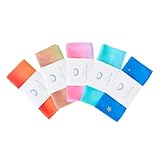
Overview: This curated collection features five 21-inch Mini Playsilks in Enchanted designs: Rainbow, Starry Night, Sea, Fire, and Blossom. Each 100% silk square is hand-dyed with thematic colors and patterns, offering children artistically inspired props for imaginative, movement, and pretend play within Waldorf and Montessori frameworks.
What Makes It Stand Out: The hand-dyed enchanted designs transform simple squares into storytelling catalysts—a starry night becomes a galaxy cape, ocean waves inspire mermaid adventures. This artistic approach adds narrative depth while maintaining open-ended flexibility. The set’s thematic variety encourages emotional expression and nature connection. The mini size proves ideal for portable play and small-world scenarios, while hand-dyeing ensures each piece is subtly unique.
Value for Money: At $48 ($9.60 per silk), this set balances affordability with artistry. Individual enchanted silks retail for $14, making the bundle economical. While pricier than solid colors, the complex dyeing process justifies the premium. It serves as a middle-ground investment—more economical than buying singles, less commitment than the large primary set.
Strengths and Weaknesses: Strengths include stunning visual designs that inspire specific imaginative worlds, excellent gift presentation, and the same silk quality and safety standards. The variety stimulates diverse play scenarios. Weaknesses involve mini size limiting some uses, designs potentially constraining imagination more than solids, and the pattern-to-price ratio versus solid sets. Some children may prefer choosing their own colors.
Bottom Line: Perfect for introducing artistic variety to silk play. This enchanted set excels as a gift and for design-conscious parents, offering thematic richness that sparks specific imaginative journeys while maintaining the open-ended essence that makes these toys developmentally powerful.
10. Sarah’s Silks Enchanted Mini Playsilks | Creative Waldorf Toys for Open-Ended Play (Starry Night)

Overview: The Starry Night Enchanted Mini Playsilk presents a 21-inch square of 5 momme mulberry silk featuring a hand-dyed celestial design. This single playsilk combines the sensory benefits of natural silk with an artistic night-sky motif, creating a magical prop for dance, movement, and storytelling within Waldorf educational contexts.
What Makes It Stand Out: The Starry Night design adds narrative magic to the mini playsilk format—deep blues and shimmering star patterns evoke galaxies, wizard robes, and nocturnal adventures. This specific theme resonates powerfully with children fascinated by space and nighttime. The hand-dyeing process creates depth and variation impossible in mass-printed fabrics, making each piece unique while maintaining the lightweight, flowing properties that make silk ideal for movement play.
Value for Money: At $14, this enchanted mini commands a $2 premium over solid minis, reflecting the artisanal dyeing process. While less economical than the $9.60-per-piece enchanted set, it allows targeted acquisition of favorite designs. Compared to themed character toys, it offers greater versatility and longevity, though budget-conscious buyers may prefer solids for pure open-ended play.
Strengths and Weaknesses: Strengths include breathtaking aesthetic appeal, same high-quality silk and non-toxic dyes, and theme-specific imaginative potential. The mini size suits portable play and small hands. Weaknesses center on higher cost per unit, design potentially limiting some play scenarios compared to versatile solids, and the same delicate care requirements as all silk toys. Single-item purchase lacks the variety value of sets.
Bottom Line: Ideal for completing a collection or indulging a child’s specific fascination with celestial themes. While less versatile than solid colors, the Starry Night design’s artistic beauty and narrative power make it a worthwhile splurge for design enthusiasts or as a special gift that elevates open-ended play into magical storytelling.
Understanding the Waldorf Approach to Play Silks
The Steiner Philosophy Behind Open-Ended Materials
Rudolf Steiner, the founder of Waldorf education, believed that young children learn most profoundly through imaginative play with materials that possess “living” qualities. Natural fibers like silk carry warmth and life force that synthetic materials simply cannot replicate. When a child handles silk, they’re experiencing a material that was once part of a living being—a silkworm’s cocoon—creating a subtle but meaningful connection to the natural world. This isn’t mere romanticism; research in sensory development shows that natural materials provide richer tactile feedback, supporting neural pathway development in ways that uniform plastics cannot.
What Makes a Silk “Waldorf-Inspired” vs. Just a Scarf
A true Waldorf-inspired play silk transcends its simple form through intentionality in creation and use. It’s not about branding—it’s about characteristics: the weight must be light enough to billow and float yet substantial enough to hold a knot. The colors should evoke emotion without overwhelming the senses, typically achieved through natural dyes that create subtle variations rather than flat, uniform hues. Most importantly, these silks are designed to be unfinished in the best sense—devoid of prints, characters, or patterns that would dictate how they should be used. This blank-canvas quality is what unlocks a child’s creative sovereignty.
Material Matters: Silk, Cotton, and Beyond
Mulberry Silk: The Gold Standard
Mulberry silk represents the pinnacle of play silk materials for good reason. Produced by Bombyx mori silkworms fed exclusively on mulberry leaves, this protein fiber contains 18 amino acids that mirror those in human skin, creating its signature warm, smooth feel. The fiber’s triangular prism-like structure refracts light, giving authentic silk its luminous, depth-filled appearance that changes as it moves through air. For play purposes, look for Grade A mulberry silk—this indicates long, intact fibers that won’t pill or fray, ensuring your investment survives years of vigorous fort-building and superhero landings.
Habotai Silk: The Perfect Balance
Most quality play silks use habotai (or “China silk”), a plain-weave variety prized for its balance of durability and drape. The term “habotai” literally means “feather-weight” in Japanese, perfectly capturing its airy quality. Within this category, you’ll encounter different momme weights—a Japanese unit indicating silk density. For play silks, 5mm to 8mm offers ideal versatility: light enough for parachute games and veil dances, yet robust enough for dress-up and construction play. Lower momme weights tear more easily, while higher ones lose that essential fluidity that makes silks so magical.
Silk Alternatives: When to Consider Plant-Based Options
While purists insist on silk, families with vegan ethics or budget constraints have excellent alternatives. Organic cotton gauze, properly finished, can mimic silk’s drape at a fraction of the cost. Tencel lyocell, derived from sustainably harvested eucalyptus, offers a similar luminosity and cool touch. Hemp silk blends provide durability for outdoor play. The key is avoiding polyester satins that, despite their sheen, create static electricity and lack the “breathing” quality of natural fibers. If you choose an alternative, prioritize plant-based materials dyed with low-impact or natural dyes to maintain the Waldorf commitment to natural, non-toxic playthings.
Size Spectrum: Matching Dimensions to Imagination
Small Squares (21-24 inches): Perfect for Little Hands
These diminutive squares serve as ideal entry points for toddlers and as specialized tools for older children. In tiny hands, they become blankets for peg dolls, wrapping for “gifts,” or colorful backgrounds for nature tables. Their small size means less fabric to manage, reducing frustration for children still developing fine motor control. For older children, these squares excel as modular elements—combine several to create patchwork landscapes or use them as “color filters” for exploring light and shadow. A collection of small squares in varied colors offers more play value than a single large silk for many activities.
Medium Rectangles (30-36 inches): The Versatile Workhorse
This size range represents the sweet spot for most families. A 35-inch square can become a cape that doesn’t drag on the ground, a baby doll sling that actually functions, or a tabletop river that flows dramatically. It’s large enough for peekaboo tents yet manageable enough for solo play. When selecting your first pieces, prioritize this size in three to five foundational colors. The rectangle format (often 30x35 inches) offers additional versatility for wrapping and tying, as the asymmetry creates more interesting drape patterns and knotting options than perfect squares.
Large Silks (40+ inches): Epic Play Canvases
Oversized silks transform entire play spaces. A 45-inch square can canopy a play stand, creating a room within a room. Spread on the floor, it becomes a vast ocean for wooden boat adventures. The sheer scale invites collaborative play, as multiple children manipulate the fabric together, negotiating roles and narratives. These larger silks demand more physical engagement—running to make them billow, using whole-body movements to drape them—which supports gross motor development alongside imagination. However, their size can overwhelm younger children, making them better suited for ages 4 and up.
The Color Conundrum: Natural Dyes vs. Synthetic
Plant-Based Dyes and Their Unique Characteristics
True Waldorf silks often feature dyes extracted from plants—indigo for blues, madder root for reds, weld for yellows. These natural dyes create living colors that shift in different lights and fade gracefully over time, developing a patina that tells the story of years of play. Unlike synthetic dyes that sit on the fiber’s surface, natural dyes bond molecularly with silk, creating depth and subtle variation. This “imperfect” quality actually enhances imaginative play; a naturally dyed blue silk might contain hints of green or purple, suggesting both water and sky depending on how it’s draped. Look for terms like “botanical dyes,” “plant-dyed,” or “naturally dyed” rather than just “non-toxic,” which can still apply to low-impact synthetic dyes.
Color Psychology in Waldorf Education
Waldorf color theory aligns with child development stages. Young children (under 7) respond to clear, luminous colors—pinks, golden yellows, sky blues—that evoke feeling without intellectual analysis. Avoid black and harsh neons, which can be overstimulating. As children mature, deeper jewel tones and earth colors support their growing capacity for more complex emotional and cognitive work. When building a collection, consider starting with the “mood” colors: a deep blue for calm, a golden yellow for joy, a soft green for growth. These aren’t just aesthetically pleasing—they’re tools for emotional regulation that children instinctively use to process feelings.
Fade Resistance and Colorfastness
Here’s the paradox: the best Waldorf silks will fade slightly, and that’s okay. Natural dyes aren’t as colorfast as synthetics, but their aging process is part of their beauty. That said, quality matters. Properly mordanted (pre-treated) natural dyes should maintain their integrity through many play sessions and washes, fading gradually rather than bleeding dramatically. To test colorfastness, dampen a white cloth and rub it vigorously on the silk. Minimal transfer is normal; heavy bleeding indicates poor mordanting. Embrace the evolution of color as your child embraces the evolution of their play.
Weave Weight and Density: Why Grams Per Square Meter Matters
5mm vs. 8mm Habotai: A Practical Comparison
The momme weight profoundly affects play possibilities. A 5mm silk (approximately 21.5 grams per square meter) floats like a whisper, making it ideal for veil dances, butterfly wings, and any play requiring ethereal movement. It catches air currents beautifully but snags more easily on rough wood or velcro. An 8mm silk (about 34 grams per square meter) offers more substance for knotting, draping over furniture, and dress-up that needs to stay put. It withstands more vigorous play but loses some of that magical float. For a starter collection, mix weights: lighter silks for sensory and movement play, heavier ones for construction and costume.
Transparency and Layering Effects
One of silk’s most magical properties is its transparency when layered. A blue silk over yellow creates green; red over blue creates purple. This accidental color-mixing teaches physics and art simultaneously. Lighter momme weights increase transparency, making them better for color exploration. Hold potential silks up to a window—can you see vague shapes through them? Do colors shift interestingly when doubled? This layering quality transforms simple color recognition into an experiential understanding of light and pigment that no app can replicate.
Safety First: Non-Toxic Certification and Testing
Understanding OEKO-TEX Standards
While natural dyes are ideal, many quality silks use low-impact synthetic dyes certified by OEKO-TEX Standard 100. This rigorous testing ensures every component—fiber, dye, thread—is free from 100+ harmful chemicals. However, not all OEKO-TEX certifications are equal; Class I is the strictest, designed for baby items. For Waldorf purists, even OEKO-TEX synthetics miss the philosophical mark, but they represent a pragmatic compromise for budget-conscious families. Always verify the certification number on the OEKO-TEX website; counterfeit certifications are unfortunately common in the marketplace.
Choking Hazards and Age Guidelines
Never purchase play silks with attached beads, buttons, or decorative elements that could detach. The beauty of Waldorf silks lies in their simplicity. For children under 3, avoid extremely long silks (over 40 inches) that could pose strangulation risks during unsupervised play. The silk itself, being a natural fiber, is non-toxic if mouthed, but always inspect for loose threads that could wrap around tiny fingers or toes. Quality silks have rolled hems finished with silk thread—avoid those with polyester thread hems, which can fray and create hazards.
Age-Appropriate Selection: From Infants to School-Age Children
Babies and Toddlers: Sensory Exploration
For the youngest children, play silks serve as sensory tools rather than imaginative props. Choose the lightest weight silks in soothing colors. Use them for peekaboo (the way they float down is mesmerizing), for gentle tickle games, or as a backdrop for black-and-white contrast cards. At this stage, prioritize machine-washable options and darker colors that hide drool stains. A single, high-quality silk used in daily ritual—waving goodbye to the sun, wrapping a beloved wooden teether—creates security and predictability.
Preschoolers: Imaginative Play Explosion
This is the golden age of play silks. Three to five-year-olds will use them for everything: capes, baby doll slings, picnic blankets for stuffed animals, rivers for toy boats, and curtains for puppet theaters. They need variety—different sizes and a rainbow of colors. At this age, children begin using silks symbolically: a green silk becomes grass not because it looks exactly like grass, but because they decide it is. This cognitive leap is supported by the silk’s abstract quality. Invest in a robust collection during these years; the play value per dollar is extraordinary.
School-Age Children: Complex Storymaking
Don’t pack away the silks when your child turns six! Older children use them for elaborate storytelling, creating sets for plays, building forts with sophisticated engineering, and exploring cultural dress from around the world. They might use silks to create a “movie set” for stop-motion animation or as canvases for shadow puppetry. At this stage, larger sizes and deeper colors support more nuanced narratives. Silks become tools for social collaboration as children work together to create increasingly complex play worlds.
Building Your Collection: Starter Sets vs. Individual Pieces
The Classic Rainbow Set
Many families begin with a seven-piece rainbow set. This offers immediate color variety and teaches the color spectrum organically. However, consider the quality of rainbow sets. Mass-produced versions often use thin, synthetic-feeling silk and flat dyes. A thoughtfully curated rainbow might mix different sizes or include both light and saturated versions of each color. Some artisan makers create “mood rainbows” with variations—earth rainbow, pastel rainbow, jewel-tone rainbow—allowing you to select a palette that matches your child’s temperament.
Seasonal Color Palettes
Waldorf education deeply honors seasonal rhythms. Consider building your collection around this principle: deep blues and purples for winter, fresh greens and yellows for spring, vibrant oranges and reds for autumn. Rotating silks seasonally keeps them feeling fresh and connects your child’s indoor play to the natural world outside. Store off-season silks in a special basket and unveil them with ceremony—this simple ritual builds anticipation and marks time in a meaningful way.
Monochromatic Collections for Depth
An advanced approach involves collecting multiple shades of a single color family. Three blues—a pale sky, a medium true blue, a deep indigo—allow children to explore nuance and create sophisticated landscapes. This approach mirrors how Waldorf watercolor painting introduces colors gradually. A child with varied blues can create depth in their play: a light blue silk becomes the distant sky, medium blue the near water, dark blue the ocean depths. This subtlety supports developing aesthetic sensibilities.
Care and Longevity: Washing, Drying, and Repair
Hand Washing vs. Machine Washing
The gold standard is hand washing in lukewarm water with a pH-neutral soap like castile or specialty silk wash. Swish gently, never wring. However, real life with children demands practicality. Many quality habotai silks can survive machine washing on delicate cycle in a mesh bag. Use cold water and skip the spin cycle. The enemy of silk isn’t just agitation—it’s temperature shock and harsh detergents. Never use fabric softeners; they coat the fibers and reduce that essential silk “grip” that holds knots and drapes so beautifully.
Stain Removal Without Chemicals
Play silks will get stained—that’s evidence of a life well-played. For food stains, immediately rinse with cold water, then apply a paste of baking soda and water before washing. Grass stains respond to a soak in diluted white vinegar. For stubborn marks, lay the silk in direct sunlight; UV rays naturally bleach many organic stains without chemicals. Avoid hydrogen peroxide or oxygen bleaches, which degrade silk fibers. Embrace the patina—slight discoloration tells the story of picnics, outdoor adventures, and artistic explorations.
Mending and Upcycling Worn Silks
Even quality silks eventually show wear. Small snags can be gently pulled through to the reverse side with a needle. Tears can be mended with invisible hand stitches using silk thread. But here’s the Waldorf magic: rather than discarding damaged silks, repurpose them. A torn large silk can be cut into smaller squares, its “injury” becoming part of its new identity. Silk scraps become doll clothes, prayer flags, or collage materials. This transformation models resilience and creativity for children who witness you valuing materials enough to repair rather than replace.
Educational Value: Beyond Just “Playing Dress-Up”
Fine Motor Development and Bilateral Coordination
Every time a child ties a silk around their shoulders, they’re practicing the same hand movements needed for shoe-tying and writing. The fabric’s slight resistance provides perfect feedback for developing fingers. Draping a silk over a play stand requires both hands working in coordination, strengthening neural pathways between brain hemispheres. Even simple actions like gathering a silk into a bundle or folding it for storage develop precision and planning skills. Occupational therapists often use play silks with children needing fine motor support precisely because they’re so engaging that kids don’t realize they’re doing therapeutic work.
Language and Narrative Skills
A child playing with a silk is constantly storytelling, even if they’re playing alone. “This is the river, and the boat is sailing to the castle, and the dragon is coming…” This stream-of-consciousness narration builds vocabulary, sentence structure, and sequencing abilities. When children play together with silks, they negotiate roles and plot: “I’ll be the king, you be the wizard, this blue is our magic shield…” This collaborative storytelling teaches perspective-taking, conflict resolution, and the building blocks of written composition they’ll use later in school.
Emotional Regulation Through Sensory Play
The gentle weight and smooth texture of silk have a calming effect on overstimulated nervous systems. Many parents report that offering a silk to a tantruming toddler helps de-escalate the moment—the act of clutching, rubbing, or hiding under the silk provides proprioceptive input that soothes. Older children intuitively use silks to create “safe spaces”—draping them over chairs to build calming forts when overwhelmed. This self-directed emotional regulation is far more powerful than any technique imposed by an adult.
Integration with Other Waldorf Materials
Play Stands, Clips, and Frames
Play silks truly shine when combined with simple wooden structures. Play stands with crossbars transform silks into houses, shops, and theaters. Wooden clips (avoid plastic) allow children to secure silks independently, building confidence and problem-solving skills. Simple embroidery hoops can frame silks for shadow play or as removable “windows” in fort construction. The key is ensuring these accessories don’t dominate—the silks should remain the stars, with structures serving as quiet supporters.
Wooden Figures and Natural Loose Parts
A silk becomes a landscape when populated with simple wooden animals, felted figures, or stones and shells collected on nature walks. This combination of soft, flowing fabric with solid, grounded natural materials creates a complete sensory ecosystem. The contrast teaches physics concepts (heavy objects sink into the folds, light ones rest on top) and aesthetic balance. Avoid licensed characters; the goal is open-ended figures that can be anything the child imagines. A simple wooden gnome can be a farmer, a king, or a magical creature depending on the silk landscape it inhabits.
Creating Invitations to Play
Waldorf educators use “invitations to play”—carefully arranged scenes that beckon children to engage. Drape a deep blue silk with a few silver stars over a branch, place a wooden boat nearby, and watch as a child begins a voyage story. Wrap a collection of smooth stones in earth-toned silks and suddenly they’re treasure, eggs, or magical talismans. This curation isn’t controlling; it’s providing a starting point. The best invitations use silks as the backdrop, suggesting mood and setting while leaving the plot entirely to the child.
Budget Navigation: Investment vs. Imitation
Price Ranges and What They Indicate
Quality play silks typically range from $12 to $25 per piece, with large or plant-dyed versions reaching $30+. Prices below $10 often indicate synthetic blends or poor-quality silk that pills and tears quickly. Conversely, prices above $35 may reflect artisanal labor or organic certification, which are valuable but not essential for play value. A set of seven medium-sized, OEKO-TEX certified habotai silks around $80-$100 represents solid value. Remember: three high-quality silks played with daily offer more value than twenty cheap ones that fray and are abandoned.
Spotting Quality vs. Marketing Hype
Beware of terms like “silky smooth” or “silk-like”—these indicate polyester. Genuine silk will be labeled “100% silk” or specifically “mulberry silk.” “Hand-dyed” is meaningful only if it specifies natural or low-impact dyes; many crafters hand-dye with standard Procion chemicals. “Waldorf-inspired” is unregulated; focus on material specs rather than labels. Quality indicators include rolled hems (not serged edges), mention of momme weight, and care instructions that acknowledge silk’s delicacy. Sellers who educate about their materials usually care about quality.
Where to Source Quality Waldorf Silks
Small Batch Artisans vs. Larger Waldorf Suppliers
Small-batch artisans on platforms like Etsy often provide plant-dyed silks with unique colorways and personal customer service. They can tell you exactly which plants created each hue. Larger Waldorf suppliers offer consistency, reliable OEKO-TEX certification, and standardized sizes perfect for building a collection over time. Both have merits. Consider starting with a few artisan pieces for special colors, then filling out your collection with basics from established suppliers. Read reviews specifically mentioning durability and colorfastness, not just aesthetics.
What to Look for in Product Descriptions
Scrutinize descriptions for specifics: “8mm habotai silk,” “rolled hem,” “natural plant dyes with alum mordant.” Vague phrases like “high-quality fabric” or “beautiful colors” are red flags. Good sellers explain their process: “dyed with osage orange and madder root, washed in pH-neutral soap.” They’ll acknowledge that natural dyes fade and provide care instructions. They might mention the silk’s origin—Chinese mulberry silk is standard, but some families prefer silk from Indian ahimsa (peace) production where silkworms complete their life cycle. This level of detail signals transparency and expertise.
Red Flags: Avoiding Common Pitfalls
Misleading Marketing Terms
“Seamless” silks sound appealing but are actually tubular silk without cut edges—prone to unraveling and impossible to hem properly. “Satin” refers to a weave, not a fiber—polyester satin is common and inappropriate. “Washable silk” sometimes means silk treated with harsh chemicals to withstand machines, compromising its natural qualities. “Eco-friendly” without certification is meaningless greenwashing. Trust specific terminology over vague eco-claims.
Quality Control Issues
Before purchasing, zoom in on product photos. Look for uneven hems, loose threads, or color splotches from poor dye penetration. Ask sellers about their return policy for quality issues. Be wary of perfectly uniform colors in supposedly plant-dyed silks—nature creates variation. If buying a set, ensure colors coordinate rather than match exactly. And avoid silks that arrive heavily scented; fragrance masks chemical smells and can trigger sensitivities.
Extending the Magic: Creative Uses Across Childhood
From Peekaboo to Puppet Shows
The true genius of Waldorf silks is their evolution alongside your child. That same 35-inch blue silk that mesmerized your infant during peekaboo becomes your toddler’s cape, your preschooler’s river, your kindergartener’s ocean in a geography lesson, and your school-age child’s theater backdrop. It can be a picnic blanket for dolls, a blindfold for games, a bag for collecting treasures, or a flag for a treehouse. Unlike age-limited toys, silks grow with children, their simplicity revealing new possibilities as cognitive abilities expand. Document these evolving uses through photos; you’ll create a visual timeline of your child’s creative development that is profoundly moving to look back upon.
Frequently Asked Questions
What’s the difference between play silks and regular scarves?
Regular scarves often contain synthetic blends, chemical dyes, and may have decorative elements like fringe or sequins that pose safety hazards. Play silks are specifically designed for children’s use: they’re typically larger, made from pure natural fibers, dyed with non-toxic materials, and finished with secure hems. Most importantly, they’re intentionally plain—no patterns or prints that would limit imaginative possibilities.
How many play silks do I really need to start?
Three well-chosen silks can provide immense play value. Start with a medium-sized (35-inch) silk in blue, green, and either yellow or red. This covers water, earth, and sun/fire—the foundational elements children use to build worlds. You can always expand your collection, but beginning with too many choices can actually overwhelm young children and reduce creative focus.
Are silk play silks worth the investment over cheaper alternatives?
Authentic silk offers unique sensory properties—temperature regulation, luminous color, perfect drape—that support specific aspects of neural development. While quality cotton alternatives provide good play value, silk’s protein structure and light-refracting qualities create a “living” material experience that’s genuinely different. Consider it a long-term investment: quality silks last through multiple children and can be upcycled, while cheap synthetics quickly end up in landfills.
At what age can my child safely use play silks?
Supervised sensory play can begin in infancy—waving silks during tummy time or gentle peekaboo. For independent play, most children are ready around 18 months when they can reliably release objects and aren’t mouthing everything. Always follow safe sleep guidelines: never leave silks in a crib with a sleeping infant. By age 3, children use silks with remarkable sophistication, and safety concerns shift to ensuring they don’t wrap long silks around their necks.
How do I wash play silks without ruining them?
Hand washing in lukewarm water with pH-neutral soap is safest. If machine washing, use a mesh bag on delicate cycle with cold water, no spin, and never mix colors. The biggest threats are temperature shock and harsh detergents. Air dry only—never use a dryer. Some fading is normal with natural dyes and adds character. Iron on low while slightly damp to restore luster.
Will natural dyes stain my furniture or carpet?
Properly mordanted natural dyes are colorfast enough for normal play. However, excessive moisture can cause transfer—if your child uses a silk as a wet wipe or leaves it on a damp surface, some color may bleed. Test by wetting a white cloth and rubbing the silk vigorously; minimal transfer is normal. To be safe, avoid using very wet silks on porous surfaces and ensure silks are fully dry before storage.
Can play silks be used outdoors?
Absolutely, and they should be! Outdoor play adds wind, light, and natural elements that enhance silk’s magic. However, outdoor use increases wear—branches snag silk, dirt stains, and sun fades natural dyes. Designate specific “outdoor silks” in darker, earthier colors. Shake out debris promptly and wash after muddy adventures. The play value of silks billowing from trees or becoming flags for stick forts far outweighs the extra wear.
What’s the ideal size for a first play silk?
A 35-inch square offers maximum versatility for ages 2-6. It’s large enough for cape play and fort building but manageable for small hands to gather and carry. If budget allows, pair one medium silk with one small (21-inch) square for variety. The medium size serves as your workhorse; the small one becomes the special “lovey” that’s easily portable for car trips and restaurants.
How can I tell if a play silk is truly non-toxic?
Look for specific certifications: OEKO-TEX Standard 100 Class I is the most reliable third-party verification. For natural dyes, ask about mordants—alum is standard and safe, but some artisans use heavy metal mordants like tin or chrome. Reputable sellers disclose their dye process. Be wary of “eco-friendly” without specifics. If a silk has a strong chemical smell out of the package, return it.
What should I do when my play silk gets torn?
Don’t discard it! Small tears can be invisibly mended with silk thread. Larger damage presents an opportunity: cut the silk into smaller squares for new play possibilities, create a silk scrap collection for collages, or sew the pieces into simple doll clothes or treasure pouches. Modeling repair and repurposing teaches children to value materials and think creatively about problems—lessons more valuable than a perfect silk.