Bringingyour preemie home from the NICU marks a triumphant milestone, but it often comes with lingering worries that can keep you awake at night. The subtle rise and fall of that tiny chest, every soft breath, becomes your entire focus. In 2026, wearable baby monitors with oxygen tracking have evolved from simple consumer gadgets into sophisticated health tools that bridge the gap between hospital-grade care and home monitoring. These devices don’t just offer peace of mind—they provide clinically relevant data that can alert you to potential respiratory issues before they become emergencies.
The technology has matured dramatically, with miniaturized sensors, AI-powered analytics, and seamless integration into healthcare ecosystems. But with this advancement comes complexity. How do you distinguish between a medically validated device and a wellness gadget? What features actually matter for a preterm infant versus a full-term baby? This guide cuts through the marketing noise to help you understand what to look for, what questions to ask your pediatrician, and how to make an informed decision that prioritizes your baby’s safety and your sanity.
Top 10 Wearable Baby Monitors for Preemies
Detailed Product Reviews
1. Owlet Dream Sock - FDA-Cleared Smart Baby Monitor - Track Live Pulse (Heart) Rate, Oxygen in Infants - Receive Notifications - Bedtime Blue

Overview: The Owlet Dream Sock in Bedtime Blue is a medical-grade wearable monitor designed for infants 1-18 months. This FDA-cleared device tracks real-time pulse rate and oxygen levels, delivering critical health data directly to your smartphone via the Owlet Dream App. The system includes a soft fabric sock, Base Station, and dual connectivity for reliable monitoring during sleep.
What Makes It Stand Out: FDA clearance sets this apart from consumer-grade monitors, ensuring clinical accuracy for pulse oximetry readings. The Base Station provides audible alerts independent of your phone, crucial during nighttime. The system maintains monitoring during power outages via backup battery and Bluetooth, offering continuous peace of mind when you need it most.
Value for Money: At $264.99, this represents a significant investment, but the medical certification justifies the premium. Compared to hospital-grade equipment, it’s remarkably accessible for home use. Alternative monitors lacking FDA clearance may cost less but don’t offer the same validated accuracy or regulatory oversight, making this worthwhile for safety-conscious parents.
Strengths and Weaknesses: Strengths include FDA clearance, reliable dual WiFi/Bluetooth connectivity, comprehensive sleep trend data, and a Base Station that works independently of smartphones. The Owlet Dream App provides expert sleep tips. Weaknesses involve occasional false alerts requiring sock repositioning, the high price point, and subscription costs for advanced Owlet360 insights.
Bottom Line: The Owlet Dream Sock is an excellent choice for parents prioritizing medical-grade monitoring and regulatory validation. While expensive, the FDA clearance and reliable alert system provide unparalleled peace of mind. Consider this investment if you want clinically accurate vitals tracking rather than consumer-grade estimates.
2. Owlet Dream Sock® - FDA-Cleared Smart Baby Monitor - Track Live Pulse (Heart) Rate, Oxygen in Infants - Receive Notifications - Mint

Overview: The Owlet Dream Sock in Mint delivers identical FDA-cleared monitoring technology as other color variants, tracking live pulse rate and oxygen levels for infants 1-18 months. This comprehensive system includes the smart sock sensor, Base Station with audio alerts, and full app integration for real-time health data and sleep pattern analysis.
What Makes It Stand Out: Beyond the fresh mint aesthetic, this model offers the same groundbreaking FDA-cleared pulse oximetry technology that made Owlet the industry standard. The color option allows parents to coordinate with nursery decor while maintaining access to clinically validated vitals monitoring. The Base Station’s multicolored light system provides instant visual health status.
Value for Money: Priced at $299.00, this mint version commands a $35 premium over the blue variant for purely cosmetic differences. The identical FDA-cleared technology and features mean you’re paying exclusively for color preference. While the underlying value remains strong, budget-conscious buyers may prefer standard color options at lower price points.
Strengths and Weaknesses: Strengths mirror the standard Owlet package: FDA clearance, reliable dual connectivity, independent Base Station alerts, and comprehensive sleep tracking. The mint color offers aesthetic variety. Weaknesses include the unnecessary price premium for color, potential false alarms, and the additional subscription cost for premium app features.
Bottom Line: Choose the mint version only if the color specifically matches your nursery aesthetic and justifies the extra cost. The technology remains exceptional and medically validated, but identical performance is available for less in other colors. For function over form, select a standard colorway and save money.
3. Babytone Baby Sleep Monitor with Base Station- Smart Sleep Sock, Tracking Heart Rate and Movement, Wearable Baby Foot Monitor with Bluetooth and APP, for 0-36 Months Newborn
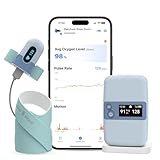
Overview: The Babytone Sleep Monitor offers an affordable alternative to premium brands, tracking heart rate and movement for babies 0-36 months. This system includes a wearable sock, standalone Base Station with screen, and smartphone app connectivity. It provides sleep quality analysis and real-time notifications without requiring WiFi, making it accessible for extended age ranges.
What Makes It Stand Out: The integrated Base Station display allows direct readings without a smartphone, a feature many parents appreciate for quick checks. The extended 0-36 month age range provides longevity competitors lack. Data export capabilities in PDF/CSV/JPG formats facilitate pediatrician consultations, while 16-hour battery life ensures full-night coverage.
Value for Money: At $139.99, this monitor costs nearly half the Owlet’s price while offering broader age compatibility. The standalone monitor eliminates the need to check your phone constantly. However, it lacks oxygen tracking and FDA clearance, meaning you’re trading medical validation for affordability and extended usability.
Strengths and Weaknesses: Strengths include excellent price point, Base Station with independent display, longer age range (0-36 months), multiple data export formats, and adequate battery life. Weaknesses involve lack of FDA clearance, no oxygen saturation monitoring, potentially less accurate sensors, and limited historical data storage (only 4 sessions).
Bottom Line: The Babytone is a solid budget-friendly monitor for parents wanting basic vitals tracking without premium costs. It suits families prioritizing extended use over medical certification. However, if oxygen monitoring and FDA-validated accuracy are non-negotiable, invest in a medical-grade alternative despite the higher price.
4. Owlet Dream Sock - FDA-Cleared Smart Baby Monitor - Track Live Pulse (Heart) Rate, Oxygen in Infants - Receive Notifications - Dusty Rose

Overview: The Dusty Rose Owlet Dream Sock provides the same FDA-cleared monitoring technology as other variants, delivering real-time pulse rate and oxygen data for infants 1-18 months. This complete system includes the sensor-equipped sock, Base Station with audio/visual alerts, and full app integration for comprehensive sleep and health tracking.
What Makes It Stand Out: The dusty rose colorway offers a subtle, nursery-friendly aesthetic alternative to brighter options. Beyond appearance, it maintains Owlet’s pioneering FDA-cleared pulse oximetry technology. The Base Station’s independent alerting system works during internet outages, and Bluetooth backup ensures continuous monitoring when power fails.
Value for Money: At $264.93, this variant is essentially identically priced to the blue version, making color choice purely aesthetic without financial penalty. The value proposition remains strong: medical-grade monitoring at a fraction of clinical equipment costs. Parents pay for validated accuracy and regulatory oversight that uncertified competitors cannot provide.
Strengths and Weaknesses: Strengths include FDA clearance, dual WiFi/Bluetooth reliability, independent Base Station alerts, comprehensive sleep trend analysis, and expert tips in the app. The dusty rose color provides gender-neutral styling. Weaknesses involve the premium price, potential for false alarms requiring adjustments, and additional subscription fees for advanced analytics.
Bottom Line: The dusty rose variant offers the same exceptional medical-grade performance as other Owlet colors without price inflation. Select this for its aesthetic appeal knowing you’re receiving clinically validated monitoring. It’s ideal for design-conscious parents unwilling to compromise on FDA-cleared accuracy and reliable alert systems.
5. Babytone Baby Sock Monitor, Tracks Real-Time Heart Rate and Movement, with Notification and Sleep Patterns, Smart Baby Monitor No WiFi with Bluetooth and Free APP, for 0-36 Months Newborn

Overview: This Babytone monitor emphasizes privacy and simplicity, tracking heart rate and movement via Bluetooth-only connectivity for babies 0-36 months. The system includes a comfortable sock sensor and smartphone app, deliberately avoiding WiFi to reduce security concerns and radiation exposure while providing sleep cycle analysis and daily reports.
What Makes It Stand Out: The no-WiFi design appeals to security-conscious parents worried about hacking risks. Low-emission Bluetooth technology minimizes radiation exposure concerns. Three size options (S/M/L) ensure better fit across the extended 0-36 month range, potentially improving accuracy. Daily science-backed sleep reports offer actionable insights without subscription fees.
Value for Money: At $159.99, this mid-priced option balances affordability with extended usability. The lack of WiFi eliminates security vulnerabilities found in connected devices. However, without FDA clearance or oxygen monitoring, it competes with premium consumer monitors rather than medical devices, making it fairly priced but not exceptional.
Strengths and Weaknesses: Strengths include WiFi-free security, low radiation Bluetooth, three size options for growing babies, extended age range, and free detailed sleep reports. Weaknesses involve no FDA clearance, absence of oxygen tracking, Bluetooth range limitations, and reliance solely on smartphone connectivity without a standalone Base Station.
Bottom Line: This Babytone suits privacy-focused parents wanting extended monitoring without WiFi risks. The three sizes and low-radiation design are compelling features. However, if you require oxygen monitoring or medical-grade validation, look elsewhere. It’s a competent consumer monitor for heart rate and movement tracking within Bluetooth range.
6. Babytone Baby Sleep Sock Monitor, Tracking Heart Rate and Movement for Infant, Wearable Foot Monitor Smart Sock with Bluetooth and APP, for 0-36 Months Newborn

Overview:
The Babytone Baby Sleep Sock Monitor offers parents a wearable solution to track infant heart rate and movement during sleep. Designed for babies 0-36 months, this smart sock connects via Bluetooth to the ViHealth app, providing overnight monitoring without intrusive cameras or wires.
What Makes It Stand Out:
Unlike clip-on monitors, the sock design remains securely on your baby’s foot throughout the night. The three size options (S/M/L) accommodate weights from 0-30.6 lbs, ensuring a proper fit as your child grows. The built-in memory stores four sessions independently, automatically syncing data when your phone reconnects—eliminating anxiety about lost information. Parents can export detailed sleep reports as PDF or CSV files, invaluable for pediatrician visits or tracking developmental patterns.
Value for Money:
At $129.99, this monitor sits in the mid-range category. It’s significantly less expensive than the Owlet Dream Duo while offering similar core tracking capabilities. The ability to function without constant phone connection adds reliability that justifies the price over basic movement monitors.
Strengths and Weaknesses:
Strengths include comfortable, non-irritating fabric; multiple sizing options; offline data storage; and detailed record sharing. Weaknesses involve Bluetooth-only connectivity (limited range), requires smartphone for full functionality, and lacks video monitoring. Some parents may find socks easier to dislodge than clip-on alternatives.
Bottom Line:
The Babytone Sleep Sock is an excellent choice for parents prioritizing biometric tracking over video surveillance. Its reliable memory backup and growth-friendly sizing make it a smart investment for data-driven caregivers seeking peace of mind without breaking the bank.
7. Sense-U Pro Baby Monitor – Breathing Movement, Rollover & Overheating Trackers for Better Sleep, Simple Clip-On Smart Sleep Monitor with Arousal Vibration, Audible Alerts & Sleep Analysis
Overview:
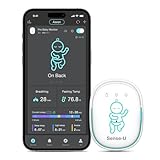
The Sense-U Pro Baby Monitor takes a proactive approach to infant safety by clipping directly onto your baby’s diaper to track breathing movement, rollover position, and temperature. This $99.99 device focuses on preventing issues before they escalate, offering both on-device alerts and smartphone notifications.
What Makes It Stand Out:
The monitor’s standout feature is its arousal vibration mechanism—if no abdominal movement is detected for 15 seconds, it gently vibrates to stimulate your baby before sounding an alarm. This two-stage alert system potentially prevents false alarms while ensuring genuine issues aren’t missed. The clip-on design works with any diaper, and the 7+ day battery life means less frequent charging than competitors.
Value for Money:
At under $100, the Sense-U Pro delivers exceptional value. It provides more comprehensive monitoring than basic audio monitors and approaches the functionality of higher-priced biometric trackers at a fraction of the cost. The free, in-depth sleep analysis adds significant value without subscription fees.
Strengths and Weaknesses:
Strengths include innovative vibration alerts, multi-parameter monitoring (breathing, rollover, temperature), long battery life, and no mandatory subscription. Weaknesses: lacks heart rate monitoring, no video capability, and diaper placement may not suit all parents. The clip could potentially detach if not secured properly.
Bottom Line:
For budget-conscious parents wanting advanced safety monitoring without video, the Sense-U Pro is a top contender. Its unique vibration feature and comprehensive tracking make it an intelligent, affordable alternative to pricier sock monitors.
8. NUOTUN Baby Monitor with Camera and Audio Watch, Wearable Portable 2’’ HD Baby Monitor No WiFi, 1080P Video Loop, Night Vision, 2-Way Audio, SD Card Included, Cry & Temp Sense, Alarm & Lullabies

Overview:
The NUOTUN Baby Monitor redefines convenience with its innovative watch-style receiver, offering hands-free video monitoring for just $35.99. This portable system includes a 1080P camera with night vision and a wearable 2-inch HD LCD screen, eliminating the need for phone apps or WiFi connectivity.
What Makes It Stand Out:
The wearable watch design liberates parents from being tethered to a stationary monitor or smartphone. Gentle vibrations alert you to cries while keeping your hands free for daily tasks. The system operates on secure 2.4GHz FHSS technology, ensuring complete privacy with no cloud storage or hacking risks. Real-time temperature sensing, two-way audio, and integrated lullabies transform your wrist into a command center.
Value for Money:
At under $40, this monitor delivers remarkable value. Comparable video monitors typically cost twice as much, and the wearable design is unique at this price point. The included SD card for 1080P recording and DVR mode eliminates storage concerns, making it ideal for budget-conscious families.
Strengths and Weaknesses:
Strengths: truly portable watch design, no WiFi needed, crystal-clear 1080P video, invisible night vision, cry detection, and unbeatable price. Weaknesses: 5-hour battery life requires nightly charging, smaller screen than traditional monitors, and lacks biometric tracking. The watch form factor may not appeal to all users.
Bottom Line:
The NUOTUN watch monitor is a game-changer for parents wanting affordable, private video monitoring with maximum mobility. While it won’t track vitals, its innovative design and feature set make it an exceptional value for hands-on caregivers.
9. Owlet Dream Duo (Gen 2) Smart Baby Monitor Bundle – HD Video Camera + Wearable Sock Tracks Baby’s Oxygen, Heart Rate & Sleep

Overview:
The Owlet Dream Duo (Gen 2) represents the gold standard in smart baby monitoring, combining an FDA-cleared wearable sock with an HD video camera for comprehensive oversight. At $314.99, this premium bundle tracks oxygen levels, heart rate, and sleep patterns while delivering crystal-clear video through the Owlet Dream App.
What Makes It Stand Out:
As the first FDA-cleared smart baby monitor, the Dream Sock provides medical-grade accuracy for oxygen and pulse rate monitoring—critical differentiators from non-cleared competitors. The Base Station offers visual and audible alerts independent of your phone, ensuring you never miss notifications. Real-time health readings integrate seamlessly with video clips, giving parents a complete picture of their baby’s wellbeing.
Value for Money:
While expensive, the Duo justifies its price for anxious parents or those with medically fragile infants. The FDA clearance adds legitimacy that cheaper alternatives lack. When compared to hospital-grade monitors or the cost of peace of mind, the investment becomes more reasonable, though budget-conscious families may find it prohibitive.
Strengths and Weaknesses:
Strengths: FDA-cleared accuracy, comprehensive vitals tracking, integrated video system, independent Base Station alerts, and detailed sleep trends. Weaknesses: premium price point, sock may be outgrown quickly, requires strong WiFi for optimal app performance, and some features need subscription upgrades.
Bottom Line:
For parents seeking the most comprehensive, medically validated monitoring system and willing to pay for premium features, the Owlet Dream Duo is unmatched. The FDA clearance and dual monitoring approach make it worth the investment for those prioritizing maximum safety assurance.
10. HelloBaby Baby Monitor 6" World First IPS Screen 30H Battery, Secure No WiFi, Pan Tilt Video Camera with Night Vision, VOX, 2-Way Talk, 1000ft, Portable Video Audio Monitor Ideal for Mom, Elderly, Pet

Overview:
The HelloBaby HB6560 introduces the world’s first 6-inch IPS screen baby monitor, delivering cinema-like viewing comfort for $66.49. This non-WiFi system features remote pan/tilt functionality, exceptional 16-30 hour battery life, and secure 2.4GHz FHSS transmission, making it ideal for grandparents and first-time parents.
What Makes It Stand Out:
The expansive 6-inch IPS display reduces eye strain with perfect viewing angles, a significant upgrade from traditional LCD monitors. The remarkable battery life eliminates overnight charging anxiety, while the 355° pan and 120° tilt with wide-angle lens provide complete room coverage without blind spots. Invisible infrared LEDs offer clear night vision without disturbing your baby—a HelloBaby innovation.
Value for Money:
At $66.49, this monitor hits the sweet spot between basic models and premium systems. The large IPS screen and extended battery life alone justify the price over cheaper alternatives. It competes with monitors costing $100+ while offering superior display technology and security.
Strengths and Weaknesses:
Strengths: largest-in-class IPS screen, exceptional battery life, comprehensive pan/tilt, invisible night vision, secure connection, and no subscription fees. Weaknesses: no biometric tracking, larger size reduces portability, and the screen resolution isn’t specified beyond “clear visuals.” Lacks smartphone integration for remote viewing.
Bottom Line:
The HelloBaby HB6560 is the perfect choice for families wanting a large, easy-to-view monitor without WiFi vulnerabilities. Its impressive battery life and superior display technology make it an outstanding value for in-home monitoring, particularly for multi-generational caregivers.
Understanding the Unique Monitoring Needs of Preterm Infants
Preterm infants aren’t just smaller versions of full-term babies—they’re fundamentally different physiologically. Their lungs are underdeveloped, their nervous systems immature, and their oxygen saturation levels can fluctuate dramatically. Unlike term infants who might only need basic movement monitoring, preemies often require continuous pulse oximetry to detect apnea, bradycardia, and desaturation events that can occur without warning.
Why Standard Baby Monitors Fall Short
Traditional audio or video monitors capture sound and motion but miss the critical vital signs that matter most for preemies. A baby can appear peaceful while experiencing a dangerous drop in blood oxygen levels. Wearable oxygen trackers use photoplethysmography (PPG) technology—similar to what you’d find in a hospital NICU—to measure SpO2 levels in real-time, typically updating every few seconds.
The Apnea of Prematurity Factor
Most preemies outgrow apnea of prematurity by 37-40 weeks corrected gestational age, but some continue to have events for months. A monitor that tracks both heart rate and oxygen saturation provides a more complete picture than either metric alone. Look for devices that can detect the subtle interplay between bradycardia (slow heart rate) and desaturation, as these often occur together in preterm infants.
How Oxygen Tracking Technology Works in 2026 Devices
The core technology in modern wearable monitors has become remarkably sophisticated. Understanding the mechanics helps you evaluate claims and spot red flags in product marketing.
Pulse Oximetry Fundamentals
These devices shine specific wavelengths of light through your baby’s skin—typically on the foot, wrist, or chest—and measure how much light is absorbed by oxygenated versus deoxygenated blood. In 2026, multi-wavelength sensors have largely replaced older two-wavelength systems, improving accuracy across different skin tones and during motion.
AI-Enhanced Signal Processing
The biggest leap forward has been in algorithmic intelligence. Machine learning models now filter out motion artifacts—the bane of earlier generations—distinguishing between a baby kicking and a genuine desaturation event. These algorithms are trained on thousands of hours of preemie data, learning the unique patterns of infant physiology rather than applying adult-centric models.
Sensor Placement Innovations
Gone are the bulky wraps of early devices. 2026 monitors use ultra-thin, flexible sensors that conform to a baby’s body. The most reliable placement for preemies remains the foot, where perfusion is strong and motion is relatively limited. However, new chest-worn patches are gaining traction for their ability to simultaneously track respiratory effort and oxygen levels.
Key Features That Separate Medical-Grade From Consumer Devices
Not all wearable monitors are created equal, and the distinction matters critically for preemies. Here’s what elevates a device from wellness toy to clinical tool.
FDA Clearance and Prescription Status
In 2026, the FDA has established clearer pathways for these devices. True medical-grade monitors carry 510(k) clearance or are available by prescription only. Consumer wellness devices often include disclaimers that they’re “not intended to diagnose, treat, or prevent any disease.” For a preemie, that’s a dealbreaker. Ask your neonatologist whether a device qualifies for insurance coverage—if it doesn’t, it’s likely not medical-grade.
Sampling Rate and Data Granularity
Consumer devices might update SpO2 readings every 30-60 seconds, which misses brief but significant events. Medical-grade devices for preemies sample every 2-5 seconds, capturing the rapid desaturations characteristic of apnea of prematurity. The raw data should be exportable in formats your pediatrician can review, not just summarized in an app.
Dual-Parameter Monitoring
Oxygen tracking without concurrent heart rate monitoring tells an incomplete story. The best devices synchronize SpO2 and pulse data to identify patterns like reflex bradycardia during feeding or sleep-wake transitions. Some advanced 2026 models also track peripheral perfusion index (PI), giving insights into circulation quality.
Safety Standards and Certifications to Demand
Your preemie’s delicate skin and developing immune system require stringent safety measures. Don’t compromise on these non-negotiables.
Biocompatibility and Skin Safety
Look for ISO 10993 certification, which means the device has been tested for cytotoxicity, sensitization, and irritation. The adhesives should be hypoallergenic and designed for neonatal skin, which is up to 30% thinner than adult skin. In 2026, reusable fabric bands with embedded sensors are replacing adhesive-based systems, reducing skin breakdown risks.
Electrical Safety and EMF Exposure
Devices should meet IEC 60601-1 standards for medical electrical equipment, ensuring limited electromagnetic field (EMF) exposure. While the scientific consensus holds that low-power Bluetooth is safe, reputable manufacturers publish Specific Absorption Rate (SAR) data. For preemies, every precaution matters—opt for devices that transmit data in bursts rather than continuous streams.
Cybersecurity Certifications
With ransomware attacks targeting healthcare devices, look for monitors certified under UL 2900 or IEC 81001-5-1. These standards ensure encryption of health data, secure boot processes, and protection against unauthorized access. Your baby’s vital signs are sensitive data—treat them accordingly.
Integration With Healthcare Systems and Telehealth
The real power of 2026 monitoring technology lies not in the device itself, but in how it connects to your care team.
Direct NICU Data Sharing
Leading devices now integrate directly with Epic, Cerner, and other major electronic health record systems. This means your home monitoring data can automatically populate your baby’s chart, giving your pediatrician or neonatologist a continuous view of trends. Some systems include “clinician portals” where doctors can adjust alarm thresholds remotely based on your baby’s progress.
Telehealth Visit Optimization
When your pulmonologist can pull up a week’s worth of overnight oximetry data during a virtual visit, the quality of care improves dramatically. Look for platforms that generate clinician-friendly reports showing event frequency, duration, and severity. The best systems flag concerning trends—like increasing desaturation clusters—before you even notice them.
Emergency Response Protocols
Some 2026 devices have integrated “escalation pathways.” If alarms persist for a set duration, the system can automatically notify a nursing hotline or even trigger emergency services, depending on your pre-set preferences. This requires careful setup with your care team to avoid false emergency calls.
Addressing Alarm Fatigue: Smart Alert Systems
Parents of preemies can become desensitized to frequent alarms, a phenomenon well-documented in NICU nurses but equally dangerous at home.
Customizable Alarm Thresholds
Medical-grade devices allow your physician to set individualized parameters. A baby with chronic lung disease might have a baseline SpO2 of 88-92%, while a healthier preemie targets 93-95%. One-size-fits-all consumer settings would alarm constantly or miss real events. The device should support different thresholds for sleep versus wake periods.
Artifact Rejection Algorithms
The leading cause of false alarms is motion artifact. Advanced 2026 devices use accelerometer data to temporarily suspend alerts during vigorous movement, resuming monitoring once the baby settles. They also recognize patterns like “car seat breathing,” where positioning causes temporary, benign SpO2 fluctuations.
Graduated Alert Escalation
Instead of a jarring alarm for every minor dip, smart systems use tiered notifications. A brief dip to 89% might trigger a gentle phone notification, while a sustained drop below 85% sets off an audible alarm. This hierarchy helps you respond appropriately without becoming overwhelmed.
Comfort and Wearability for Fragile Infants
A monitor that’s accurate but uncomfortable won’t be worn consistently, defeating its purpose.
Weight and Size Considerations
The sensor module should weigh less than 10 grams—roughly the weight of two paperclips. Bulky devices can restrict movement and cause positional pressure points. In 2026, the trend is toward “distributed electronics,” where components are spread across a flexible band rather than concentrated in one module.
Breathability and Moisture Management
Preemies can’t regulate temperature well and are prone to sweating. Look for bands made from medical-grade silicone textiles or moisture-wicking fabrics with antimicrobial silver ions. The sensor should be removable so the band can be washed daily—hygiene is critical for immunocompromised infants.
Adaptability for Growth
Your preemie will grow rapidly. The best systems include multiple band sizes or adjustable designs that accommodate a 500-gram weight gain without requiring new purchases. Some subscription models include free size upgrades as your baby grows.
Battery Life and Power Management Innovations
Nothing’s worse than a dead monitor at 3 AM. 2026 devices have solved many earlier power problems.
Wireless Charging and Backup Power
Magnetic resonance charging allows you to power the device without removing it from your baby. The band charges through a crib pad or bassinet insert, providing continuous power overnight. For portability, look for at least 16 hours of battery life with a 30-minute quick charge feature.
Low-Power Display Options
The sensor itself shouldn’t have a screen—that’s what your phone is for. OLED status lights use micro-watts of power and can be disabled for light-sensitive preemies. Some devices harvest kinetic energy from your baby’s movements, extending battery life further.
Power Failure Safeguards
What happens when WiFi cuts out or the battery dies? Medical-grade devices store 24-48 hours of data locally and have audible low-battery warnings that trigger at 20% charge. They should also have a “safe mode” where the sensor continues recording even if connectivity fails, uploading data once reconnected.
Data Accuracy Across Diverse Populations
A monitor that works perfectly on one baby might fail on another. 2026 technology has made strides in equitable health monitoring.
Skin Tone and Perfusion Variations
Earlier PPG sensors struggled with melanin interference and low perfusion. Modern multi-wavelength systems use up to eight light wavelengths and adjust algorithms based on individual baseline readings. Reputable manufacturers publish validation studies across skin tone scales (Fitzpatrick types I-VI) and preterm gestational ages.
Validation in Preterm Populations
Ask for clinical validation data specifically in infants born before 37 weeks. Studies should compare the device against arterial blood gas measurements or hospital-grade Masimo/Nellcor oximeters. A correlation coefficient above 0.90 indicates strong agreement. Be wary of devices validated only in adults or full-term infants.
Altitude and Environmental Compensation
If you live at high altitude, your baby’s baseline SpO2 will be lower. Advanced monitors allow altitude calibration and compensate for environmental factors like ambient light interference. Some even adjust for temperature variations, which affect peripheral perfusion.
Connectivity Options and Network Reliability
Your monitor is only as good as its connection. In 2026, you have multiple options, each with tradeoffs.
Bluetooth Low Energy vs. WiFi 6E
BLE 5.3 offers excellent battery life and minimal EMF but limited range—typically 30-50 feet through walls. WiFi 6E provides whole-home coverage but consumes more power. The best systems use hybrid connectivity: BLE for continuous monitoring with WiFi for data backup and remote access.
Cellular Backup for Critical Alerts
Premium devices include eSIM cards with low-cost data plans. If your home internet fails, critical alarms still reach you via cellular networks. This costs $5-10 monthly but provides peace of mind, especially in rural areas with unreliable broadband.
Multi-Parent Access and Caregiver Permissions
You, your partner, a night nurse, and grandparents might all need access. Look for systems supporting unlimited caregiver accounts with customizable permission levels. Some platforms allow temporary access for visiting specialists or lactation consultants.
The Cost Landscape and Insurance Navigation
These devices represent a significant investment, but financial assistance is more available than you might think.
Purchase vs. Rental Models
Medical-grade monitors for preemies often cost $300-600 upfront, with optional $30-50 monthly subscription fees for advanced analytics. However, many companies now offer rental programs through Durable Medical Equipment (DME) suppliers, costing $75-150 monthly. Renting makes sense if you only need monitoring for 2-4 months.
Insurance and HSA/FSA Eligibility
With a prescription and Letter of Medical Necessity from your neonatologist, many plans now cover these devices under durable medical equipment benefits. The key is proper coding: CPT code E0445 (oximeter device) or HCPCS code A4606 (sensor). In 2026, major insurers have expanded coverage due to studies showing reduced readmissions. Always submit a pre-authorization request.
Total Cost of Ownership
Factor in replacement sensors (every 2-3 months, $50-80), subscription fees, and potential insurance deductibles. Some manufacturers offer “graduate programs” where rental fees apply to purchase if you end up needing long-term monitoring.
Setting Up Your Home Monitoring Environment
Proper setup dramatically reduces false alarms and ensures reliable data capture.
Optimal Sensor Placement Techniques
For foot placement, position the sensor on the big toe or ball of the foot, not the ankle where perfusion is poorer. Ensure the band is snug but not tight—you should be able to slip one finger underneath. Check skin every 4 hours for redness or irritation, and rotate placement sites daily if possible.
Environmental Optimization
Keep the nursery at 68-72°F to maintain good peripheral circulation. Avoid direct sunlight on the sensor, which can flood the optical detector. If using WiFi, position the router within 20 feet of the crib but not directly underneath—metal mattress springs can interfere with signals.
Calibration and Baseline Establishment
Most devices need 24-48 hours to learn your baby’s patterns. During this period, expect more frequent alarms as the algorithm establishes normal ranges. Some systems include a “NICU mode” that uses your baby’s discharge vitals as a starting baseline, accelerating the learning curve.
When to Transition Away From Continuous Monitoring
Knowing when to stop is as important as knowing when to start.
Clinical Milestones for Discontinuation
Most preemies can discontinue monitoring after 3-4 weeks without significant events, but this varies. Key milestones include: reaching 44 weeks corrected age, maintaining stable SpO2 during feeds and sleep, and showing consistent weight gain. Your pulmonologist may order an overnight oximetry study to confirm readiness.
Graduated Weaning Protocols
Rather than stopping abruptly, modern devices support graduated weaning. You might disable oxygen tracking but keep heart rate monitoring, or only monitor during sleep. Some parents find comfort in keeping the device for travel or illness, even after discontinuing daily use.
Psychological Readiness for Parents
Monitor dependency is real. Many parents experience heightened anxiety when the safety net disappears. Work with your care team to develop coping strategies. Some devices offer “check-in mode” where you can temporarily reactivate monitoring during stressful periods without full re-implementation.
Frequently Asked Questions
How accurate are wearable oxygen monitors compared to hospital equipment?
Medical-grade devices approved for preemies typically achieve accuracy within 2-3% of arterial blood gas values when properly positioned. However, they’re designed for trend monitoring, not absolute diagnostic precision. Always confirm concerning readings with a clinical-grade pulse oximeter or contact your pediatrician. The key is consistency—if your device shows a sudden 5% drop from baseline, that’s clinically significant even if the absolute number differs slightly from hospital equipment.
Can my baby wear the monitor 24/7, and is it safe for their skin?
Most preemies can wear medical-grade monitors continuously, but skin integrity checks every 4 hours are essential. Modern devices use biocompatible materials designed for neonatal skin, but even these can cause irritation if wet or too tight. Rotate placement sites daily, ensure the band is clean and dry, and watch for pressure marks. If your baby has particularly fragile skin, consider devices with fabric-based bands rather than adhesive sensors.
What causes false alarms, and how can I reduce them?
Motion artifact is the primary culprit—kicking, feeding, or even hiccups can trigger alerts. Ensure proper sensor placement with good contact but not excessive pressure. Keep your baby’s foot warm (cold extremities reduce perfusion). Advanced 2026 devices have motion-rejection algorithms; enable these features in the app settings. If you’re getting more than 2-3 false alarms nightly after the initial learning period, contact the manufacturer—your device may need recalibration or replacement.
Will insurance cover a wearable monitor for my preemie?
Coverage has expanded significantly in 2026. With a prescription and Letter of Medical Necessity citing apnea of prematurity or chronic lung disease, most major insurers cover rental or purchase under DME benefits. Medicaid programs in 38 states now include coverage for NICU graduates. Submit a pre-authorization request with specific CPT codes (E0445) and include discharge summaries showing monitoring needs. HSA and FSA funds always qualify for these devices.
How do I know if my baby needs oxygen tracking at home?
This decision is made with your neonatologist based on NICU events. Indicators include: documented apnea/bradycardia episodes requiring stimulation, oxygen dependency at discharge, chronic lung disease (BPD), or home oxygen therapy. Some babies discharged on caffeine therapy for apnea are prescribed monitoring until they outgrow the condition. If you’re unsure, request a predischarge discussion about home monitoring needs—hospitals now have dedicated home monitoring coordinators.
What’s the difference between a consumer smart sock and a medical-grade monitor?
Consumer devices are wellness tools not validated for medical decision-making; they often lack FDA clearance, have slower sampling rates, and use less sophisticated algorithms. Medical-grade monitors undergo clinical validation in preterm infants, offer customizable physician-set alarm thresholds, integrate with EHR systems, and typically include clinical support hotlines. The price difference reflects this: medical devices cost more but may be insurance-eligible, while consumer options are out-of-pocket.
Can these monitors detect Sudden Infant Death Syndrome (SIDS)?
No monitor can prevent or predict SIDS, and marketing claims suggesting otherwise are unethical. Oxygen tracking monitors detect respiratory events like apnea or desaturation, which are different from SIDS pathophysiology. However, for preemies with underlying respiratory vulnerability, these devices can alert you to emergencies requiring intervention. They’re a layer of protection, not a guarantee, and safe sleep practices (back sleeping, firm surface, no loose items) remain paramount.
How long will my preemie need to wear an oxygen monitor?
Duration varies by individual risk factors. Most preemies without chronic lung disease discontinue monitoring by 44 weeks corrected age. Babies with BPD might need 3-6 months. Your care team will establish criteria: typically 2-4 weeks without significant events, stable growth, and tolerance of feeds and sleep without desaturation. Some families continue intermittent monitoring during illness or travel for additional months.
What should I do when the alarm goes off?
First, visually assess your baby. Are they breathing? What color is their skin? If they appear blue or aren’t breathing, stimulate them gently while calling 911. If they’re pink but the alarm persists, check sensor placement and warmth. Document the event in your app with notes about what your baby was doing. For repeated alarms or events lasting over 20 seconds, contact your pediatrician or home nursing support. Most devices allow you to mark events as “false alarm” or “real event,” helping the algorithm learn.
Are there risks to using WiFi or Bluetooth near my preemie?
Current research shows no adverse effects from low-power Bluetooth or WiFi at the distances used in baby monitors. These devices emit far less EMF than cell phones. However, if you remain concerned, choose BLE-only devices and keep the smartphone base station 3-4 feet from the crib. Medical-grade devices must meet stringent IEC 60601-1-2 standards for electromagnetic compatibility, ensuring they don’t interfere with other medical equipment and are safe for continuous use near vulnerable infants.