The piercing cry jolts you awake—again. Just as your newborn drifted into peaceful slumber, their tiny arms flailed outward, eyes snapped open, and the cycle of soothing restarts. This isn’t random fussiness; it’s the Moro reflex, an involuntary startle response hardwired into your baby’s nervous system that can transform precious sleep windows into exhausting battles. While completely normal and developmentally appropriate, this reflex peaks around 4-6 weeks and can persist until 4-6 months, leaving parents desperate for solutions that actually work.
You’re not alone in this nightly struggle, and more importantly, you’re not without options. Modern swaddle innovations and sleep strategies have evolved far beyond the basic blanket burrito technique taught at the hospital. Understanding the science behind why your newborn startles, combined with the right tools and techniques, can dramatically extend sleep stretches from fragmented 45-minute intervals to restorative 3-4 hour blocks. This comprehensive guide explores evidence-based swaddle solutions and environmental adjustments that work with your baby’s natural development—not against it.
Top 10 Sleep Swaddle Solutions for Newborns
Detailed Product Reviews
1. HALO 100% Cotton Sleepsack Swaddle, 3-Way Adjustable Wearable Blanket, TOG 1.5, Baby Blue, Newborn, 0-3 Months
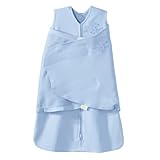
Overview: The HALO Sleepsack Swaddle represents the gold standard in safe newborn sleepwear, designed for babies 0-3 months weighing 6-12 pounds. This hospital-endorsed wearable blanket eliminates dangerous loose bedding while providing a secure, womb-like environment. The 100% cotton double-knit construction offers gentle stretch and breathability, making it ideal for spring and fall evenings in 68-72°F rooms.
What Makes It Stand Out: The innovative 3-way adjustable design sets this swaddle apart. Parents can secure arms-in for maximum startle reflex reduction, transition to one-arm-out for self-soothing development, or both-arms-out when preparing to move to a traditional sleep sack. The inverted bottom zipper revolutionizes nighttime diaper changes, allowing access without unswaddling. Generous Velcro fasteners ensure a custom fit that grows with your baby during these crucial first months.
Value for Money: At $34.95, this swaddle delivers exceptional value through its extended usability. The three-stage design effectively replaces multiple products, serving as a traditional swaddle, transitional wrap, and pre-sleep sack trainer. Hospital endorsements and safety certifications justify the price premium over basic swaddles, while the durable cotton construction withstands countless washes.
Strengths and Weaknesses: Pros include unmatched versatility for transitioning, superior safety credentials, convenient diaper access, and quality materials. The sleeveless design prevents overheating while maintaining secure neck and arm openings. Cons involve potential Velcro wear over time, a slightly higher TOG rating that may require careful temperature monitoring, and a learning curve for mastering the wrap technique during sleepy midnight changes.
Bottom Line: Perfect for safety-conscious parents seeking a long-term swaddling solution that grows with their newborn. The HALO’s adjustability makes it the smartest investment for navigating the full swaddling journey.
2. Love to Dream Swaddle UP, Baby Sleep Sack, Self-Soothing Swaddles for Newborns, Improves Sleep, Snug Fit Helps Calm Startle Reflex, New Born Essentials for Baby, Small 8-13lbs, Gray

Overview: The Love to Dream Swaddle UP revolutionizes traditional swaddling by accommodating babies’ natural preference for sleeping with arms up. Designed for infants 8-13 pounds, this innovative sleep sack allows self-soothing while calming the startle reflex. The gray cotton construction provides a neutral, practical option for parents seeking a more intuitive swaddling solution.
What Makes It Stand Out: The patented ARMS UP design recognizes that over 90% of babies naturally sleep with hands near their face. This position enables true self-soothing through hand-to-mouth contact, promoting longer sleep cycles. The clever two-way zipper eliminates noisy Velcro and complicated wrapping—parents achieve a perfect swaddle in seconds. The snug yet flexible fit prevents fabric from creeping over the face while keeping hips free for healthy development.
Value for Money: Priced at $34.95, the Swaddle UP competes directly with premium swaddles while offering unique developmental benefits. The elimination of Velcro extends product lifespan, and the intuitive design reduces user error that can compromise safety. The time saved during midnight diaper changes with the twin-zipper system alone justifies the investment for exhausted parents.
Strengths and Weaknesses: Pros include the natural arms-up position, incredibly simple zipper operation, stretchy fabric that prevents breakouts, and effective startle reflex control without restricting movement. The 1.0 TOG rating suits moderate temperatures beautifully. Cons involve less adjustability than wrap-style swaddles, a narrower size range requiring earlier size upgrades, and potential unsuitability for babies who genuinely prefer arms-down swaddling.
Bottom Line: Ideal for parents whose babies resist traditional swaddles or demonstrate a clear preference for arms-up sleeping. The Swaddle UP delivers on its promise of easier, more natural sleep.
3. Love to Dream Swaddle UP, Baby Sleep Sack, Self-Soothing Swaddles for Newborns, Improves Sleep, Snug Fit Helps Calm Startle Reflex, New Born Essentials for Baby, 1.0 TOG, 5-8.5 lbs, Pink

Overview: Specifically engineered for the smallest infants, this newborn-sized Love to Dream Swaddle UP caters to babies weighing 5-8.5 pounds. The pink cotton sleep sack implements the same revolutionary arms-up design as its larger counterparts, allowing even preterm and petite newborns to sleep in their natural position while safely self-soothing from day one.
What Makes It Stand Out: This size NB version addresses a critical gap in the swaddle market, providing the ARMS UP benefits for babies often swimming in standard newborn products. The precise weight-based sizing ensures a snug, safe fit that prevents dangerous fabric migration over the face. The 1.0 TOG rating suits typical nursery temperatures, while the two-way zipper simplifies those frequent newborn diaper changes without disrupting the swaddle.
Value for Money: At $34.95, this specialized size represents excellent value for parents of smaller babies who would otherwise compromise on fit with standard newborn swaddles. The investment pays dividends through reduced returns and exchanges, while the durable construction allows hand-me-down potential. For babies in the lower weight range, achieving proper fit is non-negotiable for safety.
Strengths and Weaknesses: Pros include true newborn sizing, the developmental benefits of arms-up positioning from birth, foolproof zipper operation, and effective temperature regulation. The cotton fabric remains gentle on delicate newborn skin. Cons involve a short usage window before outgrowing, potential need for layering in cooler environments, and limited color options for those preferring gender-neutral designs.
Bottom Line: Essential for parents of smaller newborns or those wanting to implement the arms-up philosophy from birth. The perfect fit for early weeks makes this a nursery necessity.
4. HALO 100% Cotton Sleepsack Swaddle, 3-Way Adjustable Wearable Blanket, TOG 1.5, Baby Blue, Small, 3-6 Months

Overview: The HALO Sleepsack Swaddle in Small size extends the brand’s trusted safety features to babies 3-6 months weighing 13-18 pounds. This transitional swaddle bridges the critical period when infants begin rolling but still need startle reflex management. The 100% cotton construction maintains breathability while providing slightly more warmth with its 1.5 TOG rating for spring and fall use.
What Makes It Stand Out: The 3-way adjustable design proves invaluable during the rolling milestone, allowing parents to gradually transition from arms-in to arms-out swaddling without purchasing new products. This adaptability supports the recommended practice of stopping swaddling once rolling begins. The inverted zipper continues to provide unmatched convenience for diaper changes, while the sleeveless design prevents dangerous overheating during active sleep phases.
Value for Money: At $34.95, this swaddle’s extended 3-6 month range and transitional capabilities offer superior value compared to single-purpose sleep sacks. The ability to modify the swaddle configuration as your baby develops effectively provides three products in one. Hospital endorsements and proven safety record justify the investment during this critical developmental stage.
Strengths and Weaknesses: Pros include exceptional versatility for the rolling transition, trusted safety credentials, convenient bottom zipper access, and quality cotton construction. The generous size range accommodates growth spurts. Cons involve potential Velcro noise disrupting light sleepers, a learning curve for proper wing adjustment, and the TOG 1.5 rating potentially requiring careful temperature monitoring in warmer climates.
Bottom Line: The smartest choice for parents navigating the challenging transition away from swaddling. Its adjustability provides safety and comfort as your baby gains mobility.
5. Love to Dream Swaddle UP, Gray, Newborn, 5-8.5 lbs., Dramatically better sleep, Allow baby to sleep in their preferred arms up position for self-soothing, snug fit calms startle reflex
Overview: This gray Love to Dream Swaddle UP newborn size prioritizes natural movement and chemical-free safety for the smallest babies (5-8.5 pounds). The innovative design acknowledges babies’ innate need to self-soothe through hand-to-face contact while maintaining the secure feeling of the womb. The neutral gray color suits any nursery aesthetic while providing the same developmental benefits as the brand’s larger sizes.
What Makes It Stand Out: The patented wings allow true arms-up positioning while the 4-way stretch fabric (93% cotton, 7% elastane) creates a secure yet flexible fit that calms the Moro reflex without restricting natural movement. This construction eliminates the need for flame retardants or harmful chemicals. The design recognizes that over 90% of babies naturally sleep with arms up, making forced arms-down swaddling counterproductive for many infants.
Value for Money: At $34.95, the premium fabric blend and patented design justify the cost. The elastane addition provides superior shape retention and a more precise fit than pure cotton alternatives. For parents prioritizing natural movement and chemical-free environments, this represents essential value rather than optional luxury. The durability supports multiple children.
Strengths and Weaknesses: Pros include the natural arms-up philosophy, stretchy secure fit, easy zipper operation, chemical-free construction, and effective self-soothing facilitation. The snug fit prevents fabric migration. Cons involve the short usage window for newborn size, potential overstretching with vigorous babies, and higher price point compared to basic Velcro swaddles. Some babies may not adapt to the arms-up position.
Bottom Line: Perfect for parents committed to natural, unrestricted sleep positioning from birth. The chemical-free, stretchy design offers peace of mind and proven comfort for newborns.
6. KeaBabies 3-Pack Organic Baby Swaddle Sleep Sacks - Swaddles for Newborns, Infant 0-3 Months, Baby Girls, Boys, Soft & Snug Newborn Sleep Sack, Nursery Swaddling Blankets (Nordic)

Overview: The KeaBabies 3-Pack Organic Baby Swaddle Sleep Sacks deliver premium features for newborns 0-3 months. Certified by the International Hip Dysplasia Institute and GOTS for organic cotton, these Nordic-themed swaddles promise ergonomic support and year-round breathability through their proprietary FabTech 2-way stretch knit construction that accommodates healthy hip development.
What Makes It Stand Out: Dual certification sets these apart—rare IHDI hip-healthy endorsement combined with GOTS organic standards. The FabTech knit enhances durability while maintaining cloud-like softness, and the four-step swaddling system simplifies nighttime routines for exhausted parents. Soft hook-and-loop closures provide security without irritating delicate skin, even after repeated use.
Value for Money: At $8.32 per swaddle, this pack commands a mid-premium price. The cost is justified by organic materials, safety certifications, and durable construction that survives repeated machine washing. While pricier than basic options, the quality and peace of mind make it a sound investment for safety-conscious parents wanting the best for their newborn.
Strengths and Weaknesses: Strengths include prestigious dual certifications, breathable organic cotton, ergonomic hip support, durable stretch fabric, and user-friendly design. Weaknesses include higher cost than budget alternatives and limited pattern options in this collection.
Bottom Line: For parents prioritizing certified organic materials and hip-healthy design, these swaddles are worth the premium. The quality construction and safety endorsements make them a reliable choice for your newborn’s sleep needs.
7. SWEET DOLPHIN 3-Pack Baby Swaddle Sleep Sacks - Newborn Swaddle Blanket with Soft Cotton - Ergonomic Wrap for Boys and Girls, 0-3 Months, Grey

Overview: The SWEET DOLPHIN 3-Pack offers budget-friendly swaddling for newborns 0-3 months (7-15 lbs). Made from 100% premium cotton with geometric patterns, these grey swaddles focus on simplicity and functionality. The design emphasizes a snug, womb-like fit to reduce startle reflex while supporting healthy hip development through ergonomic construction that accommodates natural movement and growth.
What Makes It Stand Out: The standout feature is the protective flap covering the hook-and-loop closures, preventing skin irritation and laundry damage—a thoughtful detail rarely seen at this price. The intuitive design allows secure swaddling in seconds, making it ideal for sleep-deprived parents. Classic geometric patterns provide style without overwhelming nursery aesthetics.
Value for Money: At just $3.33 per swaddle, this 3-pack represents exceptional value. The price point makes it accessible for all families and perfect for stocking up or keeping extras in diaper bags. While lacking organic certification, the 100% cotton construction and practical features deliver solid performance for the cost.
Strengths and Weaknesses: Strengths include unbeatable affordability, protective Velcro flap, breathable cotton fabric, easy maintenance, and attractive patterns. Weaknesses include absence of organic or hip-healthy certifications, potentially less durable materials than premium brands, and basic feature set without advanced adjustments.
Bottom Line: These swaddles are perfect for budget-conscious families or as backup options. They deliver essential functionality without frills, making them a practical choice for everyday use or gifting at baby showers.
8. GLLQUEN BABY 3-Pack Organic Baby Swaddle Sleep Sacks for Newborn - Baby Swaddles 0-3 Months, Newborn Swaddling Sack, Rainbow & Sun, Infant Swaddle Blanket Wrap (Small/Medium)

Overview: The GLLQUEN BABY 3-Pack features adorable rabbit-themed swaddles for newborns 0-3 months (7-14 lbs). Measuring 22 x 26 inches, these unisex swaddles prioritize safety with OEKO-TEX STANDARD 100 certification and a design free from zippers, snaps, or buttons. Made from super-soft 100% cotton, they aim to create a womb-like environment for longer, deeper sleep throughout the night.
What Makes It Stand Out: The commitment to hardware-free design eliminates any risk of scratches or discomfort from fasteners, making it exceptionally gentle for sensitive newborn skin. The adjustable fabric wings with hook-and-loop closures allow customization as your baby grows. The cute rabbit motif adds nursery charm while maintaining functional simplicity that parents appreciate during those challenging early months.
Value for Money: At approximately $6.66 per swaddle, this pack offers solid mid-range value. OEKO-TEX certification and the safety-focused design justify the moderate price increase over budget options. The durability and fade-resistant fabric ensure longevity through repeated washing and daily use.
Strengths and Weaknesses: Strengths include OEKO-TEX certification, hardware-free safety design, adorable unisex patterns, adjustable fit, and breathable cotton. Weaknesses include lack of specific hip-healthy certification, smaller size range than some competitors, and limited brand recognition in the crowded baby market.
Bottom Line: These swaddles excel for safety-conscious parents wanting to avoid any hard fasteners. The charming design and safety certifications make them a reliable choice for newborns, particularly as a thoughtful baby shower gift for style-conscious families.
9. ANYEDDE 2-Pack Newborn Swaddle Sleep Sack - Arms Up Swaddle 0-3 Months, Baby Transitional Swaddles for Newborn, Cuff Removable Design, Pink Bunny Breathable Sleep Sacks with 2-Way Zipper

Overview: The ANYEDDE 2-Pack introduces an innovative arms-up transitional swaddle for newborns 0-3 months. This design features removable cuffs and a 2-way zipper for convenient diaper changes. The waist-tightened, bottom-loose construction mimics womb security while allowing healthy leg positioning and natural movement. Made from 100% cotton, it caters to babies transitioning from traditional swaddling.
What Makes It Stand Out: The arms-up design allows babies to self-soothe by touching their face while preventing nail scratches. Removable cuffs facilitate gradual transition to wearable blankets, extending product lifespan significantly. The 2-way zipper enables diaper changes without full removal, keeping baby warm and making nighttime changes faster for exhausted parents.
Value for Money: At $14.98 per swaddle, this is a premium-priced 2-pack. The cost is justified by innovative transitional features that adapt to your baby’s development, potentially replacing multiple products. However, the higher price and smaller pack size may deter budget-conscious families looking for basic swaddles.
Strengths and Weaknesses: Strengths include innovative arms-up design, 2-way zipper convenience, removable cuffs for transition, self-soothing capability, and soft cotton fabric. Weaknesses include premium pricing, only 2 per pack, potential sizing issues after washing, and design that may not suit all babies’ preferences or sleep styles.
Bottom Line: Perfect for parents seeking extended-use swaddles with transition capabilities. The innovative design justifies the cost if you value adaptability and plan to gradually transition your baby out of swaddling over time.
10. SwaddleMe by Ingenuity Original Swaddle, 100% Cotton, Improves Sleep & Calms Startle Reflex, 3-6 Months, 14-18 lbs, 1.0 TOG, 3-Pack, Baby Swaddle Blanket - Mountaineer

Overview: The SwaddleMe by Ingenuity Original Swaddle targets a specific niche—babies 3-6 months (14-18 lbs) who still need swaddling but have outgrown newborn sizes. This 3-pack uses 100% cotton with a 1.0 TOG rating and secure hook-and-loop closures. As part of Stage 1 in the SwaddleMe sleep system, it addresses the often-overlooked older infant swaddling need when many babies are transitioning away from swaddling.
What Makes It Stand Out: Few brands specifically design swaddles for 3-6 month olds, making this a standout for parents of larger babies. The trusted SwaddleMe brand brings reliability and proven design, while the snug fit effectively calms the startle reflex in older infants. The adjustable wings ensure proper fit as babies approach the rolling milestone and need to transition out.
Value for Money: At $10.66 per swaddle, pricing is reasonable for a recognized brand serving a specialized age range. The 3-pack provides good value for parents needing consistent swaddling solutions during this extended stage. However, the limited usage window reduces overall value compared to more versatile options that grow with your baby.
Strengths and Weaknesses: Strengths include specialized 3-6 month sizing, trusted brand reputation, effective startle reflex reduction, durable cotton construction, and part of a larger sleep system. Weaknesses include narrow age range, potential waste if baby outgrows quickly or rolls early, and higher cost than generic larger swaddles.
Bottom Line: An excellent solution for parents struggling to find swaddles for older, larger babies. The brand reliability and proper sizing make it worth the investment if your baby needs extended swaddling beyond the typical 3-month mark.
Understanding the Startle Reflex and Your Newborn’s Sleep
What Is the Moro Reflex?
The Moro reflex, commonly called the startle reflex, is an involuntary neurological response that appears in all healthy newborns typically between 28 and 32 weeks gestation. When your baby experiences a sudden change in sensory input—whether it’s a loud noise, unexpected touch, or even the sensation of falling as you lower them into the crib—they’ll respond with a characteristic sequence: arms flung outward with palms up, legs extended, followed by a quick inward curling motion as they bring their arms back toward their body. This primitive reflex served an evolutionary purpose, helping infants cling to their mothers when startled. While fascinating from a developmental perspective, it’s incredibly disruptive to consolidated sleep, often waking babies just as they enter lighter sleep phases.
Why Newborns Experience This Startling Sensation
Your newborn’s nervous system is essentially still under construction. The neural pathways that filter sensory information and suppress unnecessary movements won’t mature until around 4-6 months of age. Until then, every unexpected stimulus triggers this full-body alarm system. The reflex is particularly active during sleep transitions, which explains why your baby might seem perfectly calm as you place them down, only to startle themselves awake moments later. Understanding that this isn’t a sign of distress or discomfort—it’s simply their immature neurological system doing exactly what it’s designed to do—can help you approach solutions with patience rather than frustration.
How the Startle Reflex Disrupts Sleep Patterns
Sleep architecture in newborns is fundamentally different from adult sleep. Your baby cycles through active (REM) and quiet sleep every 50-60 minutes, with the startle reflex firing most frequently during the transition between these states. Each startling episode can fully arouse them from sleep, requiring parental intervention to resettle. This creates a pattern of fragmented sleep that prevents your baby from reaching the deep, restorative sleep phases necessary for brain development and growth hormone release. The result? An overtired baby who struggles to feed effectively and parents who are functioning in survival mode.
The Science Behind Swaddling for Startle Reflex Management
How Swaddling Mimics the Womb Environment
For nine months, your baby existed in a world of constant, gentle pressure. The uterus provided 360-degree containment that restricted sudden movements and created a sense of security. Swaddling recreates this proprioceptive input by providing firm, even pressure around your baby’s torso and limbs. This containment does more than just prevent arm flailing—it actually calms the nervous system by activating pressure receptors in the skin that send soothing signals to the brain. Research from the American Academy of Pediatrics confirms that proper swaddling can reduce spontaneous arousals by up to 30%, allowing babies to sleep longer and more peacefully.
The Neurological Benefits of Proper Swaddling
When executed correctly, swaddling triggers a cascade of calming neurological responses. The gentle pressure increases serotonin production while reducing cortisol levels, effectively lowering your baby’s stress response. This containment also dampens the sympathetic nervous system’s activation, preventing the full expression of the Moro reflex. Studies published in Pediatrics have demonstrated that swaddled infants demonstrate more sustained sleep periods and faster return to sleep after brief awakenings. The key is achieving the right balance—snug enough to provide security, but not so tight that it restricts breathing, hip movement, or causes overheating.
Research-Backed Sleep Improvements
Multiple peer-reviewed studies have quantified swaddling’s impact on newborn sleep. One landmark study found that swaddled infants slept an average of 2.5 hours longer per day compared to unswaddled babies. Another study tracking sleep efficiency showed that proper swaddling reduced startle-related awakenings by 45% during the first three months. These improvements aren’t just about quantity—swaddled babies spend more time in quiet sleep, the deep, restorative stage crucial for memory consolidation and physical growth. The research is clear: when done safely, swaddling is one of the most effective tools for managing startle reflex sleep disruptions.
Traditional Swaddling Techniques
The Art of the Hospital Blanket Swaddle
The classic diamond swaddle technique taught in most hospitals remains a gold standard when executed properly. Start with a lightweight, breathable blanket laid in a diamond shape. Fold down the top corner, place your baby with their shoulders aligned with this fold, then wrap one side across the chest, tucking securely under the body. The bottom corner folds up over the feet, and the final side wraps across, creating a secure but flexible cocoon. The key is leaving enough hip room for natural frog-leg positioning while ensuring the chest wrap is snug enough to prevent arm escape. Mastering this technique gives you a versatile, cost-effective solution that works with any standard receiving blanket.
Step-by-Step Guide to Safe Blanket Swaddling
Safety must be your primary concern when traditional swaddling. Always place your baby on their back with the swaddle secured below the neck—never cover the face or head. The chest area should allow two to three fingers to fit between the swaddle and your baby’s body, ensuring unrestricted breathing. Hip health is equally critical; the bottom portion must be loose enough that your baby can bend their legs up and out at the hips. Use a blanket measuring at least 44x44 inches made from thin, breathable cotton or muslin. Avoid heavy fabrics like fleece or multiple blanket layers that increase overheating risk. Practice during calm, awake times until you can execute a secure swaddle in under a minute, even with a squirming baby.
Common Mistakes Parents Make with Traditional Swaddles
Even well-intentioned parents frequently make errors that compromise both safety and effectiveness. Wrapping too tightly around the chest can restrict breathing and increase overheating risk. Leaving the hip area too snug can contribute to hip dysplasia, a serious developmental condition. Perhaps most common is creating a loose wrap that allows arms to escape within minutes, defeating the purpose entirely. Another frequent error is continuing to swaddle once your baby shows signs of rolling over, dramatically increasing SIDS risk. Finally, many parents underestimate the importance of fabric choice—using stretchy jersey material that loosens overnight or thick blankets in warm rooms creates hazardous sleep conditions.
Modern Swaddle Solutions: An Overview
Velcro and Zip-Up Swaddle Systems
Contemporary swaddle design has eliminated much of the guesswork and midnight frustration of traditional blanket swaddling. Velcro closure systems feature winged panels that secure across your baby’s chest with adjustable fasteners, allowing for a customized fit that accommodates growth. Zip-up designs often incorporate interior arm pockets that hold your baby’s arms snugly at their sides, with a two-way zipper facilitating diaper changes without full unswaddling. These systems typically use stretchy cotton-spandex blends that maintain their shape throughout the night while providing the perfect balance of containment and comfort. Look for designs with quiet closures—Velcro can be startlingly loud during nighttime changes—and reinforced stitching at stress points.
Swaddle Transition Products
As your baby approaches the 3-4 month mark, you’ll need to prepare for the swaddle weaning process. Transition products feature removable arm panels or zip-off wings that allow you to free one arm at a time, gradually acclimating your baby to unrestricted movement while maintaining the familiar compression around their torso. Some designs incorporate mesh panels in the arm areas, providing containment with breathability. These hybrid products bridge the gap between full swaddling and sleep sacks, preventing the sleep regression that often accompanies abrupt swaddle removal. The best transition products maintain consistent chest compression while slowly reducing arm restriction over 1-2 weeks.
Wearable Blankets and Sleep Sacks
Once your baby shows any signs of rolling, swaddling must stop immediately. Wearable blankets, commonly called sleep sacks, become the safe alternative. These sleeveless, zippered sacks provide warmth without the suffocation risk of loose blankets while allowing complete freedom of movement. For babies still experiencing startle reflex issues, some sleep sacks incorporate weighted chest panels that provide gentle pressure without arm restriction. Others feature slightly snugger fits around the torso to maintain that womb-like security. The key is selecting appropriate TOG (thermal overall grade) ratings for your room temperature—typically 1.0 TOG for 68-72°F rooms and 2.5 TOG for cooler environments.
Key Features to Look for in Swaddle Products
Fabric Types and Breathability Standards
The fabric composition of your swaddle directly impacts both safety and comfort. 100% cotton muslin remains the benchmark for breathability, with its loose weave allowing air circulation while maintaining softness. Organic bamboo blends offer superior temperature regulation, wicking moisture away from your baby’s skin twice as fast as cotton. For cooler climates, cotton-spandex blends provide stretch and containment without the bulk of fleece. Always verify the fabric meets OEKO-TEX Standard 100 certification, ensuring it’s free from harmful chemicals and dyes. Avoid any fabric that pills excessively or loses shape after washing, as this indicates poor quality that could compromise fit and safety over time.
Hip-Healthy Design Considerations
The International Hip Dysplasia Institute certifies swaddle products that meet their criteria for hip-healthy design. Look for the “Hip Healthy” seal on any product you’re considering. These designs feature a wide, loose pouch at the bottom that allows your baby’s legs to fall naturally into the frog-leg position, with hips able to bend up and out. The fabric should never pull the legs together or force them straight down. Even with Velcro or zip-up systems, the bottom third should be generously sized and minimally restrictive. Remember, healthy hip development is non-negotiable—no amount of improved sleep justifies compromising your baby’s orthopedic future.
Adjustable Sizing and Growth Accommodation
Newborns grow at an astonishing rate, often outgrowing products within weeks. Quality swaddle solutions offer multiple size adjustments through Velcro placement options, snap extensions, or stretchy fabric panels. Look for products with at least two distinct size settings and weight range specifications that overlap, allowing you to size up before your baby technically needs it. Some innovative designs incorporate adjustable interior arm pockets that can be repositioned as your baby’s torso lengthens. The best products will serve your baby for 2-3 months minimum, making the investment worthwhile and reducing the stress of constantly purchasing new sizes.
Swaddle Solutions for Different Baby Temperaments
For Houdini Babies Who Escape Everything
Some babies possess an uncanny ability to bust out of even the most secure-looking swaddles, arms flailing free within minutes. For these escape artists, look for swaddle systems with interior arm pockets that physically contain each arm before the outer wrap secures. Double-zipper designs that create a more complex closure system can also thwart determined babies. Some parents find success with crisscross wrapping techniques that create multiple layers of security across the chest. The fabric’s stretch factor matters enormously here—slight mechanical stretch (2-5%) provides give without allowing the wrap to loosen significantly. If your baby consistently breaks free, it may also signal they’re ready to transition to arms-out sleeping, even if they haven’t reached the typical age milestone.
For Babies Who Prefer Arms-Up Positioning
Not all babies tolerate having their arms pinned to their sides. Many newborns naturally sleep with arms bent, hands near their face—a position that allows self-soothing through sucking on fingers or touching their cheeks. Traditional swaddling fights this instinct, creating tension and frustration. Arms-up swaddle designs feature winged pouches that allow your baby to sleep with arms raised in a natural position while still preventing the startle reflex’s full extension. These products typically use stretchy mesh or jersey fabric for the arm pockets, providing containment with flexibility. Some babies transition more easily from womb to world in these positioners, as they accommodate the fetal position many maintained until birth.
For Temperature-Sensitive Newborns
Babies who run hot or cold require specialized swaddle solutions to prevent overheating or chilling. For warm-natured infants, look for swaddles with mesh panels in high-heat areas like the back and underarms. Some designs incorporate phase-change materials that absorb excess heat and release it when temperatures drop. For cooler environments or babies who chill easily, fleece-lined swaddles with breathable cotton exteriors provide warmth without sacrificing safety. Always monitor your baby’s temperature by feeling the back of their neck—not their hands or feet, which naturally feel cooler. The ideal swaddle maintains core temperature between 97.7-100.4°F without causing sweating or cool extremities.
Safety First: Essential Swaddling Guidelines
Recognizing When Swaddling Is No Longer Safe
The most critical safety transition occurs when your baby shows any indication they might roll over—this could happen as early as 8 weeks or as late as 5 months. Signs include rocking side to side during tummy time, using legs to push into a roll, or successfully rolling from tummy to back. Once rolling is possible, even unassisted, swaddling with arms restrained becomes dangerous. A swaddled baby who rolls onto their stomach cannot push themselves back or lift their head effectively, dramatically increasing suffocation risk. Some babies may also show readiness signs earlier, such as consistent arm escaping or fighting the swaddle, indicating they need more freedom of movement for healthy development.
Temperature Regulation and Overheating Prevention
Overheating is a known risk factor for SIDS and a common consequence of improper swaddling. Your baby should wear only a onesie or diaper underneath their swaddle in rooms maintained between 68-72°F. The swaddle fabric itself should feel lightweight and breathable—if you hold it to your face and can’t breathe comfortably through it, it’s too dense for safe sleep. Check your baby frequently for signs of overheating: damp hair, flushed cheeks, rapid breathing, or a hot, sweaty chest. In warmer months or climates, consider using just a swaddle with no additional clothing, or switch to a lightweight muslin that allows maximum airflow while still providing containment.
Safe Sleep Positioning While Swaddled
A swaddled baby must always sleep on their back, on a firm, flat sleep surface free from pillows, bumpers, or loose blankets. The swaddle should be snug enough that it cannot ride up and cover your baby’s face, but loose enough around the hips for natural movement. If using a Velcro or zip-up system, ensure the neck opening isn’t so large that your baby’s chin could slip down into the swaddle, compromising their airway. The swaddle should never be so tight that it restricts chest expansion during breathing. Some pediatricians recommend a “two-finger test”—you should be able to slide two fingers between the swaddle and your baby’s chest without difficulty.
Transitioning Away from Swaddling
Signs Your Baby Is Ready to Transition
Beyond rolling indicators, several developmental cues signal swaddle weaning readiness. If your baby consistently breaks free despite proper technique, they’re demonstrating a need for more movement freedom. Increased activity during sleep, such as kicking legs vigorously or shifting positions frequently, suggests they’re outgrowing the swaddle’s restrictions. Some babies begin showing a clear preference for having one arm out, even when fully swaddled. Watch for these signs typically emerging between 3-4 months, though every baby develops on their own timeline. Premature babies often need swaddling longer, while some full-term infants show readiness earlier.
The Gradual Unswaddling Method
Abruptly stopping swaddling often triggers significant sleep regression. The gradual approach minimizes disruption while building your baby’s self-soothing capacity. Start by swaddling with one arm out for 2-3 nights, keeping the dominant arm contained if your baby shows a clear preference. If sleep remains relatively stable, free the second arm while maintaining torso compression. After several more nights, transition to a sleep sack with a snug torso fit but completely free arms. This process typically takes 7-10 days. During this period, reinforce other sleep associations like white noise and consistent bedtime routines to compensate for the lost swaddle security. Expect some initial sleep disruption—most babies need 3-5 nights to adjust to each new freedom level.
Arms-Out Transition Strategies
For babies who struggle with the one-arm-out method, alternative transition strategies can ease the process. The “cold turkey to sleep sack” approach works well for babies who already fight the swaddle—simply switch to a snug-fitting sleep sack and expect 3-4 nights of adjustment. Some parents find success with the “swaddle under sleep sack” method, placing a thin swaddle around the torso under a larger sleep sack for the first few nights. Weighted sleep sacks with gentle chest compression can provide security without arm restriction. Whatever method you choose, consistency is crucial—switching back and forth between swaddled and unswaddled sleep confuses your baby and prolongs the adjustment period.
Alternative Solutions for Startle Reflex Management
White Noise and Sound Therapy Integration
While swaddling addresses the physical expression of the startle reflex, sound therapy targets its neurological triggers. Continuous white noise set to 50-65 decibels—about the volume of a running shower—masks the sudden environmental sounds that trigger startling. More sophisticated sound machines offer “womb sounds” that replicate the whooshing noises your baby heard in utero, providing a familiar auditory landscape that reduces overall arousal. Place the sound machine at least 7 feet from your baby’s sleep space to protect developing hearing while still providing effective masking. The sound should play continuously throughout sleep periods, not on a timer, to prevent re-triggering during sleep cycle transitions.
Gentle Pressure Techniques Without Full Swaddling
For babies who resist traditional swaddling or parents concerned about hip development, alternative pressure techniques can provide similar calming benefits. The “hand on chest” method involves placing your hand firmly on your baby’s chest as they fall asleep, providing proprioceptive input without full restraint. Some parents find success with weighted sleep sacks that distribute 1-2 pounds of gentle pressure across the torso and legs. Compression garments designed for sensory input, similar to those used for children with autism, offer another option—these provide firm pressure without restricting movement. Always consult your pediatrician before using any weighted product to ensure it’s appropriate for your baby’s age and development.
Sleep Environment Optimization
Strategic environmental modifications can reduce startling triggers before they occur. Blackout curtains eliminate visual stimuli that might cause your baby to startle awake during lighter sleep phases. A consistent room temperature between 68-72°F prevents temperature fluctuations that can trigger arousal. Some parents find that slightly elevating the head of the crib by 10-15 degrees helps babies feel more secure, though this should only be done with pediatrician approval and never with pillows or positioners. Creating a sleep space that mimics the womb’s sensory deprivation—dark, slightly warm, with continuous background noise—reduces the overall incidence of startling episodes.
Creating the Ideal Sleep Environment
Room Temperature and Humidity Control
Beyond swaddle selection, ambient conditions significantly impact sleep quality and startle reflex management. The ideal nursery maintains 68-72°F with 40-60% humidity. Temperatures above 75°F increase SIDS risk and cause restless, fragmented sleep. Below 65°F, babies expend energy staying warm, reducing sleep depth. Use a dedicated nursery thermometer rather than relying on home thermostats, which may not reflect micro-climates. Humidity levels below 40% can cause nasal congestion and increased startling from dry air irritation, while levels above 60% promote mold growth. A cool-mist humidifier can help maintain optimal levels, especially in winter heating seasons or dry climates.
Lighting Strategies for Better Sleep
Light exposure directly influences your baby’s developing circadian rhythm, which in turn affects sleep architecture and startling frequency. During daytime naps, allow natural light to filter into the room—this helps establish day-night differentiation and promotes deeper nighttime sleep. For nighttime sleep, complete darkness is ideal; even small amounts of light can suppress melatonin production and increase nighttime awakenings. Use red-spectrum nightlights for nighttime feedings and diaper changes, as red light minimally disrupts melatonin. Avoid blue-spectrum light from phones, tablets, or LED displays for at least 30 minutes before sleep periods, as this wavelength is particularly disruptive to sleep onset.
Crib and Bassinet Setup Recommendations
The sleep surface itself can either exacerbate or minimize startle reflex disruptions. A firm, flat mattress with a fitted sheet is the only safe bedding. Remove all positioners, wedges, and loose items. For newborns who startle frequently, some parents find that a slightly smaller sleep space—like a bassinet rather than a full crib—provides subconscious boundary awareness that reduces startling. If using a crib, placing it against a wall rather than centered in the room can create a similar effect. The mattress height should be at its highest setting for newborns, making placement easier and reducing the “falling” sensation that triggers the Moro reflex when laying your baby down.
Troubleshooting Common Sleep Challenges
When Your Baby Fights the Swaddle
Paradoxically, some babies resist the very thing that will help them sleep better. If your baby cries and struggles during swaddling, it doesn’t necessarily mean they dislike it—they may simply protest the process while benefiting from the result. Try swaddling during calm, awake periods to create positive associations. Use the “swaddle-up” technique where you secure the swaddle loosely at first, then tighten once your baby is drowsy. Some babies prefer their hands near their face—try an arms-up swaddle design that accommodates this preference while still preventing the full startle extension. If resistance persists beyond 5-7 days of consistent attempts, your baby may genuinely prefer alternative soothing methods.
Dealing with Persistent Startle Reflex After 4 Months
While the Moro reflex typically integrates by 4-6 months, some babies show persistent startling beyond this timeframe, especially those born prematurely or with sensory processing differences. If your 5-6 month old still startles frequently, consult your pediatrician to rule out underlying neurological concerns. In most cases, this simply reflects individual developmental variation. Continue using transition products like weighted sleep sacks with chest compression. Increase reliance on environmental controls—white noise, blackout conditions, and consistent routines. Some babies benefit from occupational therapy evaluation to address sensory integration delays. Most importantly, avoid the temptation to continue traditional swaddling past the safe window; the risks far outweigh the benefits.
Managing Sleep Regression Periods
Sleep regressions at 4 months, 6 months, and 8-10 months often coincide with swaddle transitions and peak startle reflex periods. During these times, your baby’s sleep architecture is fundamentally changing, making them more susceptible to startling awakenings. Maintain all other sleep associations while navigating the swaddle transition. Consider temporarily increasing white noise volume by 5-10 decibels to compensate for lost containment. Some parents find that introducing a transitional object (safe for older babies) or increasing daytime contact naps helps bridge the gap. Remember, regressions are temporary—typically lasting 2-4 weeks—while safe sleep practices must remain consistent.
Expert Tips for Sleep Success
Establishing a Consistent Bedtime Routine
Babies thrive on predictability, and a consistent 20-30 minute pre-sleep routine signals that it’s time to wind down, reducing overall arousal and startling. Start with a warm bath (not daily for newborns, but consistently when you do bathe), followed by a gentle massage with unscented lotion, then a feeding in a dimly lit room. Put on the swaddle while singing the same lullaby each night. This sequence creates powerful sleep associations that help your baby relax even before you begin swaddling. The routine should be identical for naps, just condensed to 5-10 minutes. Consistency matters more than the specific activities—your baby learns to anticipate sleep, lowering their baseline stress level and reducing startling frequency.
Reading Your Baby’s Sleep Cues
Timing is everything when managing the startle reflex. Swaddling an overtired baby is exponentially more difficult and less effective. Learn to recognize your baby’s unique sleep signals: subtle eye rubbing, yawning, staring into space, or losing interest in interaction. The ideal window for swaddling and sleep placement is when your baby shows these early cues—not when they’re already crying from exhaustion. A well-timed swaddle prevents the overtired state that amplifies startling. Keep a simple log for 3-4 days tracking awake windows, sleep cues, and startling frequency to identify your baby’s optimal sleep timing. Most newborns can only handle 45-60 minutes of awake time before needing sleep again.
Partner Involvement in Sleep Solutions
Sleep deprivation fractures relationships and reduces parenting effectiveness. Establish a clear division of labor where both partners master swaddling techniques and share nighttime responsibilities. Consider taking shifts—one parent handles all wake-ups from 10 PM to 2 AM while the other manages 2 AM to 6 AM. This allows each partner a guaranteed 4-hour sleep block, improving patience and technique execution. During the learning phase, practice swaddling together during daytime hours, providing feedback and building confidence. Document what works—snap a photo of a perfectly executed swaddle for reference during bleary 3 AM sessions. Remember, you’re a team navigating one of parenting’s most challenging phases.
Frequently Asked Questions
How long should my newborn stay swaddled each day?
Your newborn can be swaddled for all sleep periods—both nighttime and naps—as long as they’re supervised and the swaddle is properly applied. Limit swaddling during awake, alert periods to allow for free movement, tummy time, and hip development. Most babies benefit from being unswaddled for at least 6-8 hours during the day while interacting and feeding.
What if my baby hates being swaddled but still startles awake?
Try alternative containment methods like arms-up swaddles or weighted sleep sacks that provide pressure without full restraint. Some babies prefer having one arm free from the start. You can also focus on environmental controls—increase white noise volume, ensure complete darkness, and perfect your timing to place baby down during deeper sleep stages. Persistent resistance may indicate readiness for transition.
Can swaddling too tightly cause hip problems?
Yes, improper swaddling that forces legs straight down and together can contribute to hip dysplasia. Always ensure your baby’s legs can bend up and out naturally in a frog-leg position. Use only hip-healthy certified products or traditional swaddling techniques that leave generous room in the bottom third. Never straighten or bind your baby’s legs together.
How do I know if my baby is too hot in their swaddle?
Feel the back of your baby’s neck or chest—these areas should feel warm but not hot or sweaty. Check for flushed cheeks, damp hair, rapid breathing, or heat rash. In proper conditions, your baby’s hands and feet may feel cool, which is normal. Room temperature should stay between 68-72°F with light clothing underneath.
When is it time to stop swaddling completely?
Immediately stop traditional swaddling when your baby shows any signs of attempting to roll over, typically between 8 weeks and 4 months. Other indicators include consistent arm escaping, fighting the swaddle, or reaching 4-5 months of age even without rolling signs. Continuing beyond these milestones increases SIDS risk significantly.
Do weighted swaddles help with startle reflex?
Weighted swaddles can provide additional calming pressure, but they must be used with caution. The weight should be evenly distributed and not exceed 10% of your baby’s body weight. Always consult your pediatrician before using weighted products, and never use them once your baby can roll. Many experts prefer non-weighted options that achieve containment through proper fit rather than added mass.
Can I swaddle my baby for tummy time?
Never swaddle your baby for tummy time. Swaddling restricts movement and prevents the muscle development tummy time promotes. Always unswaddle for awake, supervised tummy sessions. If your baby startles frequently during tummy time, start with shorter sessions on your chest instead of the floor, gradually increasing duration as they build strength and confidence.
What TOG rating is best for swaddles?
For room temperatures of 68-72°F, a 1.0 TOG swaddle with a light onesie underneath is ideal. For warmer rooms (72-75°F), use a 0.5 TOG muslin swaddle with just a diaper. Cooler rooms below 68°F may require a 2.5 TOG swaddle with light pajamas. Always prioritize breathability over warmth—it’s easier to add a layer than to cool an overheated baby.
How many swaddles do I need?
Plan for at least 3-4 swaddles in rotation. Newborns often spit up or have diaper leaks requiring middle-of-the-night changes. Having multiple swaddles ensures you always have a clean, dry option available. If your baby spits up frequently or you prefer doing laundry less often, 5-6 swaddles provide comfortable backup.
Can preemies be swaddled differently than full-term babies?
Premature babies often benefit from swaddling longer and may need it for developmentally longer periods. However, they require extra caution regarding overheating and breathing restriction. Use preemie-specific swaddles with appropriate sizing, and always follow your NICU team’s guidance. Many preemies need a gradual swaddling introduction, starting with loose containment and slowly increasing snugness as they mature.