Recovering from a C-section is a unique journey that demands more than just rest—it requires strategic support. While the joy of welcoming your baby fills your days, your body is working overtime to heal from major abdominal surgery. Every movement, every time you sit or stand, can feel like a challenge. This is where the right seating becomes not just a comfort, but a crucial tool in your recovery arsenal. A power-recline rocking chair or glider designed with post-surgical needs in mind can transform those early weeks from a struggle into a more manageable, even peaceful, experience.
Unlike standard nursery furniture, these specialized chairs offer motorized assistance that eliminates the strain on your healing core and incision site. No more awkward pushing with your feet or leveraging your abdominal muscles to find a comfortable feeding position. With the push of a button, you can achieve perfect positioning for breastfeeding, bottle-feeding, or simply bonding with your baby without compromising your healing process. Let’s explore what makes these chairs essential and how to choose the one that will serve as your recovery command center.
Top 10 Power-Recline Rocking Chairs for C-Section Recovery
Detailed Product Reviews
1. Korser Power Swivel Recliner Chairs for Adults, Electric Glider Rocking Chair Nursery, Glider Recliner Nursery Chair with Classified Side Pocket, Nursery Rocking Chairs with USB and Type-C Ports

Overview: The Korser Power Swivel Recliner delivers impressive functionality at an accessible price point, making it an excellent choice for nurseries or living spaces. This electric glider combines 270-degree swivel capability with smooth rocking motion and power recline, all wrapped in breathable linen fabric that suits extended use.
What Makes It Stand Out: The ultra-quiet motor operating below 40dB ensures peaceful operation during late-night feedings or movie watching. Its 90% pre-assembled design requires no tools and sets up in under five minutes—significantly faster than competitors. The rear-positioned power cord is a thoughtful safety feature, reducing tripping hazards in busy households.
Value for Money: At $227.99, this recliner undercuts most power gliders by $100-200 while maintaining premium features like USB/Type-C charging ports and a four-layer metal frame. The 330-pound weight capacity, while slightly lower than some alternatives, remains adequate for most users.
Strengths and Weaknesses: Strengths include whisper-quiet operation, effortless assembly, excellent swivel range, and smart cord placement. The non-removable neck pillow provides consistent support, though some may prefer adjustable options. Weaknesses include unspecified recline angles and a weight capacity that trails premium models by 20 pounds.
Bottom Line: This Korser recliner offers exceptional value for budget-conscious buyers seeking power functionality without compromise. Perfect for nurseries or small living spaces where quiet operation and easy setup matter most.
2. Jocisland Power Recliner Nursery Chair for Adults, Electric Swivel Rocking Glider with USB & Type-C, Soft Fabric Armchair with 2 Pillows, Cozy Reclining Sofa for Living Room, Bedroom, Light Grey

Overview: The Jocisland Power Recliner positions itself as a premium nursery and living room solution with enhanced dimensions and superior materials. This chair combines 240-degree swivel and 30-degree rocking with power recline up to 150 degrees, accommodating users up to 350 pounds in a spacious 39.4-inch wide frame.
What Makes It Stand Out: The high-density foam wrapped in soft towel fabric provides luxurious comfort that maintains shape over time. Two detachable pillows offer versatile lumbar or cushion support, adapting to different user preferences. The extended footrest design allows full-body stretching, while the larger seat dimensions particularly benefit new mothers during extended nursing sessions.
Value for Money: At $449.99, this recliner commands a premium price justified by its robust construction, higher weight capacity, and generous sizing. While $200+ more than budget alternatives, the enhanced durability and comfort features represent a worthwhile investment for daily, long-term use.
Strengths and Weaknesses: Strengths include superior weight capacity, detachable customizable pillows, spacious seating, and durable towel fabric. The 240-degree swivel range is slightly less than competitors offering 270 degrees. The 15-minute assembly, while reasonable, takes three times longer than tool-free alternatives.
Bottom Line: Ideal for users prioritizing space, durability, and premium comfort. The Jocisland recliner justifies its higher price through superior materials and construction, making it perfect for larger individuals or those seeking long-term nursery furniture.
3. Korser Power Swivel Recliner Chairs for Adults, Electric Glider Rocking Chair Nursery, Glider Recliner Nursery Chair with Classified Side Pocket, Nursery Rocking Chairs with USB and Type-C Ports

Overview: Identical in specifications to Product 1, this Korser Power Swivel Recliner offers the same compelling feature set including 270-degree swivel, whisper-quiet motor operation under 40dB, and USB/Type-C charging ports. The electric glider arrives 90% pre-assembled, promising setup in under five minutes without tools.
What Makes It Stand Out: This model shares the same standout qualities as its counterpart: an ultra-quiet motor perfect for nurseries, rear-positioned power cord for safety, and breathable linen fabric. The four-layer metal structure provides reliable stability, while the compact footprint fits most room corners. The non-removable neck pillow delivers consistent support.
Value for Money: Priced at $239.99, this version costs $12 more than the identical Product 1. While still representing strong value compared to market alternatives, savvy shoppers should compare listings carefully. The 330-pound weight capacity and identical feature set mean you’re paying slightly more for what appears to be the same chair.
Strengths and Weaknesses: Strengths mirror Product 1: exceptional assembly ease, superior swivel range, quiet operation, and thoughtful cord management. The linen upholstery offers durability and easy maintenance. Weaknesses include the non-adjustable neck pillow and weight capacity that falls short of premium 350-pound models.
Bottom Line: A solid power recliner choice, but verify pricing against nearly identical models. If Product 1 remains available at $227.99, it offers better value. Otherwise, this remains an excellent budget-friendly option for nurseries and living rooms.
4. Rocking Chair Nursery with Adjustable Armrests, Electric Glider Recliner Nursing Chair for Breastfeeding, Power Swivel Recliner Chairs with Massage and Heat, Adjustable Headrest , FSC Certified, Beige

Overview: This feature-packed nursery chair elevates the standard glider recliner with therapeutic enhancements. Offering 270-degree swivel, 30-degree rocking, and power recline to 145 degrees, it integrates massage, heat, and unprecedented adjustability. The oversized design supports users up to 350 pounds while providing multiple comfort customization options.
What Makes It Stand Out: Eight-point vibration massage with five modes and two intensity levels targets back and waist tension, while lumbar heat therapy soothes muscles—features rare in this price category. Unique adjustable armrests raise and lower to reduce shoulder strain during nursing, and the manually adjustable headrest provides personalized neck support. Added conveniences include cup holders and dual side pockets.
Value for Money: At $431.99, this recliner sits at the premium end but justifies the cost through therapeutic features competitors lack. The FSC-certified construction and comprehensive adjustability make it a multifunctional investment for nursing mothers and those seeking pain relief.
Strengths and Weaknesses: Strengths include massage/heat therapy, adjustable armrests and headrest, cup holders, and eco-certification. The overstuffed padding and extended footrest enhance comfort. Potential weaknesses include increased complexity that could require more maintenance, and features that may go unused by some buyers.
Bottom Line: Perfect for nursing mothers needing ergonomic support or anyone seeking therapeutic benefits. While over-specified for casual users, the massage and heat functions combined with superior adjustability make this the most feature-rich option for recovery and relaxation.
5. Madaha Power Recliner Chair Swivel Gilder Rocking Chairs Skin-Friendly Power Recliner Nursery Chair for Adults with Waist Pillow, USB Charging (Beige, Only Recliner Chair)

Overview: The Madaha Power Recliner targets safety-conscious parents with its nursery-focused design. Combining 270-degree swivel and 30-degree gliding with electric recline from 110 to 160 degrees, this chair emphasizes baby-safe materials and motherly comfort in a compact package suitable for various room settings.
What Makes It Stand Out: The skin-friendly teddy fabric provides exceptional softness and warmth, while the BPA-free, certified solid wood frame ensures a non-toxic environment. An included waist pillow specifically supports lumbar health during nursing. The 350-pound weight capacity and stable construction offer durability, while USB charging adds modern convenience.
Value for Money: At $399.99, this mid-range recliner balances premium safety features with reasonable pricing. The teddy fabric and solid wood construction justify the cost over budget metal-framed alternatives, particularly for parents prioritizing chemical-free environments for their newborns.
Strengths and Weaknesses: Strengths include baby-safe certifications, skin-friendly fabric, excellent recline range (110-160°), solid wood frame, and dedicated lumbar support. The 10-minute assembly is efficient. Weaknesses include teddy fabric potentially retaining more heat than linen alternatives, and fewer luxury features like massage or cup holders found in similarly priced competitors.
Bottom Line: An excellent choice for new parents prioritizing safety and non-toxic materials above all else. The Madaha recliner’s certifications and thoughtful nursery design make it worth the premium over basic models, though it lacks the therapeutic features of top-tier alternatives available today.
6. GRAINELL Swivel Rocker Recliner Chair with Massage and Heat, USB Charging Port, Infinite Position Power Recliner, Electric Glider Rocking Chairs for Living Room, Nursery (Grey)

Overview: The GRAINELL Swivel Rocker Recliner positions itself as a therapeutic relaxation hub designed for nursing mothers, post-surgery recovery, and anyone seeking premium comfort. This power recliner combines motorized positioning with massage and heat therapy in a thoughtful dual-fabric package that balances coziness with practical maintenance.
What Makes It Stand Out: The intelligent dual-fabric design features soft corduroy on the backrest and wipeable PU leather on the seat—addressing both comfort and spill management. The infinite position recline reaches 150° and stops securely at any angle, offering personalized support absent in fixed-position chairs. The all-in-one remote consolidates recline, 8-point vibration massage, and lumbar heat therapy, plus an integrated USB-A port for device charging—eliminating cord clutter.
Value for Money: At $439.99, this recliner sits in the mid-premium range. The price is justified by its therapeutic features, quality materials, and tool-free assembly that takes under 10 minutes. Compared to basic power recliners without massage ($300-350), you’re paying $90-140 extra for heat therapy, superior fabric strategy, and nursing-friendly design—reasonable for targeted wellness needs.
Strengths and Weaknesses: Strengths include the practical fabric combination, comprehensive remote control, 270° swivel with gentle 30° rocking, and side storage pockets. The near-flat recline and targeted lower-back heat effectively relieve muscle tension. Weaknesses: USB-A only (no Type-C), limited color options, and the price may stretch budget-conscious buyers. The 150° recline, while generous, doesn’t go completely flat.
Bottom Line: This recliner excels for users needing therapeutic benefits and easy-clean convenience. It’s an excellent investment for nurseries or recovery situations where massage, heat, and flexible positioning deliver genuine value. For pure lounging without wellness features, cheaper alternatives exist.
7. Korser Oversized Power Recliner Chair, Swivel Rocking Chair for Adults, Electric Glider Reclining with Massage and Heating, Waffle Fabric Rocker Recliner with Side Pockets for Living Room, Bedroom

Overview: The Korser Oversized Power Recliner targets larger users seeking comprehensive features at an aggressive price point. With a 400-pound weight capacity and expanded seat dimensions (25.9"W x 21.2"D), this chair delivers premium functionality—massage, heating, swivel, and rocking—without the premium cost.
What Makes It Stand Out: True oversized design sets this apart: seat width increased from typical 22" to nearly 26", with armrests widened by 2 inches. The breathable waffle fabric offers a skin-friendly alternative to leather while maintaining durability. Eight vibration massage points with customizable intensity and waist heating provide legitimate therapeutic value, controllable via a straightforward remote.
Value for Money: At $299.99, this represents exceptional value—undercutting most competitors by $100-150 while offering comparable features. The 400-pound capacity and oversized dimensions alone justify the price for larger users who typically pay premiums for reinforced frames. You’re getting massage, heat, swivel, and rocking functions typically found in $400+ chairs.
Strengths and Weaknesses: Strengths include the generous sizing, high weight capacity, quiet operation, and rapid 10-minute assembly. The waffle fabric balances breathability and comfort. Weaknesses: fabric may feel less premium than leather alternatives, massage intensity might not satisfy deep-tissue enthusiasts, and it lacks USB charging ports—a surprising omission at this price. The design is functional but less refined aesthetically.
Bottom Line: This is the budget champion for larger users or those wanting maximum features per dollar. If you prioritize space, capacity, and core functionality over luxury finishes and USB convenience, the Korser delivers unbeatable value. Perfect for living rooms needing a robust, comfortable seating solution.
8. WISHDEER Power Swivel Rocker Recliner Chair for Adults - Rocking Recliner with Heat and Massage/Cup Holder/LED Lights/USB & Type-C Ports/Side Pocket for Living Room
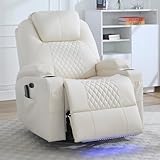
Overview: The WISHDEER recliner transforms living spaces into home theaters with feature overload. Beyond standard massage and heat, it adds LED ambiance lighting, dual cup holders, and both USB-A and Type-C ports. This is a tech-forward recliner designed for entertainment enthusiasts who refuse to compromise on convenience.
What Makes It Stand Out: The integrated LED light bar under the base creates movie-theater ambiance while helping locate the chair in dark rooms—unique in this category. Dual charging ports (USB-A and Type-C) future-proof your setup. The wall-hugger design requires only 7" clearance, making it practical for tight spaces. Five massage modes, two intensity levels, and three timer settings offer customization exceeding most competitors.
Value for Money: Priced at $449.99, this commands a premium but delivers proportional value if you’ll use the extras. The LED feature alone distinguishes it from mass-market options. Compared to basic massage recliners, you’re paying $100-150 for theater-style additions (lights, cup holders, Type-C). For home theater setups, this eliminates separate furniture pieces.
Strengths and Weaknesses: Strengths: LED lighting, comprehensive massage customization, dual USB types, armrest storage, and space-saving design. The 95-160° recline range accommodates various activities. Weaknesses: The synchronized recline (footrest and backrest move together) limits independent leg elevation. LED feature may feel gimmicky to some. Two-package shipping can cause arrival delays. Height recommendation (5'1"-5'9") may exclude taller users.
Bottom Line: Buy this if you’re building a home theater or gaming room where ambiance and convenience matter. The feature set justifies the price for tech-savvy users. If you simply need a reading chair, simpler options save money. For multi-purpose entertainment spaces, it’s a compelling all-in-one solution.
9. AIRSKY Power Recliner Chair with Power Headrest, Oversized Rocking Chair Nursery,Recliner Chair Swivel, Nursery Rocking Chairs, Lazy Boy Recliner Chair, Gray White,P2

Overview: The AIRSKY recliner prioritizes ergonomic engineering over flashy extras. Its standout power headrest (0-40° adjustment) and S-shaped curve design divided into 10 functional zones demonstrate a focus on anatomical support. This is a chair for users who understand that proper alignment drives true comfort.
What Makes It Stand Out: The independent power headrest solves a common recliner flaw—neck strain during TV viewing or reading. The S-shaped ergonomic frame with 10 functional zones provides targeted support unmatched by generic designs. The four-layer cushion system (synthetic leather, silk floss/foam, fire-resistant springs, carbon steel springs) shows material sophistication. Thickened armrests (3.94" wide) and a connected leg rest prevent circulation issues.
Value for Money: At $389.99, this sits in the sweet spot between budget and premium. You’re paying for ergonomic research and quality construction rather than massage nodes or LED lights. The power headrest alone adds $50-75 of value for anyone who watches media while reclined. Compared to basic power recliners, the upcharge delivers genuine physical benefits.
Strengths and Weaknesses: Strengths: Superior ergonomic design, adjustable headrest, quality four-layer cushioning, 270° swivel, and 30° rocking. The connected leg rest provides proper thigh support. Weaknesses: No massage or heat therapy—surprising at this price. Recline limited to 130°, less than competitors’ 150-160°. USB port is present but no Type-C. The aesthetic is functional but plain.
Bottom Line: Choose this for ergonomic excellence and media viewing comfort. The power headrest and S-shaped design make it ideal for extended reading, gaming, or TV sessions. If therapeutic features matter more, look elsewhere. For posture-conscious buyers wanting solid construction and smart ergonomics, this delivers focused value.
10. Ketaiyou Power Swivel Rocking Recliner Chair, High Back Electric Rocker Nursery Glider Chair, USB and Type-C Ports, Upholstered Fabric Reclining Single Sofa Chair for Living Room (Beige)
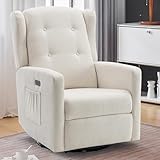
Overview: The Ketaiyou recliner strips away complexity to deliver core power functionality at an entry-level price. Focusing on essential features—power recline, swivel, rocking, and charging ports—this chair proves that comfort doesn’t require complexity or high cost. It’s an honest, straightforward approach to modern reclining.
What Makes It Stand Out: At $289.99, it’s the most affordable power recliner in this comparison while still offering both USB-A and Type-C ports—a feature many premium models lack. The FSC-Certified wood frame appeals to environmentally conscious buyers. Velvet linen fabric provides a soft, breathable alternative to leather or synthetic blends. Independent pocketed springs in the cushion deliver better support than continuous coil systems.
Value for Money: This defines budget value. You’re getting power recline, swivel, rocking, and dual charging ports for nearly $100 less than the next cheapest competitor. The eco-certified frame and quality fabric punch above the price class. While it lacks massage and heat, the core reclining experience isn’t compromised. For buyers wanting motorized comfort without therapeutic frills, this is unbeatable.
Strengths and Weaknesses: Strengths: Exceptional price, dual USB ports, eco-friendly materials, easy 15-minute assembly, and breathable velvet linen fabric. The infinite position recline offers flexibility. Weaknesses: No massage or heat therapy, basic side pockets only, fabric may be less durable than leather for heavy use, and weight capacity isn’t specified (likely standard 250-300 lbs). The design is minimalist to a fault.
Bottom Line: This is the smart choice for first-time power recliner buyers or those prioritizing budget and environmental responsibility. It covers all essential functions without feature bloat. If massage and heat aren’t priorities, save your money. Perfect for nurseries, bedrooms, or living rooms needing simple, reliable power recline with modern charging convenience.
Understanding the Unique Needs of C-Section Recovery
A cesarean delivery involves a horizontal incision through multiple layers of tissue, including skin, fat, fascia, and uterus. This creates a recovery period significantly different from vaginal birth. For the first 4-6 weeks, your abdominal muscles are essentially non-functional for tasks like sitting up from a reclined position or adjusting your posture. Traditional manual recliners require core engagement that can strain sutures, increase pain, and potentially slow healing.
The Abdominal Challenge
Every time you use your rectus abdominis muscles—whether to push back in a chair or pull yourself forward—you’re placing tension directly on your incision. Power-recline mechanisms eliminate this need entirely, allowing you to maintain a neutral spine and relaxed core while achieving any position. This is particularly crucial during those middle-of-the-night feedings when you’re sleep-deprived and your body is less responsive to pain signals.
Circulation and Swelling Management
Post-surgical edema is common after C-sections. The ability to elevate your legs above heart level with precise, motorized control helps reduce swelling and improves venous return. Unlike manual ottomans that require leg strength to adjust, power footrests move independently, letting you find the exact angle that promotes circulation without any physical effort.
Why Power-Recline Functionality Changes Everything
The motorized component isn’t just a luxury feature—it’s a medical advantage that fundamentally alters how you interact with your chair during recovery. Manual recliners force you to engage your legs and core to operate, which is precisely what you need to avoid.
Zero-Gravity Positioning Benefits
Many power-recline chairs offer zero-gravity or near-zero-gravity positions that distribute your weight evenly. This positioning reduces pressure on your lower back—a common complaint when you’re spending hours feeding—and minimizes gravitational pull on your abdominal area. The result is less strain on your incision and improved overall comfort during extended sitting sessions.
Independent Control Zones
Look for models with dual motors that control the backrest and footrest independently. This allows you to sit upright with your feet elevated (ideal for early recovery when you need to protect your incision) or recline slightly with minimal leg lift (perfect for cluster feeding sessions). The granularity of control means you can make micro-adjustments throughout the day as your comfort needs change.
Rocking Chair vs. Glider: Which Motion Serves You Best?
While both provide soothing movement, the mechanics differ significantly and impact C-section recovery differently.
Traditional Rocking Chair Mechanics
Rocking chairs move in an arc motion, which can create a slight abdominal engagement to maintain balance. The fixed path of movement may feel jarring in early recovery when every bump and jolt is magnified. However, the classic rock can be deeply soothing for both mother and baby once you’re past the initial healing phase.
Glider Advantages for Early Recovery
Gliders move in a smooth, horizontal plane that requires zero core stabilization. The motion is gentler, more controlled, and doesn’t shift your weight unpredictably. This makes gliders the safer choice for the first 6-8 weeks post-surgery. Many power-recline gliders also lock into position, giving you stability when you need to stand up—another critical feature when your abdominal muscles can’t assist with the transition.
Essential Features for Post-Surgical Comfort
Beyond the power mechanism, several design elements directly impact your recovery experience.
Lumbar Support That Adapts
Your body changes dramatically in the weeks following birth. Look for chairs with adjustable lumbar support that can be positioned higher or lower as your swelling subsides and your posture shifts. Some models offer inflatable lumbar bladders controlled by the same power system, letting you fine-tune support without reaching or twisting.
Armrest Height and Width
Proper arm support prevents shoulder and neck strain during feeding sessions that can last 30-45 minutes. The armrests should align with your elbows when holding your baby at breast height. Too low, and your shoulders bear the weight; too high, and you compress your chest. Power-adjustable armrests are a premium feature worth considering if you’re tall or have a longer torso.
Seat Depth and Width
A seat that’s too deep prevents your feet from resting flat on the floor when the chair is upright, forcing you to slide forward and strain your core. Measure from the back of your knees to your tailbone while seated—this is your ideal seat depth. For C-section recovery, add 2-3 inches to accommodate postpartum swelling and avoid pressure behind your knees.
Power Mechanisms: What to Look For
Not all power systems are created equal, especially when you’ll be using the chair multiple times per hour, day and night.
Motor Noise Levels
A whisper-quiet motor is non-negotiable. You need a chair that won’t wake your sleeping baby (or your partner) during 3 AM position adjustments. Look for specifications mentioning decibel levels under 45 dB—about the sound of a quiet library. Test the chair in-store if possible, listening for grinding sounds or high-pitched whines that indicate cheap components.
Battery Backup Systems
Power outages happen, and being stuck in a reclined position when you need to tend to your baby is a nightmare scenario. Quality chairs include battery backup systems that provide at least one full cycle of movement. Some advanced models use capacitive systems that store enough charge for multiple adjustments even during extended outages.
Control Placement and Design
Wired controls should have enough slack to rest in your lap without pulling. Buttons should be large, backlit, and require minimal pressure to activate—important when you’re holding a baby and have limited hand mobility. Wireless remotes are convenient but easily lost; look for models with a docking station or magnetic holder within arm’s reach.
Upholstery Materials That Matter for Recovery
Your chair’s fabric affects temperature regulation, cleaning ease, and skin sensitivity—all critical factors when you’re spending 12+ hours daily in the chair.
Performance Fabrics for Spills and Stains
Liquid-repellent fabrics using nanotechnology create a barrier against breast milk, spit-up, and the inevitable coffee spill. Unlike traditional treatments that wear off, these are woven into the fibers and maintain effectiveness for years. They’re also typically free from PFOA and PFOS, chemicals you don’t want near your newborn.
Breathability and Temperature Regulation
Postpartum hormones cause temperature fluctuations and night sweats. Mesh-backed designs or fabrics with phase-change materials (PCMs) actively regulate temperature by absorbing and releasing heat. This prevents the sticky, uncomfortable feeling that can make long feeding sessions miserable.
Hypoallergenic Considerations
Your baby’s immune system is still developing. Choose fabrics certified by OEKO-TEX Standard 100, which ensures no harmful substances are present. Avoid chairs with flame retardants containing PBDEs, opting instead for naturally fire-resistant materials like wool blends or polyester with tight weaves.
Size, Space, and Placement Considerations
A chair that doesn’t fit your space or body creates more problems than it solves.
Measuring Your Nursery or Bedroom
Account for the chair’s full recline length plus 12 inches of clearance for safe entry and exit. A typical power-recline glider needs 5-7 feet of space from the wall. Use painter’s tape to outline the footprint on your floor, including the footrest extension. Remember to measure doorways and stairwells if the chair needs to be assembled in another room.
Weight Capacity and Frame Construction
Postpartum weight retention is normal and healthy. Ensure the chair’s weight capacity accommodates your current weight plus your baby’s weight plus the weight of blankets and pillows. Steel-framed models typically support 300-400 pounds, while wooden frames may be limited to 250 pounds. The frame should feel solid with no creaking or flexing when you shift positions.
Proximity to Power Outlets
While battery backup is essential, you’ll still need to position the chair near an outlet for daily charging. Extension cords are tripping hazards and not recommended for permanent use. Plan for a location within 6 feet of a grounded outlet, preferably one with surge protection given the electronic components.
Safety Features You Can’t Overlook
When you’re operating a motorized chair while holding an infant, safety becomes paramount.
Pinch-Point Protection
Quality chairs include sensors that stop the motor if resistance is detected, preventing the mechanism from closing on little fingers or toes. Look for chairs with fabric flaps that cover gaps between moving parts. The footrest should have a soft-close feature that slows during the last few inches of travel.
Stability and Anti-Tip Design
A wide base and low center of gravity prevent tipping when you’re getting in and out while holding your baby. Test the chair by sitting on the edge and mimicking the motion of standing up. If the front lifts or wobbles, it’s not stable enough for post-surgical use when your balance may be compromised by pain medication or fatigue.
Locking Mechanisms
The ability to lock the gliding or rocking function is crucial. You need stability when transferring your sleeping baby to a crib or when you’re standing up. The lock should engage easily without requiring you to lean forward or use significant force. Some models offer automatic locks that engage when the footrest is raised.
Budget Realities: Investment vs. Value
Quality power-recline gliders represent a significant investment, but framing the cost against medical expenses and quality of life changes the equation.
Cost Per Use Analysis
If you use the chair for 6 months, 12 hours daily, that’s over 2,000 hours of use. A $1,200 chair costs less than 60 cents per hour. Compare that to the cost of physical therapy sessions needed due to poor posture ($150 each) or the emotional cost of a more painful recovery. The math often supports investing in quality.
Features Worth the Premium
Dual motors, whisper-quiet operation, and premium upholstery add cost but directly impact recovery quality. Single-motor chairs that move the back and footrest together force compromises in positioning that can strain your incision. Battery backup systems add $100-150 to the price but provide peace of mind that’s invaluable during storm season.
Financing and Warranty Considerations
Many retailers offer 0% financing for 12-18 months. Look for warranties covering the motor and mechanism for at least 3 years, with the frame covered for 5-10 years. Some manufacturers extend warranties specifically for postpartum use, recognizing the intensive demands placed on the chair.
Maintenance and Cleaning for the Fourth Trimester
Your recovery chair will face unique challenges that standard furniture never encounters.
Daily Cleaning Protocols
Keep unscented baby wipes and a microfiber cloth within reach for immediate spot cleaning. For performance fabrics, a simple wipe-down removes most spills before they set. Avoid harsh cleaners that can degrade fabric protection; instead, use diluted castile soap or specialized fabric cleaners recommended by the manufacturer.
Deep Cleaning the Mechanism
Every 2-3 weeks, vacuum around the base and under the seat to remove dust and pet hair that can clog the motor. Use the crevice tool to clean along the tracks of the gliding mechanism. A can of compressed air can blow dust out of control panels and button crevices.
Protecting the Power Components
Never use liquid cleaners directly on control panels or near the motor housing. If the power cord shows any fraying, stop use immediately and contact the manufacturer. During humid months, consider using a dehumidifier in the room to prevent moisture damage to electronic components.
Beyond Recovery: Long-Term Nursery Value
The best chairs serve your family well past the initial 8-week recovery period.
Transitioning to Toddler Years
A chair that reclines flat becomes invaluable when your toddler is sick and needs to sleep near you. The power mechanism lets you adjust positions without disturbing them. Wide armrests provide a stable surface for storytime, and durable fabrics withstand years of use.
Resale and Reuse Potential
High-quality power-recline gliders retain 40-60% of their value on the secondary market. Chairs from manufacturers with transferable warranties command higher resale prices. Some families repurpose the chair in living rooms or bedrooms once nursery needs end, extending the useful life to 5-7 years.
Common Mistakes to Avoid When Choosing
Even well-researched parents can fall into traps that compromise their recovery.
Prioritizing Style Over Function
That gorgeous chair with the trendy fabric might photograph beautifully, but if it lacks proper lumbar support or has a noisy motor, you’ll regret it at 2 AM. Recovery needs should drive every decision. Choose classic designs in neutral colors that won’t clash with changing nursery themes.
Ignoring the Return Policy
Some retailers charge restocking fees of 15-25% for returned furniture. Given that you can’t truly test a chair until you’re using it post-surgery, choose retailers with 90-day return windows and no restocking fees. Some specialty stores offer trial periods specifically for postpartum mothers.
Forgetting About Partner Use
Your partner will likely spend significant time in the chair during night feedings or soothing sessions. Ensure the chair accommodates their height and weight comfortably. A chair that’s perfect for your 5'4" frame may leave your 6'2" partner with unsupported legs and back pain.
How to Test a Chair Before Buying
In-store testing is ideal but requires a specific approach to simulate post-surgical conditions.
Simulating Post-Surgical Limitations
When testing, keep your abdominal muscles completely relaxed—don’t engage your core at all. Try to operate the chair using only the power controls. Attempt to stand up without using your stomach muscles, relying only on your arms and legs. If you can’t do this comfortably, the chair won’t work during early recovery.
Testing With a Weighted Doll
Bring a 10-pound weighted doll or bag to simulate holding your baby. The added weight changes your center of gravity and reveals stability issues not apparent when testing empty. Practice the motion of picking up and setting down the weight while seated to ensure the armrest height works for feeding positions.
Checking Noise Levels in a Quiet Environment
Ask the salesperson to turn off background music and step away so you can listen to the motor in silence. Operate the chair through its full range of motion. A quality mechanism produces a low hum, not a mechanical whir or grind. Listen for clicking sounds that indicate loose components.
Setting Up Your Recovery Station
Your chair is the centerpiece of a larger system designed to minimize movement and maximize healing.
Essential Items Within Arm’s Reach
Position a side table at the same height as the chair’s armrest, within easy reach without leaning. Stock it with water, snacks, burp cloths, nipple cream, your phone charger, and any medications. A small basket on the floor holds extra diapers and wipes. The goal is to avoid standing more than necessary during the first two weeks.
Lighting for Nighttime Navigation
Install a dimmable, warm-toned LED lamp behind the chair to provide enough light for safe feeding without disrupting sleep cycles. Motion-activated floor lighting creates a path to the crib that doesn’t require you to carry a flashlight or turn on harsh overhead lights. The power control should be backlit so you can find it in the dark.
Temperature Control Solutions
Keep a lightweight blanket within reach for chills and a small fan for hot flashes. Some premium chairs include built-in USB ports for charging a small, quiet fan. The ability to regulate your temperature without getting up reduces swelling and improves comfort during marathon feeding sessions.
Frequently Asked Questions
1. How soon after my C-section can I start using a power-recline glider?
You can begin using one immediately upon returning home from the hospital. The key is to rely entirely on the power mechanism—no manual pushing or pulling. In the first week, have someone help you get in and out until you gauge your pain levels and mobility. Many mothers find the chair more comfortable than their bed for daytime resting because it provides better support and easier exit.
2. Will insurance cover the cost of a power-recline chair for C-section recovery?
Typically, standard insurance doesn’t cover nursery furniture. However, if your doctor writes a prescription for a “power lift assist recliner for post-surgical recovery,” you may be able to use HSA or FSA funds. Some policies cover durable medical equipment (DME) if you purchase through a medical supply company rather than a furniture store. Check with your insurance provider about DME coverage codes E0621 or E0627.
3. What’s the difference between a power-recline glider and a power lift chair?
A lift chair includes a mechanism that tilts the entire seat forward to help you stand up—excellent for those with severe mobility limitations. For most C-section recoveries, a standard power-recline glider provides sufficient assistance without the higher cost and larger footprint of a lift chair. However, if you have complications like severe diastasis recti or multiple surgeries, a lift function may be worth the investment.
4. How do I clean breast milk stains from my chair’s fabric?
Act quickly—blot (don’t rub) with a clean, dry cloth to absorb as much liquid as possible. Mix one teaspoon of enzyme-based laundry detergent (like Tide Ultra Oxi) with one cup of cool water. Dab the solution onto the stain, let it sit for 5 minutes, then blot with a damp cloth. Enzyme cleaners break down milk proteins without harsh chemicals. Always test in an inconspicuous area first.
5. Can I sleep in my power-recline glider overnight?
While occasional naps are fine, overnight sleep isn’t recommended long-term. The semi-reclined position can cause blood pooling in your legs and doesn’t provide the deep sleep your body needs for healing. However, many mothers find sleeping in the chair for the first few nights home is more comfortable than getting in and out of bed. If you do this, set an alarm to get up and walk every 2-3 hours to prevent blood clots.
6. What if my baby outgrows the nursery before I’m done using the chair for recovery?
Recovery typically completes by 8-12 weeks, well before most babies transition rooms. However, if you’re planning to move, choose a chair with a classic design that works in a living room or master bedroom. Many families find the chair becomes their “storytime spot” for years. The power features remain valuable for soothing sick toddlers or creating a quiet reading nook.
7. Are there weight limits for the footrest when my older child sits on it?
Yes, and exceeding them can damage the motor. Most footrests support 50-75 pounds of distributed weight. A toddler sitting on the edge creates concentrated stress that can bend the mechanism. Teach older siblings that the footrest is for mom’s feet only. If you need a spot for them, choose a chair with wide, flat armrests that can double as a small seat during storytime.
8. How long should I expect a quality power-recline glider to last?
With proper care, expect 5-7 years of daily use. The motor typically fails first, usually after 3-5 years of intensive use. Look for chairs with replaceable motor modules—a $150 motor replacement is far cheaper than a new chair. The frame and upholstery should last the full 7 years. Chairs used only in nurseries (not living rooms) often last longer due to lighter overall use after the first year.
9. Is assembly difficult? Will I be able to put it together while recovering?
Do not attempt assembly during recovery. Most power-recline chairs require attaching the back to the base and connecting power cables—tasks that involve lifting 50+ pounds and significant reaching. Arrange for your partner, a friend, or white-glove delivery service to handle assembly. Many retailers offer assembly for $75-150, which is worth every penny when you’re healing from surgery.
10. Can I use a heating pad or ice pack with my power-recline chair?
Yes, but with precautions. Always place a barrier (thin towel or blanket) between the heating pad and chair fabric to prevent scorching or melting. Never use an electric heating pad near the power controls or motor housing. For ice packs, use waterproof covers to prevent condensation from seeping into the seat cushion. Never leave heating pads unattended, and follow your doctor’s guidelines—typically no heat directly on the incision for the first two weeks.