The journey from diapers to the big-kid toilet is one of parenting’s most monumental milestones—and potentially one of its messiest. While every child reaches this developmental stage at their own pace, the right potty chair can mean the difference between a smooth, confidence-building transition and a frustrating battle of wills. Parents often underestimate how much psychology and ergonomics go into this seemingly simple piece of equipment. The perfect potty chair doesn’t just collect waste; it serves as a throne of independence, a tool for autonomy, and sometimes even a toddler’s first real taste of grown-up responsibility.
Choosing wisely requires looking beyond bright colors and cartoon characters to understand what truly matters: your child’s comfort, your sanity during cleanup, and the subtle features that encourage consistent use. This comprehensive guide will walk you through everything you need to know about selecting a potty chair that transforms toilet training from a chore into a celebration of growing up.
Top 10 Potty Chairs for Toilet Training
Detailed Product Reviews
1. Ingenuity Ready Set Go Potty Training Toilet, Removable Bowl, Non-Skid Bottom, Wide Stable Base, Age 18 Months & Up, White & Grey

Overview: The Ingenuity Ready Set Go offers a streamlined approach to potty training with its minimalist design and practical functionality. This no-frills training toilet focuses on essential features without unnecessary complexity, making it an excellent entry-level option for parents beginning the potty training journey with their 18-month-old or older toddler who needs a simple, reliable solution.
What Makes It Stand Out: This potty’s primary distinction is its sleek, modern aesthetic that integrates seamlessly into contemporary bathrooms without screaming “baby product.” The elevated splash guard provides superior protection for boys compared to many budget models, while the remarkably wide base with non-slip rubber feet delivers exceptional stability that prevents dangerous tipping accidents. The removable bowl’s design prioritizes sanitary, hassle-free cleaning—a critical feature during intensive training periods when frequent emptying is necessary.
Value for Money: At $9.99, this represents exceptional value in the potty training category. While it lacks multi-stage functionality, it executes core requirements flawlessly at a price point that undercuts most competitors by 50% or more. Parents seeking a dedicated training potty without paying for transitional features they’ll never use will find this budget-friendly option delivers professional-grade basics without compromise, making it ideal for families on tight budgets or those with multiple children to train.
Strengths and Weaknesses:
- Pros: Extremely affordable; stable wide base prevents tipping; high splash guard minimizes mess; sleek, bathroom-friendly design; lightweight yet durable construction.
- Cons: No transition ring for adult toilet use; limited features may not engage reluctant toddlers; basic design lacks storage or fun elements; single-purpose functionality means shorter product lifespan.
Bottom Line: Perfect for budget-conscious families seeking a reliable, easy-to-clean training potty that prioritizes safety and simplicity over bells and whistles.
2. Fisher-Price™ 3-in-1 Toddler Toilet Training Potty Chair and Step Stool, with Removable Toilet Ring

Overview: Fisher-Price delivers a versatile, growth-adaptable solution that evolves with your child’s potty training progression. This intelligently designed system functions as a standalone potty chair, transitions to a removable toilet ring for adult toilets, and ultimately converts to a helpful step stool—addressing three distinct phases in one economical package that serves your family for years.
What Makes It Stand Out: The genuine 3-in-1 functionality eliminates the need to purchase separate training accessories, making it uniquely practical for long-term household use. The textured lid creates a secure step stool surface that supports up to 100 pounds, while the removable ring accommodates most standard toilets, facilitating a smooth transition. The stable, non-skid base provides confidence-inspiring security during each developmental stage, reducing anxiety for both parent and child.
Value for Money: Priced at $19.97, this unit offers remarkable financial efficiency. Purchasing individual potty chairs, transition rings, and step stools would easily exceed $40. While mid-range in price, its extended utility from 18 months through early childhood justifies the investment, particularly for families planning multiple children who can reuse the product through several training cycles.
Strengths and Weaknesses:
- Pros: True multi-stage functionality; cost-effective long-term solution; stable construction; easy-to-clean removable bucket; space-saving compared to three separate items.
- Cons: Bulkier than single-purpose potties; transition ring may not fit all toilet shapes; step stool height may be insufficient for some sinks; folding lid mechanism could pinch small fingers if not supervised.
Bottom Line: An excellent investment for families prioritizing versatility and extended usability, making it ideal for parents who want one product to cover all potty training phases.
3. Summer Infant by Ingenuity My Size Potty Pro in White, Toddler Potty Training Toilet, Lifelike Flushing Sound, for Ages 18 Months+, Up to 50 Pounds

Overview: The My Size Potty Pro creates an immersive, realistic bathroom experience that demystifies adult toilet use for toddlers. This 2-in-1 system combines a standalone training potty with a detachable ring for adult toilet transition, enhanced by interactive flushing sounds that build confidence through positive reinforcement and routine establishment during this critical developmental phase.
What Makes It Stand Out: The battery-powered flushing mechanism represents a psychological masterstroke, transforming potty time into an empowering achievement rather than a chore. The integrated storage compartment within the tank provides convenient, sanitary storage for wipes and books, keeping essentials within reach and reducing bathroom clutter. Its scaled-down yet realistic proportions help toddlers feel they’re using “grown-up” equipment, accelerating the transition process.
Value for Money: At $19.99, the Potty Pro positions itself as a feature-rich mid-tier option. While slightly pricier than basic models, the flushing sound feature and built-in storage justify the premium. The included transition ring adds value, though ongoing battery replacement costs should be considered in long-term budgeting for families watching ongoing expenses.
Strengths and Weaknesses:
- Pros: Realistic flushing sound encourages repeat use; built-in storage compartment; includes transition ring; manageable dimensions for small bathrooms; batteries included.
- Cons: Sound mechanism may malfunction over time; smaller seat size limits usability for larger toddlers; battery replacement adds ongoing cost; sound could become annoying for parents during frequent use.
Bottom Line: Ideal for toddlers who respond to interactive features and parents seeking a realistic training experience that smooths the transition to adult toilets.
4. BabyBjörn Potty Chair, Deep green/White

Overview: BabyBjörn’s Potty Chair exemplifies Scandinavian design philosophy—prioritizing ergonomic comfort, safety, and premium materials. This isn’t merely a training tool but a thoughtfully engineered piece of equipment that respects a toddler’s needs while delivering uncompromising quality that justifies its premium positioning in the competitive potty training market for discerning families.
What Makes It Stand Out: The ergonomic design featuring a supportive backrest and armrests distinguishes it from all competitors, providing genuine comfort during potentially lengthy training sessions. The PVC-free and BPA-free construction demonstrates exceptional material stewardship, while the rubber strip underneath ensures rock-solid stability without traditional non-skid feet that can detach over time and create safety hazards.
Value for Money: At $31.99, this represents the premium tier. However, the investment delivers tangible returns: superior comfort reduces training resistance, durable construction withstands years of use across multiple children, and chemical-free materials provide peace of mind. For parents prioritizing quality over features, the cost-per-use becomes economical over time through extended durability.
Strengths and Weaknesses:
- Pros: Exceptional ergonomic comfort; premium non-toxic materials; high splashguard prevents spills; incredibly stable base; timeless, durable design.
- Cons: Highest price point; no transition ring or step stool functionality; larger footprint requires more bathroom space; minimalist design may not excite reluctant toddlers.
Bottom Line: The premium choice for discerning parents who prioritize comfort, safety, and durability over multi-stage functionality, perfect for toddlers who need extra support during training.
5. Hot Wheels Blue Race Car Potty Training Toilet, Race Car Potty Seat Includes Detachable Toddler Toilet Seat and Kids Potty, Ages 12 Months and Up

Overview: This Hot Wheels-themed potty transforms a developmental milestone into an exciting adventure for car-enthusiast toddlers. Starting at 12 months—earlier than most competitors—the race car design leverages play-based motivation to encourage reluctant children, making it particularly effective for boys who might otherwise resist traditional potty training methods and need extra encouragement.
What Makes It Stand Out: The authentic Hot Wheels styling creates immediate toddler engagement, turning potty time into a coveted activity rather than a dreaded obligation. Integrated handles provide psychological and physical security, allowing children to grip something familiar during the unfamiliar process. The 2-in-1 design includes a detachable seat for adult toilet transition, extending utility beyond initial training phases.
Value for Money: At $13.10, this themed potty sits in the budget-friendly range while delivering unique motivational value. Comparable character-themed products often cost $20+, making this an economical choice for parents battling training resistance. The included transition ring adds unexpected value at this price point, making it a smart financial decision.
Strengths and Weaknesses:
- Pros: Highly engaging race car design; built-in handles boost confidence; includes transition ring; starts at 12 months; budget-friendly price.
- Cons: Specific theme may not appeal to all children; design prioritizes aesthetics over ergonomics; may be outgrown quickly; less stable than wide-base models.
Bottom Line: A strategic choice for parents of car-loving toddlers facing training resistance, offering exceptional motivational value at an affordable price point.
6. Jool Baby Potty Chair for Toddler Toilet Training - Splash Guard & Back Support (Pink)

Overview: The Jool Baby Potty Chair prioritizes toddler comfort and security during potty training. Its ergonomic design features supportive armrests and a backrest that help little ones feel stable and confident. The chair is perfectly sized for toddlers making the transition from diapers, reducing anxiety around independent bathroom use and encouraging proper posture.
What Makes It Stand Out: Unlike basic potties, this model includes a convenient lid to maintain bathroom cleanliness and odor control. The built-in splash guard is thoughtfully integrated, and the lightweight yet sturdy construction allows easy moving without sacrificing stability. The supportive elements address both physical and psychological comfort during training.
Value for Money: At $24.99, this chair offers excellent value for parents seeking quality without premium pricing. It costs slightly more than bare-bones models but delivers superior comfort features. The durable construction ensures it will last through multiple children, making it a wise investment compared to cheaper, flimsier alternatives.
Strengths and Weaknesses:
- Pros: Excellent back and arm support; convenient lid for hygiene; effective splash guard; lightweight portability; sturdy build quality.
- Cons: Limited color options (pink may not suit all); lacks interactive features to engage reluctant toddlers; no transition seat for adult toilets.
Bottom Line: This is an ideal choice for parents who prioritize ergonomic design and cleanliness. The Jool Baby Potty Chair excels in comfort and practicality, making it perfect for toddlers who need extra support during their potty training journey.
7. Baby Einstein Tinkle and Reveal Tiger Potty Training Toilet, Non-Skid Toddler Potty, Removable Bowl, Ages 18+ Months

Overview: The Baby Einstein Tinkle and Reveal Tiger Potty offers an engaging, budget-friendly approach to potty training. Designed for toddlers 18 months and up, this animal-themed chair uses a magical reveal sticker to reward successes, making it particularly effective for children who need extra motivation to embrace potty training independently.
What Makes It Stand Out: The moisture-activated tiger reveal sticker creates an instant reward system without batteries or electronics. Its compact, portable design features a non-skid rubber base for safety, while the removable bowl and built-in splash guard keep cleanup simple. The cheerful tiger theme adds playful encouragement throughout the process.
Value for Money: At just $14.99, this is one of the most affordable quality potties available. The reward feature provides engagement typically found in pricier interactive models. While it lacks transition features, its durability and clever reward system deliver exceptional value for budget-conscious families seeking effective solutions.
Strengths and Weaknesses:
- Pros: Highly affordable; engaging reward sticker; non-skid base prevents accidents; lightweight and portable; easy-to-clean removable bowl.
- Cons: Sticker may wear out over time; no back support; limited long-term use without adult toilet transition; basic design lacks premium comfort features.
Bottom Line: A fantastic entry-level potty that makes training fun without breaking the bank. Perfect for parents seeking an affordable, engaging solution for motivated toddlers who don’t require extensive support features.
8. Fisher-Price™ 2-N-1 Toddler Toilet Cheer for Me! Potty Training Seat with Lights Sounds Phrases and Removable Potty Ring
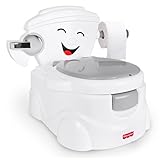
Overview: The Fisher-Price 2-N-1 Cheer for Me! Potty transforms training into an interactive celebration. This engaging toilet rewards toddlers with lights, sounds, and phrases for each success, while its realistic design helps children feel comfortable with adult bathroom fixtures from the start of their journey.
What Makes It Stand Out: The interactive flush handle with clicking sounds and retractable toilet paper holder create an authentic experience. The removable potty ring allows seamless transition to adult toilets, providing long-term value. The combination of entertainment and practicality addresses both child engagement and parental convenience effectively.
Value for Money: At $21.67, this potty delivers premium interactive features at a mid-range price. The 2-in-1 functionality eliminates the need for a separate transition seat, saving money long-term. While pricier than basic models, the entertainment value and extended use justify the investment for most families.
Strengths and Weaknesses:
- Pros: Interactive rewards boost motivation; realistic design eases transition; removable ring for adult toilets; easy-clean removable bowl; engaging lights and sounds.
- Cons: Sound effects may become repetitive for parents; not compatible with padded toilet seats; requires battery replacements; plastic construction less premium than some competitors.
Bottom Line: An excellent choice for toddlers who thrive on positive reinforcement. The Fisher-Price 2-N-1 makes potty training entertaining while providing practical tools for long-term bathroom independence.
9. Bright Starts Disney Junior Minnie Mouse My Size Potty Training Toilet, Toddler Potty Chair with Flushing & Cheering Sounds, Removable Seat with Splash Guard & Handles, Ages 18+ Months, Up to 50 lbs

Overview: The Bright Starts Disney Minnie Mouse Potty brings beloved character magic to toilet training. This 2-in-1 system grows with your child, starting as a floor potty and converting to an adult toilet seat, while the Minnie Mouse theme and included stickers create excitement around the training process.
What Makes It Stand Out: Disney branding provides powerful motivation for young fans. The storage compartment keeps wipes and books within reach, while flushing and cheering sounds celebrate successes. The removable seat fits most toilet shapes, and built-in handles offer security during transition. Twelve customizable stickers add personalization.
Value for Money: At $34.99, this is a premium option, but the Disney license, versatile 2-in-1 design, and included accessories justify the cost. It replaces multiple products (floor potty, transition seat, step stool), potentially saving money overall while leveraging character appeal effectively.
Strengths and Weaknesses:
- Pros: Strong Disney appeal motivates toddlers; versatile 2-in-1 system; convenient storage compartment; fits most toilets; celebratory sounds and melodies.
- Cons: Highest price point; bulky footprint; sounds may annoy adults; limited to 50-pound weight capacity.
Bottom Line: Worth the premium for Disney-loving families seeking an all-in-one solution. The character theme and comprehensive features make training more enjoyable, though budget-conscious buyers may find better value elsewhere.
10. BabyBjörn Potty Chair, White/Gray | Potty Training Toilet, Easy-to-Clean, Removable Inner Potty, Non-Slip
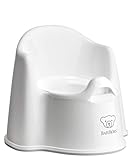
Overview: The BabyBjörn Potty Chair represents Scandinavian design excellence in toddler toilet training. This ergonomic chair prioritizes child comfort and safety with its thoughtful contours, backrest, and armrests, while using only PVC-free and BPA-free plastics for health-conscious parents seeking non-toxic options.
What Makes It Stand Out: The high splashguard provides superior mess prevention, and the rubber strip underneath ensures stability on various floor surfaces. The removable inner pot simplifies cleaning, and the minimalist aesthetic suits modern bathrooms. BabyBjörn’s reputation for quality and safety adds confidence to the purchase.
Value for Money: At $29.99, it commands a premium over basic models but delivers exceptional durability and safety. The high-quality, non-toxic materials and ergonomic design justify the investment for health-conscious families. Its longevity through multiple children enhances long-term value significantly.
Strengths and Weaknesses:
- Pros: Ergonomic design with back/arm support; high splashguard prevents spills; PVC/BPA-free materials; stable non-slip base; easy-to-clean removable pot; sleek, modern design.
- Cons: Lacks interactive features; no adult toilet transition; higher price than basic models; limited color options.
Bottom Line: The ideal choice for parents prioritizing safety, quality, and ergonomic design over entertainment features. BabyBjörn’s commitment to non-toxic materials makes it worth the premium for health-conscious families.
Why the Right Potty Chair Matters
The potty chair you select becomes your toddler’s primary interface with one of life’s most essential skills. A poorly designed chair can create negative associations that delay progress for months. Toddlers are sensitive to discomfort, instability, and fear—three factors that can turn potty training into a power struggle.
Psychologically, a chair that feels “just right” gives children ownership over their bodily functions. When a toddler can use the potty independently, without calling for help or fearing they’ll fall in, they develop intrinsic motivation. The right equipment removes obstacles rather than adding them, allowing your child’s natural developmental readiness to shine through.
Understanding Different Potty Chair Types
Before diving into features, understand the four main categories of potty training equipment. Each serves distinct purposes and fits different family lifestyles.
Standalone Potties
These self-contained units sit directly on the floor, offering the lowest barrier to entry for small children. Standalone potties place no height requirements on your toddler and eliminate the need to climb, making them ideal for the earliest stages of training. They come in two subtypes: basic bucket-style designs and more elaborate chair-like models with backs and armrests.
Potty Seats and Reducers
These devices fit directly onto your standard toilet seat, reducing the opening size to prevent your child from falling through. They’re perfect for families wanting to skip the transition phase from standalone potty to toilet. However, they require a separate step stool and more advanced balance skills from your toddler.
Convertible Options
The hybrid approach offers the best of both worlds. These models function as standalone floor potties initially, then convert into toilet seat reducers with removable bases. While typically more expensive, they provide a seamless transition path and extended usability.
Travel Potties
Compact, foldable, or inflatable designs ensure consistency when you’re away from home. Travel potties either fit over public toilets or contain disposable bags for emergency situations. Maintaining routine during outings prevents regression and builds confidence across all environments.
Key Features That Actually Matter
Marketing materials bombard parents with endless features, but several genuinely impact success rates. Prioritize these elements when evaluating any model.
Comfort and Ergonomics
A toddler who feels comfortable will sit longer and relax enough for success. Look for seats with smooth, contoured edges that don’t press into thighs. The depth should accommodate your child’s anatomy without creating pressure points. Some designs include slightly padded seats, though these require more thorough cleaning.
Ease of Cleaning
You’ll empty and clean this chair multiple times daily. A removable inner bowl with a pour spout prevents splashing during disposal. Smooth, non-porous surfaces without crevices stop bacteria buildup. Check whether the design allows you to clean it without touching waste directly—this small detail preserves your sanity.
Stability and Safety
A wide, weighted base prevents tipping when your child shifts or leans. Non-slip grips on the bottom protect against sliding on tile or hardwood. Test the chair’s stability by pressing on the edges; if it wobbles, your nervous toddler won’t trust it.
Splash Guards
The unsung hero of potty chairs, splash guards prevent messes for both boys and girls. For boys, a higher front guard directs urine downward. For girls, subtle side guards catch splashes. Removable guards offer flexibility as your child becomes more accurate.
Handles and Back Support
Side handles give toddlers something to grip when lowering themselves or pushing up. A high backrest provides security and allows relaxed sitting during longer bathroom sessions. These features particularly help children with low muscle tone or balance concerns.
Material Matters: Plastic vs. Eco-Friendly Options
Most potty chairs use polypropylene plastic for durability and easy cleaning. High-quality plastics resist staining and odor absorption, while cheaper versions may degrade quickly. Look for BPA-free and phthalate-free certifications, especially since the chair contacts sensitive skin.
Eco-conscious parents now have sustainable alternatives. Biodegradable rice husk composites and bamboo fiber chairs offer environmental benefits, though they may cost more and have shorter lifespans. Some companies use recycled ocean plastics, turning environmental cleanup into practical parenting tools.
Consider your priorities: plastic offers unmatched durability and sanitization ease, while eco-friendly materials align with green values but may require more careful maintenance.
Size and Portability Considerations
Potty chairs range from compact, lightweight models to substantial furniture-like pieces. A smaller footprint matters in apartments or bathrooms where space is premium. However, don’t sacrifice stability for size—ensure the base remains wide enough to prevent tipping.
Weight affects portability. If you plan to move the chair between rooms or store it between uses, aim for under 3 pounds. Heavier models (5-7 pounds) stay put better but become cumbersome to relocate. Some families keep multiple lightweight potties, placing one in each primary living area.
Design Elements That Encourage Independence
Smart design choices can accelerate your toddler’s journey to self-sufficiency. The right visual and functional cues make the potty feel less like a baby item and more like a tool for big kids.
Realistic Features
Some chairs mimic adult toilets with flush handles that make sounds, lids that open and close, and even tissue holders. These details help toddlers practice the full bathroom routine. While not essential, they reduce the learning curve when transitioning to the real toilet.
Fun Colors and Characters
While aesthetics shouldn’t drive your decision, a chair featuring your child’s favorite color or character creates positive associations. Let your toddler help choose between a few parent-approved options. This small involvement builds investment in the process.
Reward Systems Integration
Certain designs include built-in sticker charts or compartments for small rewards. These systems externalize motivation during the early stages. However, ensure the reward mechanism doesn’t complicate cleaning or create hygiene issues.
Gender-Specific Features to Consider
Boys and girls have different anatomical needs that thoughtful designs address. For boys, a high, firm splash guard is non-negotiable. Some chairs offer adjustable or removable guards that grow with your child’s accuracy. The seat shape should also accommodate their forward-facing anatomy.
For girls, wider seats with gentle contours prevent discomfort and ensure proper positioning. Lower splash guards that don’t interfere with sitting are ideal. The key is ensuring the seat opening is appropriately sized and shaped to prevent contact with waste.
Many modern chairs now feature unisex designs with adjustable components, making them suitable for families with children of different genders.
The Role of Accessories in Potty Training Success
A potty chair rarely works in isolation. The right accessories create a complete ecosystem that supports independence.
Step Stools
Even with a standalone potty, a step stool helps toddlers reach the sink for handwashing. Choose sturdy, non-slip stools that support adult weight—you’ll use them too. Two-step designs offer better height adjustment for various toilet and sink levels.
Wipe Dispensers
Wall-mounted or freestanding wipe dispensers placed at toddler height encourage proper hygiene. Look for dispensers that release one wipe at a time, preventing waste and mess. Some attach directly to the potty chair, though this can complicate cleaning.
Storage Solutions
Small caddies for extra wipes, clean underwear, and reward stickers keep everything within reach. Having supplies nearby prevents accidents that occur during the dash to find essentials. A dedicated storage basket also signals that potty training is a serious, supported endeavor.
Timing Your Purchase: When to Introduce the Potty Chair
Buy the potty chair before your child shows readiness signs—ideally around 18 months. Early introduction as a “special chair” removes pressure and builds familiarity. Place it in the bathroom and let your toddler explore it fully clothed, treating it like furniture.
This pre-training phase lasts 2-4 weeks and establishes the potty as a normal, non-threatening object. Rushing to purchase only when accidents start creates stress and associates the chair with pressure rather than empowerment.
Creating a Potty-Friendly Environment at Home
Strategic placement dramatically impacts success rates. Start with the bathroom your child uses most, but consider adding a second chair in a primary living area for convenience during initial training. The goal is reducing the distance between “I need to go” and “I made it.”
Make the surrounding space inviting. Hang a small poster at toddler height showing the steps. Ensure lighting is adequate—install a nightlight for evening trips. Keep the area clutter-free so the potty remains the focal point.
Common Potty Chair Mistakes Parents Make
Even with the perfect chair, certain missteps undermine progress. Avoiding these pitfalls saves months of frustration.
First, don’t hover or over-assist. The chair should allow independent use. Standing guard creates performance anxiety. Second, resist the urge to deep clean with harsh chemicals after every use—strong odors deter toddlers. A simple rinse and weekly sanitization suffice.
Third, don’t ignore your child’s feedback. If they complain about discomfort, believe them. A chair that seems fine to you may have subtle issues affecting their experience. Finally, avoid buying multiple cheap chairs instead of one quality option. Consistency matters more than variety.
Transitioning from Potty Chair to Toilet
The ultimate goal is toilet independence. Start the transition when your child reliably uses the potty chair for 2-3 months. Begin by placing the chair next to the toilet, then on the toilet (if convertible), and finally using a seat reducer.
Make the toilet less intimidating with a sturdy step stool and a child-sized seat that fits securely. Allow your toddler to flush and celebrate this graduation. Some families keep the potty chair in the bathroom for months as a backup option, reducing anxiety about giving it up completely.
Budget Considerations: Finding Value Without Compromise
Potty chairs range from $10 basic models to $80+ feature-packed designs. The sweet spot for most families lies between $25-$40, where quality materials meet thoughtful design. Spending less often means replacing the chair due to cracks, stains, or instability.
Consider cost-per-use: even a $50 chair used for 6 months costs less than 30 cents per day. Investing in durability and features that reduce cleanup time pays dividends in parental sanity. However, don’t assume price equals quality—some expensive models prioritize gimmicks over fundamentals.
Sustainability and Longevity: Thinking Beyond One Child
If you plan for multiple children, choose a chair with replacement parts availability. Inner bowls and splash guards wear out first. Classic, non-character designs age better and work for different genders and personalities.
Some high-quality chairs last through three or more children, making the initial investment worthwhile. Store cleaned chairs in a dry area to prevent plastic degradation. Document which features worked for each child—this insight helps you adjust for siblings’ different temperaments.
Expert Tips for Maximizing Potty Chair Success
Position the chair facing away from walls to prevent toddlers from pushing backward and tipping. Place a small, washable rug underneath to catch misses and make the area feel defined. Use a visual timer set for 20-30 minutes during initial training to create predictable bathroom trips.
Let your child personalize their chair with waterproof stickers (applied by you) to build ownership. Keep a “potty progress” journal noting which times of day are most successful—patterns emerge that help you anticipate needs. Most importantly, maintain the chair’s location once established; moving it creates confusion and setbacks.
Frequently Asked Questions
How many potty chairs do I actually need?
Most families succeed with one primary bathroom chair plus a lightweight backup for other floors of the house or travel. Two chairs prevent accidents during the urgent dash and maintain consistency across environments.
What if my toddler refuses to sit on the new potty chair?
Never force sitting. Place the chair in the bathroom and let your child explore it fully clothed for 1-2 weeks. Read books while sitting on it yourself to model comfort. Their curiosity will eventually win.
How do I clean a potty chair without making it a chemical hazard?
Use warm soapy water for daily cleaning and a vinegar-water solution (1:1 ratio) for sanitizing. Avoid bleach and ammonia-based cleaners that leave strong residues. Rinse thoroughly and air dry.
Are padded potty seats more comfortable or just harder to clean?
Quality padded seats offer genuine comfort for sensitive bottoms but require diligent cleaning to prevent bacteria in seams. For most families, smooth, contoured hard plastic provides the best balance of comfort and hygiene.
When should I move from a standalone potty to a toilet seat reducer?
Transition when your child shows interest in the “big toilet,” typically after 2-3 months of consistent potty chair success. Let them lead the process to maintain confidence.
Do boys really need different potty chairs than girls?
While unisex designs work well, boys benefit from higher splash guards. Some chairs offer adjustable guards suitable for both genders. The fundamental seat shape matters less than proper guard placement.
What’s the best way to handle potty training during travel?
Use a portable, foldable potty seat that fits over public toilets. Bring disposable bags for emergencies and maintain your home routine as closely as possible. Consistency prevents regression.
How long should my toddler sit on the potty during each attempt?
Limit sits to 3-5 minutes to avoid turning it into a power struggle or punishment. Use a visual sand timer so your child understands when time is up. Longer sits don’t increase success rates.
Can a potty chair cause constipation if it’s uncomfortable?
Absolutely. Discomfort causes children to withhold, leading to constipation. If your child shows signs of straining or fear, evaluate the chair’s ergonomics immediately. The seat opening may be too small or the height incorrect.
Is it worth buying an expensive smart potty with apps and sensors?
For most families, no. These features often distract from the core goal and complicate cleaning. Simple, well-designed chairs build independence without technological intermediaries. Save your money for quality materials and ergonomic design instead.