Traveling with a little one transforms every destination into an adventure— and a potential hazard. Whether you’re checking into a hotel for a weekend getaway or arriving at Grandma’s lovingly cluttered home, you’ll quickly realize these spaces weren’t designed with your crawling cruiser or curious toddler in mind. Staircases become irresistible challenges, kitchens turn into danger zones, and that antique vase on a low table suddenly seems magnetically attracted to tiny hands. This is where portable baby gates become your secret weapon for stress-free visits.
Unlike the heavy, permanently-installed gates ruling your own doorways at home, travel-friendly versions prioritize flexibility without sacrificing the non-negotiable safety standards your family deserves. But not all portable gates are created equal, and choosing the wrong one can leave you wrestling with a flimsy barrier that either damages your host’s walls or fails to contain your escape artist. Let’s dive deep into what makes a portable baby gate genuinely travel-worthy, so you can make informed decisions that keep your child safe while respecting the spaces you visit.
Top 10 Portable Baby Gates for Hotel Stays
Detailed Product Reviews
1. Toddleroo by North States - Diamond Mesh Wooden Baby Gate: Pressure Mounted Baby Gate for Doorways - Adjustable 26.5 to 42 Inches Wide - 23 Inches Tall

Overview: The Toddleroo by North States Diamond Mesh Wooden Baby Gate delivers traditional pressure-mounted safety with classic American craftsmanship. Standing 23 inches tall and adjusting from 26.5 to 42 inches wide, this gate creates instant barriers without tools or permanent installation. The combination of hardwood frame and rigid diamond mesh provides durability while maintaining airflow and visibility, making it suitable for doorways and hallways throughout the home.
What Makes It Stand Out: Proudly made in the USA with JPMA certification, this gate meets stringent safety standards often absent in budget imports. The innovative locking bar secures with simple downward pressure, while no-marking rubber bumpers protect wall surfaces. Unlike metal alternatives, the wooden construction integrates naturally into home décor, avoiding the institutional feel common to safety equipment. The diamond mesh pattern offers better climb resistance than horizontal bars.
Value for Money: At $24.99, this gate occupies the sweet spot between flimsy imports and overpriced designer options. American manufacturing typically commands premiums, yet this product remains competitively priced. The durable hardwood construction withstands years of use across multiple children, delivering cost-per-use value that cheaper plastic gates cannot match. For safety-conscious families on moderate budgets, it eliminates compromises between quality and affordability.
Strengths and Weaknesses: Strengths include tool-free installation, wall-safe mounting, breathable mesh design, and certified domestic manufacturing. The 23-inch height deters most crawlers and early walkers. Weaknesses involve pressure-mount limitations (unsafe for stairs), manual locking requiring two hands, and the lower height may not contain determined toddlers nearing 24 months. The wooden finish, while attractive, requires occasional cleaning to maintain appearance.
Bottom Line: Perfect for renters, grandparents, and families needing reliable doorway barriers without wall damage. Best for children under 20 months. Avoid for staircases or containing experienced climbers. A trustworthy, budget-friendly choice that prioritizes safety certification and American quality over fancy features.
2. Baby Delight Go with Me Portable Mesh Baby Gate | Span 30-48" Expandable Folding Gate | Pressure Mounted | Charcoal Tweed

Overview: The Baby Delight Go with Me Portable Mesh Baby Gate revolutionizes travel safety with its collapsible, lightweight design. Spanning 30 to 48 inches wide and standing 27 inches tall, this pressure-mounted gate installs in 60 seconds without tools. The charcoal tweed-outlined mesh provides a contemporary look while creating secure boundaries for children 6-24 months and pets, making it ideal for families constantly on the move.
What Makes It Stand Out: This gate’s true portability is unmatched—it folds into an included carry bag, addressing a gap in the market for mobile safety solutions. As a Rhode Island-based small business with 20 years of experience, Baby Delight brings personal accountability to their products. The twist-out pressure knobs offer finer adjustment than traditional bars, while the 27-inch height exceeds standard gates for better containment. It’s designed to work seamlessly in temporary spaces like vacation rentals or grandparents’ houses.
Value for Money: At $69.99, the premium pricing reflects specialized functionality rather than basic materials. For families traveling more than three times annually, it eliminates purchasing multiple gates, effectively paying for itself within a year. The included storage bag and durable construction add tangible value. Compared to improvising unsafe barriers on the road, the peace of mind justifies every dollar for mobile parents.
Strengths and Weaknesses: Strengths include exceptional portability, rapid deployment, wider span capability, and stylish fabric design. The 27-inch height provides superior security. Weaknesses include pressure-mount stair incompatibility, mesh fabric potential wear under heavy pet claws, and premium pricing that exceeds stationary gate costs. The lightweight frame may shift under forceful pushing if not properly tensioned.
Bottom Line: Indispensable for traveling families, vacation homeowners, and split-household situations. Worth the investment if you need safety that moves with you. For stationary home use only, cheaper alternatives suffice. The ultimate solution for grandparents who want reliable containment without permanent installation.
3. Evenflo Position & Lock Baby Gate, Pressure-Mounted, Farmhouse Collection
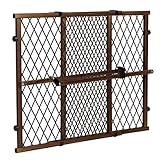
Overview: The Evenflo Position & Lock Baby Gate from the Farmhouse Collection merges rustic aesthetics with practical safety. This 23-inch tall pressure-mounted gate adjusts from 26 to 42 inches wide, featuring a warm wooden frame with black mesh accents. Designed for instant installation without tools, it creates child-safe zones while complementing modern farmhouse interiors that dominate contemporary home design trends.
What Makes It Stand Out: The farmhouse styling addresses a major pain point: unsightly safety gear clashing with curated décor. Evenflo’s marked and notched locking bar eliminates installation guesswork, ensuring perfect tension on first attempt. The brand’s legacy in accessible baby gear shows in the intuitive operation that grandparents can master without instructions. The neutral wood and black mesh palette integrates seamlessly into Joanna Gaines-inspired spaces.
Value for Money: Priced at $24.99, this gate delivers designer aesthetics at entry-level cost. Farmhouse-style home goods typically command 30-50% premiums, yet this product avoids markup while maintaining safety standards. The plastic mesh reduces costs compared to metal alternatives while preserving visibility. For style-conscious parents refusing to compromise their home’s visual harmony, it solves a frustrating dilemma without budget strain.
Strengths and Weaknesses: Strengths include attractive farmhouse design, foolproof installation system, lightweight portability, and trusted brand reputation. The pressure mount preserves walls and enables quick relocation. Weaknesses involve plastic mesh being less durable than metal, 23-inch height potentially insufficient for taller toddlers, and manual locking requiring adult bending. Not suitable for stairway use or households with aggressive chewers.
Bottom Line: Ideal for design-conscious parents prioritizing aesthetics alongside safety in main living areas. Excellent value for achieving cohesive farmhouse décor. Avoid for high-traffic zones needing heavy-duty durability or stair applications. A smart compromise between style, safety, and budget for modern homes.
4. Mesh Gates for Kids or Pets, Magic Pet Gate for The House, Portable Baby Puppy Safety Fence Guard for Stairs and Doorways, Easy Install Anywhere, 43" W x 30" H, 8 Hooks

Overview: The Magic Pet Gate challenges market norms with its astonishing $9.99 price point for a 43-inch wide by 30-inch tall mesh barrier. This hook-mounted system uses adhesive hooks and stretchable metal poles for tool-free installation. Marketed for children and pets up to 60 pounds, it provides a temporary, lightweight boundary for doorways, stairs, and various openings where traditional gates cannot be installed.
What Makes It Stand Out: Unprecedented affordability makes safety accessible to any budget. The adhesive hook system requires zero wall damage, appealing to renters and temporary housing residents. At 30 inches tall, it surpasses standard baby gate height, offering extended containment for taller toddlers or jumping pets. The fiberglass fabric construction provides surprising durability while remaining fully collapsible for near-zero storage footprint.
Value for Money: This gate redefines budget safety—costing less than two coffee drinks while including mesh, poles, and eight hooks. While clearly an entry-level solution, it delivers basic functionality for occasional use or as a secondary barrier. Compared to $25+ certified gates, it costs 60% less, making it viable for families needing multiple barriers or those unable to invest in premium options. The value proposition is quantity over ultimate quality.
Strengths and Weaknesses: Strengths include rock-bottom pricing, damage-free installation, superior height, and compact storage. Setup requires no tools, strength, or technical skill. Weaknesses are substantial: adhesive reliability varies by wall texture, mesh sags without proper tension, lacks safety certification, and 60-pound impact resistance is unverified. Unsuitable for unsupervised child containment or top-of-stairs applications where failure risks are high.
Bottom Line: Acceptable for supervised pet containment or as a temporary visual cue for calm toddlers under direct supervision. Do not rely on this for unsupervised safety or critical barriers. Perfect for travel, camping, or temporary housing where certified gates are impractical. Invest in JPMA-certified gates for primary child safety needs.
5. Toddleroo by North States - Superyard Duo Extra Wide Baby Gate & Play Yard: 6 Panel Baby Playpen - Included Wall Mount Kit - Made in USA - 38.5 to 201 Inches Wide - 26 Inches Tall - Light Gray

Overview: The Toddleroo Superyard Duo transcends typical gate limitations with its 2-in-1 convertible design. Six panels create either an 18.5 square foot playpen or an extra-wide gate spanning up to 201 inches. At 26 inches tall with included wall-mount hardware and UV-resistant construction, this system provides comprehensive indoor and outdoor safety for children 6-24 months, adapting to spaces that standard gates cannot handle.
What Makes It Stand Out: No competitor matches this dual-functionality and scale versatility. The ability to expand into a 34+ square foot play area with additional panels (sold separately) creates a complete containment ecosystem. Made-in-USA quality with Baby Safety Alliance certification ensures exceptional standards. Self-locking hinges emit audible clicks confirming secure positioning, while SuperGrip feet protect floors and prevent sliding in playpen configuration.
Value for Money: At $65.99, this system effectively replaces both a premium play yard ($80-120) and multiple wide-span gates, delivering immediate savings. The robust UV-resistant construction withstands outdoor elements, extending utility beyond indoor-only competitors. For families requiring both containment types, it saves $50+ compared to separate purchases. The wall-mount kit included at no extra charge adds further value.
Strengths and Weaknesses: Strengths include unmatched versatility, massive coverage range, certified safety, outdoor durability, and floor protection. The 26-inch height balances security with adult accessibility. Weaknesses include bulkier storage than dedicated gates, semi-permanent wall mounting requires hardware, and the light gray color may soil outdoors. Extension panels necessary for maximum play area add incremental cost.
Bottom Line: Essential for open-concept homes, families needing both playpen and gate solutions, or outdoor patio safety. Ideal for grandparents wanting flexible, large-scale containment. Not for minimalists or occasional-use scenarios. The ultimate multifunctional safety investment for active households with evolving spatial needs.
6. Toddleroo by North States - Extra-Wide Wire Mesh Wooden Baby Gate: Pressure Mounted Baby Gate for Doorways - Adjustable 29.5 to 50 Inches Wide - 31 Inches Tall

Overview: The Toddleroo by North States Extra-Wide Wire Mesh Wooden Baby Gate offers a robust solution for parents seeking to create safe zones without sacrificing aesthetics. This pressure-mounted gate spans openings from 29.5 to 50 inches wide and stands 31 inches tall, making it versatile for doorways and hallways. The combination of American hardwood and vinyl-coated wire mesh provides durability while maintaining visibility.
What Makes It Stand Out: Its exceptional width range sets it apart, accommodating unusually wide spaces that standard gates cannot. The wooden frame offers a premium look compared to all-plastic alternatives, while the wire mesh panels provide see-through safety that solid panels lack. Being JPMA-certified and made in the USA adds significant trust and quality assurance. The tool-free installation is genuinely convenient for busy parents.
Value for Money: At $36.99, this gate delivers excellent value. The American hardwood construction and extensive width adjustment typically cost $50+ in competing products. You’re getting premium materials, certified safety standards, and domestic manufacturing at a mid-range price point. The durability ensures it can be reused for multiple children or resold, enhancing long-term value.
Strengths and Weaknesses: Strengths include the impressive 50-inch maximum width, sturdy hardwood construction, non-marking rubber bumpers, easy pressure-mount installation, and USA manufacturing. Weaknesses are the 31-inch height may not deter determined climbers, pressure mounting isn’t suitable for stair tops, and the wooden aesthetic may clash with modern décor. The wire mesh, while durable, can collect dust and fingerprints.
Bottom Line: This gate is ideal for families needing to secure wide openings with a sturdy, attractive barrier. Its USA-made quality and JPMA certification justify the investment. While not for staircases, it’s perfect for doorways and hallways where extra width and durability are priorities.
7. Safety 1st Bamboo Baby Gate for Doorways, No Drill Gate with Door, Dog Gates, Fits 28"-42", 24" High, Bamboo and Black

Overview: The Safety 1st Bamboo Baby Gate presents an eco-conscious approach to child safety, combining sustainable materials with practical functionality. This pressure-mounted gate adjusts from 28 to 42 inches wide and stands 24 inches tall, making it suitable for standard doorways and bottom-of-stair applications. The bamboo frame with recycled plastic panels offers a lightweight yet functional barrier for children 6-24 months and small pets.
What Makes It Stand Out: Its environmental credentials are exceptional—bamboo construction and 100% recycled plastic panels appeal to eco-minded families. The gate’s ability to fold compactly for storage is a rare feature in this category, solving the off-season storage dilemma. The see-through mesh design maintains sightlines while creating a boundary. At under $30, it’s one of the most affordable name-brand gates available.
Value for Money: At $29.76, this gate is a budget champion. Competing eco-friendly products typically cost $45+. While the materials aren’t as premium as hardwood, the functionality remains solid. The included wall cups and non-marking bumpers prevent additional expenses. For families prioritizing sustainability and affordability over maximum durability, this represents outstanding value.
Strengths and Weaknesses: Strengths include the eco-friendly bamboo/recycled plastic construction, ultra-compact folding design, easy tool-free installation, included wall cups for stability, and excellent price point. Weaknesses are the short 24-inch height that may not contain taller toddlers or active pets, pressure mounting unsuitable for stair tops, bamboo’s potential vulnerability to moisture, and recycled plastic panels that may show wear faster than vinyl-coated mesh.
Bottom Line: Perfect for eco-conscious families on a budget who need basic containment for crawlers and early walkers. The compact storage is a bonus for small spaces. However, the 24-inch height limits its lifespan as your child grows. Best for temporary or supplemental use rather than as a primary safety barrier.
8. Safety 1st Baby Gates for Doorways, Pressure Mount Lift, Lock and Swing, Dog Gates, Hardware Gate for Stairs, Fits 28"-42" Wide

Overview: The Toddleroo by North States Supergate Ergo offers versatile safety at an accessible price point. This plastic gate adjusts from 26 to 42 inches wide and stands 26 inches tall, accommodating most standard doorways and staircases. Its standout feature is dual-installation capability—pressure-mounted for quick setup or hardware-mounted for stairway use. The ergonomic handle allows one-handed operation, a crucial convenience for parents carrying children.
What Makes It Stand Out: The 2-in-1 installation flexibility is rare in this price range, making it truly stair-safe when hardware-mounted. The ergonomic handle design surpasses the awkward lift-and-slide mechanisms common on budget gates. Being made in the USA with JPMA certification provides quality assurance that many imports lack. The sand color option blends better with home décor than stark white plastic.
Value for Money: At $24.99, this gate is remarkable value. Competitors with hardware-mounting capability typically start at $40+. You’re getting certified safety, dual mounting options, and domestic manufacturing for the price of a basic pressure-only gate. The plastic construction reduces cost without compromising functionality, making it accessible for families needing multiple gates.
Strengths and Weaknesses: Strengths include dual pressure/hardware mounting, hardware option for stair tops, ergonomic one-hand handle, JPMA certification, made in USA, and unbeatable price. Weaknesses are the utilitarian plastic aesthetic, 26-inch height may be outgrown quickly, and the pressure-mount mode shares the same stair-top restriction as all pressure gates. Installation hardware included, but setup requires more effort than pure pressure mounts.
Bottom Line: This is the best budget option for families needing true stair safety. The hardware mounting capability makes it genuinely versatile, while the ergonomic handle adds daily convenience. Despite its plastic construction, the JPMA certification and USA manufacturing ensure reliable performance. Ideal for practical parents prioritizing function and value over premium materials.
6. Toddleroo by North States - Extra-Wide Wire Mesh Wooden Baby Gate: Pressure Mounted Baby Gate for Doorways - Adjustable 29.5 to 50 Inches Wide - 31 Inches Tall
Overview: The Toddleroo Extra-Wide Wooden Baby Gate combines classic craftsmanship with practical safety features. This pressure-mounted gate spans an impressive 29.5 to 50 inches, making it ideal for oversized doorways and open floor plans. At 31 inches tall, it provides substantial barrier height for toddlers aged 6-24 months. The gate arrives fully assembled and installs without tools, using a simple locking bar mechanism that secures it firmly in place.
What Makes It Stand Out: This gate distinguishes itself with genuine American hardwood construction paired with vinyl-coated wire mesh panels, offering durability that plastic alternatives can’t match. The extra-wide adjustment range exceeds most competitors, accommodating non-standard openings with ease. Its USA manufacturing and JPMA certification provide quality assurance, while the no-marking rubber bumpers protect your walls. The wooden aesthetic integrates seamlessly with home décor unlike institutional-looking plastic gates.
Value for Money: At $36.99, this gate sits in the mid-range price bracket but delivers premium materials and construction. The hardwood frame and metal mesh will outlast cheaper plastic models, making it cost-effective for families planning multiple children. Comparable wooden gates often cost $50+, making this an excellent value for quality-conscious parents.
Strengths and Weaknesses: Strengths include exceptional width range, sturdy wood construction, tool-free installation, wall-friendly bumpers, and USA manufacturing. The 31-inch height effectively deters climbing. Weaknesses: pressure-mount only (unsafe for stair top use), heavier than plastic gates, and the wood finish may scratch over time.
Bottom Line: Perfect for creating child-safe zones in wide openings and doorways. Not suitable for stair top installation, but excels as a durable, attractive barrier for main living areas. Highly recommended for families prioritizing quality materials and American manufacturing.
7. Safety 1st Bamboo Baby Gate for Doorways, No Drill Gate with Door, Dog Gates, Fits 28"-42", 24" High, Bamboo and Black
Overview: Safety 1st’s Bamboo Baby Gate offers an eco-conscious solution for parents seeking a lightweight, portable barrier. This pressure-mounted gate fits standard openings from 28 to 42 inches wide and stands 24 inches tall, suitable for children 6-24 months. The tool-free installation makes it ideal for renters or those needing temporary solutions. Its foldable design allows compact storage when not in use.
What Makes It Stand Out: The gate’s primary appeal is its sustainable bamboo frame combined with 100% recycled plastic mesh panels, making it the most environmentally friendly option in its class. The see-through mesh design maintains sightlines while creating a boundary. At just $29.76, it’s the most budget-friendly gate reviewed. The included wall cups provide added stability without wall damage.
Value for Money: This is the cheapest option at $29.76, offering exceptional value for occasional use or secondary barriers. The eco-materials add intangible value for green-minded families. However, the 24-inch height may limit its useful lifespan as toddlers grow taller, potentially requiring earlier replacement than higher gates.
Strengths and Weaknesses: Strengths include eco-friendly materials, ultra-easy installation, compact storage, low price, and non-marking bumpers. Weaknesses: 24-inch height is shorter than most competitors, pressure-mount only (not for stairs top), bamboo may be less durable than hardwood, and taller toddlers might outgrow it quickly.
Bottom Line: An excellent entry-level choice for eco-conscious families on a budget. Best for doorways and low-traffic areas. The height limitation makes it less suitable for active toddlers or long-term use, but it’s perfect for temporary or supplemental safety needs.
8. Safety 1st Baby Gates for Doorways, Pressure Mount Lift, Lock and Swing, Dog Gates, Hardware Gate for Stairs, Fits 28"-42" Wide
Overview: This versatile Safety 1st gate offers a unique 2-in-1 design that functions as both pressure-mounted and hardware-mounted barrier. Suitable for openings 28-42 inches wide and 26 inches tall, it adapts to various safety needs. The one-handed top-release handle allows easy adult passage while keeping toddlers secure. Hardware mounting makes it safe for stair top use, addressing a critical safety gap in pressure-only gates.
What Makes It Stand Out: The dual-mounting capability is the standout feature, providing flexibility no single-mount gate can match. The convenient one-hand operation with swing motion in hardware mode enhances functionality for high-traffic areas. The gate includes four wall cups for extra stability in pressure mode, showing attention to safety details often overlooked in cheaper models.
Value for Money: At $59.98, this is the most expensive option but justifies the premium through versatility and safety. You’re essentially getting two gates in one—doorway convenience and stair-top security. For families needing both configurations, it’s cheaper than buying separate gates. The robust mechanism and included hardware add tangible value.
Strengths and Weaknesses: Strengths include versatile mounting options, one-hand operation, stair-top safety (hardware mode), included wall cups, and dual-mode functionality. Weaknesses: highest price point, 26-inch height is moderate, pressure mode still unsuitable for stairs top, and installation is more complex than simple pressure gates.
Bottom Line: The best choice for families needing comprehensive home coverage, especially stair top security. While pricier, its adaptability eliminates the need for multiple gates. Highly recommended for multi-level homes where safety and convenience are equally important.
9. Toddleroo by North States - Supergate Ergo Baby Gate: Plastic Baby Gate for Stairs & Doorways - Adjustable Indoor Safety Gate - Made in USA - 26 to 42 Inches Wide - 26 Inches Tall - Sand

Overview: The Toddleroo Supergate Ergo provides budget-friendly safety with unexpected versatility. This plastic gate adjusts from 26 to 42 inches wide and stands 26 inches tall, accommodating most standard doorways. It offers two installation methods: quick pressure-mount for temporary needs or secure hardware-mount for stairway use. The ergonomic handle enables one-handed operation, and all mounting hardware is included.
What Makes It Stand Out: At $24.99, it’s the most affordable dual-mount gate available, combining flexibility with USA manufacturing and JPMA certification. The sand color offers a neutral aesthetic softer than typical white plastic. The ergonomic handle design stands out in the budget category, where one-handed operation is often compromised. Its ability to hardware-mount for stairs at this price point is remarkable.
Value for Money: Exceptional value—this is the cheapest gate that still offers hardware mounting for stair safety. The dual installation options alone justify the price, which undercuts most single-mount plastic gates. While basic in materials, it meets all safety standards, making it ideal for families needing multiple gates on a tight budget.
Strengths and Weaknesses: Strengths include unbeatable price, dual mounting options, made in USA, JPMA certified, ergonomic handle, and included hardware. Weaknesses: basic plastic construction feels less premium, 26-inch height is average, may not deter determined climbers, and plastic aesthetic lacks warmth.
Bottom Line: Outstanding value for families prioritizing function over form. Perfect for stairway installation or as a secondary gate. While not the most durable or attractive option, its safety credentials and installation flexibility at this price are unbeatable. Ideal for budget-conscious buyers needing reliable, certified protection.
Why Portable Baby Gates Are Essential for Travel
The unpredictability of temporary accommodations is precisely what makes them both exciting and nerve-wracking for parents. Hotels feature unfamiliar layouts with connecting doors, kitchenettes, and balconies that present novel risks. Grandparents’ homes, while filled with love, often contain decades of accumulated furniture, breakable heirlooms, and staircases built to older building codes. A portable gate creates instant, reliable boundaries without requiring your hosts to permanently alter their space or leaving you anxiously hovering over your child every moment. Think of it as bringing a piece of your baby-proofed home environment wherever you roam— a consistent safety net in an inconsistent world.
Understanding Different Types of Portable Baby Gates
Retractable Mesh Gates
These gates feature a spring-loaded mechanism that pulls a durable mesh screen across an opening, similar to a window shade. They excel in portability, typically weighing just a few pounds and rolling into a compact housing that slides easily into a suitcase. The mesh design proves ideal for tight spaces since it doesn’t swing outward, making them perfect for hotel room bathrooms or narrow hallways. However, the trade-off lies in their installation requirements—they demand perfectly flat surfaces and can be challenging to secure on textured walls or uneven door frames.
Foldable Accordion-Style Gates
Accordion gates compress into a slim profile for transport while expanding to cover wide openings. Their rigid construction often provides more substantial feel than mesh alternatives, and many models feature a walk-through door section that adults appreciate. The wooden or plastic slats create a visual barrier that some children respond to better than transparent mesh. On the downside, their folding mechanism can pinch little fingers if not designed with safety in mind, and they require more horizontal storage space in your luggage compared to rolled mesh options.
Modular Panel Gates
These systems consist of individual panels that connect to form custom configurations, transforming from a straight gate into a play yard. For extended stays at Grandma’s house, this versatility proves invaluable—you might block the living room archway during the day and create a safe play space in the guest room while adults enjoy dinner. The panels typically disconnect for flat packing, though the collective weight adds up. They shine in situations where you need to block irregular openings or create free-standing barriers where wall mounting isn’t possible.
Freestanding Barriers
Not technically gates, these solid barriers stand independently without requiring wall pressure or hardware. While they can’t contain a determined climber, they effectively discourage younger toddlers from entering off-limits areas. Their greatest advantage is zero installation stress—perfect for historic homes with delicate plaster walls or hotel rooms where you can’t modify anything. The solid base makes them stable but bulky for transport, working best for car trips where trunk space isn’t limited.
Key Features to Look for in Travel-Friendly Gates
One-Handed Operation
When you’re juggling a diaper bag, a car seat, and a squirming child, fumbling with a complicated latch becomes a deal-breaker. Quality portable gates feature intuitive mechanisms that release with a simple slide, lift, or push-button action using just one hand. Test this feature thoroughly before traveling—some gates claim one-handed operation but require significant grip strength or awkward wrist angles that become frustrating after repeated use. Look for models with audible click indicators confirming the gate has locked securely behind you.
Tool-Free Installation
Your travel gate should never require a drill, screwdriver, or wrench. Pressure-mounted systems use adjustable knobs or levers that hand-tighten against door frames, while some advanced models employ silicone grip pads that create suction-like adhesion without leaving marks. The entire setup process should realistically take under five minutes per gate, with takedown being equally swift. Pro tip: practice installation at home twice before your trip to build muscle memory and identify any quirks.
Compact Storage Profile
The best travel gates collapse into dimensions that fit inside standard suitcases or lay flat in a trunk. Retractable gates roll into cylinders about the size of a rolled-up yoga mat, while accordion gates fold to the width of a laptop. Consider the gate’s storage bag quality—flimsy fabric bags tear quickly, while padded cases with handles protect your investment and make airport navigation easier. Some premium gates even feature integrated carrying handles built into the housing itself.
Visual Pressure Indicators
Since you’ll be installing in unfamiliar structures, you can’t rely on “feel” alone to know if the gate is secure. Advanced models include color-coded pressure gauges or indicator windows that turn green when optimal pressure is achieved. This feature prevents both under-tightening (creating a wobbly, unsafe barrier) and over-tightening (risking damage to your host’s walls). For grandparents’ homes with delicate plaster or wallpaper, these indicators provide peace of mind that you’re respecting their property while prioritizing safety.
Pressure-Mounted vs. Hardware-Mounted: Which Is Right for Temporary Use?
Pressure-mounted gates dominate the travel market for good reason—they install without tools, remove without trace, and work in the widest variety of settings. Rubberized bumpers distribute force across door frames, typically leaving no marks on properly finished surfaces. However, they become dangerous at the top of stairs, where a child’s weight pushing against the gate can dislodge it completely. For stair use, even temporary hardware-mounted options with minimal screw holes provide exponentially more security.
Hardware-mounted gates require drilling pilot holes and securing brackets with screws, making them impractical for most hotel stays and potentially problematic in rental properties. Some modern “semi-permanent” options use damage-free adhesive plates rated to hold substantial weight, though these still leave residue and aren’t truly removable. The sweet spot for travel? A pressure-mounted gate certified for stair use at the bottom of stairs, paired with creative furniture rearrangement to block top-of-stair access when necessary.
Width Adjustability: The Non-Negotiable Feature
Hotel doorways and Grandpa’s archway between the dining room and kitchen rarely match standard modern dimensions. A gate that only fits 30-32 inch openings becomes useless when faced with a 36-inch hotel entryway or a 28-inch bathroom door. Look for gates advertising “adjusts from 24 to 40 inches” or wider ranges. Telescoping mechanisms should move smoothly without sticking, and extension panels should integrate seamlessly without requiring separate tools.
For extra-wide spaces, modular panel systems let you add sections incrementally. Some families purchase two identical gates and use components from both to span irregular openings—though this requires planning ahead. Always measure the narrowest and widest openings you anticipate encountering, then add two inches to each measurement to ensure the gate can accommodate baseboards and molding. Keep a photo of these measurements on your phone for quick reference while shopping or if you need to purchase an extension mid-trip.
Weight and Portability: Balancing Safety with Convenience
The lightest portable gates weigh under five pounds, while heavy-duty models can exceed fifteen. This weight difference directly impacts both transport ease and stability. Ultra-light mesh gates sacrifice some sturdiness—a determined toddler can create slack by pushing repeatedly. Heavier accordion gates feel more substantial but strain your luggage allowance and your back during installation.
The ideal travel gate strikes a balance around seven to nine pounds, providing enough heft to resist tipping while remaining manageable. Consider how you’ll carry it: through airports requires a gate with a comfortable shoulder strap or wheels, while car trips allow for heavier options. For families flying, factor the gate into your luggage weight calculations—some budget airlines charge heavily for overweight bags, making a lighter gate more economical overall.
Material Matters: What’s Best for Travel?
Metal Construction
Aluminum or steel gates offer superior durability and a premium feel that reassures nervous parents. Powder-coated finishes resist scratches during transport and clean easily with disinfectant wipes. Metal’s rigidity means fewer moving parts that can fail, and most metal gates withstand repeated installations without loosening. The downside? Cold metal can feel institutional in Grandma’s cozy home, and these gates tend to be heavier than plastic alternatives.
Plastic Components
High-impact plastic gates shine in weight savings and often feature more sophisticated locking mechanisms than metal counterparts. Modern engineering plastics resist cracking and can flex slightly to accommodate uneven surfaces—a hidden advantage in older homes. However, plastic scratches more visibly, and cheaper models use brittle formulations that fail catastrophically rather than bending. For travel, look for UV-stabilized plastics that won’t degrade if left in a hot car between trips.
Mesh Panels
Retractable gates use tightly-woven mesh that rolls neatly while providing a surprisingly strong barrier. The fabric-like texture feels less harsh if a child bumps into it, and transparent mesh maintains sightlines across rooms—crucial in unfamiliar spaces where you need visual contact. The Achilles heel is puncture resistance; a sharp toy or determined bite can create holes that compromise the entire gate. Inspect mesh gates after each trip for fraying or tears.
Ease of Installation: What to Expect
A truly travel-ready gate should transition from packed to functional in under three minutes. The process typically involves: extending the gate to approximate width, positioning it in the opening, and turning pressure knobs until indicators show secure contact. Sounds simple, but reality complicates things. Baseboards prevent flush contact, uneven floors create gaps, and that “tool-free” promise sometimes requires Herculean grip strength.
Before traveling, watch installation videos from the manufacturer—ideally ones showing real homes, not pristine studio setups. Practice installing at home in different doorways, including ones with baseboards and carpet edges. Time yourself; if you can’t install it in five minutes while holding a baby doll (or an actual baby), it’s not travel-friendly. Some gates include leveling feet or adjustable wall cups that compensate for baseboards; these small features dramatically reduce installation frustration.
Safety Certifications and Standards You Should Know
The Juvenile Products Manufacturers Association (JPMA) certification represents the gold standard in North America. This voluntary program tests gates for structural integrity, proper latch function, and absence of hazardous gaps where heads could become trapped. Always look for the JPMA seal on packaging—it’s your assurance the gate meets ASTM standards for safety.
In Europe, the EN 1930 standard applies, while Australia follows AS 1926. For international travel, a gate certified to multiple standards offers the broadest assurance. Counterfeit gates sold through third-party marketplaces often fake these certifications; purchase from authorized retailers and verify certification numbers on the JPMA website when possible. The certification should be current, as standards evolve—gates certified under 2010 standards may not meet 2023 requirements for gap size or latch strength.
Common Installation Challenges in Temporary Spaces
Baseboards and Decorative Molding
Most installation frustrations stem from baseboards that prevent pressure mounts from making full contact with the wall. Quality gates include adjustable wall cups that pivot or extend to bridge this gap. In a pinch, you can purchase separate baseboard adapters, but these add another component to pack and potentially lose. For Grandpa’s ornate Victorian molding, consider placing a thin piece of wood between the gate pad and wall to distribute pressure evenly—just ensure it’s sturdy enough not to crack under pressure.
Uneven Surfaces
Hotel room floors often slope subtly toward drains, while Grandma’s century-old home features settled floors that are far from level. Gates with independent adjustment on each side handle this better than rigid designs. Some models include bubble levels built into the frame, helping you identify when you’ve compensated appropriately. If a gate rocks even after tightening, place a thin book or magazine under the lower side—but never use folded cardboard, which compresses over time and creates a dangerous wobble.
Hollow Walls and Drywall
Pressure-mounted gates work best when compressing against solid door frames. In modern hotels with metal door jambs or Grandpa’s finished basement with thin drywall returns, the gate may dent the surface or fail to grip securely. Test the wall’s solidity by pressing firmly with your thumb—if it gives, you need larger pressure pads. Some gates include optional adhesive mounting plates that reinforce the contact area without drilling, though these may damage paint upon removal.
Hotel-Specific Considerations
Hotel architecture prioritizes aesthetics over baby-proofing, creating unique challenges. Connecting doors between adjoining rooms often lack substantial frames, making gate installation impossible. In these cases, a freestanding barrier placed inside the doorway provides a workable compromise. Bathroom doors frequently feature pocket designs or slide parallel to the wall—measure these carefully, as standard gates won’t work.
Always call the hotel before booking to discuss your needs. Some upscale family-friendly hotels maintain a small inventory of gates for guest use, saving you luggage space. More commonly, they can provide detailed measurements of doorways and suggest room configurations that accommodate gates. Ask about door frame materials—metal frames require gates with non-slip silicone pads rather than rubber, which can slide. Finally, understand that hotels may prohibit anything that could damage finishes; having a gate with documented damage-free installation can smooth conversations with management.
Grandparents’ House: Unique Setup Challenges
Grandma’s home presents a different puzzle: emotional attachment to pristine walls and a layout designed for adult convenience, not child safety. Unlike hotels, you can have honest conversations about minor modifications, but respecting their space remains paramount. Pressure-mounted gates work well here, especially models with extra-large contact pads that distribute force across more wall area.
Older homes feature non-standard doorway widths, sometimes varying by several inches within the same house. A modular panel system often proves most adaptable, allowing you to reconfigure the same components for different openings throughout the house. Consider leaving a gate behind after your visit—many grandparents welcome the safety addition for future visits. If you do, opt for a model whose appearance blends with their décor; a sleek metal and mesh gate feels less intrusive than a brightly colored plastic one.
Packing and Transport Tips
Original packaging seems ideal for transport, but those bulky boxes waste precious luggage space. Instead, invest in a dedicated travel bag with padded sides and a reinforced bottom. Wrap pressure pads in soft clothing to prevent them from pressing against the gate frame and causing wear. If flying, position the gate in the center of your suitcase surrounded by clothes for impact protection.
For road trips, store gates flat in the trunk rather than standing upright—they’re less likely to tip and become damaged. In minivans or SUVs, slide them behind the third row or lay them across the cargo area. Modular panels disconnect and stack efficiently; place hardware in a labeled ziplock bag taped to the top panel. Always pack installation instructions, even if you’ve practiced—fatigue and a crying baby make simple steps surprisingly complex.
Maintenance and Cleaning on the Go
Hotel rooms and guest bedrooms expose gates to unfamiliar germs. Pack a small spray bottle of diluted disinfectant and microfiber cloths for quick wipe-downs after installation. Focus on pressure pads, which collect dirt and can transfer it to walls. Mesh gates require gentle spot-cleaning—harsh scrubbing degrades the weave. After returning home, completely disassemble the gate and inspect all moving parts for wear. Sand or grit from a beach rental can work into adjustment mechanisms, causing them to stick.
Check rubber pads for compression set—if they remain indented after removal, they’ve lost effectiveness and need replacement. Most manufacturers sell replacement parts; ordering a fresh set of pads before each major trip ensures optimal performance. For metal gates, a dab of silicone grease on threaded adjustment rods keeps them turning smoothly, but wipe away excess to prevent staining walls.
Budget Considerations: Getting Value Without Compromising Safety
Portable gates range from budget-friendly options under $50 to premium models exceeding $200. The cheapest gates often cut corners on certification, using thinner materials and simpler latches that wear quickly. However, mid-range gates ($80-$120) frequently match premium safety standards while sacrificing only aesthetic polish. For occasional weekend trips, this tier offers the best value.
Consider the cost-per-use calculation: a $150 gate used for ten trips costs $15 per trip. Compare that to the alternative—replacing a broken heirloom or an ER visit from a fall. Premium gates retain resale value remarkably well; parents’ groups and online marketplaces show strong demand for certified used gates. If you’re planning multiple trips annually, investing in a top-tier model with replaceable parts becomes economical over time. Some families purchase two different types—an ultra-light mesh gate for air travel and a sturdier accordion model for car trips to Grandma’s.
Frequently Asked Questions
Can I safely use a pressure-mounted gate at the top of stairs in a hotel?
No, this creates a dangerous false sense of security. Pressure-mounted gates can dislodge if a child pushes or pulls forcefully, and top-of-stair falls carry catastrophic risk. For hotel stairways, use hardware-mounted gates if the hotel permits modifications, or more practically, block stair access with heavy furniture and constant supervision. Some families travel with portable play yards that create a contained area away from stairs entirely.
Will pressure-mounted gates damage my parents’ wallpaper or paint?
Quality gates with large, soft contact pads rarely cause damage when used correctly. The key is achieving proper pressure—enough to hold firm without crushing. Gates with pressure indicators help prevent over-tightening. For delicate surfaces, place a thin piece of craft foam or felt between the pad and wall. Always remove gates slowly, loosening pressure gradually rather than yanking them free. Inspect walls daily during use; if you notice indentation developing, reduce pressure slightly and monitor stability.
How can I know if a gate will fit before I travel?
Create a “travel measurement log” on your phone. Measure the narrowest and widest openings in your home, then add photos of each measurement. When researching gates, compare their adjustable range to your log. For hotels, call ahead and ask for doorway measurements in your specific room type. For Grandma’s house, have her measure key doorways and text you the dimensions. Many gate manufacturers offer printable measuring guides you can use as templates.
Are travel-specific gates as safe as permanent home gates?
When certified by JPMA or equivalent bodies, travel gates meet the same safety standards as permanent installations. The difference lies in installation method, not safety rating. A properly installed, certified pressure-mounted gate is equally safe to a hardware-mounted gate for blocking room access. The risk emerges from improper installation in unfamiliar spaces or using pressure mounts where hardware mounts are required. Never compromise on certification to save weight or money.
Can I bring a baby gate as a carry-on item when flying?
Most airlines treat baby gates as standard luggage, not special items. Retractable gates in their travel bags typically fit within carry-on size limits, though they count as your allowed bag. Accordion gates often exceed carry-on dimensions and must be checked. Some airlines allow a “child safety item” exemption—call ahead to ask. If checking the gate, pack it in a hard-sided suitcase surrounded by clothing; baggage handlers won’t treat it delicately. Consider shipping the gate to your destination ahead of time for extended stays.
What’s the difference between a travel gate and a regular portable gate?
“Travel gates” prioritize extreme portability, often sacrificing maximum width or sturdiness. They weigh less, pack smaller, and install faster. “Portable gates” simply mean non-permanent installation; they might be bulky and heavy but still pressure-mount. For flying, choose travel-specific models. For car trips to a familiar destination like Grandma’s house, a high-quality portable gate offers better long-term durability. The terminology isn’t standardized, so focus on weight, packed dimensions, and installation time rather than marketing labels.
How many gates should I pack for a typical week-long trip?
Most families find two gates sufficient: one for the child’s sleeping area and one for the main hazard zone (usually stairs or kitchen). If Grandma’s house has multiple levels or your hotel suite includes a kitchenette, consider three gates. Rather than packing more gates, get creative with furniture placement to create natural barriers. Remember, each gate adds weight and packing complexity. For multi-destination trips, prioritize versatility over quantity—a single adjustable gate that fits various openings serves better than multiple fixed-width gates.
Do hotels ever provide baby gates for guests?
Family-focused hotel chains increasingly offer amenity programs that include baby gear, but availability varies wildly by location. Even within the same brand, a resort property might stock gates while an urban location doesn’t. Never assume—call the specific hotel at least a week before arrival. Ask detailed questions: What type? What width range? How old are they? Some hotels partner with baby gear rental services that deliver to your room, offering a convenient alternative to packing your own. Always have a backup plan; hotel-provided gates may be outdated or damaged.
How do I clean a portable gate in a hotel room without proper supplies?
Pack a small kit: travel-size spray bottle, concentrated disinfectant drops, and a pack of microfiber cloths. Mix the solution in the hotel bathroom sink. Wipe down all surfaces, paying special attention to latch mechanisms where grime accumulates. For mesh gates, use minimal liquid to avoid saturating the material. Let the gate air-dry completely before packing to prevent mildew. In a pinch, hotel hand towels work for cleaning, but avoid using the white ones—some disinfectants can cause discoloration. Always test cleaning products on an inconspicuous area first.
Can I use my portable gate outdoors at a vacation rental property?
Most portable gates aren’t designed for outdoor use and will degrade quickly from UV exposure and moisture. Metal gates may rust, plastic becomes brittle, and mesh can mildew. If you must use a gate outdoors temporarily, choose a shaded, dry area and bring it inside afterward. Some manufacturers offer weather-resistant versions specifically for patios and decks—these use marine-grade materials and stainless-steel hardware. For beach houses or mountain cabins, consider these specialized gates worth the investment if you vacation there regularly. Never leave any gate exposed to elements overnight.