There’s something magical about sharing your favorite trail with your little one—the way their eyes widen at dappled sunlight through leaves, their squeal of delight at spotting a woodpecker, the quiet weight of them napping against your chest as you climb. But that magic evaporates fast when your shoulders scream in protest, your back feels like it’s carrying a bag of rocks, and you’re fumbling with complicated straps while trying not to topple off a switchback. The difference between a blissful family adventure and a miserable slog often boils down to one piece of gear: a truly hike-ready soft-structured carrier.
Unlike the basic SSC you might use for grocery runs, a hiking-specific model is engineered for hours on uneven terrain, changing weather, and the unique demands of keeping both parent and baby comfortable mile after mile. This guide dives deep into what separates exceptional from adequate, helping you understand the engineering, ergonomics, and essential features that matter when you’re miles from the trailhead. No brand bias, no sponsored fluff—just the expert-level knowledge you need to make a confident choice.
Top 10 Soft-Structured Carriers for Hiking with Baby
Detailed Product Reviews
1. Osprey Poco Soft Convertible Baby Carrier for Newborns - Ergonomic Toddler Sling, Koseret Green

Overview: The Osprey Poco Soft Convertible Baby Carrier represents premium babywearing excellence, earning the 2025 Travel Goods Association’s “Best Travel Gear for Children” award. Engineered for newborns through 36 months, it merges Osprey’s outdoor expertise with family functionality. The carrier features bluesign APPROVED, 100% recycled main and liner fabrics, plus a deployable UPF 50 sunshade, making it perfect for eco-conscious families who love adventure.
What Makes It Stand Out: This carrier excels with its ventilated 3D foam shoulder straps and extra-wide padded hipbelt that provide unmatched parent comfort with dual adjustment for a fine-tuned fit. The breathable 3D mesh child seat ensures the ergonomic natural “M” position for healthy hip support. Three carry positions—facing-in newborn, forward-facing infant, and back-carry toddler—adapt seamlessly as your child grows, offering versatility few premium carriers match.
Value for Money: At $159.90, the Poco Soft justifies its premium pricing through superior materials, award-winning design, and extended usability. Comparable carriers from Ergobaby and Deuter range from $140-$180 but lack the integrated sunshade and sustainable construction. For active families, the durability and travel-specific features make this a worthwhile long-term investment.
Strengths and Weaknesses: Strengths include exceptional weight distribution, premium sustainable materials, versatile carry options, and integrated sun protection. Weaknesses involve the high price point, complexity that may overwhelm casual users, and bulkier design compared to minimalist carriers.
Bottom Line: Ideal for traveling and outdoorsy families seeking a feature-rich, eco-friendly carrier that prioritizes both parent comfort and child ergonomics across multiple developmental stages.
2. GROWNSY Baby Carrier Newborn to Toddler, Cozy Baby Wraps Carrier, Ergonomic Baby Carrier with Head Support, Black
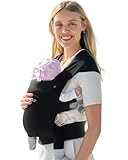
Overview: The GROWNSY Baby Carrier delivers a patented hybrid design that bridges quick-buckle convenience with wrap-style comfort for newborns to toddlers. Priced at $50.99, this carrier targets parents seeking structured support without the premium price tag. The ergonomic “M” position design ensures healthy hip development while providing hands-free ease for daily activities.
What Makes It Stand Out: GROWNSY’s integrated EVA waist cushioning provides exceptional lumbar support rarely seen in this price range. The upgraded foldable head and neck support pad grows with your baby, offering security through developmental stages. Unlike traditional wraps, the hassle-free fastener buckle enables swift, secure wear, while breathable fabric creates a cozy, hug-like environment that promotes bonding from day one.
Value for Money: This carrier undercuts premium brands by $30-$100 while delivering comparable ergonomic features. The combination of EVA cushioning, foldable support, and quick-buckle operation at $50.99 positions it as a compelling mid-market option. It offers better back support than basic $30 carriers and easier operation than traditional wraps, making it an excellent value for frequent use.
Strengths and Weaknesses: Strengths include superior lumbar cushioning, intuitive buckle system, breathable fabric, adaptable head support, and strong affordability. Weaknesses include limited brand recognition, potentially less refined stitching than premium options, and fewer carry position options.
Bottom Line: An excellent everyday carrier for parents wanting premium comfort features without the premium price, perfect for households seeking convenience and ergonomic support on a moderate budget.
3. Newborn Carrier, Cozy Baby Carrier, Ergonomic Cross-Back Wrap, Hands-Free with Supportive Comfort, Deep Grey
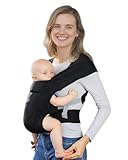
Overview: This budget-friendly Newborn Carrier delivers essential babywearing functionality at just $36.99, making it one of the most accessible ergonomic options available. Designed as a cross-back wrap hybrid, it provides structured support through a simple buckle system, targeting cost-conscious parents who prioritize basic safety and comfort without premium frills.
What Makes It Stand Out: The cross-back strap design evenly distributes weight across shoulders—a feature typically found in more expensive wrap carriers. Its patented quick-buckle system simplifies the wrapping process significantly, while the supportive waistbelt and breathable fabric create a snug environment mimicking traditional wraps. The ergonomic “M” position design ensures healthy hip development from day one.
Value for Money: At $36.99, this carrier competes directly with basic wraps and entry-level structured carriers, undercutting most competitors by $15-$40. While lacking premium features like sunshades or advanced padding, it delivers core ergonomic benefits including proper positioning and head support. This represents remarkable value for occasional users, grandparents, or as a backup carrier for families wanting to try babywearing without significant investment.
Strengths and Weaknesses: Strengths include exceptional affordability, simple operation, effective cross-back weight distribution, and adequate breathability. Weaknesses involve basic materials that may wear faster, limited adjustability for diverse body types, minimal brand support or warranty, and lack of advanced features.
Bottom Line: A solid entry-level option for parents testing babywearing or needing an affordable backup, though frequent users will likely desire the durability and comfort of premium alternatives.
4. Ergobaby Embrace Baby Carrier Newborn to Toddler - Lightweight Ergonomic Baby Carriers - Cozy Essentials (7-25 Pounds), Ponte Knit, Cream

Overview: The Ergobaby Embrace Carrier leverages the brand’s reputation for ergonomic excellence in a lightweight, knit-fabric design. Priced at $85.99, this carrier focuses on the newborn to early toddler stage (7-25 pounds), prioritizing softness and simplicity over multi-year versatility. It’s crafted from premium ponte knit fabric that provides a snug, cushioned feel with gentle stretch.
What Makes It Stand Out: The luxurious ponte knit fabric distinguishes the Embrace from typical canvas carriers, offering clothing-like comfort and breathability. The inclusive design fits waist sizes from 22 to 54 inches, accommodating diverse body types better than many competitors. Ergobaby’s ErgoPromise Guarantee provides lifetime replacement for defects, demonstrating exceptional brand confidence and customer support.
Value for Money: Positioned between budget and premium tiers, the Embrace justifies its $85.99 price through superior fabric quality and warranty backing. It costs significantly less than Ergobaby’s 360 series while delivering comparable newborn comfort. However, the 25-pound limit reduces long-term value compared to 36-month carriers, making it best suited for families prioritizing early-stage comfort over extended use.
Strengths and Weaknesses: Strengths include luxurious fabric feel, trusted brand reputation, excellent warranty, lightweight portability, and inclusive sizing. Weaknesses are the lower weight capacity, less structured support for active toddlers, and limited carry positions compared to convertible models.
Bottom Line: Ideal for parents prioritizing newborn comfort and brand reliability, though families wanting extended toddler use should consider more robust, higher-capacity alternatives.
5. Infantino Flip 4-in-1 Convertible Baby Carrier, Adjustable, Ergonomic Babywearing, Registry Essential, Baby Carrier for Newborn to Toddler, Gray
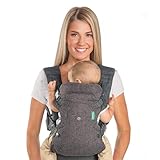
Overview: The Infantino Flip 4-in-1 Convertible Carrier proves that versatility doesn’t require a premium price tag. At just $24.49, this carrier offers four ergonomic positions for newborns through toddlers (8-32 lbs), making it the most budget-friendly convertible option available. It’s designed as a registry essential for cost-conscious families seeking functionality without financial strain.
What Makes It Stand Out: The four-position system—including facing-in narrow/wide, facing-out, and back carry—provides remarkable flexibility typically reserved for $80+ carriers. The convertible seat adjusts from narrow to wide as babies grow, maintaining proper “M” positioning throughout development. Machine-washable, breathable fabric and intuitive adjustments make it exceptionally parent-friendly, while padded shoulder straps and a wide waist belt help distribute weight evenly.
Value for Money: Unbeatable at $24.49—this carrier delivers 80% of premium functionality at 30% of the cost. While materials and padding can’t match $100+ options, the feature set rivals carriers three times its price. It’s perfect for budget-conscious families, grandparents, or as a secondary carrier for travel and errands where convenience trumps luxury.
Strengths and Weaknesses: Strengths include incredible affordability, four carry positions, easy cleaning, adjustable fit for multiple caregivers, and proper ergonomic design. Weaknesses involve thinner padding for extended wear, basic fabric quality, and less refined weight distribution compared to premium models.
Bottom Line: The ultimate value pick for families wanting maximum versatility on a minimal budget—perfect for occasional use, travel, or as an introduction to babywearing before investing in premium gear.
6. Ava & Oliver Essential Baby Carrier – Ergonomic, Hip-Healthy Soft Structured Carrier for Infants & Toddlers (7–35lbs) - Front and Back Carry, Breathable Fabric, Stylish & Lightweight (Olive Checker)

Overview: The Ava & Oliver Essential Baby Carrier positions itself as a stylish, ergonomic solution for parents seeking hands-free convenience without compromising orthopedic health. Designed for infants and toddlers from 7 to 35 pounds, this carrier offers two positions: front-facing-in for babies three months and older, and back carry for six months and up. The Olive Checker pattern adds a fashion-forward aesthetic that distinguishes it from clinical-looking alternatives.
What Makes It Stand Out: This carrier’s built-in EVA waist and lumbar support system demonstrates serious attention to parental comfort, reducing back strain during extended wear. The deep seat design ensures babies maintain the recommended “M” position for healthy hip development, keeping knees above the bottom. Thick, padded shoulder and waist straps provide customizable fitting, while the machine-washable construction (cold, gentle cycle in garment bag) offers practical maintenance for busy families. The gift-ready packaging makes it an excellent baby shower choice.
Value for Money: At $119.99, the Ava & Oliver carrier sits in the mid-premium range, competing with brands like Ergobaby Omni 360. While it lacks a front-facing-out option, its superior lumbar support and stylish design justify the investment for parents prioritizing their own ergonomic comfort alongside baby’s hip health. The durability and washable fabric ensure longevity through multiple children.
Strengths and Weaknesses: Strengths include exceptional back support, hip-healthy design, fashionable appearance, and easy cleaning. Weaknesses are limited to two carry positions (no outward-facing), a 35-pound weight capacity that falls short of some competitors offering 45-pound limits, and a price point that may stretch budget-conscious families.
Bottom Line: The Ava & Oliver Essential Baby Carrier excels for parents who value their spinal health as much as their child’s hip development. While not the most versatile option available, its targeted ergonomic features and style make it a worthwhile investment for everyday carriers, particularly for those who primarily use inward-facing and back positions.
7. Mabē Monarch Ergonomic Baby Carrier – Premium Cotton Soft Structured Newborn to Toddler Carrier with Hip-Healthy Design, 3 Carry Positions (7-35lbs), Lightweight & Breathable, (Dream Wash Denim)

Overview: The Mabē Monarch positions itself in the premium tier of baby carriers with its sophisticated cotton-linen blend and versatile three-position design. Accommodating children from 7 to 35 pounds, this carrier serves from newborn stage through toddlerhood with front-facing-in, front-facing-out, and back carry options. The Dream Wash Denim aesthetic delivers style without sacrificing functionality.
What Makes It Stand Out: The 90% cotton, 10% linen fabric composition offers superior breathability and a luxurious feel against both parent and baby skin. Its true differentiator is the inclusive sizing that explicitly accommodates plus-size parents, a frequently overlooked demographic. The deep seat “M” position promotes proper hip development, while the three carry positions provide versatility as your child grows and develops neck control. The machine-washable design ensures practicality matches its premium appearance.
Value for Money: Priced at $129.00, the Mabē Monarch competes directly with established premium brands like Tula Explore and LILLEbaby Complete. The natural fiber blend, three-position versatility, and inclusive sizing justify the premium. For parents seeking a carrier that feels as good as it functions and works for diverse body types, the investment delivers strong returns in comfort and longevity.
Strengths and Weaknesses: Strengths include premium fabric quality, three ergonomic positions, plus-size accommodation, hip-healthy design, and stylish appearance. Weaknesses include the highest price point among these options, a 35-pound weight limit that trails budget competitors, and the cotton-linen blend may retain more heat than technical fabrics during summer months.
Bottom Line: The Mabē Monarch is ideal for parents prioritizing natural materials, style, and inclusive sizing. While priced at a premium, its three-position versatility and premium fabric quality make it a smart long-term investment for families wanting a carrier that adapts to both baby’s and parent’s changing needs.
8. Momcozy Baby Carrier - Ergonomic, Cozy and Lightweight Carrier for 7-45lbs, Effortless to Put On, Ideal for Hands-Free Parenting, Enhanced Lumbar Support, Purehug for Infant to Toddler, Black

Overview: The Momcozy Baby Carrier disrupts the market by delivering premium ergonomic features at a budget-friendly price point. Supporting an impressive 7 to 45-pound range, this carrier accommodates newborns through toddlerhood without requiring an infant insert. The sleek black design prioritizes functionality over fashion, making it an accessible choice for practical parents.
What Makes It Stand Out: The revolutionary X-shaped back design distinguishes this carrier from conventional H-shaped models, distributing weight more evenly across the back and shoulders. OEKO-TEX certified 100% cotton ensures chemical-free safety for delicate skin, while built-in EVA waist support provides crucial lumbar reinforcement. The padded leg openings promote healthy circulation, and the three adjustable sizing positions adapt to your growing child while maintaining the ergonomic “M” position for hip health.
Value for Money: At $59.99, the Momcozy offers exceptional value, undercutting premium brands by over 50% while matching or exceeding their weight capacity and safety certifications. The 45-pound limit extends usability well into toddlerhood, and the OEKO-TEX certification adds significant value for safety-conscious parents. This carrier proves that ergonomic excellence doesn’t require premium pricing.
Strengths and Weaknesses: Strengths include outstanding affordability, high weight capacity, certified safe materials, innovative X-back design, and comprehensive lumbar support. Weaknesses include basic aesthetics that lack style options, cotton fabric requires lint maintenance, and the brand lacks the established reputation of legacy carriers, potentially raising questions about long-term durability.
Bottom Line: The Momcozy Baby Carrier is a standout choice for budget-conscious families unwilling to compromise on ergonomic safety. Its innovative weight distribution, impressive weight range, and safety certification make it one of the best value propositions in the babywearing market, perfect for everyday use from infancy through toddler years.
9. GROWNSY Baby Carrier, One-Click Release Clasp for Easy to Wear, Cozy Wraps Carrier Newborn to Toddler with Head Support(7-44lbs), Ergonomic & Lightweight for Infant to Toddler, Sepia
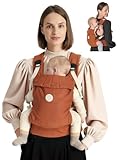
Overview: The GROWNSY Baby Carrier targets the entry-level market with an innovative focus on usability and affordability. Supporting children from 7 to 44 pounds, this carrier eliminates the need for an infant insert while offering adjustable head support for newborns. The Sepia color provides a neutral, modern aesthetic suitable for any parent.
What Makes It Stand Out: The patented one-click release clasp on the top straps enables true one-handed adjustment, a game-changer for parents needing quick modifications while holding their child. Adjustable side straps allow rapid fit customization, achieving secure positioning in seconds. The proprietary breathable fabric technology promises softness and stretch, while integrated EVA waist support and thickly padded straps deliver essential lumbar reinforcement. The foldable head support adapts as baby gains neck control.
Value for Money: At $37.99, the GROWNSY is the most affordable structured carrier in this comparison, making it an ideal entry point for babywearing novices or a cost-effective backup for grandparents’ houses. While the brand lacks established market presence, the feature set—including the innovative clasp and generous weight range—delivers remarkable value for the price, rivaling carriers three times more expensive.
Strengths and Weaknesses: Strengths include unbeatable affordability, innovative one-handed adjustment, excellent weight range, ergonomic EVA support, and included head support. Weaknesses involve an unproven brand with limited track record, proprietary fabric of unknown long-term durability, potentially less refined construction than premium alternatives, and unclear warranty support.
Bottom Line: The GROWNSY Baby Carrier is perfect for parents wanting to explore babywearing without significant financial commitment, or those needing a secondary carrier. While long-term durability remains unproven, its innovative adjustment mechanism and ergonomic features make it a surprisingly capable option that punches well above its weight class for the price.
10. vrbabies Baby Wraps Carrier Newborn to Toddler, Kangaroo Baby Easy Wearing Wrap, Adjustable Soft Baby Holder Front Chest Sling Carriers Perfect Infant Essentials Gifts (Striped Grey, Cotton)

Overview: The vrbabies Baby Wrap represents the most affordable babywearing option, functioning as a hybrid between traditional wraps and structured carriers. Made from high-quality cotton with strategic stretch, this one-size-fits-all solution accommodates newborns through toddlerhood. The Striped Grey pattern offers a classic, gender-neutral appearance.
What Makes It Stand Out: This carrier’s X-shaped back design, combined with a waist belt, effectively reduces shoulder strain and waist fatigue—a rare feature in wrap-style carriers. The M-shaped sitting position promotes healthy hip and cervical spine development, while the buckle design eliminates the complex tying associated with traditional wraps. The emphasis on bonding through close contact and oxytocin release appeals to attachment parenting advocates.
Value for Money: At $30.99, the vrbabies wrap is the most economical choice, costing less than a single trip to the pediatrician. For parents primarily carrying newborns and young infants, it provides adequate support at an unbeatable price. However, the lack of structured support and unclear weight specifications limit its long-term value compared to carriers with defined 45-pound limits.
Strengths and Weaknesses: Strengths include exceptional affordability, simple buckle design, bonding benefits, one-size accommodation, and reduced learning curve versus traditional wraps. Weaknesses involve ambiguous weight limits and age range, less structured support for heavier toddlers, potential durability concerns with stretchy fabric under load, and wrap-style carriers inherently require practice for safe use.
Bottom Line: The vrbabies Baby Wrap suits budget-conscious parents of newborns willing to master basic wrapping techniques. While it cannot match the structured support or longevity of premium carriers, its ultra-low price and bonding benefits make it an excellent starter carrier or supplement to a structured system for the earliest months.
What Makes a Soft-Structured Carrier “Hike-Ready”?
The Evolution from City Strolls to Mountain Trails
Soft-structured carriers have come a long way from their origins as simple fabric pouches with straps. Early designs prioritized basic babywearing over parental comfort, which works fine for 20-minute coffee shop visits but fails spectacularly on a 5-mile loop with elevation gain. Hike-ready SSCs represent a complete reimagining of load-bearing mechanics, drawing inspiration from technical backpacking gear while maintaining the intimacy and flexibility that makes babywearing special.
The transformation happened when designers started treating the parent as an athlete and the baby as precious, dynamic cargo. They borrowed concepts like load lifters, hip belt stabilization, and moisture-wicking suspension systems from premium hiking packs. The result is a hybrid that doesn’t just hold your baby—it integrates them into your body’s natural movement patterns, distributing their weight so efficiently you’ll forget you’re carrying an extra 20-30 pounds… until you take them off and feel strangely light.
Key Differences Between Everyday and Hiking Carriers
Your standard SSC might feature padded straps and a waistband, but hiking models take support to another dimension entirely. The waistband becomes a true weight-bearing hip belt, often 4-6 inches wide with multi-density foam that transfers 70-90% of your child’s weight to your pelvis rather than your shoulders. Shoulder straps evolve from simple padded loops to contoured, adjustable systems with sternum straps positioned to prevent the dreaded neck pinch.
Material choices diverge significantly. Everyday carriers prioritize softness and packability, while hiking versions demand abrasion-resistant fabrics, water-repellent coatings, and strategic mesh panels that balance durability with breathability. The silhouette changes too—hiking SSCs typically have a taller, more structured panel that provides better head support for sleeping toddlers and creates a more secure center of gravity when you’re navigating rocky paths.
Weight Distribution: The Foundation of Comfort
Hip Belt Design and Padding
The hip belt is the unsung hero of any hiking carrier, and its design deserves scrutiny. Look for a belt that wraps around your iliac crest—the bony part of your hips—rather than sitting on your soft belly tissue. Premium designs feature angled padding that cups the hips and prevents the belt from riding up or digging in. The closure system matters enormously: a simple side-release buckle might seem convenient, but a forward-pull adjustment lets you tighten the belt while wearing it, crucial when you’re alone on the trail.
Multi-layer foam construction isn’t just marketing speak. A firm base layer provides structure and weight transfer, while a softer top layer prevents pressure points. Some advanced designs incorporate memory foam or gel inserts at pressure points. The width should be substantial but not restrictive—most adults find 4-5 inches ideal, though petite wearers might prefer slightly narrower profiles to avoid chafing at the hip bones.
Shoulder Strap Engineering
Shoulder straps on hiking SSCs should feel like they’re cradling your shoulders, not crushing them. Contoured S-shaped designs that follow your body’s natural anatomy prevent the straps from slipping and reduce pressure on the brachial plexus—the nerve bundle that can cause tingling and numbness in your arms when compressed. The padding should extend well beyond the pressure point, often wrapping around the strap edges to eliminate chafing.
Pay attention to strap width: too narrow concentrates pressure, while too wide restricts arm movement. The sweet spot for most body types is 2.5-3 inches at the pressure point, tapering toward the attachment points. Some carriers feature load lifters—small straps connecting the top of the shoulder harness to the main body—that let you fine-tune the angle of pull, bringing the baby’s weight closer to your center of gravity.
Load Lifters and Sternum Straps
These components separate serious hiking carriers from pretenders. Load lifters, those small adjustable straps at the top of the shoulder harness, work by changing the angle of the shoulder straps, effectively pulling the carrier’s weight closer to your back. This reduces the backward pull that strains your lower back and forces you to lean forward compensatorily. They should be easily adjustable on the fly, even with a sleeping baby on board.
The sternum strap isn’t just a connector—it’s a critical tool for customizing fit and preventing shoulder strap creep. Look for one that slides on a rail system, allowing precise vertical positioning across a range of chest heights. The buckle should be easy to operate one-handed (you’ll often adjust while holding a baby) and include a safety elastic tether so it doesn’t get lost if it pops open unexpectedly.
Support Systems: Your Back Will Thank You
Lumbar Support Essentials
A proper lumbar pad does more than cushion—it actively maintains the natural curve of your lower spine, preventing the flattening that leads to fatigue and pain. The best designs feature adjustable lumbar pads that can be moved up or down to match your spine’s anatomy. The padding should be firm enough to provide support but contoured to avoid pressing directly on your vertebrae.
Some carriers incorporate a lumbar “shelf”—a slightly protruding lower edge that creates a ledge for the carrier to rest on, further reducing shoulder strain. This feature works in concert with a stiffened hip belt to create a stable platform. For parents with existing back issues, look for models with additional vertical support stays that run alongside the spine, providing structure without rigidity.
Frame Sheets and Internal Structure
Hidden inside the best hiking SSCs are internal frame sheets—thin, flexible panels, usually made of high-density polyethylene or aluminum composite, that give the carrier structure and prevent it from collapsing under your baby’s weight. This structure is crucial for maintaining the ergonomic “M” position for your baby and ensuring weight transfers properly to your hips.
The frame sheet should be stiff enough to hold its shape when loaded but flexible enough to move with your body. Some designs use segmented or articulated frame sheets that bend at key points, allowing the carrier to conform to your spine’s curvature while maintaining lateral stability. This prevents the swaying motion that can throw you off balance on technical terrain.
The Role of Cross Straps
Cross straps, sometimes called “back connectors” or “Y-straps,” pull the shoulder straps together behind your back, creating a more stable harness system. This feature is particularly valuable for narrow-shouldered wearers or when carrying heavier toddlers. The adjustability range is key—too tight and they’ll pinch your shoulder blades, too loose and they serve no purpose.
Look for designs where the cross strap attaches to the shoulder straps via sliding hardware, allowing you to position it at the optimal point between your shoulder blades. Some carriers offer removable cross straps, which is useful if multiple users have dramatically different body types. The strap itself should be narrow and low-profile to avoid creating pressure points on your spine.
Adjustability: One Size Does Not Fit All
Between-User Adjustments for Multi-Parent Families
If you and your partner plan to share a carrier, quick-change adjustability becomes non-negotiable. The gold standard is a system where torso length, hip belt position, and shoulder strap angle can all be modified without tools or complicated threading. Look for carriers with numbered or color-coded adjustment points that let you memorize each user’s settings.
Dual-adjustment buckles on the hip belt—where you can tighten from either side—make it easier for different body shapes to achieve a perfect fit. Some carriers feature interchangeable hip belt pads in different lengths, accommodating waist size differences of 12 inches or more. The shoulder strap attachment points should slide on a rail system rather than being fixed, allowing true torso length customization.
Growing-With-Baby Adaptability
A carrier that works for a 3-month-old and a 3-year-old isn’t just convenient—it’s economical and sustainable. The key is a panel that adjusts both in height and width. Width adjustment is critical for maintaining knee-to-knee support as your baby grows; look for cinching mechanisms at the base of the panel that can reduce the seat width by 3-4 inches for infants.
Height adjustment should change the distance from the waistband to the top of the panel, ensuring head support for newborns while allowing toddlers to see over your shoulder. The best systems use a drawstring or zipper mechanism rather than snaps, which can create pressure points. Some carriers offer removable infant inserts that integrate seamlessly rather than just sitting loosely in the bottom of the panel.
Fabric and Weather Resistance
Material Breathability for Hot Weather Hiking
When you’re generating heat on an uphill climb and your baby is pressed against you, breathability becomes a safety issue, not just a comfort feature. Technical mesh panels should be placed strategically at the parent’s back, baby’s back, and anywhere the carrier contacts sweaty skin. Look for 3D spacer mesh—a honeycomb-structured fabric that creates airflow channels without sacrificing support.
The main body fabric matters too. Nylon 6,6 with air-textured yarns offers better moisture management than standard nylon, wicking sweat away from both you and baby. Cotton might feel soft initially, but it retains moisture and takes forever to dry, creating a damp environment that can chill your baby when you stop moving. For serious summer hiking, consider carriers where the main panel can be unzipped to reveal a fully mesh-backed alternative.
Water-Resistant vs. Waterproof: What You Actually Need
Trail conditions change fast—a sunny morning can become a drizzly afternoon. Water-resistant carriers use DWR (durable water repellent) coatings that cause light rain to bead and roll off. This is sufficient for most hiking scenarios and maintains fabric breathability. However, the coating wears off over time and needs reapplication.
Fully waterproof carriers use laminated fabrics like those in rain jackets. While this sounds appealing, it creates a vapor barrier that traps sweat, making you and your baby clammy. A smarter compromise is a carrier with water-resistant main fabric but waterproof storage pockets for essentials like your phone and spare clothes. Some designs include a deployable rain cover that stores in its own pocket—a far more versatile solution.
UPF Ratings and Sun Protection
Your baby’s skin is incredibly sensitive, and at altitude, UV exposure increases significantly. A carrier’s fabric UPF rating tells you how effectively it blocks UV radiation. UPF 50+ is the gold standard, blocking 98% of UV rays. This isn’t just about the main panel—look for UPF-rated fabrics on the hood, side panels, and any sun shade attachments.
Some carriers feature extendable sun canopies with side panels that wrap around, protecting your baby from reflected UV off snow, water, or light-colored rocks. The canopy fabric should be dark-colored on the underside to reduce glare that can bother your baby’s eyes. Remember that UV protection diminishes when fabric gets wet or stretched, so check ratings are maintained under real-world conditions.
Storage Solutions: Beyond the Diaper Bag
Integrated Pockets vs. Detachable Pouches
When you’re on the trail, you need access to essentials without removing the carrier or digging through a separate backpack. Integrated pockets should be strategically placed: hip belt pockets for snacks and lip balm, side pockets for water bottles, and a large back pocket for diapers and a change of clothes. The best designs position these so they don’t interfere with the carrier’s structure or create pressure points.
Detachable pouches offer flexibility but add failure points. If you go this route, ensure the attachment system is robust—metal hardware beats plastic, and redundant attachment points prevent loss if one fails. Some carriers feature a “parent’s pack” that detaches completely, useful for short summit scrambles where you want to leave the bulk behind but keep essentials with you.
Hydration Bladder Compatibility
Hands-free hydration is a game-changer on the trail. Some hiking SSCs include a dedicated sleeve for a hydration bladder with a hose routing system over the shoulder. This keeps your water weight centered and close to your back, improving balance. The bladder compartment should be separate from the main baby-carrying area to prevent leaks from soaking your child.
If your chosen carrier doesn’t have a dedicated bladder pocket, look for a large, flat pocket that can accommodate one. The hose should be secured with elastic loops to prevent it from dangling in front of your baby’s face. A bite valve cover keeps the mouthpiece clean from trail dust and curious baby hands.
Safety Features for Trail Conditions
Secure Buckle Systems
Trail vibrations and constant movement can cause inferior buckles to work loose. Look for buckles with locking mechanisms—either a secondary tab that must be pressed or a design that requires squeezing both sides simultaneously to release. The webbing should be high-tenacity nylon with bartack stitching at stress points (look for dense zigzag stitching patterns).
All buckles should be glove-friendly, because cold morning hikes happen. Test them with mittens on if possible. The waist belt buckle, in particular, should be positioned where it won’t dig into your stomach when you sit down for a trail break. Some carriers recess the buckle into the padding or angle it slightly to prevent this pressure point.
Emergency Whistle Integration
Many premium hiking carriers integrate a safety whistle into the sternum strap buckle. This isn’t just a gimmick—if you twist an ankle miles from the trailhead and have a baby with you, signaling for help becomes critical. The whistle should be pealess (works when wet) and produce at least 100 decibels. Test it before buying; some integrated whistles are too quiet to be effective.
Beyond the whistle, consider carriers with bright, contrasting interior fabric. If you’re fumbling for something in low light or an emergency, being able to see inside pockets easily matters. Some designs include a small, high-visibility flag that can be deployed from a pocket to make you more visible to rescuers.
Reflective Elements for Visibility
Dawn patrol hikes or late returns mean you might be on the trail in low light. Reflective trim should be strategically placed on the carrier’s front, back, and sides—not just a token stripe. Look for 3M Scotchlite or equivalent high-visibility materials that reflect from wide angles.
The reflective elements should be on moving parts (like the shoulder straps) to create a “biomotion” effect that makes you more recognizable as human to other trail users, particularly mountain bikers or equestrians. Some carriers include a loop for attaching a bike light or headlamp, a simple feature that’s invaluable when you’re racing sunset with a tired toddler.
Baby’s Comfort on the Trail
Seat Width and “M” Position Support
The ergonomic “M” position—where baby’s knees are higher than their bottom, forming an M shape from the side—is non-negotiable for healthy hip development. On the trail, maintaining this position becomes more challenging as the carrier shifts with your movement. Look for a seat that can be cinched narrower at the base but maintains knee dimples or padding that supports the legs without cutting circulation.
The seat fabric should have some stretch but not so much that baby sinks into it, which would compromise the M position. A slight upward curve at the front edge of the seat helps keep baby’s pelvis tilted correctly. For older babies who want to see more, some carriers offer a “boost” setting that raises them slightly while maintaining proper leg positioning.
Head and Neck Support for Napping
Trail naps are inevitable and wonderful, but only if your baby’s head is properly supported. A good headrest should be adjustable—able to cinch up for full head support or fold down when baby wants to look around. The fabric should be soft against their cheek but structured enough not to collapse into their face.
Side support matters too. As you twist and turn on the trail, baby’s head shouldn’t flop side to side. Look for carriers with structured wings or padding at the sides of the headrest. The hood should attach securely and support the head from behind without pushing it forward. Some designs use a semi-rigid insert in the hood that creates a protective shell around the head.
Fabric Softness and Chafing Prevention
While durability is crucial, the fabric touching your baby’s bare legs and arms must be buttery soft. Flat-felled seams or bonded seams eliminate raised stitching that can rub. The carrier should have no exposed hardware on the interior that could press against baby’s skin—a common issue where straps attach to the main panel.
Consider the fabric’s texture when wet. Sweat and drool are inevitable, and some technical fabrics become rough or sticky when damp. Bamboo blends or mercerized cotton linings can provide softness without sacrificing performance. Test the fabric by rubbing it against the inside of your wrist (sensitive skin) when slightly damp—that’s what your baby’s legs will feel like.
Ease of Use: When You’re Alone on the Trail
Solo Onboarding and Offboarding
You won’t always have someone to help get baby in and out. The best hiking carriers allow you to secure baby first, then put the carrier on like a backpack, or vice versa. Look for designs where the shoulder straps can be unclipped from the main body, letting you strap baby in while the carrier sits on a log or your tailgate, then swing it onto your back.
The waist belt should be able to fasten securely without needing to see it—tactile indicators like different webbing textures or audible clicks help. Some carriers feature a “kickstand” style waist belt that props the carrier up when you set it down, keeping the baby compartment clean and making it easier to load solo.
Adjustments While Wearing
On the trail, you’ll need to tighten the hip belt after it loosens, raise the chest strap as you warm up and shed layers, or adjust baby’s seat when they get fussy. All adjustments should be reachable and operable while wearing the carrier. Pull-forward hip belt adjustments are easiest; reach-behind designs require more flexibility.
Look for strap ends that tuck away neatly. Long, dangling straps can catch on branches or get stepped on when you set the carrier down. Elastic keepers or Velcro tabs should be included on all adjustment points. The ability to tighten and loosen straps with a single pull direction makes mid-hike tweaks much simpler when you’re already tired.
Seasonal Considerations
Ventilation for Summer Hikes
Beyond mesh panels, some carriers feature active ventilation systems. A tensioned back panel that holds the carrier slightly away from your back creates an air channel, dramatically reducing sweat buildup. This is often achieved with a lightweight frame or strategically placed foam spacers. The trade-off is a slightly bulkier carrier, but for hot climates, it’s worth it.
Consider color: dark colors absorb heat, while light colors reflect it. A light gray or tan carrier can be 10-15 degrees cooler on the surface than a black one in direct sun. Some manufacturers are now using reflective pigments in their dyes that bounce infrared radiation without making the carrier look metallic.
Insulation and Weather Shields for Winter
Winter hiking presents unique challenges: you need to keep baby warm without overheating, and protect them from wind and snow. Some carriers include zip-on insulated panels that add warmth without bulk. These should attach at multiple points to prevent them from flapping in wind and should be removable quickly if the sun comes out or you enter a protected forest.
A storm flap that covers the front of the carrier can block wind and precipitation while still allowing baby to see out. Look for designs that integrate with the hood to create a complete shell. The material should be windproof but breathable—a waterproof-breathable membrane like Gore-Tex is overkill and too expensive; a good windproof softshell fabric is ideal.
Maintenance and Cleaning on the Trail
Spot Cleaning vs. Machine Washable
Let’s be real: babies are messy, and trails are dirty. Spit-up, crushed snacks, and mud are par for the course. Carriers that can be spot cleaned with a damp cloth are convenient, but eventually, you’ll need a deeper clean. Machine washable carriers should have removable frame sheets and be able to withstand a gentle cycle without delaminating.
Check the care instructions before buying. Some “machine washable” carriers require air drying only, which can take 24+ hours—impractical if you hike weekly. Others can be tumble dried on low, a huge convenience. The hardware should be rust-proof (look for anodized aluminum or high-grade plastic) so you don’t have to worry about leaving it damp in your car after a rainy hike.
Quick-Dry Materials
Even if you can’t machine wash on the trail, quick-dry fabrics make a huge difference. A carrier that dries overnight after getting soaked in a stream crossing is ready for tomorrow’s adventure. Synthetic fabrics like nylon and polyester dry significantly faster than natural fibers. Some manufacturers treat fabrics with hydrophilic finishes that spread moisture out for faster evaporation.
Consider the padding material too. Closed-cell foam doesn’t absorb water, while open-cell foam acts like a sponge. A carrier that gets soaked in a surprise shower should be usable again within a few hours of sun exposure, not days. Test this by dampening a small area in the store and seeing how fast it dries compared to other fabrics.
Budget Considerations: Investment vs. Value
Price Tiers and What They Mean
Hiking SSCs typically fall into three price tiers. Budget options ($80-$150) often lack the sophisticated weight distribution of premium models but can work for occasional use or lighter babies. Mid-range carriers ($150-$250) usually hit the sweet spot of essential features without luxury add-ons. Premium models ($250-$400) offer the best materials, most refined adjustability, and often include accessories like rain covers and storage pouches.
The price difference often reflects engineering hours, not just materials. A $300 carrier might have 50+ adjustment points where a $150 model has 20. That refinement translates to comfort on hour three of a hike. Consider cost-per-use: if you hike weekly for two years, even a $350 carrier costs less than $3.50 per adventure.
Resale Value and Longevity
Quality hiking carriers hold their value remarkably well. A well-maintained premium carrier can resell for 60-70% of its original price, especially if it’s a popular colorway. This effectively reduces the cost of ownership. Cheaper carriers, while less initial investment, often resell for less than 30% and may not last long enough for a second child.
Look for carriers with replaceable parts—buckle sets, strap pads, and drool guards that can be swapped out extend the life of the main unit. A carrier with a 3-year warranty demonstrates manufacturer confidence in durability. Some companies offer refurbishment programs, inspecting and replacing worn components for a fraction of the replacement cost.
Trying Before Buying: The Fit Test
What to Look for in a Retail Fitting
If possible, visit a specialty babywearing store with weighted demonstration dolls. A 20-pound doll simulates a toddler’s weight more accurately than you might think. Wear the carrier for at least 15 minutes, walking around the store, climbing stairs if available. The store staff should be knowledgeable enough to adjust the carrier specifically to your body.
Bring your partner if you’ll be sharing the carrier. A good store will let you both try it, adjust between users, and observe how the changes affect fit. Ask to see the instruction manual—if it’s a confusing pamphlet, that might indicate a carrier that’s not intuitive to use. Check that the store has a good return policy; many allow 30-day trials so you can test on an actual hike.
Weighted Doll Testing
When testing with a weighted doll, pay attention to where you feel the weight after 10 minutes. It should settle squarely on your hips, with your shoulders feeling light. If you feel pressure on your collarbones or upper arms, the torso length is wrong. If the waist belt is digging into your stomach, it’s positioned too high or too low.
Move dynamically: twist side to side, bend forward as if picking something up, reach overhead. The carrier shouldn’t shift dramatically or feel unstable. The doll should remain snug against you without excessive bouncing. If the store doesn’t have weighted dolls, consider buying one online to test carriers at home—it’s a small investment compared to buying the wrong carrier.
Common Mistakes to Avoid
Overlooking Your Own Physical Limitations
It’s easy to get caught up in features and forget about your own body. If you have diastasis recti, a carrier with excessive front weight can worsen it. Shoulder injuries might require a model with the most advanced load lifters. Back problems demand superior lumbar support. Be honest about your fitness level and any physical issues.
Consider your center of gravity changes during pregnancy and postpartum. Some carriers feel stable with a newborn but become tippy as baby grows and sits higher. If you have balance issues or are recovering from injury, a carrier with a lower baby position and wider base might be safer than a high-sitting toddler model.
Prioritizing Fashion Over Function
That gorgeous carrier in the trendy print might photograph beautifully, but if it lacks the support you need for a 3-hour hike, you’ll regret it. Dark colors hide dirt and stains better anyway. Focus on features first, then see if your preferred model comes in a color you can live with. Many carriers offer neutral bases with interchangeable accent panels, letting you update the look without buying a whole new unit.
Be wary of limited edition prints that command premium prices. They often have the same features as the standard model but cost 20-30% more. That money is better spent on accessories that enhance functionality. Remember, the best-looking carrier is the one that lets you hike comfortably for years.
Building Your Hiking Carrier Kit
Essential Accessories
A few well-chosen accessories transform a good carrier into a perfect hiking system. A drool guard protects the carrier’s top edge and is much easier to wash than the whole carrier. Toy tethers prevent favorite items from being dropped on the trail. A detachable mirror lets you check on your baby without contorting.
Consider a specialized diaper clutch that attaches to the carrier’s waistband, keeping essentials accessible without adding bulk. For older babies, a foot stirrup can reduce leg dangle and improve circulation. Some parents swear by a small backpack that attaches to the carrier’s back, adding storage without affecting balance.
What to Pack in Your Carrier’s Storage
Your carrier’s storage should hold the 10 essentials for baby: diapers, wipes, changing pad, extra clothes, hat, sunscreen, first aid, snacks, water, and a way to communicate (fully charged phone). Distribute weight symmetrically to maintain balance. Heavy items like water should be low and centered; frequently accessed items like snacks go in hip belt pockets.
Include a small trash bag for packing out diapers. A few ziplock bags serve multiple purposes: wet bag for soiled clothes, emergency water collection, or keeping electronics dry. Pack a lightweight carrier cover even if the forecast is clear—weather changes fast in the mountains, and hypothermia is a real risk for babies.
Frequently Asked Questions
How long can I realistically hike with my baby in an SSC?
With a properly fitted hiking carrier, many parents comfortably manage 3-5 hour hikes by 6 months postpartum. Start with 30-minute walks and build gradually. Listen to your body and watch for signs of overstimulation in your baby. Most babies are content for 1-2 hours before needing a break to move, feed, or change scenery.
What’s the maximum weight I should carry in an SSC for hiking?
Most hiking SSCs are rated for 40-45 pounds, including baby and gear. However, your personal limit depends on your fitness, body weight, and experience. A general rule: don’t exceed 20-25% of your body weight total load. A 150-pound parent should cap out around 30-35 pounds combined weight. Remember, trail conditions matter more than distance—a steep, technical mile is harder than three flat miles.
Can I use a regular SSC for hiking if I’m just doing easy trails?
For paved nature walks under an hour, a standard SSC works fine. But once you add elevation, uneven terrain, or longer distances, the lack of structured support becomes apparent quickly. The cost difference between a basic and hiking-specific carrier is less than a single visit to a physical therapist for back strain. If you plan to hike weekly, invest in purpose-built gear.
How do I know if my baby is too hot or cold in the carrier?
Check the back of their neck, not hands or feet. It should feel warm but not sweaty. In cold weather, dress baby in one more layer than you’re comfortable in, since they’re not moving. In heat, a single light layer and sun protection is sufficient. Use a small mirror to check for flushed cheeks or signs of discomfort without disturbing them.
What’s the best age to start hiking with a baby in an SSC?
Most pediatricians and babywearing educators recommend waiting until baby has good head and neck control, typically around 4-6 months. Some carriers offer infant inserts for younger babies, but trail conditions add unpredictability that make waiting safer. Start with smooth, short trails and always consult your pediatrician, especially if your baby was premature or has health concerns.
How do I handle diaper changes on the trail?
Practice at home first. Pack a compact changing pad that folds small and can be used on your lap while sitting on a log. Some parents prefer a standing change for older babies, holding them against their chest while swapping diapers. Bring ziplock bags for waste and pack everything out. Consider a small bottle of hand sanitizer attached to a belt loop.
Are SSCs safe for technical scrambling or steep terrain?
For Class 2-3 scrambling where you need your hands, an SSC is safer than a frame carrier because it keeps baby closer to your center of gravity. However, your baby’s head should be well below yours to protect it from rock strikes. Never attempt moves you wouldn’t feel comfortable doing with a heavy, fragile backpack. When in doubt, take the easier route.
How do I clean my carrier after a muddy hike?
Shake off dried mud, then spot clean with a damp cloth and mild soap. For deep cleaning, most hiking SSCs can be machine washed on gentle cycle after removing any frame sheets. Use a front-loading washer to prevent strap tangling. Air dry away from direct sunlight to prevent UV degradation. Never use fabric softener—it reduces water repellency and can irritate baby skin.
Can I breastfeed in a hiking SSC?
Many carriers allow discreet feeding on the trail. Loosen the shoulder straps slightly to lower baby to breast height, then retighten after. Practice at home first, and use a nursing cover if you prefer privacy. Stay hydrated and bring extra snacks—breastfeeding while hiking burns serious calories. Some carriers have side-zip panels specifically designed to facilitate feeding access.
What’s the lifespan of a quality hiking SSC?
With proper care, a premium carrier can last through multiple children and still have resale value. The fabric and buckles are typically the first to show wear. Store it clean and dry, avoid leaving it in hot cars (which degrades foam and fabric), and re-treat water repellency annually. Most manufacturers rate their hardware for 10,000+ cycles, which translates to years of regular use.