When you’re juggling 3 AM feedings, endless diaper changes, and the constant worry about keeping your little one safe from harmful germs, the last thing you want to worry about is whether you’re getting your money’s worth on baby gear. Microwave bottle sterilizers have revolutionized how parents approach bottle hygiene, offering hospital-grade sterilization in just minutes without breaking the bank. The best part? You don’t need to spend a fortune to get a reliable, effective unit that will serve your family beautifully through the baby years.
The market is flooded with options claiming to be the “best” microwave bottle sterilizer under $40, but understanding what truly matters can mean the difference between a purchase you’ll love and one that ends up in the donation pile. This comprehensive guide cuts through the marketing noise to help you identify the essential features, safety standards, and practical considerations that define a quality budget sterilizer. Whether you’re a first-time parent building your registry or a seasoned caregiver looking to upgrade, we’ll walk you through everything you need to know to make a confident, informed decision.
Top 10 Microwave Bottle Sterilizers Under $40
Detailed Product Reviews
1. Dr. Brown’s Microwave Steam - for Baby Bottles, Nipples, Bottle Parts, Pacifiers, Teethers and Breast Pump Parts
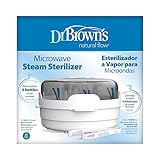
Overview: Dr. Brown’s Microwave Steam Sterilizer provides a rapid, efficient sanitization solution for parents prioritizing hygiene and convenience. This compact unit utilizes natural steam heat to eliminate harmful bacteria from baby bottles, nipples, pacifiers, teethers, and breast pump parts. Engineered specifically for Dr. Brown’s bottles, it integrates seamlessly into your existing feeding system while occupying minimal microwave and storage space.
What Makes It Stand Out: The remarkable 2-minute sterilization cycle distinguishes this unit from standard 3-5 minute competitors. Its custom-molded interior precisely accommodates four Dr. Brown’s bottles plus accessories, maximizing steam exposure and efficiency. The included tongs enable safe, contamination-free removal of hot items while protecting your hands from burns—a practical detail many budget options omit.
Value for Money: At $16.99, this sterilizer delivers exceptional value for brand-loyal families. It’s among the most affordable options from major baby brands, costing far less than electric sterilizers while matching their effectiveness. The durability and brand-specific optimization justify the investment for Dr. Brown’s users, though multi-brand households may want more versatility.
Strengths and Weaknesses: Strengths include lightning-fast operation, perfect brand integration, compact footprint, and essential safety accessories. It’s lightweight yet sturdy for daily use. Weaknesses involve limited versatility for non-Dr. Brown’s bottles and lack of explicit dishwasher-safe certification. The simple design lacks premium features like drying cycles.
Bottom Line: An excellent budget-friendly choice for Dr. Brown’s bottle families seeking speed and simplicity. Verify compatibility if using mixed bottle brands.
2. Dr. Brown’s Natural Flow Anti-Colic Options+ Microwave Sterilizer Gift Set with HappyPaci Pacifiers

Overview: This comprehensive gift set elevates Dr. Brown’s sterilization technology with added value for new parents. The Natural Flow Anti-Colic Options+ Microwave Sterilizer combines rapid steam sanitization with essential accessories, creating a complete hygiene solution. It eliminates 99.9% of bacteria, mold, and yeast that cause thrush, ensuring thorough cleaning of bottles, parts, and pacifiers in minutes using natural steam heat.
What Makes It Stand Out: Beyond speedy performance, this set includes HappyPaci pacifiers, making it immediately gift-ready. The custom-molded design perfectly fits four Dr. Brown’s bottles, while top-rack dishwasher-safe construction simplifies maintenance. Included tongs ensure safe handling, and the compact, lightweight build enhances portability for travel or small kitchens.
Value for Money: At $32.99, the premium over the basic model purchases convenience and accessories. The included pacifiers and gift-quality packaging justify the $16 upcharge for new parents or gift-givers. Compared to buying sterilizer and pacifiers separately, the bundle offers modest savings while delivering immediate usability.
Strengths and Weaknesses: Strengths include complete gift presentation, proven 99.9% germ elimination, dishwasher-safe convenience, brand-specific optimization, and portability. The sterilizer maintains Dr. Brown’s quality reputation. Weaknesses include higher price and limited utility for non-Dr. Brown’s bottle users. The 4-bottle capacity may be insufficient for multiples.
Bottom Line: Perfect for baby showers and new parents committing to Dr. Brown’s system. The premium is justified for gift-giving, though existing users might prefer the basic model.
3. Microwave Steam Sterilizer - Removes 99.9% of Dirt Quickly and Naturally with The Power of steam, White/Grey
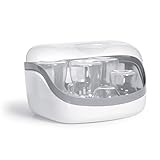
Overview: This universal microwave steam sterilizer offers versatile sanitization for parents using multiple bottle brands. Harnessing natural steam power, it quickly cleans bottles, pacifiers, teethers, and accessories without harsh chemicals. The neutral white/grey design complements any kitchen while providing practical daily functionality for maintaining baby item hygiene and safety.
What Makes It Stand Out: The adaptable interior holds four wide-mouth or five regular bottles simultaneously—more flexible than brand-specific models. A removable basket organizes smaller parts and accessories, preventing loss during sterilization. Using simple tap water, it removes harmful household dirt and germs effectively without proprietary solutions or expensive refills.
Value for Money: At $24.99, this mid-range option bridges budget and premium sterilizers. It costs more than basic brand-specific models but offers superior versatility for families using different bottle brands. The universal design eliminates future replacement needs if you switch bottle systems, saving money and reducing waste long-term.
Strengths and Weaknesses: Strengths include universal bottle compatibility, flexible capacity, removable basket for organization, and straightforward operation. The neutral branding appeals to diverse users. Weaknesses include lack of brand-specific optimization, potentially less efficient steam circulation, and no explicit germ-kill percentage claimed. Generic brand support may be limited compared to major manufacturers.
Bottom Line: An excellent choice for families using mixed bottle brands or planning system changes. Versatility outweighs the modest price premium for universal compatibility.
4. Medela Quick Clean Microwave Sterilizer Bags for Bottles and Breast Pump Parts, Reusable Up to 20 Times Per Bag, Food-Grade Material, Made Without BPA, Pack of 12

Overview: Medela’s Quick Clean Micro-Steam Bags revolutionize portable sterilization for breastfeeding and bottle-feeding parents. These innovative bags sanitize breast pump parts, bottles, and accessories in just three minutes using microwave steam. Each reusable bag provides up to 20 uses, delivering 240 total sterilization cycles per 12-pack with food-grade, BPA-free materials that ensure safety.
What Makes It Stand Out: Unmatched portability makes these bags essential for working parents and travel. The space-saving design folds flat when not in use, while doubling as organization and storage solutions for pump parts. Made without BPA or phthalates, they meet strict safety regulations for peace of mind during every use.
Value for Money: While price isn’t listed, these bags typically cost under $20 per pack, offering exceptional value. At approximately $0.08 per use, they’re cheaper long-term than most rigid sterilizers. The travel convenience eliminates needing a second home unit, saving money and valuable counter space.
Strengths and Weaknesses: Strengths include ultimate portability, reusability, quick sanitization, and dual-purpose storage functionality. They’re perfect for workplace pumping and vacations. Weaknesses include smaller per-cycle capacity, less stability than hard containers, and need to track usage carefully. They require careful handling to prevent hot water spills and burns.
Bottom Line: Indispensable for pumping parents and frequent travelers. Convenience and portability far exceed limitations, making these a must-have supplement to home sterilizers.
5. NUK Micro Express Microwave Baby Bottle and Accessory Sterilizer, a Fast & Effective Sterilization, Using Natural Steam

Overview: The NUK Micro Express Sterilizer provides reliable, universal sterilization using natural steam power. This thoughtfully designed unit accommodates most commercially available feeding bottles and accessories, offering flexibility for diverse families. Operation requires just 6.76 ounces of water and four minutes in the microwave for complete sanitization without chemicals.
What Makes It Stand Out: The practical handle allows safe, easy removal of the bottle holder from the hot container—an overlooked but valuable safety feature. Extra-large capacity sterilizes four bottles plus accessories simultaneously. Third-party testing confirms it kills 99.9% of germs, matching premium competitors’ performance claims with natural steam effectively.
Value for Money: At $29.99, this sterilizer positions itself as a mid-premium universal option. It’s competitively priced against brand-specific models while offering broader compatibility. The safety handle and proven efficacy justify the cost over budget alternatives, delivering professional-grade features without brand limitations.
Strengths and Weaknesses: Strengths include universal bottle compatibility, safety-focused handle design, verified germ-kill rate, generous capacity, and reputable NUK brand backing. The straightforward operation requires minimal water. Weaknesses include the 4-minute cycle being slower than some competitors, and larger footprint may not suit compact microwaves. Minor omission of included accessories like tongs reduces convenience slightly.
Bottom Line: A smart, safe choice for families seeking universal compatibility with enhanced safety features. The handle design and proven performance make it worth the moderate investment.
6. Silicone Travel Bottle Sterilizer Bags | 2000ml Microwave Steam Sterilizer Bags for Baby Bottles, Breast Pump & Pacifiers, Reusable Steam Sterilizing Bags for Travel and Home Use (Clear Milk White)
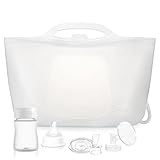
Overview: These reusable silicone sterilizer bags offer an eco-friendly alternative to disposable plastic bags, providing a practical solution for parents who need to sanitize baby bottles, breast pump parts, and pacifiers both at home and while traveling. With a generous 2000ml capacity that accommodates up to three bottles and accessories, these clear milk white bags combine functionality with environmental consciousness.
What Makes It Stand Out: The unlimited reuse design sets these bags apart from single-use alternatives, potentially saving thousands of plastic bags over their lifetime. The impressive 68oz capacity handles multiple items simultaneously, while the roll-up portability makes them ideal for travel. The upright standing design with a flat base ensures stability during use, and the simple three-step process—add water, insert items, microwave for 3-7 minutes—streamlines sterilization.
Value for Money: At $9.99 per bag, the initial investment pays for itself quickly when compared to purchasing hundreds of disposable bags. The cost per use becomes negligible over time, making it exceptionally economical for frequent users. This represents significant long-term savings while reducing environmental impact.
Strengths and Weaknesses: Pros include unlimited reusability, large capacity, compact portability, stable upright design, and straightforward operation. The silicone construction is durable and food-safe. Cons are microwave dependency, potential for silicone to retain odors over time, and the single-bag limitation for parents needing to sterilize many items simultaneously. The bags may also be bulky when filled.
Bottom Line: Perfect for environmentally conscious parents seeking a portable, cost-effective sterilization solution. The reusable design and travel-friendly features make it an excellent investment for families on the move.
7. Gemdom 15 Pack Microwave Steam Sterilizer Bags Plus, Large Size for Baby Bottles Soothers, Teethers, Breast Pump Parts, Training Cups and Accessories, 20 Uses Per Bag, Baby Travel Essential

Overview: This comprehensive set of 15 microwave sterilizer bags provides a convenient middle-ground solution for parents who want reusability without the upfront cost of silicone. Designed for sanitizing all baby feeding accessories, each bag offers 20 uses, totaling 300 sterilization cycles per package. The built-in tracking system helps monitor usage, ensuring you never exceed the recommended limit.
What Makes It Stand Out: The integrated usage tracking system is a standout feature, eliminating guesswork about when to replace bags. The large capacity accommodates multiple items simultaneously, making batch sterilization efficient. With 15 bags in the package, you can keep some at home, in the car, and at daycare, ensuring you’re always prepared.
Value for Money: At $9.99 for 300 total uses, this package delivers exceptional economy at roughly three cents per cycle. This represents tremendous savings compared to single-use alternatives while providing more flexibility than one permanent silicone bag. The multi-pack design adds convenience value.
Strengths and Weaknesses: Pros include the usage tracking system, large quantity of bags, generous capacity, quick microwave sterilization, and excellent portability. The 20-use design balances cost-effectiveness with hygiene. Cons involve eventual plastic waste after maximum uses, potential for bags to develop leaks near the end of their lifespan, and lack of the premium feel of silicone alternatives.
Bottom Line: An outstanding choice for budget-conscious parents who want convenience and value. The tracking system and multi-pack design make it practical for organized families who sterilize frequently.
8. Haakaa On-The-Go Silicone Microwave Steam Sterilizer Bags for Travel, 40oz/1250ml Reusable Silicone Steaming Bags for Baby Bottles, Breast Pump, Accessories, Pacifiers, Teethers,Grey/1PC

Overview: Haakaa’s premium silicone sterilizer bag represents the high-end option for parents prioritizing safety and quality. Made from food-grade, BPA-free silicone, this 1250ml bag provides a plastic-free alternative for sanitizing baby bottles, pump parts, and accessories. The sleek grey design reflects the brand’s commitment to both functionality and aesthetic appeal.
What Makes It Stand Out: The genuine food-grade silicone construction ensures complete peace of mind regarding chemical safety. Beyond baby items, the bag doubles as a food steamer, adding versatility. The thoughtful design includes a secure top handle for safe microwave removal and a leak-proof seal. Haakaa’s reputation for quality baby products lends additional credibility.
Value for Money: At $18.99 for a single bag, this is a premium investment. However, unlimited reuse and dual functionality justify the higher price point for quality-focused parents. The durability of silicone ensures years of service, making the cost-per-use extremely low over time.
Strengths and Weaknesses: Pros include superior food-grade silicone construction, brand reliability, compact roll-up portability, multifunctional steaming capability, safe handling features, and leak-proof design. Cons are the higher initial cost, smaller 1250ml capacity compared to some alternatives, and receiving only one bag limits simultaneous sterilization sessions. The premium pricing may not suit all budgets.
Bottom Line: Ideal for parents who prioritize premium materials and brand trustworthiness. The versatile design and superior construction quality make it worth the investment for those seeking the safest sterilization option.
9. HEYVALUE Ease-Steam Bottle Sterilizer, Compact Baby Bottle Sterilizer, Fast One-Touch Operation (Esterilizador de Biberones), Electric Sterilizer for Baby Bottles, Baby Essentials & Breast Pump Parts

Overview: This electric steam sterilizer offers a completely different approach from microwave bags, providing automated, countertop sterilization for busy parents. Capable of sanitizing up to six bottles plus accessories simultaneously, the HEYVALUE unit eliminates 99.9% of bacteria with minimal effort. The compact design fits most kitchen spaces while delivering hospital-grade sterilization.
What Makes It Stand Out: The one-touch operation with auto shut-off represents true set-and-forget convenience, allowing parents to attend to their baby during the 8-minute cycle. The integrated accessory tray organizes small parts like nipples and pump components, preventing loss and ensuring thorough sanitization. Universal compatibility accommodates all bottle types and brands.
Value for Money: At $39.99, this electric unit costs significantly more than microwave bag options. However, the automation, larger capacity, and convenience factor justify the price for parents who sterilize daily. It eliminates the need for microwave access and provides consistent results without monitoring.
Strengths and Weaknesses: Pros include fully automated operation, large six-bottle capacity, auto shut-off safety feature, dedicated accessory tray, universal bottle compatibility, and included handling tongs. The electric design ensures consistent performance. Cons are higher price point, limited portability, requirement for counter space and electrical outlet, and more complex cleaning maintenance than simple bags.
Bottom Line: Perfect for home-based parents seeking maximum convenience and capacity. The automated features and safety systems make it an excellent daily-use appliance for busy families with multiple bottles.
10. 10 Pack Microwave Sterilizer for Baby Bottles Pacifier Sanitizer and Breast Pump Sterilizer Bags Portable Travel Sterilizer for Baby Bottles Pacifiers and Breast Pump Parts

Overview: This budget-friendly 10-pack of microwave sterilizer bags offers no-frills convenience for cost-conscious parents. Each bag provides up to 20 uses, delivering 200 total sterilization cycles for sanitizing bottles, pacifiers, and breast pump parts. The ultra-fast 1.5-minute sterilization time makes this one of the quickest options available for busy parents.
What Makes It Stand Out: The remarkably low price point combined with exceptionally fast sterilization cycles distinguishes this product. Safety grips facilitate secure handling when removing hot bags from the microwave. The straightforward design focuses on essential functionality without unnecessary features, making it accessible for all users.
Value for Money: At $7.99 for 200 uses, this package delivers the lowest cost per cycle at roughly four cents each. It’s an unbeatable value for occasional travelers or as a backup system. While basic, the price makes it an accessible entry point for parents wanting to try microwave sterilization.
Strengths and Weaknesses: Pros include the lowest price in the category, extremely fast 1.5-minute cycles, portable design, safety grip features, and adequate 20-use durability per bag. The 10-bag quantity provides good distribution options. Cons are the basic construction without usage tracking, eventual plastic waste, potentially less durable material than premium brands, and lack of premium features like upright bases.
Bottom Line: An excellent budget option for travel or occasional use. While lacking advanced features, the incredibly low price and fast operation make it a practical choice for parents prioritizing economy over premium construction.
Why Microwave Bottle Sterilizers Are a Game-Changer for Modern Parents
Remember the old days of standing over a pot of boiling water, timing each batch of bottles while steam fogged up your kitchen? Microwave sterilizers have essentially made that ritual obsolete. These compact powerhouses harness the simple science of steam to eliminate 99.9% of harmful bacteria and viruses from bottles, pacifiers, and breast pump parts in under 10 minutes. The real magic lies in their efficiency—you’re using your existing microwave, consuming minimal water, and requiring zero chemicals.
For parents navigating the financial realities of raising a child, the sub-$40 price point represents a sweet spot where affordability meets functionality. Unlike electric sterilizers that demand precious counter space and cost twice as much, microwave versions tuck away in cabinets when not in use. They’re particularly invaluable for parents living in smaller spaces, those who travel frequently, or anyone who wants effective sterilization without committing to another bulky appliance.
Understanding How Microwave Sterilization Works
The principle behind microwave bottle sterilization is elegantly simple yet scientifically robust. When you add a small amount of water to the sterilizer base and heat it in the microwave, that water rapidly converts to steam reaching temperatures of 212°F (100°C). This intense, sustained heat destroys bacteria, viruses, and mold spores by denaturing their proteins and disrupting their cellular structures.
The Science Behind Steam Sterilization
Steam is actually more effective than dry heat at killing microorganisms because it transfers energy more efficiently. When steam contacts cooler bottle surfaces, it condenses, releasing latent heat directly onto the pathogens. This process ensures every nook and cranny—those intricate venting systems in modern bottles, the threads on bottle rings, the tiny crevices in pacifiers—gets exposed to sterilizing temperatures. In just 2-8 minutes, depending on your microwave’s wattage, you’ve achieved the same level of sterilization found in medical settings.
Why Microwave Heat Is So Effective
Microwave ovens generate electromagnetic waves that excite water molecules throughout the entire sterilizer chamber simultaneously. This creates uniform heating rather than the convective heating you’d get from stovetop boiling. The result is faster, more consistent sterilization with less energy consumption. Most units under $40 are designed to work with microwaves ranging from 500 to 1100 watts, making them compatible with virtually any household model.
Key Benefits of Choosing a Budget-Friendly Sterilizer
The $40 price threshold isn’t arbitrary—it’s where manufacturers have perfected the balance of essential features without premium add-ons that often go unused. At this price point, you’re investing in core functionality rather than brand prestige or unnecessary digital displays.
Breaking Down the $40 Price Point
Sub-$40 sterilizers typically range from $25-$40, with most quality models clustering around $30-$35. This pricing reflects streamlined manufacturing, thoughtful material selection, and focus on durability over bells and whistles. You’re still getting BPA-free, food-grade polypropylene construction and effective steam generation—just without the app connectivity or LED timers that drive up costs. For most families, these fundamental features are exactly what’s needed.
Value vs. Premium: What Are You Really Paying For?
Premium sterilizers above $40 might offer larger capacities, stainless steel components, or automatic drying functions. However, the actual sterilization efficacy remains identical. The steam generation principle doesn’t change with price. What you’re paying extra for is convenience and capacity. A sub-$40 model sterilizes just as thoroughly; you might just run it more frequently or towel-dry bottles instead of having them emerge ready to use. For budget-conscious families, that trade-off is often well worth the $20-$30 savings.
Essential Features to Look for in Sub-$40 Models
When evaluating microwave sterilizers in this price range, certain non-negotiable features separate reliable units from disappointing ones. Your checklist should start with material safety and build quality.
Must-Have Safety Certifications
Look for explicit FDA compliance, BPA-free labeling, and food-grade material specifications. Quality manufacturers will proudly display these certifications on packaging. The plastic should feel substantial—not flimsy or thin. Check for smooth, well-finished edges and robust hinge construction on the lid. These details indicate manufacturing standards that prioritize safety over cutting corners.
Design Features That Enhance Functionality
A well-designed sterilizer includes thoughtful touches like integrated measuring devices for water, clearly marked maximum fill lines, and venting systems that prevent pressure buildup while containing steam. The best models feature removable trays or racks that accommodate various bottle sizes and allow steam circulation. Cool-touch handles are essential for safe removal from the microwave, and a secure locking mechanism prevents accidental steam release.
Capacity Considerations: Finding the Right Size for Your Needs
Sterilizer capacity directly impacts your daily routine. Most sub-$40 models accommodate 4-6 standard bottles per cycle, which perfectly suits most families. However, “standard” varies dramatically between brands.
Single vs. Double-Decker Designs
Single-level sterilizers are more compact and typically cost less, maxing out around $30. They’re ideal if you’re exclusively bottle-feeding with one brand of bottles. Double-decker designs, usually priced $35-$40, offer vertical stacking that nearly doubles capacity without increasing microwave footprint. These are smart investments for families with multiples, those using different bottle types, or parents who prefer sterilizing once daily rather than multiple times.
Accommodating Different Bottle Types
If you use wide-neck bottles, angled bottles, or plan to sterilize breast pump parts, verify interior dimensions before purchasing. Some budget models excel at versatility, with adjustable pegs and removable compartments. Others are optimized for traditional straight-neck bottles and may frustrate users with bulkier gear. Measure your tallest bottle and compare it to the sterilizer’s interior height specification—this simple step prevents post-purchase disappointment.
Material Matters: BPA-Free and Food-Grade Safety Standards
The plastic composition of your sterilizer matters immensely when you’re exposing it to repeated high-heat cycles. Sub-$40 models overwhelmingly use polypropylene (PP), a heat-resistant thermoplastic that’s naturally BPA-free and durable.
Understanding BPA-Free Labels
“BPA-free” should be your baseline requirement, but dig deeper. Quality manufacturers specify “food-grade polypropylene” and may reference additional safety standards like European Union Regulation 10/2011. This indicates third-party testing for chemical migration at high temperatures. Avoid any sterilizer that doesn’t explicitly state its material composition—transparency in this area is non-negotiable for infant products.
Heat Resistance and Durability
Repeated microwave exposure can degrade inferior plastics, causing clouding, warping, or even microscopic cracks that harbor bacteria. Premium PP in quality budget sterilizers withstands hundreds of cycles without degradation. Check user reviews for longevity mentions; consistent complaints about cracking after a few months signal material shortcuts. A well-made unit should last through multiple children or be easily resold in excellent condition.
Ease of Use: What Makes a Sterilizer Truly Convenient
The best sterilizer is the one you’ll actually use consistently. Complicated assembly or fussy operation guarantees it will gather dust while you default to less effective cleaning methods.
Assembly and Disassembly
Look for intuitive designs that snap together without requiring force or fine motor dexterity—especially important for sleep-deprived parents. The base, tray, and lid should separate easily for cleaning. Models with fewer separate pieces reduce frustration and minimize lost components. A quality unit assembles in under 30 seconds and disassembles just as quickly.
Indicator Features
While sub-$40 models skip digital displays, many include clever indicator features. Some have fill lines that change color when water reaches the proper level. Others feature steam-release valves that click audibly when pressure is safe. These tactile and visual cues are surprisingly valuable when you’re multitasking. The most user-friendly designs have handles that stay cool enough to grab without oven mitts, simplifying the post-cycle routine.
Cleaning and Maintenance: Keeping Your Sterilizer in Top Condition
Your sterilizer cleans bottles, but it also needs regular cleaning itself. Mineral deposits from water, milk residue, and general use can compromise performance and create odor issues.
Preventing Mold and Mildew
Always leave the sterilizer lid slightly ajar after cycles to allow complete drying. Trapped moisture creates perfect conditions for mold growth. Wipe down interior surfaces daily with a clean cloth, and perform a deeper clean weekly. Never store the unit sealed with damp bottles inside—this common mistake leads to musty smells and potential recontamination.
Deep Cleaning Protocols
Descale your sterilizer every 4-6 weeks using white vinegar or citric acid solutions, especially if you have hard water. Fill the base with equal parts water and vinegar, microwave for 5 minutes, then rinse thoroughly. For stubborn milk residue, a paste of baking soda and water applied with a soft brush works wonders. Avoid abrasive scrubbers that can scratch plastic surfaces, creating bacterial hiding spots.
Compatibility Issues: Will It Fit Your Bottles and Microwave?
Nothing’s more frustrating than unboxing your new sterilizer only to discover it doesn’t fit your microwave or accommodate your preferred bottles. Dimensional compatibility requires pre-purchase research.
Measuring Your Microwave
Most sub-$40 sterilizers require a microwave with at least 10 inches of interior height and a turntable diameter of 11 inches. Compact dorm-style microwaves often can’t accommodate standard sterilizers. Measure your microwave’s interior height, width, and depth, then compare to product specifications. Remember to account for the turntable’s rotation—an oversized sterilizer will jam against walls, preventing proper steam circulation.
Universal vs. Brand-Specific Designs
Universal designs accommodate multiple bottle brands but may not optimize space for any single type. Brand-specific sterilizers, like those designed for Dr. Brown’s or Tommee Tippee bottles, offer perfect fits but limit flexibility. For under $40, universal models provide better value unless you’re committed to one bottle system. Check interior configurations carefully; some budget universal models cleverly include adjustable components that adapt to various bottle shapes.
Time Efficiency: Understanding Sterilization Cycles
Cycle time varies based on microwave wattage, water volume, and load size. Understanding these variables helps you plan your routine and set realistic expectations.
Factors That Affect Sterilization Time
A 1100-watt microwave might sterilize in 2 minutes, while a 700-watt unit needs 6-8 minutes for the same load. Most manufacturers provide wattage-specific timing charts. Adding extra water doesn’t speed up the process—it actually increases time to reach sterilizing temperature. Overloading similarly extends cycles and may create cold spots where steam can’t penetrate effectively. Follow capacity guidelines religiously for consistent results.
Batch Processing Strategies
For families needing more than one cycle’s worth of bottles, develop a system. While one batch sterilizes, prepare the next. Use the cooling period (typically 5-10 minutes) to wash subsequent bottles. Some parents run cycles back-to-back; quality sterilizers handle this without issue. Others prefer sterilizing once daily, storing bottles sealed in the unit for up to 24 hours. This approach works perfectly with sub-$40 models that include tight-sealing lids designed for sterile storage.
Travel-Friendly Options: Portability Features to Consider
The compact nature of microwave sterilizers makes them inherently travel-friendly, but certain features enhance portability significantly. For under $40, you can find models specifically designed for on-the-go parents.
International Microwave Compatibility
If you travel internationally, consider that microwave wattage standards vary globally. Look for sterilizers that include timing guides for both 110V and 220V microwaves. Some budget models even feature universal water fill lines calibrated for different power outputs. The most travel-savvy designs weigh under 2 pounds and nest together for suitcase efficiency.
Packing Tips
When packing a sterilizer for travel, stuff the interior with bottles and small items to maximize space. Wrap the unit in a microfiber towel to prevent scratches. Bring a small bottle of distilled water to avoid mineral buildup from unfamiliar water sources. Some parents keep a dedicated travel sterilizer—a basic $25 model—that stays packed, ensuring they never forget essential components.
Common Mistakes Parents Make with Microwave Sterilizers
Even the best sterilizer underperforms when used incorrectly. Awareness of common pitfalls saves time and ensures your baby’s bottles are truly sterile.
Water Quality Issues
Using tap water high in minerals leads to rapid scaling that blocks steam vents and reduces efficiency. Distilled water eliminates this problem entirely, though it adds minimal cost. If using tap water, descale weekly rather than monthly. Never use bottled “mineral water”—the added minerals accelerate buildup dramatically.
Improper Lid Sealing
Failing to lock the lid completely allows steam to escape, preventing temperatures from reaching sterilization levels. Most models have audible clicks or visual indicators confirming proper closure. Conversely, forcing a locked lid open immediately after microwaving risks severe steam burns. Always wait for the unit to cool and follow the manufacturer’s venting procedure precisely.
Safety Features That Shouldn’t Be Overlooked
Budget doesn’t mean compromising on safety. Quality sub-$40 sterilizers incorporate multiple protective features that prevent accidents and ensure consistent performance.
Locking Mechanisms Explained
The locking system serves two critical functions: maintaining pressure for effective sterilization and preventing accidental opening. Look for models with dual-locking tabs that require deliberate action to release. Some budget designs use heat-sensitive locks that remain sealed until internal pressure drops to safe levels. This feature alone prevents countless burn injuries annually.
Overheating Protection
While rare, microwave malfunctions can cause excessive heating. Superior budget sterilizers include thermal fuses or pressure-relief valves that vent steam if temperatures exceed safe thresholds. Check product descriptions for mentions of “automatic venting” or “pressure control.” These features add manufacturing cost but reputable brands include them even in affordable models because safety isn’t negotiable.
Eco-Friendly Aspects of Microwave Sterilization
Environmental consciousness matters to modern parents, and microwave sterilizers offer surprising green credentials compared to other methods. Understanding these benefits reinforces the value of your sub-$40 investment.
Water Usage Comparison
Boiling bottles on a stovetop consumes 4-6 gallons of water daily. Electric steam sterilizers use less but still require significant water volumes. Microwave units operate with as little as 7 ounces (200ml) per cycle—less than a single cup. Over a year, this represents water savings of hundreds of gallons, making it the most conservation-friendly sterilization method available.
Reusable vs. Disposable Options
Some parents consider disposable sterilizing bags as an alternative. While convenient for occasional use, these generate significant plastic waste and cost more long-term. A durable sub-$40 microwave sterilizer, used properly for multiple children, represents a one-time environmental impact versus the cumulative waste of hundreds of single-use bags. The math is clear: reusable is greener and cheaper.
Troubleshooting Common Issues
Even quality sterilizers encounter problems. Knowing how to address them extends your unit’s lifespan and maintains sterilization efficacy.
Wet Bottles After Cycle
Finding bottles still wet post-cycle often indicates insufficient cooling time. Steam condenses on bottle surfaces as the unit cools. Leave the lid closed for the full recommended period (usually 10 minutes) to allow condensation to redistribute and evaporate. If bottles remain excessively wet, reduce water volume slightly—overfilling creates too much steam that can’t fully evaporate.
Mineral Deposits
White, chalky buildup signals hard water deposits. These clog steam vents and reduce heating efficiency. A vinegar descaling cycle usually resolves the issue. For severe buildup, repeat the process or use a commercial descaler safe for food-contact surfaces. Prevent future issues by wiping the base dry after each use and using filtered water when possible.
When to Replace Your Sterilizer
Even the best sub-$40 sterilizer has a finite lifespan. Replace your unit if you notice cracking, permanent clouding, or lid seal degradation. Most quality models last 12-18 months with daily use. If the locking mechanism becomes loose or steam vents show calcium buildup that won’t clear, it’s time for a new unit. Fortunately, at this price point, replacement is economically painless.
Frequently Asked Questions
How long do microwave sterilizers actually last with daily use?
Quality sub-$40 sterilizers typically withstand 12-18 months of daily use before showing wear. The limiting factor is usually the plastic’s response to repeated high-heat cycles, which can cause gradual clouding or hinge weakening. With proper care—using distilled water, avoiding overloading, and cleaning regularly—many families report using the same unit for multiple children. The key is recognizing when cosmetic changes affect functionality; minor clouding is harmless, but cracks or loose seals compromise safety.
Can I sterilize breast pump parts and pacifiers in the same unit?
Absolutely, and this versatility is one of the biggest advantages of microwave sterilizers. Most models under $40 include dedicated compartments or adjustable racks that accommodate flanges, valves, membranes, and pacifiers alongside bottles. The crucial step is arranging components so steam can circulate freely—don’t nest small items inside larger ones. Check manufacturer guidelines for your specific breast pump brand, as some silicone components have temperature sensitivities. Generally, all standard pump parts sterilize safely in these units.
What happens if I accidentally run a cycle without water?
Running a dry cycle can damage your sterilizer and potentially harm your microwave. The plastic may warp, melt, or release unpleasant odors. If this happens, immediately stop the microwave and allow everything to cool completely. Inspect the sterilizer for any deformation, discoloration, or damage to the base. Most units have a thermal safety threshold, but repeated dry runs will compromise integrity. To prevent this, develop a habit of adding water immediately after emptying the unit, before you even wash the bottles.
Are microwave sterilizers safe for glass bottles?
Yes, provided the glass bottles are labeled microwave-safe. Most modern glass baby bottles use tempered borosilicate glass that handles thermal shock exceptionally well. Arrange them carefully to prevent contact with other items during the cycle, as clinking can cause chips. Some parents prefer to place glass bottles on the top rack if using a double-decker system. Always allow glass bottles to cool gradually inside the sealed unit; rapid temperature changes from immediate removal could theoretically cause cracking, though this is rare with quality baby bottles.
How do I know if my microwave wattage is compatible?
Check your microwave’s wattage rating, usually found on a label inside the door or on the back panel. Most sub-$40 sterilizers accommodate 500-1100 watts. The included instruction manual provides timing charts for different wattage ranges. If your microwave is on the lower end (600-700 watts), you’ll simply run longer cycles—typically 6-8 minutes versus 2-4 minutes for high-wattage units. The sterilization effectiveness remains identical; it just takes longer to generate sufficient steam. Some budget models even include smart fill lines that adjust for wattage differences.
Can I use tap water, or is distilled water really necessary?
You can use tap water, but distilled water significantly extends your sterilizer’s lifespan and reduces maintenance. Tap water contains minerals that deposit on heating surfaces and vents with each cycle, requiring weekly descaling. Distilled water eliminates this issue entirely, allowing monthly cleaning instead. If you do use tap water, soft water is preferable to hard water. Some parents compromise by using filtered water or alternating between tap and distilled. The small cost of distilled water (less than $1 per gallon, with each gallon lasting weeks) often outweighs the hassle of frequent descaling.
How soon after sterilization can I use the bottles?
Bottles are technically sterile immediately after the cycle completes, but they’re also extremely hot. Most manufacturers recommend waiting 10 minutes with the lid sealed to allow cooling and for steam to condense and evaporate. After this period, you can either use bottles immediately or leave them sealed in the unit for up to 24 hours, maintaining sterility. If you need a bottle urgently, carefully remove the unit from the microwave using oven mitts, and let it sit for 3-5 minutes before opening. Never run bottles under cold water to speed cooling—this can cause thermal shock and compromise sterility.
What’s the difference between sanitizing and sterilizing?
This distinction is crucial for infant health. Sanitizing reduces bacteria to safe levels defined by public health standards, typically a 99.9% reduction. Sterilizing eliminates virtually all microorganisms—99.999% or more. Microwave sterilizers achieve true sterilization through high-temperature steam, making them appropriate for newborns, immunocompromised infants, and premature babies. Dishwasher “sanitize” cycles, while helpful for older babies, don’t consistently reach sterilization temperatures. For babies under 3 months or those with health concerns, true sterilization is the gold standard that microwave units reliably provide.
Do I need to wash bottles before sterilizing?
Yes, absolutely. Sterilization kills germs but doesn’t remove milk residue, which can actually protect bacteria from steam penetration. Always wash bottles thoroughly with hot, soapy water, using a bottle brush to clean all surfaces, then rinse before sterilizing. Think of sterilization as the final step, not a substitute for cleaning. Some parents use a two-basin system: one for washing, one for rinsing, then place bottles directly into the sterilizer. This workflow maximizes efficiency while ensuring bottles are truly clean before sterilization.
Can microwave sterilizers affect bottle nipples or cause them to degrade faster?
With proper use, microwave sterilization doesn’t accelerate nipple degradation compared to other methods. All sterilization techniques expose silicone to high heat, which gradually causes stiffening over months. The key is following time guidelines precisely—over-sterilizing by running excessively long cycles can hasten breakdown. Rotate nipples regularly to ensure even wear, and inspect them weekly for stickiness, clouding, or tears. Most manufacturers recommend replacing nipples every 6-8 weeks regardless of sterilization method. The steam environment in microwave units is actually gentler than direct boiling, where nipples might contact hot pot surfaces.