As any parent of a hot-sleeping infant knows, there’s nothing quite like the anxiety of checking your baby’s temperature for the tenth time in one night. That tiny forehead feels warm, the back of their neck is slightly damp, and you’re left wondering if they’re comfortable, safe, or on the verge of overheating. While nursery temperature and sleepwear play crucial roles, the mattress beneath your baby can either trap heat and moisture or actively work to dissipate it. Breathable crib mattresses aren’t just a marketing buzzword—they’re engineered sleep surfaces that can significantly reduce overheating risks while maintaining the firm, safe support growing babies need. This year, the technology behind these mattresses has evolved dramatically, offering parents smarter materials, more rigorous safety certifications, and designs that prioritize airflow without compromising on the non-negotiable firmness infants require.
Understanding what truly makes a crib mattress breathable requires looking beyond surface-level claims. It’s about how air moves through the core, how moisture wicks away from your baby’s body, and how the entire system works together to create a microclimate that stays cooler and drier throughout the night. Whether you’re expecting your first child or looking to upgrade your current setup for a sweaty sleeper, knowing which features genuinely impact breathability will help you make a confident, informed decision that supports both peaceful sleep and parental peace of mind.
Top 10 Breathable Crib Mattresses for Hot Sleepers
Detailed Product Reviews
1. Newton Baby Crib Mattress and Toddler Bed - Ultra-Breathable Proven to Reduce Suffocation Risk, Washable Core & Cover, 2-Stage, Deluxe 5.5" Thick - White

Overview: The Newton Baby Deluxe crib mattress represents the pinnacle of breathable sleep technology for infants. At 5.5 inches thick, this mattress features the patented Wovenaire core made from 90% air and 10% food-grade polymer, creating a sleep surface that significantly reduces suffocation risk while maintaining firm support certified for infant safety.
What Makes It Stand Out: The Wovenaire technology is genuinely revolutionary—it’s the only crib mattress scientifically proven to reduce suffocation risk. Unlike traditional foam or spring mattresses, the entire core is washable, allowing parents to eliminate dust mites, bacteria, and allergens completely. The 2-stage design serves infants and toddlers, while GREENGUARD Gold certification ensures zero off-gassing and optimal indoor air quality.
Value for Money: At $299.99, this is a premium investment. However, for parents prioritizing breathability above all else, there’s no true competitor. The ability to wash the entire mattress extends its lifespan indefinitely, potentially saving money on replacements. When weighed against the peace of mind regarding SIDS prevention and overheating reduction, many families find the cost justified for their primary crib.
Strengths and Weaknesses: Pros include unparalleled breathability, complete washability from cover to core, superior certifications, and excellent temperature regulation. The 5.5-inch thickness provides extra cushioning and a more substantial feel. Cons are the steep price point and that some babies may not require this level of breathability. The lightweight design can feel less substantial than traditional mattresses when changing sheets.
Bottom Line: If budget allows and breathability is your top concern, the Newton Deluxe is unmatched. The washable core technology justifies its premium status for safety-conscious parents.
2. Graco Premium Crib & Toddler Mattress – GREENGUARD Gold Certified, Machine-Washable OEKO-TEX STANDARD 100 Certified Cover with Waterproof Surface, Fits Any Standard Full Size Baby Crib & Toddler Bed

Overview: The Graco Premium crib mattress delivers impressive safety credentials at an accessible price point. This standard-size mattress combines multiple certifications with practical features like a waterproof, machine-washable cover, making it a solid choice for budget-conscious parents unwilling to compromise on rigorous safety standards.
What Makes It Stand Out: The certification list is exceptional: OEKO-TEX Standard 100, GREENGUARD Gold, UL Formaldehyde Free Validated, CertiPUR-US certified, and Baby Safety Alliance Verified. This comprehensive testing ensures the mattress is free from harmful substances, fiberglass, and chemical flame retardants. The 10-year limited warranty is among the best in its class, reflecting manufacturer confidence.
Value for Money: At $99.97, this mattress offers outstanding value. You’re getting premium certifications and a washable waterproof cover for under $100—features typically found in mattresses costing twice as much. The warranty alone adds significant long-term value, covering the entire period your child will use a crib and toddler bed.
Strengths and Weaknesses: Pros include multiple top-tier certifications, machine-washable waterproof cover, 10-year warranty, fiberglass-free construction, and universal standard sizing. The foam core meets durability standards without harmful chemicals. Cons include a traditional foam core that lacks the advanced breathability of patented systems like Newton’s. The cover is washable but the core itself is not, limiting deep cleaning options.
Bottom Line: For parents seeking maximum safety certifications on a budget, this is the clear winner. It covers all essential safety bases without breaking the bank.
3. Newton Baby Essential Crib Mattress - Safe, Ultra-Breathable & Machine Washable Infant Crib Mattress, Removable Cover, Thick Cushion - White

Overview: The Newton Baby Essential crib mattress brings the company’s revolutionary Wovenaire technology to a more accessible price point. At 4 inches thick, it maintains the core breathability benefits that make Newton mattresses unique while trimming some premium features to reduce cost without sacrificing safety.
What Makes It Stand Out: You still get the patented Wovenaire breathe-thru core that makes Newton famous—the only technology proven to reduce suffocation risk. The entire mattress remains fully washable, from cover to core, providing unparalleled hygiene. GREENGUARD Gold certification and the 2-stage infant/toddler design are also retained, making this the core Newton experience.
Value for Money: At $199.99, the Essential model sits in the mid-range bracket. It delivers 80% of the Deluxe model’s benefits for 67% of the cost. For parents wanting Newton’s safety technology without the $300 price tag, this strikes an excellent balance. The 1.5-inch thickness reduction is negligible for most users and doesn’t affect safety or comfort.
Strengths and Weaknesses: Pros include proven breathability technology, complete washability, strong certifications, and two-stage design. The 4-inch profile fits most cribs perfectly and provides easier sheet changes. Cons are that it’s still pricier than traditional mattresses and lacks the extra cushioning of the 5.5-inch Deluxe version. Some parents might miss the deluxe thickness.
Bottom Line: The Essential model is the sweet spot for safety-conscious parents. You get Newton’s core innovation at a more palatable price.
4. Serta Perfect Start Limited Dual Sided Baby Crib Mattress and Toddler Mattress, Breathable Fiber Core, GREENGUARD Gold Certified, Waterproof, 7 Year Warranty, Made in USA
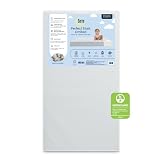
Overview: The Serta Perfect Start offers a budget-friendly dual-sided mattress solution without sacrificing fundamental safety requirements. Made in the USA with a fiber core constructed from recycled bottles, this mattress provides firm support for infants and a slightly softer toddler side while maintaining an eco-conscious footprint and essential certifications.
What Makes It Stand Out: At $69.99, it’s the most affordable option with legitimate certifications including GREENGUARD Gold and JPMA certification. The recycled fiber core diverts over 300 plastic bottles from landfills per mattress. The dual-sided design extends usability from infancy through toddler years, and the 7-year warranty provides unexpected longevity for this price tier.
Value for Money: Exceptional. This is entry-level pricing with genuine safety credentials. While it lacks advanced breathability technology, it meets all basic safety standards and includes a waterproof cover. For grandparents’ houses, second cribs, or families on tight budgets, it’s nearly unbeatable. The made-in-USA quality adds further value.
Strengths and Weaknesses: Pros include unbeatable price, GREENGUARD Gold certification, JPMA certification, dual-sided design, recycled materials, and 7-year warranty. The waterproof cover simplifies cleanup. Cons are basic fiber core with limited breathability compared to advanced systems, non-washable core, and thinner overall feel compared to premium options. The pattern on the cover may vary.
Bottom Line: For no-frills, safe sleep on a strict budget, this is your best bet. It covers essentials without unnecessary extras.
5. BABELIO Breathable Crib Mattress, Dual-Sided, Memory Foam, Waterproof, Removable and Machine-Washable Cover, for Toddler and Baby 52" x 27.5"

Overview: The BABELIO Breathable Crib Mattress combines dual-sided functionality with memory foam comfort at a competitive mid-range price. Designed to grow with your child, it features a firm infant side and a pressure-relieving memory foam toddler side, enhanced with air holes for improved breathability and heat dissipation.
What Makes It Stand Out: The memory foam toddler side is unusual at this price point, offering contouring comfort typically reserved for more expensive mattresses. Strategic air holes throughout the foam attempt to address heat retention concerns common with memory foam. The removable, machine-washable cover with waterproof backing simplifies cleanup after accidents.
Value for Money: At $109.99, it positions itself between budget and premium options. The dual-sided design with memory foam adds value, though it lacks the extensive certifications of competitors like Graco or Newton. For parents wanting memory foam specifically, it’s priced aggressively and includes practical features like the washable cover.
Strengths and Weaknesses: Pros include dual-sided design with memory foam, breathable air holes, washable waterproof cover, fiberglass-free construction, and standard sizing that fits all full-size cribs. It passes federal flammability tests. Cons are fewer third-party certifications, unknown brand reputation compared to established names, and memory foam may concern some parents despite safety testing. The core is not washable.
Bottom Line: A solid choice if you’re seeking memory foam comfort for your toddler without premium pricing. Verify certifications meet your personal standards before purchasing.
6. MAMAZING Baby Crib and Toddler Mattress, 2-Stage Breathable Mattress, Non-Toxic, Waterproof Sleep Surface, Machine-Washable Cover for Easy Care, Fits Standard Baby Crib & Toddler Bed
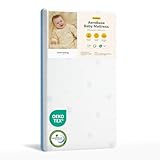
Overview: The MAMAZING Baby Crib Mattress delivers a compelling 2-stage design at an accessible price point. Constructed with 100% polyester, polyurethane foam, and air fiber, this mattress prioritizes breathability and temperature regulation. Its certifications—including GREENGUARD GOLD, CertiPUR-US, SGS, and OEKO-TEX STANDARD 100—demonstrate rigorous safety standards.
What Makes It Stand Out: This mattress distinguishes itself through exceptional certification coverage and practical design. The washable woven core promotes airflow to prevent overheating, while the machine-washable cover simplifies maintenance. The dual-sided construction accommodates both infants and toddlers, extending usable lifespan.
Value for Money: At $89.99, this mattress sits in the budget-friendly segment while offering premium safety credentials. Comparable certified mattresses often exceed $120, making this an excellent value for safety-conscious parents unwilling to compromise on certifications.
Strengths and Weaknesses: Strengths include comprehensive safety certifications, excellent breathability, easy cleaning, and 2-stage versatility. The 3.74-inch profile provides adequate support, though some parents may prefer thicker options. The vacuum-compressed shipping requires 72-hour expansion time, which demands advance planning.
Bottom Line: The MAMAZING mattress is ideal for parents seeking maximum safety certifications on a moderate budget. Its breathability and easy-clean features make it practical for daily use, while the 2-stage design ensures years of service.
7. Dourxi Crib Mattress, Dual Sided Comfort Memory Foam Toddler Bed Mattress, Triple-Layer Breathable Premium Baby Mattresses for Infant and Toddler w/Removable Outer Cover - White&Blue

Overview: The Dourxi Crib Mattress positions itself as a premium memory foam option with sophisticated layering. This 6-inch thick mattress features dual firmness for infants and toddlers, incorporating gel-infused memory foam, open-cell foam, and high-density support core to regulate temperature and provide comfort.
What Makes It Stand Out: The triple-layer construction with gel-infusion sets this apart from standard foam mattresses. The 6-inch profile offers substantial support, while the dual-sided design transitions from ultra-firm infant surface to softer toddler side. The removable white-and-blue cover adds aesthetic versatility.
Value for Money: Priced at $159.99, this represents the premium tier. The advanced foam technology, thicker profile, and 10-year warranty justify the cost compared to basic models. Parents prioritizing memory foam comfort and temperature regulation will find value here.
Strengths and Weaknesses: Strengths include superior 6-inch thickness, excellent temperature regulation, CertiPUR-US certification, and generous warranty. The memory foam construction may retain more heat than coil alternatives, despite gel infusion. The higher price point and 72-hour expansion period are considerations.
Bottom Line: For parents seeking premium memory foam comfort with advanced cooling features, the Dourxi delivers. The investment pays dividends in temperature regulation and long-term durability, backed by a substantial warranty.
8. Sealy Baby Flex Cool 2 Stage Breathable Crib Mattress with Toddler Bed Fit, Waterproof & Airy Cotton Cover, 204 Premium Coils, GREENGUARD Gold Certified, Safety & Quality Tested, Made in USA, 52x28"

Overview: The Sealy Baby Flex Cool 2-Stage mattress leverages traditional coil construction with modern cooling technology. Made in the USA with 204 premium steel coils, this mattress combines breathability with proven support mechanics. The cotton surface and airflow pockets enhance cooling, while PVC-free waterproofing ensures practicality.
What Makes It Stand Out: The 204-coil system provides superior posture support and durability unmatched by foam competitors. Sealy’s American manufacturing and GREENGUARD GOLD certification ensure quality control. The dual-sided design offers appropriate firmness progression from infant to toddler.
Value for Money: At $129.97, this mid-range priced mattress delivers premium coil construction typically found in higher-priced models. The made-in-USA quality and extensive safety testing provide excellent value for parents wanting traditional support with modern safety standards.
Strengths and Weaknesses: Strengths include exceptional coil support, superior breathability, trusted brand reputation, and comprehensive safety certifications. Potential weaknesses include heavier weight compared to foam mattresses and less contouring than memory foam options. The cotton cover may require more careful cleaning.
Bottom Line: The Sealy Baby Flex Cool is perfect for parents who trust coil support and American manufacturing. It balances traditional mattress mechanics with modern safety, offering reliable performance through toddler years.
9. Letmxiu Premium Crib & Toddler Mattress,100% Knitted Fabric, Premium Fleece Surface-Hypoallergenic, 5" Thick Firm Soft Crib Mattress, Non-Toxic - Fits Standard Cribs & Toddler Beds

Overview: The Letmxiu Premium Crib Mattress offers a budget-conscious solution with unique hand-sewn construction. At 5 inches thick, this mattress emphasizes seamless design to eliminate gaps where items could become trapped. Meeting multiple CFR safety standards, it provides fundamental protection at an accessible price.
What Makes It Stand Out: The hand-sewn, seamless cover is genuinely distinctive, creating a tight crib fit that prevents pacifier loss and eliminates hazardous gaps. The high-grade memory foam construction promises quiet, odorless performance without the chemical smells sometimes associated with compressed mattresses.
Value for Money: At $69.99, this is the most economical option reviewed. While lacking premium certifications like GREENGUARD GOLD, it meets federal flammability and safety standards. Parents on strict budgets receive adequate safety and the unique seamless benefit.
Strengths and Weaknesses: Strengths include exceptional affordability, seamless hand-sewn design, quiet velvet surface, and 5-inch thickness. Weaknesses include fewer premium certifications, less brand recognition, and potentially shorter lifespan than established competitors. The 72-120 hour expansion period requires patience.
Bottom Line: The Letmxiu mattress suits budget-focused families prioritizing seamless design over premium certifications. While basic, it meets essential safety requirements and offers surprising thickness for the price.
10. Serta Perfect Start Breathable Limited Two -Stage Crib Mattress and Toddler Mattress - Breathable Cover and Fiber Core, Machine Washable Cover, Waterproof, 7 Year Warranty, Made in USA

Overview: The Serta Perfect Start Breathable Limited Two-Stage mattress combines environmental responsibility with trusted brand performance. Constructed with a fiber core made from recycled bottles, this 5-inch mattress delivers appropriate firmness while diverting plastic waste from landfills. GREENGUARD GOLD certification ensures low chemical emissions.
What Makes It Stand Out: The recycled material construction is genuinely eco-friendly, transforming over 300 bottles into supportive fiber core. The 3-dimensional breathable cover promotes airflow, while the machine-washable design simplifies maintenance. Serta’s 7-year warranty demonstrates confidence in durability.
Value for Money: At $79.99, this mattress offers exceptional value with premium features. The eco-conscious construction, brand reputation, and extensive warranty typically command higher prices. Parents receive environmental benefits without financial premium.
Strengths and Weaknesses: Strengths include eco-friendly materials, strong brand reputation, excellent breathability, and generous warranty. The fiber core may feel different from traditional foam or coil support. Some parents might prefer thicker profiles for toddlers.
Bottom Line: The Serta Perfect Start is ideal for environmentally conscious parents seeking brand reliability. It balances sustainability, safety, and affordability, making it a smart choice for modern families wanting to reduce environmental impact.
Why Breathability Matters for Hot-Sleeping Infants
The Science Behind Infant Thermoregulation
Newborns and young babies are notoriously inefficient at regulating their body temperature. Unlike adults, infants have a higher surface-area-to-body-weight ratio, which means they both gain and lose heat more rapidly. Their sweat glands aren’t fully developed, particularly those responsible for thermoregulation, making it harder for them to cool down once overheated. A hot sleeper isn’t just uncomfortable—they’re potentially at risk. When a baby’s core temperature rises, their metabolism increases, breathing patterns can change, and they may enter a deeper sleep state that reduces arousability. A breathable mattress works as your silent partner in thermoregulation, allowing excess heat to escape from the very surface your baby lies on rather than creating a heat trap that forces their little body to work overtime.
Link Between Overheating and Sleep Safety
Research consistently shows that overheating is a significant risk factor for Sudden Infant Death Syndrome (SIDS). While the exact mechanisms remain under study, elevated body temperature appears to affect an infant’s ability to arouse from sleep when experiencing breathing difficulties. This isn’t about causing panic—it’s about understanding that sleep environment temperature directly impacts safety. A breathable crib mattress doesn’t replace safe sleep practices like back-sleeping and keeping the crib bare, but it adds a critical layer of protection by actively preventing the heat buildup that can contribute to dangerous temperature elevations. Think of it as creating a climate-controlled zone specifically where your baby spends 14-17 hours each day.
Understanding Breathable Crib Mattress Technology
What “Breathable” Actually Means in Mattress Design
The term “breathable” gets thrown around liberally in baby product marketing, but genuine breathability involves specific engineering. A truly breathable crib mattress allows air to pass vertically through the entire mattress structure—from the cover through the core and out the bottom. This isn’t just about a mesh fabric topper; it’s about creating continuous air channels that facilitate convection currents. When your baby exhales warm air and releases body heat, that thermal energy needs somewhere to go. Quality breathable mattresses use materials with open structures that create a pressure differential, drawing fresh air in from the sides and bottom while pushing warm, moist air out. This constant micro-airflow can reduce surface temperatures by 2-4 degrees Fahrenheit compared to traditional mattresses.
How Airflow Works Through Mattress Layers
Imagine a multi-layer system where each component serves a specific ventilation purpose. The cover material acts as the first point of contact, wicking moisture while allowing air passage. Beneath that, comfort layers (if present) must maintain open-cell structures rather than dense padding. The core—whether foam, innerspring, or natural fiber—needs dedicated channels or inherently porous architecture. Finally, the mattress underside should interact with the crib base to continue airflow rather than creating a solid barrier. Some advanced designs incorporate 3D spacer fabrics that literally create a three-dimensional structure, like a microscopic jungle gym for air molecules to travel through unrestricted. This holistic approach ensures breathability isn’t just surface-deep but works through the entire mattress profile.
Core Materials That Promote Breathability
Open-Cell Foam vs. Closed-Cell Foam
Foam mattresses dominate the market, but not all foams breathe equally. Closed-cell foam, often found in cheaper mattresses, is essentially a solid block of plastic with trapped air bubbles. It acts like a thermal insulator—great for keeping coffee hot but terrible for keeping babies cool. Open-cell foam, conversely, has interconnected pores that create a network of air passages. When compressed by your baby’s weight, these cells don’t just collapse; they pump air through the material like a sponge squeezing out water. High-resilience open-cell foam maintains its structure longer while still allowing this crucial air exchange. Look for foams with density ratings between 1.5-2.0 lbs/ft³ for optimal durability without sacrificing airflow.
Innerspring Systems and Air Circulation
Traditional innerspring mattresses naturally excel at breathability simply because steel coils create vast air chambers within the mattress core. Modern designs have improved on this by using individually pocketed coils that move independently, preventing the creation of solid barriers between springs. The spaces between coils act as continuous air highways, allowing heat to dissipate rapidly. However, the layers above and below these springs matter immensely. A breathable innerspring mattress pairs those air-friendly coils with minimal, open-structured padding and mesh covers. Some manufacturers even design the coil system to work symbiotically with slatted crib bases, creating a complete ventilation system from mattress bottom to top.
Natural Fiber Cores: Coconut Fiber and Latex
For parents prioritizing natural materials, coconut fiber (coir) and natural latex offer excellent breathability. Coir, made from coconut husks, has a naturally springy, open structure that maintains air channels even under compression. It’s naturally moisture-resistant and antimicrobial, addressing multiple sleep environment concerns simultaneously. Natural latex, particularly Dunlop latex, features an open-cell structure similar to quality foam but derived from rubber tree sap. It breathes exceptionally well while providing firm, responsive support. However, ensure any latex is certified organic and processed without harsh chemicals, and verify your baby has no latex sensitivities (rare but possible).
Cover Materials That Make or Break Airflow
Organic Cotton Mesh Covers
The cover is your breathable mattress’s frontline worker. Organic cotton mesh combines the safety of natural fibers with engineered breathability. Unlike tightly woven cotton that blocks air, mesh weaves create purposeful gaps between threads while maintaining structural integrity. The organic certification ensures no pesticide residues or chemical treatments clog those vital air channels. These covers typically feature a three-dimensional knit structure that lifts your baby slightly off the mattress surface, creating a micro-air pocket that immediately dissipates heat and moisture. This slight elevation—often just 1-2 millimeters—can dramatically reduce sweat accumulation on your baby’s skin.
Spacer Fabric Technology
Originally developed for athletic wear and medical applications, spacer fabric represents the cutting edge of breathable mattress covers. This material sandwiches a monofilament yarn layer between two fabric faces, creating a breathable, cushiony space that air moves through freely. Think of it as a fabric sandwich where the filling is pure air circulation. Spacer fabric covers can reduce heat retention by up to 50% compared to traditional quilted covers while still providing a soft, comfortable surface. They’re also incredibly durable, maintaining their three-dimensional structure through hundreds of washes—a critical feature for a mattress that will likely face numerous nighttime accidents.
Bamboo-Derived Rayon Covers
Bamboo-derived rayon (often labeled as bamboo viscose) offers exceptional moisture-wicking properties—up to four times more effective than cotton. While the manufacturing process involves chemical processing, the resulting fiber has natural temperature-regulating qualities. The key is ensuring the final product is OEKO-TEX certified, confirming no harmful chemical residues remain. These covers feel noticeably cooler to the touch and excel at pulling sweat away from your baby’s skin, allowing it to evaporate quickly. However, they should complement, not replace, a truly breathable core material.
Non-Negotiable Safety Certifications
GREENGUARD Gold Standard
When a mattress carries GREENGUARD Gold certification, it means the entire product has been tested for over 10,000 chemicals and volatile organic compounds (VOCs) and meets the strictest standards for low emissions. This matters for breathability because chemical off-gassing can actually impede airflow—the molecules released can coat fibers and reduce their porousness over time. More importantly, a baby breathing rapidly in a sleep space needs the cleanest air possible. The Gold standard is specifically designed for sensitive populations like children and the elderly, making it the benchmark for truly safe nursery products.
CertiPUR-US Certification
For any foam mattress, CertiPUR-US is essential. This certification guarantees the foam is made without ozone depleters, PBDE flame retardants, heavy metals, formaldehyde, and phthalates. Critically for hot sleepers, CertiPUR-US foams must have low VOC emissions—less than 0.5 parts per million. High VOC levels can actually create a film on foam cell walls, gradually reducing breathability. The certification also ensures the foam has been tested for durability and performance, meaning those open cells should remain open throughout the mattress’s usable life rather than collapsing and sealing off air channels.
Global Organic Textile Standard (GOTS)
When choosing organic materials for breathability, GOTS certification goes beyond just “organic.” It ensures the entire supply chain, from raw fiber to finished product, meets strict environmental and social criteria. For breathable mattresses, GOTS-certified cotton or wool hasn’t been treated with finishing agents that could block pores or fibers. The certification also prohibits certain metal-containing dyes that can off-gas or create a barrier to airflow. A GOTS-certified cover guarantees the organic material’s natural breathability hasn’t been compromised by processing chemicals.
Key Features to Prioritize in Your Search
Dual-Sided Firmness for Longevity
A breathable mattress that grows with your child offers better value and consistent temperature regulation. Dual-sided designs feature an extra-firm infant side and a slightly softer toddler side. The infant side prioritizes maximum firmness for safety while maintaining breathability through minimal, open-celled comfort layers. The toddler side adds cushioning but should use breathable materials like natural latex or ventilated foam rather than dense memory foam. This design ensures you don’t have to compromise on breathability when your child transitions from infant to toddler, maintaining that cool sleep environment for years.
Waterproof Layers That Breathe
Waterproofing traditionally means vinyl or plastic barriers that completely block airflow. Modern breathable mattresses use innovative solutions like food-grade polyethylene waterproofing, which is thin, non-toxic, and allows some air permeability. Better yet, some designs place the waterproof layer beneath the primary breathable cover, protecting the core from accidents while letting the cover dry quickly. The gold standard is a waterproof layer that uses microporous technology—tiny holes small enough to block liquids but large enough for air molecules to pass through. This maintains the hygiene essential for infants without creating a heat trap.
Edge Support and Airflow
While edge support might seem unrelated to breathability, poorly designed perimeter support can create solid barriers that block side-to-side air circulation. Quality breathable mattresses use ventilated edge supports—foam rails with cut-out channels or reinforced mesh that maintains structure while allowing air passage. This is particularly important because babies often end up sleeping near crib edges as they grow and move more during sleep. Those edges shouldn’t become heat islands where airflow stops. Test edge breathability by pressing firmly along the perimeter and feeling for air movement through the cover.
Red Flags: What to Avoid
Vinyl and PVC Components
Vinyl covers, while cheap and waterproof, create an impermeable barrier that traps heat and moisture. They can increase surface temperatures by 5-7 degrees compared to breathable alternatives. More concerning, vinyl off-gasses phthalates and VOCs, especially when warm—exactly the conditions created by a hot-sleeping baby. Even vinyl “windows” or patches on otherwise breathable mattresses create concentrated heat zones. If a mattress uses any vinyl components, it’s automatically disqualified for hot sleepers regardless of other features.
Chemical Flame Retardants
Many chemical flame retardants, particularly halogenated compounds, create a film on fabric and foam surfaces that reduces breathability. These chemicals can also break down into airborne particles that, when inhaled by a rapidly breathing infant, pose respiratory concerns. Modern breathable mattresses achieve fire safety through inherently flame-resistant materials like wool barriers or tightly woven rayon fibers derived from bamboo or eucalyptus. These natural solutions maintain open structures while meeting all federal flammability standards without chemical additives that compromise airflow.
Misleading Marketing Terms
“Breathe-easy,” “air-flow,” and “ventilated” are unregulated terms that manufacturers use loosely. A mattress with a few vent holes on the side isn’t truly breathable—it’s a marketing gimmick. Similarly, “organic” doesn’t automatically mean breathable; an organic cotton cover over a solid foam core still traps heat. Watch for phrases like “breathable where it matters” or “strategic ventilation,” which often indicate limited, superficial airflow features. True breathability is comprehensive, not localized. Always ask for specific airflow testing data or third-party breathability certifications rather than accepting catchy taglines.
The Role of Mattress Foundation and Bedding
Slatted Base Optimization
Your breathable mattress can’t perform in isolation. The crib base must complement its airflow design. Slats should be no more than 2 3/8 inches apart for safety, but also wide enough to allow substantial air intake. Solid platform bases, even with a breathable mattress, create a dead air space underneath that reduces overall ventilation. Consider a slatted base with slight elevation—some modern cribs feature bases with small risers that create a 1/2 inch air gap between slats and mattress bottom. This transforms the entire crib into a ventilation system, pulling cool air from below and pushing warm air out through mattress sides.
Fitted Sheet Selection for Maximum Breathability
Even the most breathable mattress fails if covered with a non-breathable sheet. Tightly woven cotton sheets can block up to 40% of a mattress’s airflow. Instead, choose fitted sheets specifically designed for breathability—look for terms like “jersey knit,” “muslin,” or “bamboo rayon” with a thread count under 200. The sheet should fit snugly for safety but feel light and airy to the touch. Some parents use a second, breathable mattress protector between sheet and mattress, but this creates another barrier. If you must use a protector, choose one made from the same spacer fabric technology used in premium mattress covers, and never use a waterproof protector on top of a breathable mattress—it defeats the entire purpose.
Budget Considerations Without Compromising Safety
Understanding Price Tiers
Breathable crib mattresses typically range from $150 to $400, with premium options reaching $600. The $150-$250 range offers genuine breathability using open-cell foam cores and mesh covers, often with GREENGUARD Gold certification. Mid-tier ($250-$350) introduces natural materials like latex or coir, dual-sided designs, and advanced cover technologies like spacer fabric. Premium options ($350+) combine multiple breathable technologies—like innerspring cores with natural fiber layers and 3D-knit covers—while adding luxury features like reinforced edges and extended warranties. For hot sleepers, the sweet spot is typically $200-$300, where you get proven breathable technology without paying for features that don’t impact temperature regulation.
When to Invest More
Consider spending at the higher end if your baby has severe heat sensitivity, eczema (where sweat exacerbates skin irritation), or if you live in a warm climate without air conditioning. In these cases, the incremental breathability of premium materials like natural latex or advanced spacer fabrics justifies the cost. Also invest more if you plan to use the mattress for multiple children—higher-quality materials maintain their breathability longer. However, never compromise on core certifications for budget reasons. A $150 mattress with proper GREENGUARD and CertiPUR-US certifications is infinitely safer than a $400 mattress without them, regardless of breathability claims.
Real-World Testing Methods for Parents
The Hand Test
Place your palm flat on the mattress surface and press down firmly. Hold for 10 seconds, then lift your hand quickly. You should feel a noticeable rush of air against your skin—the air that was trapped beneath your hand escaping through the material. Repeat this test on multiple spots, including edges. If you feel minimal air movement or just warmth, the mattress lacks genuine through-airflow. This simple test reveals whether the breathability is surface-level or penetrates deep into the core.
The Breath Test
Remove all bedding and press your mouth directly against the mattress surface. Try to breathe through the material. A truly breathable mattress will allow you to inhale and exhale with only slight resistance—similar to breathing through a thin cloth. If you can’t draw air through, your baby certainly can’t dissipate heat effectively. While this test seems extreme, it directly demonstrates whether air channels connect the surface to the core. Some parents hesitate to put their mouth on a mattress, but remember: your baby will have their face against it for hours. If you can’t breathe through it, they can’t thermoregulate through it.
Observation Strategies
Set up a controlled test before your baby arrives (or during naps). Place a thermometer between the mattress and a fitted sheet, then have your baby sleep for an hour. Check the temperature reading, then compare it to room temperature. A breathable mattress should show minimal elevation—ideally less than 2 degrees. Also monitor humidity levels directly above the mattress surface using a small hygrometer. High humidity indicates trapped moisture. After your baby wakes, check for damp spots on the sheet. A dry sheet over a breathable mattress means sweat is evaporating effectively rather than accumulating.
Common Myths About Breathable Mattresses
“Firmness Reduces Breathability”
Many parents worry that the firm surface required for infant safety must be dense and therefore hot. This is false. True breathability and proper firmness work together. Open-cell foam can be made extremely firm—meeting the indentation force deflection (IFD) standards for infants—while maintaining air channels. Innerspring systems are naturally both firm and breathable. The key is avoiding soft, contouring materials like memory foam that create body impressions where heat concentrates. A quality breathable infant mattress feels hard to adult touch but still ventilates effectively because the materials support without conforming.
“All Organic Mattresses Are Breathable”
Organic certification addresses chemical inputs, not engineering. An organic mattress could use dense, minimally processed cotton batting that absorbs moisture but doesn’t promote airflow, creating a damp, warm environment. Conversely, a non-organic mattress using certified-safe synthetic materials might breathe exceptionally well. Prioritize breathability engineering first, then seek organic certifications within those parameters. If organic is important for your family, look for GOTS-certified covers over proven breathable cores rather than assuming “organic” solves the heat problem.
Environmental Factors in the Nursery
Room Temperature and Humidity
Even the most breathable mattress can’t overcome an overly warm nursery. The ideal sleep environment stays between 68-72°F with 40-60% relative humidity. Use a reliable room thermometer placed at crib level (not wall height, where temperatures differ). In humid climates, a small dehumidifier near the crib can help the mattress’s evaporation process work more efficiently. Remember, breathable mattresses manage microclimate—the immediate area around your baby—but work best within reasonable ambient conditions. Don’t expect miracles if the room is 78 degrees.
Sleep Sack vs. Blanket Decisions
For hot sleepers, sleep sacks made from bamboo rayon or lightweight merino wool complement breathable mattresses perfectly. These materials regulate temperature actively, working with the mattress rather than against it. Avoid fleece sleep sacks, which trap heat, and never use blankets with a breathable mattress—they create an impermeable layer that defeats the entire system. The mattress-to-sack combination should be your complete temperature management strategy. Some parents find that switching to a breathable mattress allows them to use a slightly heavier sleep sack in cooler months without overheating, as the mattress efficiently removes excess warmth.
Maintenance and Longevity
Cleaning Without Clogging Air Channels
Breathable mattresses require specific cleaning approaches. Harsh detergents can leave residues that block pores. Use mild, fragrance-free soap and minimal water when spot cleaning. For deeper cleans, some breathable mattresses have removable, machine-washable covers—always air dry these to prevent shrinkage that could tighten the weave and reduce airflow. Never saturate the mattress core with liquid; even breathable materials can develop mold if waterlogged. For urine accidents, blot immediately, use a vinegar solution sparingly, and allow thorough air drying in sunlight when possible. UV rays naturally sanitize while helping evaporate any residual moisture from deep within the core.
When to Replace Your Breathable Mattress
Breathability diminishes over time as materials compress and pores collapse. Most quality breathable mattresses maintain effective airflow for 5-7 years, but watch for warning signs. If your previously comfortable baby starts sweating more despite no environmental changes, the core may be failing. Perform the hand test monthly; reduced air rush indicates compression. Visible sagging or permanent body impressions deeper than 1.5 inches mean the support structure has collapsed, taking air channels with it. For hot sleepers, consider replacing at the first signs of reduced breathability rather than waiting for full structural failure. The cooling benefits are the primary reason you chose the mattress—don’t compromise them.
Making the Final Decision
Your Baby’s Specific Needs
Every hot sleeper is different. A baby who runs warm but sleeps still may do fine with a simpler open-cell foam design. An active sleeper who generates more heat through movement benefits more from innerspring or advanced spacer fabric systems. Consider your climate, your home’s HVAC capabilities, and your baby’s typical sleep position. Side-sleepers (once they reach that milestone independently) need maximum edge breathability. Back-sleepers need consistent airflow across the entire surface. There’s no universal “best” breathable mattress—only the best match for your specific situation.
Trusting Your Parental Instinct
After researching certifications, testing materials, and comparing features, trust your gut. If a mattress feels stuffy to your touch, it will feel stuffy to your baby. If the marketing claims seem vague or the salesperson can’t explain the specific airflow technology, keep looking. The right breathable mattress for your hot sleeper will immediately feel different—cooler, airier, and somehow “lighter” than traditional options. When you find it, you’ll know. And more importantly, your well-rested, comfortably cool baby will show you through better sleep and fewer night wakings.
Frequently Asked Questions
How do I know if my baby is actually overheating or just a warm sleeper?
Look for signs beyond warm skin. Check if your baby’s chest or back feels sweaty, if their hair is damp, or if they’re unusually fussy despite being fed and changed. A baby who’s simply warm will have dry skin and rest comfortably. True overheating often accompanies rapid breathing, flushed cheeks, and restlessness. Use a rectal thermometer if concerned—temperatures above 100.4°F warrant pediatric consultation.
Can a breathable crib mattress completely prevent SIDS?
No product can guarantee SIDS prevention. Breathable mattresses reduce one risk factor—overheating—but must be used as part of comprehensive safe sleep practices: always place baby on their back, use a firm sleep surface, keep the crib bare (no pillows, blankets, or bumpers), and avoid overheating through appropriate clothing and room temperature. Breathability is a risk reducer, not a risk eliminator.
Are breathable mattresses more likely to harbor mold or mildew?
Actually, the opposite is true. By allowing moisture to evaporate quickly rather than absorbing and retaining it, breathable mattresses create an environment less hospitable to mold. However, proper maintenance is crucial. Never saturate the mattress during cleaning, ensure complete drying after accidents, and use a breathable (not waterproof) protector if needed. The constant air movement inhibits microbial growth.
Do breathable mattresses make noise when baby moves?
Quality breathable mattresses are silent. While some innerspring models may have slight coil noise, modern pocketed coil systems are virtually silent. Foam and natural fiber cores shouldn’t produce sound. If you hear rustling or crinkling, it likely indicates a waterproof layer or low-quality materials interfering with the breathable design. The best breathable mattresses maintain quiet while moving air.
How often should I rotate a breathable crib mattress?
Rotate every 2-3 weeks for the first six months, then monthly thereafter. This prevents uneven compression of air channels. Unlike traditional mattresses, you’re not just preventing sagging—you’re ensuring consistent airflow across the entire surface. Mark your calendar to rotate both head-to-foot and flip sides if it’s a dual-firmness model. Consistent rotation maintains the breathability your hot sleeper depends on.
Will a breathable mattress feel too cold in winter?
Breathable mattresses regulate temperature in both directions—they don’t just cool, they prevent heat buildup. In winter, they’ll maintain a neutral temperature rather than feeling cold. Your baby’s body heat warms the immediate sleep surface, and the breathability prevents that warmth from becoming excessive. Pair with an appropriate sleep sack for the season. Many parents find their baby actually sleeps more comfortably in winter with a breathable mattress because they avoid the sweaty-wake cycle that can occur with overheating even in cool rooms.
Can I use a breathable mattress with a bedside sleeper or mini crib?
Yes, but verify the specific dimensions and airflow requirements. Some bedside sleepers have solid sides that limit air circulation, making mattress breathability even more critical. Mini cribs often use thinner mattresses, which can actually breathe better due to reduced material depth. Always check that the mattress fits snugly with no gaps larger than two fingers between mattress and crib walls, as breathability doesn’t compensate for unsafe fit.
What’s the difference between breathable and “airflow” mattresses?
“Airflow” is often a marketing term for mattresses with limited ventilation features, like side vents or perforated foam. True breathability means air moves vertically through the entire mattress structure. While side vents can help, they’re insufficient alone. A genuine breathable mattress works from top to bottom, not just around the edges. Always ask whether airflow is surface-only or penetrates the core.
Do I need special sheets for a breathable mattress?
Standard cotton sheets can work if they’re lightweight (under 200 thread count) and fit snugly without being overly tight. However, sheets specifically designed for breathability—made from bamboo rayon, jersey knit, or organic muslin—enhance the mattress’s cooling properties. Avoid flannel, fleece, or high-thread-count sateen sheets. The sheet should feel light and slightly textured rather than smooth and dense.
How do breathable mattresses compare to traditional mattresses with a fan in the nursery?
A fan improves room air circulation but doesn’t address the microclimate directly against your baby’s body. A breathable mattress manages heat and moisture at the source—where your baby’s body meets the sleep surface. Using both is ideal: a fan maintains comfortable ambient conditions while the breathable mattress prevents heat buildup at the point of contact. However, if choosing one, the breathable mattress has more direct impact on your baby’s temperature regulation during sleep.