Building a thoughtful children’s library doesn’t require a sprawling bookshelf or a bottomless budget. In fact, some of the most impactful early learning happens with a carefully curated collection of just ten quality board-book sets—especially when you can assemble the entire capsule for under $60. This approach isn’t about deprivation; it’s about intentionality, selecting books that grow with your child, spark repeated engagement, and deliver exceptional developmental value without cluttering your home or draining your wallet.
The magic of a capsule library lies in its focus on versatility and durability. Board books, with their sturdy pages and toddler-proof construction, are the natural cornerstone. They survive teething babies, enthusiastic page-flapping, and the occasional bath-time adventure while introducing foundational concepts that shape early literacy, emotional intelligence, and cognitive development. Let’s explore how to build a collection that feels expansive in value, not in volume.
Top 10 Board-Book Sets Under $60
Detailed Product Reviews
1. Little Feminist Board Book Set
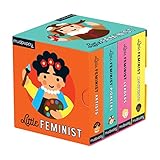
Overview: This award-winning board book set introduces toddlers and preschoolers to influential women throughout history through colorful, age-appropriate illustrations. The collection features 8 chunky pages per book, showcasing figures like Maya Angelou, Rosa Parks, Amelia Earhart, and more. At 4 x 4 x 4 inches, these compact books are perfectly sized for small hands to manipulate and for tossing in a diaper bag for on-the-go learning. Created by Mudpuppy, a brand with over 25 years of experience in screen-free educational products, the set serves as an excellent early tool for building cultural awareness and empowerment.
What Makes It Stand Out: The set’s commitment to diverse representation sets it apart from typical toddler books. Rather than simple animal or shape recognition, it introduces complex historical figures through simplified, engaging illustrations by Lydia Ortiz and accessible text by Emily Kleinman. The Oppenheim Awards Gold Seal recognition validates its educational merit. The screen-free philosophy aligns with modern parenting values about reducing digital exposure while maximizing developmental benefits. Each book balances realism with child-friendly imagery, making abstract historical concepts tangible for the youngest learners.
Value for Money: At $13.94 for multiple books featuring high-quality illustrations and award-winning content, this set offers exceptional value. Individual board books of similar quality typically retail for $5-8 each, making this collection significantly more economical. The durable construction ensures longevity through heavy toddler use, while the educational content provides lasting value beyond simple entertainment. For parents seeking purposeful, representation-rich materials, the price point is justified compared to generic board book sets.
Strengths and Weaknesses: Strengths: Diverse, inspiring content; award-winning quality; portable size; sturdy construction; screen-free educational focus. Weaknesses: Limited 8-page format may leave older toddlers wanting more; some concepts may be too abstract for children under 18 months; higher price than basic concept books.
Bottom Line: This set is an excellent investment for parents prioritizing diversity and early social awareness. While slightly more advanced than basic ABC books, it fills a crucial gap in early childhood literature by normalizing conversations about influential women from the start.
2. Dr. Seuss’s Beginner Book Boxed Set Collection: The Cat in the Hat; One Fish Two Fish Red Fish Blue Fish; Green Eggs and Ham; Hop on Pop; Fox in Socks

Overview: This boxed set delivers five cornerstone Dr. Seuss classics: The Cat in the Hat, One Fish Two Fish Red Fish Blue Fish, Green Eggs and Ham, Hop on Pop, and Fox in Socks. These hardcover editions represent the gold standard of early reading material, combining whimsical storytelling with proven phonetic learning principles. Ideal for both read-aloud sessions and independent reading practice, the collection serves children from preschool through early elementary years. The iconic rhymes and characters have introduced generations to the joy of reading, making this set a cultural staple for family libraries.
What Makes It Stand Out: Dr. Seuss’s mastery of simple vocabulary, rhythmic patterns, and repetitive structures creates an unparalleled foundation for reading success. The nonsensical stories engage children’s imagination while systematically building phonemic awareness. This particular collection bundles the most effective beginner titles into one cohesive package, eliminating guesswork for parents. The durable hardcover format ensures these books withstand repeated readings, while the boxed presentation makes it gift-ready for baby showers, birthdays, and holidays. The timeless appeal transcends generations, creating shared reading experiences between parents and children.
Value for Money: Priced at $26.47 for five hardcover classics, this set offers substantial savings compared to purchasing titles individually, which would cost $8-12 each. The investment in quality literature that grows with your child from toddlerhood through first grade represents excellent long-term value. These books rarely appear in discount formats, making this official collection the most economical way to acquire authentic, durable editions of these essential titles.
Strengths and Weaknesses: Strengths: Proven reading instruction methodology; timeless, engaging stories; durable hardcover construction; comprehensive beginner collection; culturally significant literature. Weaknesses: Higher initial cost than board book sets; some outdated cultural depictions may require parental context; length may challenge the youngest attention spans.
Bottom Line: This collection belongs in every child’s home library. While the price exceeds simple board book sets, the educational pedigree and lasting literary value justify the investment for families committed to raising confident readers.
3. Junie B. Jones’s First Boxed Set Ever! (Books 1-4)

Overview: This introductory boxed set launches young readers into Barbara Park’s beloved chapter book series following the spirited kindergartener Junie B. Jones. The collection includes the first four books, transitioning children from picture books to longer narratives with simple sentences and abundant illustrations. Targeting emerging readers ages 5-8, these stories chronicle Junie’s humorous misadventures in school and family life. The compact boxed format keeps the series organized while providing children a sense of accomplishment as they progress through multiple chapters and complete entire books independently.
What Makes It Stand Out: Junie B.’s authentic, first-person voice captures the genuine perspective of a five-year-old, complete with grammatical quirks and emotional honesty that children find relatable and hilarious. Unlike sanitized early readers, these books validate real childhood feelings—frustration, jealousy, excitement—helping young readers develop emotional literacy alongside reading skills. The series successfully bridges the gap between leveled readers and full chapter books, with consistent characters and predictable structures that build reading confidence. The boxed set format encourages binge-reading in young bibliophiles.
Value for Money: At $10.58 for four early chapter books, this set represents exceptional affordability. Individual Junie B. Jones paperbacks typically retail for $4-5 each, making the bundled price a genuine bargain. For families navigating the expensive transition to chapter books, this low-risk investment allows children to explore a new format without significant financial commitment. The entertainment value per dollar is high, as these humorous stories often inspire reluctant readers to tackle longer texts.
Strengths and Weaknesses: Strengths: Hilarious, relatable content; excellent bridge to chapter books; builds reading stamina; affordable entry point; encourages independent reading. Weaknesses: Junie’s intentional grammatical errors may concern some parents; content suits kindergarten+ rather than toddlers; paperback format less durable than board books; limited visual support for struggling readers.
Bottom Line: Perfect for emerging readers ready to graduate from picture books. While not suitable for babies or toddlers, this set offers tremendous value for kindergarteners and first-graders, particularly those who appreciate humor and strong narrative voice.
4. Fisher Price My First Books Set of 4 Baby Toddler Board Books (ABC Book, Colors Book, Numbers Book, Opposites Book)

Overview: This set of four board books leverages familiar Fisher Price characters to teach fundamental concepts: ABCs, colors, numbers, and opposites. Each 12-page book measures 4 x 4 inches, making them easy for small hands to hold and manipulate. Designed for ages 3-6, the books feature colorful illustrations that pair beloved toy brand mascots with essential early learning content. The compact format suits home use and travel equally well, while the durable board construction withstands the chewing, dropping, and rough handling typical of toddler exploration. The set provides a comprehensive introduction to core preschool knowledge areas.
What Makes It Stand Out: The Fisher Price brand recognition creates instant trust and engagement for children already familiar with the characters from toys and media. The systematic coverage of four critical learning domains—alphabet, numbers, colors, and opposites—offers a complete preschool prep package in one purchase. Unlike generic concept books, the character integration makes abstract learning more concrete and entertaining for young children. The 12-page format provides more content than many board books without overwhelming developing attention spans. Manufactured exclusively for Crenstone, the set maintains consistent quality across all four titles.
Value for Money: At $11.99 for four branded board books, this set sits at the sweet spot of affordability and quality. Comparable licensed character books typically cost $4-6 each, making this bundle economically attractive. The durable construction ensures the set survives multiple children, potentially serving families for several years. For parents seeking a trusted brand to introduce basic concepts, the price reflects fair market value without premium markup, especially considering the multi-book format.
Strengths and Weaknesses: Strengths: Trusted brand recognition; comprehensive concept coverage; durable board construction; portable size; character engagement for reluctant learners. Weaknesses: Generic content lacks unique educational innovation; age range 3-6 may be optimistic for full comprehension; illustrations are functional rather than artistic; no storage solution included.
Bottom Line: A reliable, no-frills choice for parents wanting branded content to teach basic concepts. While not particularly innovative, the Fisher Price name and solid construction make this a practical addition to any toddler’s learning library at a reasonable price point.
5. Disney Mickey Mouse My First Books – Set of 4 Shaped Disney Mickey Mouse Board Books for Toddlers Kids
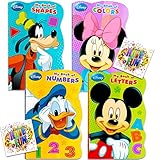
Overview: This Disney-licensed set features four die-cut board books shaped around the iconic Mickey Mouse silhouette, introducing toddlers to ABCs, colors, numbers, and shapes through the world’s most recognizable cartoon character. Measuring 8.25 x 5.5 inches, these substantial books command attention while remaining manageable for small hands. The included storage case with handle encourages cleanup and portability, making the set ideal for both home organization and travel. Mickey and his classic friends serve as guides through essential early learning concepts, leveraging nearly a century of character familiarity to create instant engagement with educational content.
What Makes It Stand Out: The innovative shaped design transforms ordinary concept books into tactile, interactive objects that toddlers want to hold and explore. Unlike standard rectangular board books, the Mickey silhouette creates a multi-sensory experience that enhances memory retention. The dedicated storage case solves the common parental frustration of scattered books while teaching organizational skills. Disney’s unparalleled brand recognition means children approach learning with pre-existing emotional attachment to the characters. The larger format allows for more detailed illustrations and bigger text, benefiting both visual and cognitive development.
Value for Money: At $13.99 for four shaped books plus storage case, the set commands a modest premium over basic board books, which is justified by the Disney licensing and unique design elements. Individual shaped books typically retail for $5-7, making the bundled price competitive. The included case adds practical value that generic sets lack. For Disney-loving families, the character-driven engagement can accelerate learning, providing intangible value beyond the physical components. The sturdy construction ensures longevity, making the per-use cost negligible over time.
Strengths and Weaknesses: Strengths: Iconic character appeal; innovative shaped design; included storage case; larger, detailed illustrations; multi-sensory learning experience. Weaknesses: Premium pricing over non-licensed alternatives; larger size reduces portability compared to pocket-sized books; limited to four basic concepts; Disney branding may not appeal to all families.
Bottom Line: An excellent choice for families where Mickey Mouse already holds court. The shaped design and storage case add genuine functionality, making the modest price premium worthwhile for Disney enthusiasts seeking engaging early learning tools.
6. My First English - Español Learning Library (Mi Primera English - Español Learning Library): Boxset of 10 English - Spanish Board Books (Spanish Edition)

Overview: This comprehensive boxset delivers ten sturdy board books designed to introduce young children to bilingual language learning. The Spanish Edition format provides an immersive English-Spanish experience perfect for toddlers at critical language development stages. Each book focuses on foundational vocabulary and simple concepts, making it an ideal tool for families raising bilingual children or introducing early Spanish exposure.
What Makes It Stand Out: The bilingual approach sets this collection apart from standard board book sets. Rather than simple storytelling, it actively builds language skills through parallel English-Spanish text. The ten-book format offers exceptional breadth, covering diverse topics that expand a child’s vocabulary in both languages simultaneously. This creates a natural learning environment that mirrors how bilingual children acquire language skills.
Value for Money: At $22.13 for ten books, you’re paying approximately $2.21 per book—a reasonable investment for specialized bilingual content. Comparable single bilingual books often retail for $5-8 each, making this set economically attractive. The educational value extends beyond typical storybooks, offering lasting language development benefits that justify the modest premium over monolingual sets.
Strengths and Weaknesses: Strengths include durable board construction for toddler handling, systematic bilingual exposure, and comprehensive topic coverage. The set excels at building early language foundations. Weaknesses involve the lack of detailed feature descriptions, potentially limited appeal for non-bilingual households, and basic illustrations that prioritize function over artistic flair. The Spanish Edition designation might confuse buyers seeking an English-dominant introduction to Spanish.
Bottom Line: An excellent investment for bilingual families or parents committed to early Spanish language acquisition. The set’s educational focus and durable format make it a practical choice for toddlers, though families seeking purely entertainment-based reading might find it overly instructional.
7. Green Toys Airplane & Board Book (color may vary)
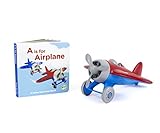
Overview: This eco-conscious combo pairs a toy airplane with a coordinating board book, delivering screen-free play for toddlers while championing environmental responsibility. Made entirely from recycled materials in the USA, this set represents a sustainable alternative to conventional plastic toys and books. The package includes both a physical vehicle for imaginative play and a storybook that extends the experience into literacy.
What Makes It Stand Out: The unwavering commitment to sustainability distinguishes this product. Every component—from the 100% recycled materials to soy-based inks and recyclable packaging—demonstrates environmental stewardship. The Made in USA certification ensures quality manufacturing while reducing carbon footprint. Parents seeking non-toxic options appreciate the absence of BPA, phthalates, and PVC, addressing health concerns common in children’s products.
Value for Money: At $18.78, you pay a premium for eco-friendly manufacturing, but the dual-product offering (toy + book) provides solid value. Comparable quality toys alone often cost $12-15, with board books adding another $5-8. The durability of recycled plastic matches conventional materials, while the health and environmental benefits deliver intangible value that justifies the price for conscious consumers.
Strengths and Weaknesses: Strengths include exceptional safety standards, environmental integrity, and the engaging toy-book combination that promotes both play and reading. The durable construction withstands rough toddler handling. Weaknesses center on the “color may vary” limitation, removing choice from the purchase. The minimalist design prioritizes function over flashy features, potentially disappointing children attracted to bright electronics. Limited availability in mainstream retail channels can also inconvenience some buyers.
Bottom Line: A top-tier choice for environmentally conscious families who refuse to compromise on safety or quality. The premium price delivers measurable ethical and health benefits, making it worth every penny for parents prioritizing sustainability over cost.
8. Dora The Explorer Baby Toddler Board Books - Set of Four
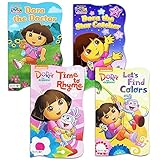
Overview: This licensed four-book collection combines the adventurous spirit of Dora the Explorer with My Little Pony’s magical friendship, creating a character-driven introduction to reading for toddlers. The set includes three Dora titles and one My Little Pony book, each featuring ten sturdy pages of simple sentences and vibrant illustrations. Measuring 8 by 5 inches, these books fit comfortably in small hands while withstanding typical toddler wear.
What Makes It Stand Out: The strategic blend of two beloved franchises maximizes appeal across different interests. Dora’s problem-solving narratives complement My Little Pony’s friendship themes, offering variety within a cohesive learning framework. Official Nickelodeon licensing ensures authentic character representation that resonates with young fans. The short, declarative sentences specifically target emergent readers, making this an intentional literacy tool rather than mere merchandise.
Value for Money: Priced at $11.99 for four books ($3 per book), this set sits squarely in the standard range for licensed character merchandise. Compared to individual licensed board books retailing for $4-6 each, the bundle offers modest savings. The educational scaffolding for beginning readers adds value beyond simple entertainment, positioning it as a purposeful purchase rather than impulse character merchandise.
Strengths and Weaknesses: Strengths include guaranteed character appeal that motivates reluctant readers, appropriate sizing for toddlers, and carefully leveled text for early literacy. The mix of franchises provides variety. Weaknesses involve the extremely brief ten-page format, limiting story depth and reading duration. The 3:1 franchise ratio may disappoint children who strongly prefer one property over the other. Licensed content sometimes prioritizes character recognition over narrative quality.
Bottom Line: An engaging starter set for toddlers already invested in these characters. While not the most comprehensive library addition, it successfully leverages pop culture appeal to build early reading habits, making it a smart choice for fans despite its brevity.
9. Sesame Street Beginnings Board Books - Set of Four

Overview: Sesame Street Beginnings delivers four uniquely shaped board books starring iconic characters: Big Bird, Elmo, Cookie Monster, and Abby Cadabby. Each ten-page book explores toddler-relevant themes—body parts, zoo adventures, bath time bubbles, and bedtime routines. The shaped design deviates from traditional rectangular books, creating a tactile experience that complements the vibrant illustrations. Measuring 8x6 inches, these sturdy books target the youngest readers.
What Makes It Stand Out: The contoured, character-shaped pages create an interactive dimension that standard board books lack. This tactile element engages multiple senses, reinforcing learning through touch. The carefully curated titles address specific developmental milestones—from body awareness to sleep routines—demonstrating Sesame Workshop’s educational expertise. Featuring classic and contemporary characters ensures multi-generational appeal while staying current with modern audiences.
Value for Money: At $11.99 for four books ($3 each), pricing aligns with licensed character market rates. The shaped format typically commands a premium over standard board books, making this set competitively priced. Sesame Street’s trusted educational pedigree provides additional value, as content is developed by child development experts. Parents invest in both entertainment and research-backed learning principles.
Strengths and Weaknesses: Strengths include the innovative shaped design that captivates toddlers, trusted brand educational quality, and relatable real-world themes. The diverse character roster maintains interest across different preferences. Weaknesses involve the ten-page brevity that limits story complexity, and shaped edges that may show wear faster than straight-edged boards. The 8x6 size, while handleable, is slightly bulky for smaller hands compared to compact square formats.
Bottom Line: A solid, developmentally appropriate choice for Sesame Street fans. The shaped design adds engagement value that justifies the standard licensed pricing, though durability concerns at the edges warrant moderate supervision during independent reading.
10. Disney Princess Board Books Super Set ~ 9 Pack Disney Princess and Disney Frozen Books for Toddlers

Overview: This expansive collection delivers eight to nine board books featuring Disney Princess and Frozen characters. The set includes titles starring Elsa, Anna, Cinderella, Belle, Rapunzel, Snow White, Ariel, and Aurora. Books come in two sizes—6x6 inches for Frozen stories and 5x8 inches for Princess adventures—each containing ten pages of illustrated tales. The super set format provides immediate library variety for princess-obsessed toddlers.
What Makes It Stand Out: The sheer volume of content at this price point is remarkable. Covering both classic Princess lore and the massively popular Frozen franchise eliminates the need for separate purchases. The dual size format adds visual interest to bookshelf displays, while the comprehensive character roster ensures every fan finds their favorite heroine. Disney’s unparalleled storytelling legacy guarantees polished, emotionally resonant narratives even in abbreviated board book form.
Value for Money: At $15.99 for eight to nine books (approximately $1.78-$2 per book), this set offers exceptional value. Individual Disney board books typically retail for $5-7 each, making this bundle a cost-effective way to build a themed library. The inclusion of two franchises under one price point further enhances the financial appeal, delivering more content than comparable licensed sets.
Strengths and Weaknesses: Strengths include unbeatable price-per-book value, massive character variety, and the cultural power of Disney storytelling. The set covers both classic and contemporary princess mythology. Weaknesses involve the title-feature discrepancy (eight vs. nine books), potentially confusing buyers. The strongly gendered marketing may alienate parents seeking gender-neutral options. Ten-page stories offer limited narrative depth, functioning more as character introductions than fully developed tales.
Bottom Line: An outstanding value for families with princess-loving toddlers. Despite minor listing inconsistencies, the rock-bottom per-book price and extensive character selection make this an unbeatable introductory library for Disney devotees.
Understanding the Capsule Library Concept
What Makes a Library “Capsule”?
A capsule library operates on the same principles as a capsule wardrobe: fewer pieces, maximum versatility, and timeless appeal. Rather than accumulating dozens of random titles, you strategically select 10-12 sets that cover diverse themes, developmental stages, and learning objectives. Each book earns its place by serving multiple purposes—teaching colors while building vocabulary, or introducing empathy through simple narratives. This approach reduces decision fatigue for parents and prevents young readers from feeling overwhelmed by choice.
Why Board Books Are the Foundation
Board books are engineered for the 0-3 age group, but their utility often extends into preschool years. Their thick, coated pages withstand mouthing, bending, and wiping—inevitable realities of early childhood. More importantly, their compact size and simple layouts align with how young brains process information. The best sets use high-contrast illustrations, repetitive language patterns, and interactive elements (like touch-and-feel textures or lift-the-flap surprises) that mirror the developmental milestones of infancy and toddlerhood.
Setting Your Budget: Maximizing Value Under $60
The Real Cost of Quality
Sixty dollars might seem modest, but it translates to roughly $5-6 per book when purchasing sets of 3-5 titles—a realistic price point for quality board books, especially when shopping strategically. The key is understanding that cost-per-use matters more than upfront price. A $12 set your child requests nightly for two years costs pennies per reading, while a $3 bargain book that falls apart in a month is money wasted.
Price vs. Value: What You’re Really Paying For
Value in board books isn’t just about durability. It encompasses the richness of the narrative, the sophistication of the illustrations, and the depth of engagement each reading provides. Books that invite questions, inspire imaginative play, or connect to real-world experiences deliver compound returns. A set teaching animal sounds might seem simple, but it’s building phonological awareness that directly supports future reading success.
Essential Features to Look for in Board-Book Sets
Material Safety and Durability
Prioritize books with rounded corners and non-toxic, water-based inks. Look for mentions of ASTM or CPSIA compliance—these certifications ensure the product meets strict safety standards for children’s materials. The board itself should feel substantial; thin pages that flex easily signal lower quality and shorter lifespan. A well-made board book feels solid in hand, with pages that resist warping even after repeated cleaning.
Age-Appropriate Design Elements
For infants under 12 months, seek high-contrast black-and-white or bold primary color palettes. Simple, uncluttered images with one focal point per page prevent sensory overload. For toddlers, introduce books with interactive components—touch-and-feel patches, peek-a-boo cutouts, or sliding mechanisms. These features support fine motor development while maintaining engagement. By age 2-3, look for sets with slightly more complex narratives that follow a clear beginning-middle-end structure, preparing children for story comprehension.
Illustration Quality and Visual Appeal
Art matters. Hand-painted watercolor illustrations, cut-paper collage, or digitally rendered art with texture and depth captivate young eyes far more effectively than flat, clip-art style graphics. Quality illustrations don’t just depict the text—they extend it, offering visual details for children to discover during repeated readings. This visual literacy builds observation skills and vocabulary as you pause to discuss background elements or character expressions.
Curating by Developmental Stage
The First Year: High-Contrast and Sensory
During the first 12 months, vision is still developing. Board books featuring bold patterns, simple faces, and high-contrast colors (black, white, red) are scientifically proven to hold infant attention longer. Sensory elements like crinkly pages, mirrors, or varied textures integrate reading with tactile exploration, laying neural pathways that connect visual and physical learning. A single well-chosen set of 4-5 sensory books can provide months of developmental support.
Toddler Years: Concept and Vocabulary Building
Between ages 1 and 3, children acquire new words at an astonishing rate—often learning 5-10 new words daily. Board-book sets that categorize the world are invaluable: colors, shapes, animals, vehicles, foods. Repetition is crucial; books with predictable text patterns (“Brown bear, brown bear, what do you see?”) allow toddlers to “read” along, building confidence and memory. Choose sets that label everyday objects, expanding their functional vocabulary for describing their environment.
Preschool Transition: Simple Narratives
As children approach age 3, they’re ready for gentle story arcs—books about going to bed, making a friend, or overcoming a small fear. These narratives introduce sequencing, cause-and-effect, and emotional regulation. Look for sets where each book tackles a relatable scenario with simple, reassuring language. This prepares children for the longer picture books they’ll encounter in preschool while still providing the durability they need.
Thematic Diversity: Building a Well-Rounded Collection
Foundational Concepts (Colors, Numbers, Letters)
Every capsule library needs at least one set covering these basics, but the best sets integrate them into real-world contexts. Rather than abstract letter books, choose those that connect letters to familiar objects (“A is for apple you eat”). For numbers, seek books that show quantities in relatable scenarios (three spoons, five fingers). This contextual learning makes abstract concepts concrete and memorable.
Emotional Intelligence and Social Skills
Books that name emotions, show characters navigating friendships, or demonstrate empathy are non-negotiable. These titles give children language for their feelings and scripts for social interaction. A set focusing on emotions might show faces expressing joy, frustration, surprise, and calm, validating a child’s emotional experience and teaching that all feelings are acceptable. Stories about sharing, helping, or saying sorry provide behavioral models in a low-pressure format.
STEM and Nature Exploration
Early science isn’t about equations—it’s about observation and wonder. Board-book sets featuring seasons, weather, insects, or simple machines encourage curiosity about the natural world. Books that ask “What do you think will happen?” or show transformation (caterpillar to butterfly, seed to plant) introduce basic scientific thinking. These themes also provide endless opportunities for outdoor extension activities, connecting reading to real-world exploration.
Cultural Representation and Global Awareness
A capsule library should reflect the diverse world children inhabit. Seek sets that show families of different structures, skin tones, and cultural backgrounds. Books featuring global celebrations, foods, or languages broaden a child’s worldview from infancy. This representation isn’t just for children from marginalized backgrounds—it’s crucial for all children to see normalcy in difference, building inclusive attitudes from the start.
Quality Indicators That Matter
Page Thickness and Binding Integrity
Test quality by gently flexing a page; it should feel rigid and snap back into place. The binding should allow pages to lay flat when open without exposing glue or staples. For boxed sets, ensure the storage box is also sturdy—flimsy boxes fall apart quickly, defeating the purpose of organized storage. Quality binding means books survive being stepped on, chewed, and enthusiastically “read” by younger siblings.
Non-Toxic Certifications to Trust
Beyond basic safety, look for specific mentions of soy-based inks and chlorine-free processing. The Forest Stewardship Council (FSC) certification indicates responsibly sourced paper, an eco-conscious bonus. For children with sensitivities, “odor-free” or “low VOC” labels can be important. These details, often found on the back cover or copyright page, separate premium board books from mass-market alternatives.
Washability and Maintenance
Life with toddlers is messy. Quality board books feature a wipeable, slightly glossy finish that cleans easily with a damp cloth. Avoid books with fabric elements unless they’re removable for washing. Some premium sets even specify dishwasher-safe pages—a feature worth seeking if your child is particularly enthusiastic about mealtime reading. The ability to sanitize books extends their lifespan and keeps them hygienic during flu season.
Shopping Strategies for Budget-Conscious Parents
Where to Find the Best Deals
Big-box retailers often offer competitive pricing on boxed sets, especially during back-to-school season. Independent bookstores frequently host sales where you can support local business while snagging discounts. Online marketplaces with “4 for 3” promotions on children’s books are goldmines for building a capsule library. Don’t overlook warehouse clubs, which sometimes carry high-quality sets at significant markdowns.
Seasonal Sales and Bundle Opportunities
The best times to buy are typically late summer (back-to-school), early November (pre-holiday sales), and post-holiday clearance in January. Publishers often release themed bundles for holidays; after the holiday passes, these sets get steep discounts. Signing up for publisher newsletters or bookstore loyalty programs can unlock early access to sales and exclusive coupons that make premium sets affordable.
Secondhand vs. New: Making Smart Choices
While board books are durable enough for secondhand purchase, be selective. Check for chewing damage on corners, moisture warping, and marker stains that won’t wipe off. Board books without interactive elements (plain pages) sanitize easily and are safe bets used. However, for lift-the-flap or sensory books, new is often worth the investment to ensure all pieces are intact and functional. Many thrift stores sell board books for under $1, making it possible to experiment with themes before committing to a full-price set.
Building Your Collection Strategically
The Core Four: Essential Starter Categories
Begin with one strong set from each of four pillars: foundational concepts, emotional intelligence, nature/STEM, and diverse representation. This creates a balanced base of 4-5 sets. From there, add specialty sets based on your child’s emerging interests—perhaps vehicles, art, or music. This methodical approach prevents impulse purchases and ensures every book serves a distinct purpose in your child’s development.
Rotating and Refreshing Your Capsule
Even with just ten sets, rotation keeps engagement high. Store 3-4 sets out of sight for 2-3 weeks, then swap them with the current rotation. This simple strategy makes “old” books feel new again and helps you observe which themes truly captivate your child. Use this feedback to guide future purchases, replacing less-loved sets with titles that better match your child’s curiosity.
Storage Solutions That Protect Your Investment
Proper storage extends book life dramatically. A fabric bin or wooden crate kept at toddler height encourages independent reading while protecting books from being stepped on. Avoid overstuffing containers, which bends pages and damages bindings. For families short on space, a wall-mounted picture ledge displays covers artfully while keeping books accessible. This visibility also helps children make independent choices, boosting their sense of autonomy.
Common Pitfalls to Avoid
The “Too Many, Too Soon” Trap
It’s tempting to buy every adorable set you see, but overwhelming young children with too many choices reduces engagement. Research shows children play more deeply and creatively with fewer toys and books. A capsule library of ten sets provides enough variety without causing decision paralysis. Quality interactions with ten great books far outweigh scattered attention across thirty mediocre titles.
Ignoring Your Child’s Unique Interests
While diversity is important, your child’s passions should guide at least 30% of your selections. A toddler obsessed with construction vehicles will learn colors, numbers, and vocabulary more readily from a truck-themed set than a generic alphabet book. Observing what captures your child’s attention in daily life—bugs, baking, music—and selecting one or two sets reflecting that interest makes learning effortless and joyful.
Overlooking Longevity and Replay Value
The best board books grow with your child. A simple color book becomes a seek-and-find game for older toddlers. Books with subtle humor or clever illustrations reveal new details with each reading. Before purchasing, flip through and ask: “Will this still interest my child in six months? A year?” Books that answer yes are worth their weight in gold and deserve a spot in your capsule.
The Educational ROI of a Thoughtful Collection
How Quality Books Shape Early Literacy
Every reading session strengthens neural pathways associated with language processing, attention, and memory. Board books with rhythmic text and predictable patterns teach phonemic awareness—the ability to hear and manipulate sounds in words, a critical pre-reading skill. When you point to pictures and name them, you’re building vocabulary. When you ask “What happens next?” you’re developing narrative comprehension. These micro-interactions compound over hundreds of readings.
The Compound Effect of Repeated Reading
Children learn through repetition. A capsule library’s limited size means books get read dozens, even hundreds of times. This repetition allows children to memorize text, then transition from memory-reading to actual word recognition—a crucial step toward independent reading. Each rereading also deepens comprehension; a child who first noticed only the main character later spots background details, emotions, and cause-effect relationships. A small, beloved collection maximizes this powerful learning mechanism.
Frequently Asked Questions
How many books should be in a complete capsule library under $60?
Aim for 10-12 sets, which typically translates to 30-50 individual books depending on set size. This gives you variety while staying within budget. Remember, it’s better to have 30 robust, engaging books than 60 flimsy, forgettable ones.
At what age should I start building a board-book capsule library?
Start during pregnancy! Newborns benefit from high-contrast books from day one. Building your collection gradually during pregnancy and the first year allows you to shop sales and spread costs. By six months, you’ll want at least 3-4 sets in rotation.
Can board books really be educational, or are they just for chewing?
Absolutely educational. While they withstand chewing, quality board books introduce vocabulary, concepts, emotional regulation, and narrative structure. The tactile experience of turning thick pages builds fine motor skills, and the bonding during reading fosters secure attachment—foundational for all future learning.
How do I know if a board book is truly durable?
Check page thickness (should be 2-3mm), binding tightness (no gaps when open), and finish quality (glossy, wipeable coating). Gently bend a corner—it should resist creasing. Read reviews specifically mentioning longevity with multiple children or heavy use.
Is it better to buy sets or individual books?
Sets offer better value per book and ensure thematic consistency. Publishers design sets to cover related concepts, making them ideal for capsule libraries. However, if a set includes one weak title, don’t compromise—buy individual books that meet your quality standards.
What if my child loses interest in a set I just bought?
Rotate it out of sight for 3-4 weeks. Often, absence reignites interest. If it remains unloved after two rotations, consider donating it and using that knowledge to choose more aligned themes next time. This feedback loop is valuable for understanding your child’s evolving preferences.
How often should I rotate books in the capsule library?
Every 2-3 weeks is ideal for toddlers. Infants may benefit from longer exposure to the same 2-3 sets for a month. Observe your child’s engagement—if they’re bypassing certain books, it’s time for a swap. The goal is maintaining novelty without constant purchasing.
Are interactive features like flaps and textures worth the extra cost?
For toddlers 12-24 months, absolutely. These features boost engagement and support sensory development. However, they do wear out faster. Balance your collection: invest in one or two interactive sets, but ensure most of your capsule consists of simple, ultra-durable pages that withstand heavy use.
How can I tell if illustrations are high-quality?
Look for art with layers, texture, and emotion. Quality illustrations tell a story beyond the text—characters have expressive faces, backgrounds include discoverable details, and color palettes are intentional rather than garish. If the art looks like stock images or clip art, pass.
What’s the best way to clean and sanitize board books?
For routine cleaning, wipe with a slightly damp microfiber cloth and mild soap. For sanitizing, use a cloth with 70% isopropyl alcohol—test on a small area first. Never submerge board books in water. Some families keep a “bath time” set specifically for water play, accepting that these will wear out faster but provide valuable sensory exploration.