There’s something magical about watching a toddler’s eyes light up at the sight of a vivid Vermeer blue or a sun-drenched Van Gogh yellow. Art-based board books that reimagine famous masterpieces as color-learning tools do more than just teach “red” or “green”—they open a portal to human creativity from the very first page turn. These sturdy little volumes transform museum walls into sensory playgrounds, allowing even the tiniest hands to explore Monet’s water lilies or Matisse’s dancing figures while developing crucial visual and cognitive skills.
But not all art board books are created equal. The best ones balance faithful artistic representation with developmental appropriateness, creating an experience that’s both culturally rich and genuinely engaging for babies and toddlers. As parents and educators become increasingly thoughtful about early aesthetic education, understanding what makes these books truly valuable becomes essential. Let’s explore how to identify the masterpieces that will spark meaningful color discovery in your little one’s world.
Top 10 Art Board Books for Color Play
Detailed Product Reviews
1. Mix It Up!: Board Book Edition (Herve Tullet)

Overview: Hervé Tullet’s “Mix It Up!” transforms color learning into an interactive adventure. This award-winning board book edition invites young readers to physically engage with pages, mixing primary colors through imaginative prompts. A Junior Library Guild Selection and Buzzfeed Best Book of the Year, it uses minimal text and bold graphics to demonstrate color theory fundamentals. The sturdy board format ensures durability for repeated exploration by toddlers and preschoolers who learn best through hands-on participation.
What Makes It Stand Out: Unlike passive color books, this masterpiece demands participation—pressing, shaking, and tilting pages to create secondary colors. Tullet’s signature whimsical minimalism bridges the gap between Duck! Rabbit! and Eric Carle’s graphic intensity. The book essentially functions as a hands-on science experiment disguised as play, making abstract color mixing concepts tangible and memorable for developing minds. It stimulates imagination while building genuine artistic knowledge.
Value for Money: At $7.46, this board book delivers exceptional value. Comparable interactive board books from premium authors typically retail for $9-$12. The educational depth—teaching genuine color theory rather than simple identification—combined with its durability and award-winning pedigree makes it a smart investment. It replaces multiple simpler color books while offering superior engagement and longevity.
Strengths and Weaknesses: Strengths include its innovative interactivity, robust construction, prestigious awards, and seamless blend of art and science. It stimulates imagination while building foundational knowledge. Weaknesses: Children over five may find concepts too basic, and the interactive demands might frustrate very young toddlers who don’t yet understand cause and effect relationships.
Bottom Line: An essential addition to any child’s library that elevates color learning into an art form. Perfect for preschoolers, art programs, and as a distinctive gift that demonstrates a physical book’s unique magic.
2. Colors

Overview: “Colors” presents a straightforward approach to teaching color recognition for the youngest learners. This board book strips away complexity to focus on essential color identification through clean, uncluttered pages. Each spread typically showcases a single color with corresponding objects, creating clear visual associations that build early vocabulary and cognitive skills. The simple title reflects its direct educational mission for infants and toddlers beginning their conceptual journey.
What Makes It Stand Out: Its minimalist design philosophy eliminates distractions, making it ideal for young toddlers who benefit from high-contrast, singular focus. The book likely employs a consistent layout—color block on one page, named objects on the opposite—creating predictable patterns that support memory retention. This no-frills approach respects developmental stages without overwhelming children with interactive demands, allowing for quiet, focused learning time.
Value for Money: Priced at $8.36, this sits in the mid-range for basic concept board books. While lacking the prestige of named authors like Tullet or Carle, it offers solid educational fundamentals. Parents seeking primary color introduction without premium pricing will find it reasonable, though similar books can be found for $5-$7. The value depends entirely on execution quality, page count, and printing durability.
Strengths and Weaknesses: Strengths include universal accessibility, focused learning objectives, and suitability for the youngest audiences. It’s a reliable teaching tool without gimmicks. Weaknesses: Without author recognition or unique features, it competes in a saturated market. The generic title makes it hard to identify or recommend specifically, and it may lack the engagement factor that keeps children returning to their favorites.
Bottom Line: A functional, if unremarkable, color concept book that serves its purpose for parents wanting simplicity. Consider it a supporting player rather than a library centerpiece, best purchased when you can verify its interior quality firsthand.
3. Let’s Play!: Board Book Edition (Herve Tullet)

Overview: Hervé Tullet’s “Let’s Play!” extends his interactive board book magic into emotional territory. This edition transforms abstract feelings into a tactile, visual journey where colors and shapes represent emotions. Following his “Press Here” formula, Tullet invites children to physically interact with pages, making emotional intelligence accessible through play. The book targets toddlers and preschoolers ready to name and navigate their feelings through imaginative engagement.
What Makes It Stand Out: It uniquely bridges color theory with emotional literacy—red might represent anger, blue calm—using Tullet’s signature participatory style. Children don’t just read about emotions; they actively engage with them through page-turning actions. This innovative approach helps young children externalize and understand their inner world, a critical developmental skill rarely taught through interactive design. The book serves as both mirror and tool for emotional regulation.
Value for Money: At $9.99, it’s priced at the premium end for board books, reflecting Tullet’s brand reputation and innovative concept. While $2-$3 more than basic interactive books, its dual focus on colors and emotions justifies the cost. Comparable emotional intelligence books lack the physical engagement, making this a unique value proposition. For families already invested in Tullet’s universe, it’s a natural progression worth the price.
Strengths and Weaknesses: Strengths include its groundbreaking emotional-color connection, sturdy board format, and ability to facilitate parent-child conversations about feelings. It grows with the child, offering layers of meaning. Weaknesses: The abstract emotion-color association may confuse younger toddlers, and the premium price might deter budget-conscious buyers. Some children prefer literal over metaphorical concepts.
Bottom Line: A brilliant, interactive tool for developing emotional intelligence that justifies its premium price. Essential for parents prioritizing social-emotional learning alongside creativity.
4. Puzzle and Play: Color Bus: A Press-out Puzzle Book! (Puzzle & Play, 1)

Overview: “Puzzle and Play: Color Bus” reimagines the color concept book as a hands-on construction activity. This press-out puzzle book allows children to build a three-dimensional bus while learning colors. Each page contains sturdy, perforated pieces that assemble into a colorful vehicle, combining cognitive learning with fine motor skill development. The format transforms passive reading into active making, appealing to kinesthetic learners who absorb concepts through manipulation and building.
What Makes It Stand Out: The press-out puzzle mechanism is its defining feature—children physically manipulate pieces, reinforcing color knowledge through tactile sorting and assembly. The bus theme adds narrative context, turning abstract colors into functional parts of a vehicle children create. This multi-sensory approach engages children beyond visual recognition, building spatial reasoning alongside color identification. It’s part puzzle, part story, part craft project in one affordable package.
Value for Money: At $3.53, this represents exceptional budget-friendly value. Most standalone puzzles or craft kits cost $8-$15. Even considering its disposable nature after assembly, the dual educational purpose—colors plus construction—makes it a steal. It’s an affordable way to add variety to learning, perfect for classrooms, party favors, or supplemental activities without significant financial investment or commitment.
Strengths and Weaknesses: Strengths include unbeatable price, hands-on engagement, and development of multiple skills simultaneously. The construction element creates lasting memories associated with colors. Weaknesses: Press-out pieces may be too delicate for younger toddlers, and the single-use nature limits longevity. Once assembled, the puzzle function ends, and storage becomes challenging. Paper quality may vary, affecting durability during assembly.
Bottom Line: An inexpensive, engaging activity-book hybrid that delivers surprising educational value. Ideal for short-term projects and budget-conscious educators seeking multi-sensory learning tools.
5. Play with Clay! (lil’ smARTies)

Overview: “Play with Clay! (lil’ smARTies)” introduces toddlers to three-dimensional art through guided clay modeling. This activity book pairs with modeling clay (sold separately) to teach color mixing, shape formation, and creative expression. Each page presents simple projects—rolling snakes, forming balls, mixing primary clay colors—building foundational sculpting skills. The “lil’ smARTies” branding suggests a series focused on early artistic development and creative confidence.
What Makes It Stand Out: It translates two-dimensional color learning into tactile, three-dimensional creation. Children don’t just see colors mixing; they physically blend clay to create new hues, reinforcing color theory through muscle memory. The book likely includes visual step-by-step guides suitable for pre-readers, making independent play possible. This sculptural approach develops fine motor control, hand-eye coordination, and spatial thinking beyond what flat books offer.
Value for Money: At $8.99, the book itself is moderately priced, but total cost requires adding clay purchases ($5-$10). Compared to all-inclusive kits at $15-$20, buying book and clay separately allows customization and replenishment. The reusable nature of clay provides ongoing value beyond initial projects. For families already owning clay, it’s an economical way to structure creative time with fresh ideas and guided inspiration.
Strengths and Weaknesses: Strengths include its unique 3D approach, developmental skill-building, and potential for repeated use with different clay batches. It bridges reading and making seamlessly. Weaknesses: Requires separate clay purchase, creates mess requiring supervision, and projects may be too simplistic for children over five. The book’s value is incomplete without the clay component, and cleanup demands may deter some parents.
Bottom Line: An excellent creative catalyst for hands-on learners that shines when paired with quality modeling clay. Best for parents embracing messy, process-based art exploration and seeking to develop fine motor skills.
6. Do A Dot Art! Play and Learn Creative Activity and Coloring Book. Great for Learning Numbers, Letters and Shapes. Preschool Kindergarten Teacher Activities Gift, Made in The USA

Overview: The Do A Dot Art! Play and Learn book combines creativity with early learning fundamentals for preschoolers. Designed specifically for use with dot markers, this activity book transforms alphabet, number, and shape recognition into an engaging, hands-on experience. The 25-page workbook features large, bold illustrations that help children ages 3-6 develop fine motor skills while exploring colors and patterns.
What Makes It Stand Out: Unlike traditional coloring books, this is engineered for mess-free dot marker application. The heavy cardstock prevents bleed-through, while perforated pages allow easy removal for display. Each page presents dual learning opportunities—children can dot uppercase letters while associating them with corresponding images like “A for Apple.” The book’s design encourages color mixing and layering, promoting artistic experimentation alongside academic concepts.
Value for Money: At $8.99, this workbook delivers exceptional value when paired with Do A Dot markers (sold separately). Comparable activity books cost $12-15 but lack the specialized paper weight and educational scaffolding. The durable construction withstands repeated use, and the Made in USA quality ensures safety standards exceed typical imports. For teachers and parents seeking screen-free learning tools, this represents a cost-effective investment in developmental play.
Strengths and Weaknesses: Strengths include thick, non-bleed paper; developmentally appropriate content; mess-free design; and perforated pages. The book successfully builds confidence through simple, bold artwork. Weaknesses: Requires specific dot markers for optimal experience; limited page count may not sustain long-term engagement; and some children might quickly master the dotting technique, seeking more complex challenges.
Bottom Line: An excellent foundational tool for preschool learning that brilliantly merges art with academics. Perfect for classroom centers or home use, though best value comes when purchased with compatible markers. Highly recommended for toddlers transitioning to structured learning activities.
7. See, Touch, Feel: Create: A Creative Play Book

Overview: This interactive sensory book from Roger Priddy’s acclaimed series invites toddlers to explore creativity through tactile experiences. Aimed at children 12 months and up, the board book format combines vibrant photography with varied textures, flaps, and simple prompts that encourage fine motor development. Each page presents a new creative concept—from painting to building—translated into age-appropriate sensory activities that stimulate curiosity.
What Makes It Stand Out: The book’s multi-sensory approach distinguishes it from standard board books. Embossed textures, shiny surfaces, and peek-a-boo elements create an immersive learning environment that stimulates cognitive development. The “create” theme introduces artistic concepts without requiring actual art supplies, making it ideal for travel or quiet time. The sturdy construction withstands enthusiastic handling, while the wipe-clean pages ensure longevity.
Value for Money: At $3.34, this represents outstanding value in the sensory book category. Similar interactive board books retail for $8-12, making this an accessible entry point for parents exploring sensory play. The durable design ensures it survives multiple children, while the developmental benefits justify the minimal investment. For daycare providers or grandparents building a toddler library, the price point allows bulk purchasing.
Strengths and Weaknesses: Strengths include exceptional durability, varied sensory elements, developmental appropriateness, and unbeatable price. The book effectively bridges sensory exploration with creative thinking. Weaknesses: Limited page count; some textures may lose novelty quickly; and the creative concepts might be too abstract for the youngest toddlers. The low price reflects basic production values rather than premium materials.
Bottom Line: A must-have budget-friendly sensory book that delivers developmental value far exceeding its cost. While not as elaborate as pricier alternatives, it successfully introduces creative concepts through tactile play. Perfect for first libraries and gift baskets.
8. The Questioneers: What’s That Color?: A Board Book
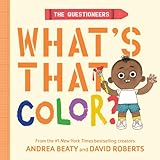
Overview: This color concept board book brings Andrea Beaty’s beloved Questioneers characters to preschoolers. Featuring Ada Twist, Rosie Revere, and Iggy Peck, the book introduces basic colors through the lens of scientific curiosity and engineering wonder. Each spread connects a color to a STEM concept—red rockets, blue blueprints—making it more intellectually engaging than typical color books for children ages 2-4.
What Makes It Stand Out: The integration of STEM role models into early learning is revolutionary. Rather than simply showing colored objects, it contextualizes colors within problem-solving narratives. The rhyming text maintains the series’ signature style, while the sturdy board book format suits hands-on exploration. Character-driven learning encourages children to identify with scientists and engineers from their earliest reading experiences, promoting identity formation.
Value for Money: At $9.99, this premium board book aligns with licensed character book pricing. While standard color books cost $5-7, the Questioneers brand adds educational depth that justifies the markup. Fans of the series gain continuity, while new readers receive an intellectually stimulating introduction to colors. The thick pages and quality printing ensure durability, making it suitable for classroom or library use.
Strengths and Weaknesses: Strengths include strong STEM messaging, beloved characters, durable construction, and sophisticated vocabulary. The book grows with children, offering layers of meaning. Weaknesses: Price point exceeds basic color books; limited appeal for families unfamiliar with the series; and the STEM connections might confuse the youngest toddlers who simply want color identification. The complexity may require parental guidance.
Bottom Line: An excellent choice for families committed to early STEM education, particularly Questioneers fans. The premium price delivers added educational value, but simpler color books suffice for basic learning. Best for preschoolers ready for conceptual thinking beyond rote memorization.
9. See, Touch, Feel: A First Sensory Book

Overview: Roger Priddy’s foundational sensory book introduces infants to the world through texture, color, and simple words. Designed for babies 6 months and older, this board book features high-contrast images paired with tactile elements that encourage exploration. Each page offers a different sensory experience—from fuzzy patches to smooth mirrors—supporting early neural development and parent-child bonding through interactive reading.
What Makes It Stand Out: The book’s developmental precision sets it apart. High-contrast patterns capture infant attention, while varied textures promote sensory integration. The inclusion of a mirror page supports self-recognition development. Unlike many sensory books that overwhelm with too many elements, this maintains simplicity, allowing babies to focus on one sensation at a time. The wipe-clean surface addresses hygiene concerns for mouthing babies.
Value for Money: At $5.91, this sits in the sweet spot for quality sensory books. Cheaper alternatives often use inferior textures that peel or fade, while premium options can reach $15. The book’s durability and thoughtful design offer strong ROI for a product that will be handled, chewed, and loved intensely. Its longevity from 6 months through toddlerhood extends the value proposition significantly.
Strengths and Weaknesses: Strengths include developmentally appropriate design, varied high-quality textures, sturdy construction, and excellent price-to-quality ratio. The book successfully engages multiple senses without overstimulation. Weaknesses: Some textures may wear with aggressive use; limited text for older toddlers; and the mirror can scratch over time. The simplicity that benefits infants may bore preschoolers.
Bottom Line: An essential addition to any infant’s first library that expertly balances sensory stimulation with developmental appropriateness. The mid-range price reflects genuine quality. While not the cheapest option, its durability and design make it a smarter long-term purchase than budget alternatives.
10. Every Little Thing: Based on the song ‘Three Little Birds’ by Bob Marley (Preschool Music Books, Children Song Books, Reggae for Kids)

Overview: This picture book adaptation of Bob Marley’s iconic “Three Little Birds” transforms the beloved reggae anthem into a visual story of reassurance for young children. Illustrated by Vanessa Brantley-Newton, the narrative follows a young boy navigating daily worries with the comforting message that “every little thing is gonna be alright.” The book preserves the song’s Jamaican cultural roots while making its universal message accessible to preschoolers.
What Makes It Stand Out: The book’s cultural authenticity and emotional intelligence distinguish it from typical song adaptations. Brantley-Newton’s vibrant illustrations depict a diverse, joyful community that reflects the song’s origins. The inclusion of musical notation and a sing-along CD (in some editions) bridges literature and music education. It introduces children to reggae culture while addressing anxiety in developmentally appropriate ways.
Value for Money: At $5.86, this paperback offers remarkable value for a licensed music property. Comparable song-based picture books retail for $8-12, making this an affordable way to diversify children’s media consumption. The book’s message provides ongoing emotional support, extending its utility beyond simple entertainment. For parents seeking to introduce world music and emotional literacy, the price point is exceptional.
Strengths and Weaknesses: Strengths include authentic cultural representation, powerful anxiety-reducing message, beautiful illustrations, and strong musical connection. The book serves as both entertainment and emotional tool. Weaknesses: Paperback format less durable than board book for youngest readers; song familiarity required for full impact; and some Jamaican patois may need explanation. The story’s simplicity may not engage older children.
Bottom Line: A culturally rich, emotionally valuable addition to any preschool library that transcends typical songbook adaptations. The low price makes it an easy recommendation for parents seeking diverse, meaningful literature. Best for children 3-6 who can appreciate both the story and musical heritage.
Why Art-Based Color Books Transform Early Learning
Traditional color books serve a purpose, but art-based alternatives elevate the entire experience. When a child learns that a particular shade of blue appears both in a Renaissance sky and their favorite toy, they’re making connections that transcend simple identification. These books introduce visual complexity in digestible formats, training young eyes to notice nuance, appreciate beauty, and recognize patterns across different contexts.
The genius lies in their dual mission: teaching fundamental concepts while simultaneously building cultural literacy. A child who grows up seeing Kandinsky’s circles isn’t just learning about shapes and colors—they’re developing a visual vocabulary that will serve them throughout their education. This early exposure demystifies fine art, making museum visits feel like reunions with old friends rather than intimidating formal experiences.
The Science Behind Visual Stimulation
Infant brains process high-contrast images long before they can distinguish subtle hues. Quality art board books leverage this developmental timeline by selecting masterpieces that naturally feature bold color blocks and clear delineations. The visual cortex responds differently to artistic compositions than to simplistic cartoon illustrations—there’s more for the brain to map, categorize, and remember.
Research suggests that exposure to varied artistic styles helps develop flexible thinking. When babies see how different artists interpret the same color—think of the difference between Rothko’s saturated fields and Seurat’s pointillist dots—they’re learning that reality can be represented in multiple valid ways. This cognitive flexibility becomes the foundation for creative problem-solving later in life.
Building Cultural Literacy from Birth
Cultural literacy isn’t just about knowing names and dates—it’s about feeling connected to human expression across time. Art-based board books plant seeds of recognition that can blossom into genuine appreciation. A toddler who learns colors through Frida Kahlo’s vibrant palette or Yayoi Kusama’s polka dots gains more than vocabulary; they absorb stories of resilience, innovation, and perspective.
These books also offer natural opportunities for diverse representation. Masterpieces come from every continent and culture, allowing families to explore global color traditions. Japanese woodblock prints teach different relationships between color and space than Mexican muralism does, giving children a more expansive understanding of how color functions in visual storytelling.
Essential Features That Define Quality
When evaluating art board books for your collection, certain characteristics separate the exceptional from the merely decorative. The best titles feel intentional in every detail, from the curvature of the board edges to the finish on each page. They understand that babies experience books with all their senses—touching, tasting, and even throwing them across the room.
Look for books where the art selection serves the educational purpose, not the other way around. A book that simply plops random masterpieces onto pages without considering color progression, visual flow, or developmental stages misses the opportunity to create a truly cohesive learning journey. The sequencing should feel deliberate, guiding young eyes from primary colors to more sophisticated combinations.
Curated Masterpiece Selection
The most effective books don’t just feature famous paintings—they strategically choose works where color takes center stage. A Rothko color field painting teaches color emotion more effectively than a busy multi-hued canvas might. Similarly, Mondrian’s primary color grids offer crystal-clear examples of red, blue, and yellow in their purest forms.
Consider whether the book balances historical periods and artistic movements. A thoughtful collection might move from Renaissance masters who perfected realistic color representation to Impressionists who broke those rules, then to modern artists who used color purely expressively. This progression mirrors how children themselves move from literal to abstract thinking.
Color-Focused Design Elements
Pay attention to how the book isolates and emphasizes color. Does it use die-cut windows that frame a specific hue? Are there flaps that reveal color names alongside paint swatches matched to the artwork? The best designs understand that young children need help focusing their attention. A page might show a detail from a larger work, zooming in on the specific color being taught rather than overwhelming with the full composition.
Typography matters enormously. Color words should appear in the color they represent whenever possible—“red” printed in red ink. Some sophisticated books even include color gradients showing variations within a hue, like the difference between cerulean and cobalt, explained in toddler-friendly language.
Durability for Daily Exploration
Board books must survive teething, tantrums, and bathtub reading sessions. Check the board thickness—at least 2mm for books intended for children under 18 months. The binding should be stitched rather than glued, as moisture and enthusiastic page-turning quickly destroy adhesive bonds.
Rounded corners aren’t just a safety feature; they prevent the laminate from peeling, which extends the book’s life significantly. The finish should be wipeable but not slippery—a matte texture provides better grip for small hands still mastering motor control. Water-resistant coatings are essential, as these books will inevitably encounter drool, milk, and the occasional dip in the toilet.
Age-Appropriate Considerations
A book perfect for a ten-month-old might bore a two-year-old, while sophisticated interactive elements could frustrate a younger baby. Understanding developmental stages helps you choose books that meet your child where they are while offering room to grow. The best collections include titles that span multiple ages, creating a continuum of art appreciation.
0-12 Months: High-Contrast Foundations
During the first year, babies respond most strongly to high-contrast images. Look for books that have adapted masterpieces into bold, simplified forms. A Matisse cut-out might be rendered in pure black and white with one strategic pop of color. These designs capture attention while gently introducing the idea that art can be recognizable even when simplified.
At this stage, the book is more of a visual toy than a narrative experience. Pages should be easy to turn with a single finger, and the overall size should be manageable for tiny hands to grasp. Some books include crinkly pages or teething corners, acknowledging that everything goes in the mouth at this age.
12-24 Months: Interactive Color Discovery
Toddlers begin pointing, naming, and seeking specific elements. Books for this age should include interactive features that reinforce color learning without distracting from the art. Flaps that reveal color names, textures that mimic brushstrokes, or wheels that mix colors on-page all work beautifully. The art can be more complex now—children this age love finding hidden details.
This is the perfect time for books that pair colors with emotions or actions. “Find the blue boat sailing in Van Gogh’s sea” or “Touch the bumpy yellow stars” creates multi-sensory connections. The language should be simple but evocative, building vocabulary alongside color recognition.
24+ Months: Storytelling Through Art
Preschoolers can handle narrative threads connecting different artworks. Books might follow a color through an artist’s career or explore how one hue appears across different cultures and time periods. This age appreciates humor and surprise—books that show how Rene Magritte’s blue sky appears in unexpected places, for instance.
At this stage, children begin creating their own “masterpieces.” The best books include activity prompts: “What would you paint with this red?” or “Can you find three different greens in your room?” They might also introduce simple art concepts like warm versus cool colors, or how artists mix colors to create new shades.
Educational Value Beyond Color Recognition
While color learning is the primary goal, exceptional art board books layer additional educational benefits. They become tools for emotional regulation, language development, and even early math concepts. The key is recognizing these opportunities and knowing how to maximize them during reading time.
Emotional Intelligence Through Art
Colors evoke feelings, and masterpieces are masterclasses in emotional expression. A book might show how different artists used the same color to convey joy, sadness, or excitement. This teaches children that emotions are complex and that visual cues help us understand feelings. When you discuss how a particular blue feels calm or a certain red seems energetic, you’re giving children vocabulary for their own emotional experiences.
Some books explicitly connect colors to moods, using art as evidence. “When Frida felt strong, she painted with bold purple. When she felt gentle, she chose soft pink.” These connections help children externalize and examine their feelings safely, seeing that emotions are natural and manageable.
Vocabulary Expansion Opportunities
Every page offers chances to introduce rich, descriptive language. Instead of just “blue,” you can discuss navy, azure, cobalt, or cerulean. Art books naturally incorporate spatial terms (foreground, background), action verbs (swirling, dabbing, blending), and sensory adjectives (glowing, muted, vibrant). This vocabulary sticks because it’s attached to memorable visual images.
The best books include parent guides with suggested talking points. They might point out that describing “the wavy blue lines” or “the tiny yellow dots” builds observation skills alongside vocabulary. Some even include pronunciation guides for artist names, making you feel confident introducing names like Kandinsky or O’Keeffe.
Critical Thinking Skills
Comparing two paintings that use the same color differently encourages analytical thinking. Why does this red feel angry while that red feels celebratory? Questions like these develop visual literacy—the ability to “read” images and understand how elements work together to create meaning. This skill becomes increasingly crucial in our image-saturated world.
Look for books that include prompts encouraging prediction: “What color do you think the artist used next?” or “How would this painting feel different if it were all in blues?” These questions teach children that art involves choices, and those choices affect the viewer. They’re learning to think like artists and critics simultaneously.
Material Safety and Construction Quality
A book’s educational value means nothing if it’s not safe for exploratory play. Babies and toddlers interact with books differently than adults do, and safety standards must reflect this reality. Understanding material specifications helps you make informed choices that protect your child while ensuring the book’s longevity.
Non-Toxic Inks and Finishes
Reputable publishers use vegetable-based or soy-based inks that are free from heavy metals and volatile organic compounds (VOCs). These should be certified by safety organizations like the American Society for Testing and Materials (ASTM) or the European Toy Safety Standard (EN71). Don’t hesitate to contact publishers directly if certifications aren’t clearly marked—the best ones are proud to share this information.
Matte finishes generally use fewer chemicals than glossy laminates, plus they reduce glare, making the art easier to see. Some innovative books use textured UV coatings that simulate brushstrokes, providing tactile feedback while remaining completely safe for mouthing. Always check that any textured elements are securely bonded and can’t be peeled off by determined fingers.
Board Thickness and Page Design
Standard board book thickness ranges from 1.5mm to 3mm. For children under 18 months, prioritize books at the thicker end of this spectrum. Thin boards can be bent enough to create sharp creases or even snap, creating hazardous sharp edges. The board should feel substantial in your hand without being too heavy for a toddler to manipulate independently.
Page count matters too. Books with fewer than 8 pages feel insubstantial, while those with more than 20 become bulky and difficult to handle. The sweet spot for this genre is typically 12-16 pages—enough to cover a spectrum of colors without overwhelming. Check that the book lies flat when open; this prevents pages from flipping shut unexpectedly, which frustrates young readers.
How to Evaluate Artistic Authenticity
The challenge in adapting masterpieces for babies is maintaining the artist’s intent while making the work accessible. Some books succeed brilliantly; others reduce iconic works to mere decoration. Knowing how to spot the difference ensures your child experiences genuine art appreciation rather than watered-down clip art.
Color Accuracy vs. Child-Friendly Adaptation
There’s a delicate balance between reproducing colors faithfully and adjusting them for developing eyes. Some books slightly intensify hues to make them more identifiable for toddlers—turning a subtle ochre into a clear yellow. This is acceptable if the change serves the educational purpose and is done respectfully. The problem arises when books alter colors so dramatically that the original artist’s vision is lost.
Quality adaptations often include a note for parents explaining any modifications. They might show a thumbnail of the original work alongside the adapted version, helping you understand the creative choices. This transparency builds trust and turns the book into a teaching tool for both child and adult.
Artist Attribution and Context
Even for babies, knowing the artist’s name matters. Books should clearly attribute each work, ideally including the title, date, and current location. This information, often placed on the back cover or in a parent guide, transforms the book from a simple color primer into a legitimate art introduction. You’re not just showing pretty pictures; you’re building a mental museum.
The best books include brief, toddler-friendly stories about the artists. “Claude loved to paint water and how it caught the light” gives context without overwhelming. These snippets make artists feel like real people with passions and quirks, making their work more relatable and memorable.
Maximizing Engagement During Reading Time
Owning beautiful art board books is one thing; using them effectively is another. The most successful color learning happens when parents and caregivers approach these books with intention and creativity. These strategies transform passive looking into active discovery.
Interactive Reading Strategies
Instead of simply naming colors, create games. “Can you find all the blue things in our room that match this blue?” or “Let’s make the face that this red painting makes us feel.” Use dramatic voices, gestures, and facial expressions to bring the art to life. Pause to let your child touch the page and describe what they see in their own words.
Rotate books regularly to maintain interest, but keep favorites accessible. Children learn through repetition, so expect to read the same book dozens of times. Each reading offers chances to notice new details—one day you might focus on color, the next on shapes, the next on the story you imagine the painting tells.
Extending Learning Beyond the Book
Take the art into the real world. Visit museums when possible, but also find art in unexpected places—murals, fabric patterns, nature. Create color scavenger hunts inspired by specific paintings. If you’ve been reading about Van Gogh’s sunflowers, spend a day finding all the yellow things in your neighborhood.
Many families create “art walls” where they display prints of the masterpieces from their board books. This reinforces recognition and shows children that art belongs in daily life, not just in special books. Some parents even coordinate playroom colors with the palettes in their art books, creating a cohesive aesthetic environment.
Common Mistakes Parents Make
Even well-intentioned adults can undermine the potential of art board books. One frequent error is over-explaining. Long lectures about artistic movements or historical context bore toddlers and create negative associations. Keep commentary brief and child-focused: “Look how this blue flows like water!” rather than “Notice Monet’s Impressionist technique.”
Another mistake is treating these books as too precious. While they shouldn’t be deliberately damaged, board books are meant to be handled roughly. If you’re constantly saying “be careful” or “don’t bend the pages,” you’re creating anxiety around books and art. Choose durable titles and let your child explore freely, even if that means a corner gets chewed.
Avoid books that try to do too much. A single volume attempting to teach colors, numbers, shapes, and letters through art often succeeds at none of these goals. Focused books that do one thing exceptionally well provide better learning outcomes than jack-of-all-trades titles that feel scattered and overwhelming.
Building a Cohesive Home Gallery
Creating a collection of art board books works best when you think of it as curating a personal gallery rather than accumulating random titles. Look for books that complement each other, perhaps focusing on different aspects of color theory or representing diverse artistic traditions. A well-rounded collection might include one book on primary colors through modern art, another on warm versus cool colors through landscapes, and a third exploring how different cultures use the same colors.
Consider the physical size and shape of books when building your collection. Mix standard square formats with oversized or shaped books for variety. Store them in a forward-facing display where covers act as artwork themselves. This visual accessibility encourages independent selection and treats the books as valued objects worthy of display.
As your child grows, the collection should evolve. Books that were perfect at six months might be passed along to younger siblings, making room for more sophisticated titles. Keep a few sentimental favorites, though—children love seeing their own growth reflected in how they interact with familiar books over time.
Frequently Asked Questions
How early can I start reading art board books to my baby?
You can begin from birth, but focus changes with development. Newborns benefit most from high-contrast adaptations of bold works. Around 3-4 months, babies start distinguishing colors, making this the perfect time to introduce true color-focused art books. The key is matching the book’s complexity to your child’s visual and cognitive abilities.
Won’t famous masterpieces be too complex for toddlers to understand?
Not when they’re curated and presented appropriately. The best books isolate elements—focusing on a single color or simple shape from a complex work. This approach respects the original while making it accessible. Toddlers don’t need to understand the full painting to appreciate its colors and emotional tone. In fact, their fresh perspective often notices details adults overlook.
How many art board books should I own?
Quality trumps quantity. Three to five exceptional books that you rotate regularly provide more value than a dozen mediocre ones. Start with one strong title focusing on primary colors, then add books exploring different color concepts or artistic styles as your child’s interest grows. A small, loved collection gets more use than an overwhelming library.
What’s the difference between art board books and regular color books?
Art board books use authentic masterpieces as teaching tools, while regular color books typically use illustrations or photographs. The difference is cultural and cognitive depth. Art books introduce visual complexity, artistic styles, and cultural heritage alongside color concepts. They treat children as capable of appreciating beauty and complexity, not just identifying basic hues.
How do I know if a book is using real art versus copies?
Check the copyright and attribution information. Legitimate art books credit the original artist, artwork title, and the museum that houses the piece. They often include a note about image licensing. Be wary of books that show “in the style of” famous artists without clear attribution—these are imitations that miss the educational value of authentic exposure.
Can these books really make my child smarter?
While no single product determines intelligence, quality art board books support cognitive development in measurable ways. They enhance visual discrimination, build vocabulary, and develop pattern recognition skills. More importantly, they foster curiosity and aesthetic awareness—traits that correlate with lifelong learning. The benefit comes from consistent, interactive use, not passive exposure.
What if my child seems more interested in chewing the book than looking at it?
This is completely normal for children under 18 months. Choose books with safe, non-toxic materials and let them explore orally. Keep reading sessions brief during this phase, focusing on your narration while they mouth the pages. Their brain is still processing the visuals even while their mouth investigates the texture. Gradually, their interest will shift from taste to sight as their developmental needs evolve.
Should I buy books that focus on one artist or many different artists?
Both approaches have value. Single-artist books show how one creative mind uses color across different works, teaching consistency and artistic voice. Multi-artist books demonstrate diversity in color interpretation. For a starter collection, choose one of each: a book exploring one artist’s palette and another showing varied approaches to the same color across different masters.
How can I tell if my child is actually learning from these books?
Look for signs of recognition beyond naming colors. Does your child point out similar colors in the real world? Do they request specific books by their cover art? Have they started describing artwork with their own words like “swirly” or “glowy”? These behaviors indicate they’re internalizing visual concepts. Also notice if they linger longer on certain pages—that’s their curiosity at work, even if they can’t articulate it yet.
Are digital versions of these books just as good as physical board books?
While digital versions offer convenience and sometimes include animations, they can’t replace the tactile experience of board books. The physical manipulation of pages, the ability to touch and mouth the book, and the screen-free interaction are crucial for developmental stages under three years. Digital versions work best as supplements for older toddlers or for travel, but the physical book should remain the primary tool for color learning through art.