Between the 2,500 and 3,000 diaper changes you’ll tackle in your baby’s first year alone, your changing table becomes command central for one of parenting’s most frequent tasks. What many new parents don’t realize until they’re in the thick of it is that a wiggly, rolling, or suddenly mobile infant can turn this routine activity into a heart-stopping moment in seconds. That’s why investing in a high-quality changing table pad with safety straps isn’t just another nursery decoration—it’s a critical piece of baby gear that directly impacts your child’s wellbeing.
While all changing pads might look similar at first glance, the difference between a basic foam rectangle and a thoughtfully engineered safety station is monumental. Modern changing pads with integrated safety straps do far more than provide a soft surface; they create a secure environment that adapts to your baby’s developmental stages while giving you the confidence to handle diaper changes, clothing swaps, and post-bath wrangling without needing three extra hands. Understanding what makes these pads truly safe, durable, and practical will transform how you approach this essential nursery item.
Top 10 Changing Table Pads with Safety Straps
Detailed Product Reviews
1. Ingenuity Contoured Changing Pad – Includes Waterproof Changing Liner and Safety Fastening Strap with Quick-Release Buckle
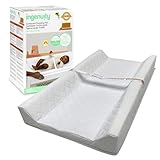
Overview: The Ingenuity Contoured Changing Pad delivers essential diaper-changing functionality at an accessible price point. Designed with a double-layered foam top and contoured sides, this 16 x 32-inch pad fits most standard changing tables while providing a secure, comfortable surface for your little one. The waterproof PEVA vinyl cover wipes clean easily, making post-change cleanup hassle-free for busy parents.
What Makes It Stand Out: This pad prioritizes safety with high, curved sides and a quick-release safety belt that keeps wriggly babies securely in place. The non-skid bottom adds an extra layer of stability, preventing dangerous sliding during use. The contoured design cradles infants comfortably while the double-layered foam provides adequate cushioning without being overly soft—a practical balance for daily use.
Value for Money: At $18.89, this represents solid mid-range value. While not the cheapest option available, it offers reliable brand recognition and essential safety features that budget models often lack. The durable construction should withstand multiple children, spreading the cost over years of use. However, parents should factor in the separate purchase of liners for added protection.
Strengths and Weaknesses: Strengths include the sturdy contoured design, effective safety strap system, truly waterproof surface, and universal sizing that fits most furniture. The non-skid bottom performs well on various surfaces. Weaknesses are the lack of included liner (unlike some competitors), the basic vinyl material that may feel less premium than fabric options, and the non-removable cover which means the entire pad must be wiped down rather than machine washed.
Bottom Line: This Ingenuity pad is a dependable workhorse for parents seeking a no-frills, safe changing solution. It covers all the essential bases—safety, cleanability, and standard sizing—without unnecessary extras. While it won’t wow you with luxury features, it delivers consistent performance that budget-conscious families will appreciate. Consider purchasing disposable or reusable liners separately to extend its lifespan.
2. Summer by Ingenuity Contoured Changing Pad – Includes Waterproof Changing Liner and Safety Fastening Strap with Quick-Release Buckle

Overview: The Summer by Ingenuity Contoured Changing Pad builds upon the standard model by adding a 100% cotton liner, creating a more versatile diaper-changing station. This 16" x 32" pad maintains the same core design—contoured sides, waterproof PEVA vinyl surface, and safety strap—while addressing parents’ desire for easier maintenance and added softness against baby’s skin.
What Makes It Stand Out: The included removable cotton liner distinguishes this from bare-bones competitors, providing a washable layer that reduces how often you need to wipe down the main pad. An additional security strap underneath the pad offers superior attachment to furniture compared to models relying solely on non-skid bottoms. This dual-attachment system significantly reduces sliding risks.
Value for Money: At $18.89—identical to the non-liner Ingenuity version—this represents exceptional value. You’re getting a premium feature (removable liner) at no additional cost, essentially receiving a free accessory that would typically cost $10-15 separately. The additional anchoring strap further justifies the price, making this one of the best bargains in its category.
Strengths and Weaknesses: Major strengths include the complimentary cotton liner, robust dual-attachment security system, high contoured walls for safety, and easy-wipe waterproof surface. The quick-release buckle operates smoothly with one hand. Weaknesses involve the liner’s tendency to shrink after washing if not cared for properly, and the thin liner material may not absorb major messes, requiring frequent changes. The vinyl surface underneath can feel cold without the liner.
Bottom Line: This Summer by Ingenuity model is arguably the best value in the budget-to-mid-range category. The included liner transforms the user experience, reducing cleaning time while adding comfort. For parents debating between basic pads, spending the same amount for this enhanced version is a no-brainer. It delivers commercial-grade functionality with homey touches that make daily diaper changes less stressful.
3. Delta Children Foam Contoured Changing Pad with Waterproof Cover
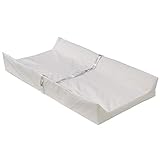
Overview: Delta Children’s offering brings trusted brand reliability to the changing pad market at a competitive price point. This contoured foam pad measures 32"L x 16"W x 4.5"H, providing slightly more elevation than standard models. The removable waterproof vinyl cover and included fabric mounting straps with screws demonstrate Delta’s focus on practical, long-term use for safety-conscious parents.
What Makes It Stand Out: The inclusion of actual mounting hardware (fabric straps with screws) sets this apart from pads relying only on non-skid surfaces, allowing secure attachment to dressers or changing tables. The 4.5-inch height provides enhanced cushioning and pressure point relief. Delta’s reputation for meeting stringent safety standards gives parents additional peace of mind beyond the product’s physical features.
Value for Money: At $17.99, this is the most affordable option among comparable contoured pads. The mounting hardware alone justifies the price difference versus cheaper flat pads. While lacking a removable fabric liner, the durable construction and brand credibility offer long-term value. Parents save money upfront while receiving a product that meets CPSC safety standards without cutting corners.
Strengths and Weaknesses: Strengths include the lowest price point, included mounting hardware for superior stability, hypoallergenic vinyl cover, effective safety harness, and Delta’s established safety reputation. The 4.5-inch profile provides excellent support. Weaknesses are the non-removable cover (the vinyl is removable but the foam isn’t encased in a washable fabric), potentially less plush feel compared to premium models, and the basic aesthetic that prioritizes function over style.
Bottom Line: Delta Children delivers a safety-first changing pad that doesn’t compromise on essentials to achieve its sub-$18 price. The mounting hardware is a game-changer for parents using dresser tops, eliminating sliding concerns entirely. While it won’t win awards for luxury, it excels at its primary job—providing a secure, cleanable, stable changing surface. This is the smart choice for practical parents who value brand trustworthiness and secure installation.
4. Organic Cotton Contoured Baby Changing Pad w/Waterproof Foam Mattress, Includes Soft, Removable & Washable Cover, Safety Strap, Non-Slip Bottom, Topper for Standard Size Infant Diaper Table & Dresser

Overview: This premium changing pad targets eco-conscious parents willing to invest in organic materials and superior comfort. The 31.25 x 16-inch pad features CertiPUR-US certified foam wrapped in a waterproof mattress, topped with a removable organic cotton cover. It positions itself as a luxury alternative to standard vinyl pads, emphasizing breathability and chemical-free materials for sensitive babies.
What Makes It Stand Out: The organic cotton cover and certified foam interior distinguish this from conventional options, eliminating VOC concerns. The pillow-top design provides cloud-like comfort rare in changing pads. Adhesive mounting straps offer tool-free installation while maintaining security. Its chic silhouette blends with modern nursery aesthetics rather than looking purely functional, appealing to design-conscious parents.
Value for Money: At $37.50, this costs roughly double standard models. The premium is justified by organic materials, CertiPUR-US certification, and luxury feel. For parents prioritizing organic everything, the price aligns with values. However, budget-conscious families may find comparable safety at half the cost. The removable cover reduces liner expenses over time, partially offsetting initial investment.
Strengths and Weaknesses: Strengths include organic cotton cover, certified non-toxic foam, superior comfort, attractive design, machine-washable cover, and strong non-slip base. The waterproof mattress performs reliably. Weaknesses are the high price point, 24-48 hour expansion period, slightly smaller dimensions, and cover shrinkage potential if washed hot. Adhesive straps may lose stickiness over time on certain furniture finishes.
Bottom Line: This premium pad is worth the splurge for parents committed to organic, chemical-free baby products. The comfort difference is noticeable, and the washable cover provides long-term convenience that offsets initial cost. While overkill for families prioritizing function over materials, it delivers on its luxury promise. Consider this a nursery investment piece that combines safety, sustainability, and style for discerning parents.
5. JVEOO Waterproof Baby Changing Pad, Non-Slip Wipeable Diaper Changing Mat with Safety Strap 32x16 Inch Infant Diaper Change Pad Suitable for Dresser & Table
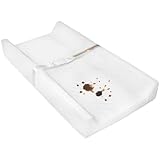
Overview: JVEOO’s changing pad positions itself as a modern, portable solution for contemporary parents. This 32x16-inch pad features waterproof double-layer PEVA vinyl construction with contoured sides and a safety strap. Its lightweight design and aesthetic versatility make it suitable for both permanent nursery setup and travel use, addressing parents’ desire for flexibility without sacrificing core safety features.
What Makes It Stand Out: The emphasis on portability and design distinguishes this from institutional-looking competitors. The quilted PEVA vinyl surface provides a softer feel than standard smooth vinyl while maintaining wipe-clean convenience. Its neutral, modern appearance integrates seamlessly with various nursery themes. The balance of lightweight construction with robust safety features (non-slip base, contoured walls, safety strap) makes it uniquely travel-friendly.
Value for Money: At $19.99, this sits in the sweet spot between budget and premium options. It offers more style and portability than $18 basic pads while undercutting organic models by nearly 50%. The durability of double-layer PEVA vinyl suggests good longevity. However, the lesser-known brand name may concern some parents compared to established names like Delta or Ingenuity.
Strengths and Weaknesses: Strengths include attractive modern design, true portability, effective waterproofing, easy-wipe quilted surface, and appropriate safety features for the price. The size fits standard furniture perfectly. Weaknesses involve the non-removable cover requiring manual cleaning, brand recognition limitations, and the vinyl material potentially feeling less premium than fabric-covered options. The non-slip base may perform inconsistently on highly polished surfaces.
Bottom Line: JVEOO delivers a stylish, practical changing pad that excels for families needing flexibility. It’s ideal for parents who value aesthetics and portability without paying premium prices. While it doesn’t revolutionize the category, it executes fundamentals well with contemporary flair. This is the perfect secondary pad for grandparents’ houses or a primary pad for apartment dwellers who prioritize space-efficient, good-looking baby gear.
6. COZINUS Changing Pad Strap – Soft, Adjustable & Secure Anti-Escape for Infants 0-24 Months. Universal Fit for Changing Pads & Changing Tables, Easy-Clean Fabric. Comfortable & Portable (Grey)

Overview: The COZINUS Changing Pad Strap in grey is a specialized safety accessory designed to secure infants during diaper changes. Compatible with babies from 0-24 months, this adjustable strap provides an extra layer of protection against wiggly infants who might roll or escape during changing time. It’s a portable solution that works with most standard changing pads and tables.
What Makes It Stand Out: This strap distinguishes itself through its exceptional safety engineering. The high-tensile strength materials with reinforced stitching create a robust barrier against falls. Its universal compatibility eliminates the need for multiple specialized straps, while the hypoallergenic, breathable fabric ensures comfort against delicate skin. The intuitive buckle system allows for quick adjustments, crucial during urgent diaper changes.
Value for Money: At $27.99, this strap sits at a premium price point for an accessory. While it costs nearly as much as some basic changing pads, its reinforced construction and universal fit justify the investment for safety-conscious parents. The durability means it can serve multiple children, spreading the cost over years of use.
Strengths and Weaknesses: Pros: Superior safety engineering; Universal compatibility; Hypoallergenic materials; Easy-clean surface; Portable design Cons: Pricey for a single strap; Requires separate changing pad; Limited color options may not match all nurseries
Bottom Line: The COZINUS strap is an excellent safety investment for parents seeking maximum security. While the price is steep for an accessory, its robust construction and universal compatibility make it worthwhile for families prioritizing fall prevention.
7. COZINUS Changing Pad Strap – Soft, Adjustable & Secure Anti-Escape for Infants 0-24 Months. Universal Fit for Changing Pads & Changing Tables, Easy-Clean Fabric. Comfortable & Portable (Green)

Overview: The COZINUS Changing Pad Strap in green offers identical safety features to its grey counterpart, providing essential security for infants during diaper changes. Designed for 0-24 months, this adjustable strap prevents escapes and rolls on any compatible changing surface. The green colorway adds a subtle pop of nature-inspired tone to your nursery while maintaining the same robust construction.
What Makes It Stand Out: Beyond its core safety credentials—high-tensile strength materials and reinforced stitching—this strap’s verdant hue provides nursery aesthetic versatility. The universal compatibility remains its strongest selling point, working seamlessly across various changing pad brands. The hypoallergenic fabric and intuitive buckle system ensure both comfort for baby and convenience for parents during hectic changing sessions.
Value for Money: At $27.99, the green version delivers the same premium safety features as other colorways. The investment makes sense for parents who’ve invested in quality changing furniture and want matching accessories. While you can find cheaper straps, few match this level of engineering and material quality.
Strengths and Weaknesses: Pros: Excellent safety features; Adjustable for growing babies; Easy to sanitize; Lightweight and portable; Attractive green color option Cons: Relatively expensive; Only includes one strap; May not fit all specialty changing tables
Bottom Line: This green COZINUS strap combines top-tier safety with aesthetic flexibility. Parents willing to pay for premium protection will appreciate its durability and versatility, making it a smart addition to any well-equipped changing station.
8. juman Vegan Leather Baby Changing Pad, Waterproof & Wipeable Changing Pad with Infant Height Ruler & Safety Strap, Portable Soft Diaper Changing Mat for Dresser & Table, 31 x 16 inch
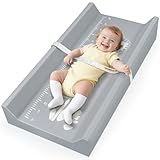
Overview: The juman Vegan Leather Changing Pad delivers a complete changing solution at an accessible price point. Measuring 31 x 16 inches, this portable mat features waterproof PU leather construction with foam padding and an integrated infant height ruler. The built-in safety strap and anti-slip base provide essential security for wiggly babies during diaper changes.
What Makes It Stand Out: The built-in growth ruler is a standout feature, allowing parents to track developmental milestones during routine changes. The vegan leather construction offers ethical appeal while remaining fully wipeable. Raised edges provide additional roll protection, and the anti-slip base ensures stability on various surfaces, making it suitable for home, travel, or daycare use.
Value for Money: At $19.99, this changing pad represents exceptional value. It combines multiple features—waterproof surface, safety strap, growth tracker—typically found in more expensive models. The durable vegan leather construction ensures longevity, making it a cost-effective choice for budget-conscious parents unwilling to compromise on functionality.
Strengths and Weaknesses: Pros: Integrated height ruler; Affordable price; Waterproof vegan leather; Portable and lightweight; Anti-slip base Cons: Thinner padding than premium options; PU leather may not appeal to all; Single strap may be insufficient for very active babies
Bottom Line: The juman pad is a feature-rich, budget-friendly option perfect for parents wanting more than basic functionality. Its growth ruler and portable design make it particularly valuable for families on the go or those tracking infant development closely.
9. Munchkin Secure Grip Baby Diaper Changing Pad for Dresser, Waterproof and Wipeable, Contoured, Standard Size (14.75" x 31"), White

Overview: The Munchkin Secure Grip Changing Pad leverages the trusted Munchkin brand reputation to deliver a reliable, no-frills changing solution. Measuring 14.75" x 31", this contoured pad features the company’s proprietary Xtra-Grip non-skid backing to prevent sliding on dressers and tables. The waterproof surface and integrated safety straps address the core needs of safe, easy-to-clean diaper changes.
What Makes It Stand Out: Munchkin’s Xtra-Grip dots technology provides superior surface stability compared to standard non-slip bases. The contoured design cradles infants comfortably while the brand’s widespread availability ensures easy replacement of parts or covers. Its standard sizing guarantees compatibility with most changing pad covers, offering customization options.
Value for Money: Priced at $34.99, this pad sits in the mid-range category. You’re paying partly for brand reliability and proven safety standards. While it lacks premium features like organic materials or growth trackers, its durable construction and effective grip system justify the cost for parents prioritizing stability and brand trust.
Strengths and Weaknesses: Pros: Excellent non-skid backing; Trusted brand reputation; Contoured for comfort; Standard size fits most covers; Easy-wipe surface Cons: Basic feature set; No removable cover; Limited color options; Padding could be thicker
Bottom Line: Munchkin’s pad is a solid, dependable choice for parents who value brand reliability and surface stability above advanced features. It performs its core functions excellently, making it ideal for those wanting a straightforward, effective changing pad without premium price tags.
10. Organic Cotton Contoured Baby Changing Pad w/Waterproof Foam Mattress, Includes Soft, Removable & Washable Cover, Safety Strap, Non-Slip Bottom, Topper for Standard Size Infant Diaper Table & Dresser

Overview: This Organic Cotton Contoured Changing Pad represents the premium tier of diaper changing solutions. Featuring a CertiPUR-US certified foam mattress with a removable organic cotton cover, it prioritizes both environmental responsibility and infant comfort. The 31.25 x 16" pad includes safety strap, non-slip bottom, and adhesive mounting straps for secure installation on any flat surface.
What Makes It Stand Out: The combination of organic cotton cover and certified foam sets this apart from conventional pads. The removable, machine-washable cover simplifies cleaning while maintaining hypoallergenic contact with baby’s skin. Contoured walls provide security, and the adhesive straps offer permanent mounting options beyond standard non-slip bases.
Value for Money: At $37.50, this is the most expensive option reviewed, but justifies its price through premium materials and versatility. The organic cotton cover and certified foam appeal to eco-conscious parents, while the removable cover extends product life. It’s essentially a 2-in-1 system: mattress plus washable topper.
Strengths and Weaknesses: Pros: Organic cotton cover; CertiPUR-US foam; Removable washable cover; Contoured safety walls; Versatile mounting options Cons: Highest price point; Requires 24-48 hour expansion; Cover may shrink if washed improperly; Heavier than travel options
Bottom Line: For parents prioritizing organic materials and long-term versatility, this premium pad delivers exceptional value. The removable cover and quality construction make it worth the investment, particularly for families planning multiple children or wanting the healthiest materials against baby’s skin.
Why Safety Straps Are Non-Negotiable for Changing Pads
Let’s address the elephant in the nursery: babies are squirmy. Even newborns possess surprising strength and reflexes that can cause them to arch, roll, or thrust themselves off surfaces when startled. The American Academy of Pediatrics reports that falls are the leading cause of non-fatal injuries in infants, with many occurring during diaper changes. Safety straps aren’t just a nice-to-have feature—they’re your primary defense against a split-second accident.
A proper safety strap system does two things simultaneously: it secures your baby to the pad with a gentle but firm harness, and it anchors the pad itself to the changing table or dresser. This dual-action approach means even if your little one discovers their inner acrobat mid-change, they remain safely contained while the entire unit stays put. Parents who’ve experienced the terror of a near-miss will tell you this feature alone is worth every penny.
The Anatomy of a Quality Changing Pad
Understanding what goes into a premium changing pad helps you see past marketing fluff and evaluate true quality. The construction involves multiple layers working in harmony, each serving a specific purpose in your baby’s safety and comfort.
Core Materials Explained
The interior foam determines both comfort and longevity. High-density polyurethane foam (1.5-2.0 lbs per cubic foot) provides the sweet spot of firm support and gentle cushioning. Memory foam might sound luxurious, but it often lacks the firmness recommended for infant safety and can create a sinking hazard. Look for CertiPUR-US certified foam, which guarantees it’s made without harmful chemicals like formaldehyde or heavy metals.
Cover Materials Matter
The surface your baby’s skin touches needs to be non-irritating, easy to clean, and durable enough for daily sanitizing. Medical-grade vinyl offers superior waterproofing and wipeability, but ensure it’s phthalate-free and meets safety standards. Fabric-covered pads with integrated waterproof barriers feel softer but require more thorough cleaning to prevent bacterial growth in the fibers. Some innovative hybrids use a quilted top layer bonded to a waterproof backing, giving you the best of both worlds.
Contoured vs Flat Designs: Making the Right Choice
The shape of your changing pad significantly impacts how well it contains your little escape artist. Each design philosophy serves different needs and nursery setups.
Benefits of Contoured Sides
Contoured pads feature raised edges along the sides and sometimes the ends, creating a subtle barrier that helps keep rolling babies centered. These designs typically range from 4-6 inches in height and provide crucial extra seconds for you to react if your baby starts to roll. The concave center also naturally positions infants on their backs, promoting the recommended sleep-safe position even during awake changes.
When Flat Pads Work Better
Flat pads shine in space-constrained nurseries or on unconventional changing surfaces. They accommodate larger toddlers more comfortably and work seamlessly with changing toppers that have built-in side rails. If you’re using a vintage dresser or custom furniture piece, flat designs offer more flexibility in positioning and securing. They’re also generally lighter, making them ideal for portable changing stations throughout your home.
Waterproofing: Beyond the Surface Layer
Waterproofing fails are the silent destroyer of changing pads and the nursery furniture beneath them. Understanding the technology prevents costly replacements and potential mold issues.
Integrated vs Laminated Waterproofing
Truly waterproof pads use either an integrated barrier where the waterproof layer is bonded to the foam core during manufacturing, or a laminated backing that’s heat-sealed to the cover material. Avoid pads that simply have a loose plastic sheet inside—they bunch, tear, and trap moisture. The gold standard is a pad where liquid cannot penetrate any seams, including the stitching around the safety strap anchors.
Edge Sealing Importance
Pay special attention to how the pad’s edges are finished. Heat-sealed or welded edges create an impenetrable barrier, while stitched edges with exposed foam are disaster waiting to happen. During cleaning, liquid inevitably pools at the edges, and unsealed seams become entry points for bacteria and moisture that will degrade the foam from the inside out.
Size Compatibility: Measuring Your Changing Table
A pad that doesn’t fit properly creates dangerous gaps where babies can get trapped or where the pad can shift during use. Precision matters more than you might think.
Standard Dimensions
Most changing pads measure approximately 16" x 32", designed to fit standard changing tables. However, “standard” varies between manufacturers. Measure your changing surface’s length, width, and depth, then subtract one inch from each dimension to find your ideal pad size. This leaves a half-inch gap on all sides—enough for easy removal and cleaning but not enough for dangerous spaces.
Custom and Convertible Furniture
If you’re using a dresser-top changing pad, verify the weight capacity and surface flatness. Many modern parents opt for convertible furniture that transitions post-diaper years. In these cases, look for pads with multiple anchor strap configurations that accommodate various furniture styles. Some premium pads include adjustable-length security straps that work with everything from vintage dressers to IKEA hacks.
Overhang Considerations
Never allow a changing pad to overhang the edge of your furniture. Even an inch of overhang creates a tipping hazard as babies grow and shift their weight. The pad should sit completely within the furniture footprint, with its own center of gravity fully supported. If your surface is too small, choose a smaller pad rather than compromising on this safety rule.
Safety Strap Mechanisms Decoded
Not all safety straps are created equal, and the mechanism affects both security and ease of use when you have a messy baby under your hands.
Buckle Types
Quick-release buckles with a two-point or three-point harness system distribute pressure safely across your baby’s torso. Magnetic buckles represent the latest innovation—they engage automatically and release with a specific sliding motion that toddlers can’t manipulate but parents can operate one-handed. Avoid simple plastic clips that can pinch skin or break under pressure.
Anchor Points and Reinforcement
The strongest strap system fails if the anchor points are weak. Look for metal or reinforced plastic D-rings that are bar-tacked (a super-dense stitching pattern) into the pad’s core, not just surface-stitched to the cover. The attachment hardware for securing the pad to furniture should use screws, not adhesive, and include multiple mounting options for different table thicknesses.
Certifications That Actually Matter
Marketing claims like “non-toxic” and “safe” aren’t regulated, but specific third-party certifications are. Knowing which badges to trust saves you from greenwashing.
JPMA Certification
The Juvenile Products Manufacturers Association certification means the pad has been tested for structural integrity, strap strength, and material safety. This voluntary program subjects products to rigorous testing that often exceeds federal requirements. A JPMA seal indicates the manufacturer has invested in third-party verification.
ASTM Standards
ASTM F2388 is the specific standard for baby changing tables and pads, covering everything from stability to strap effectiveness. Products meeting this standard have been tested for real-world scenarios including dynamic weight shifts and repeated use. The standard also specifies labeling requirements so you’ll find clear weight limits and warning labels.
GreenGuard Gold
For chemical emissions, GreenGuard Gold certification (formerly GreenGuard Children & Schools) ensures the pad contributes to healthier indoor air quality. This is crucial in nurseries where ventilation might be limited and babies spend hours breathing inches from the pad’s surface. It tests for over 10,000 chemicals and volatile organic compounds.
OEKO-TEX Standard 100
When you see OEKO-TEX Standard 100 certification, every component—from the foam core to the thread—has been tested for harmful substances. This goes beyond basic safety to screen for substances that might irritate sensitive baby skin or cause allergic reactions.
Cleaning and Maintenance: Real-World Considerations
Your changing pad will face everything from diaper blowouts to projectile spit-up. How easily it cleans affects both hygiene and your sanity.
Wipeable vs Machine Washable
Fully wipeable pads with non-porous surfaces can be disinfected in seconds, crucial during illness or frequent changes. Machine-washable covers sound convenient but require complete disassembly and reassembly, leaving you pad-less during wash cycles. The hybrid approach—a wipeable main surface with a removable, washable cover for the top portion—offers the best practical solution.
Stain Resistance
Quality pads use stain-resistant treatments that prevent pigments from setting into the material. However, avoid pads treated with PFAS (forever chemicals). Instead, look for natural stain resistance through tight-weave fabrics or embossed vinyl surfaces that don’t absorb liquids. Test this by seeing how water beads on the surface rather than soaking in immediately.
Odor Prevention
Antimicrobial treatments can help, but they’re not a substitute for regular cleaning. Pads with ventilated cores allow air circulation that prevents moisture buildup and the resulting mildew smell. Some advanced designs incorporate charcoal-infused foam layers that naturally neutralize odors without chemicals.
Portability Features for Modern Families
Diaper changes don’t always happen in the nursery. Modern families need options that work in multi-story homes, during travel, and at grandparents’ houses.
Travel-Friendly Designs
Portable changing pads with safety straps fold into compact sizes while maintaining core safety features. Look for ones that include a detachable changing pad section with its own anchor system, allowing you to use it on unfamiliar surfaces securely. The best travel options weigh under 2 pounds but still include non-slip backing and a harness.
Lightweight vs Stable
There’s a trade-off between portability and stability. Ultra-lightweight pads (under 3 pounds) can shift more easily if not perfectly anchored. Mid-weight pads (4-6 pounds) offer the sweet spot of manageable portability without sacrificing stability. The base material should include a non-slip texture or silicone dots that grip furniture without leaving residue.
Foldable Options
Foldable changing pads with hinged sections need special attention to the hinge design. The hinge should be reinforced and covered with the same waterproof material as the rest of the pad, with no exposed foam. When unfolded, the pad should lie completely flat with no raised seams that could create pressure points or cleaning challenges.
Eco-Friendly and Non-Toxic Options
Environmentally conscious parents don’t have to compromise on safety or functionality. The market has evolved significantly in sustainable baby gear.
Organic Materials
Organic cotton covers paired with natural latex foam cores offer a chemical-free alternative. However, ensure the latex is certified organic and the cotton is GOTS-certified (Global Organic Textile Standard), which covers the entire production process. These materials should still include a waterproof barrier—look for food-grade polyurethane laminate rather than PVC.
PVC-Free and Phthalate-Free
PVC (vinyl) often contains phthalates to make it flexible, but these endocrine disruptors are particularly concerning for infants. Modern PVC-free pads use TPU (thermoplastic polyurethane) or PEVA (polyethylene vinyl acetate) for waterproofing. These materials provide the same wipeable surface without the chemical concerns, though they may be slightly less durable over many years.
Sustainable Manufacturing
Some manufacturers now offer take-back programs where you can return the pad at end-of-life for responsible recycling. Others use recycled foam cores or renewable energy in production. While these features don’t directly impact daily safety, they reflect a company’s overall commitment to ethical production and product quality.
Multi-Stage Use: From Newborn to Toddler
The best changing pad investments grow with your child, adapting to their development and your changing needs over 2-3 years of use.
Weight Limits
Check both the static weight capacity (baby lying still) and dynamic weight capacity (moving, wiggling baby). A quality pad should handle at least 30 pounds static and 25 pounds dynamic. Some premium options support up to 50 pounds, making them suitable for toddlers during potty training transitions. The weight limit should be clearly printed on the product, not just in the manual.
Adjustable Features
Look for pads with removable contoured inserts that create a flatter surface as your baby grows. Some designs include adjustable safety straps that can be repositioned for larger torsos or removed entirely once your child is potty trained and the pad transitions to a general-purpose mat. This adaptability extends the product’s useful life significantly.
Transitioning to Potty Training
During potty training, the changing pad becomes a safe space for quick clothing changes and accident management. Pads with lower profiles (under 3 inches tall) make it easier for toddlers to climb on and off independently, fostering autonomy while still providing a contained area. The waterproofing becomes even more critical during this messy phase.
Installation Mistakes That Compromise Safety
Even the world’s safest changing pad becomes hazardous if installed incorrectly. Most accidents involve installation errors, not product failures.
Strap Tension Issues
The furniture anchor straps should be taut enough that the pad cannot shift but not so tight they deform the pad’s shape. Use a screwdriver, not just hand-tightening, to secure hardware. Test by grabbing the pad and attempting to slide it—if it moves more than a quarter-inch, it’s not secure enough. Check tension monthly as wood furniture can expand and contract with humidity.
Table Attachment Errors
Never attach a changing pad to particle board furniture without using reinforcement plates. The screws can pull through the flimsy material under pressure. For dressers, always secure the pad through the top into the solid wood frame beneath, not just into the drawer supports. If your furniture has a glass or marble top, use pads designed for smooth surfaces with suction-cup or high-tack adhesive anchors.
Pad Slippage Prevention
Beyond the included safety straps, consider adding your own non-slip drawer liner underneath the pad for extra grip. Avoid placing pads on curved or warped surfaces—even slight curves create rocking points. For built-in changing tables, verify the pad’s corners don’t overhang the safety rails, which can cause the pad to tip if a baby pushes against them.
Budget vs Premium: Where to Invest
Price doesn’t always correlate with safety, but certain features are worth the extra cost while others are marketing fluff.
Non-Negotiable Features
Never compromise on: safety strap strength (tested to hold at least 50 pounds of pull force), waterproof integrity (seam-sealed edges), and non-toxic certification (JPMA or equivalent). These features directly impact safety and should be present even on budget-friendly options. A $30 pad lacking these basics is $30 wasted.
Worthwhile Upgrades
Premium features that justify higher prices include: antimicrobial foam cores, adjustable contoured sides, magnetic buckle systems, and extended warranties. If you plan multiple children, the durability of premium pads often makes them more economical long-term. Pads with replaceable covers also extend lifespan significantly.
Red Flags for Cheap Options
Beware of pads under $25 that claim full safety features—corners are being cut somewhere. Thin foam (less than 2 inches thick) compresses too quickly, creating hard spots. Single-stitched strap anchors will fail under stress. Strong chemical smells indicate off-gassing and poor material quality. Always check for the specific certifications, not just vague “safety tested” claims.
Accessorizing Your Changing Station Safely
The area around your changing pad can either enhance safety or introduce new hazards. Thoughtful organization prevents dangerous reaching and keeps essentials within safe reach.
Wipe Holders and Storage
Wall-mounted or table-attached wipe dispensers positioned within arm’s reach prevent you from turning away from your baby. Choose holders that secure with screws rather than adhesive, which can fail over time. Built-in storage pockets on the changing pad itself should be shallow and positioned at the foot end, never the sides where they could interfere with the safety straps.
Toy Bars and Distractions
Overhead toy bars can keep babies occupied during changes, but they must attach securely to the furniture, not the pad. The bar should be high enough that your baby cannot pull it down (at least 12 inches above the pad surface) and should have no small detachable parts. Avoid hanging toys with strings longer than 7 inches due to strangulation risks.
What to Avoid
Never place a changing pad on top of a regular table without proper anchoring. Skip decorative covers that interfere with strap function. Avoid storing lotions or creams on the same surface as the pad—one squirm can send them flying. Keep electrical devices like sound machines or monitors at least 3 feet from the changing area to eliminate cord risks.
When to Replace Your Changing Pad
Changing pads don’t last forever. Knowing when to retire them prevents safety compromises and hygiene issues.
Wear Indicators
Replace the pad immediately if: the foam shows permanent compression marks deeper than 1 inch, the waterproof layer cracks or peels, any strap stitching shows fraying, or the buckle no longer engages smoothly. Even small tears in the cover compromise the waterproof barrier and create bacterial breeding grounds.
Safety Recalls
Register your product with the manufacturer to receive recall notifications. Even quality brands occasionally discover issues. The CPSC website allows you to search for recalls by product type. If your pad is recalled, stop using it immediately—manufacturers are required to provide remedies, often including free replacements.
Hygiene Factors
Even with perfect cleaning, changing pads accumulate bacteria over time. Plan to replace the pad between children, or after about 2-5 years of continuous use. If your child has had repeated yeast infections or persistent diaper rash that isn’t explained by other causes, the pad’s internal foam might be harboring microbes despite surface cleaning.
Frequently Asked Questions
How tight should the safety strap be on my baby? The strap should be snug enough that you can only fit one finger between the strap and your baby’s chest. Any looser and your baby could wiggle out; any tighter could restrict breathing. Always check the fit before each change, especially as your baby grows and gains weight quickly.
Can I use a changing pad with safety straps on any dresser? You can, but the dresser must be sturdy enough to support your baby’s weight and have a flat, stable top surface. Avoid dressers with glass tops, flimsy particle board, or curved surfaces. Always use the included anchor straps, and if the dresser is taller than 36 inches, consider adding anti-tip brackets to the wall for extra security.
What’s the difference between a safety strap and a containment strap? Safety straps secure your baby to the pad with a harness system, while containment straps anchor the pad to the furniture. Quality changing pads include both. Never rely only on the pad’s weight or non-slip bottom to keep it in place—active babies can shift surprisingly heavy pads.
Are foam changing pads better than inflatable ones for safety? Absolutely. Inflatable pads are designed for travel convenience, not daily safety. They can puncture, deflate during use, and lack the firm, stable surface infants need. Foam pads provide consistent support and maintain their shape under pressure, which is crucial for preventing suffocation hazards and ensuring strap effectiveness.
How do I clean a changing pad without damaging the waterproofing? Use mild soap and water or a baby-safe surface cleaner. Avoid harsh chemicals like bleach, which can degrade waterproof barriers. Never submerge the entire pad in water. For deep cleaning, wipe thoroughly with a damp cloth, then dry immediately with a towel. Check the manufacturer’s guidelines—some pads can handle diluted vinegar solutions for sanitizing.
At what age can I stop using the safety straps? Continue using the safety straps until your child reaches the pad’s weight limit or demonstrates they can unbuckle it themselves—whichever comes first. Most babies remain unpredictable through toddlerhood, and the straps provide security during the wiggly dressing phase too. Many parents use them until transitioning to potty training around age 2-3.
Do I need a changing pad cover if the pad is already waterproof? Covers are optional but can extend your pad’s life by reducing wear on the waterproof surface. If you use one, ensure it’s thin, fits tightly, and has openings that align perfectly with the safety strap slots. Never use thick quilted covers that compromise strap fit or create soft bedding hazards.
Can I repair a torn changing pad or should I replace it? Replace it. DIY repairs with tape or patches cannot restore the waterproof integrity or strap strength. Internal foam exposure creates hygiene nightmares, and compromised stitching around anchors means the entire safety system is unreliable. The risk far outweighs the cost of replacement.
Are contoured sides safe for newborns or do they pose a suffocation risk? Quality contoured pads designed for infants have gently sloped sides (no more than 30-degree angles) that are firm, not pillowy. They pose no suffocation risk when used correctly with the safety strap. Avoid pads with overly tall, soft sides that a newborn could nestle into. Always follow the “back is best” positioning, even during diaper changes.
How do I know if my changing pad is recalled? Register your product on the manufacturer’s website immediately after purchase. Check the CPSC recall database every six months, and sign up for recall alerts from consumer safety organizations. If you bought the pad secondhand, search the model number online and contact the manufacturer directly—they’ll verify if it’s affected by any safety notices.